TL;DR:
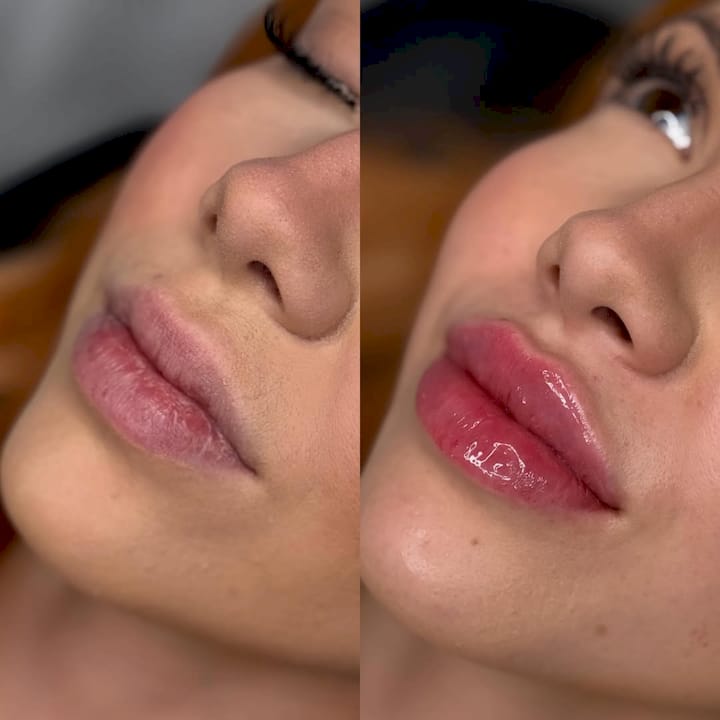
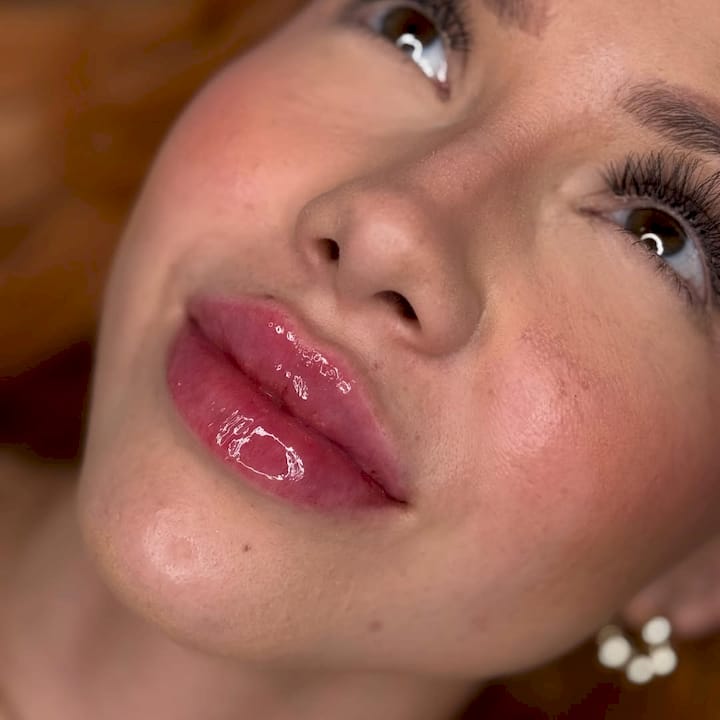
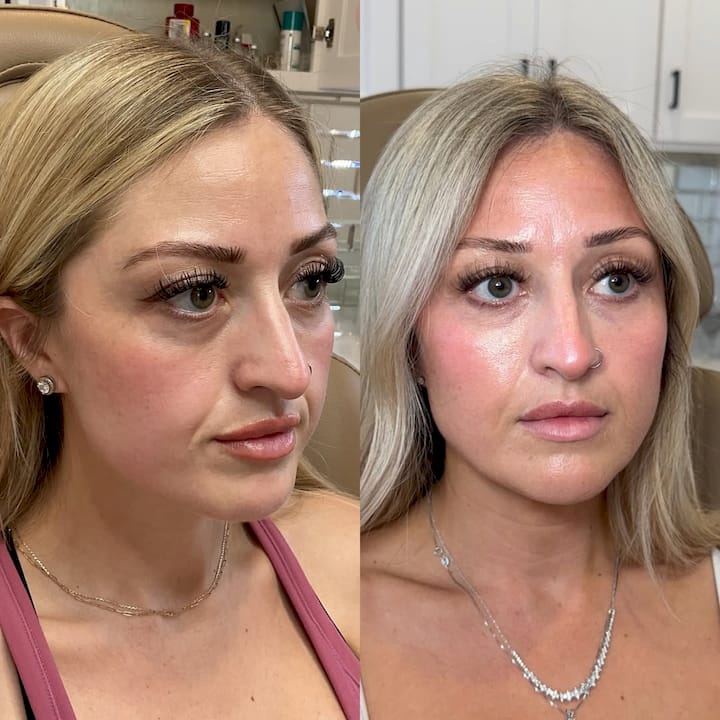
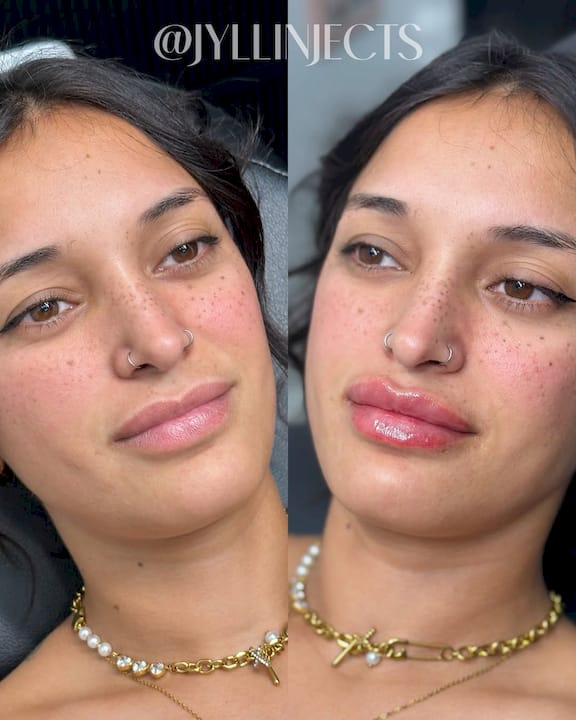
Facial hydration injections restore deep skin moisture for improved texture and natural radiance.
They use hyaluronic acid microdroplets placed just below the surface to stimulate collagen.
Results last 3 to 6 months, especially when done in a series by experienced providers.
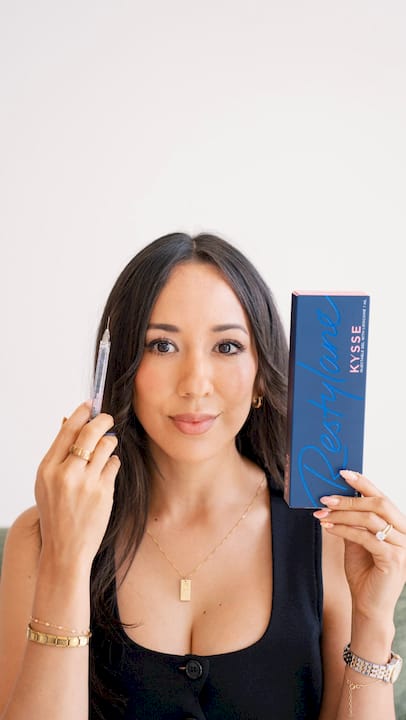
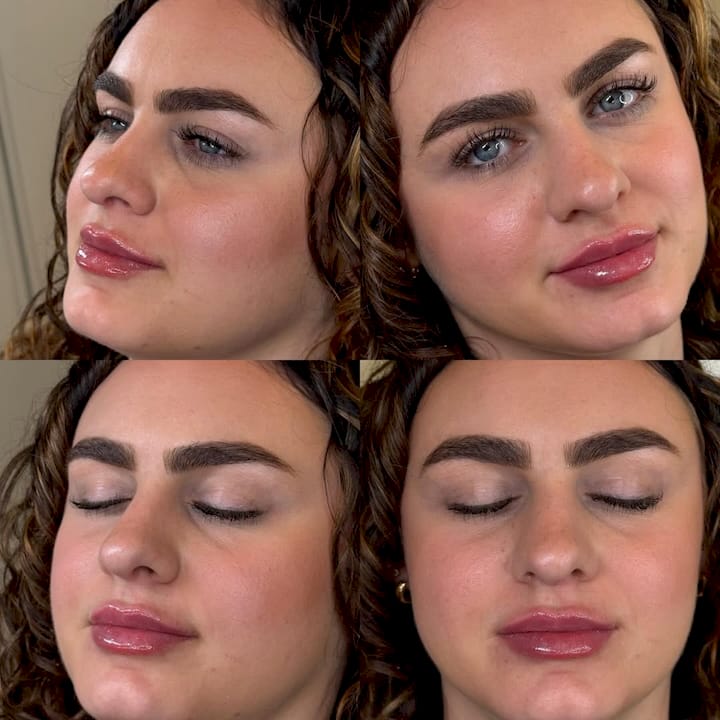
Most people assume all facial injectables add volume or change structure. That assumption leaves a lot of people chasing the wrong treatment. Facial hydration injections, sometimes called skin boosters or injectable moisturizers, work by replenishing moisture deep within the skin rather than reshaping it. The result is smoother texture, a genuine glow, and improved elasticity without any added fullness. For adults in Austin and San Antonio who want fresher, more radiant skin without looking “done,” this approach is quietly becoming one of the most sought-after treatments in aesthetic medicine.
Table of Contents
-
How facial hydration injections work: The science and the experience
-
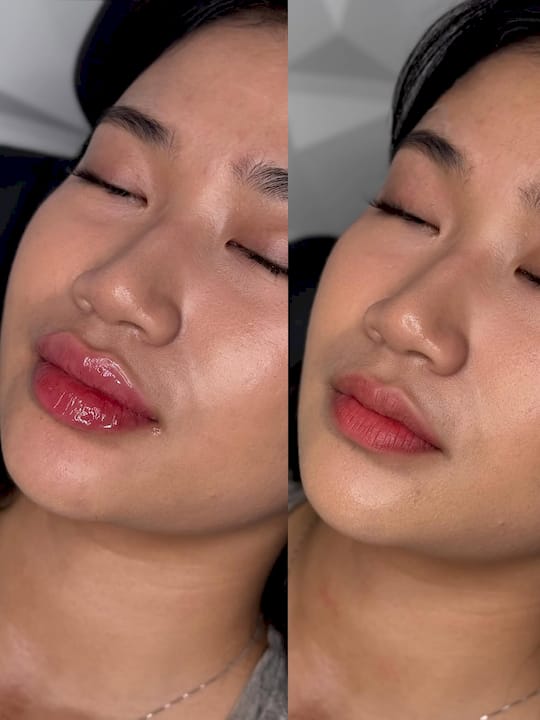
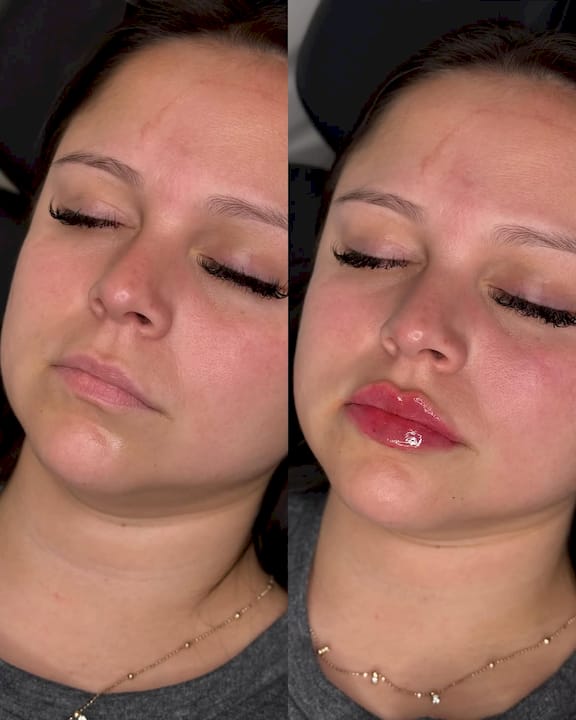
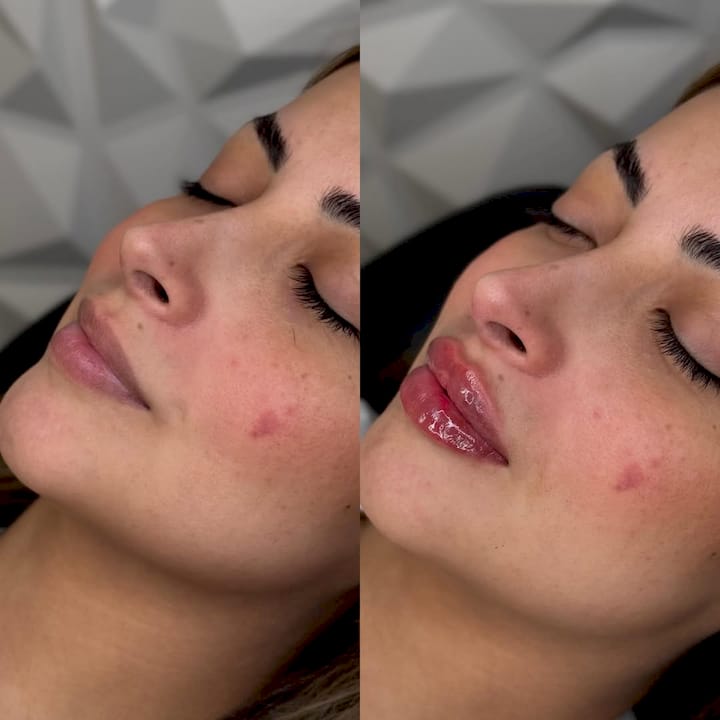
Benefits and results: What to expect from injectable moisturizers
-
Are you a good candidate? Patient selection and safety risks
-
Facial hydration injections vs. fillers and biostimulators: A practical comparison
-
The real secret: Why facial hydration injections are changing the rejuvenation game
Key Takeaways
| Point | Details |
|---|---|
| Hydration, not volume | Facial hydration injections improve skin quality and radiance without adding bulk or changing face shape. |
| Quick, science-backed results | Treatments take under 30 minutes, with visible improvement in hydration and texture within days to weeks. |
| Ideal for early aging | Best suited for adults seeking to revitalize skin glow, firmness, and prevent early aging signs. |
| Low risk, high satisfaction | When performed by an expert, side effects are mild and most patients report high satisfaction. |
What are facial hydration injections?
Facial hydration injections go by several names: skin boosters, injectable moisturizers, and hydration fillers. Despite the filler label, they are a fundamentally different tool. Their purpose is to restore moisture levels deep within the skin, not to fill hollows or build structure.
The active ingredient is hyaluronic acid (HA), a sugar molecule that occurs naturally in your body. What makes it special is its ability to hold up to 1,000x its own weight in water. As we age, natural HA levels drop, and the skin becomes drier, duller, and less resilient. Topical HA products sit on the surface and rarely penetrate deeply enough to make a lasting difference.
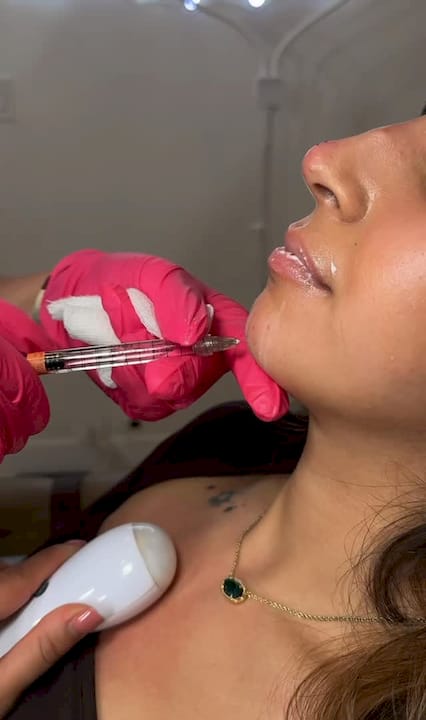
With injectable hydration, microdroplet HA injections are placed directly into the superficial dermis, the layer of skin just below the surface. This is a much shallower placement than traditional volumizing fillers, which go deeper to lift and sculpt. Because the HA is lighter and less cross-linked (meaning it has fewer chemical bonds holding it in a firm structure), it spreads evenly through the tissue rather than sitting in one place.
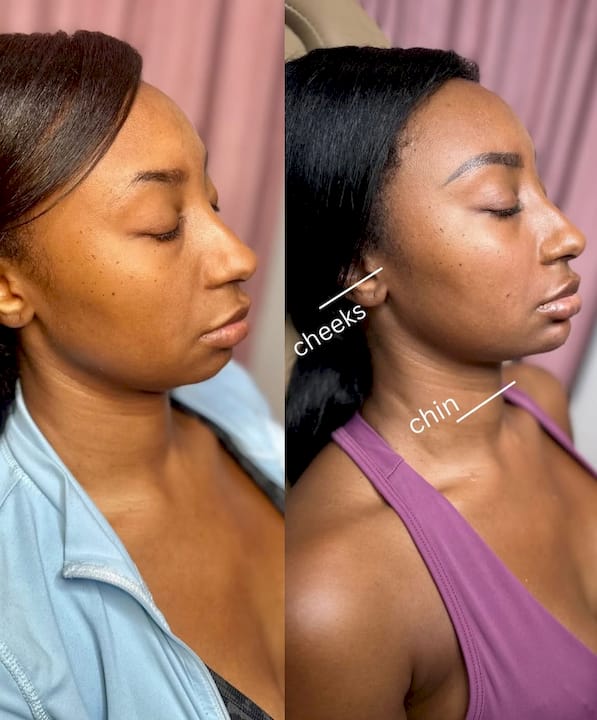
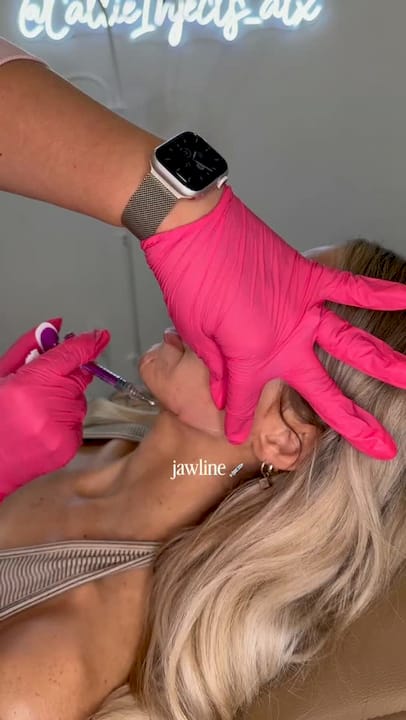
Common treatment areas include the cheeks, under eyes, jawline, neck, and even the backs of the hands. The benefits build over time:
-
Improved hydration and plumpness in skin texture
-
Brighter, more even skin tone from restored moisture
-
Better elasticity as collagen production gets stimulated
-
Smoother fine lines without changing facial contours
-
Longer-lasting results compared to topical skincare alone
“Think of it like watering a plant from the roots instead of misting the leaves. The hydration goes where it actually counts.”
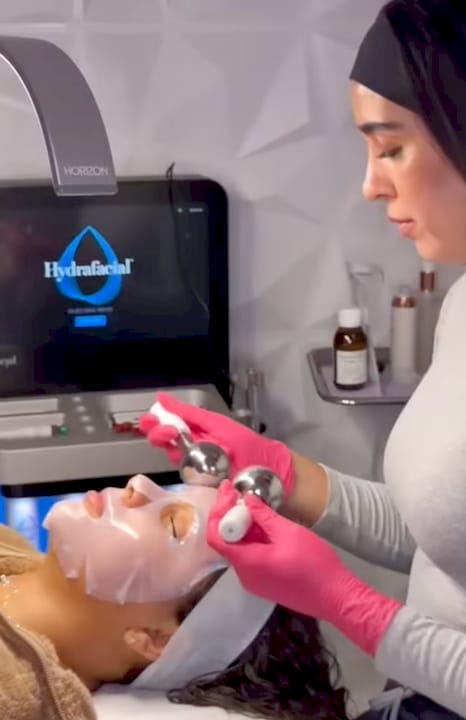
Pro Tip: If you’re weighing your options between injectable hydration and a surface-level treatment, compare HydraFacial vs. hydration injections to understand which approach targets your specific concerns. For those curious about the broader world of HA in aesthetics, learning about hyaluronic filler benefits provides helpful context.
How facial hydration injections work: The science and the experience
Understanding the process makes it far less intimidating and helps you know exactly what to expect.
-
Consultation: Your provider reviews your skin concerns, medical history, and goals. They map out which areas will benefit most and which product is right for you.
-
Skin prep: The treatment area is cleaned and a topical numbing cream is applied, usually for 20 to 30 minutes before the session begins.
-
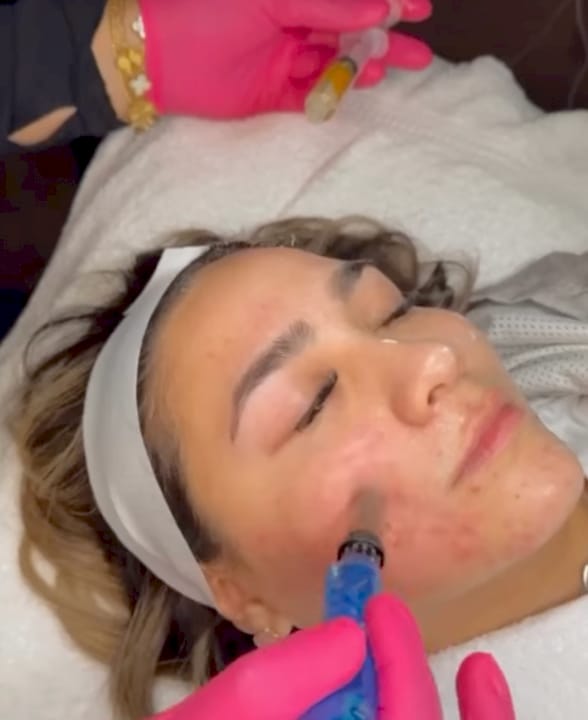
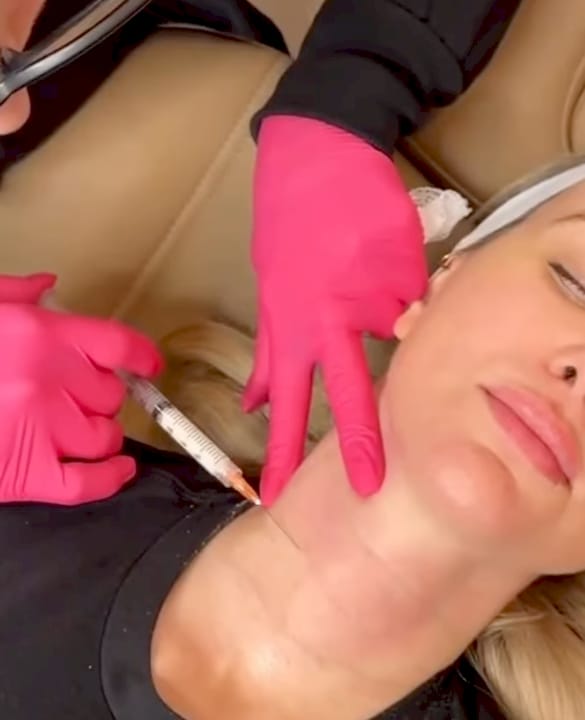
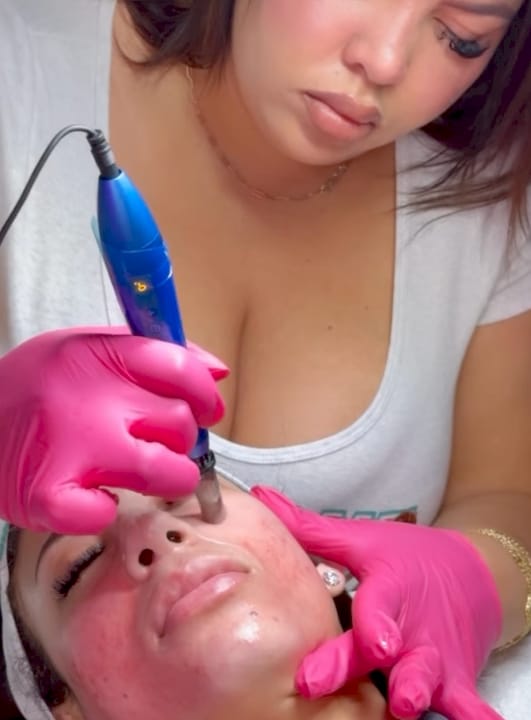
Injection technique: Using a fine-gauge needle, your injector places tiny droplets of HA into the superficial dermis across the treatment zone. Sessions typically take 15 to 30 minutes depending on the number of areas treated.
-
Immediate aftercare: Minor redness and swelling are normal and usually settle within 24 to 48 hours. Most people return to normal activities the same day.
-
Results develop gradually: The HA attracts water molecules and begins stimulating collagen over the following days and weeks. The skin continues to improve as the treatment integrates.
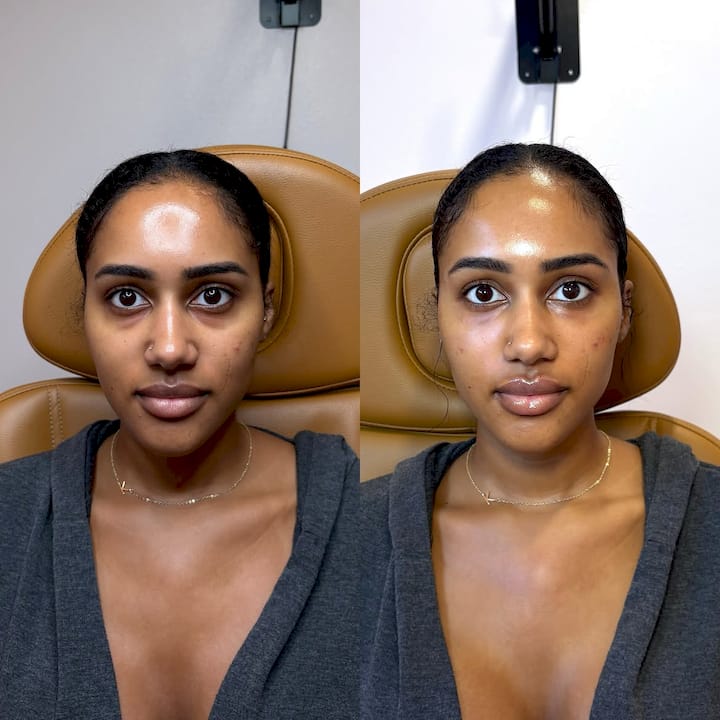
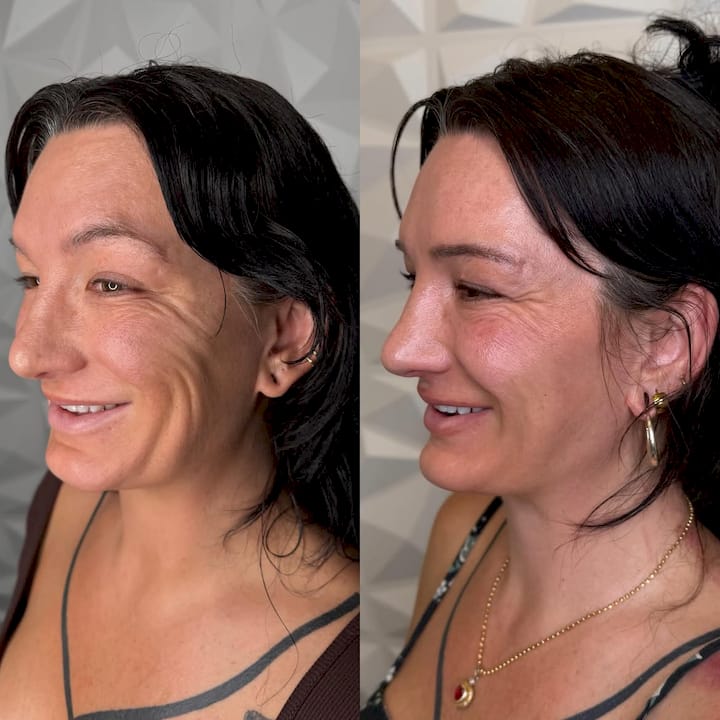
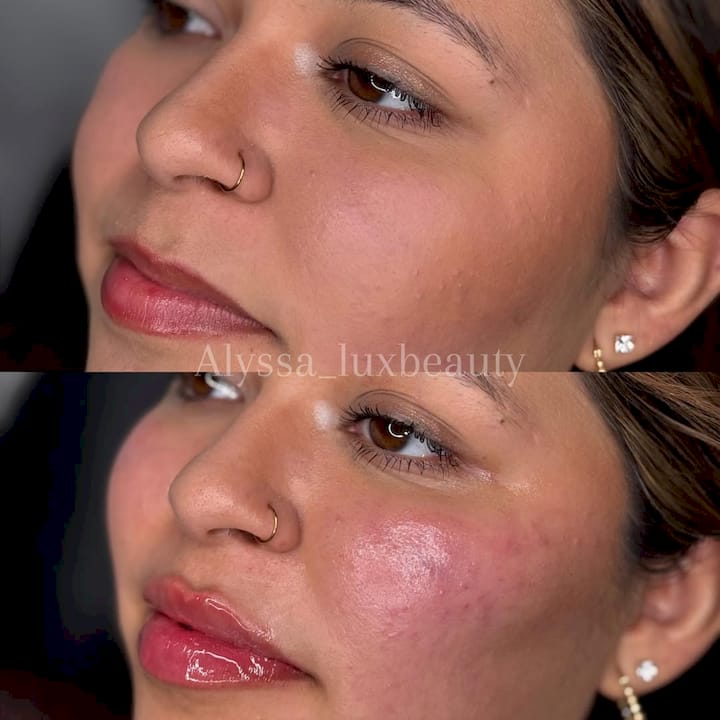
Key stat: Clinical studies show that hydration levels improve up to 43.7% in treated skin, with results peaking around one month after treatment.
Multi-session protocols (typically two to three sessions spaced four weeks apart) produce better, longer-lasting outcomes than a single treatment. The biological reason is straightforward: each session builds on the last, giving the dermis more time to respond and produce new collagen.
Pro Tip: Ask your provider whether a single session or a series makes more sense for your skin. If you have moderate dehydration or early aging signs, a series is almost always worth the investment.
One factor that many people underestimate is the injector’s skill. Depth and placement matter enormously with this technique. Too deep and you get unintended volume. Too superficial and you risk visible bumps. An experienced provider knows exactly where to place each microdroplet for even, natural-looking hydration.
Benefits and results: What to expect from injectable moisturizers
The science is promising, and the real-world results back it up. Here’s what people actually experience:
-
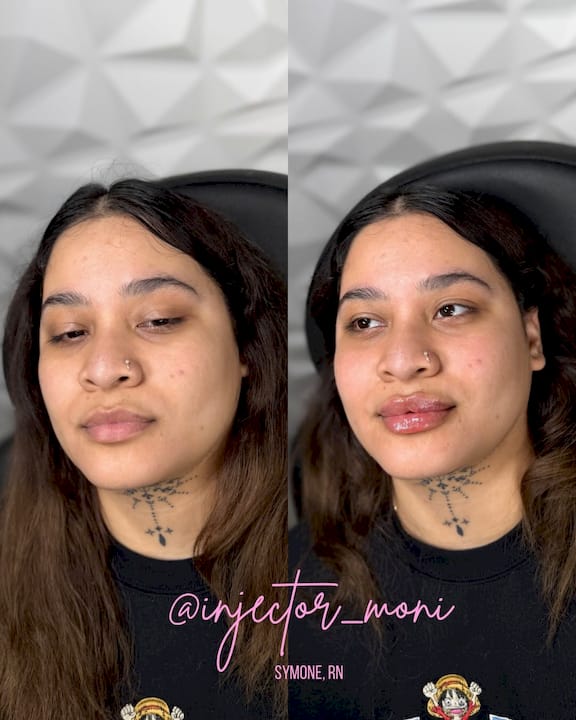
Smoother texture that feels different to the touch within weeks
-
A visible glow that makeup cannot fully replicate
-
Firmer, bouncier skin from collagen stimulation
-
Softer fine lines without the frozen or overfilled look
-
Improved makeup application because the skin holds moisture better
SkinVive by Allergan is currently the only FDA-approved skin booster specifically indicated for improving cheek skin smoothness and hydration in adults. That approval is a meaningful milestone for the category.
A large systematic review found patient satisfaction above 95% across injectable hydration studies, which is exceptionally high for any aesthetic treatment.
| Outcome | Typical timeline | Duration of results |
|---|---|---|
| Initial glow and smoothness | 1 to 2 weeks post-treatment | 3 to 6 months |
| Peak hydration improvement | Around 4 weeks | 3 to 6 months |
| Collagen stimulation effect | 4 to 8 weeks | Up to 6 months |
| Full series results | After session 2 or 3 | 6+ months |
“This is not a dramatic transformation. It is a restoration, and that distinction matters more than most clinics will tell you.”
Compared to oral collagen supplements or topical serums, injectable hydration works faster and more reliably because it bypasses the skin barrier entirely. The HA is placed exactly where it needs to work, not absorbed through layers of tissue with declining efficiency.
Are you a good candidate? Patient selection and safety risks
Facial hydration injections are genuinely well-suited for a broad range of people, but patient selection still matters.
Ideal candidates are typically:
-
Adults between 30 and 55 with early signs of aging such as dullness, dryness, or subtle laxity
-
People who want improvement in skin quality rather than structural change
-
Those who have not responded well to topical-only skincare routines
-
Patients seeking a natural, refreshed appearance without obvious intervention
Contraindications include:
-
Active skin infections or inflammatory conditions in the treatment area
-
Certain autoimmune diseases or blood clotting disorders
-
Pregnancy or breastfeeding
-
Known allergy to hyaluronic acid or lidocaine (commonly used in the product)
Side effects are common but minor. Redness, mild swelling, and bruising at injection sites typically resolve within one to two weeks. These are expected responses, not complications.
Serious risks are rare. The most significant is vascular occlusion, where HA inadvertently compresses a blood vessel. Research shows vascular occlusion occurs in approximately 0.0041% of cases when proper superficial technique is used. A skilled injector also has access to hyaluronidase, an enzyme that dissolves HA quickly if a complication arises.
Pro Tip: Before booking any injectable treatment, research different facial filler options and understand the full picture of safe injectable enhancements so you can make an informed choice with your provider.
Facial hydration injections vs. fillers and biostimulators: A practical comparison
Not all injectables do the same job. Understanding the differences helps you choose the right treatment or combination for your goals.
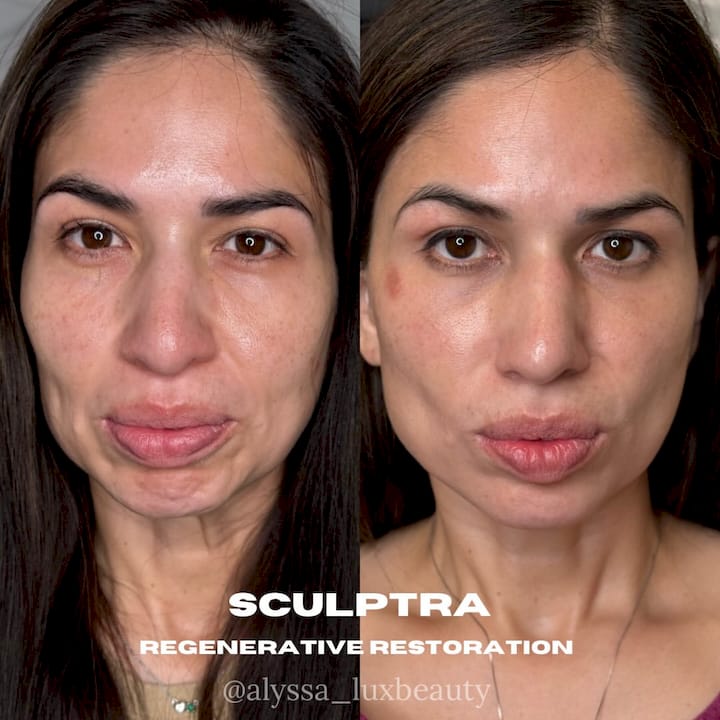
Hydration injections use lighter, non-volumizing HA to improve moisture and skin quality. Fillers use denser, more cross-linked HA or other materials to restore lost volume and define contours. Biostimulators like Sculptra work differently by triggering your own collagen production gradually over months. Some patients prefer biostimulators for their longer duration despite the slower onset.

| Treatment type | Primary goal | Onset | Duration | Best for |
|---|---|---|---|---|
| Hydration injections | Moisture, glow, texture | 1 to 2 weeks | 3 to 6 months | Dullness, dehydration, fine lines |
| Dermal fillers | Volume, contour, structure | Immediate | 6 to 18 months | Hollows, lips, jawline, cheeks |
| Biostimulators | Collagen, gradual lift | 2 to 3 months | 2 years+ | Skin laxity, long-term rejuvenation |
The key takeaway is that these treatments are not competing options. They address different problems:
-
Hydration injections fix skin quality issues: dryness, dullness, and early fine lines
-
Fillers restore lost volume and define facial features
-
Biostimulators build structural collagen for gradual, long-lasting improvement
For a deeper look at what suits your skin, explore skin booster options or read about combining fillers and Botox for a fuller rejuvenation approach. If you want to understand the mechanics behind volumizing treatments, how fillers work is a good starting point. You can also learn about choosing dermal fillers for natural results or compare the best fillers for cheeks if structural volume is part of your plan.
The real secret: Why facial hydration injections are changing the rejuvenation game
Here is something most anti-aging content misses entirely: the biggest complaint people have after their first filler appointment is not about shape or symmetry. It is that their skin still looks tired. Volume was added, but radiance was not restored. That gap is exactly where hydration injections shine.
For adults in their 30s and 40s especially, the earliest signs of aging are not about lost volume at all. They are about skin quality: the texture, the glow, the bounce. Chasing structural change when your skin is simply dehydrated is like repainting a wall without priming it first.
We also believe in staging. Starting with hydration, then layering in targeted volume or collagen stimulation as needed, produces the most natural and refreshed outcomes. It is a smarter, more patient approach than throwing every treatment at someone in one session.
Trusting an experienced injector with this treatment matters more than most people realize. The superficial placement that makes hydration injections safe and effective is also what makes technique so critical. Learn more about safe facial enhancements to understand what separates a great outcome from a mediocre one.
Ready for a more hydrated, radiant you?
If dehydrated, dull, or aging skin has been on your mind, facial hydration injections might be exactly the step you have been missing. At The Injection Room, our trained providers in Austin and San Antonio offer personalized consultations to help you find the right approach for your skin and your goals. Whether you start with injectable hydration, pair it with HydraFacial treatments, or combine it with microneedling for deeper skin renewal, we will build a plan that fits your life and your face. Book a consultation and find out which treatment is your best next step.

Frequently asked questions
Are facial hydration injections safe for all skin types?
They are safe for most skin types, but those with active infections or certain health conditions should consult a qualified provider before proceeding.
How long do facial hydration injection results last?
Results typically last between 3 and 6 months, with maintenance sessions recommended to keep skin quality consistent over time.
What is the difference between facial hydration injections and regular fillers?
Hydration injections target moisture and skin texture using lightweight HA, while traditional fillers use denser material to add volume and reshape facial structure.
Can facial hydration injections be combined with other treatments?
Yes, they work well alongside fillers, microneedling, and HydraFacial. Many patients combine hydration injections with other non-surgical treatments for a more complete glow and rejuvenation result.
What are the most common side effects?
Mild redness, swelling, and bruising are the most common responses and typically resolve within two weeks. Vascular complications are rare when treatment is performed by a skilled provider using correct superficial technique.


%20Pictures%20are%204%20weeks%20apart..jpg)