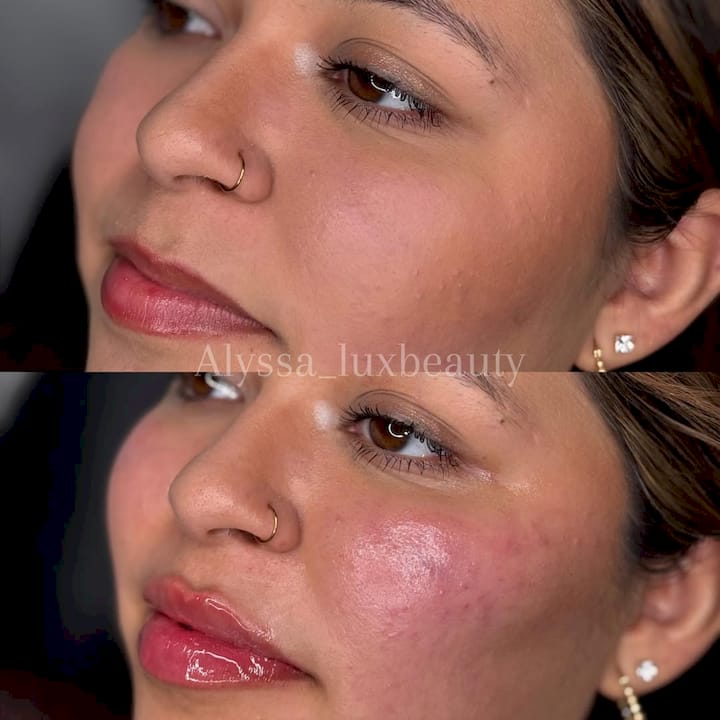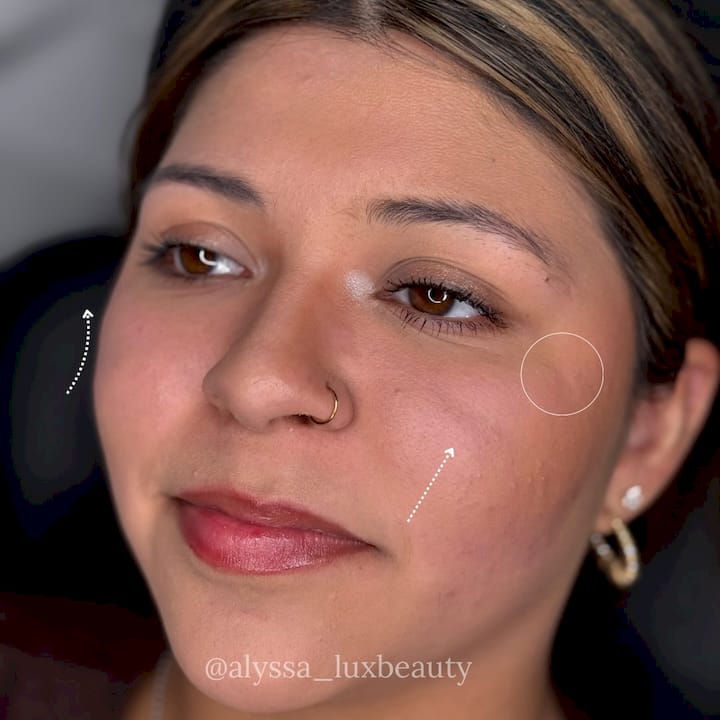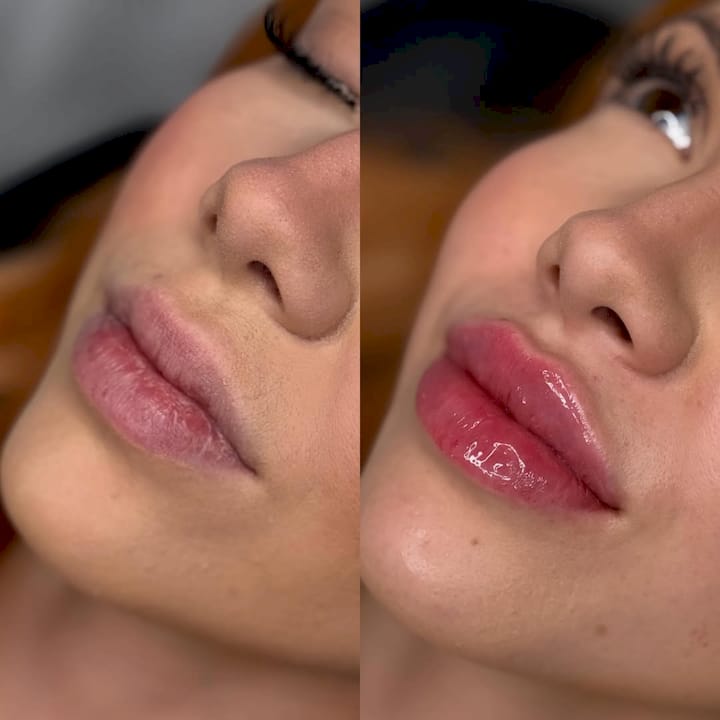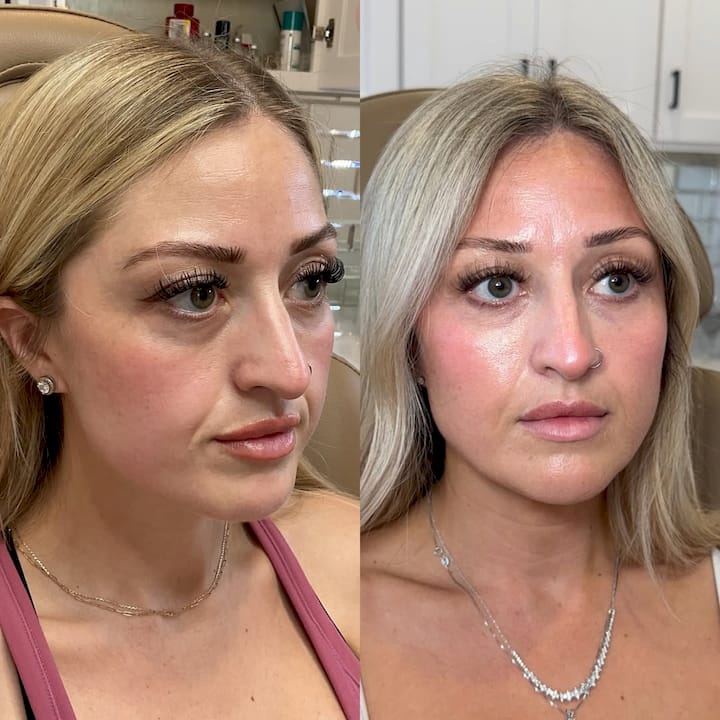
A deep cleansing facial is a professional skincare treatment that removes impurities, unclogs pores, and supports the skin’s natural regeneration cycle at a level no home routine can match. The deep cleansing facial benefits go well beyond surface cleaning. They include collagen stimulation, reduced transepidermal water loss (TEWL), improved product absorption, and measurable anti-aging effects. Dermatologists and clinical estheticians recommend scheduling these treatments every 4–6 weeks to align with the skin’s natural cell turnover cycle. Whether you are managing acne, early fine lines, or dull texture, understanding how this treatment works is the first step toward real, lasting results.
1. What are the deep cleansing facial benefits for your skin?
Deep cleansing facials deliver results that go far deeper than a standard home cleanse. They remove oxidized lipids, environmental particulates, and sebum buildup that accumulate in follicles over weeks. That buildup blocks the skin’s ability to breathe, regenerate, and absorb the products you apply every day.
The skin benefits of deep cleansing include reduced TEWL and better penetration of active ingredients. When the surface is clear of debris, serums and moisturizers reach deeper skin layers where they actually work. This is why many people notice their home skincare routine performing better in the days following a professional facial.
Professional exfoliation and facial massage also stimulate collagen synthesis by triggering TGF-β expression and improving lymphatic flow. Collagen is the structural protein responsible for skin firmness and elasticity. Stimulating its production through consistent professional treatment is one of the most evidence-backed anti-aging strategies available without needles.
Pro Tip: Ask your esthetician to use enzymatic exfoliants rather than harsh physical scrubs if your skin runs sensitive. Enzymes dissolve dead cells without disrupting the acid mantle.
2. How does a deep cleansing facial actually work?
The physiological process behind a deep cleansing facial explains why results last longer than a home routine. A standard session lasts about 60 minutes and follows a 5–7 step protocol: cleansing, steaming, exfoliation, extraction, a treatment mask, hydration, and massage. Each step builds on the last.
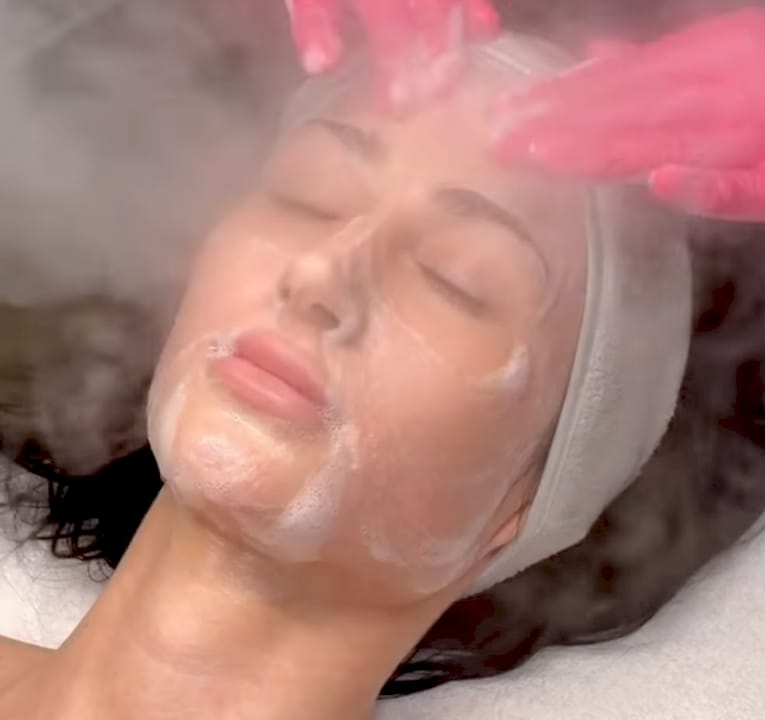
Steam softens the follicle walls, making extractions safer and more effective. Exfoliation, using AHA acids or enzymatic formulas, accelerates cell turnover and removes the dead skin layer that makes complexions look dull. You can read more about how facial steaming supports the skin barrier during this phase of treatment.
The extraction step is where professional skill matters most. Improper extractions cause inflammation, bacterial spread, and scarring. A trained esthetician uses sterile tools and correct pressure to clear congested pores without damaging surrounding tissue. That distinction separates a professional treatment from a risky DIY attempt.
A high-quality treatment is also customized based on a facial skin analysis that assesses congestion, sensitivity, and hydration levels. No two skin types respond identically to the same protocol. Customization is what turns a good facial into a genuinely effective one.
Pro Tip: Tell your esthetician about any active breakouts, recent chemical peels, or retinol use before your session. These factors directly affect which exfoliation method and extraction pressure are appropriate for your skin that day.
3. The top 7 skin benefits of regular deep cleansing facials
The advantages of deep cleansing extend across multiple skin concerns simultaneously. Here are the seven most clinically significant benefits:
-
Unclogged pores and reduced pore appearance. Removing sebum and debris from follicles makes pores look visibly smaller. Pores do not literally shrink, but they appear tighter when they are not stretched by buildup.
-
Reduced acne and bacterial load. Clearing congested follicles removes the environment where acne-causing bacteria thrive. Regular treatments reduce the frequency and severity of breakouts over time.
-
Smoother texture and brighter complexion. Exfoliation removes the dull, uneven outer layer of dead cells. The skin underneath reflects light more evenly, which reads as radiance.
-
Slowed visible aging. Deep cleansing facials enhance the skin’s regenerative capacity by clearing congested follicles and stimulating metabolic function. This directly supports collagen production and slows the formation of fine lines.
-
Improved hydration and moisture retention. Removing oxidized surface debris reduces TEWL, meaning the skin holds onto moisture more effectively between sessions.
-
Reduced puffiness through lymphatic drainage. Facial massage techniques used during treatment move stagnant lymphatic fluid. This reduces morning puffiness and gives the face a more defined, rested appearance.
-
Lower stress hormone impact on skin. Facial massage reduces cortisol levels, which directly benefits skin health. Elevated cortisol triggers sebum overproduction and slows wound healing, so reducing it has measurable skin effects.
“Deeper should not mean more aggressive. The most effective deep cleansing facials prioritize skin barrier respect over intensity. Redness and irritation after a facial are signs of poor technique, not proof that the treatment worked.”
You can explore the advantages of a facial for all ages to understand how these benefits apply across different skin types and life stages.
4. How often should you get a deep cleansing facial?
Treatment frequency is one of the most misunderstood aspects of professional skincare. Dermatologists recommend scheduling facials every 4–6 weeks to match the skin’s natural cell regeneration cycle, which runs approximately four weeks. Treating too frequently disrupts the barrier before it has time to recover.
Overtreating causes redness, chronic inflammation, and a compromised skin barrier. That barrier damage actually accelerates moisture loss and makes skin more reactive, the opposite of what you want. The 4–6 week window exists to let the skin complete its natural cycle and benefit fully from each session.
Different facial types require adjusted intervals. Gentler hydrating facials can be done more frequently than treatments involving deep extractions or strong chemical exfoliants. Your esthetician should guide the schedule based on your skin’s current condition, not a fixed calendar.
| Skin type | Recommended interval | Key reason |
|---|---|---|
| Oily or acne-prone | Every 4 weeks | Faster sebum buildup and follicle congestion |
| Normal or combination | Every 4–6 weeks | Aligns with standard cell turnover cycle |
| Dry or sensitive | Every 6 weeks | Barrier needs more recovery time between sessions |
| Mature skin | Every 4–6 weeks | Supports collagen stimulation without over-exfoliating |
Monthly facials drive the best results when paired with a consistent home-care routine. Without that home-care support, the skin can enter chronic inflammation cycles between sessions, which undoes much of the progress made in the treatment room.
5. What to expect during a professional deep cleansing session
A professional deep cleansing session follows a clear, logical sequence. The multi-step protocol begins with a thorough cleanse to remove surface makeup and oil, followed by steam to open follicles and soften congestion. Exfoliation comes next, using either AHA acids, enzymatic formulas, or dermaplaning depending on your skin type.
Extractions follow exfoliation, when follicles are most accessible. A trained esthetician clears blackheads, whiteheads, and congested pores using sterile tools and controlled pressure. Milia, those small white cysts under the skin, require a sterile micro-needle procedure for safe removal. Attempting to remove them at home causes scarring and infection.
The session closes with a treatment mask tailored to your skin’s needs, followed by hydration and a massage. That final massage step is not just relaxing. It actively stimulates lymphatic drainage and collagen synthesis, making it one of the most therapeutically valuable parts of the treatment.
For a broader look at professional facial treatment options, the facial treatment guide at Tebori Brows covers a range of protocols and what to expect from each.
6. Aftercare that protects your results
Post-facial aftercare determines how long your results last and whether complications develop. The skin is more permeable and reactive for 24–48 hours after a deep cleansing treatment. What you apply, and avoid, during that window matters significantly.
-
Wear sunscreen immediately after your facial. Sun exposure on freshly exfoliated skin accelerates hyperpigmentation. Avoiding sun exposure and using SPF post-facial is the single most important aftercare step.
-
Skip heavy makeup for 24 hours. Freshly cleared pores are vulnerable to re-clogging. Give the skin time to settle before applying foundation or concealer.
-
Avoid retinol, AHAs, and strong actives for 48 hours. These ingredients are too aggressive on skin that has just been exfoliated and extracted. Layering them too soon causes irritation and barrier damage.
-
Use a gentle cleanser and a fragrance-free moisturizer. The goal for the first two days is to support the barrier, not treat it further.
-
Do not pick at any post-extraction marks. Inflammation from extractions resolves on its own within 24–48 hours. Picking introduces bacteria and causes the scarring that professional extractions were designed to prevent.
Consistent facials paired with proper home care maintain skin health over the long term by preventing the chronic inflammation cycles that break down collagen and disrupt barrier function.
Key Takeaways
A deep cleansing facial delivers its most lasting results when it is performed at the right frequency, by a trained professional, and supported by consistent aftercare between sessions.
| Point | Details |
|---|---|
| Optimal frequency | Schedule every 4–6 weeks to match the skin’s natural cell turnover cycle. |
| Professional extractions matter | Trained estheticians use sterile tools to clear pores without causing scarring or bacterial spread. |
| Collagen and anti-aging effects | Massage and exfoliation stimulate TGF-β expression, directly supporting collagen production. |
| Aftercare is non-negotiable | Avoid sun exposure, harsh actives, and heavy makeup for 48 hours to protect results. |
| Home care extends benefits | A consistent home routine prevents chronic inflammation between professional sessions. |
What I’ve learned about deep cleansing facials after years in aesthetics
The most common mistake I see is treating intensity as a proxy for effectiveness. Clients come in expecting redness and peeling as proof the treatment “worked.” That thinking leads people toward over-aggressive protocols that damage the barrier and create more problems than they solve.
The facials that produce the best long-term results are the ones that respect the skin’s current condition. A skilled esthetician reads the skin before touching it, adjusts the exfoliation method, and knows when to hold back on extractions. That restraint is not timidity. It is clinical precision.
I also think people underestimate the anti-aging value of regular, moderate-intensity facials compared to infrequent, aggressive ones. Consistent collagen stimulation every 4–6 weeks compounds over months. One intense treatment every six months does not. The face lines treatment options that work best are always the ones built on a foundation of consistent skin health, not reactive correction.
The other thing worth saying plainly: a facial is not a substitute for medical-grade treatments when those are warranted. It is a complement to them. Knowing the difference, and building a plan that uses both appropriately, is where real results come from.
— Marina
Professional deep cleansing facials at Theinjectionroom
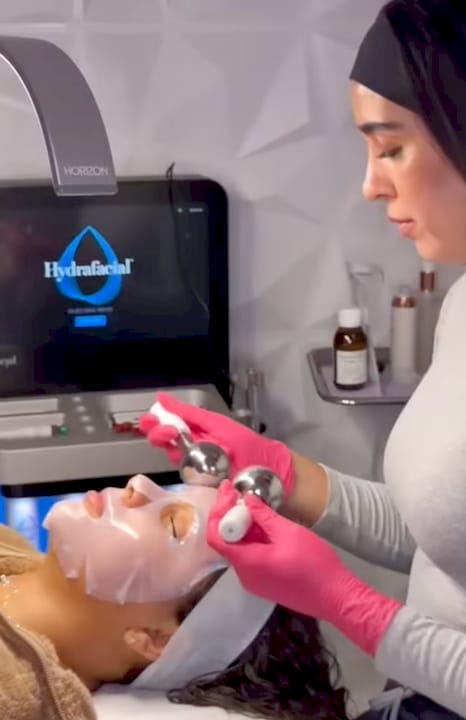
Theinjectionroom offers professional facial treatments in Austin and San Antonio, Texas, designed around your skin’s specific needs rather than a one-size protocol. Every session begins with a skin analysis to assess congestion, hydration, and sensitivity before any treatment step begins. For clients looking to address texture, fine lines, and collagen loss alongside deep cleansing, microneedling in San Antonio and Austin is available as a complementary treatment that drives deeper collagen remodeling. Theinjectionroom also offers neurotoxin treatments and HydraFacials for clients who want a full skin health plan. Book a consultation to get a personalized treatment schedule built around your goals.
FAQ
What is a deep cleansing facial?
A deep cleansing facial is a professional treatment that removes sebum, dead skin cells, and environmental debris from pores using a multi-step protocol including steaming, exfoliation, and extractions. It goes significantly deeper than any home cleansing routine.
How long do deep cleansing facial results last?
Results typically last 4–6 weeks, which is why dermatologists recommend scheduling treatments at that interval to align with the skin’s natural cell turnover cycle.
Can a deep cleansing facial help with acne?
Yes. Clearing congested follicles removes the environment where acne-causing bacteria thrive, and professional extractions reduce active breakouts without the scarring risk of at-home squeezing.
Is a deep cleansing facial good for anti-aging?
Deep cleansing facials stimulate collagen synthesis through exfoliation and massage, and they enhance the skin’s regenerative capacity by removing buildup that slows metabolic function. Both effects directly slow visible aging.
What should you avoid after a deep cleansing facial?
Avoid sun exposure, heavy makeup, retinol, and AHA products for at least 48 hours post-treatment. Use a gentle cleanser and a fragrance-free moisturizer to support barrier recovery and protect your results.


%20Pictures%20are%204%20weeks%20apart..jpg)