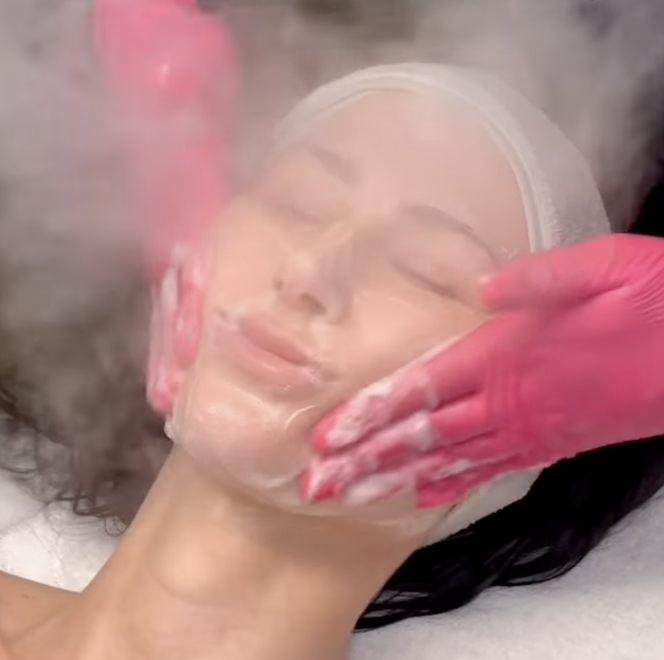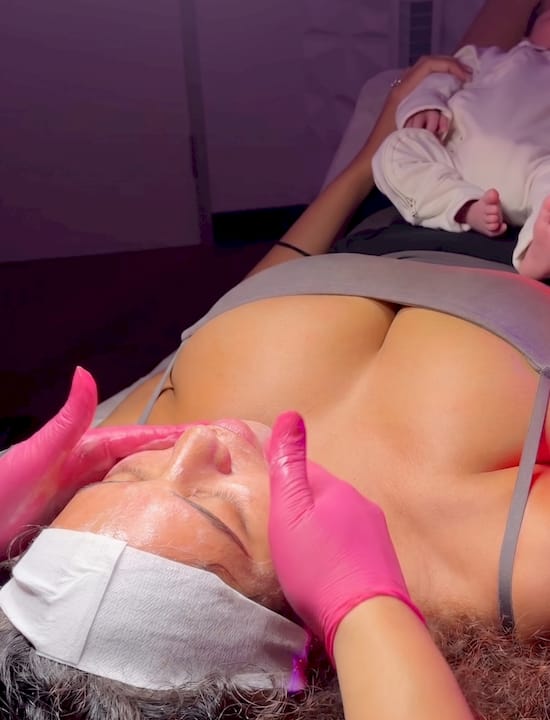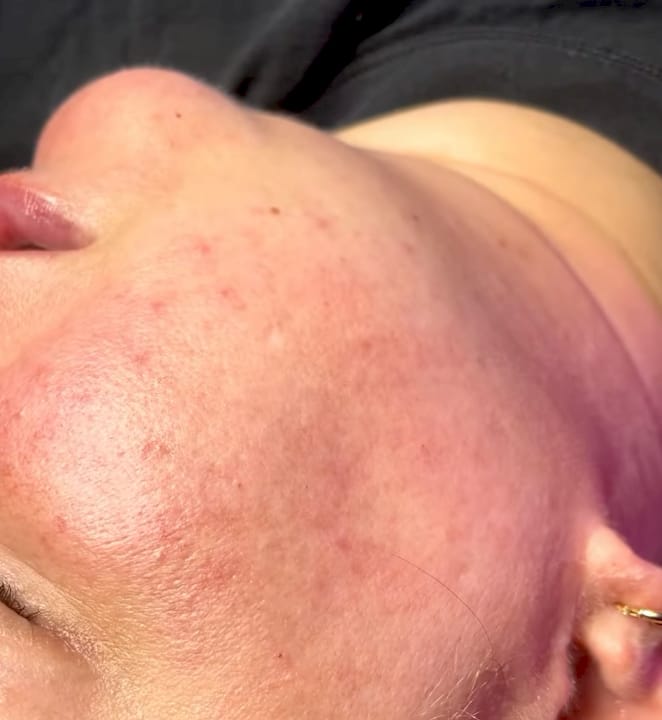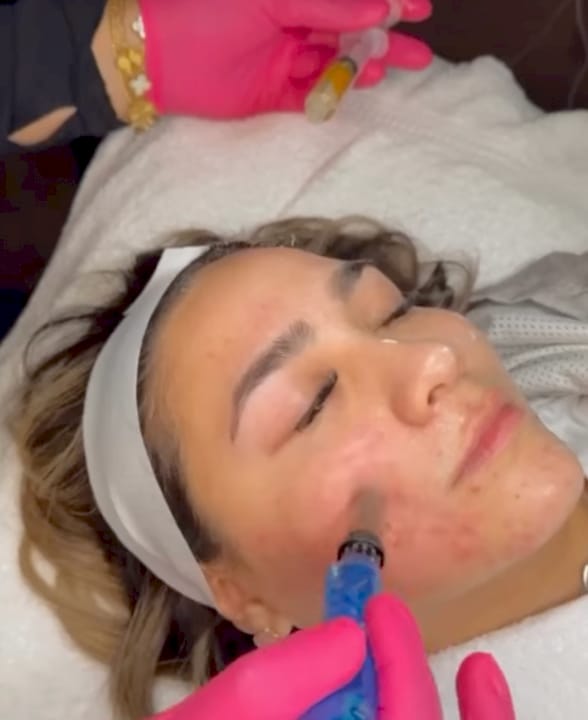
Microneedling in Austin typically runs $200–$700 per session for standard treatments, based on verified cash-pay quotes collected by MarketCare from local providers. MedSpa Scout lists roughly 46 Austin-area providers in this range, with many offering package pricing and financing. The Injection Room offers microneedling appointments in Austin, including PRF and RF options, and you can book directly online.
Quick price snapshot:
-
Single session (standard microneedling): $200–$450 at entry-level and mid-tier clinics; $450–$700 at higher-credential or specialty practices
-
3-session package (standard): commonly $500–$1,500 total, depending on the clinic and any included add-ons
-
RF microneedling (single session): typically $400–$900 or more per session in Austin
-
PRP or PRF add-on: usually adds $100–$300 per session on top of the base price
-
Nationally, Healthline reports a typical range of $200–$800 per session, consistent with what Austin providers charge
Cosmetic microneedling is not covered by insurance. That said, it may qualify as an HSA or FSA expense in some cases — confirm eligibility with your plan administrator before booking.
Key Takeaways
Verified Austin cash-pay microneedling prices run in a moderate range per session, with most patients completing multiple sessions spaced several weeks apart for visible, lasting results.
| Point | Details |
|---|---|
| Austin price range | Standard microneedling runs in a moderate per-session price range; RF microneedling generally costs more per session. |
| Package savings | A 3-session package commonly costs less overall than booking individual sessions. |
| PRP/PRF add-on cost | Add-ons typically increase the cost per session, with PRF tending to cost somewhat more than PRP. |
| Sessions and timeline | Most providers recommend multiple sessions spaced weeks apart. Full results appear several weeks to a few months after treatment. |
| Book locally | The Injection Room offers microneedling, RF, and PRF options in Austin with physician-supervised protocols. |
Table of Contents
What is microneedling and how does it work?
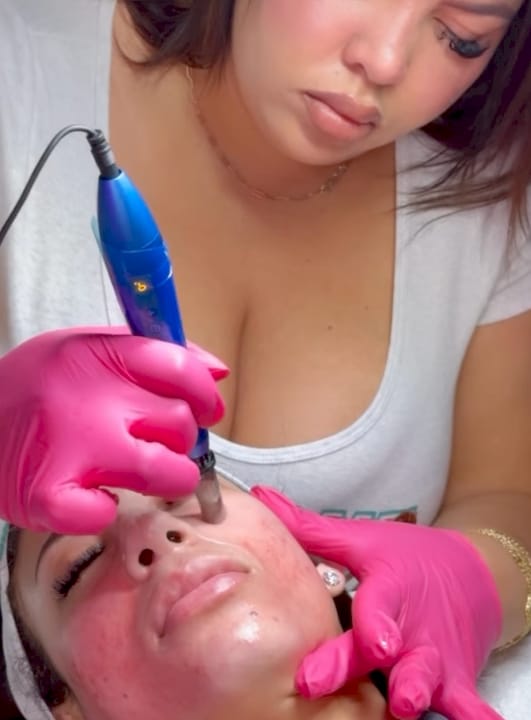
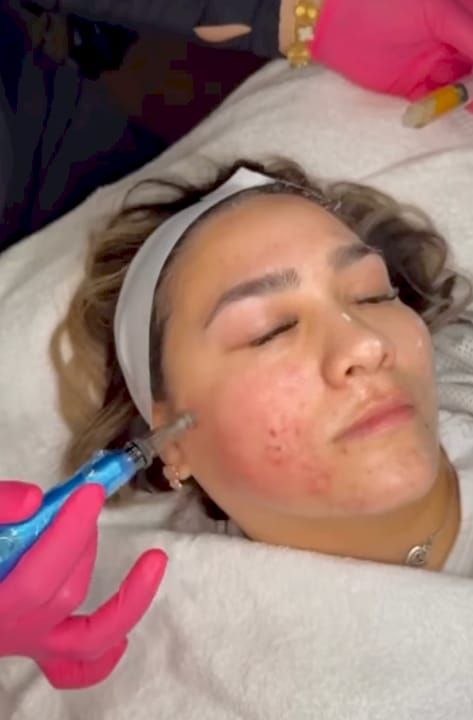
Microneedling, also called collagen induction therapy, creates thousands of controlled micro-injuries in the skin using fine needles. Those tiny channels trigger the skin’s natural wound-healing response, stimulating collagen and elastin production. The result, over several weeks, is firmer, smoother skin with improved texture.
The device type matters both for your results and your bill. Common options include:
-
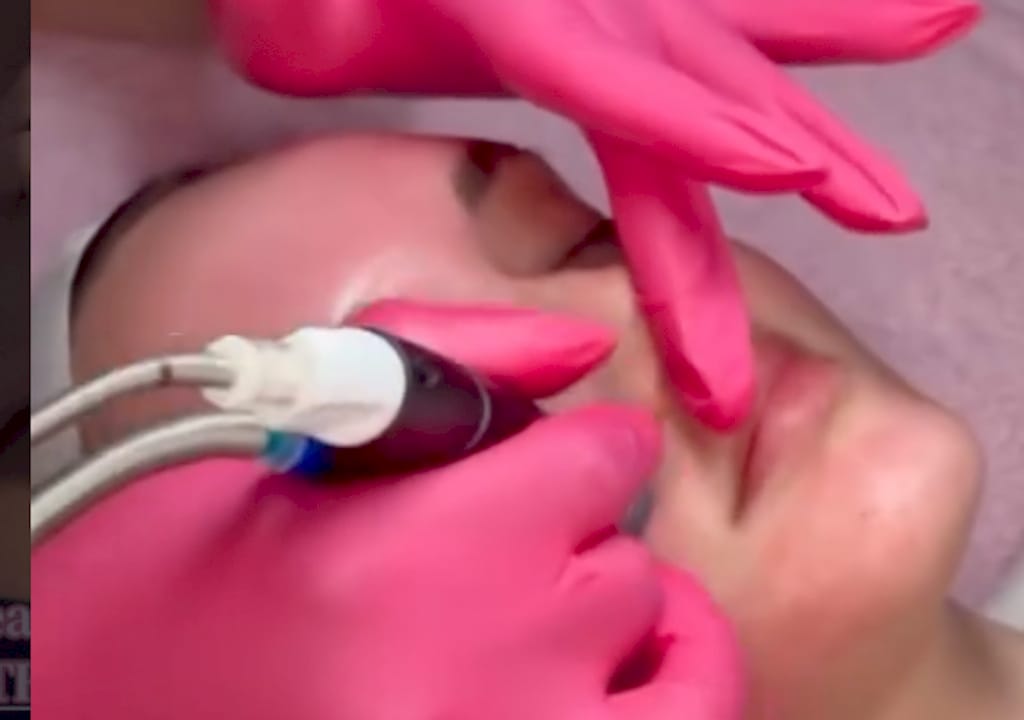
Microneedling pen (e.g., Rejuvapen, Dermapen): A motorized handpiece with a disposable tip; the most widely available format in Austin med spas
-
Dermaroller: A manual rolling device; less precise than a pen and less common in clinical settings
-
RF microneedling: Delivers radiofrequency energy through the needles simultaneously, adding a skin-tightening effect beyond collagen induction alone; typically costs more per session and carries slightly more downtime
According to DermNet NZ, needles used in clinical microneedling commonly reach around 0.5 mm to minimize bleeding, though devices can go up to 3 mm for deeper scar work. Deeper settings generally mean more redness and a longer recovery window — and often a higher price.
RF microneedling combines two mechanisms in one session: the micro-injury collagen response and the tissue-tightening effect of radiofrequency heat. That dual action is why RF sessions cost more and why the results for skin laxity tend to be more pronounced than standard needling alone.
Pro Tip: Ask your provider specifically which device they use and whether the tip is single-use. Disposable tips are the standard for infection control — a clinic reusing tips is a red flag.
What can microneedling actually treat?
Microneedling works best for surface-level and mid-depth skin concerns. The treatments with the most consistent clinical support include textural improvement, acne scarring (atrophic, rolling, and boxcar types), enlarged pores, and superficial fine lines. Many patients also use it for mild skin laxity and overall radiance.
Where it delivers real results:
-
Acne scars, particularly rolling and shallow boxcar types
-
Uneven skin texture and rough patches
-
Enlarged or congested pores
-
Early fine lines and superficial wrinkles
-
Mild skin laxity, especially with RF microneedling
Where results are more modest or require additional treatments:
-
Deep ice-pick acne scars often respond better to laser resurfacing or subcision
-
Significant skin laxity may need RF microneedling, ultrasound treatments, or injectables
-
Hyperpigmentation can improve, but results vary by skin tone and require careful post-care
StatPearls notes that while microneedling is widely used and considered safe, high-quality evidence for efficacy is limited to smaller studies and case series. That doesn’t mean it doesn’t work — most patients see real improvement — but it does mean you should go in with calibrated expectations rather than expecting dramatic transformation after one session.
Pro Tip: For microneedling benefits to show fully, give it at least 4–6 weeks after your final session before judging results. Collagen remodeling is slow by nature.
How much does microneedling cost in Austin?
Austin cash-pay prices for microneedling run $200–$700 per session for standard treatments, consistent with both MarketCare’s verified local quotes and MedSpa Scout’s provider listings. Where you land in that range depends on the clinic tier, device used, and whether add-ons are included.
Standard microneedling pricing tiers
| Session type | Typical Austin price range |
|---|---|
| Single session (entry-level clinic) | $200–$350 |
| Single session (mid-tier med spa) | $350–$500 |
| Single session (high-credential practice) | $500–$700 |
| 3-session package (standard) | $500–$1,500 |
| RF microneedling (single session) | $400–$900+ |
| PRP add-on (per session) | $100–$300 |
| PRF add-on (per session) | $150–$350 |
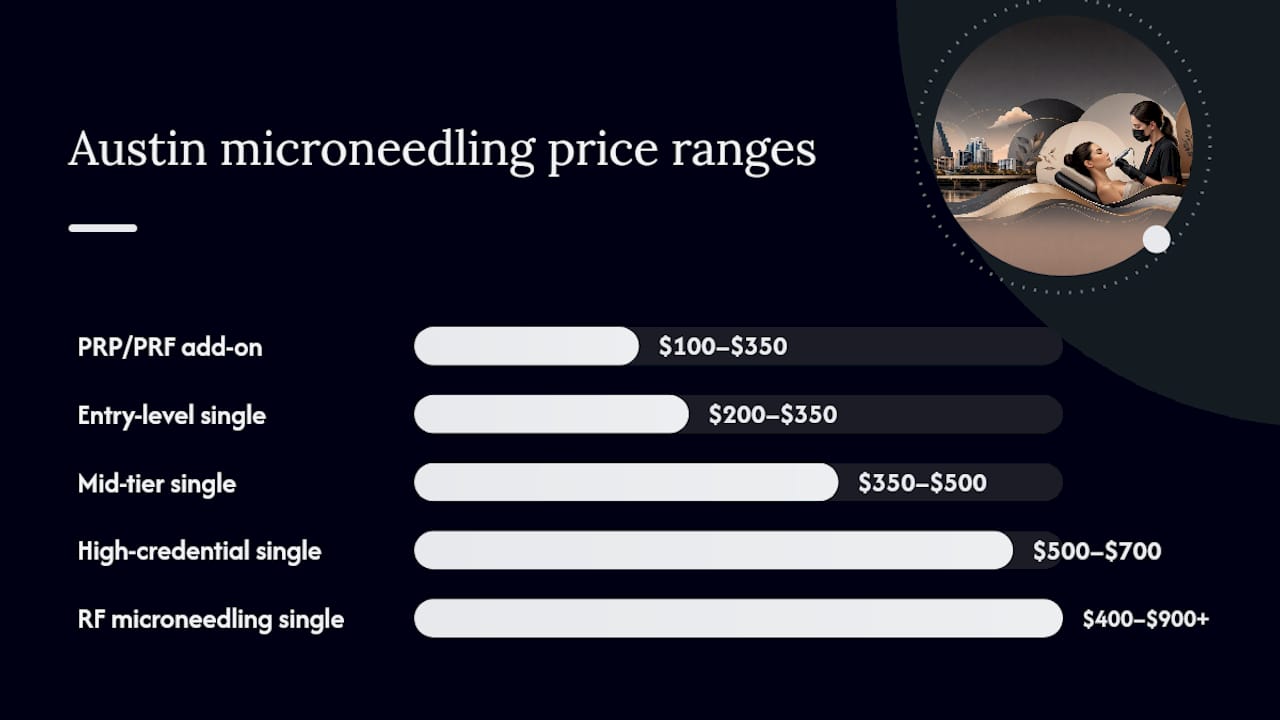
RF microneedling sits in its own pricing category. Because it combines radiofrequency energy with needling, the equipment cost and provider training requirements push prices higher. In Austin, a single RF session commonly runs $400–$900, and some specialty practices charge more for full-face treatments with advanced settings.
Adding PRP (platelet-rich plasma) or PRF (platelet-rich fibrin) to a standard session typically adds $100–$350 per visit. PRF, which uses a slower centrifuge process and produces a more concentrated growth factor product, often costs slightly more than PRP. When bundled into a package, the per-session add-on cost may be lower than paying à la carte.
Financing is widely available. Many Austin providers accept CareCredit, and some offer in-house payment plans or promotional package pricing. MedSpa Scout confirms that a significant portion of Austin-area providers offer financing options and virtual consults for initial pricing conversations.
Pro Tip: When comparing package quotes, ask whether the package price includes numbing cream, aftercare products, or follow-up appointments. Two packages priced the same can differ substantially in what’s actually included.
A 3-session package is the most common entry point for new patients. It covers the minimum number of sessions most providers recommend for visible improvement and usually comes at a lower per-session cost than booking individually.
What factors change your microneedling quote?
Two Austin clinics can quote you $300 apart for what sounds like the same treatment. Here’s why that gap is almost always legitimate.
-
Treatment area size: A full-face session costs more than a targeted area like the nose or forehead. Neck and décolletage add-ons increase the total further.
-
Device type: RF microneedling equipment costs significantly more to purchase and maintain than a standard pen, and that cost passes through to pricing. Even among standard pens, devices like the Rejuvapen or Dermapen carry different consumable costs.
-
Provider credentials: A session performed or directly supervised by an MD, PA, or RN in a physician-led practice typically costs more than one performed by an esthetician. The credential difference also affects the depth settings available and the safety protocols in place.
-
PRP/PRF processing: Clinics that process PRP or PRF on-site require a centrifuge, sterile kits, and trained staff. That infrastructure adds cost — and it’s worth paying for if you want the add-on done correctly.
-
Facility and neighborhood: Clinics in central Austin or upscale areas like Domain or Westlake tend to charge more than those in surrounding suburbs, partly due to overhead.
-
Add-ons and consumables: Numbing cream, growth factor serums, LED therapy, and aftercare kits may be bundled or itemized separately.
Pro Tip: Ask for an itemized quote, not just a total. A bundled price that includes numbing, aftercare, and a follow-up visit is often a better deal than a lower base price with everything billed separately.
How many sessions do you need, and what does recovery look like?
Most providers recommend 3 sessions spaced 4–6 weeks apart as a starting protocol for common concerns like acne scars, texture, and pore size. Maintenance sessions every 6–12 months help sustain results. For RF microneedling, some patients see meaningful improvement in 1–2 sessions, though 3 remains the standard recommendation for skin laxity.
What to expect day by day
| Timeframe | What you’ll likely see |
|---|---|
| Day 0–1 (treatment day) | Redness, warmth, mild swelling — similar to a moderate sunburn |
| Day 2–3 | Redness fades; skin may feel tight or slightly rough |
| Days 4–7 | Peeling or flaking in some patients; skin begins to look more normal |
| Weeks 2–4 | Skin tone evens out; texture improvement becomes noticeable |
| Weeks 4–12 | Collagen remodeling continues; full results from a session appear |
The 24–48-hour window after treatment is when your skin is most vulnerable. Avoid direct sun exposure, skip active skincare ingredients (retinoids, AHAs, BHAs, vitamin C serums), and use only a gentle cleanser and a plain, fragrance-free moisturizer. What to expect from microneedling covers this recovery window in detail.
Results from a full 3-session series typically last 6–12 months before a maintenance session becomes worthwhile. Patients who add PRF tend to report that healing feels faster and results appear a bit sooner, though individual responses vary.
Pro Tip: Sleep on your back for the first two nights after treatment. Pressing your face into a pillow while skin is inflamed can increase irritation and slow healing.
Who is a good candidate for microneedling?
Microneedling suits a broad range of skin types and tones, which is one reason it’s so popular in Austin’s diverse patient population. The ideal candidate has realistic goals around texture, scarring, or early aging signs and is not currently dealing with active skin conditions that would interfere with healing.
Common contraindications and precautions:
-
Active acne breakouts or open skin lesions in the treatment area
-
History of keloid or hypertrophic scarring
-
Recent isotretinoin (Accutane) use within the past 6 months
-
Pregnancy or breastfeeding
-
Active rosacea flare or eczema in the treatment zone
-
Blood-thinning medications (discuss with your provider)
-
Certain autoimmune conditions affecting wound healing
Age considerations by decade:
-
20s: Often used preventively for texture, pore size, and early post-acne scarring
-
30s: Addresses fine lines, early laxity, and ongoing scar concerns
-
40s: Targets deeper lines, laxity, and uneven tone; RF microneedling becomes more relevant
-
50s and beyond: RF microneedling and PRF add-ons are commonly recommended for skin tightening alongside collagen stimulation
There is no upper age limit for microneedling. Patients in their 60s and 70s can benefit, though results for significant laxity may be more modest without complementary treatments.
Pro Tip: If you’re on any prescription topical or oral medication, disclose it at your consultation. Some medications affect healing time or increase photosensitivity, which changes how your provider should approach the treatment.
How to choose a microneedling provider in Austin
Provider credentials are the single most important factor when selecting a clinic. The device matters, but who operates it and under what supervision matters more.
Checklist for evaluating Austin providers:
-
Verify credentials: Confirm the treating clinician is an MD, PA, NP, or RN, or that a physician directly supervises the protocol.
-
Ask about the device: Request the specific device name and whether tips are single-use and disposed of after each patient.
-
Request before/after photos: Ask to see photos from local patients with your skin type and concern, not just stock images.
-
Confirm PRP/PRF processing: If you want an add-on, ask whether it’s processed on-site with a medical-grade centrifuge.
-
Get an itemized quote: Know exactly what’s included in the price before you commit.
-
Check the cancellation policy: Understand the refund or rescheduling terms before paying a deposit.
-
Read local reviews: Look for consistent mentions of provider skill, aftercare communication, and honest results — not just overall star ratings.
Questions to ask at your consultation:
-
“What device and needle depth will you use for my concern?”
-
“Do you process PRP or PRF on-site?”
-
“Can I see before/after photos from patients with similar skin?”
-
“What’s included in this price, and what would cost extra?”
-
“What’s your cancellation and refund policy?”
Red flags to watch for:
-
Vague pricing with no itemization
-
No local before/after photos available
-
Pushy upsells during the consultation
-
Delegating treatment to unlicensed or minimally trained staff
-
No written aftercare instructions provided
Pro Tip: A clinic that can’t answer “what device do you use and what needle depth?” clearly during a phone inquiry is one to skip. Transparency about equipment is a basic standard.
What to do before and after your appointment
Preparation is straightforward, and following it reduces your risk of irritation and improves how well your skin responds.
Before your appointment:
-
Stop retinoids, AHAs, BHAs, and vitamin C serums 3–5 days before treatment
-
Avoid prolonged sun exposure for at least a week prior
-
Disclose all medications and supplements at your consultation
-
Arrive with a clean face, no makeup or SPF
After your appointment:
-
Apply only a gentle, fragrance-free cleanser and plain moisturizer for the first 3–5 days
-
Use SPF 30 or higher every morning starting day 2 — sun exposure on healing skin can cause hyperpigmentation
-
Avoid pools, saunas, and heavy workouts for 24–48 hours
-
Skip active skincare ingredients for at least 5–7 days
-
Do not pick at any flaking skin; let it shed naturally
At the clinic, expect a 45–75 minute appointment that includes numbing time (usually 20–30 minutes), the treatment itself (20–30 minutes), and a brief post-care application. Clinics customize needle depth and settings based on your skin goals, so your provider should walk you through the plan before starting.
Pro Tip: Apply a clean, plain hyaluronic acid serum immediately after treatment if your provider recommends it. The micro-channels are open and absorb topicals more effectively in the first few hours — but only use products your provider has approved for that window.
Why choose The Injection Room for microneedling in Austin
The Injection Room offers microneedling in Austin with device-based treatments, PRF and PRP add-on options, and RF microneedling, all performed under physician-supervised protocols. The practice serves both Austin and San Antonio, with location and booking details available on its microneedling service page.
What The Injection Room offers Austin patients:
-
Standard microneedling with a medical-grade pen device
-
RF microneedling for skin tightening and deeper collagen stimulation
-
PRF and PRP add-ons processed on-site
-
Physician-led protocols with credentialed injectors
-
Before/after photo availability for consultation
-
Online booking and local appointment scheduling
For patients comparing RF microneedling benefits against standard needling, The Injection Room’s team can walk you through which option fits your skin concern and budget at a consultation.
What most Austin microneedling guides get wrong
Most pricing articles list a national average and call it a day. The more useful question is what drives the spread within Austin itself — and the answer is almost always provider credentials and device type, not location or brand name.
We recommend starting with a 3-session package for most new patients, particularly those targeting acne scars or texture. Single sessions are fine for maintenance, but one treatment rarely produces the collagen remodeling depth that makes the investment feel worthwhile. For patients over 40 with skin laxity as a primary concern, RF microneedling with a PRF add-on tends to deliver more noticeable results than standard needling alone — and the price difference per session is often smaller than people expect when you factor in the combined mechanism.
The clinics worth your time are the ones that give you a straight answer about their device, their needle depth, and what’s included in the price before you’ve handed over a deposit.
Ready to get a verified quote at The Injection Room?
The Injection Room gives Austin patients a straightforward path to microneedling without the guesswork of comparing vague online price lists. You get a physician-supervised protocol, on-site PRF processing, and a clear itemized quote before you commit to anything. Standard microneedling, RF microneedling, and PRF add-ons are all available at the Austin location.
Book your consultation or request pricing directly through the Austin microneedling page. When you reach out, ask for the device name, needle depth range, and a breakdown of what’s included in any package — the team is ready to walk you through it. Financing options are available for patients who prefer to spread the cost across sessions.
This article is general information, not a substitute for advice from a qualified doctor. Consult a qualified healthcare professional about your own circumstances before acting on anything here.
Sources
Clinic-verified quotes are the most reliable pricing reference. Always confirm final costs directly with your chosen provider before booking.
FAQ
How much does a microneedling session cost in Austin, Texas?
Most Austin providers charge $200–$700 per session for standard microneedling, based on MarketCare’s verified local pricing. RF microneedling typically runs $400–$900 or more per session.
How much do 3 sessions of microneedling cost?
A 3-session package in Austin commonly totals $500–$1,500 for standard microneedling, depending on the clinic and any included add-ons like PRP or PRF.
Is 40 too old for microneedling?
Not at all. Patients in their 40s are among the most common candidates, often choosing RF microneedling or PRF add-ons to address skin laxity and deeper lines alongside texture concerns.
What does your face look like 2 days after microneedling?
By day 2, most patients see fading redness and mild tightness or roughness. Significant swelling is usually gone, though some patients experience light flaking starting around days 3–4.
Does microneedling work for acne scars?
Yes, particularly for rolling and shallow boxcar scars. StatPearls notes that evidence is strongest for atrophic acne scarring, though deep ice-pick scars often need complementary treatments like laser resurfacing for full correction.

%20Pictures%20are%204%20weeks%20apart..jpg)