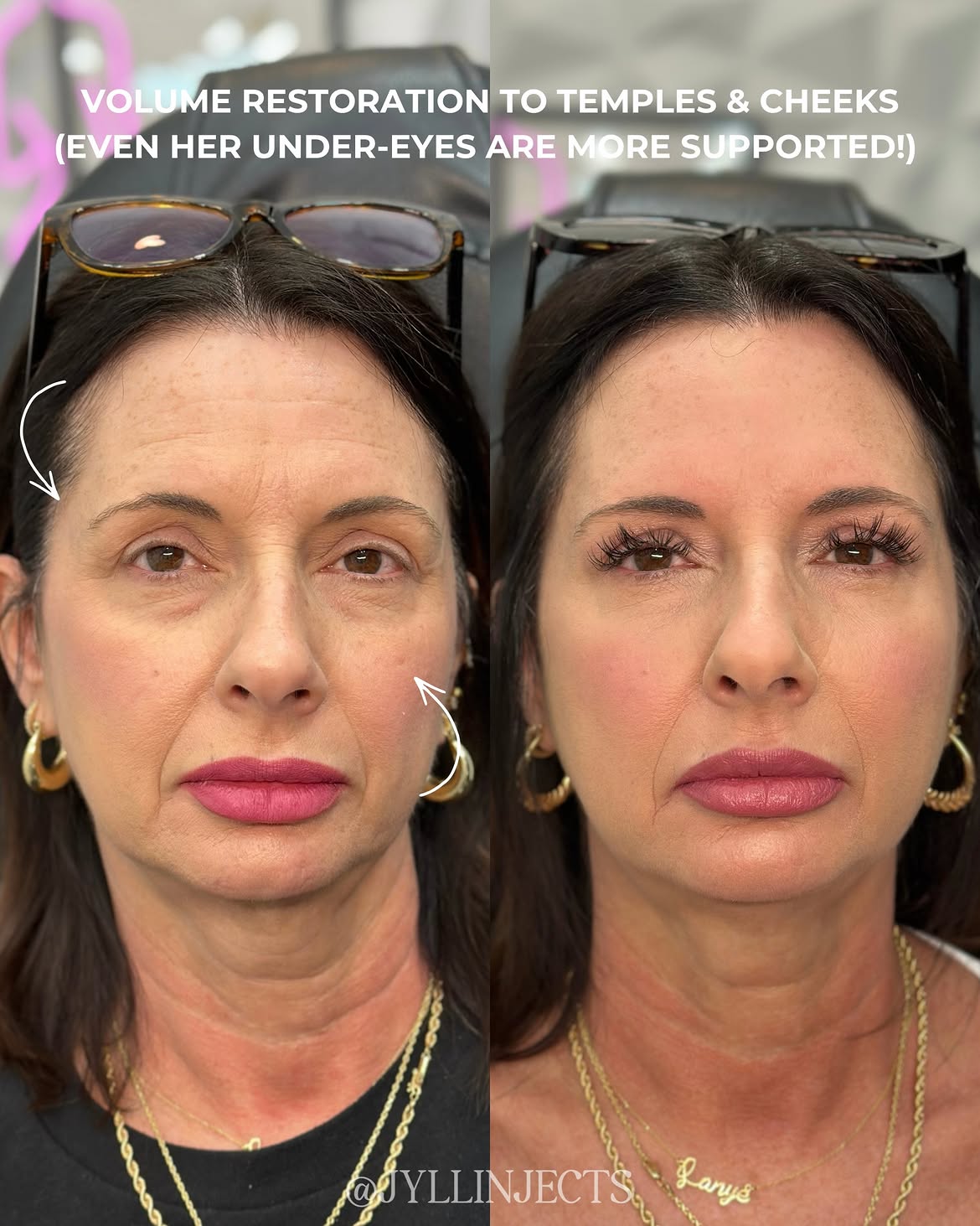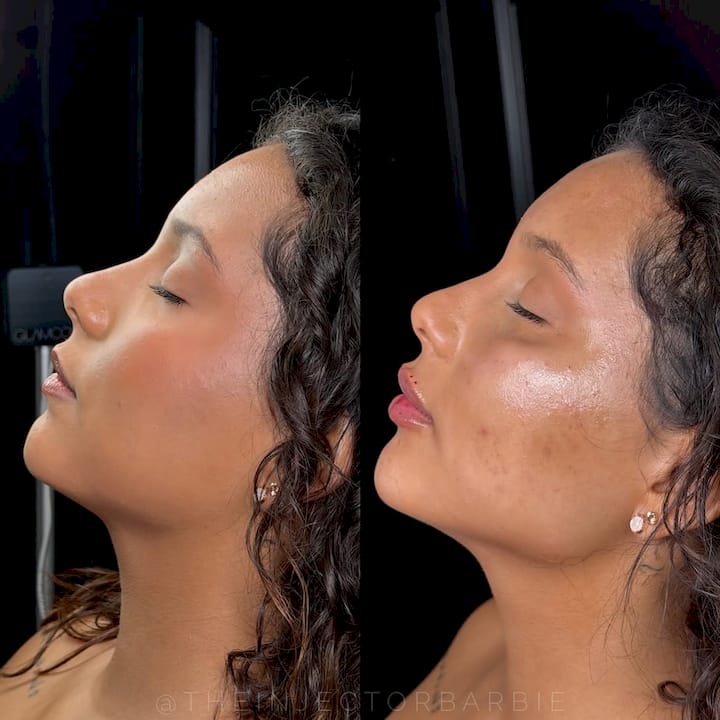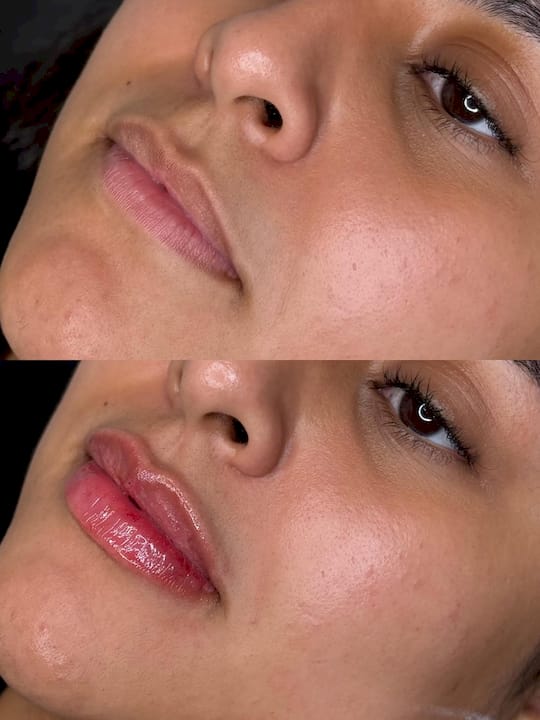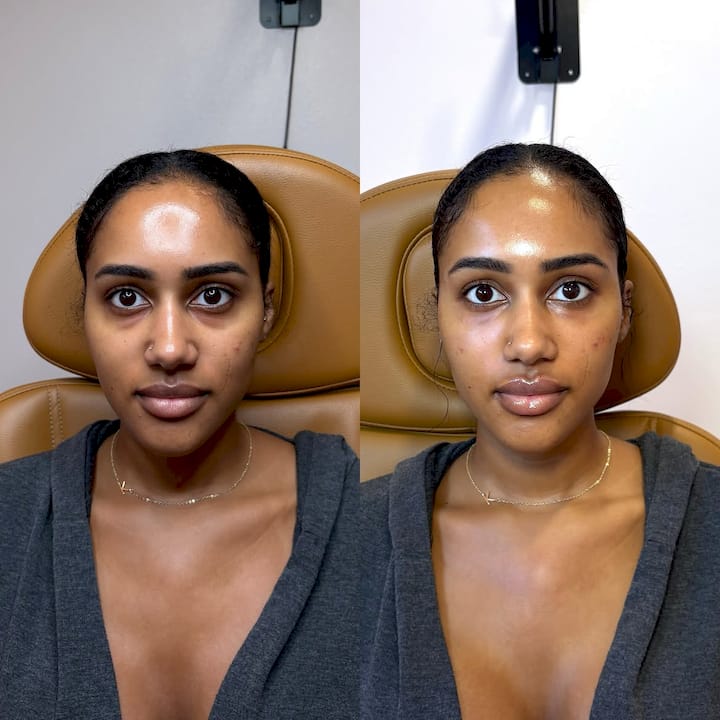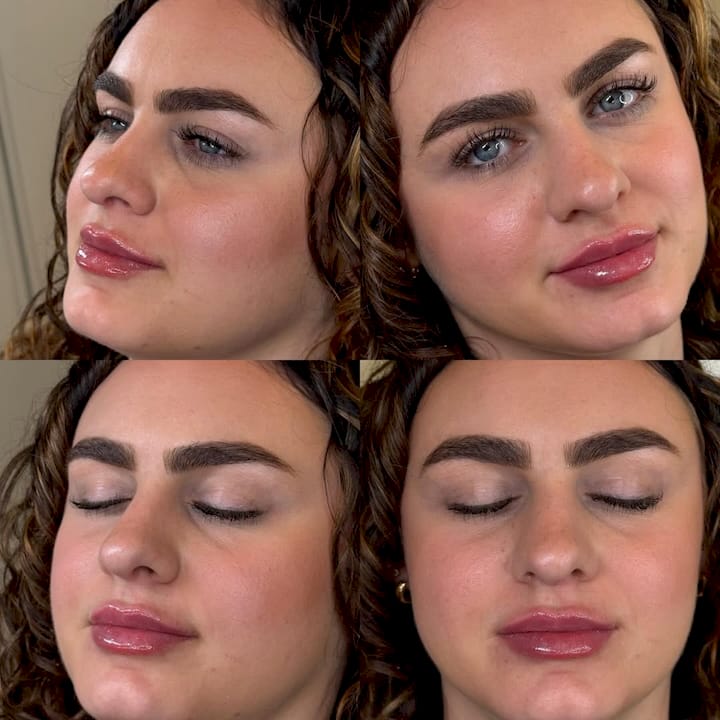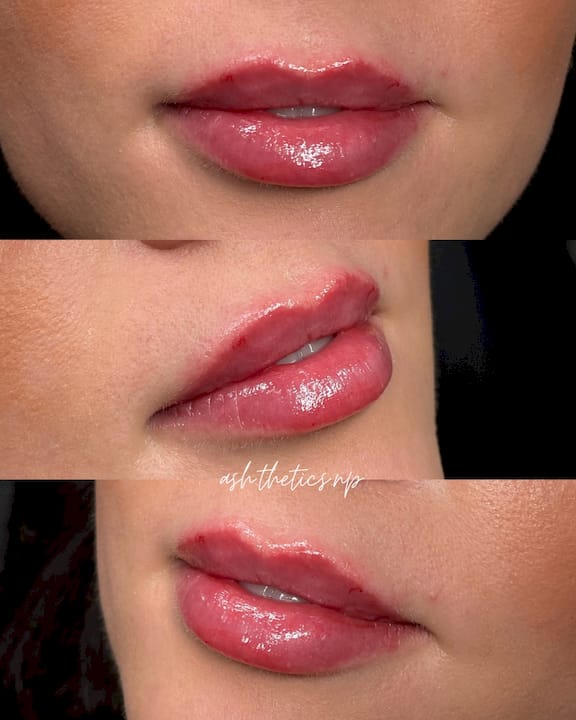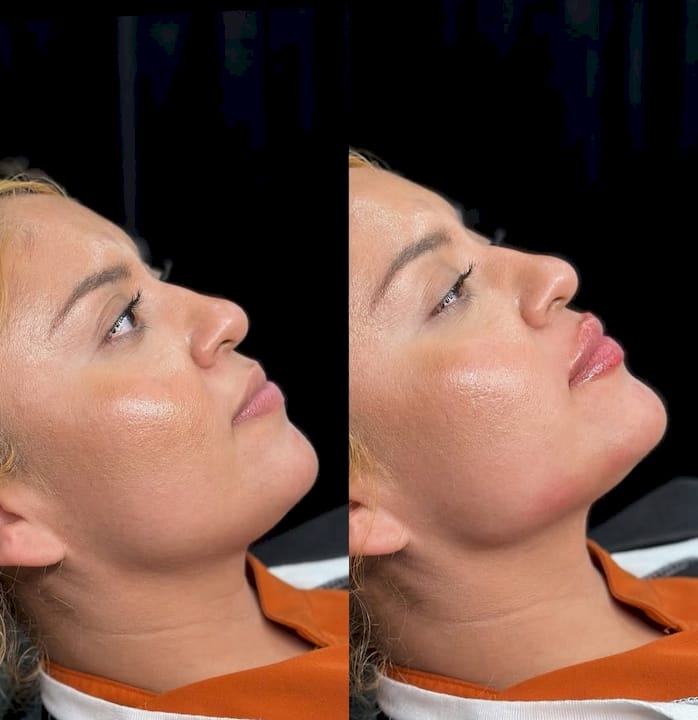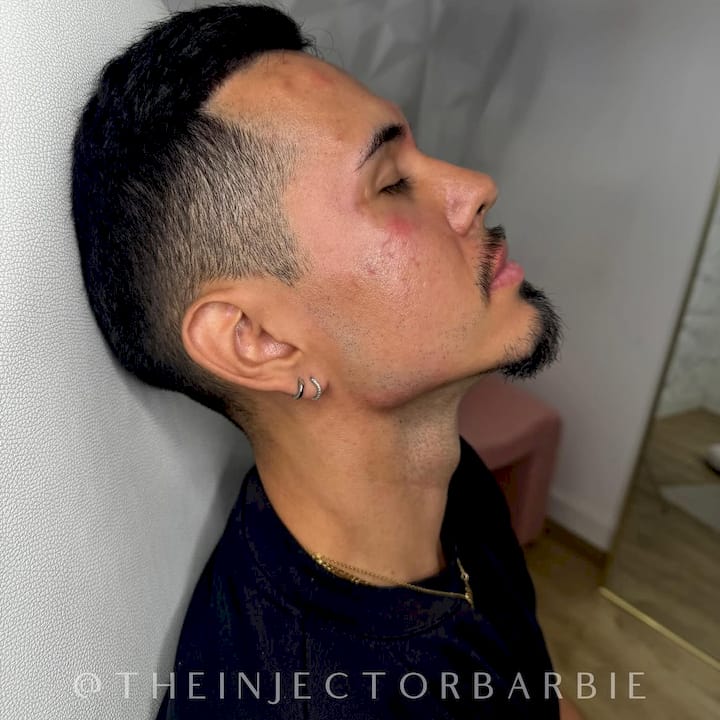
Yes, men can get excellent results from cheek filler, but only when the plan respects male anatomy instead of borrowing the female playbook. The male cheek apex sits lower, closer to the center of the face, and reads as bone structure rather than round fullness.
Two things separate a masculine result from an accidentally feminine one:
-
Anatomy first. The injector maps your zygoma, fat compartments, and skin thickness before touching a syringe.
-
Product and plane match the goal. Structural lift calls for a stiffer gel placed deep; contouring calls for something softer placed higher.
There are real risks with any injectable, but they’re well studied and manageable. Experienced injectors reduce them through vascular-safety protocols, careful aspiration, and having reversal agents on hand.
Key Takeaways
Cheek filler for men works best when injectors respect the lower, medial male apex and use conservative, layered technique with hyaluronidase readily available.
| Point | Details |
|---|---|
| Male apex sits differently | Placement should target a lower, more medial point than standard female injection patterns. |
| Technique matters more than product | Supraperiosteal boluses with medial fanning reduce feminization risk versus a single large deposit. |
| Reversibility affects product choice | HA fillers can be dissolved with hyaluronidase; CaHA and PLLA cannot be reversed the same way. |
| Common side effects are short-lived | Bruising, swelling, and tenderness typically resolve within a few days. |
| The Injection Room uses anatomy-led planning | Male-specific cheek consults map bone structure and fat compartments before choosing volume or product. |
This article is general information, not a substitute for advice from a qualified doctor. Consult a qualified healthcare professional about your own circumstances before acting on anything here.
Table of Contents
Cheek Filler for Men: Why Male Midface Anatomy Changes the Plan
Most filler guides are written with a female face in mind, and that’s the root of a lot of disappointing male results. The female cheek apex tends to sit higher and further out toward the temple, which is exactly why a standard injection pattern can leave a man looking softened rather than sharpened.
Male anatomy places the cheek apex lower on the face and more toward the center, with a subtler, flatter projection than the rounded contour many providers default to. A comparative study of injection patterns by gender mapped this directly: male cheek injections cluster inferomedial (lower and toward the nose), while female injections trend superolateral (higher and toward the temple). Men also tend to receive proportionally more filler along the jaw, which reflects a different overall aesthetic priority. It’s not just placement. Masculine goals usually favor horizontal projection and a defined zygomatic edge over the “apple” fullness that reads as youthful softness on a female face.
Before any injection, a competent provider works through a short assessment:
-
Palpating the zygoma to find its true bony landmark, not just the visible high point of the cheek.
-
Checking skin thickness, since thicker male skin can mask subtle filler placement but also demands more product to show structure.
-
Mapping how fat is distributed across the midface, which varies more between men than most patients expect.
-
Noting facial hair, since beards and heavy stubble change how injection sites are marked and how bruising is monitored during recovery.
These findings push technique toward a medial, supraperiosteal-heavy approach with layered support rather than one big lateral bolus. Research on male midface anatomy backs this up directly: copying a female injection pattern on a male patient is one of the most common causes of an unintentionally feminized result.
How Cheek Filler Is Done for Men
The actual injection sequence for a masculine result follows a fairly consistent logic, even though every face gets customized. It starts conservative and builds, rather than trying to achieve the full effect in one pass.
-
Assessment and marking. The injector identifies the true zygomatic apex, danger zones, and fat compartment boundaries, then marks entry points.
-
Antisepsis and anesthesia. The skin is cleaned and numbed, sometimes with topical cream, sometimes with a dental block for deeper injections.
-
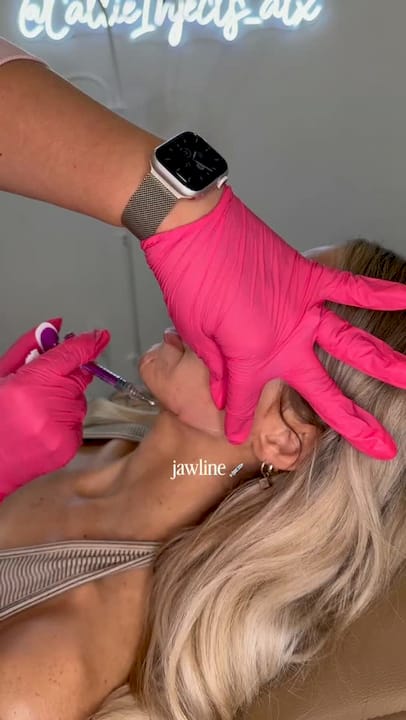
Deep structural bolus first. A small, precise amount of filler goes supraperiosteal, directly on bone at the medial-lower apex, to build the foundation of lift.
-
Lateral support second. Additional small aliquots reinforce the zygomatic arch outward, adding definition without overshooting into feminine territory.
-
Layering into fat compartments. Deeper compartments get filled for structural support; more superficial compartments get subtle contouring if needed.
-
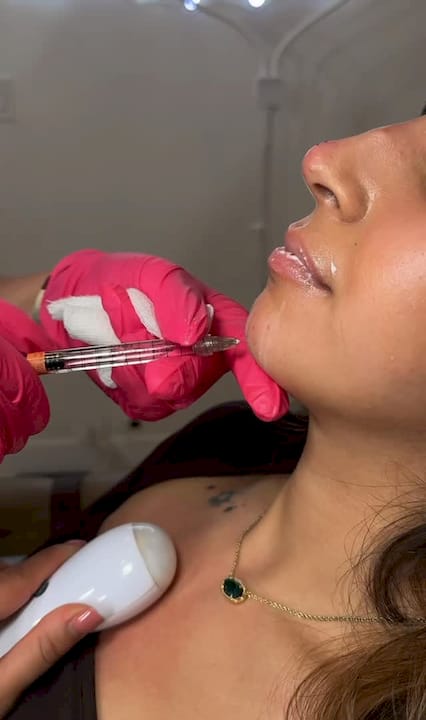
Aspiration and slow injection. Before depositing product, the injector draws back on the plunger to check for blood, a basic but critical vascular-safety step.
-
Molding and evaluation. The injector massages and checks symmetry from multiple angles before adding more product.
Cannulas are often preferred over sharp needles for the lateral and layering passes, since a blunt tip is less likely to puncture a vessel. Needles still have a role for precise, small-volume boluses directly on the periosteum. Volume stays conservative on purpose. Clinical guidance on treating male anatomy recommends multiple small supraperiosteal boluses along the arch combined with medial subcutaneous fanning, rather than one large deposit that risks an overfilled, rounder look.
Pro Tip: A subtle temple or upper-zygoma touch can amplify the appearance of lift without adding width to the cheek itself. Ask your injector whether a small amount there fits your goals before assuming more cheek volume is the answer.
Which Fillers Work Best for Male Cheek Volume?
Not every dermal filler behaves the same way once it’s under the skin, and for men, that difference matters more than the brand name on the box. The property that matters most is called G prime, or G’, which measures how stiff a gel is. A higher G’ holds its shape under the pull of facial muscles and skin tension, which is exactly what you want for structural lift on bone. A lower G’ spreads and softens, better suited to smoothing rather than building.
Cohesivity (how well the gel holds together as one mass) and hydrophilicity (how much water it draws in over time) also affect how a filler ages in the face. A highly hydrophilic product can swell somewhat after placement, which is one reason conservative dosing matters more for men chasing sharp definition than soft fullness.
Here’s how the most commonly discussed products map to those goals:
-
Juvéderm Voluma is a high-G’ hyaluronic acid (HA) filler built for deep structural lift, making it a common first choice for the supraperiosteal bolus at the male apex.
-
Juvéderm Ultra Plus sits softer and is often used for deeper folds or secondary contouring rather than the primary lift point.
-
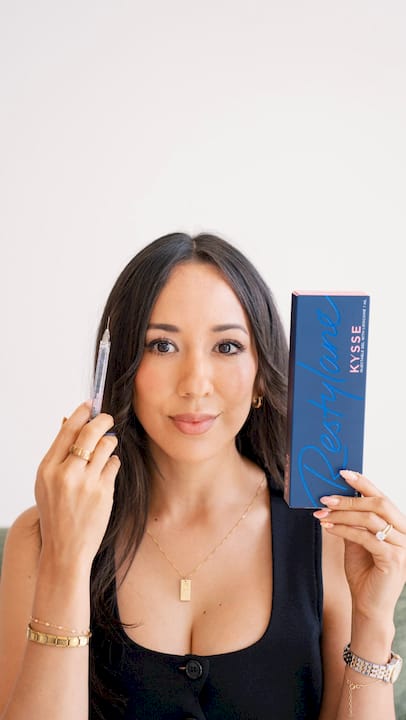
Restylane and its variants come in a range of stiffnesses, with some formulations suited to mid-depth placement and others better for finer surface work.
-
Calcium hydroxylapatite (CaHA) products offer strong structural support and stimulate some collagen production, but they’re harder to reverse than HA if something goes wrong.
-
Poly-L-lactic acid (PLLA) works gradually through collagen stimulation rather than immediate volume, which suits patients wanting a slower, more natural build over months.
Reversibility is a real factor in this decision, not a footnote. HA fillers can be dissolved with hyaluronidase if a complication or an aesthetic miscalculation happens. CaHA and PLLA cannot be reversed the same way, which is part of why midface rejuvenation research in men generally favors HA for areas near major vessels, reserving the non-reversible options for lower-risk zones. If you want a deeper breakdown of types of cheek filler and how each behaves, it’s worth reading before your consult.
How Risky Is Cheek Filler, Really?
Bruising, swelling, and tenderness are the standard aftermath of cheek filler, and they usually resolve within two to five days. That timeline is normal and not a sign anything went wrong.
The rare complications are the ones worth understanding in detail, because they’re the reason technique and injector experience matter more here than almost any other injectable procedure. Arterial occlusion happens when filler is injected into or compresses a blood vessel, cutting off circulation downstream. Left untreated, this can cause skin necrosis, and in the most severe documented cases, vision loss or stroke-like events. A case report on cheek filler complications documented palatal necrosis after an intravascular injection of calcium hydroxylapatite, a stark reminder that non-reversible products carry real stakes when something goes wrong near a vessel.
A cadaver-based anatomic study identified two specific danger zones in the midface tied to the infraorbital artery, where superficial or periosteal injections raise the risk of retrograde embolism. That anatomic mapping research specifically flags injections above the zygomatic periosteum and in the tear-trough as higher-risk zones requiring extra caution.
Injectors reduce these risks through a specific set of habits:
-
Knowing exactly where the infraorbital and transverse facial arteries run before marking injection points.
-
Choosing the correct depth and plane for each product rather than defaulting to one technique everywhere.
-
Aspirating before every injection to check for blood in the syringe.
-
Using a cannula in higher-risk zones, since a blunt tip is less likely to enter a vessel than a sharp needle.
-
Keeping hyaluronidase on-site and knowing the ischemia response protocol if a patient reports sudden pain, blanching, or vision changes.
At consult, ask your provider directly whether they stock hyaluronidase and how quickly they can access it if you need it.
What to Expect: Timeline, Longevity, and Recovery
Fresh filler looks bigger than the final result for the first week or two. HA products need roughly two to three weeks to fully settle as swelling resolves and the gel integrates with surrounding tissue, so judging your result at day three is a mistake almost every first-time patient makes.
Longevity depends on the product class you and your injector chose:
-
HA volumizers like Voluma-type products typically last 12 to 18 months in the cheek, though individual metabolism affects this range.
-
CaHA fillers often run in a similar or slightly longer window, with the added effect of gradual collagen stimulation.
-
PLLA builds results slowly over several months and can last two years or longer, since it works by stimulating your own collagen rather than sitting as a static volume.
Recovery itself is minor compared to the settling timeline. Expect bruising for a few days, manageable with cold compresses and avoiding blood thinners like ibuprofen beforehand. Skip intense exercise for about 24 to 48 hours, and contact your provider if you notice unusual pain, blanching of the skin, or asymmetry that worsens rather than improves.
Cost varies by syringe type, how many syringes your face needs, and clinic location, so ask for a written estimate at your consult rather than relying on a quoted starting price. A step-by-step guide to the filler process walks through what a typical appointment involves from start to finish.
What Should You Ask Before Booking Cheek Filler?
A short consult conversation tells you almost everything about whether a provider is right for this specific procedure. Ask directly about their experience treating male patients, since a portfolio full of feminine before-and-afters doesn’t tell you much about how they’ll handle your anatomy.
Questions worth asking:
-
What filler brands do you use, and why did you choose them for cheeks specifically?
-
Do you keep hyaluronidase on-site, and how fast could you access it in an emergency?
-
Can I see before-and-after photos of male patients you’ve treated?
-
What’s your follow-up policy if I’m not happy with symmetry or volume?
Red flags are usually easy to spot once you know what to look for: vague or dismissive answers about vascular safety, no hyaluronidase in the building, pressure to buy more syringes than your face needs, or pricing that seems too low to include real safety margins. Confirm the injector operates under proper medical licensing and oversight, and ask what their emergency plan looks like if a vascular event occurs mid-treatment.
How The Injection Room Approaches Male Cheek Filler
Male-specific treatment planning at The Injection Room starts with the same anatomy-led mapping described throughout this guide: locating the true zygomatic apex, assessing fat compartments, and building a plan around horizontal projection rather than fullness.
A few things define the approach in practice:
-
Conservative aliquots placed in stages, not one large volume delivered in a single pass.
-
Multiplanar technique that layers supraperiosteal support with deeper fat-compartment placement.
-
Hyaluronidase kept on-site as standard safety practice, not an afterthought.
If you’re weighing cheek filler against related options like jawline filler for men, a combined consult can map both areas together for a more cohesive result. Male-specific planning is worth discussing directly with an injector before deciding on volume or product.
A Conservative Approach Beats an Aggressive One
The biggest mistake I see in male cheek filler discussions online is treating “more volume” as the goal. It isn’t. Masculine cheek enhancement is about restoring or building bone-like definition, and that almost always means less product placed more precisely, not more product placed anywhere convenient.
Staged treatment matters too. A first session that adds modest structural support, followed by a second look weeks later, gives both patient and injector a chance to course-correct before committing to a fuller result. Overdone cheeks are hard to walk back gracefully.
None of this should scare you off the procedure. The safety data is solid when injectors respect anatomy, and complications are rare when the basics get followed. The real risk isn’t the filler itself. It’s rushing past the planning stage that makes it look right.
Ready to Plan Your Male Cheek Filler Consult?
If you’ve read this far, you already know more about male cheek anatomy than most people walk into a consult with, and that’s exactly the conversation The Injection Room wants to have with you. Rather than a generic filler menu, treatment planning starts with your specific bone structure, fat distribution, and aesthetic goals, the same anatomy-first process outlined above.
You can review neurotoxin and injectable services to see how the clinic structures consults, or head straight to booking a cheek-focused appointment. Pricing depends on your specific plan, so the next step is simple: schedule a consult, get a written estimate, and decide from there with real numbers in hand rather than guesswork.
Sources
-
Anatomic study defining vascular danger zones in the infraorbital area (PubMed 30327185)
-
Gender differences in filler placement and aesthetic patterns (Wiley JOCd DOI 10.1111/jocd.14293)
FAQ
Should men get cheek fillers?
Yes, when treatment is anatomy-led and conservative. Men who want subtle structural definition rather than rounded fullness tend to see the most satisfying results.
How risky is cheek filler?
Common side effects like bruising and swelling resolve within two to five days, while serious complications like arterial occlusion are rare but require an injector trained in vascular-safety protocols.
Where should cheek fillers be placed for men?
Male placement typically targets a lower, more medial apex with supraperiosteal support, differing from the higher, more lateral pattern often used on female patients.
How long do fillers last in men?
HA volumizers typically last over a year, while collagen-stimulating options like PLLA can last multiple years, though individual metabolism affects the timeline.
What questions should I ask before booking?
Ask about the injector’s experience with male patients, which filler brands they use, whether hyaluronidase is on-site, and their follow-up policy for adjustments.

%20Pictures%20are%204%20weeks%20apart..jpg)