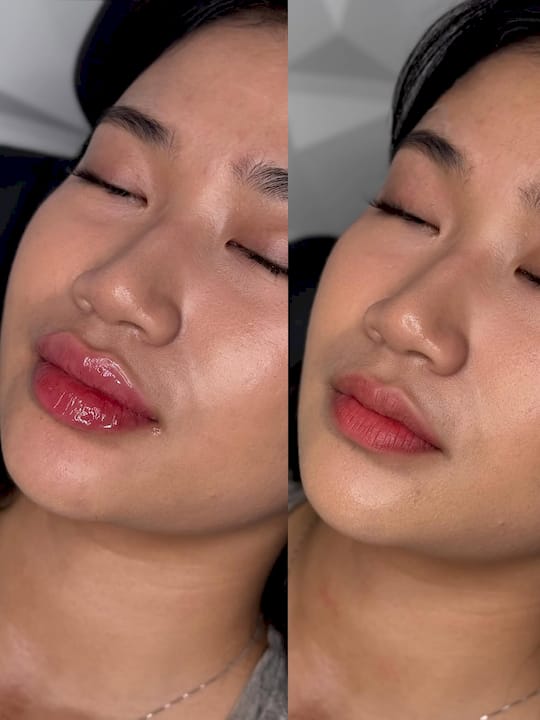
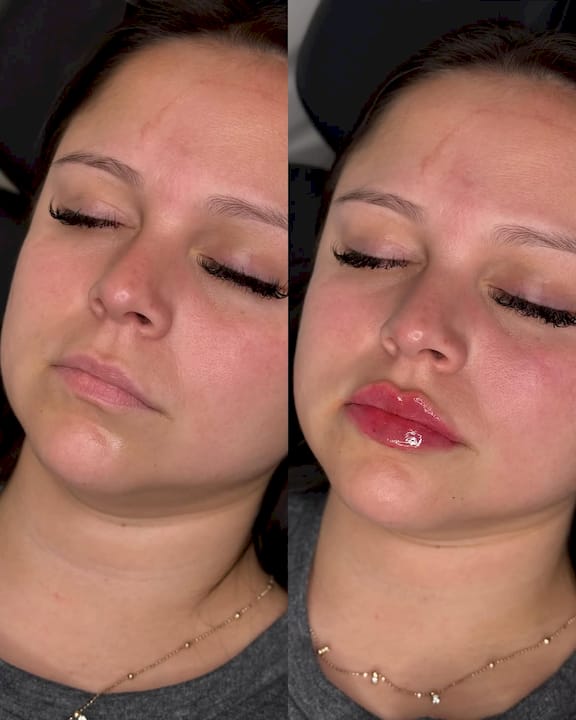
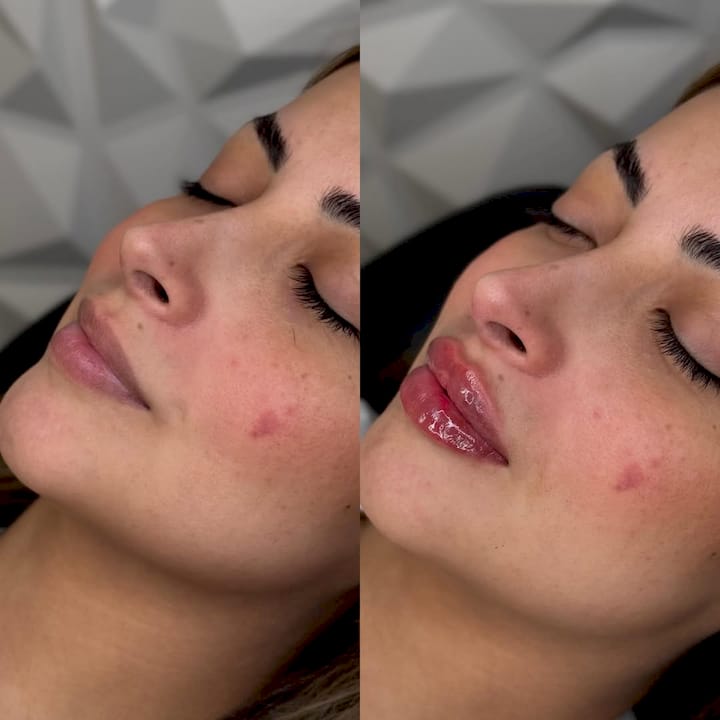
A new device called EMFACE Eye uses radiofrequency and HIFES technology to reduce eye bags, dark circles, and crow’s feet without a single needle, and clinical trials back it up. If you’ve been researching ways to refresh your under-eye area but feel uneasy about hyaluronic acid fillers, you’re not alone. Many women in San Antonio and Austin are now asking smarter questions: What else works? What’s actually safe? This guide covers the evidence-backed non-invasive and minimally invasive options that deliver real results, the topicals that help maintain them, and how to build a plan that fits your face and your lifestyle.
Table of Contents
-
Best non-invasive under eye alternatives: EMFACE Eye, lasers, and more
-
Discover your ideal under eye solution in San Antonio or Austin
Key Takeaways
| Point | Details |
|---|---|
| Non-invasive results | Options like EMFACE Eye and lasers deliver measurable under-eye improvement without needles or downtime. |
| Avoid filler complications | Alternative solutions reduce risks such as puffiness, lymphatic clogging, and bluish discoloration. |
| Regenerative choices | PRP, PRF, and mesotherapy offer minimal invasiveness and natural rejuvenation backed by real patient satisfaction. |
| Maintenance matters | Topical products and lifestyle strategies enhance and sustain results from professional treatments. |
Why women seek alternatives to under eye fillers
Most women don’t avoid under-eye fillers because they’re uninformed. They avoid them because they’ve done their research. Under-eye filler sits in one of the most delicate anatomical zones on the face, where thin skin, lymphatic vessels, and the orbicularis oculi muscle all overlap. When something goes wrong in this area, it’s visible immediately.
The concerns women bring up most often include:
-
Tyndall effect: This happens when light scatters through incorrectly placed filler, turning the under-eye area bluish-gray. It’s one of the most well-documented complications specific to this area.
-
Puffiness and fluid retention: Some fillers attract water over time, making the treated area look more swollen than before the treatment.
-
Lymphatic disruption: The under-eye area is rich in tiny lymphatic channels. Filler placed too superficially or in the wrong plane can block natural drainage and worsen dark circles instead of improving them.
-
Toughness or lumpiness: Even expertly placed filler can shift or harden over time, especially in a high-movement zone like the eye area.
The Tyndall effect and lymphatic clogging risks are significant enough that some plastic surgeons now actively advise patients away from under-eye filler and toward alternatives.
“The tear trough is one of the highest-risk areas for filler placement. Even the most skilled injectors deal with complications there that simply don’t occur in other facial zones.”
Beyond the safety concerns, there’s also the question of aesthetics. Women in their 30s through 50s are increasingly drawn to treatments that improve tissue quality rather than just add volume. They want results that look like their own face, refreshed. That’s a meaningful shift in what patients are asking for, and it’s one that natural-looking filler approaches and regenerative treatments are well-positioned to answer.
It also helps to understand what’s actually aging the under-eye area. The darkness, hollowness, and crepe-like texture come from a mix of volume loss, pigmentation changes, and collagen breakdown. That’s why a single treatment rarely solves everything. The most effective plans address all three underlying factors. Good anti-aging ingredients work at the surface, while professional treatments work deeper.
Best non-invasive under eye alternatives: EMFACE Eye, lasers, and more
Once you understand why so many women are moving away from fillers, the next question is obvious: what actually replaces them? The good news is that the technology has caught up.
EMFACE Eye is currently one of the most talked-about non-invasive treatments for the under-eye area. It works by delivering simultaneous radiofrequency energy and HIFES (high-intensity facial electromagnetic stimulation) to the periorbital muscles and surrounding tissue. Radiofrequency heats the deeper layers of skin to trigger collagen and elastin production. HIFES contracts and tones the underlying muscles, lifting the area from below.
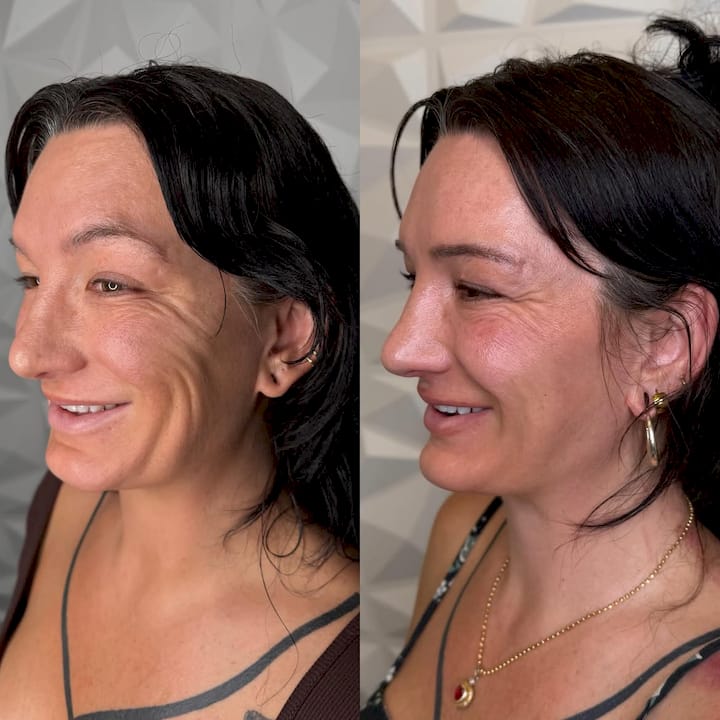
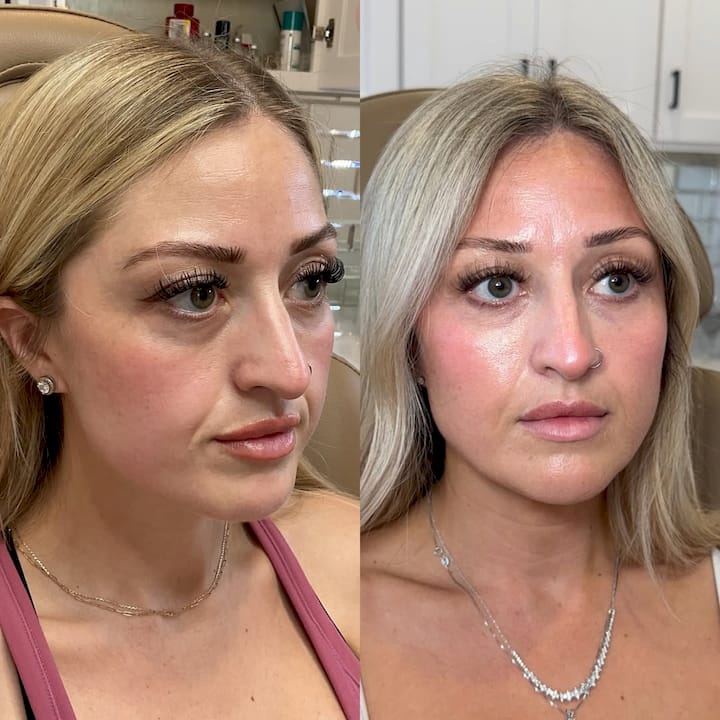
Clinical trial results show that EMFACE Eye reduces eye bags by 1.4 mL, dark circles by 64%, and crow’s feet by 28% across four sessions. Those are measurable, documented outcomes, not patient perception surveys.
Laser treatments cover a wide range of technologies, from fractional resurfacing to intense pulsed light (IPL). Fractional lasers create micro-injuries in the skin to stimulate collagen remodeling. IPL targets melanin-based pigmentation, which contributes significantly to dark circles in many women. Neither involves needles, and both have solid evidence behind them for periorbital rejuvenation.
| Treatment | Invasiveness | Primary benefit | Sessions needed | Downtime |
|---|---|---|---|---|
| EMFACE Eye | Non-invasive | Bags, dark circles, wrinkles | 4 sessions | None |
| Fractional laser | Non-invasive | Texture, fine lines | 3 to 5 sessions | 3 to 7 days |
| IPL | Non-invasive | Pigmentation, dark circles | 3 to 6 sessions | Minimal |
| PRF EZ Gel | Minimally invasive | Volume, regeneration | 2 to 3 sessions | 24 to 48 hours |
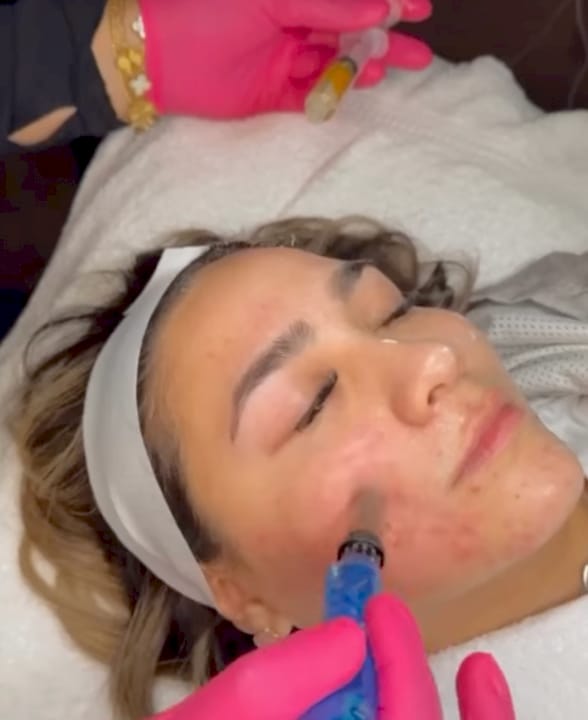
| Microneedling | Minimally invasive | Collagen, texture | 3 to 4 sessions | 24 to 72 hours |
PRF EZ Gel occupies an interesting middle ground. It uses your own platelet-rich fibrin spun into a gel-like consistency for a treatment that provides both biostimulation and light volume. It’s not technically a filler, and it carries none of the risks associated with synthetic hyaluronic acid under the eyes. PRF EZ Gel for the under-eye area has grown rapidly in popularity at our Austin and San Antonio locations because it feels familiar for patients who considered fillers but want something that works with their own biology.
Pro Tip: If dark circles are your primary concern, ask specifically about IPL or EMFACE Eye. If you’re dealing more with hollowness and shadowing from volume loss, PRF EZ Gel as a natural alternative may be a better first step. These are not interchangeable.
One thing worth noting: most clinical studies show that patient satisfaction tends to run slightly higher than objective measurement. That’s not a criticism of these treatments. It reflects that people judge their results by how they feel and look in real life, not under clinical lighting. A targeted advanced eye cream between sessions can support overall results and improve what you see in the mirror daily.
Minimally invasive approaches: PRP, PRF, and mesotherapy
Non-invasive options are ideal for many women, but some cases call for going just a step further. Minimally invasive treatments like PRP, PRF, and mesotherapy use tiny needles or microinjections to deliver regenerative compounds directly where they’re needed. Recovery is measured in hours, not weeks.
Here’s a practical breakdown of how each works:
-
PRP (Platelet-Rich Plasma): Blood is drawn, spun in a centrifuge to concentrate the platelets, and then injected into the under-eye area. Platelets carry growth factors that signal the skin to produce new collagen and improve circulation. Results take several weeks to appear and build gradually over months.
-
PRF (Platelet-Rich Fibrin): A newer version of PRP that uses a slower spin to preserve more growth factors and white blood cells. It also forms a fibrin matrix that keeps the growth factors active in the tissue longer. Many practitioners consider it superior to traditional PRP for facial rejuvenation.
-
Mesotherapy: This involves microinjections of a customized cocktail that can include hyaluronic acid, vitamins, peptides, and antioxidants. The formula targets the specific concerns being treated, whether that’s dryness, pigmentation, or laxity.
| Treatment | Downtime | Uses own blood? | Main benefit | Result timeline |
|---|---|---|---|---|
| PRP | 24 to 48 hours | Yes | Collagen, circulation | 4 to 8 weeks |
| PRF | 24 to 48 hours | Yes | Collagen, volume, regeneration | 4 to 12 weeks |
| Mesotherapy | 12 to 24 hours | No | Hydration, brightness, pigmentation | 2 to 4 weeks |
PRP studies consistently show that patient satisfaction rates exceed what objective clinical measurements capture. People feel and look better. They notice a lift in brightness and texture even when the photographic measurements are modest. That’s valuable information. It suggests these treatments work in ways that are meaningful to real people, not just in the controlled settings of a study.
The best approach to minimally invasive under-eye work is combination therapy. PRF or PRP paired with a non-invasive option like EMFACE Eye, or followed by a course of microneedling, produces results that neither treatment achieves alone. The regenerative signaling from PRF supports and extends the collagen-building work started by other modalities.
Pro Tip: For any of these treatments, avoid booking in the week before a big event. Mild swelling and redness are normal for the first 24 to 48 hours. Plan your sessions at least 10 to 14 days before any occasion where you want to look your best.
The PRF EZ Gel overview at The Injection Room breaks down exactly how the process works from blood draw to post-treatment. It’s worth reading if you want to understand what to expect before your first session. Pairing these professional treatments with a quality dedicated eye cream that addresses hydration and barrier function helps maintain the in-clinic results between appointments.
Topicals and lifestyle strategies for maintaining results
Professional treatments do the heavy lifting, but your daily routine determines how long those results last. This is the part most women underestimate.

The under-eye skin is roughly 0.5 mm thick, about four times thinner than the rest of your face. It has fewer oil glands, less structural support, and moves hundreds of times per day with every blink and facial expression. That makes it one of the first areas to show aging and one of the hardest to maintain without consistent attention.
Here are the topical ingredients that have real evidence behind them for the under-eye area:
-
Retinol: Increases cell turnover and collagen production. Start with a low concentration (0.025%) to minimize irritation. Use it at night only.
-
Caffeine: Constricts blood vessels and reduces puffiness. Best applied in the morning for visible short-term improvement.
-
Vitamin C: Brightens pigmentation and supports collagen synthesis. Look for stabilized forms like ascorbyl glucoside for better tolerability near the eyes.
-
Peptides: Signal fibroblasts to produce collagen. Particularly useful for fine lines and crepey texture.
-
Niacinamide: Reduces inflammation, improves barrier function, and has modest effects on pigmentation.
Pro Tip: Apply your eye cream with your ring finger using gentle tapping motions, never rubbing. The ring finger naturally applies less pressure, which matters in such a delicate zone.
Combining non-invasive and minimally invasive treatments with a consistent topical routine is the most effective long-term strategy for under-eye maintenance. Treatments create the change; topicals protect and extend it.
Lifestyle factors are just as important. Sleep position affects under-eye puffiness directly. Sleeping face-down or on your side increases fluid pooling under the eyes overnight. Elevating your head slightly and sleeping on your back reduces this significantly. Sodium intake, alcohol, and chronic dehydration all worsen dark circles and puffiness. These aren’t small factors. For some women, they’re the primary driver of under-eye aging.
A high-quality fluffy eye cream applied morning and evening seals in moisture and supports the skin barrier between professional sessions. Look for formulas that combine peptides and humectants for dual-action benefit.
Sun protection around the eye area is also underused. UV exposure accelerates collagen breakdown and worsens pigmentation in the periorbital area. A mineral SPF that’s safe for use close to the eyes, combined with sunglasses that block UV, makes a measurable difference over time.
The real truth about under eye filler alternatives
Here’s what most articles won’t tell you: a lot of “filler alternatives” fail not because the technology is bad, but because the expectations going in are unrealistic. If a woman with significant volume loss under the eyes and true tear trough hollowing tries EMFACE Eye expecting filler-level structural correction, she will be disappointed. That’s not a failure of the device. That’s a mismatch between the problem and the solution.
The bigger risk we see in practice is the one-size-fits-all treatment plan. A clinic that recommends the same protocol to every woman seeking under-eye rejuvenation isn’t actually treating the individual. They’re selling a service. The most important step is a thorough consultation that identifies the actual cause of your under-eye concerns, whether it’s volume loss, pigmentation, vascular pooling, skin laxity, or some combination of all four.
We’ve also seen women rely too heavily on subjective satisfaction without tracking objective change. It feels good to feel better. But it’s worth periodically checking photos from different lighting conditions so you can evaluate real progress rather than hope. Understanding exactly what under-eye filler is treating, and what alternatives are actually designed to correct, gives you the information you need to hold your provider accountable and make confident decisions.
The women who get the best results are the ones who combine evidence-based professional treatments with realistic timelines, consistent maintenance, and a provider who adapts their plan as their skin changes over time.
Discover your ideal under eye solution in San Antonio or Austin
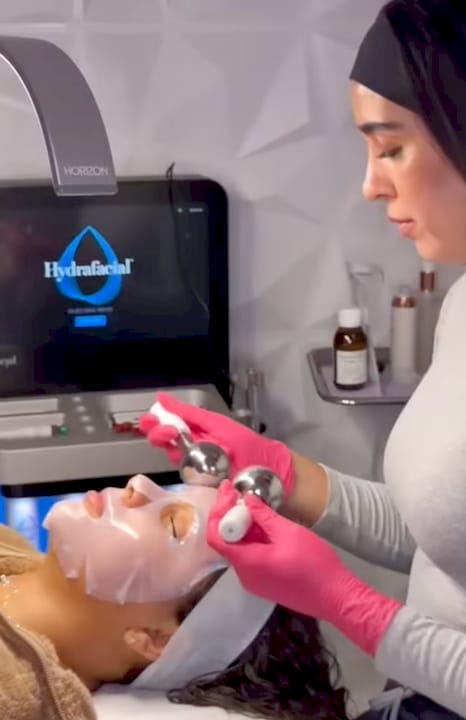
At The Injection Room, our providers in San Antonio and Austin work with women every day who are done guessing and ready for a plan. Whether you’re curious about PRF EZ Gel, interested in how microneedling builds collagen over time, or want to understand how a HydraFacial supports skin hydration as part of a broader under-eye strategy, we’ll map out a personalized approach based on your anatomy and goals. No pressure. No one-size-fits-all protocols. Just honest guidance and treatments that are matched to what you actually need. Book a consultation and find out what your best results actually look like.
Frequently asked questions
What is the safest alternative to under eye fillers?
EMFACE Eye and advanced laser treatments are considered safest because they are fully non-invasive and backed by clinical data showing measurable reductions in eye bags, dark circles, and wrinkles without needles or downtime.
Do non-invasive under eye treatments last as long as fillers?
Non-invasive treatments typically require periodic maintenance sessions, but they deliver progressive tissue improvement that can compound over time, especially when supported by a consistent at-home routine.
Are there any risks with alternatives to under eye fillers?
Alternatives avoid filler-specific complications like the Tyndall effect and lymphatic disruption, though minor temporary redness or swelling is possible with any energy-based or minimally invasive treatment.
Can lifestyle changes impact under eye aging?
Yes. Sleep position, sodium intake, hydration, and daily SPF use all directly affect the under-eye area, and consistent use of targeted eye creams meaningfully extends the results of professional treatments.
How do PRP and PRF differ from filler injections?
PRP and PRF use your own concentrated platelets to regenerate tissue from within, and studies favor their patient satisfaction without the risk of puffiness, discoloration, or structural complications associated with synthetic fillers.


%20Pictures%20are%204%20weeks%20apart..jpg)