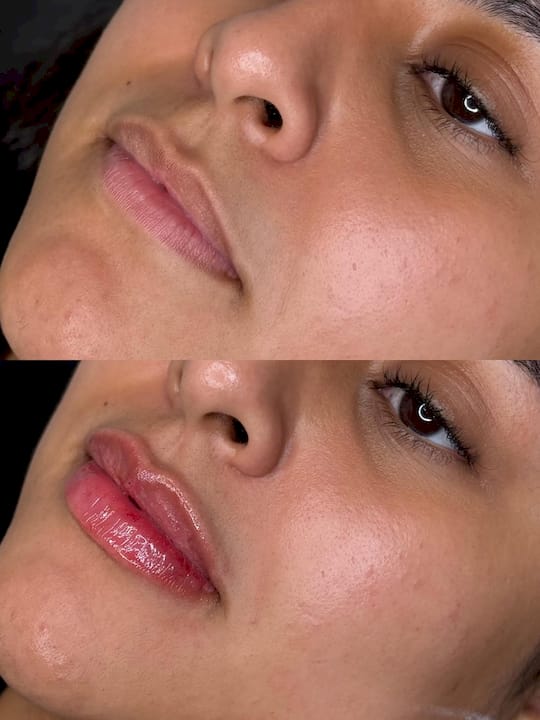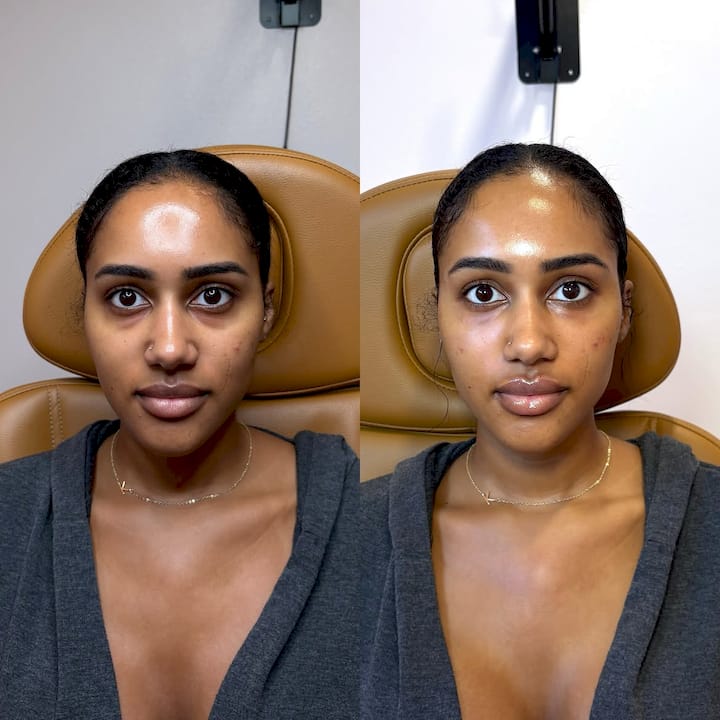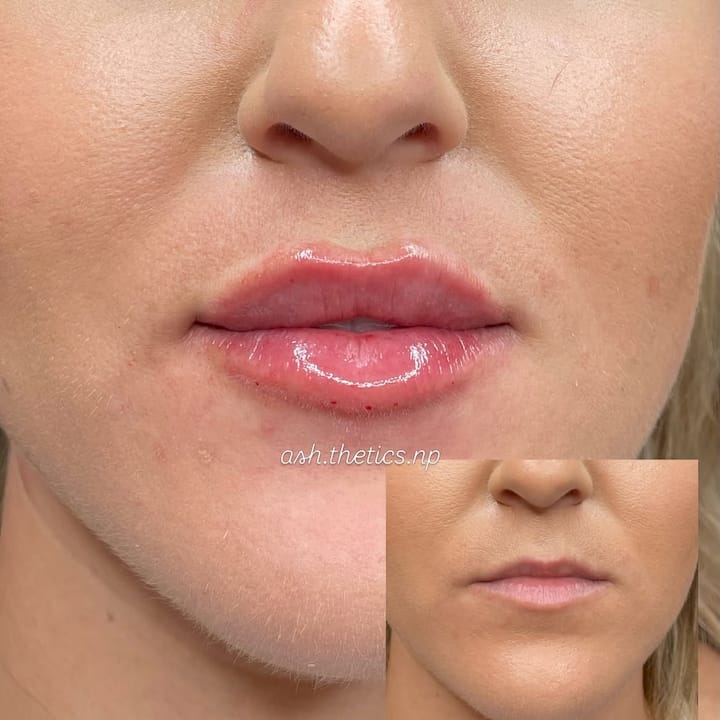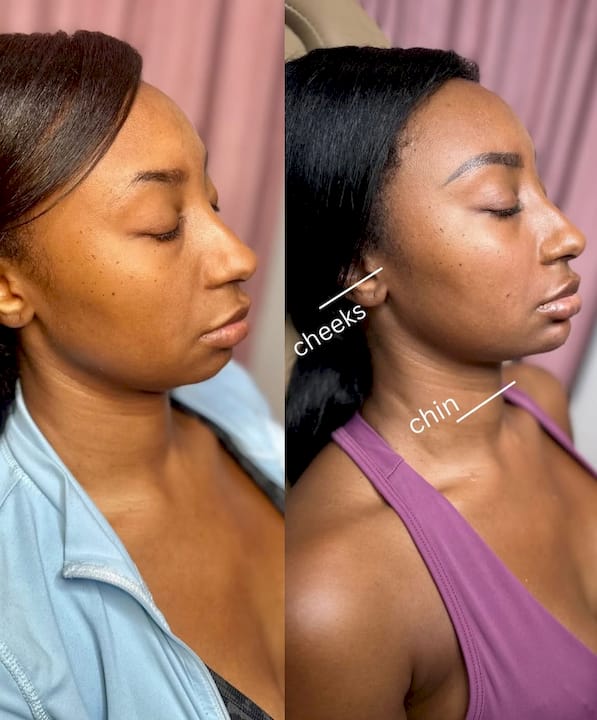
Finding the best way to keep your skin looking refreshed in San Antonio can feel confusing when there are so many options for facial fillers. Getting a natural, youthful look starts with a thorough evaluation from an experienced professional who pays close attention to your unique features and goals. Women who want expert results benefit from a detailed consultation focused on medical history, skin quality, and personal aesthetic desires, ensuring both safety and beautiful, authentic outcomes.
Table of Contents
Quick Summary
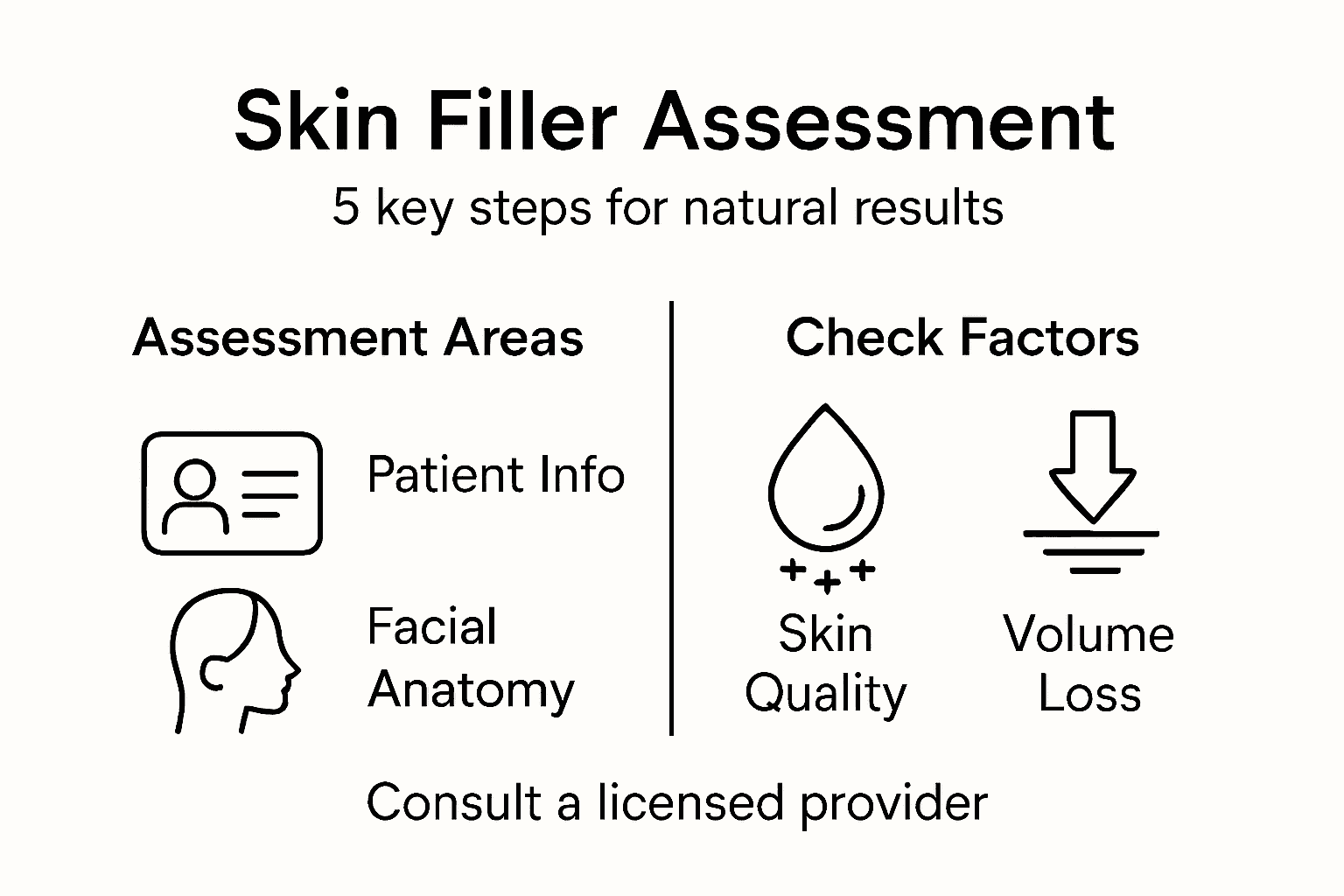
| Essential Insight | Clear Explanation |
| 1. Thorough Client Assessment is Crucial | Collect comprehensive client information to tailor treatments safely and effectively, ensuring a successful outcome. |
| 2. Evaluate Facial Structure and Skin Quality | Assess unique facial anatomy and skin characteristics to create a personalized treatment plan that enhances natural appearance. |
| 3. Understand Client’s Specific Concerns | Actively listen to clients’ aesthetic goals and skin issues to align expectations with realistic treatment possibilities. |
| 4. Analyze Skin Movement and Volume Loss | Study dynamic facial expressions and identify areas of volume depletion to maintain natural movements and contours. |
| 5. Verify Suitability for Treatments | Conduct a thorough evaluation of medical history and aesthetic goals to determine candidacy for safe and effective filler treatments. |
Step 1: Gather Relevant Client Information
Collecting comprehensive client information is your essential first step in preparing for a successful dermal filler treatment. By understanding your client’s complete health background and aesthetic goals, you’ll ensure personalized, safe, and effective results.
During the initial consultation, you’ll want to systematically gather critical details through a detailed medical interview. Comprehensive patient health assessment involves exploring several key areas:
-
Current medical conditions
-
Medication history, including prescription drugs and supplements
-
Known allergies and sensitivities
-
Previous cosmetic treatment experiences
-
Specific aesthetic goals and expectations
Your conversation should feel like a collaborative discussion, not an interrogation. Ask open-ended questions that encourage patients to share details about their health, concerns, and desired outcomes. This approach helps build trust and ensures you capture nuanced information that might impact treatment planning.
A thorough consultation is the foundation of safe and effective aesthetic treatments.
-
Begin with general health background
-
Discuss current medications and supplements
-
Review prior cosmetic procedures
-
Explore specific aesthetic objectives
-
Assess potential contraindications
The goal is creating a comprehensive profile that guides your treatment strategy. Detailed patient evaluation allows you to identify any potential risks and customize the approach to each individual’s unique anatomy and goals.
Here’s a quick reference guide to key client information areas and their impact:
| Information Area | Why It Matters | Common Risks Identified |
| Medical History | Reveals underlying conditions | Bleeding disorders, autoimmune |
| Medication Use | Identifies drug interactions | Anticoagulant, allergy risks |
| Previous Procedures | Shows filler compatibility | Scar tissue, area sensitivity |
| Aesthetic Goals | Directs treatment planning | Unrealistic expectations |
| Allergies | Ensures ingredient safety | Risk of allergic reactions |
Pro tip: Keep a standardized intake form that prompts you to collect all necessary information systematically, ensuring you never miss a critical detail.
Step 2: Evaluate Facial Anatomy and Skin Quality
Successfully assessing facial anatomy and skin quality is crucial for achieving natural, personalized dermal filler results. By carefully examining the unique structural characteristics and condition of your client’s facial tissues, you’ll develop a targeted treatment approach that enhances their natural beauty.
Facial anatomy assessment requires a comprehensive evaluation of multiple interconnected factors:
-
Muscle structure
-
Fat distribution
-
Bone contours
-
Skin elasticity
-
Tissue thickness
Understanding how aging impacts facial structures is fundamental to effective treatment planning. The goal is not just filling volume, but strategically restoring and balancing facial proportions. Subcutaneous volume loss mechanisms reveal critical insights into how skin changes over time, helping you select the most appropriate intervention strategies.
Precision in facial assessment transforms good treatments into exceptional aesthetic outcomes.
-
Examine overall facial symmetry
-
Assess skin texture and elasticity
-
Identify specific volume loss areas
-
Evaluate bone structure and facial contours
-
Consider client’s unique aesthetic goals
Professional imaging technologies can provide additional depth to your assessment, offering detailed views of underlying facial structures. This scientific approach ensures you customize treatments with exceptional accuracy and patient-specific precision.
Compare key facial assessment factors and their role in treatment planning:
| Factor | Impact on Filler Choice | Contribution to Result |
| Skin Elasticity | Determines type/quantity | Affects smoothness, longevity |
| Fat Distribution | Guides volume placement | Influences contour and shape |
| Muscle Movement | Informs injection technique | Preserves natural expression |
| Bone Structure | Dictates filler placement | Supports long-term symmetry |
Pro tip: Invest in good lighting and use a neutral background during your assessment to accurately evaluate skin quality and facial characteristics.
Step 3: Identify Specific Skin Concerns and Goals
Effective dermal filler treatments begin with a deep understanding of your client’s unique skin concerns and aesthetic objectives. By listening carefully and asking targeted questions, you’ll uncover the precise improvements they’re seeking and develop a personalized treatment strategy.
Patient aesthetic goals assessment involves exploring multiple potential treatment areas:
-
Fine lines and wrinkles
-
Volume loss in cheeks
-
Lip enhancement
-
Facial contour irregularities
-
Scar improvement
-
Overall skin rejuvenation
Understanding the nuanced differences between client expectations and medically achievable outcomes is crucial. Dermal filler treatment objectives require a balanced approach that considers both patient desires and realistic procedural limitations.
Successful aesthetic treatments transform client concerns into confident, natural-looking results.
-
Listen actively to client’s primary concerns
-
Ask detailed clarification questions
-
Discuss potential treatment outcomes
-
Align expectations with medical possibilities
-
Create a collaborative treatment plan
Professional consultation involves more than just technical assessment. It’s about building trust, understanding emotional motivations, and crafting a treatment approach that respects the client’s individual beauty goals.
Pro tip: Develop a comprehensive intake form that guides clients through expressing their aesthetic concerns systematically and thoroughly.
Step 4: Examine Skin Movement and Volume Loss
Precisely analyzing skin movement and volume loss is critical for creating natural, harmonious dermal filler results. Your goal is to understand how facial tissues dynamically interact during expression and identify areas of structural volume depletion.
Facial volume loss mechanisms require a systematic assessment of several key characteristics:
-
Skin elasticity
-
Facial muscle movement
-
Subcutaneous tissue density
-
Expression-related wrinkle formation
-
Areas of structural volume deficit
Understanding how skin moves and responds during facial expressions provides crucial insights into treatment strategy. Soft tissue filler dynamics demand a nuanced approach that preserves natural movement while restoring volume and contour.
Masterful filler treatments enhance natural facial expression, never restrict it.
-
Observe client’s resting facial position
-
Request deliberate facial expressions
-
Assess skin mobility and elasticity
-
Identify volume loss patterns
-
Map potential intervention zones
Professional assessment goes beyond visual inspection. It requires understanding the complex interplay between structural anatomy, tissue movement, and aesthetic rejuvenation.
Pro tip: Use natural light and multiple angles when evaluating skin movement to capture subtle dynamic changes.
Step 5: Confirm Suitability for Filler Treatments
Determining a client’s appropriate candidacy for dermal fillers requires a comprehensive evaluation that goes beyond surface-level assessment. Your goal is to ensure safe, effective treatment by carefully screening medical history, current health status, and aesthetic objectives.
Dermal filler candidate evaluation involves examining several critical factors:
-
Age requirements (typically 22 and older)
-
Overall health status
-
Medical history
-
Prior cosmetic procedures
-
Specific aesthetic goals
-
Potential contraindications
Understanding individual patient profiles helps mitigate risks and set realistic expectations. Treatment candidacy assessment demands a nuanced approach that balances medical considerations with personal aesthetic desires.
Patient safety and satisfaction are the ultimate measures of a successful aesthetic treatment.
-
Review complete medical history
-
Check current medications
-
Assess underlying health conditions
-
Discuss potential risks and limitations
-
Determine treatment compatibility
Professional consultation is more than a checklist. It’s an opportunity to build trust, understand patient motivations, and create a personalized treatment strategy that aligns with their unique needs.
Pro tip: Develop a comprehensive screening questionnaire that covers medical, aesthetic, and personal health dimensions to ensure thorough patient evaluation.
Experience Personalized Dermal Filler Assessments for Natural Results
Understanding how to assess skin before fillers is only the first step toward achieving the natural look you desire. The article highlights key challenges like evaluating facial anatomy, identifying skin movement, and setting realistic aesthetic goals. These are crucial to avoid risks and ensure your treatment enhances your unique beauty without compromising natural expressions.
At The Injection Room, we specialize in addressing these concerns with expert evaluations and customized treatments. From dermal fillers that restore volume and balance to neurotoxin treatments that soften wrinkles, our medispa uses comprehensive consultations to craft your ideal look. Explore our Skincare Services to find solutions that suit your skin type and aesthetic objectives.
Ready to transform your natural beauty safely and effectively Our skilled team is here to guide you through every step. Schedule your personalized consultation now at The Injection Room and take the first step toward confidence with customized dermal filler treatments designed just for you.
Frequently Asked Questions
How do I assess my skin for dermal fillers?
To assess your skin for dermal fillers, begin by examining the overall texture, elasticity, and any specific concerns such as fine lines or volume loss. Consider documenting your observations in detail to guide your treatment planning.
What factors should I consider when evaluating my facial anatomy?
When evaluating your facial anatomy, consider factors like muscle structure, fat distribution, and bone contours. Take time to observe facial symmetry and identify areas where volume loss is evident to provide a comprehensive overview for your treatment plan.
How can I identify specific skin concerns for filler treatments?
To identify specific skin concerns, engage in an open conversation about your aesthetic goals and any problem areas you wish to address. Create a list of your primary concerns, such as wrinkles or volume loss, to facilitate a clear discussion with your provider.
How can I confirm my suitability for filler treatments?
To confirm your suitability for filler treatments, undergo a thorough evaluation that includes reviewing your medical history, current health status, and prior cosmetic procedures. Ensure you understand any potential risks and gather this information before your consultation for a seamless process.
Why is it important to assess skin movement before fillers?
Assessing skin movement before fillers is crucial because it helps identify how facial tissues interact during expressions and where volume loss occurs. Observe your facial expressions naturally to understand problem areas, which can guide more effective treatment strategies.

%20Pictures%20are%204%20weeks%20apart..jpg)