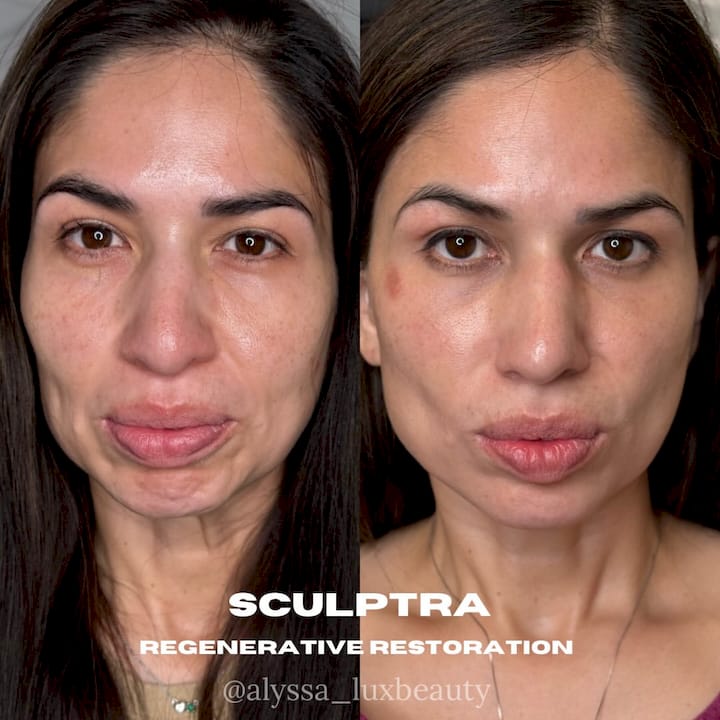
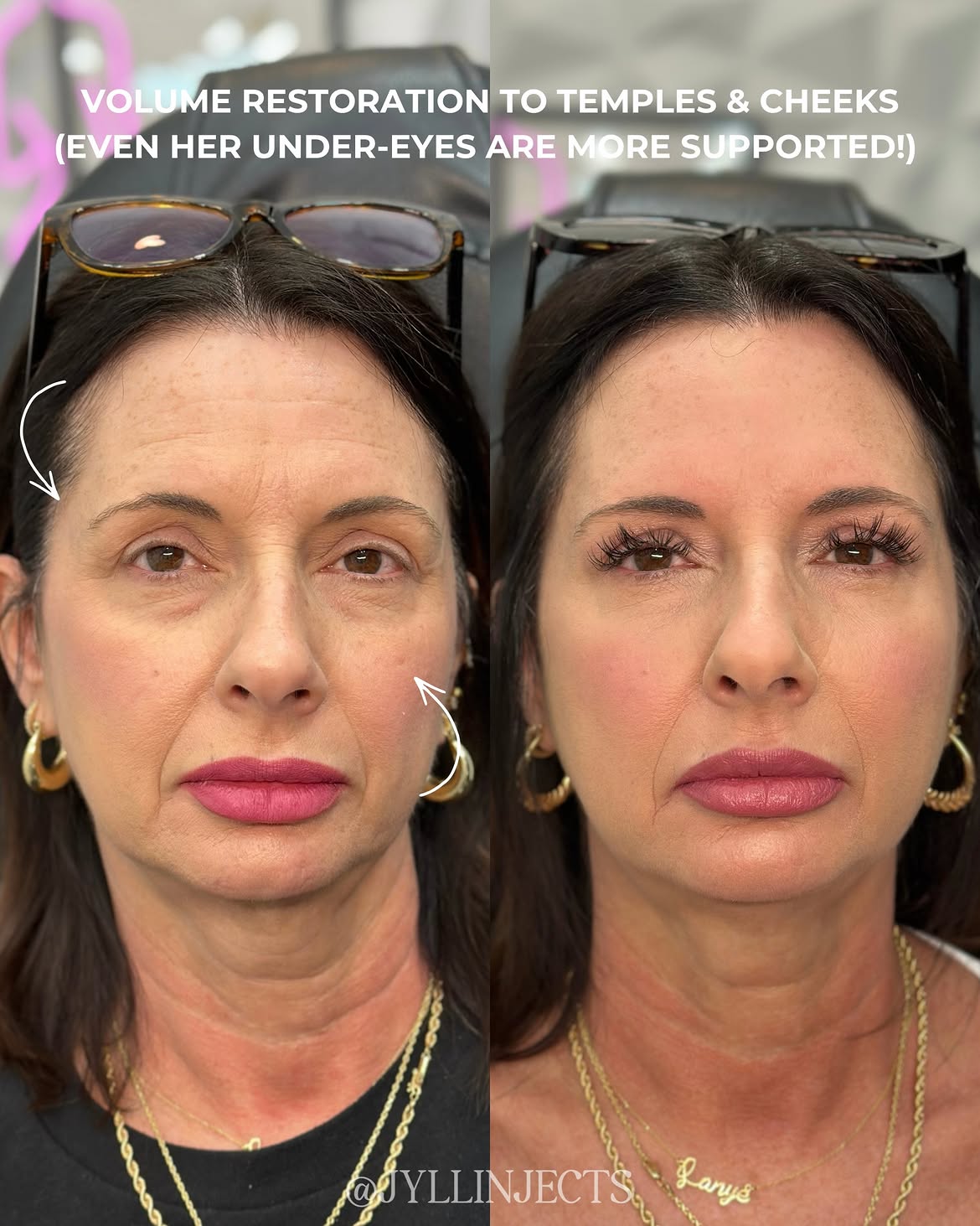
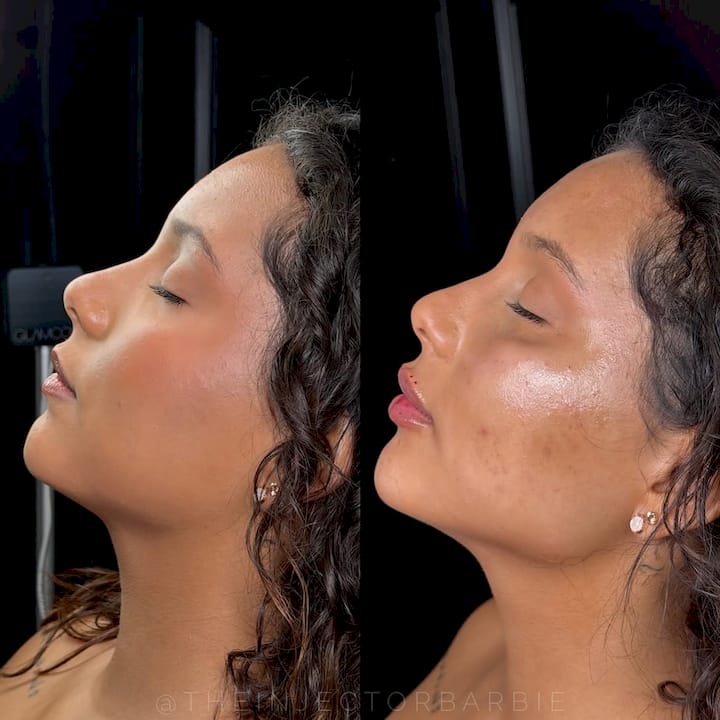
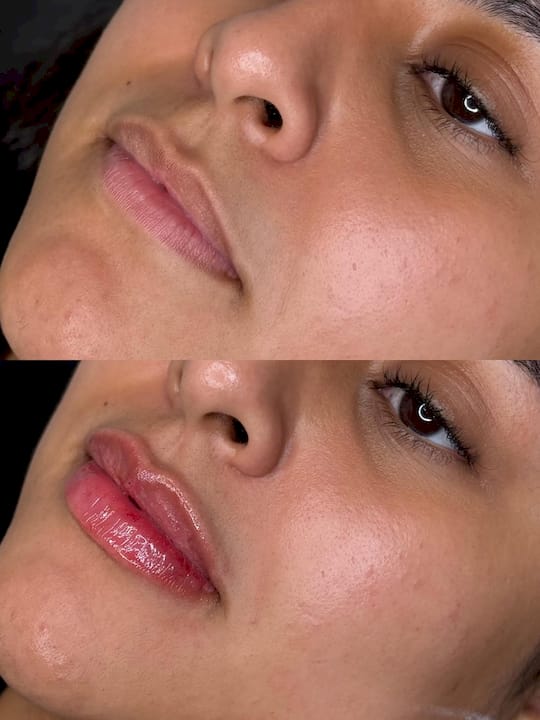
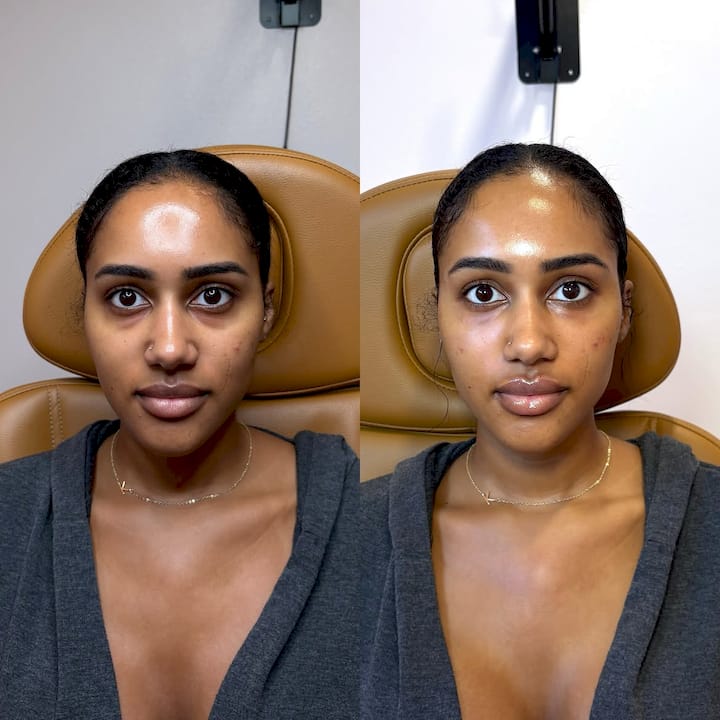
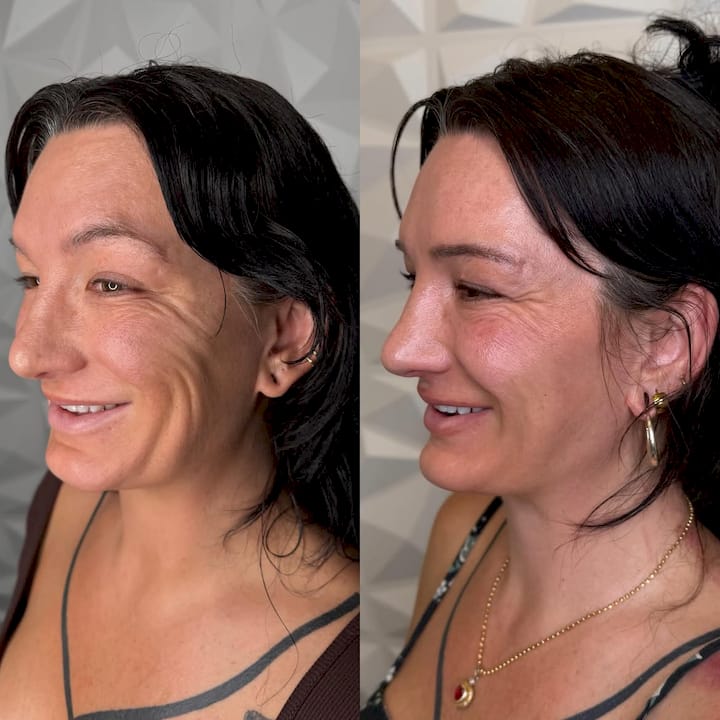
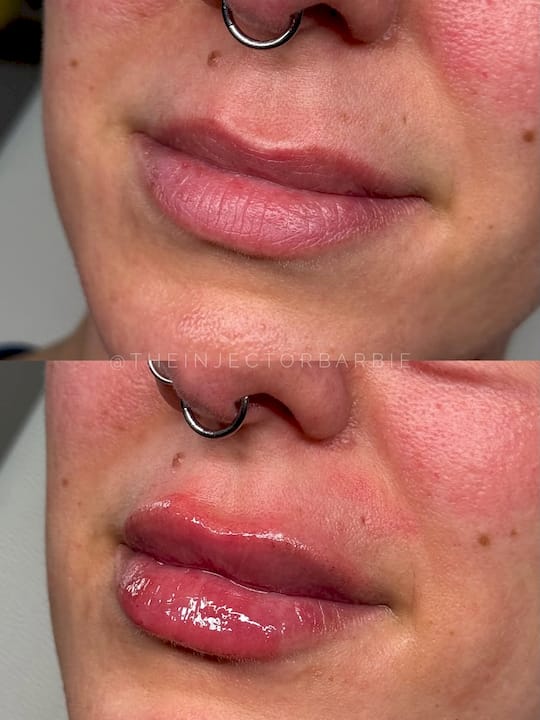
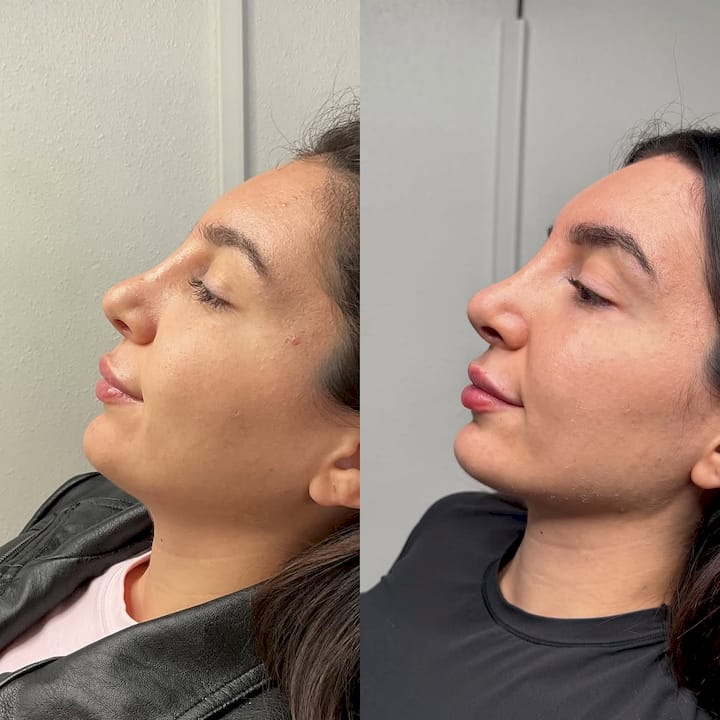
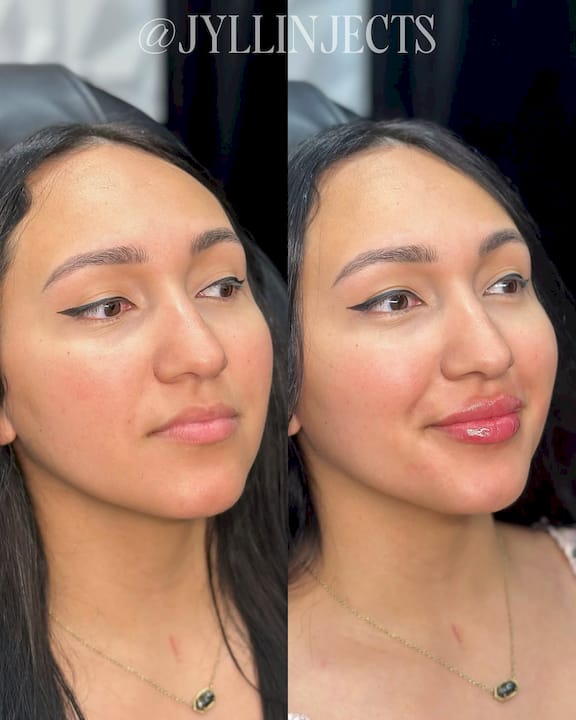
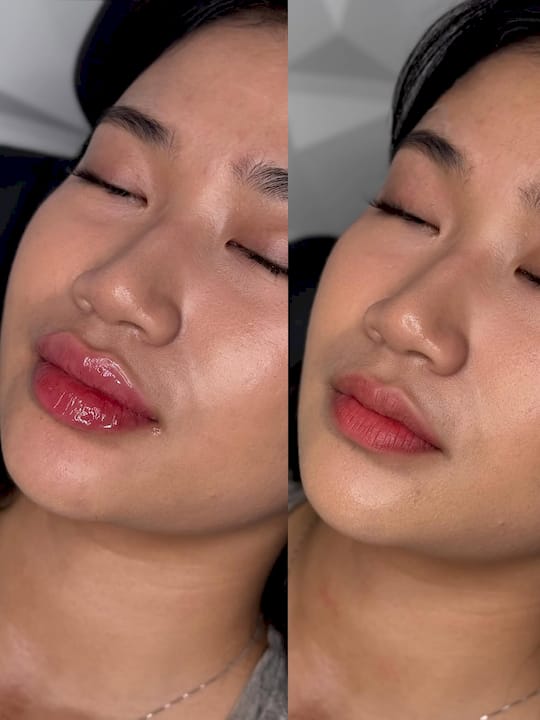
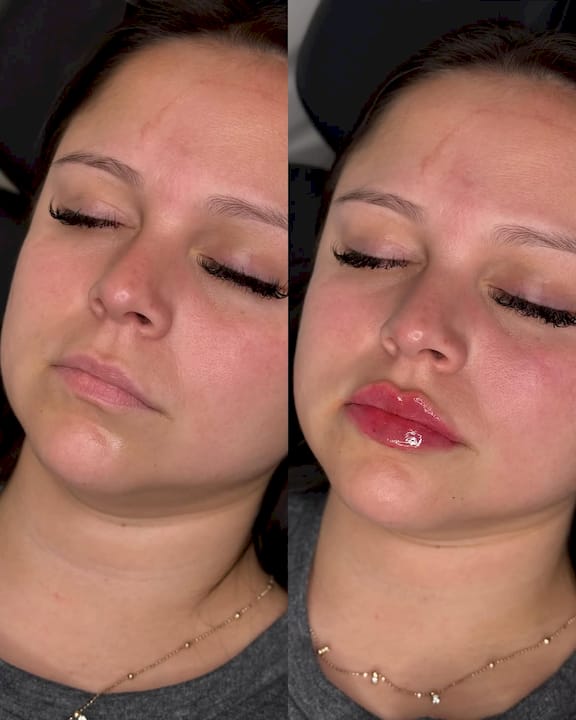
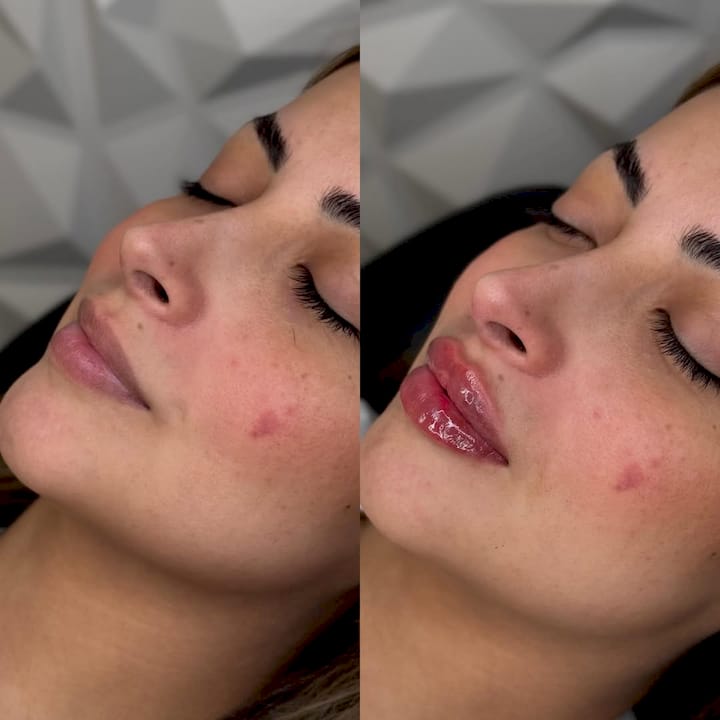
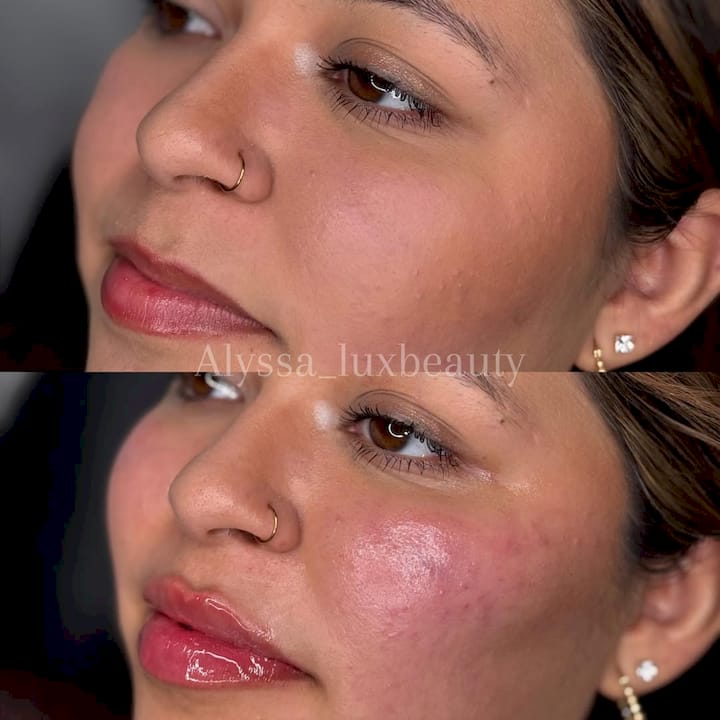
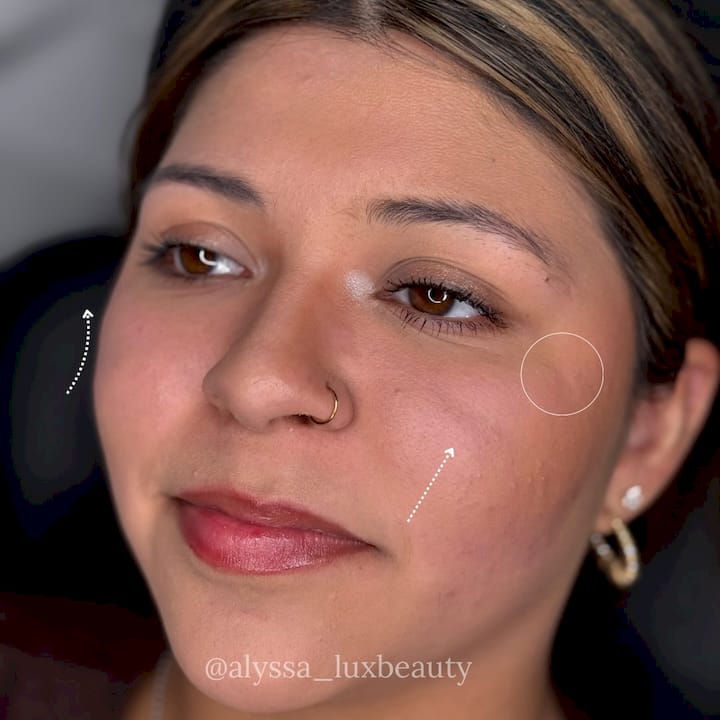
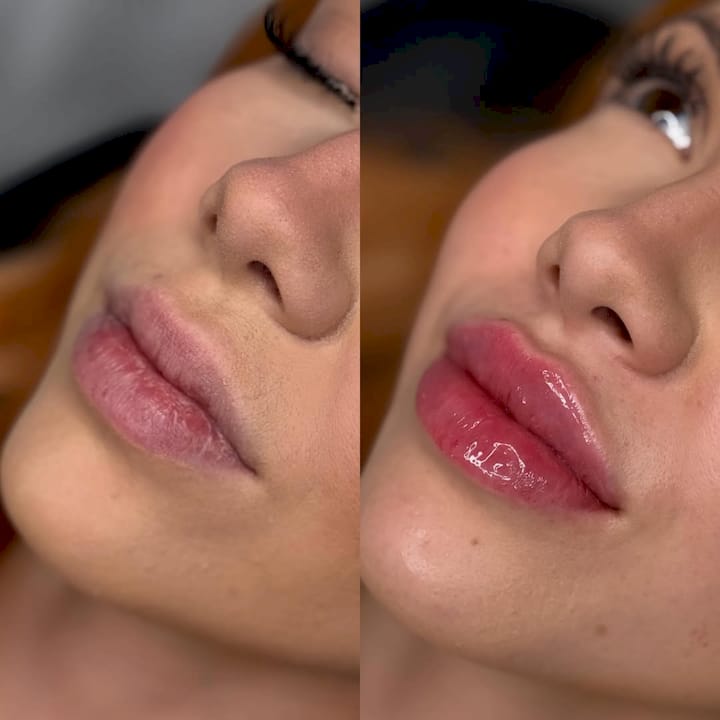
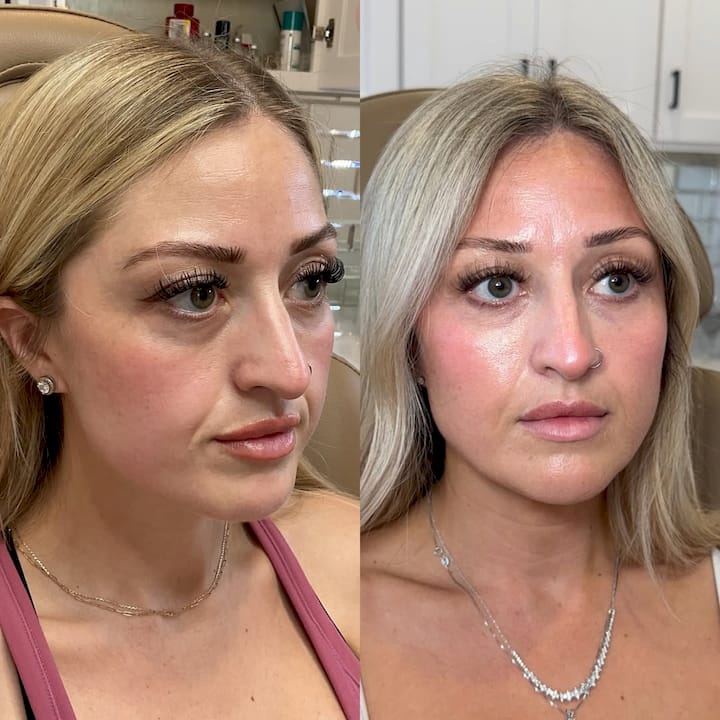
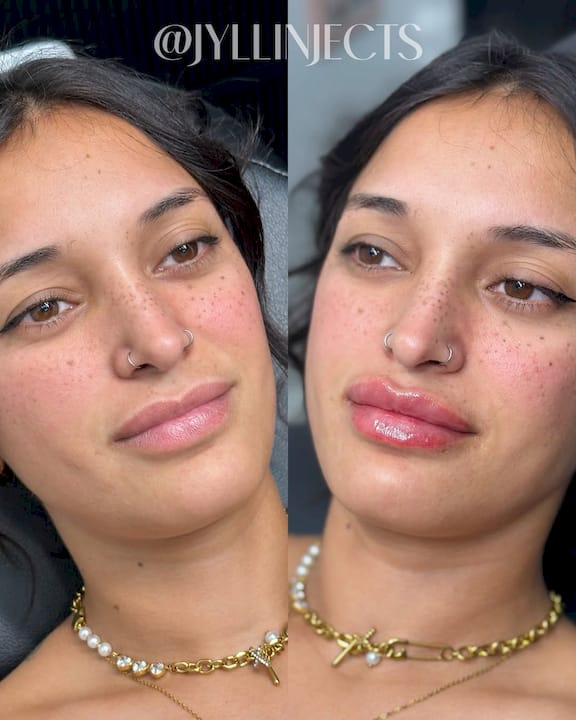
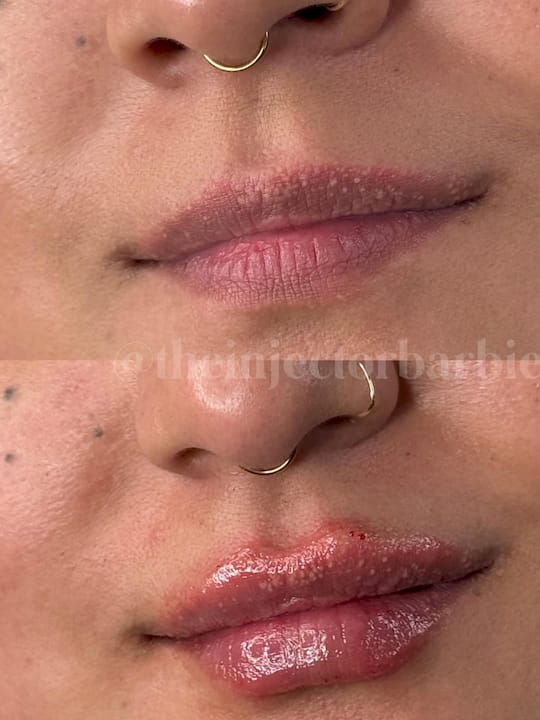
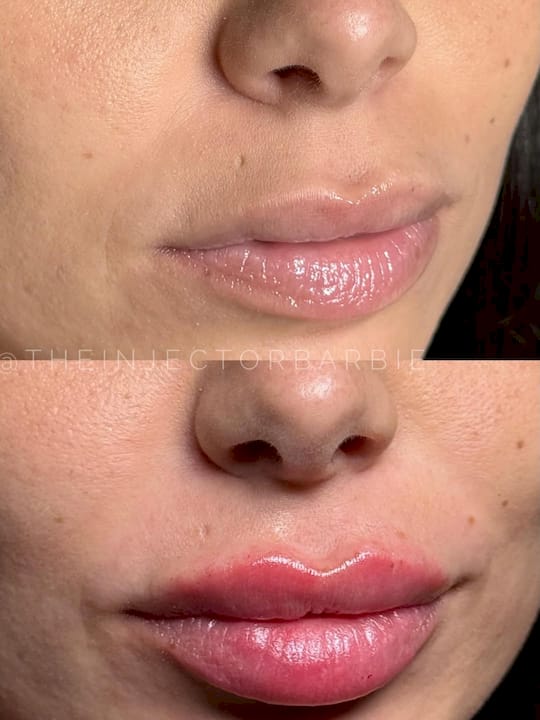
%20Pictures%20are%204%20weeks%20apart..jpg)
The Injection Room, Austin and San Antonio, TX. Last updated September 2026.
The short version
- Lower face sagging in your thirties is not a skincare failure. Your tretinoin and SPF work in the top layers of your skin. The sagging is happening underneath them, in fat, muscle and bone.
- Three things are changing in your face at once: your skin is losing collagen and elastin, your deep fat pads are shrinking while the superficial ones slide down, and the bone underneath is quietly shrinking too.
- More filler in the fold is usually the wrong answer for you. Filling your nasolabial folds or marionette lines adds weight above the crease, and weight is what created the crease.
- What we recommend in your thirties: rebuild your collagen first (Sculptra, microneedling), then add small amounts of structure where you've lost support (facial balancing), and use neurotoxin to relax the muscles pulling your face down.
- There is a point where none of this is your answer and a surgeon is. If you're there, we will tell you at your consult rather than sell you a course of treatment that cannot get you there.
Why is your lower face sagging at 37 when you've done everything right?
Because the things you did right protect a different layer from the one that's changing.
Tretinoin, sunscreen, not smoking, sleeping on your back, the whole list. All of it works, and all of it works on your skin: the top couple of millimetres. What you are seeing at 37 is happening three layers below that, in your fat compartments, in your muscles, and in the bone that everything else is draped over. You cannot moisturise a bone.
This is the question we hear most at consults in Austin and San Antonio, and you probably feel the same edge of frustration everyone brings to it: I'm 37, not 57, and I did everything I was told to do. You did. It still happened.
The useful move is to stop calling it "sagging" and work out which of three separate things is happening in your face, because each has a different fix and two of them get worse if you treat them like the third.
What is actually sagging in your face? Three layers, three different problems
1. Your skin: collagen and elastin decline
Your collagen production drops roughly 1% a year from your mid-twenties, and your elastin barely regenerates at all. In practice your skin loses recoil. It stops snapping back to the shape it's stretched over and starts draping instead.
This is the layer your tretinoin and lasers work on, and if you've been consistent, yours is probably in better condition than average. It's also the layer that decides whether anything we add underneath looks smooth or looks like a lump under fabric.
2. Your fat: the deep pads shrink, the superficial pads slide
Your face is not one continuous layer of fat. It's a set of separate compartments, stacked in two levels, and they don't age together.
Your deep pads sit against the bone and act as scaffolding. Your deep medial cheek fat and the pad beside your nose are usually the first to lose volume, and when they go, your mid-face loses its support from below.
Your superficial pads sit just under your skin, and they don't disappear. They descend. The ligaments holding them in place loosen, the pad above your jawline slides forward and down, and it stacks up against the ligament that tethers your jawline. That stack is what you're calling a jowl.
So the fold beside your nose and the heaviness along your jaw are two halves of one event: something moved down and something else emptied out behind it.
3. Your bone: the platform gets smaller
This is the part nobody mentions to you, and it explains why chasing the fold never works. The bone of your mid-face and jaw resorbs with age. The opening around your nose widens, your eye sockets widen, and the angle of your jaw becomes less defined. The frame everything hangs on gets smaller while the soft tissue on top of it stays roughly the same size.
Less frame, same drape, more slack. That's the mechanism.
And a fourth thing: your muscles are pulling down
Several muscles in your lower face exist specifically to pull it downward. Your depressor anguli oris pulls the corners of your mouth down. Your mentalis puckers your chin. Your platysma is a broad sheet across your neck that pulls on your whole jawline every time it tightens.
As your elevator muscles lose support, the depressors win more of the time. That's why your resting face at 37 looks slightly more serious, or slightly sadder, than it did at 28, in a way that has nothing to do with your mood.
Why can filler make your jowls look worse?
Because your instinct is to fill the crease you can see, and the crease is a shadow, not a hole.
Here is what happens when you have a nasolabial fold filled directly. Volume goes in above the fold, or into the fold itself. Hyaluronic acid attracts and holds water, so it settles heavier than it looked on day three. Then the same descent that caused the problem carries the new volume down with it. Twelve months later your fold is deeper, your face is wider, and the fix on offer is another syringe.
Do that for four or five years and you end up with the look you've seen online and are afraid of: a heavy mid-face, flat wide cheeks, a face that reads fuller and older at once.
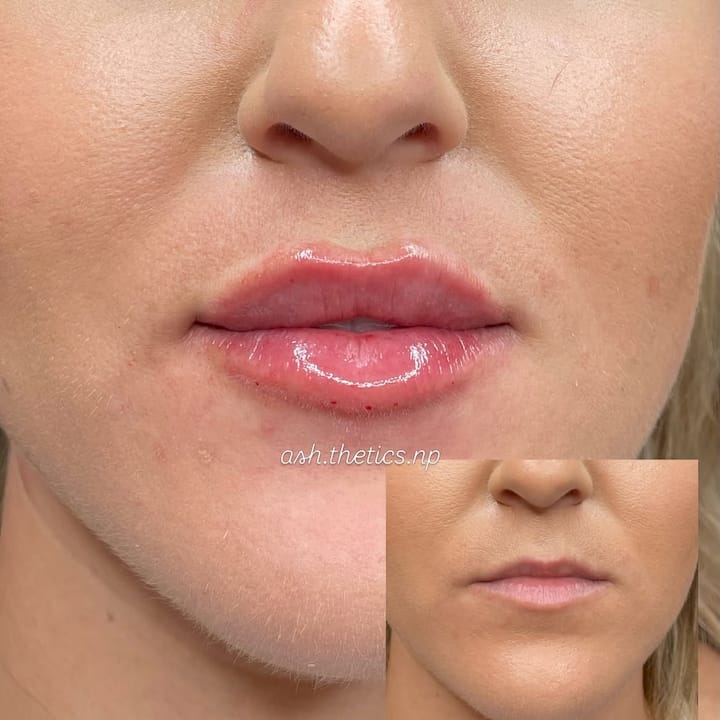
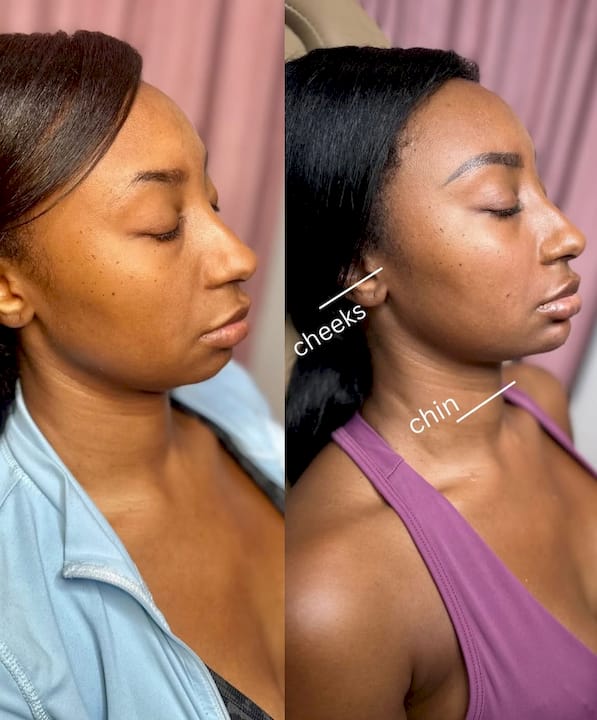
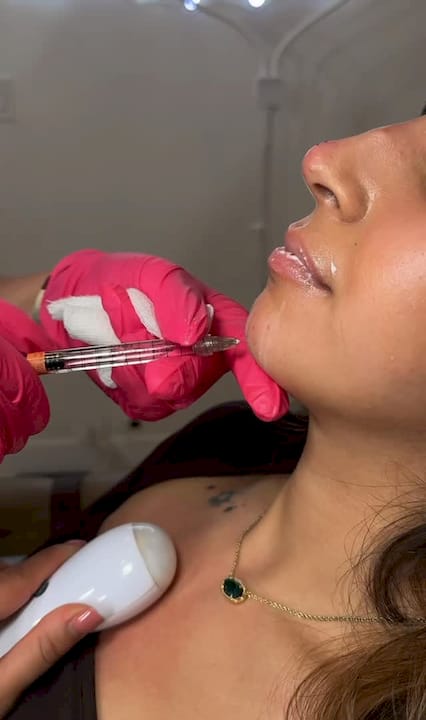
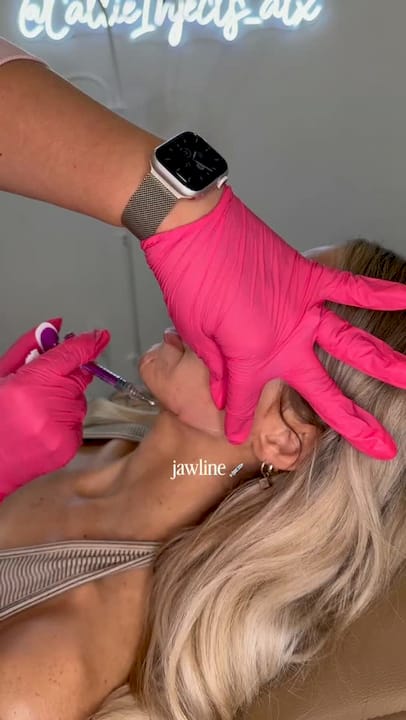
None of this means filler is your problem. Filler placed deep, against bone, in small amounts at your chin, jawline and deep cheek, rebuilds the platform that shrank. That is a completely different treatment from filling a fold, even though both use a syringe of the same product. The difference is depth, placement and quantity. Our filler and facial balancing work is structural for exactly this reason, and if you look through our before and after gallery, the jaw and chin cases are usually the ones where the whole face changes.
One line worth keeping: if the treatment plan you're offered in your thirties is mostly about how many syringes, it's the wrong plan. It should be mostly about where.
What actually works on lower face sagging in your thirties?
Prices are current at the time of writing and shown per treatment. Check the service page for today's pricing, and see payment plans if you'd rather spread the cost.
Sculptra vs filler for jowls: which one do you need?
You most likely need Sculptra first and filler second, in a smaller quantity than you expected.
Sculptra is poly-L-lactic acid. It is not a filler. It does not add volume on the day. It creates a controlled irritation that prompts your own fibroblasts to lay down new collagen over the following three to six months. Your result builds slowly, looks like your own tissue because it is your own tissue, and treats the layer that's failing rather than covering up the result. Because it works on skin quality and generalised volume loss, it suits the diffuse "everything is slightly deflating" feeling you get in your mid-thirties.
Filler is hyaluronic acid. It adds volume the moment it goes in, which is why it's satisfying and why it gets overused. In your thirties it earns its place at your chin, along your jawline, and deep in your cheek where the deep pads have emptied. It does not earn its place in your fold.
The sequence we recommend: build your collagen, then look again. You may well need noticeably less filler after a Sculptra course than you were planning to buy, because part of what you read as volume loss was skin that had stopped holding its shape.
If you want that mapped to your own face, start with our self-assessment, then book a consult with one of our injectors for the real answer.
Can Botox help your jowls?
Not the jowl itself. Neurotoxin does not lift descended fat or tighten loose skin, and anyone telling you otherwise is selling you something.
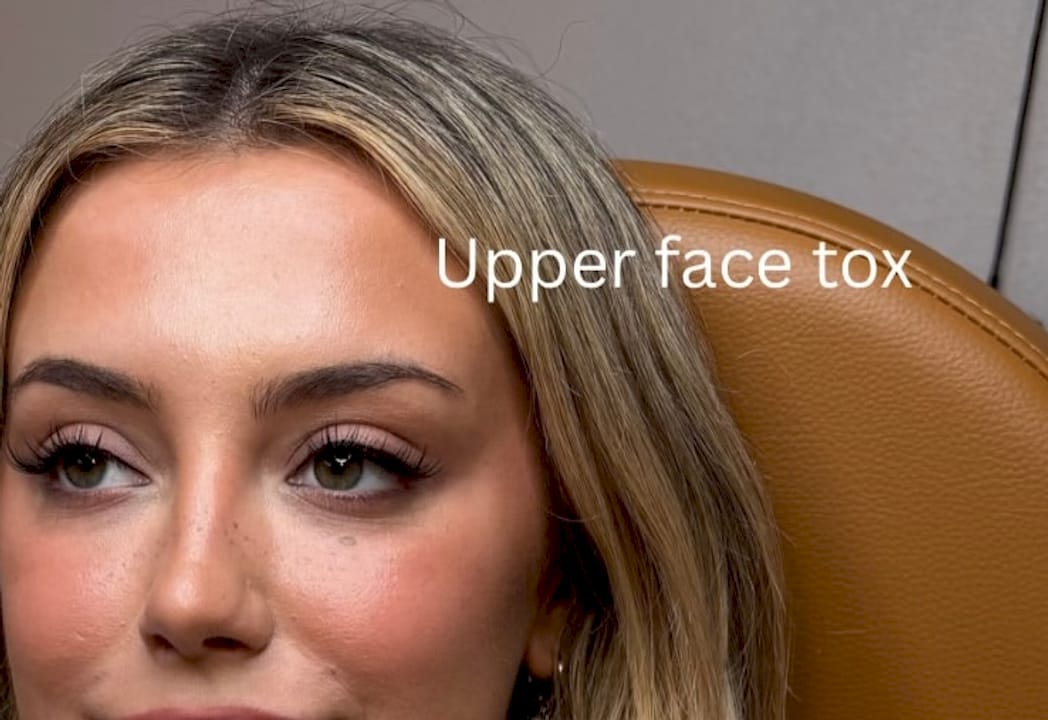
What it does do is take the downward pull off. Treating your depressor anguli oris lifts the corners of your mouth by a couple of millimetres, which changes how your whole lower face reads. Treating your platysma along the jaw and neck, sometimes called a Nefertiti lift, softens the pull on your jawline and can sharpen its edge. Both are small, real effects that stack well with everything else and cost far less than the rest of your plan.
At $9 to $11 per unit across the five toxins we stock, this is usually the cheapest meaningful change available to you in your thirties, and it's often where we start while your Sculptra course builds in the background.
One caution, because you'll probably ask: masseter Botox. It slims a wide jaw and helps with genuine clenching and TMJ pain, but if you are already losing volume in your lower face, shrinking the muscle can make your jawline read softer, not sharper. It's a good treatment for the right face and a bad one for the wrong face. Ask us about it specifically at your consult.
Will threads work on your sagging jawline?
Threads work modestly, temporarily, and best in combination.
PDO threads reposition tissue mechanically and stimulate collagen along the line of the thread. If your jawline has mild to moderate descent, good skin quality and defined bone structure underneath, they give you a real result for around nine to fifteen months. If your jawline has significant skin excess, they pull, they pucker, and they disappoint. You're the best candidate for threads once you've already fixed your skin and structure and want the last increment.
How do you know if you need surgery instead?
You are likely past what injectables can do if the skin along your jaw stays folded when you lie down, if pinching the skin at your jawline gives you a large amount of loose tissue rather than a firm layer, if the change happened suddenly after major weight loss, or if you have already had a good structural plan executed well and it did not get you where you wanted.
None of that is a failure, and none of it is a reason to spend $4,000 on injectables first. A deep plane facelift repositions tissue that has descended past the point where anything else will help, and there are excellent surgeons in both Austin and San Antonio. If that is the conversation you should be having, we will tell you at your consult. We would rather send you to a surgeon than take your money for a plan that cannot deliver what you're asking for.
Will losing weight make your jowls worse?
Often, yes. Fat loss is systemic, and you cannot lose it from your body and keep it in your face. If you lose significant weight, whether on a GLP-1 medication, through endurance training or by ordinary dieting, you empty the deep pads holding your mid-face up, faster than your skin can adapt. That is why you can end up looking older at a lower weight, and it's one of the most common reasons for a first consult with us.
Our advice on timing is specific: treat at or near your maintenance weight, not mid-loss, or you will pay twice. Collagen stimulation is the exception, because it takes months to show anyway.
What order should you do this in?
Here is the twelve-month plan we typically recommend if your lower face is changing at 37:
- Month 0. Your consult and photographs. Neurotoxin to your depressors and platysma if you need it, because it's cheap, fast and shows you something is happening. You start your Sculptra course.
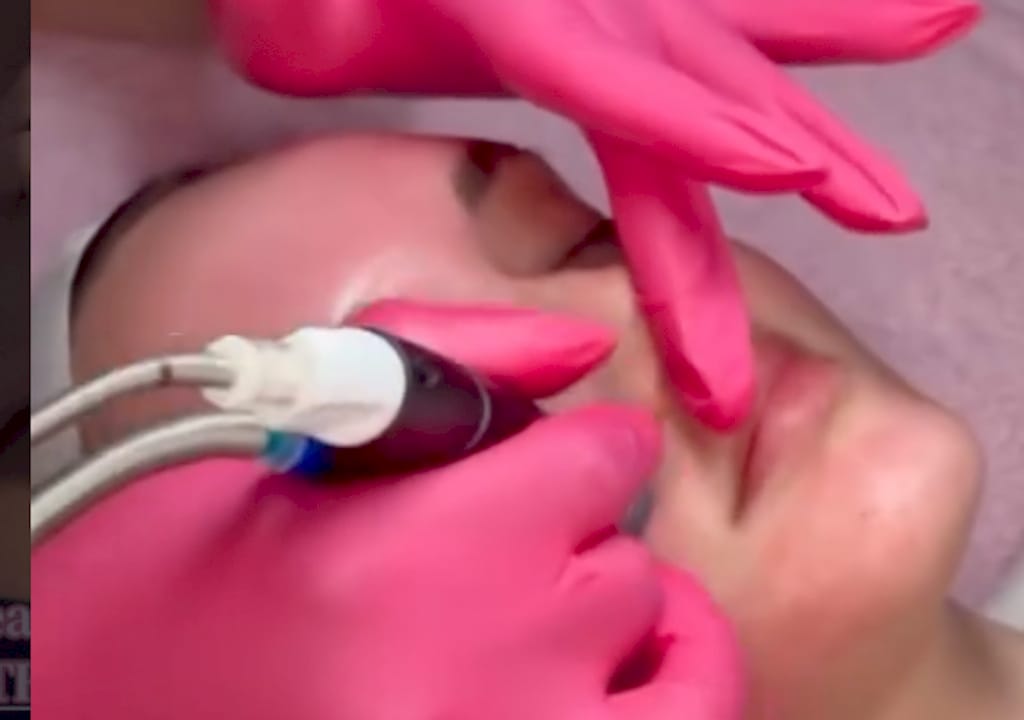
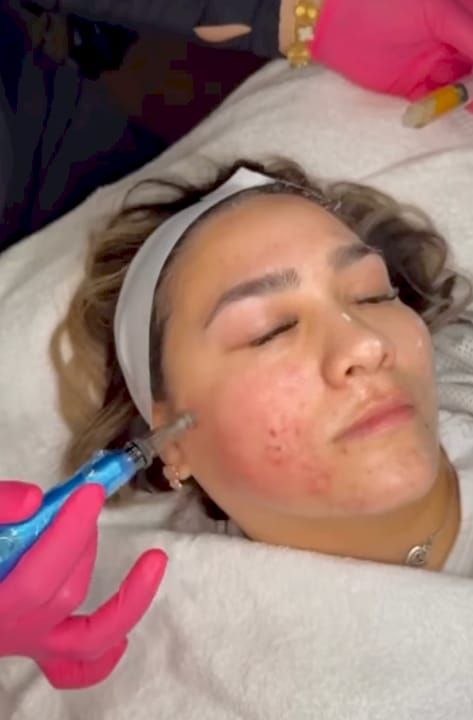
- Months 1–3. Your second and third Sculptra sessions. A microneedling series if skin texture is part of what's bothering you.
- Months 4–6. We reassess with your month-zero photographs side by side. This is when you decide how much structural filler you actually need, and it's usually less than the number you had in your head.
- Months 6–9. Structural work at your chin and jawline if you need it. Threads at this stage if there's a small increment left.
- Month 12. Maintenance: neurotoxin every three to four months, a Sculptra touch-up once a year, and filler on an eighteen-month cycle rather than a six-month one.
The reason for this order is simple. Every step makes your next step smaller. Doing it backwards, filler first, makes every step after it bigger and more expensive.
Frequently asked questions
Why is your lower face sagging?
Because your collagen and elastin have declined, the deep fat pads supporting your mid-face have lost volume while the superficial pads have descended, your underlying bone has resorbed slightly, and the muscles that pull your face down are winning more often. All four changes begin well before you'd expect them.
How can you fix jowls without surgery?
Rebuild your collagen with a stimulator such as Sculptra, restore structure with a small amount of deep filler at your chin and jawline, and relax the muscles pulling your face down with neurotoxin. Threads can add a modest mechanical lift. This works if your change is mild to moderate, not if you have significant skin excess.
Will filler make your jowls worse?
Filler placed into your fold can make your jowls look worse over time, because it adds weight above the crease and hyaluronic acid holds water. Filler placed deep against bone at your chin and jawline generally improves them. Placement, not quantity, decides which you get.
Are you too young for Sculptra at 37?
No. Collagen stimulation works better on tissue that still has good regenerative capacity, so if you start in your thirties you'll usually get a better result from fewer vials than if you wait until your fifties.
When will you see Sculptra results?
You'll typically see visible change around three months after your first session, and it keeps building for up to six. If someone promises you same-week results from Sculptra, they're describing a different product.
Can microneedling help if your face is sagging?
Microneedling improves your skin quality, texture and fine lines, and helps your skin drape better over whatever is underneath. It does not lift descended fat. It works best for you as part of a plan rather than on its own.
What will this cost you in Austin or San Antonio?
Neurotoxin is $9 to $11 per unit with a 20-unit minimum. Sculptra starts at $1,399 for two vials. Facial balancing starts at $1,299. You'll find full current pricing on each service page, and payment plans are available.
Book your consult
We have three locations: South Congress in Austin, and South Flores and Eilan in San Antonio. Your consult is free, it includes a full facial assessment, and you will leave with a written plan and a price whether or not you book anything on the day.
If the honest answer is that you need a surgeon, we will tell you that too.
Book a consultation · Meet the injectors · See real results