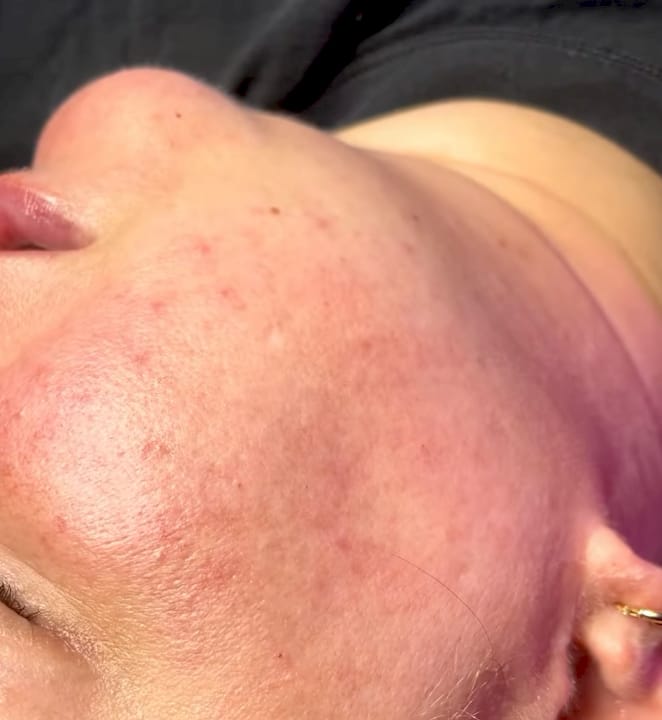
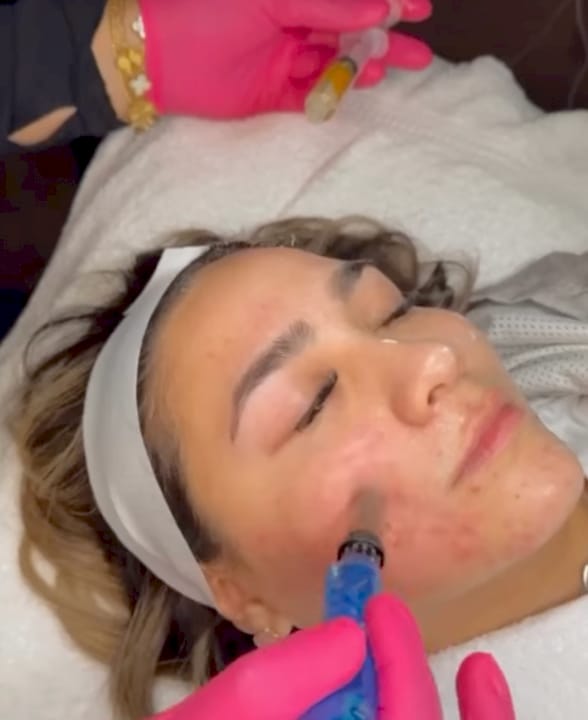
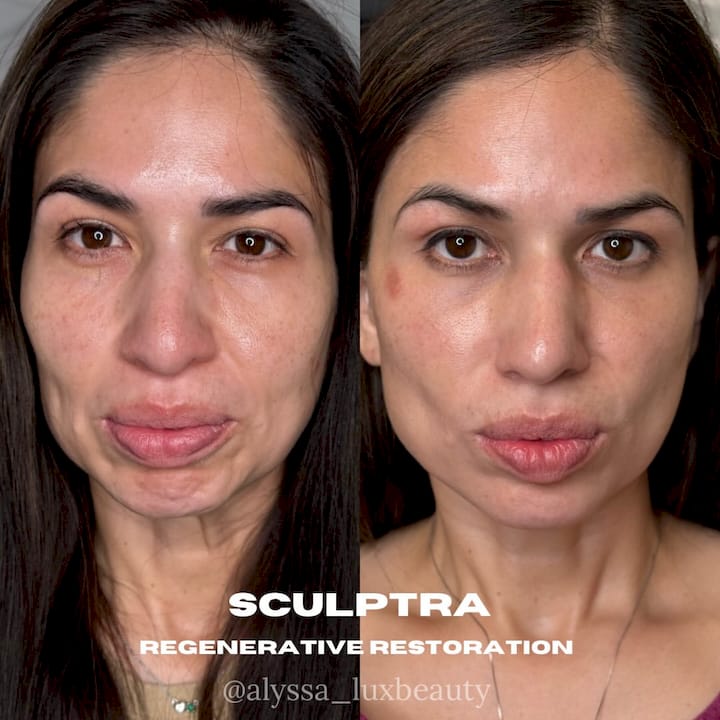
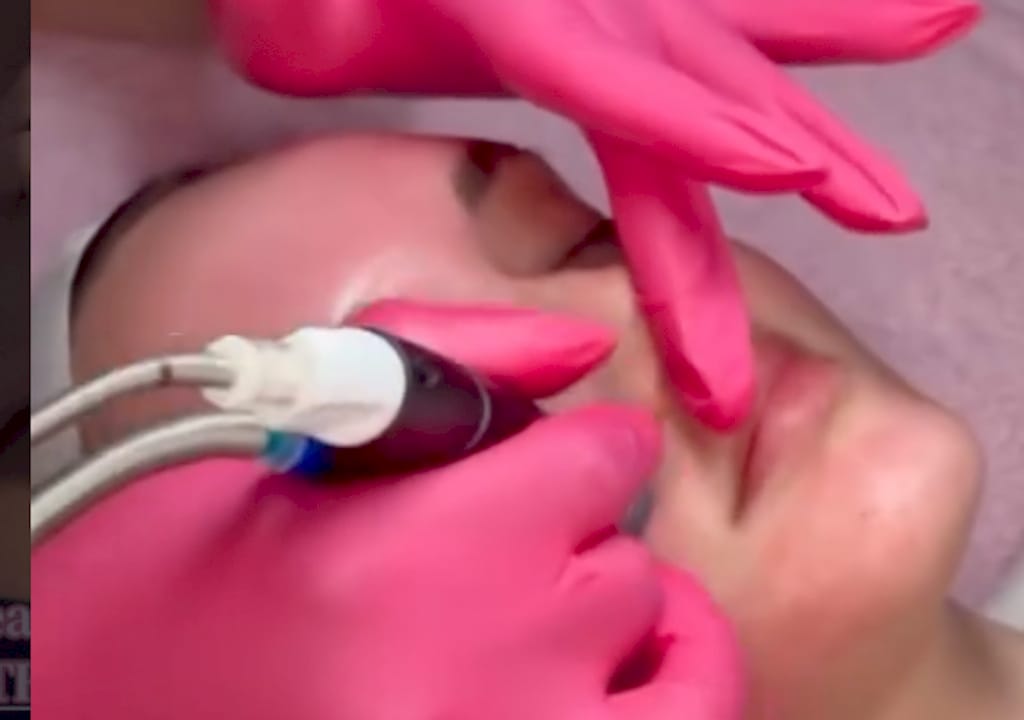
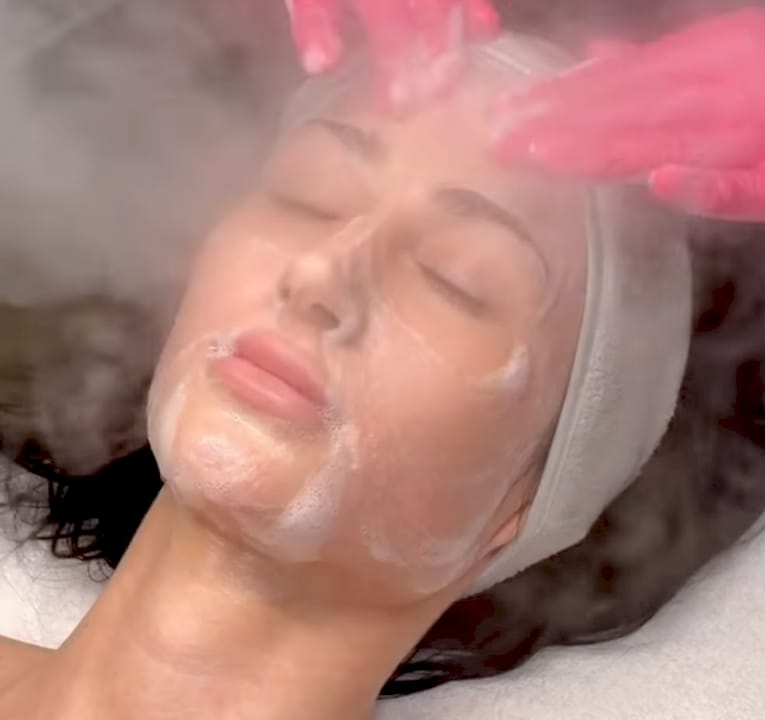
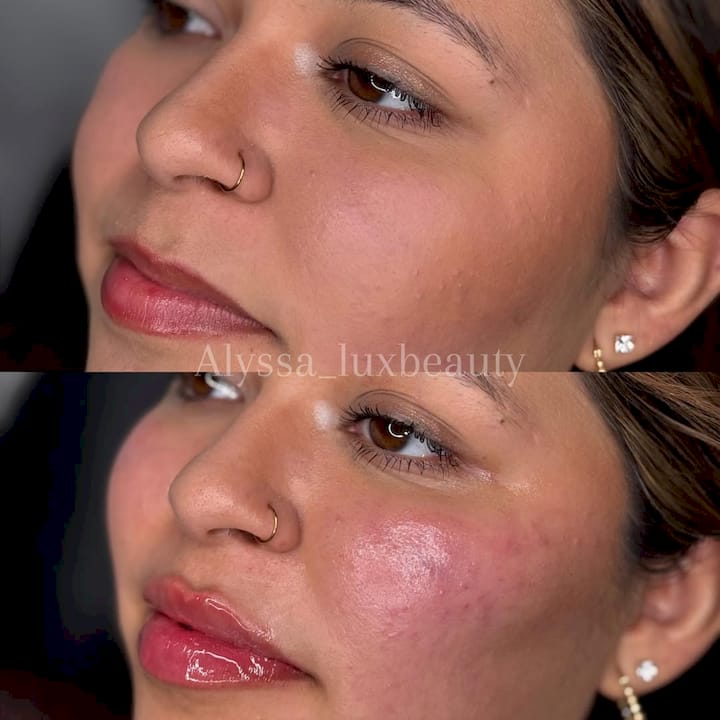
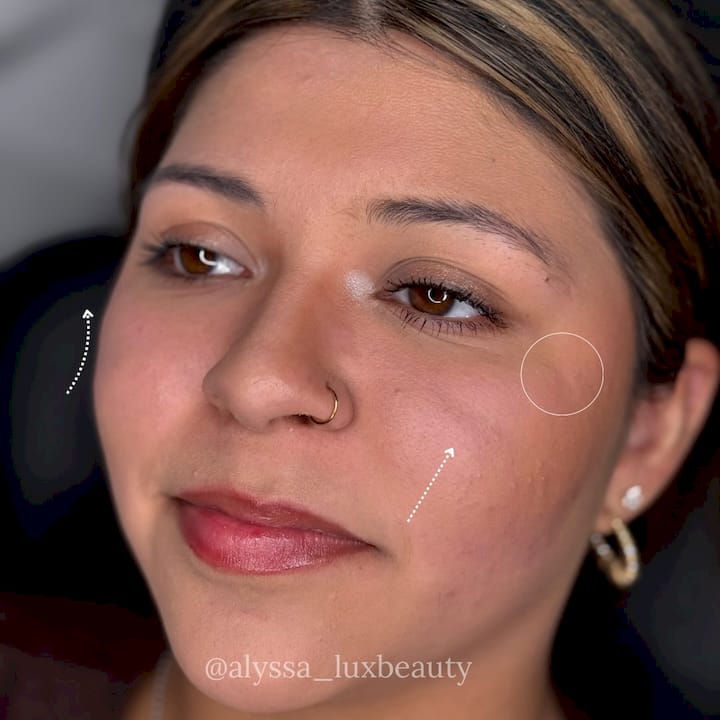
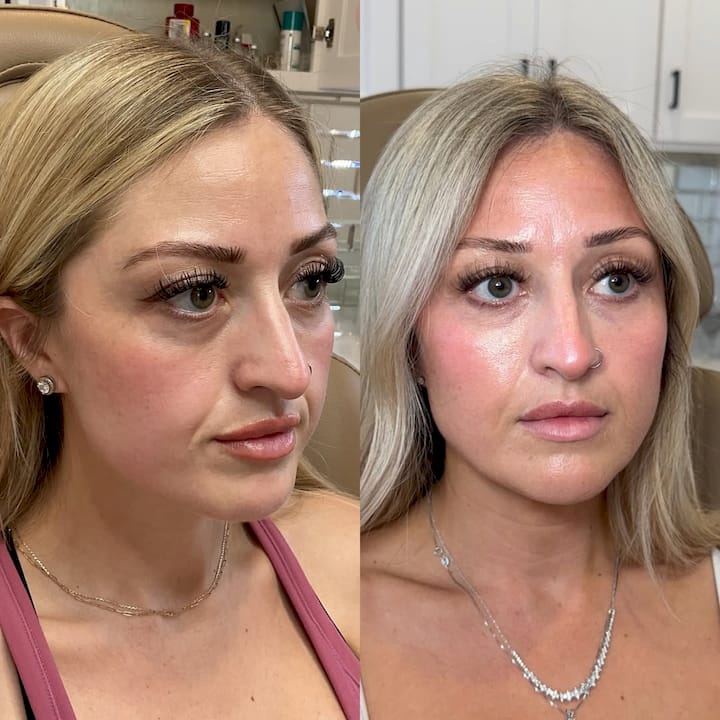
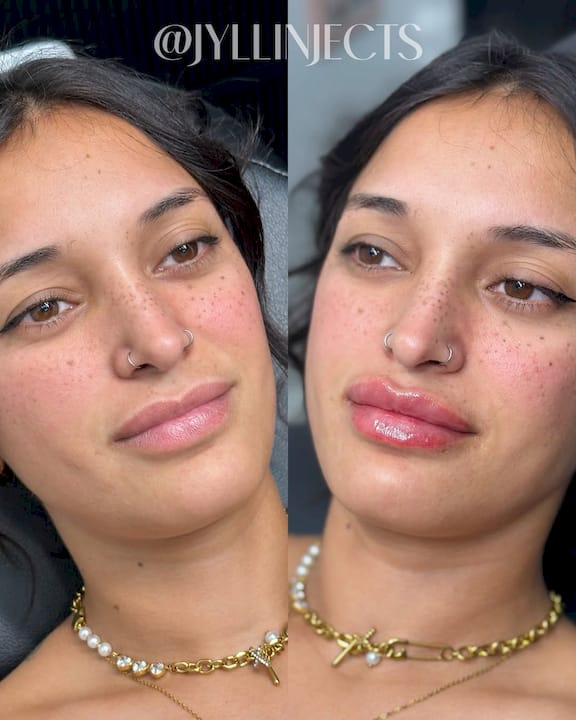
Facial peels are cosmetic treatments that remove the skin’s outer layers to reveal smoother, brighter, and younger-looking skin underneath. In the aesthetic medicine world, the standard industry term is “chemical peel,” and the facial peel benefits you hear about — reduced fine lines, clearer tone, and faded acne scars — are backed by real clinical mechanisms, not marketing. With over 1.3 million procedures performed yearly in the U.S., chemical peels rank among the most widely used non-invasive treatments for adults aged 25 to 55. Agents like glycolic acid, trichloroacetic acid (TCA), and salicylic acid each target different skin concerns with different depths of action.
1. Facial peel benefits start with understanding peel types
Not all peels work the same way. The three main categories are superficial, medium-depth, and deep, and each one addresses a different set of skin concerns.
| Peel Type | Active Agents | Best For | Downtime |
|---|---|---|---|
| Superficial | Glycolic acid, lactic acid, salicylic acid | Dull skin, mild acne, maintenance | 1–3 days |
| Medium-depth | TCA 15–35% | Pigmentation, fine lines, mild scarring | 7–10 days |
| Deep | Phenol | Severe wrinkles, deep scarring | 2–4 weeks |
Superficial peels use alpha hydroxy acids like glycolic acid to gently exfoliate the top layer of skin. They are the go-to option for regular maintenance and immediate brightening within two to three days. Medium-depth peels using TCA penetrate further and are better suited for pigmentation issues, moderate acne scarring, and early signs of aging. Deep phenol peels address severe skin concerns but come with significant recovery time and require careful patient selection. Most people in the 25 to 55 age range find that superficial to medium-depth peels, performed in a series of four to six sessions spaced two to four weeks apart, deliver the best balance of results and manageability.
2. How peels trigger anti-aging skin renewal
The anti-aging power of a chemical peel is not just about removing dead skin. The real mechanism is controlled injury. When an acid solution is applied to the skin, it creates a precise, shallow wound that triggers the body’s natural healing response. That response includes the production of new collagen and elastin, the proteins responsible for firm, youthful skin.
Collagen stimulation, known clinically as neocollagenesis, is the key long-term anti-aging benefit of chemical peels. It does not happen overnight. Visible improvements from collagen remodeling continue for weeks and months after a single treatment. This is why a series of peels produces better results than a single session. Each treatment compounds the collagen response, gradually reducing fine lines, improving skin texture, and evening out tone. Skin renewal with peels is a process, not a one-time event.
Pro Tip: If you are in your 30s and just starting to notice fine lines, a series of glycolic acid peels every three to four weeks is one of the most cost-effective ways to slow visible aging before it becomes harder to address.
3. Skin concerns that chemical peels effectively treat
The range of conditions that chemical peels address for adults aged 25 to 55 is broader than most people expect. Here is what the research confirms peels can improve:
-
Active acne and clogged pores: Salicylic acid peels are oil-soluble, meaning they penetrate into the pore lining to unclog congestion and reduce bacterial load.
-
Acne scarring: Medium-depth TCA peels remodel scar tissue over multiple sessions, improving surface texture significantly.
-
Uneven pigmentation and melasma: Peels accelerate cell turnover, which helps fade dark patches caused by sun exposure or hormonal changes.
-
Sun damage and age spots: Glycolic acid and TCA peels both address hyperpigmentation caused by cumulative UV exposure.
-
Fine lines and rough texture: Collagen remodeling smooths the skin surface and softens early wrinkle formation.
-
Actinic keratosis: Superficial and medium-depth peels can reduce precancerous lesions under medical supervision.
Salicylic acid peels are particularly effective for oily, acne-prone skin because of their oil-solubility and anti-inflammatory properties. For mature skin, lactic acid is a gentler option that also delivers hydration alongside exfoliation. Age is not a limiting factor. Well-selected peels like lactic acid can benefit mature skin safely and without excessive irritation.
4. What to do before and after a facial peel
Getting the most out of a chemical peel requires preparation before the appointment and disciplined aftercare once the treatment is done. Skipping either step reduces results and increases the risk of complications.
Before your peel:
-
Schedule a professional consultation to assess your skin type, tone, and specific concerns.
-
Begin a pre-treatment prep protocol two to four weeks before your appointment. This typically includes topical retinoids and pigment inhibitors to prime the skin and improve peel penetration.
-
Avoid waxing, laser treatments, or other exfoliating procedures in the two weeks before your peel.
-
Disclose all medications, especially retinoids and antibiotics, to your provider.
After your peel:
-
Keep skin moisturized and avoid picking or peeling skin manually.
-
Apply SPF 50 daily for at least four to six weeks. Newly exposed skin is highly vulnerable to UV damage, and sun exposure after a peel can cause post-inflammatory hyperpigmentation.
-
Avoid intense exercise, saunas, and direct sun exposure during the healing window.
-
Follow your provider’s specific aftercare protocol, which may include gentle cleansers and barrier-repair serums.
Pro Tip: The degree of visible peeling does not always reflect how effective the treatment was. Superficial peels may cause minimal visible flaking while still delivering meaningful collagen stimulation and brightening effects.
5. How facial peels compare to other anti-aging treatments
Choosing between a chemical peel, laser resurfacing, and microneedling comes down to your skin concern, budget, and tolerance for downtime. Each treatment has a distinct profile.
| Treatment | Best For | Average Cost | Downtime | Skin Types |
|---|---|---|---|---|
| Chemical peel | Pigmentation, texture, acne | Low to moderate | 1–14 days | Most types |
| Fractional CO2 laser | Deep wrinkles, severe scarring | High | 1–2 weeks | Lighter skin |
| Microneedling | Collagen stimulation, scars | Moderate | 2–4 days | All types |
| Topical retinoids | Maintenance, mild aging | Very low | None | All types |
Medium-depth TCA peels show similar efficacy for acne scarring as fractional CO2 lasers at a fraction of the cost and without the need for specialized equipment. This makes chemical peels one of the most accessible anti-aging options for people who want real results without a significant financial commitment. Microneedling and peels are also highly complementary. Many providers use them in alternating sessions to address both surface texture and deeper collagen remodeling simultaneously. Topical treatments like retinoids work best as maintenance between professional treatments rather than as standalone anti-aging solutions.
6. Combining peels with a broader skincare strategy
A chemical peel is not a standalone fix. Peels are most effective as part of a broader skincare strategy that includes consistent sun protection and topical actives. Think of a peel as a reset button. It accelerates cell turnover and collagen production, but those gains erode quickly without the right daily habits to support them.
For adults in their 30s and 40s, a practical approach combines a series of superficial to medium peels with daily SPF 50, a retinoid used on non-peel nights, and a vitamin C serum in the morning. This combination addresses aging from multiple angles: the peel handles deep exfoliation and collagen stimulation, the retinoid maintains cell turnover between sessions, and vitamin C neutralizes free radical damage from UV exposure. For men specifically, integrating peels into a skin tone balancing routine is one of the most direct ways to address uneven complexion and texture concerns. Safety depends heavily on practitioner expertise and tailored protocols, so working with a qualified provider is non-negotiable for consistent, complication-free results.
7. Setting realistic expectations about facial peel results
Patient education on realistic expectations about peeling, results timeline, and required maintenance is critical for satisfaction and long-term adherence to treatment plans. Many first-time patients expect dramatic results after a single session and are disappointed when the change is subtle. That expectation gap is the most common reason people abandon a treatment that would have worked if continued.
The misconception that deeper peels are always better ignores the increased risk of complications. Multiple superficial to medium peels often yield safer and better cumulative results than a single aggressive deep peel. A well-designed treatment plan accounts for your skin’s current condition, your tolerance for downtime, and your long-term goals. Results from a series of glycolic acid peels, for example, become clearly visible around the third or fourth session, with continued improvement for up to three months after the final treatment as collagen remodeling completes. Patience and consistency are what separate people who see transformative results from those who give up too soon.
Key takeaways
Facial peel benefits are cumulative, mechanism-driven, and most effective when paired with consistent sun protection and a qualified provider’s guidance.
| Point | Details |
|---|---|
| Peel depth determines results | Superficial peels brighten and maintain; medium-depth peels address pigmentation and scarring. |
| Collagen is the real anti-aging driver | Neocollagenesis continues for months after treatment, not just during visible peeling. |
| Preparation improves outcomes | Two to four weeks of pre-treatment priming with retinoids reduces risk and improves peel penetration. |
| SPF 50 is non-negotiable post-peel | Daily sun protection for four to six weeks prevents hyperpigmentation and preserves results. |
| Deeper is not always better | A series of superficial to medium peels typically delivers safer, better cumulative results than one aggressive deep peel. |
What I’ve learned from watching peels transform skin over time
I’ve seen patients come in convinced they need the most aggressive peel available because they assume intensity equals results. That thinking leads to unnecessary downtime, higher complication risk, and often, disappointment. The patients who get the best outcomes are the ones who commit to a series of appropriately matched peels, show up for their follow-up appointments, and actually wear their SPF every single day.
What surprises most people is how much of the result happens after the appointment, not during it. The collagen remodeling that makes skin look genuinely younger is a slow, biological process. A patient who does four glycolic acid peels over three months and maintains a retinoid and SPF routine will look meaningfully different at the six-month mark than someone who did one TCA peel and went back to their old habits.
My strongest advice: do not choose a peel based on what a friend had or what you read in a forum. Skin type, tone, age, and specific concerns all determine which peel is right for you. Work with a provider who does a real assessment, not one who applies the same protocol to every patient. The advantages of facial peels are real and well-documented. Getting them requires the right match between treatment and skin, not just the boldest acid on the menu.
— Marina
Explore professional facial peel treatments at Theinjectionroom
Theinjectionroom offers personalized aesthetic treatments at locations in Austin and San Antonio, Texas, with a team that assesses your skin before recommending any protocol. If you are considering a chemical peel for aging skin, uneven tone, or acne scarring, the process starts with a consultation that matches your skin type and goals to the right peel depth and series. For patients who want to address collagen loss alongside surface texture, microneedling in San Antonio and Austin pairs well with a peel series for deeper skin rejuvenation. Theinjectionroom also offers neurotoxin treatments, HydraFacials, and dermaplaning as part of a complete services menu designed to support your skin at every stage.
FAQ
What are the main facial peel benefits for aging skin?
Chemical peels stimulate collagen production, accelerate cell turnover, and reduce fine lines, age spots, and uneven pigmentation. Results improve progressively over a series of treatments and continue for months after the final session.
How many sessions does it take to see results?
Most patients notice visible improvement after two to three sessions, with the best results appearing after a full series of four to six peels spaced two to four weeks apart.
Are facial peels safe for all skin types?
Peels can be safely performed on most skin types when properly selected and administered by a qualified provider. Darker skin tones benefit from pre-treatment priming with retinoids and pigment inhibitors to reduce the risk of post-inflammatory hyperpigmentation.
How does a chemical peel compare to microneedling?
Chemical peels target surface texture, pigmentation, and pore congestion more directly, while microneedling focuses on deeper collagen stimulation. The two treatments are highly complementary and are often alternated in a single treatment plan.
What is the recovery time after a facial peel?
Recovery depends on peel depth. Superficial peels require one to three days of mild redness or flaking. Medium-depth peels involve seven to ten days of visible peeling and healing, with results continuing to improve for up to three months.
%20Pictures%20are%204%20weeks%20apart..jpg)