TL;DR:
Sculptra stimulates natural collagen production by triggering a biological rebuilding process in the skin.
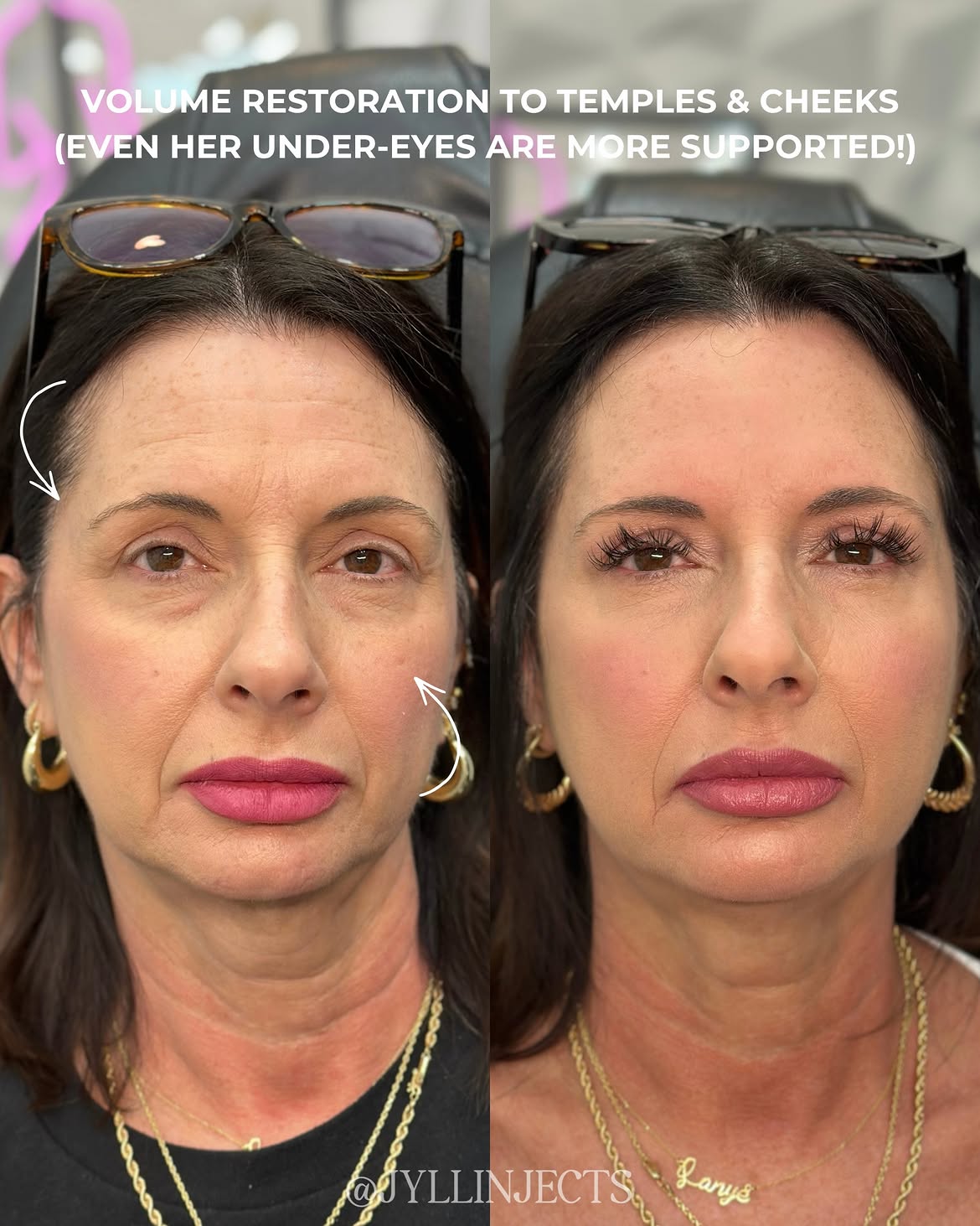
It treats facial volume loss, wrinkles, and enhances overall facial rejuvenation with results lasting up to two years.
Proper administration and aftercare are essential for safe, effective, and natural-looking outcomes.
Sculptra is not your typical filler. While most injectables simply add volume where you point them, Sculptra works differently at a biological level. It rewires your skin’s internal architecture to rebuild what time has taken away: collagen. For women in Austin and San Antonio navigating the real changes that come with aging in your 40s, 50s, and 60s, that distinction matters enormously. This article walks you through exactly how Sculptra works, what it treats, what results to expect, and how to stay safe, so you can make a confident, informed decision about your next step.
Table of Contents
-
How Sculptra works: Beyond filler, it’s a collagen stimulator
-
What results can you expect? Duration, satisfaction, and evidence
Key Takeaways
| Point | Details |
|---|---|
| Gradual, natural results | Sculptra builds your own collagen for subtle but lasting facial rejuvenation over several months. |
| Wide range of uses | It treats loss of volume in cheeks, folds, and more—addressing aging concerns common in women 35–65. |
| Longevity and satisfaction | Most women enjoy smoother, fuller skin for up to 2 years after just 2–3 treatment sessions. |
| Know the safety profile | Common side effects are mild and temporary, with proper technique and aftercare greatly reducing risks. |
How Sculptra works: Beyond filler, it’s a collagen stimulator
Most people come in thinking Sculptra is just another filler with a fancier name. It’s not. Sculptra is made of poly-L-lactic acid (PLLA), a biocompatible synthetic material that has been used in medicine for decades in dissolvable sutures. When injected into the skin, it does not simply add volume and sit there. Instead, it sets off a controlled biological process that builds your own collagen from the inside out.
Here’s how the process unfolds in four key phases:
-
Hydration phase (days 1-3): The water in the Sculptra solution creates immediate, temporary volume. This fades quickly and is not the actual result.
-
Inflammation phase (weeks 1-4): The PLLA microparticles trigger a controlled inflammatory response, recruiting fibroblasts and macrophages to the treatment site. These cells begin producing new Type I and Type III collagen through a process called neocollagenesis.
-
Neocollagenesis phase (months 2-6): This is where the real magic happens. New collagen fibers form, gradually increasing skin thickness and restoring volume in a way that looks completely natural.
-
Maturation phase (up to 25+ months): According to PLLA research, collagen continues to mature and reorganize well beyond the initial treatment period, which is why Sculptra results can last far longer than hyaluronic acid fillers.
| Feature | Sculptra (PLLA) | HA Fillers |
|---|---|---|
| Mechanism | Collagen stimulation | Direct volume replacement |
| Onset | 6-12 weeks | Immediate |
| Duration | Up to 2 years | 6-18 months |
| Results | Gradual, natural | Instant, precise |
| Best for | Pan-facial volume loss | Targeted area filling |
Pro Tip: Don’t panic if your initial swelling disappears in a few days. That temporary puffiness is just the water carrier, not your result. Your real improvement builds quietly over the following months through natural volume restoration.
Patients often describe the experience as watching themselves look more rested and youthful over time, without anyone being able to pinpoint exactly what changed. That subtlety is a feature, not a flaw. It’s what separates a Sculptra collagen stimulator from every other option on the market.
Main uses for Sculptra: What can it treat?
Now that you understand the mechanism, let’s talk about where Sculptra actually delivers results. The FDA has approved Sculptra for several specific indications, and skilled providers use it across a broader range of facial areas for comprehensive rejuvenation.
FDA-approved uses include:
-
Correction of shallow to deep nasolabial fold contour deficiencies (the lines that run from your nose to the corners of your mouth)
-
Other facial wrinkles and fine lines, including those in the cheeks
-
Restoration of facial fat loss (lipoatrophy) in people with HIV
Beyond these approvals, experienced injectors use Sculptra across a wide range of areas for lasting facial rejuvenation:
-
Cheeks: Restoring the lifted, full appearance that naturally diminishes with age
-
Temples: Filling the hollowing that makes faces look gaunt or tired
-
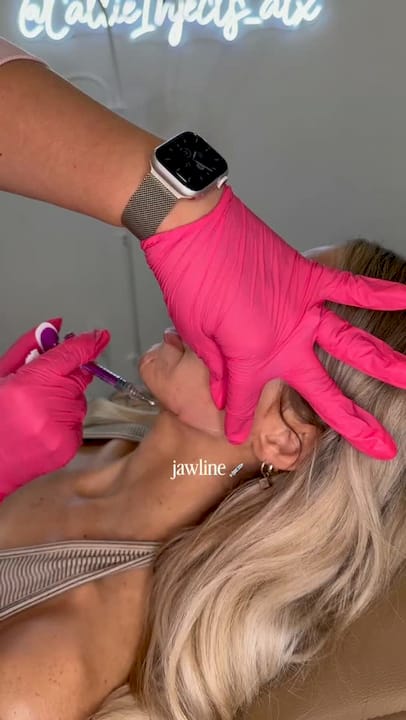
Jawline: Improving definition and reducing the appearance of jowling
-
Under-eye area: Addressing volume loss that contributes to a sunken look
-
Overall pan-facial rejuvenation: Treating the face as a whole rather than spot-treating individual lines
| Treatment area | Sculptra | HA Fillers |
|---|---|---|
| Cheeks and temples | Excellent (gradual, natural) | Good (immediate) |
| Nasolabial folds | FDA-approved | Common use |
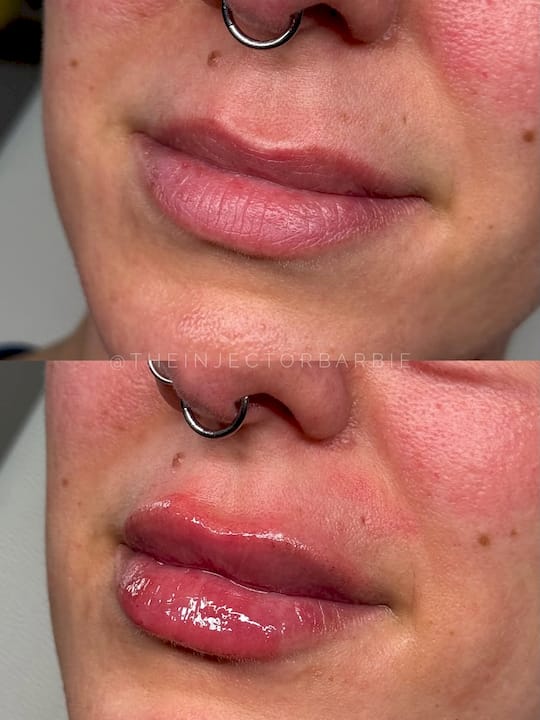
| Lips | Not recommended | Ideal |
| Pan-facial volume | Superior longevity | Requires more product |
| Jawline | Effective off-label | Effective |
“Sculptra is a foundational treatment. It doesn’t just address one line or one hollow. It rebuilds the scaffold that holds your face together.” This is why so many women who want to restore facial volume choose Sculptra over traditional options.
If you’re still weighing your options and want to understand how different products compare filler types, knowing the specific strengths of each helps you have a much more productive conversation with your provider. PLLA cosmetic guidance from clinical research supports its use across these varied indications when administered by a trained professional.
What results can you expect? Duration, satisfaction, and evidence
Patience is part of the Sculptra process, and the clinical data shows it’s absolutely worth it. Here’s what years of research and real patient outcomes reveal.
Timeline of results:
-
Weeks 1-3: Temporary swelling resolves; no visible change yet
-
Weeks 6-12: Subtle improvement begins as new collagen forms
-
Months 2-6: Noticeable volume and skin quality improvement
-
Months 6-24: Full results visible; collagen continues to mature
In clinical studies on facial volume loss, skin thickness increased by 3.9 to 5.3 mm in the cheeks by weeks 8 to 12, with results lasting up to 2 years. Patient satisfaction reached 95% at the 2-year mark for improvements in skin glow and overall appearance.
| Treatment phase | Sessions needed | Spacing | Duration of results |
|---|---|---|---|
| Initial series | 2-3 sessions | 4-6 weeks apart | Up to 2 years |
| Maintenance | 1 session | Annually | Ongoing |
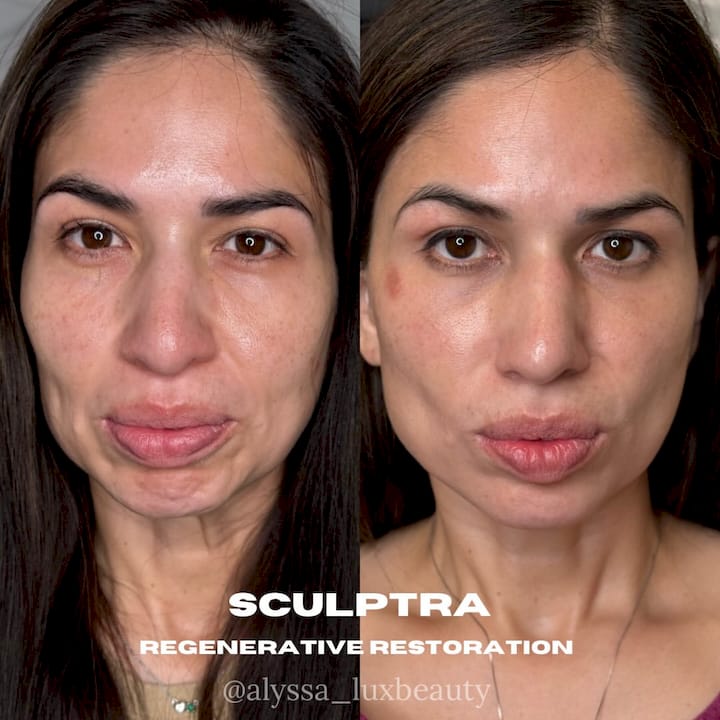
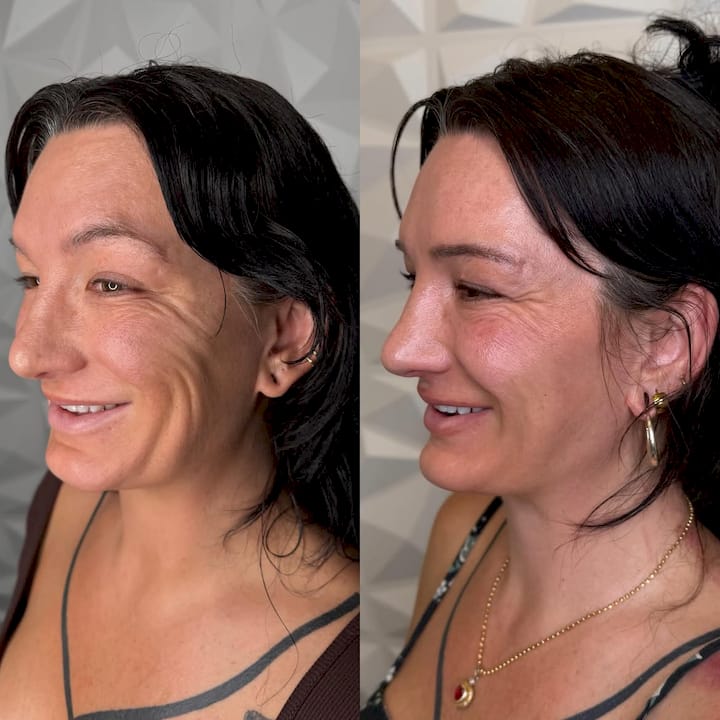
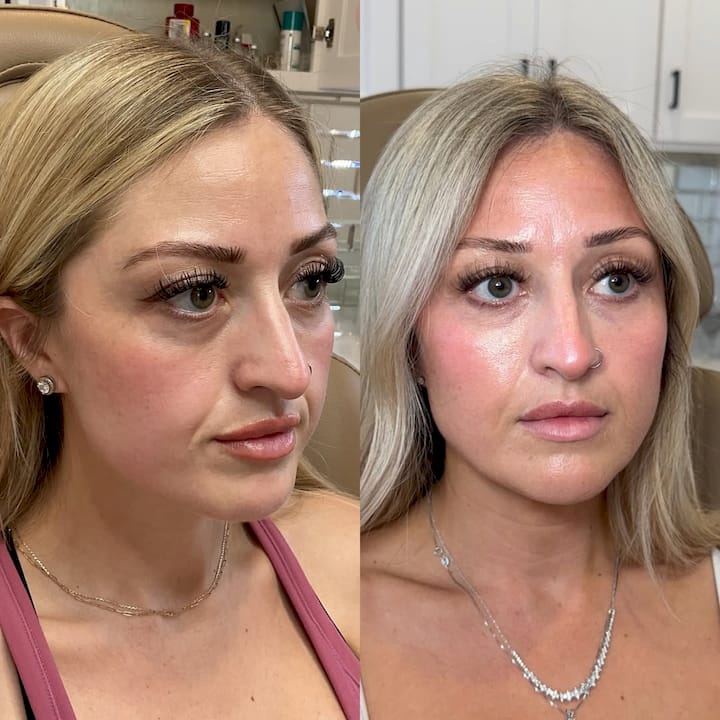
Most patients at our clinics describe their results as looking like a better, more rested version of themselves rather than looking “done.” That’s the goal. The benefits of Sculptra are cumulative, meaning each session builds on the last.
Pro Tip: After each session, follow the 5-5-5 rule: massage the treated area for 5 minutes, 5 times a day, for 5 days. This simple step helps distribute the product evenly and significantly reduces the risk of nodule formation. It takes less than 3 minutes per session and makes a real difference in your outcome.
For women who want to collagen restore with Sculptra over time, the gradual nature of the results is actually one of its strongest selling points. No one will ask what you had done. They’ll just notice you look great. Sculptra clinical data consistently supports both the safety and the longevity of these outcomes.
Safety and risks: What every Sculptra patient should know
Sculptra has a strong safety record when administered by a skilled, experienced provider. That said, knowing what to expect and what to watch for puts you in the best position to get great results.
Common side effects (typically resolve within 3 to 17 days):
-
Bruising at the injection site: occurs in about 21% of patients
-
Pain or tenderness: reported by approximately 13% of patients
-
Swelling: affects around 10% of patients
-
Redness: seen in about 2% of patients
Rare but possible complications:
-
Nodules or granulomas: occur in 0.4 to 2% of cases, typically appearing 6 to 12 months post-treatment. These are manageable with massage or, in rare cases, steroid injections.
-
Asymmetry if product is not evenly distributed
-
Overcorrection if too much product is used in one session
Who should not get Sculptra:
-
Anyone with a known allergy to PLLA
-
Patients with active skin infections in the treatment area
-
Women who are pregnant or breastfeeding
-
Individuals with a history of keloid scarring
“The most important thing you can do for your Sculptra results is choose the right provider and follow aftercare instructions. Both matter equally.”
Pro Tip: To minimize your risk of nodules, avoid getting Sculptra injected too superficially or in high-movement areas like the lips. Always ask your provider about their dilution protocol. Proper dilution and correct placement are the two biggest factors in preventing complications. For a deeper look at safety and results under eyes and other sensitive areas, we cover those specifics in detail. Our Sculptra Aesthetic guide also walks through what day-by-day recovery looks like so you know exactly what to expect. Sculptra safety data continues to support its use as one of the most well-tolerated biostimulatory injectables available.
Why Sculptra stands out: What most fillers can’t do
Here’s our honest take after working with Sculptra across hundreds of patients in Austin and San Antonio: most people come in looking for a quick fix, and Sculptra is not that. But what it offers instead is something far more valuable. It builds a foundation.
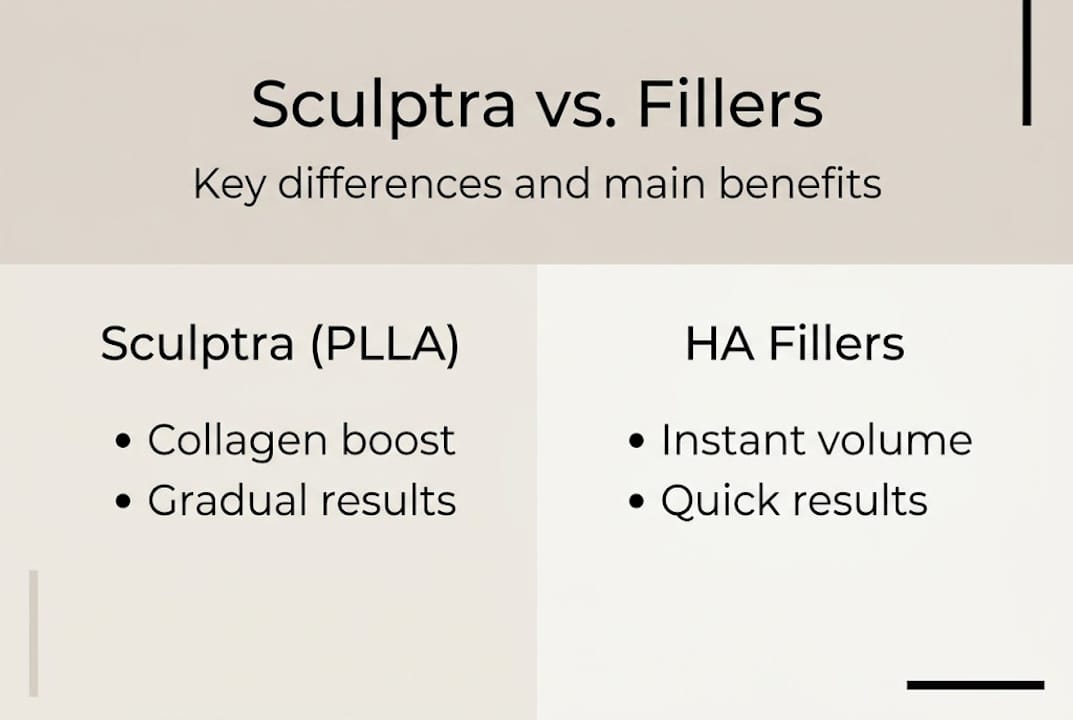
HA fillers are excellent tools. We use them regularly. But they fill a space. Sculptra rebuilds the structure beneath that space. For women in their 40s, 50s, and 60s experiencing real collagen loss, patching the surface without addressing the underlying deficit is like painting over a cracked wall. It looks better temporarily, but the problem remains.
What most advice misses is the psychological dimension. The gradual nature of Sculptra results means women experience their improvement as something that feels authentically theirs. There’s no dramatic before-and-after moment that makes you self-conscious. You just start looking more like yourself again, and that feels genuinely good. For filler comparison insights, understanding this distinction helps you choose the right tool for your specific goals. The best outcomes we see combine Sculptra’s long-term collagen building with targeted HA fillers for precision where needed.
Thinking about Sculptra? Next steps in Austin & San Antonio
Armed with the facts and our honest perspective, you might be wondering how to get started on your own Sculptra journey. The best first step is a one-on-one consultation where we assess your facial structure, discuss your goals, and build a personalized plan that fits your timeline and budget.
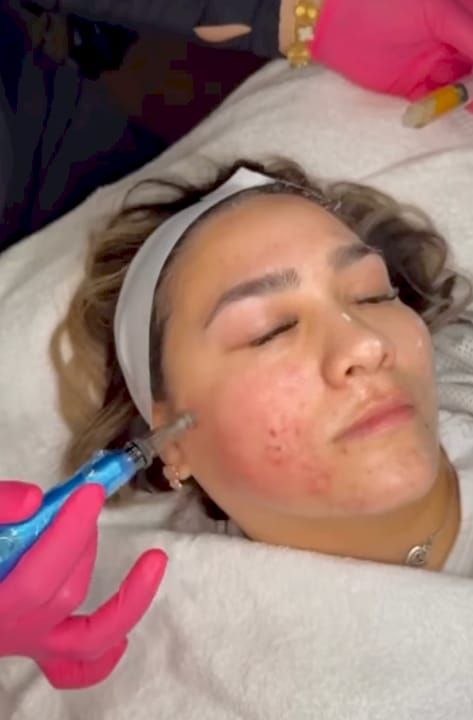
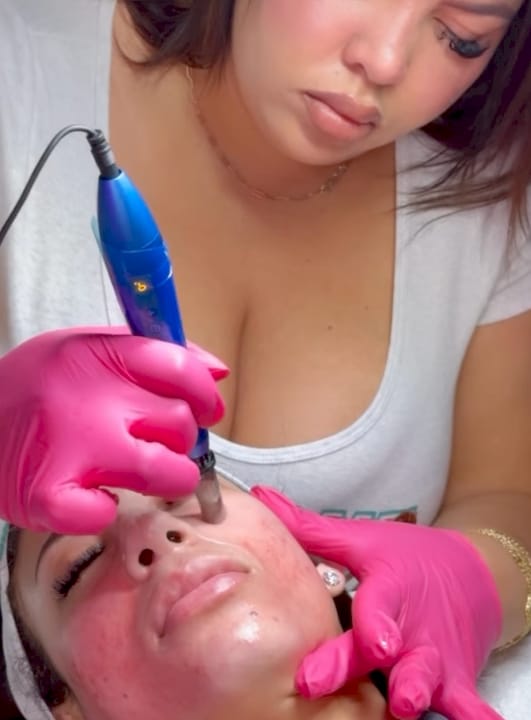
We offer Sculptra in San Antonio and Sculptra in Austin with providers who specialize in natural-looking, long-lasting rejuvenation. Many of our patients also pair Sculptra with microneedling for collagen to amplify skin quality improvements at the surface level while Sculptra works deeper. Together, these treatments create a truly comprehensive approach to aging well. Reach out today to schedule your consultation and take the first step toward results that look and feel like you.
Frequently asked questions
How long does Sculptra take to show results?
Sculptra typically begins showing results within 6 to 12 weeks, with full effects visible by 2 to 6 months as PLLA neocollagenesis gradually matures and new collagen fibers reorganize.
What areas of the face are best treated with Sculptra?
Sculptra works best for cheeks, temples, jawline, nasolabial folds, and overall facial volume loss. It is FDA approved for nasolabial folds, cheek wrinkles, and facial lipoatrophy.
How many Sculptra sessions are usually needed?
Most patients need 2 to 3 sessions spaced 4 to 6 weeks apart. 2 to 3 sessions spaced several weeks apart is the standard protocol recommended in clinical guidelines.
Can Sculptra be combined with other fillers?
Yes. Sculptra pairs well with HA fillers for a hybrid approach that addresses both long-term collagen rebuilding and immediate volume needs. Sculptra complements HA for superior pan-facial longevity.
Who should not get Sculptra injections?
Avoid Sculptra if you have a PLLA allergy, active skin infections, are pregnant, or have a keloid history. These Sculptra contraindications are important to discuss with your provider before booking a treatment.


%20Pictures%20are%204%20weeks%20apart..jpg)