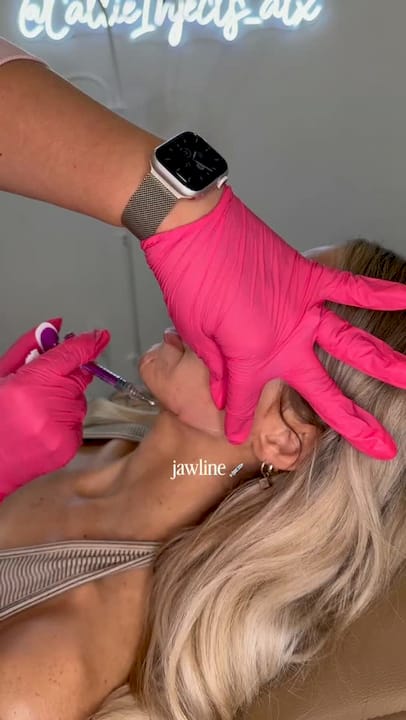
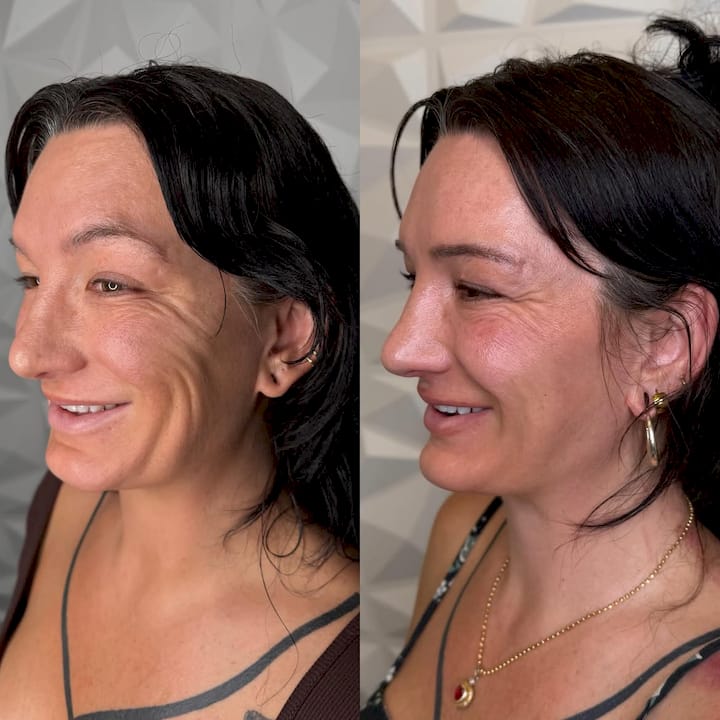
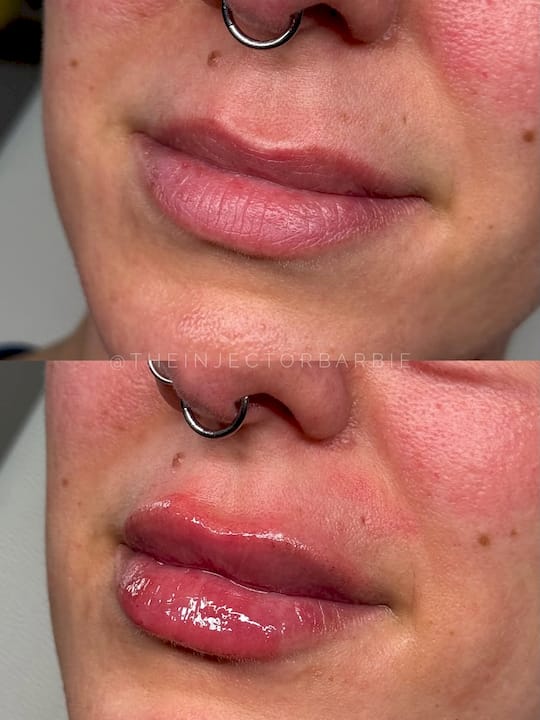
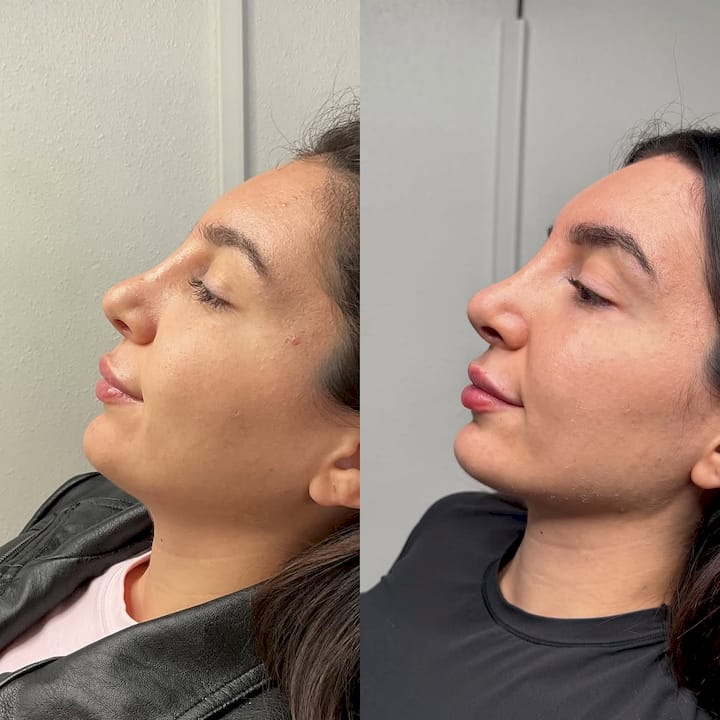
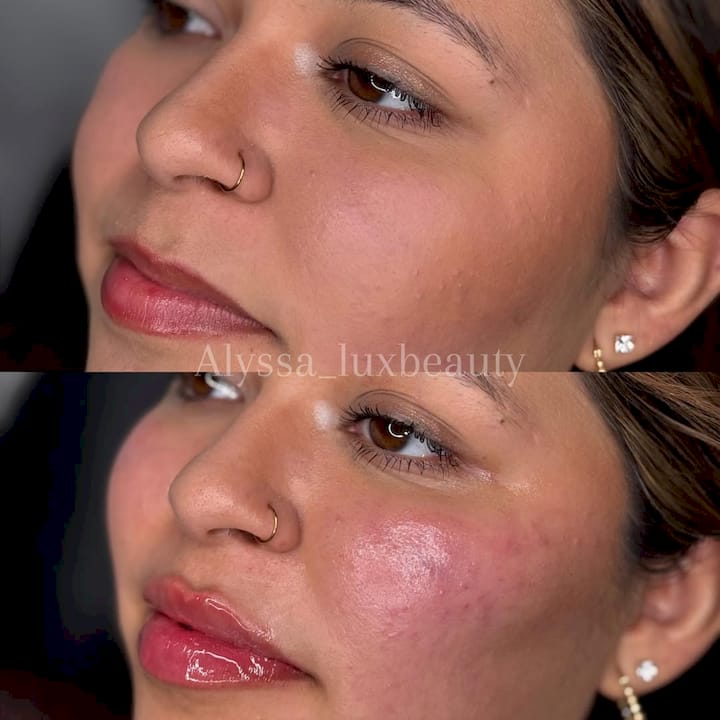
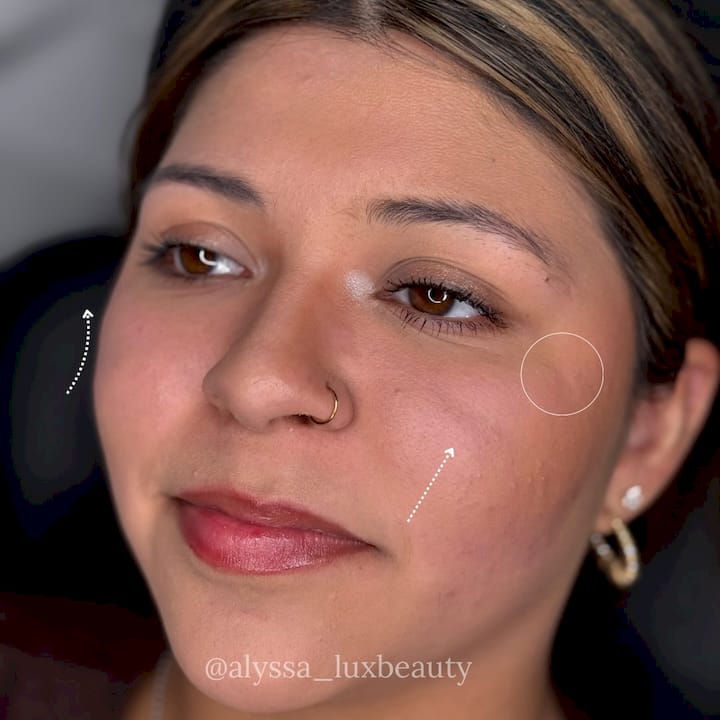
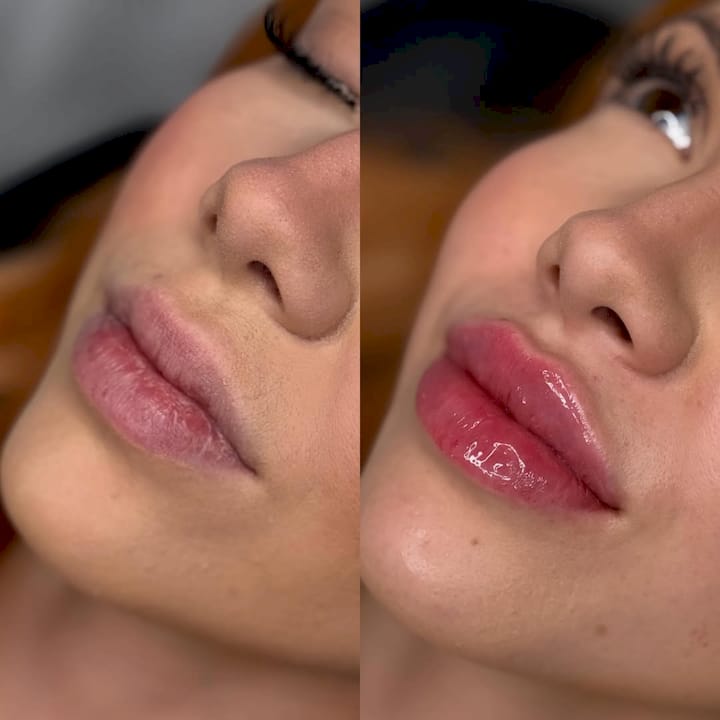
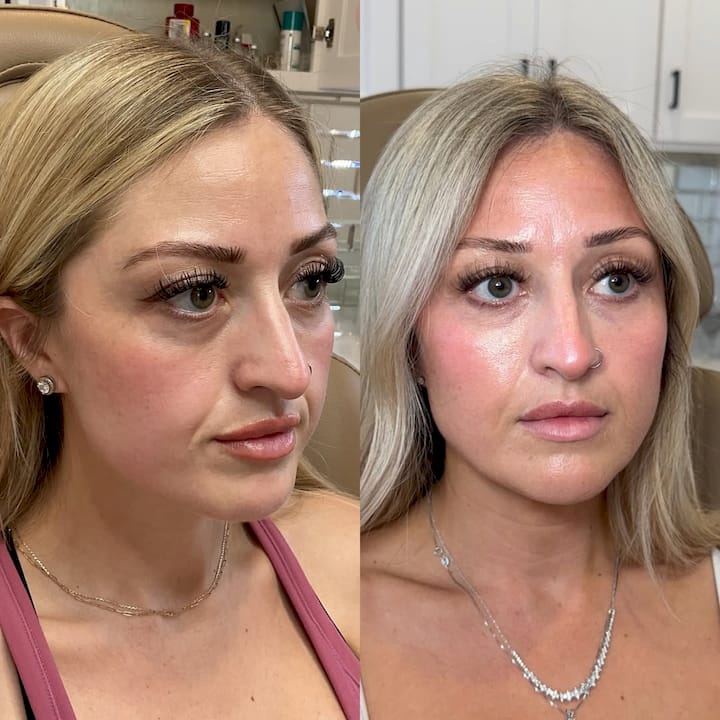
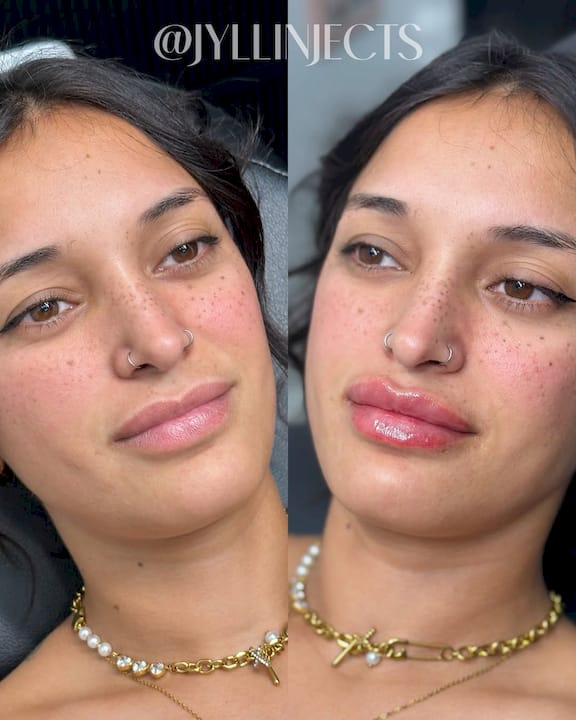
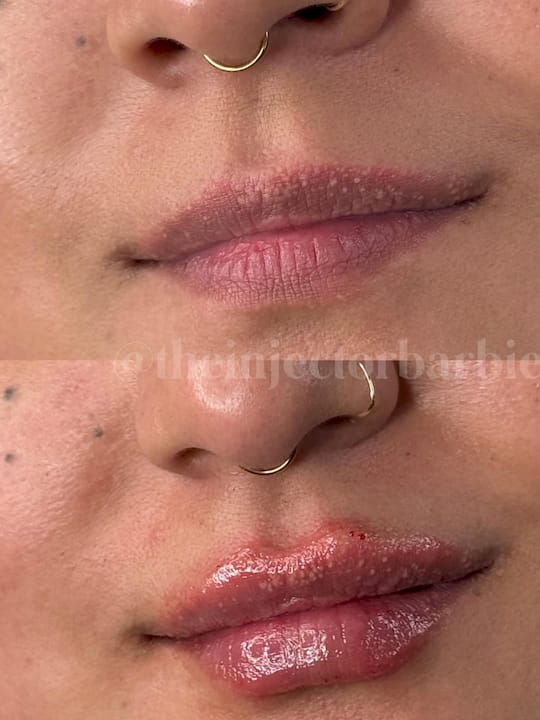
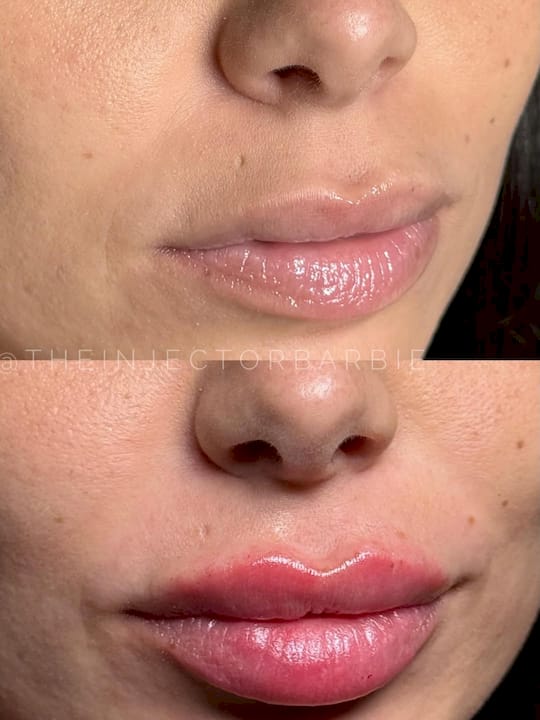
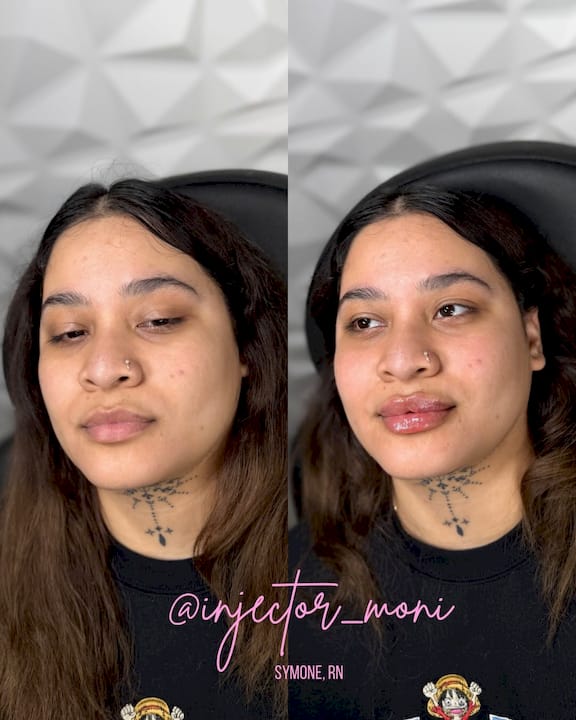
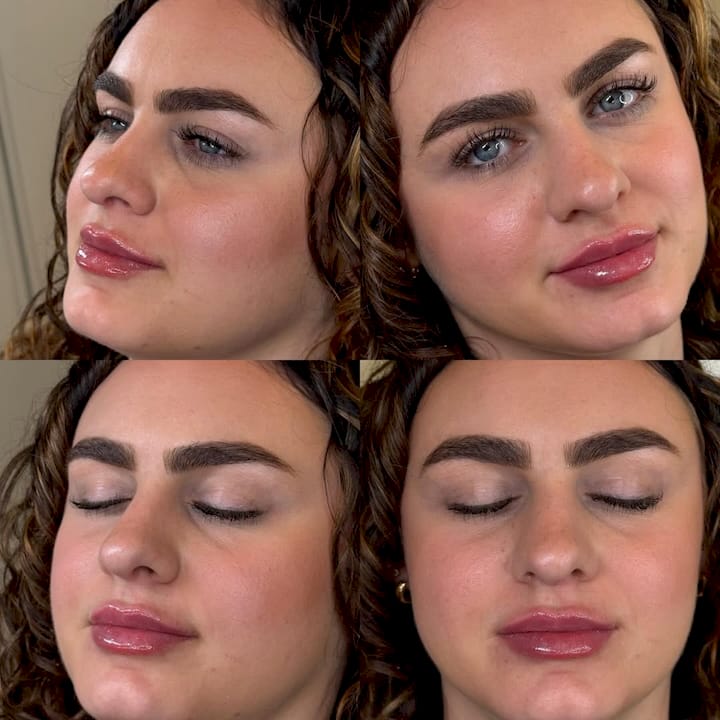
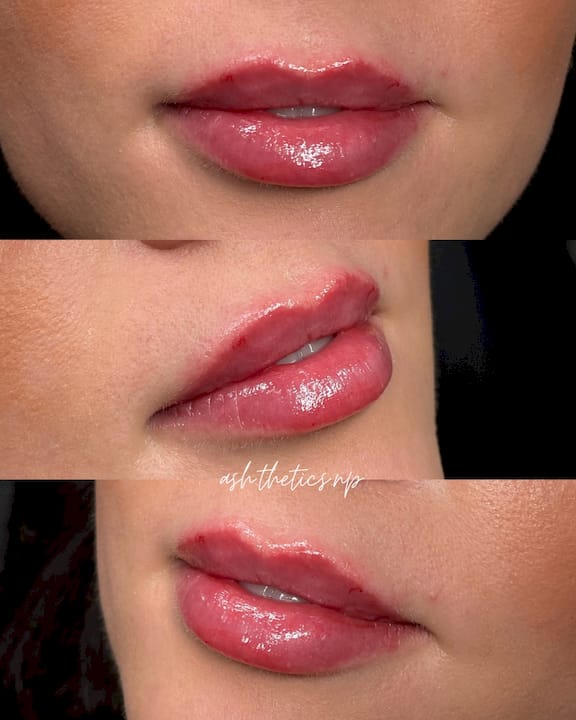
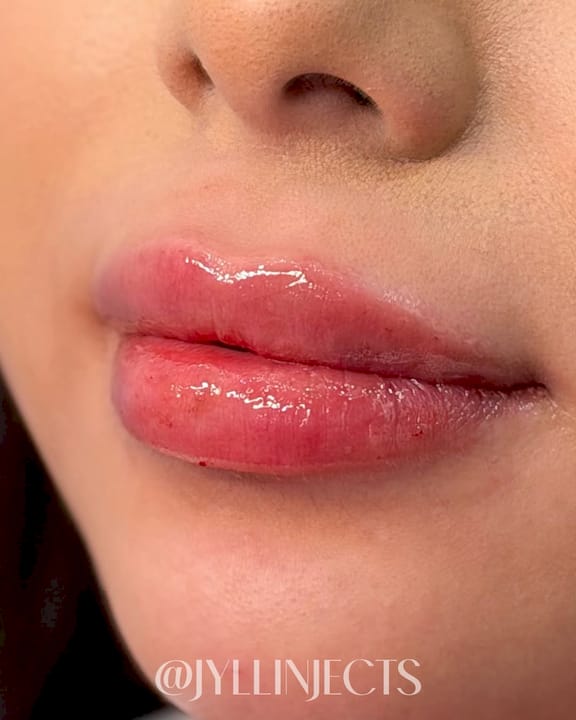
Juvederm fillers last between 6 and 24 months, with the exact duration determined by the specific product formulation and the facial area being treated. Juvederm is a family of hyaluronic acid (HA) dermal fillers made by Allergan, and each product in the line is engineered for a different depth, density, and treatment zone. If you are between 25 and 55 and weighing your options for facial enhancement or anti-aging treatment, understanding how long do Juvederm fillers last before committing to a session will help you plan your budget, your schedule, and your expectations. The short answer: lips last 6 to 12 months, while cheeks and jawline results can hold for 12 to 18 months or longer.
How long do Juvederm fillers last by product type?
Not all Juvederm products are the same, and the differences in longevity are significant enough to change your treatment plan entirely. The four most commonly used formulations are Juvederm Voluma XC, Vollure XC, Ultra XC, and Volbella XC. Each one is built with a different cross-linking density, which controls how firm the gel is and how long it resists breakdown by your body’s natural enzymes.
| Juvederm Product | Typical Duration | Best Treatment Areas |
|---|---|---|
| Voluma XC | Up to 24 months | Cheeks, chin, jawline, temples |
| Vollure XC | Up to 18 months | Nasolabial folds, marionette lines |
| Ultra XC | 6 to 12 months | Lips, perioral lines |
| Volbella XC | 6 to 12 months | Lips, fine lines around mouth |
Juvederm Voluma XC lasts up to 24 months with touch-ups recommended at the 12-month mark. That makes it the longest-lasting option in the Juvederm family and the go-to choice for restoring mid-face volume. Vollure XC sits in the middle of the range, offering up to 18 months of correction in deeper facial folds. Juvederm Ultra XC and Volbella XC are softer, more pliable formulations designed for lips and fine lines, and they typically require a refresh every 6 to 12 months.
The reason for these differences comes down to cross-linking technology. Higher cross-linking creates a denser gel that holds its structure longer, which is why Voluma outlasts Volbella by a wide margin. Softer gels integrate more naturally into delicate tissue but break down faster. For a side-by-side breakdown of how these products compare in practice, the Juvederm Ultra vs Voluma comparison at Theinjectionroom is worth reviewing before your consultation.
Pro Tip: Ask your injector specifically which Juvederm product they plan to use and why. The product name matters as much as the treatment area when predicting how long your results will last.
How treatment area and injection depth affect filler longevity
Where your filler is placed on your face is just as important as which product is used. Deeper injections in less mobile areas like the cheeks and jawline last longer because the tissue moves less and the filler faces less mechanical stress. Superficial injections in high-movement zones break down faster because repeated muscle contractions accelerate the metabolic degradation of hyaluronic acid.
Here is how the main facial zones rank in terms of filler longevity:
-
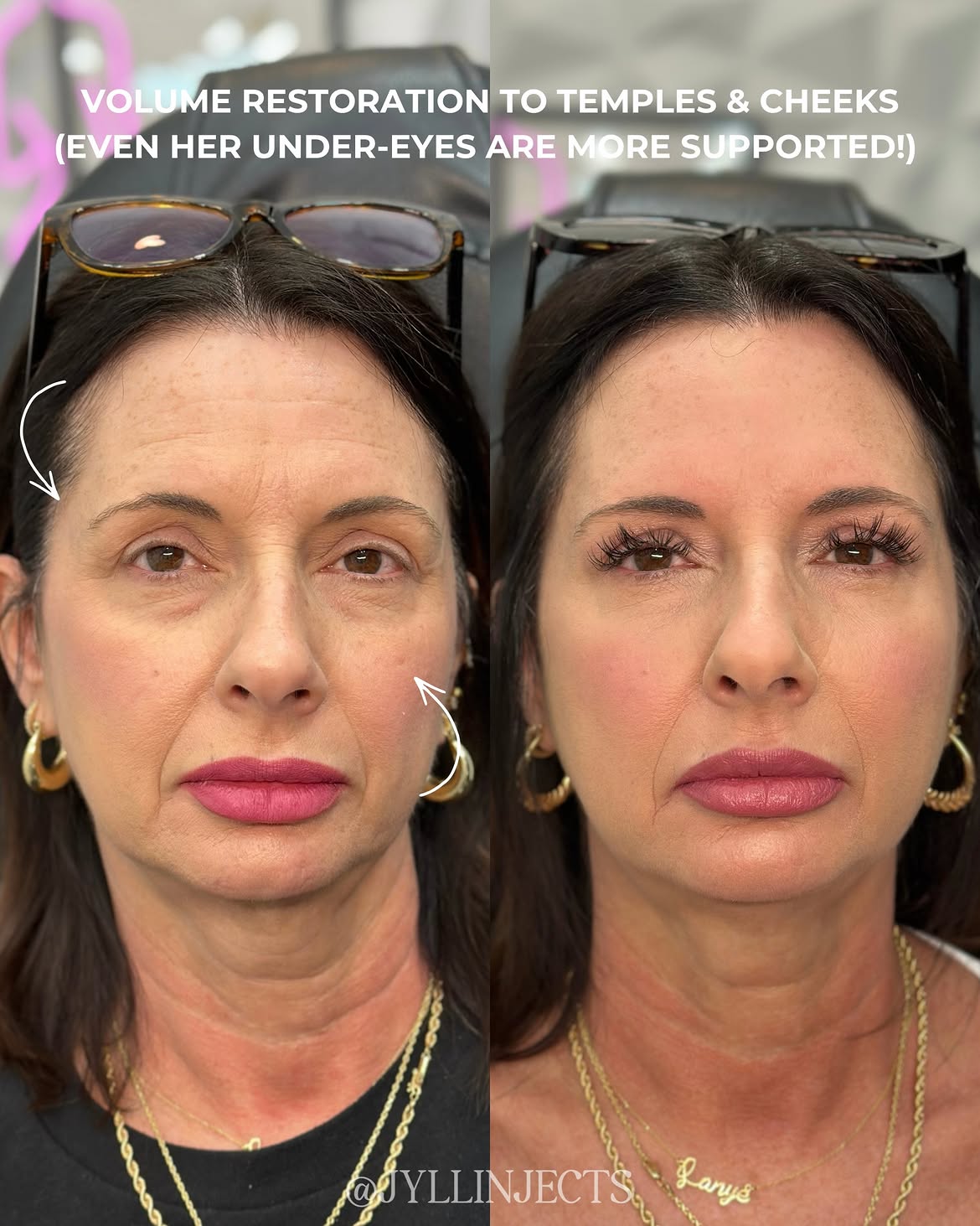
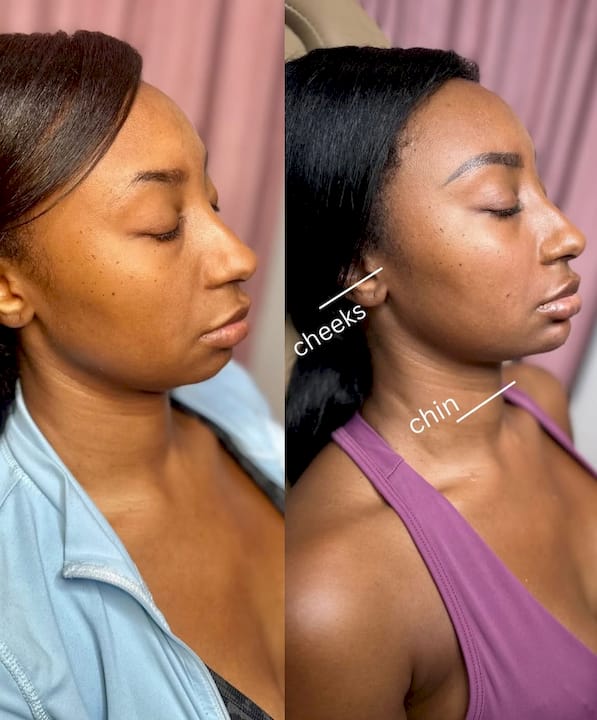
Cheeks and mid-face: 12 to 18 months or longer with Voluma XC. Low mobility and deep placement make this the most durable treatment zone.
-
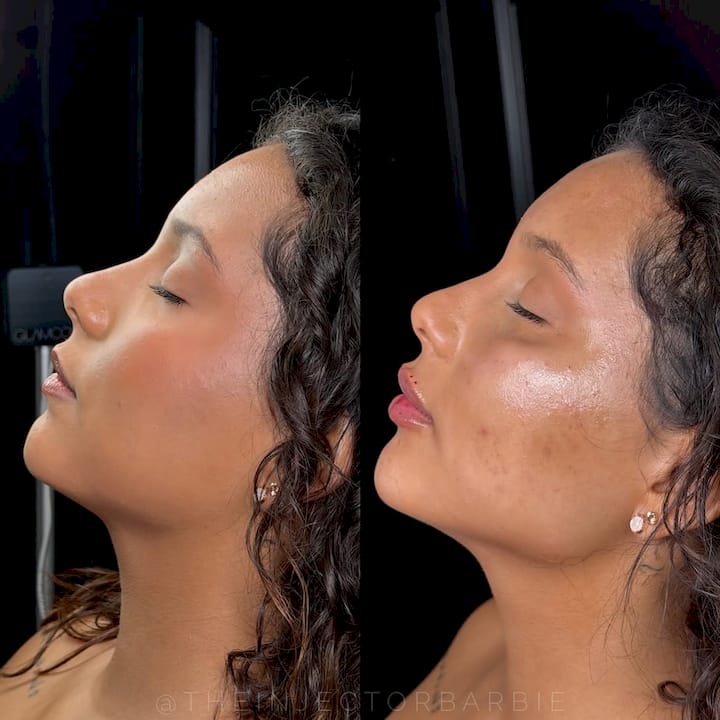
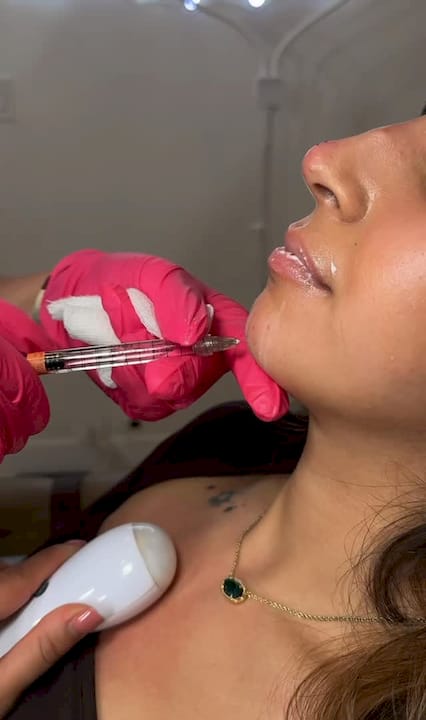
Jawline and chin: 12 to 18 months. Structural placement at the bone level reduces movement-related breakdown.
-
Nasolabial folds: 12 to 18 months with Vollure XC. Moderate movement but deeper injection depth supports longer results.
-
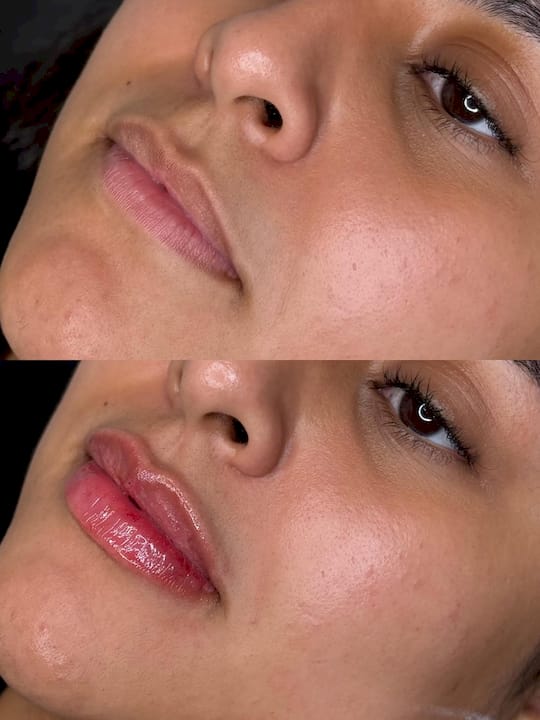
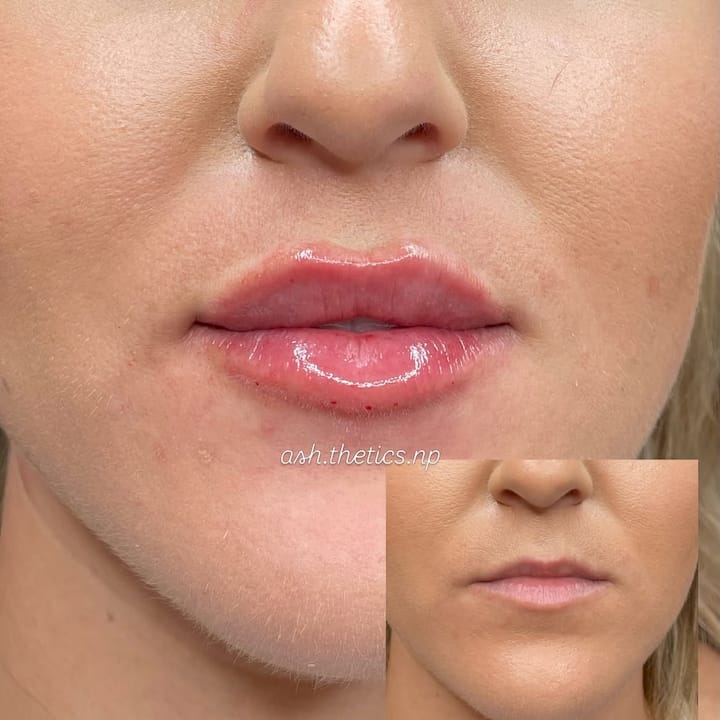
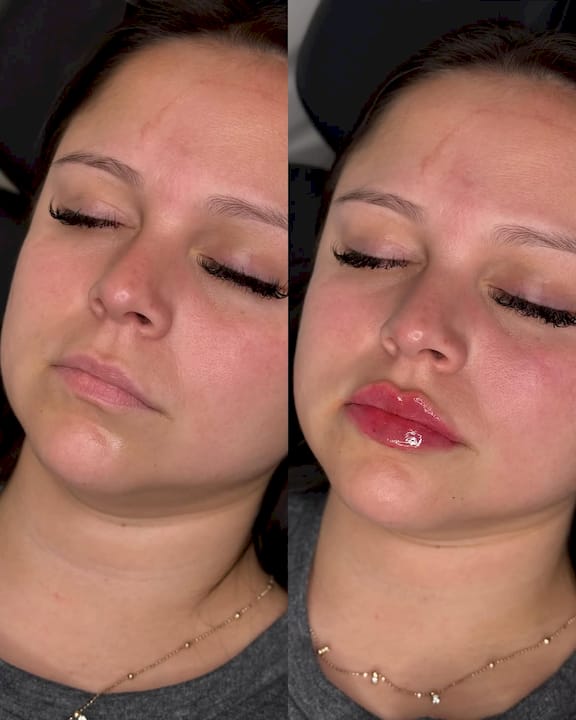
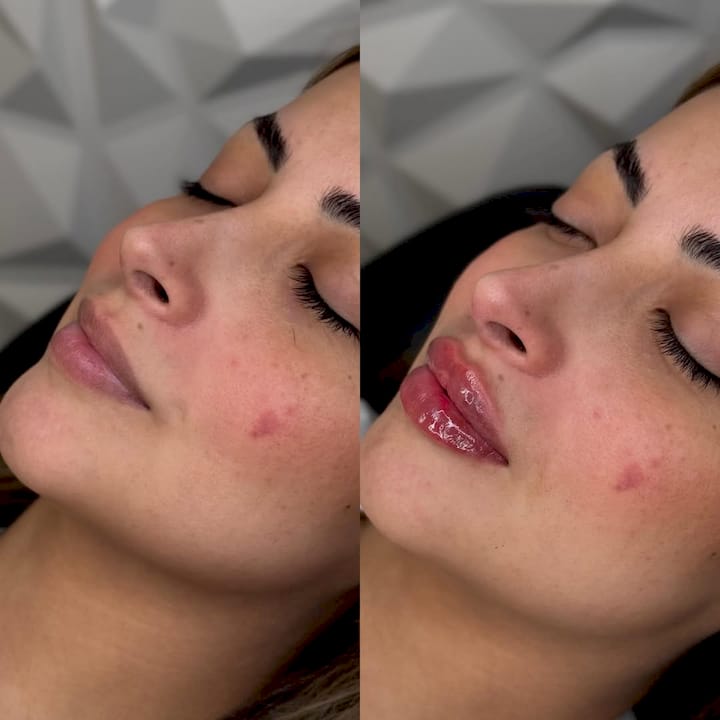
Lips: 6 to 12 months. Filler breakdown accelerates in lips due to constant movement from talking, eating, and expressions.
-
Fine lines around the mouth: 6 to 9 months. Superficial placement in a high-movement zone means the shortest duration.
Beyond anatomy, individual biology plays a real role. People with faster metabolisms tend to break down hyaluronic acid more quickly, which shortens filler duration. Sun exposure, smoking, and high-intensity exercise all increase metabolic activity in the skin and can reduce how long your results hold. Skin type and hydration levels also influence how well the filler integrates and maintains volume over time. For a deeper look at how cheek placement specifically affects durability, the cheek filler options guide at Theinjectionroom covers the key variables.
Pro Tip: If you want the longest possible results from your first treatment, start with a structural area like the cheeks or jawline rather than the lips. You will get a better sense of how your body responds to filler before committing to a higher-maintenance zone.

How does Juvederm compare to other dermal fillers in longevity?
Juvederm is not the only dermal filler on the market, and understanding where it sits relative to other options helps you make a more informed choice. The comparison matters most when your primary concern is how long dermal fillers last and how often you want to return for maintenance.
| Filler Brand/Type | Base Material | Typical Duration |
|---|---|---|
| Juvederm (HA) | Hyaluronic acid | 6 to 24 months |
| Restylane (HA) | Hyaluronic acid | 6 to 18 months |
| Radiesse | Calcium hydroxylapatite | 12 to 18 months |
| Sculptra | Poly-L-lactic acid | 2 to 5 years |
| Bellafill | PMMA microspheres | 5 or more years |
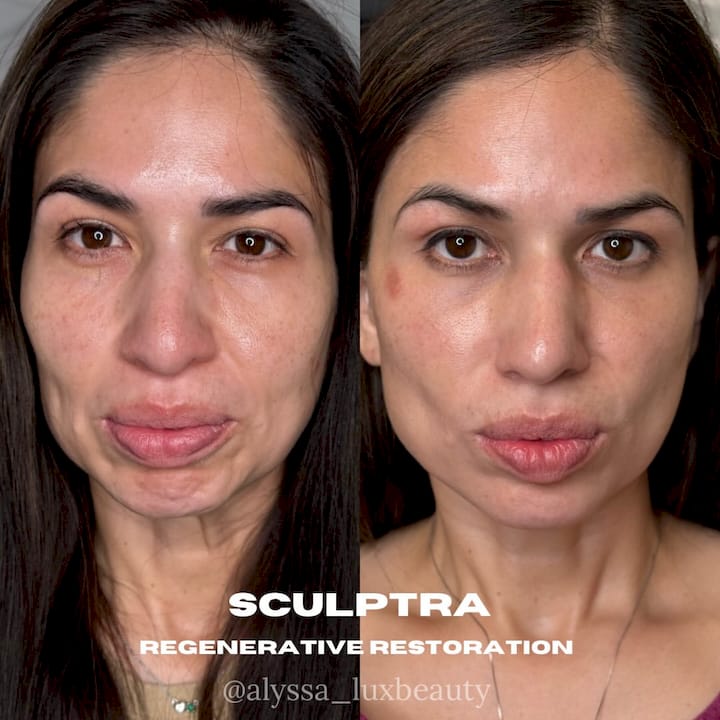
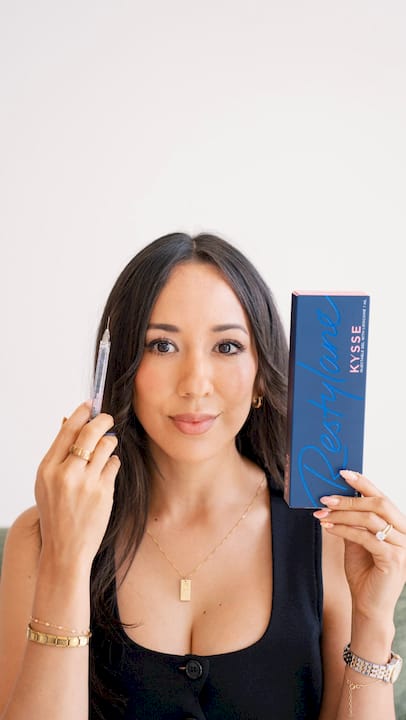
Restylane lasts 6 to 18 months depending on the formulation, which puts it in a similar range to Juvederm. The two brands compete directly in the HA filler space, and the choice between them often comes down to texture preference and injector familiarity. Radiesse lasts 12 to 18 months and works differently by stimulating collagen production rather than simply adding volume. Sculptra takes a longer-term approach, with results building gradually over several months and lasting 2 to 5 years.
The defining advantage Juvederm holds over non-HA fillers is reversibility. Juvederm’s hyaluronic acid base can be dissolved with hyaluronidase if results are uneven or unwanted. Radiesse, Sculptra, and Bellafill do not offer this option, which makes Juvederm a lower-risk starting point for anyone new to fillers. For readers comparing Juvederm’s duration to other injectables, Theinjectionroom’s guide on Juvederm longevity factors provides a direct comparison with clinical context.
Tips to extend the lifespan of your Juvederm treatment
Getting the most out of your Juvederm investment requires more than just choosing the right product. What you do in the days and weeks after treatment has a measurable impact on how long your results last.
-
Avoid touching or pressing the treated area for at least 24 to 48 hours. Manipulating the filler before it settles can shift placement and accelerate breakdown. This applies to facial massage, sleeping on your face, and wearing tight headgear.
-
Apply broad-spectrum SPF 30 or higher every day. UV exposure degrades hyaluronic acid in the skin and speeds up the metabolic breakdown of filler. Sun protection is one of the most evidence-backed steps you can take to extend filler longevity.
-
Stay hydrated and maintain a stable weight. Hyaluronic acid binds water, so consistent hydration supports filler volume. Significant weight fluctuations can alter facial fat distribution and affect how filler looks and lasts.
-
Schedule maintenance appointments before results fully fade. Regular touch-ups enhance longer-lasting results because topping up filler while some product remains requires less volume and maintains a more natural appearance over time.
-
Space combination treatments strategically. If you are combining Juvederm with Botox or laser therapies, spacing treatments 2 to 4 weeks apart reduces inflammation and allows each treatment to perform at its best.
For a step-by-step overview of what to expect before, during, and after your appointment, the dermal filler aftercare guide at Theinjectionroom covers the full process in practical detail.
Pro Tip: Retinol and vitamin C serums support collagen production and skin quality, which creates a better foundation for filler. Introduce them into your routine between treatments, not immediately after injections.
Key takeaways
Juvederm filler duration ranges from 6 months for lips to 24 months for cheeks, and the right product choice combined with proper aftercare determines how long your results last.
| Point | Details |
|---|---|
| Duration varies by product | Voluma XC lasts up to 24 months; Ultra XC and Volbella XC last 6 to 12 months. |
| Treatment area drives longevity | Cheeks and jawline outlast lips because lower mobility reduces filler breakdown. |
| Juvederm is reversible | Hyaluronidase can dissolve HA fillers, making Juvederm safer for first-time patients than non-HA options. |
| Aftercare extends results | Sun protection, hydration, and avoiding pressure on treated areas all measurably extend filler lifespan. |
| Maintenance timing matters | Scheduling touch-ups before results fully fade preserves a natural look and requires less product over time. |
What I’ve learned about Juvederm longevity after years of patient consultations
The question I hear most often is not “which filler should I get?” It is “how long will this actually last for me?” And the honest answer is that the published ranges are starting points, not guarantees. I have seen Voluma hold beautifully at 20 months in one patient and fade noticeably by 14 months in another. The difference almost always comes down to lifestyle and metabolism, not injector technique.
What I tell patients who want to maximize their investment is to think of filler as a maintenance program rather than a one-time fix. The patients who get the best long-term results are the ones who come back before their filler is completely gone. Topping up at 70 to 80 percent retention looks more natural and costs less over time than starting from scratch every cycle.
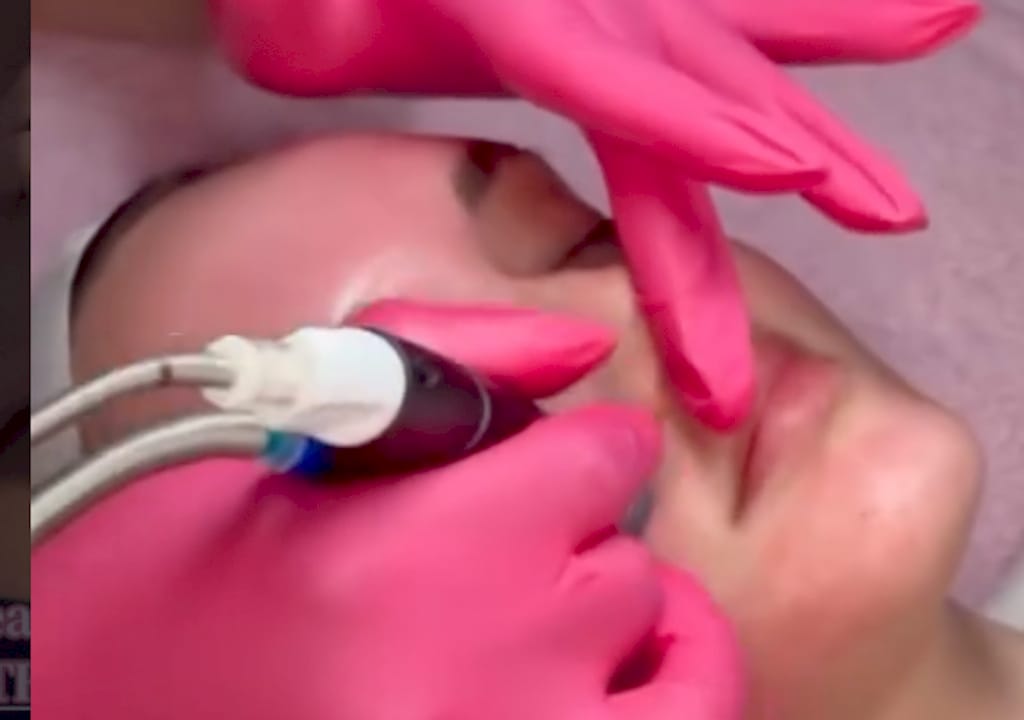
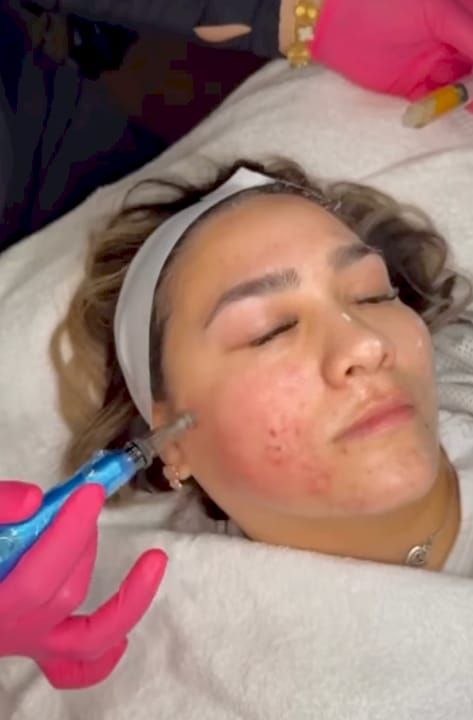
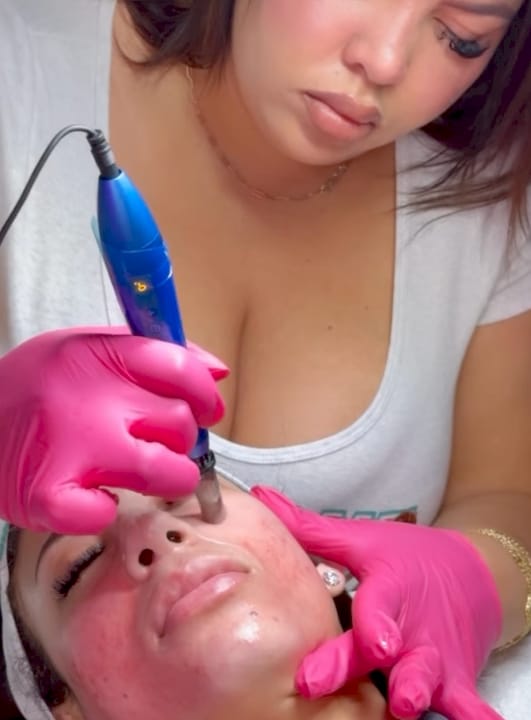
I also think the industry undersells the importance of skin quality as a foundation. Filler placed in well-hydrated, collagen-rich skin simply looks better and lasts longer than filler placed in compromised skin. Pairing your Juvederm treatment with microneedling for collagen support is something I recommend regularly, not as an upsell, but because the results genuinely speak for themselves.
The other thing worth saying plainly: the injector matters more than the product. A skilled provider who understands facial anatomy will choose the right depth, the right volume, and the right product for your specific structure. That decision affects your results more than any aftercare routine.
— Marina
Ready to see how long your results can last at Theinjectionroom?
Theinjectionroom offers Juvederm treatments at both its Austin and San Antonio locations, with providers who specialize in matching the right formulation to your facial anatomy and goals. Whether you are considering lip enhancement, cheek volumizing, or a non-surgical nose job with filler, every treatment plan starts with a thorough consultation. Complementary services like Botox in San Antonio and microneedling are available to pair with your filler for more complete and longer-lasting results. Book your consultation at Theinjectionroom to get a personalized assessment of which Juvederm product and treatment schedule will work best for you.
FAQ
How long do Juvederm fillers last in the lips?
Juvederm Ultra XC and Volbella XC typically last 6 to 12 months in the lips. The high mobility of the lip area accelerates filler breakdown compared to less active facial zones.
How long does Juvederm last in the cheeks?
Juvederm Voluma XC lasts up to 24 months in the cheeks, with a touch-up at 12 months recommended to maintain optimal volume. Deep placement in a low-mobility area is the primary reason for this extended duration.
How long do dermal fillers take to work after injection?
Most Juvederm fillers produce visible results immediately after injection, though mild swelling in the first 24 to 72 hours can temporarily affect the appearance. Final results are typically visible within one to two weeks once swelling resolves.
Can you make Juvederm last longer?
Yes. Consistent sun protection, staying hydrated, avoiding pressure on treated areas, and scheduling maintenance appointments before results fully fade all extend Juvederm filler duration. Combining filler with collagen-stimulating treatments like microneedling also supports longer-lasting outcomes.
Is Juvederm reversible if I don’t like the results?
Juvederm is fully reversible because it is made from hyaluronic acid. An injector can dissolve the filler using hyaluronidase, which is a key safety advantage over non-HA fillers like Radiesse or Sculptra.


%20Pictures%20are%204%20weeks%20apart..jpg)