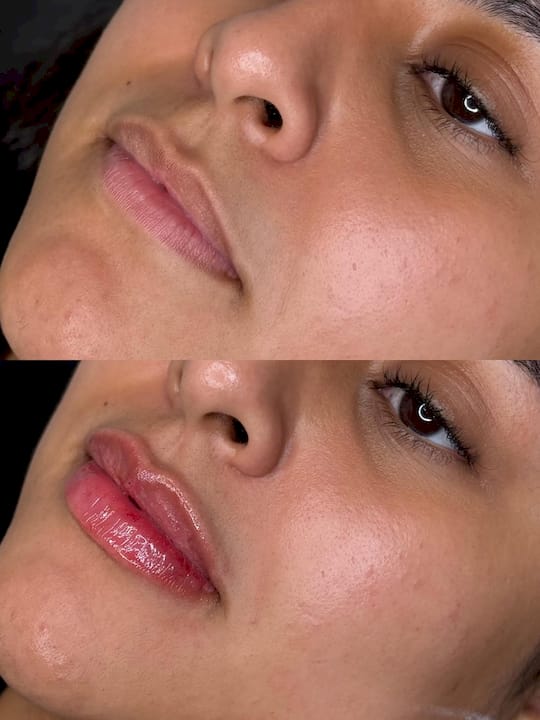
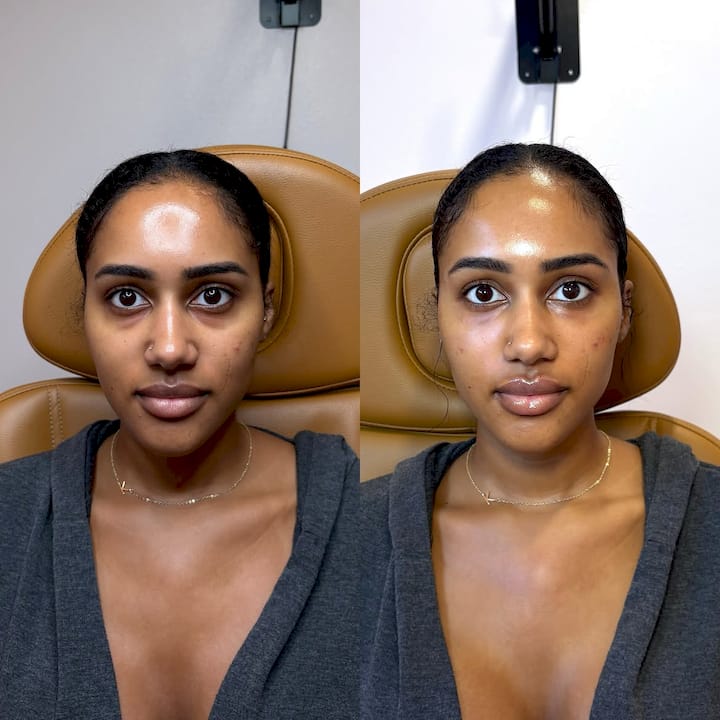
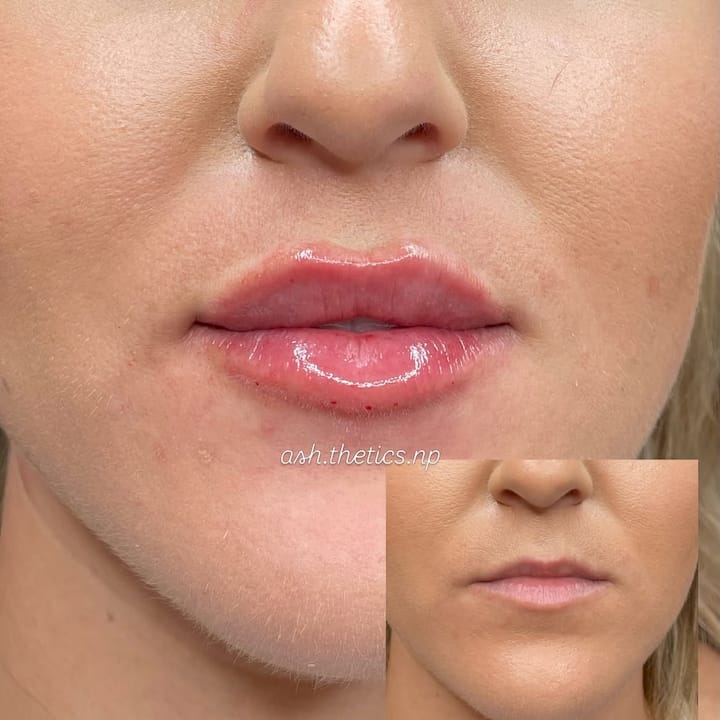
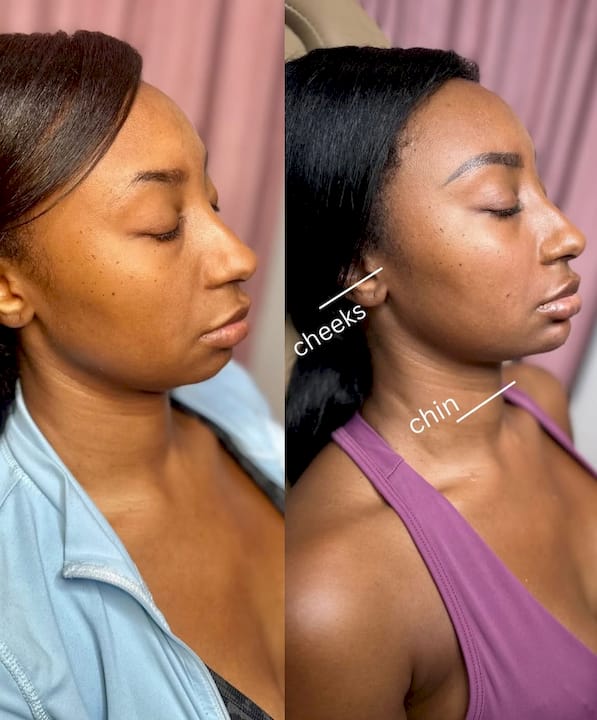
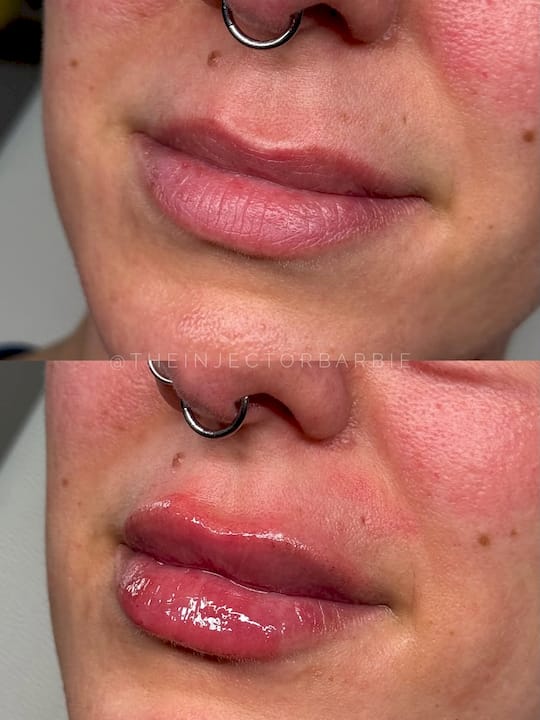
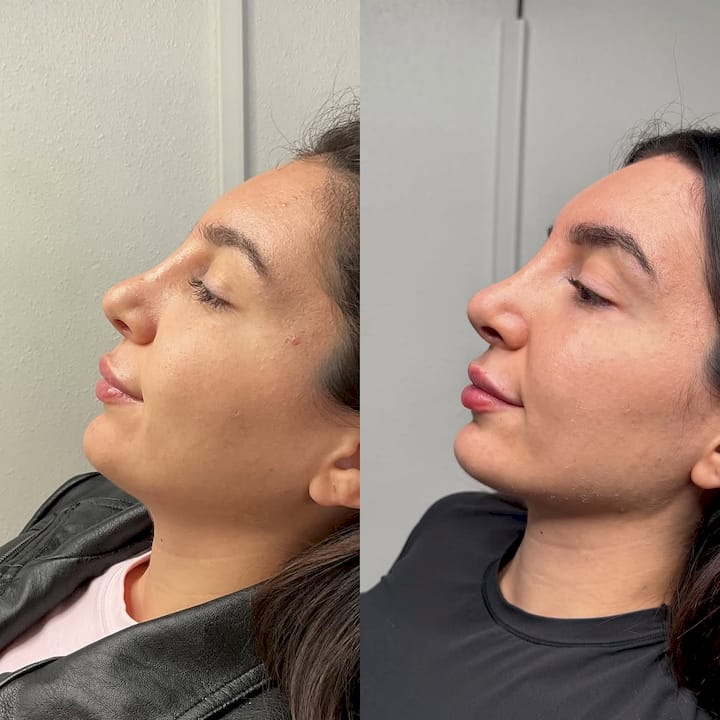
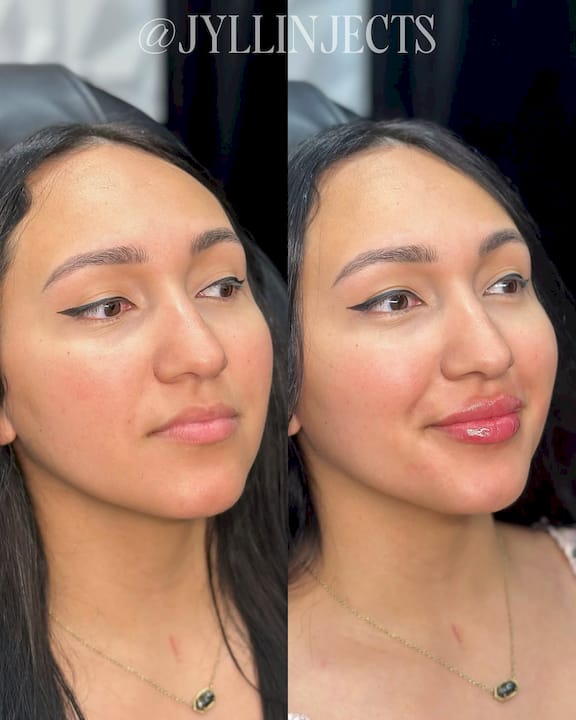
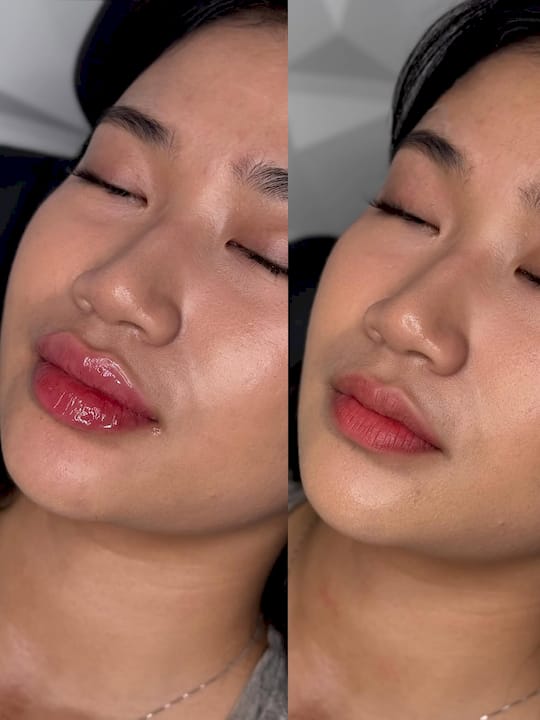
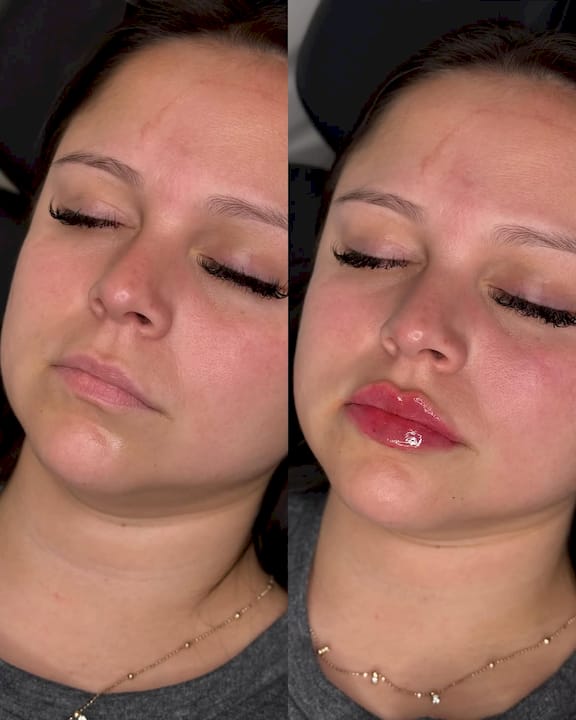
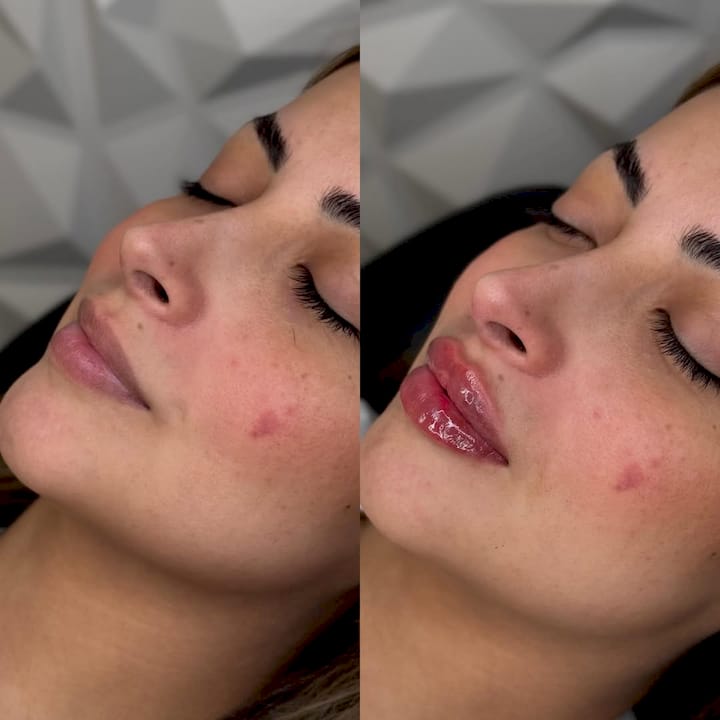
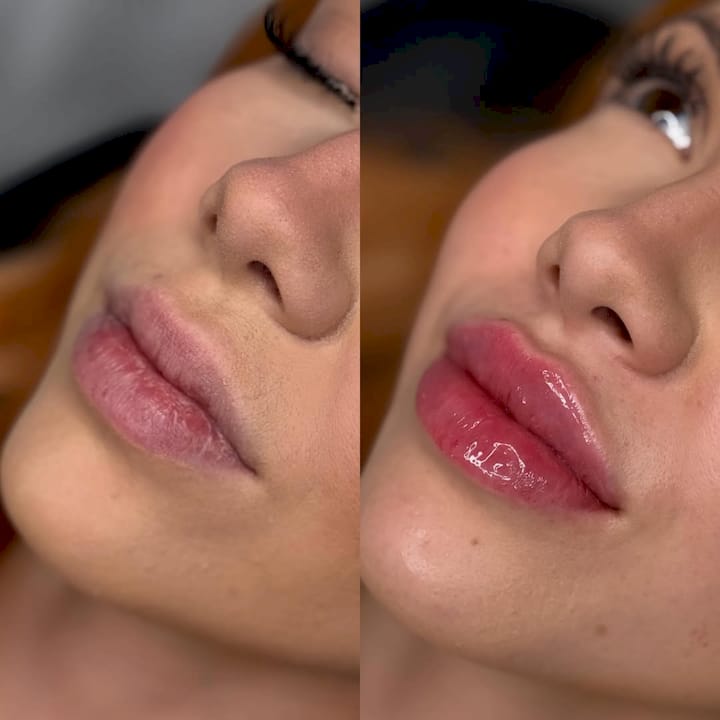
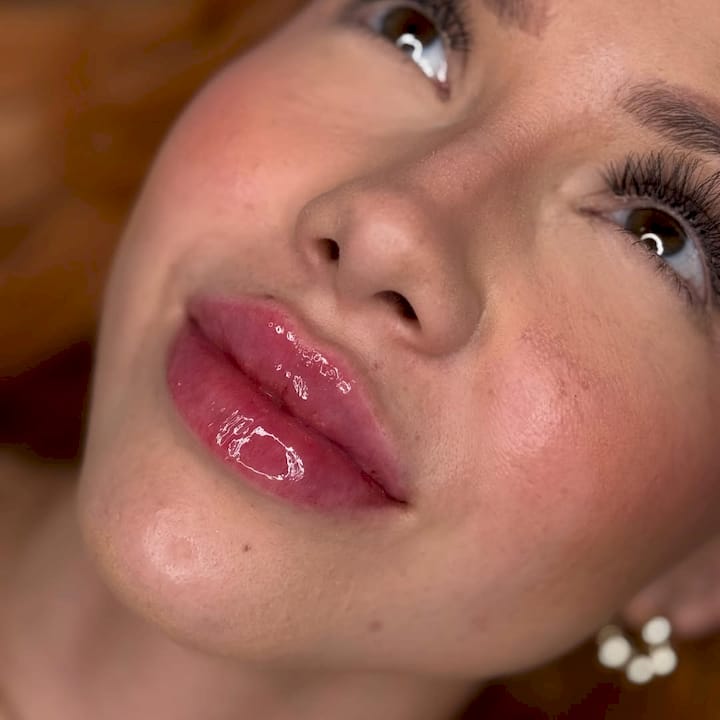
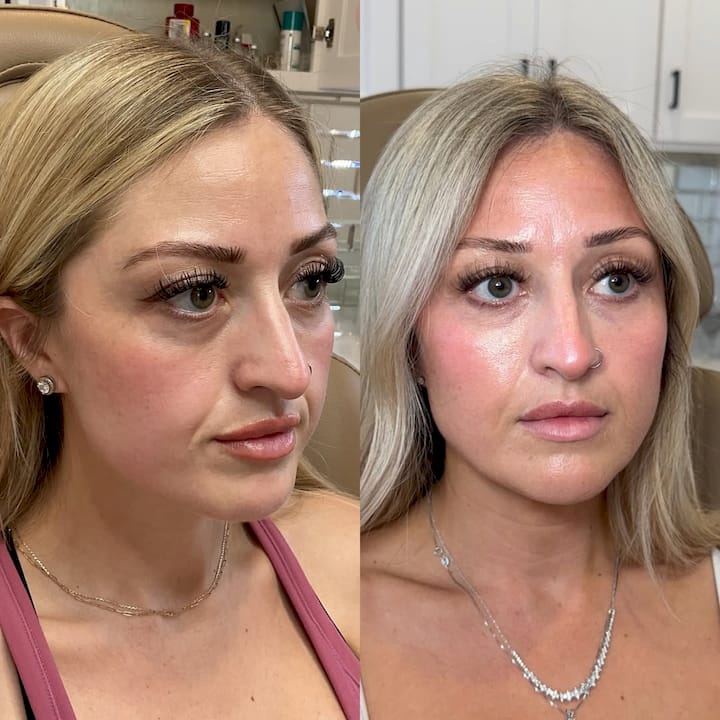
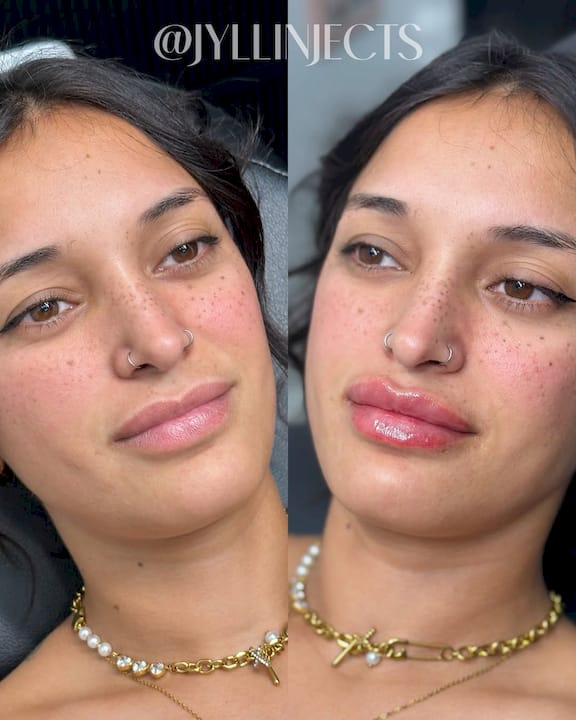
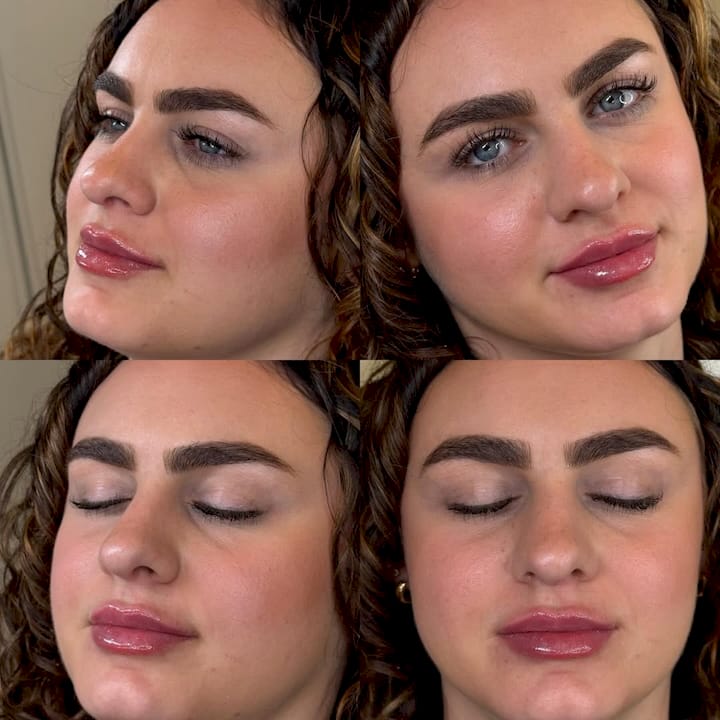
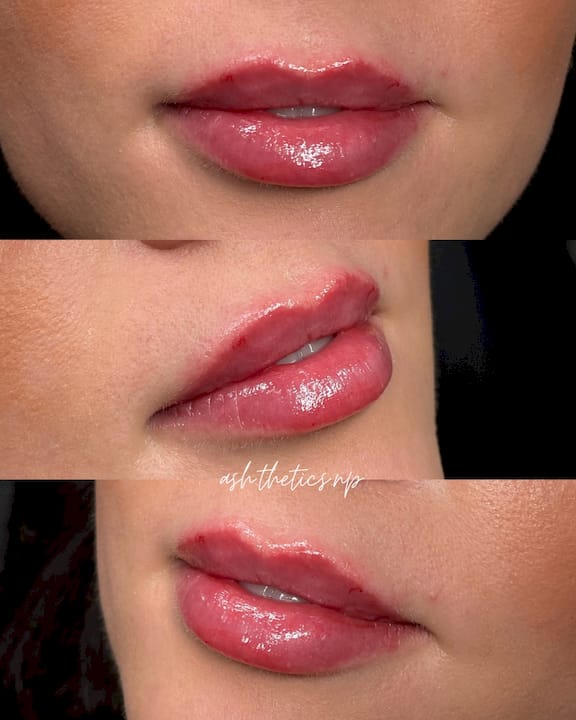
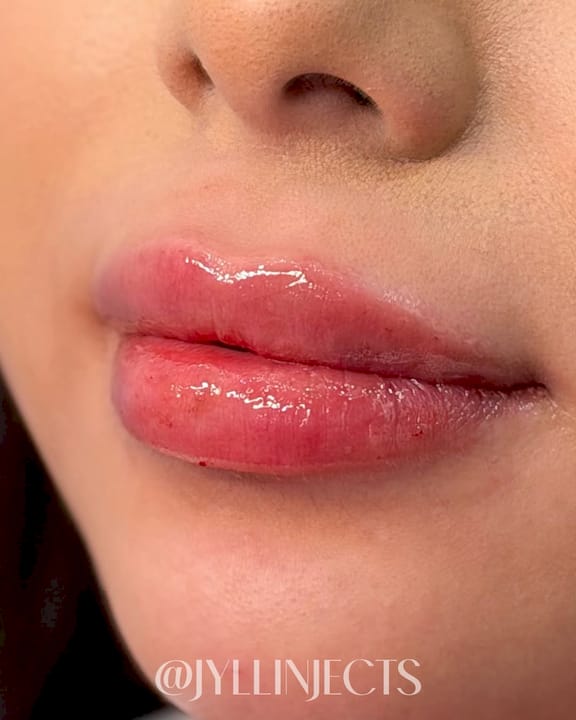
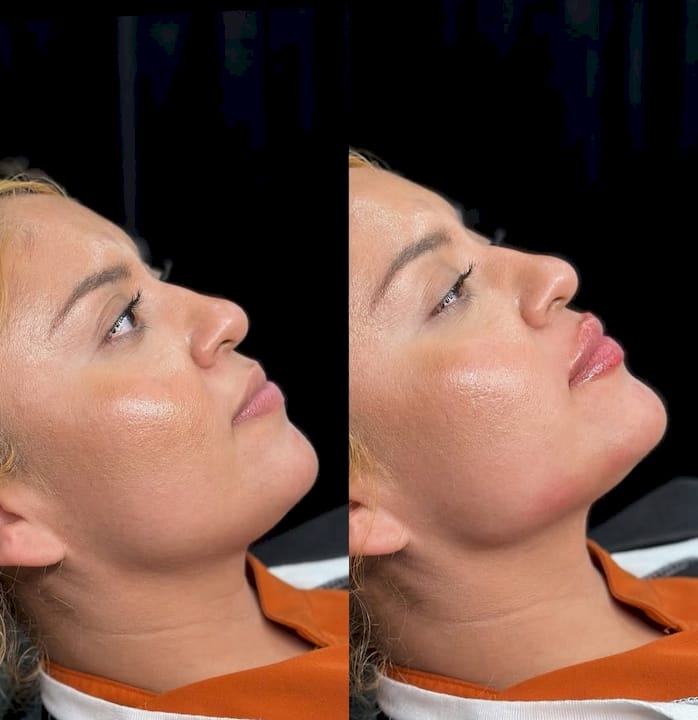
Lip filler swelling is a normal inflammatory response that peaks within 24–72 hours after injection and resolves in 95% of cases within 7–14 days. Most people see significant improvement by day 5–7, with 80% of final results visible at the two-week mark. Understanding how long does lip filler swelling last helps you set realistic expectations and avoid unnecessary worry during the healing process. The swelling you see in the first few days is not your final result. Knowing what to expect at each stage makes the experience far less stressful.
How long does lip filler swelling last after treatment?
Lip filler swelling follows a predictable pattern in most people. The body treats any injection as a minor wound, triggering an inflammatory response that causes fluid to accumulate in the treated tissue. That response is the primary driver of post-treatment puffiness.
The lips are one of the most vascular areas of the face. High vascularity and constant muscle movement mean the lip tissue reacts more intensely to injections than, say, the cheek or chin. Hyaluronic acid fillers, the most common type used in lip augmentation, also attract water molecules. That water-drawing property adds to the initial volume increase you see in the first 48 hours.
Histamine release is another factor. When the needle punctures tissue, the body releases histamine as part of its defense response. Histamine increases local blood flow and vessel permeability, which allows fluid to leak into surrounding tissue. The result is the firm, puffy feeling you notice immediately after your appointment.
-
Needle trauma triggers the initial inflammatory cascade.
-
Hyaluronic acid draws water into the injection site, amplifying early swelling.
-
Histamine release increases vessel permeability and fluid accumulation.
-
Lip mobility (talking, eating, smiling) keeps the area active and prolongs mild swelling.
Pro Tip: Avoid scheduling your lip filler appointment within five days of a major event. Peak swelling at days 1–3 can look dramatic, and you want at least two weeks before judging your final result.
What is the typical swelling timeline after lip fillers?
The swelling timeline for lip fillers moves through distinct stages. Each stage has a different appearance and feel, and knowing what is normal at each point prevents unnecessary panic.
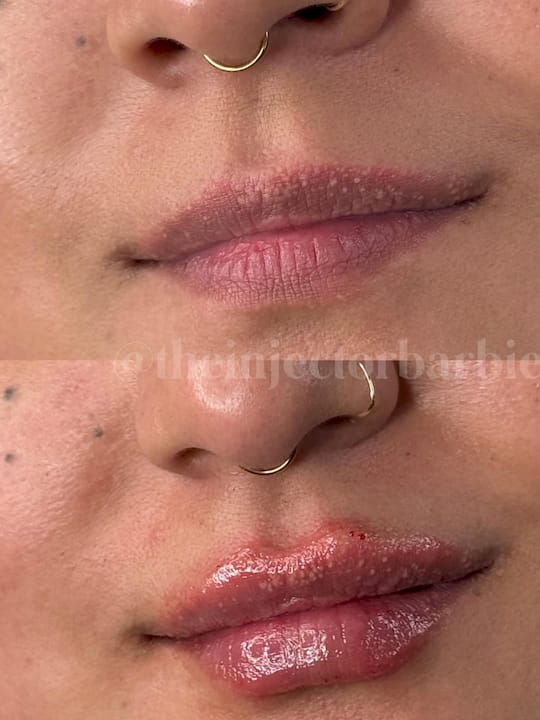
Maximum swelling on day 2 or 3 can make lips look uneven or larger than intended. This is a normal part of the inflammatory process, not a sign that something went wrong. The temporary “duck lip” appearance many people worry about is simply peak inflammation, not your final shape.
By days 3–7, the body begins reabsorbing excess fluid. Firmness softens, and the lips start to settle into a more natural position. Most people feel comfortable going out in public by day 5, though some mild puffiness may still be visible up close.

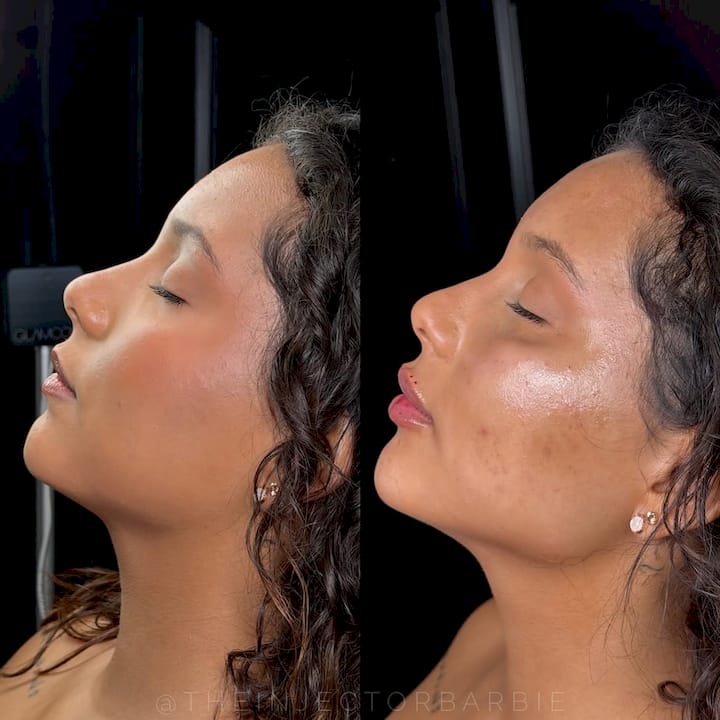
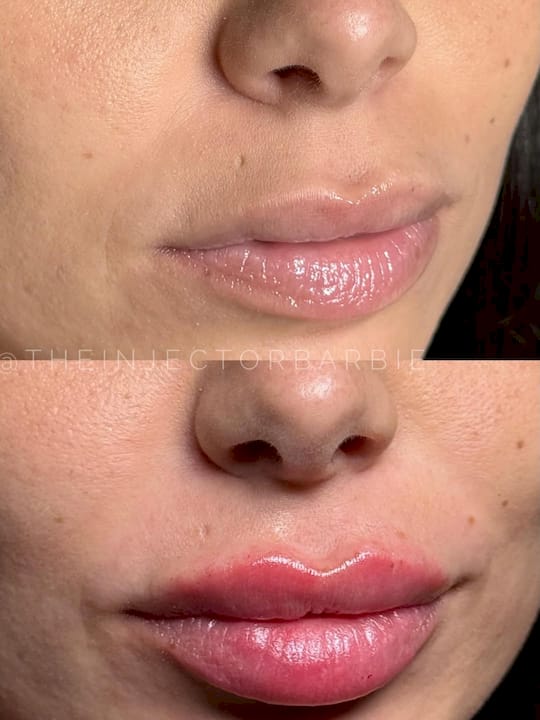
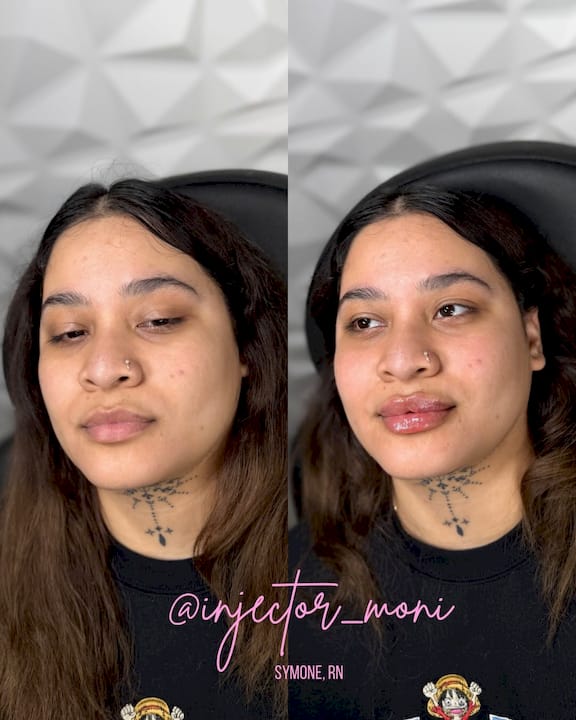
80–85% improvement occurs by day 7, with 95% resolution by the two-week mark. That final 5–15% of settling continues over the following weeks as the filler fully integrates with surrounding tissue.
| Stage | Timeframe | What to expect |
|---|---|---|
| Peak swelling | Days 1–3 | Maximum puffiness, possible unevenness, firmness |
| Active reduction | Days 3–7 | Swelling decreases noticeably, lips soften |
| Near-full resolution | Days 7–14 | 80–85% of swelling gone, shape becomes clearer |
| Full integration | Weeks 2–4 | Filler settles completely, final result visible |
| Result assessment | 2+ weeks | Safe point to evaluate shape, volume, and symmetry |
Individual healing varies. Factors that influence your personal timeline include your age, skin thickness, the volume of filler injected, the specific product used, and how well you follow lip filler aftercare tips in the days after treatment. First-time recipients often experience more pronounced swelling than people who have had previous treatments, because the tissue has not been exposed to the filler material before.
How can you reduce lip filler swelling effectively?
Managing swelling after lip fillers is straightforward when you follow a consistent aftercare routine. The goal is to support your body’s natural healing process without interfering with filler placement.
-
Apply cold compresses for the first 24–48 hours. Use a clean cloth wrapped around ice or a gel pack. Avoid applying ice directly or with heavy pressure, as excessive pressure can irritate tissue and potentially displace the filler. Apply for 10 minutes on, 10 minutes off.
-
Sleep with your head elevated. Lying flat allows fluid to pool in the face overnight. Propping your head up with an extra pillow reduces fluid accumulation and speeds morning-to-morning improvement.
-
Avoid strenuous exercise for 24–48 hours. Elevated heart rate increases blood flow to the face, which worsens swelling. Avoid exercise and alcohol for at least 24–48 hours post-treatment.
-
Skip alcohol and NSAIDs before and after treatment. Alcohol and blood-thinning medications increase bruising and swelling risk. Avoid ibuprofen, aspirin, and similar drugs for at least 24 hours on each side of your appointment unless medically required.
-
Follow the no-touch rule strictly. Manipulating lips within the first 24–48 hours can disrupt healing and worsen swelling. Resist the urge to press, massage, or examine your lips repeatedly.
-
Stay hydrated and eat a low-sodium diet. Salt causes the body to retain water, which can amplify facial puffiness. Drinking enough water supports lymphatic drainage and tissue recovery.
Pro Tip: Many people make the mistake of icing too aggressively. Wrap your ice pack in a soft cloth and use light, gentle contact. Think “cool touch,” not “firm pressure.”
Common mistakes that worsen swelling include drinking alcohol the night before treatment, taking fish oil or vitamin E supplements (both thin the blood), and wearing tight face masks or sunglasses that press on the lips. For a full breakdown of steps to take after your appointment, the guide on what to do after lip injections covers the complete recovery protocol.
When is lip filler swelling a sign of something serious?
Most swelling after lip fillers is normal and resolves on its own. A small number of cases involve complications that require professional evaluation. Knowing the difference protects your health and your results.
Normal swelling decreases steadily after day 3. If your swelling is getting worse after day 7–10 rather than better, that is a red flag. Worsening swelling after day 7–10 accompanied by severe pain, color changes, or signs of infection requires medical attention immediately.
Watch for these warning signs:
-
Increasing pain beyond the first 48 hours, especially if it is throbbing or sharp.
-
Skin color changes such as white patches, blue or purple discoloration, or mottled skin. These can indicate vascular compromise, a rare but serious complication.
-
Heat and excessive redness that spreads beyond the injection site, which may signal infection.
-
Hardened lumps that do not soften over two weeks. Some firmness is normal early on, but persistent hard nodules need evaluation.
-
Swelling beyond two weeks that shows no sign of improvement. Persistent swelling beyond two weeks needs professional assessment.
Infections after lip filler are uncommon but possible. They typically present with warmth, spreading redness, and pus. Vascular occlusion, where filler blocks a blood vessel, is rare but requires emergency treatment within hours. If you notice skin blanching or sudden white patches immediately after injection, contact your provider right away.
The safest approach is to choose an experienced injector and maintain open communication throughout your recovery. If anything feels off, call your provider before the situation escalates.
Key Takeaways
Lip filler swelling peaks within 24–72 hours, resolves in 95% of cases by two weeks, and is best managed with cold compresses, head elevation, and strict avoidance of alcohol and NSAIDs.
| Point | Details |
|---|---|
| Swelling peaks at days 1–3 | Maximum puffiness is normal and not your final result; assess shape after two weeks. |
| 95% resolution by two weeks | Most people see near-complete improvement within 7–14 days post-treatment. |
| Cold compresses help early | Use gentle, cloth-wrapped ice for 10 minutes on and off during the first 48 hours. |
| Avoid alcohol and NSAIDs | These increase bruising and swelling; skip them 24 hours before and after treatment. |
| Worsening after day 7 is a red flag | Increasing pain, color changes, or spreading redness require immediate professional evaluation. |
What I’ve learned from watching hundreds of patients heal
The most common thing I see is people panicking on day two. They look in the mirror, see lips that look bigger and uneven, and immediately assume something went wrong. Almost every time, it is just peak swelling doing exactly what it is supposed to do.
Patients often mistake the initial swelling phase as their final result. That misread creates a lot of unnecessary anxiety. The temporary puffiness, the slight asymmetry, the “duck” appearance at day two are all part of a normal inflammatory process. They are not permanent. They are not mistakes. They are biology.
What I tell every person before their appointment: take a photo on day one, then put your phone down for two weeks. Checking your lips hourly does not speed up healing. It just gives you more opportunities to compare your swollen day-three lips to someone’s polished two-week-post result on social media. That comparison is never fair to yourself.
Understanding that healing is a phased process genuinely reduces anxiety. When you know that day three is supposed to look dramatic, day seven is supposed to look better, and day fourteen is when you actually evaluate, the whole experience becomes much calmer. The people who struggle most are the ones who were not prepared for what normal looks like. Preparation is the real aftercare.
— Marina
Lip fillers at Theinjectionroom: expert care from day one
Theinjectionroom serves patients across Austin and San Antonio, Texas, with a focus on natural-looking results and thorough pre-treatment preparation. Every lip filler consultation includes a detailed walkthrough of the swelling timeline, aftercare expectations, and what to watch for during recovery. The team uses precise injection techniques designed to minimize trauma to surrounding tissue, which directly reduces post-treatment swelling. Patients leave with clear written aftercare instructions and direct access to their provider if questions come up during healing. If you are considering lip fillers for the first time or want a more comfortable experience than you have had before, Theinjectionroom is ready to help.
FAQ
How long does lip filler swelling last on average?
Lip filler swelling peaks between 24–72 hours and resolves in 95% of cases within 7–14 days. Most people see 80–85% improvement by day 7.
Is it normal for lips to look uneven right after filler?
Yes. Temporary unevenness during peak swelling is a normal inflammatory response and does not reflect your final result, which should be assessed at two weeks or later.
What helps reduce lip swelling fastest?
Cold compresses applied gently during the first 24–48 hours, head elevation while sleeping, and avoiding alcohol and NSAIDs are the most effective steps to reduce swelling quickly.
When should I be concerned about lip filler swelling?
Contact your provider if swelling worsens after day 7–10, if you notice skin blanching, spreading redness, severe pain, or any color changes, as these can indicate infection or vascular complications.
Can I wear makeup over swollen lips after filler?
Most providers recommend avoiding lipstick and lip liner for at least 24 hours post-treatment to reduce infection risk and avoid pressing on the injection sites. After that window, gentle application is generally fine.

%20Pictures%20are%204%20weeks%20apart..jpg)