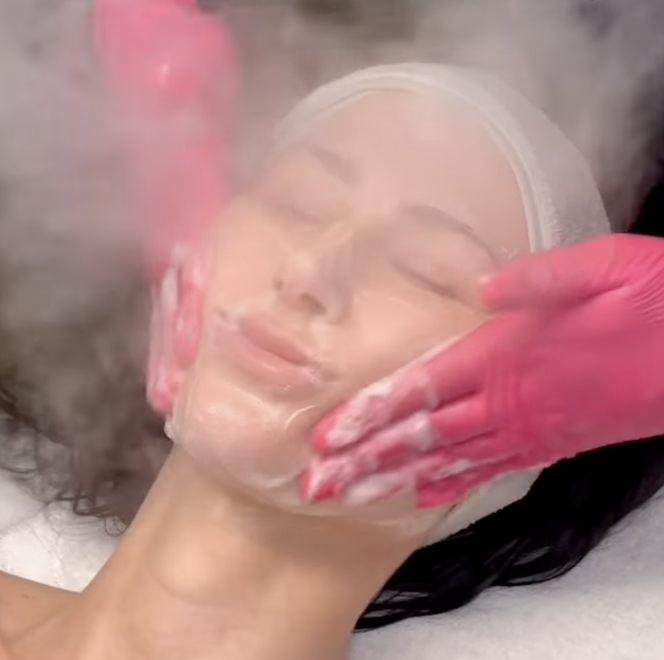
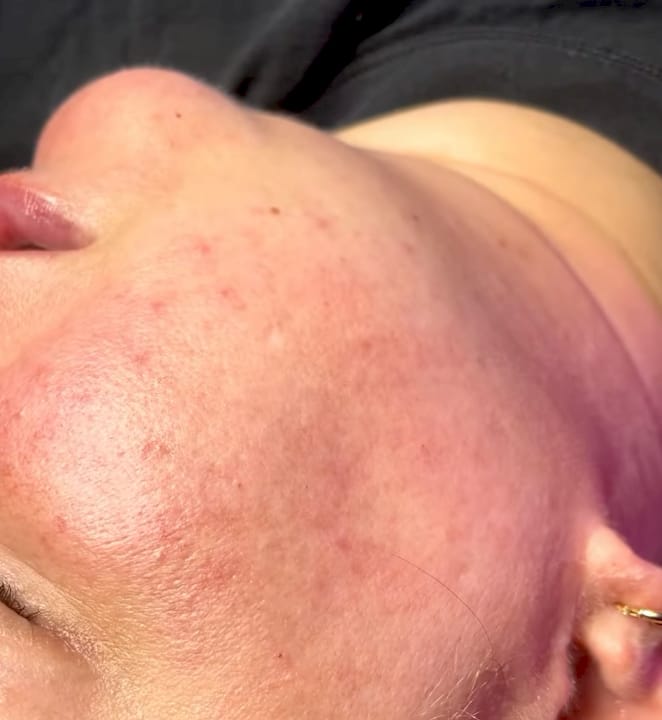
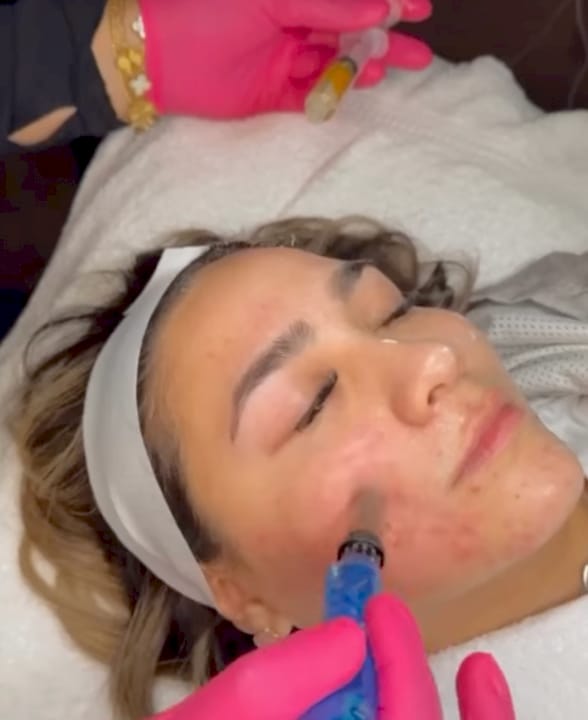
Laser facial benefits are defined by one core mechanism: focused light energy triggers controlled injury in the skin, forcing your body to rebuild with fresh collagen and renewed surface cells. Clinically, this category of treatment is known as laser skin resurfacing, and it covers everything from gentle non-ablative sessions to deep fractional CO2 procedures. Nearly 600,000 laser skin resurfacing procedures are performed annually in the U.S., making it one of the most validated non-surgical skin treatments available. If you are between 30 and 55 and weighing your options for skin rejuvenation, this guide gives you the evidence to make a confident decision.
1. What are the top laser facial benefits?
Laser facials improve skin texture by removing damaged surface cells, stimulating collagen to reduce wrinkles, lightening hyperpigmentation, and tightening pores. These effects compound over time, producing a clearer, firmer, and more youthful complexion. Below are the ten benefits that matter most for anyone in the 30–55 age range.
Smoother skin texture
Laser energy vaporizes or heats the outermost layer of damaged skin cells, prompting the body to replace them with healthier tissue. The result is a measurably smoother surface that reflects light more evenly, which is why skin looks visibly brighter after a series of treatments.
Reduction of fine lines and wrinkles
Collagen is the structural protein that keeps skin firm. Laser heat signals the dermis to produce new collagen, which fills in fine lines from beneath the surface. For targeted wrinkle concerns, pairing laser work with a face lines treatment can address both surface texture and deeper folds simultaneously.
Fading hyperpigmentation and sun damage
Laser wavelengths target melanin clusters directly, breaking them apart so the body can clear them through natural processes. This makes laser resurfacing one of the most effective tools for sun spots, melasma, and post-inflammatory discoloration.
Diminishing acne scars
Fractional ablative lasers, including CO2 and Erbium devices, remodel scar tissue by creating microscopic treatment zones while leaving surrounding skin intact. This controlled approach allows the skin to heal faster while still producing significant structural change.
Pore size reduction
Collagen tightening around the pore walls physically reduces their visible diameter. Patients with enlarged pores from oily or aging skin typically see this benefit within the first two to three sessions.
Reduction of facial redness and rosacea
Certain laser platforms, particularly the Nd:YAG 1064 nm used in Laser Genesis, constrict blood vessels to reduce chronic redness and the flushing associated with rosacea. This vascular targeting sets laser treatments apart from most topical therapies.
Ongoing collagen production
Collagen remodeling does not stop when you leave the treatment room. The biological process continues for three to six months after each session, meaning your skin keeps improving long after the procedure itself.
Improved skin elasticity and firmness
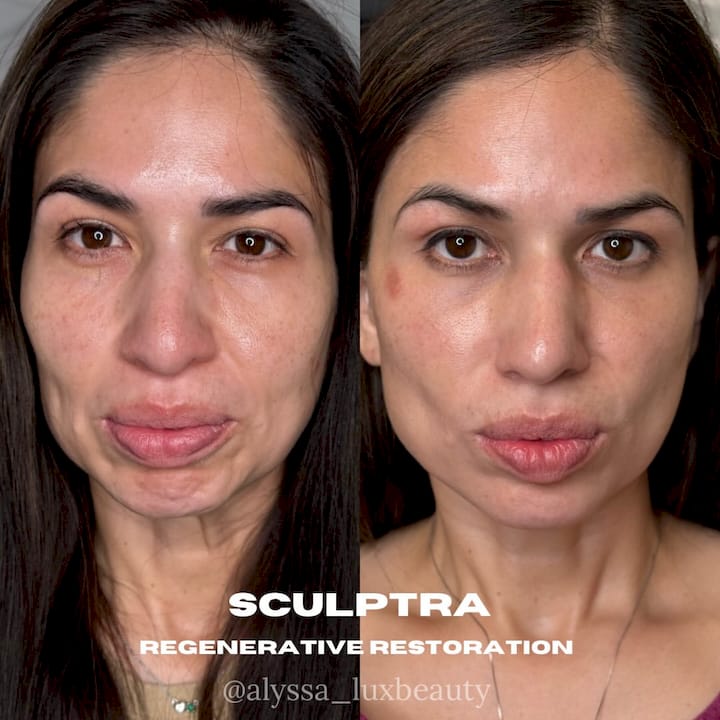
As collagen density increases, skin regains the bounce and resilience it loses with age. Patients in their 40s and 50s often describe this as the most noticeable long-term effect, comparable in feel to what collagen-stimulating injectables like Sculptra produce.
Short downtime compared to surgical options
Non-ablative and fractional non-ablative lasers typically require only one to three days of mild redness. That recovery window is far shorter than any surgical facelift or deep chemical peel, making laser resurfacing practical for people with active schedules.
Broad applicability across skin types and conditions
Modern laser platforms treat a wide range of concerns, from acne scarring in younger patients to age-related laxity in patients over 50. Devices like Laser Genesis are specifically calibrated to work safely across multiple skin tones, reducing the risk of post-inflammatory hyperpigmentation that older laser systems carried.
Pro Tip: Ask your provider which specific laser platform they use, not just the category. The device brand and settings matter as much as the treatment type.
2. How do different laser types compare in effectiveness and downtime?
Choosing the right laser type is the single most important decision in your treatment plan. Each category delivers different depth of penetration, different results, and a different recovery experience.
| Laser type | Best for | Downtime | Collagen depth |
|---|---|---|---|
| Non-ablative (Nd:YAG, Laser Genesis) | Redness, mild texture, maintenance | 0–1 days | Superficial to mid-dermis |
| Fractional non-ablative | Fine lines, mild scarring, tone | 2–3 days | Mid-dermis |
| Fractional ablative (CO2, Erbium) | Deep wrinkles, acne scars, laxity | 7–10 days | Deep dermis |
| Hybrid resurfacing | Texture, tone, and structural repair | 5–7 days | Full dermis |
Fractional ablative lasers require a 7–10 day recovery with oozing and crusting, but they treat deep wrinkles and severe acne scars more effectively than any other non-surgical option. That downtime is the price of real structural repair, not superficial polishing.
Hybrid laser resurfacing combines ablative and non-ablative wavelengths in a single session, delivering uniform improvement in texture and tone. The tradeoff is that this approach requires an experienced practitioner. In less skilled hands, the combined energy increases the risk of burns and uneven healing.
Non-ablative options like Laser Genesis are the right starting point if you want consistent improvement with zero social downtime. They work best as a series rather than a one-time treatment.
3. How many sessions do you need and when will you see results?
Setting realistic expectations is where most patients go wrong. A single laser session produces visible improvement, but the full effects of laser skin rejuvenation require a planned series.
A complete laser facial series typically comprises 6–10 sessions, with results developing gradually over three to six months. Sessions are spaced three to four weeks apart to allow collagen remodeling to progress between treatments.
Here is what the improvement timeline generally looks like:
-
Sessions 1–2: Mild brightening and smoother texture. Pores appear slightly refined.
-
Sessions 3–4: Visible reduction in fine lines. Redness and hyperpigmentation begin to fade.
-
Sessions 5–6: Firmer skin, improved elasticity, and more even tone. Acne scars show measurable improvement.
-
Sessions 7–10: Cumulative collagen density produces the most significant anti-aging results.
Single sessions from ablative or hybrid lasers follow a different curve. One fractional CO2 session can produce results equivalent to several non-ablative sessions, but the recovery demand is proportionally higher.
Pro Tip: Build your post-treatment skincare routine before your first session. A natural skincare workflow that supports barrier repair will extend and deepen your laser results significantly.
4. What are the advantages of laser facials over chemical peels and other treatments?
Laser facials and chemical peels both resurface the skin, but they are not interchangeable. Understanding the differences helps you choose the right tool for your specific concern.
Lasers typically require two fewer sessions than chemical peels for comparable rejuvenation outcomes. That efficiency advantage matters when you are budgeting both time and money for a treatment series.
Laser treatments offer higher efficacy for melasma and pigmentation than chemical peels, though peels perform better for conditions like psoriasis. The key distinction is precision: lasers target specific chromophores (melanin, hemoglobin, water) while peels work through broad chemical exfoliation.
Here is how the comparison breaks down across key factors:
-
Collagen induction: Lasers produce deeper and longer-lasting collagen stimulation than most peel depths.
-
Pigmentation: Lasers win for melasma, sun damage, and post-acne marks.
-
Procedural comfort: Peels generally cause less immediate discomfort, though lasers offer better long-term collagen induction at the cost of more procedural sensation.
-
Downtime: Comparable for mid-depth treatments; ablative lasers carry longer recovery than medium peels.
-
Skin type flexibility: Modern laser platforms handle a broader range of skin tones than many chemical peels.
-
Versus microneedling: Both stimulate collagen, but lasers address pigmentation and vascular concerns that microneedling benefits do not cover as directly.
One critical clarification: not all medspa “laser facials” are equal. Low-fluence IPL and handheld diode lasers used in some walk-in medspa settings act largely as placebos, providing minimal thermal injury and collagen remodeling. Branded clinical platforms deliver the real results the research supports.
Key takeaways
Laser skin resurfacing produces measurable, compounding improvements in texture, tone, and firmness when performed with the right device by a qualified practitioner.
| Point | Details |
|---|---|
| Collagen drives results | Laser energy triggers collagen production that continues for 3–6 months after each session. |
| Device quality matters | Low-fluence IPL devices deliver minimal remodeling; clinical platforms produce real structural change. |
| Plan for a series | A full course of 6–10 sessions produces significantly better outcomes than one-off treatments. |
| Lasers beat peels for pigmentation | Clinical reviews show lasers outperform chemical peels for melasma and sun damage. |
| Match laser type to your goal | Ablative lasers treat deep scars and wrinkles; non-ablative options suit maintenance and mild concerns. |
What I have learned from watching patients choose the wrong laser
The most common mistake I see is patients selecting a treatment based on price or convenience rather than the device being used. A $99 “laser facial” at a walk-in studio almost certainly uses a low-fluence IPL or a handheld diode device. Those tools are not dangerous, but they are also not doing what the research on laser resurfacing describes. You are paying for the experience, not the outcome.
The second mistake is skipping post-treatment skincare. Laser results are not locked in the moment you leave the clinic. The skin is actively remodeling for weeks, and what you put on it during that window either supports or undermines the investment. Overnight barrier repair products, like those covered in overnight eye treatment guides, apply the same logic to laser aftercare: the repair window is when your results are actually being built.
My honest recommendation is to spend more time vetting the practitioner and the specific device than comparing prices. Hybrid resurfacing in skilled hands is genuinely transformative. The same procedure performed by someone who undertreats to avoid complaints will leave you wondering why nothing changed. Ask to see before-and-after photos from that specific provider using that specific device. If they cannot produce them, keep looking.
— Marina
Explore laser facials and skin rejuvenation at Theinjectionroom
Theinjectionroom offers laser facial treatments and complementary skin rejuvenation services at locations in Austin and San Antonio, Texas. If you are weighing laser resurfacing against other options, the team can walk you through how it compares to microneedling in San Antonio and Austin for collagen stimulation, or how pairing it with Botox in Austin addresses both surface texture and dynamic wrinkles in a single treatment plan. Every consultation is built around your specific skin concerns, timeline, and downtime tolerance. No generic protocols. Book a personalized consultation to find out which combination of treatments will deliver the results you are actually looking for.
FAQ
What does a laser facial actually do to your skin?
A laser facial delivers focused light energy into the skin to remove damaged surface cells and stimulate collagen production in the dermis. The result is smoother texture, reduced wrinkles, and more even skin tone over a series of treatments.
How long do laser facial results last?
Results from a full treatment series typically last one to three years, depending on the laser type used and how consistently you protect your skin from sun exposure afterward. Maintenance sessions once or twice a year extend the benefits.
Are laser facials safe for darker skin tones?
Non-ablative platforms like Laser Genesis using the Nd:YAG 1064 nm wavelength are specifically designed to treat multiple skin tones safely. Ablative and fractional ablative lasers carry higher risk for post-inflammatory hyperpigmentation in deeper skin tones and require an experienced provider.
How do laser facials compare to microneedling?
Both treatments stimulate collagen, but lasers also target pigmentation and vascular concerns like redness and rosacea that microneedling does not address directly. The right choice depends on your primary skin concern and downtime tolerance.
How soon will you see results after a laser facial?
Mild brightening and texture improvement are often visible within a week of the first session. Significant collagen-driven improvements in fine lines, firmness, and pigmentation develop over three to six months across a full treatment series.

%20Pictures%20are%204%20weeks%20apart..jpg)