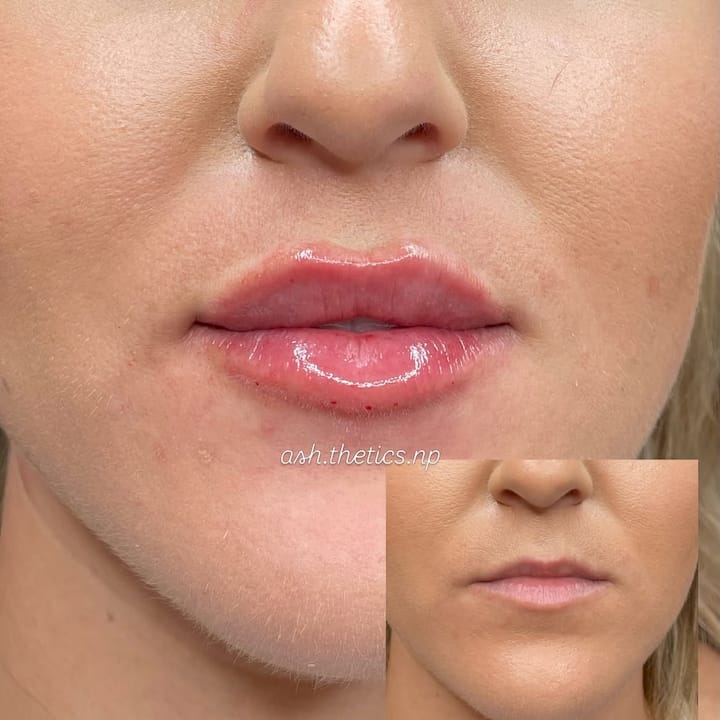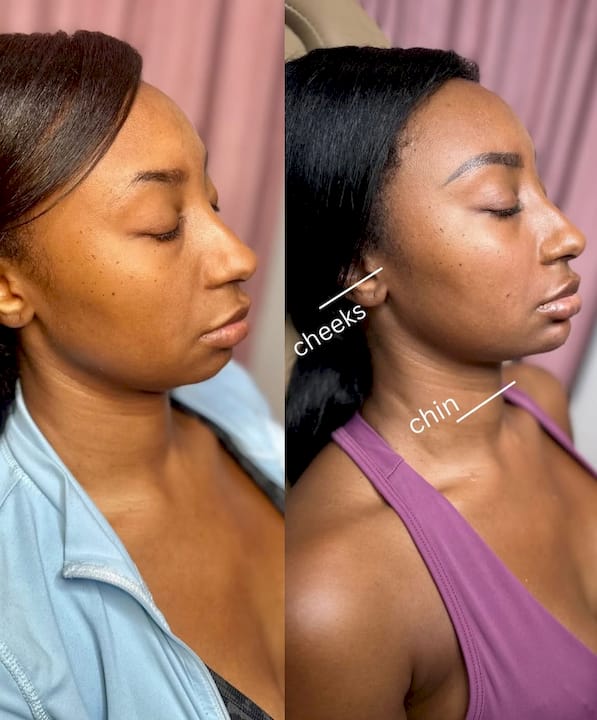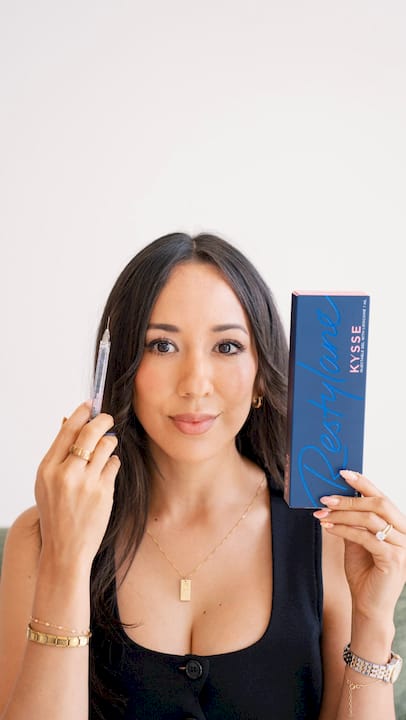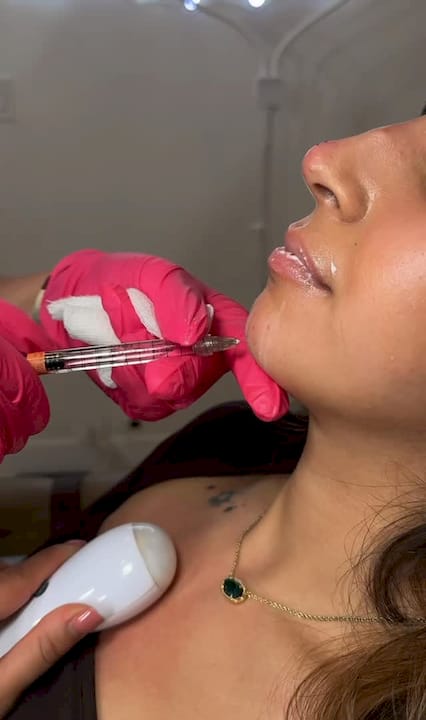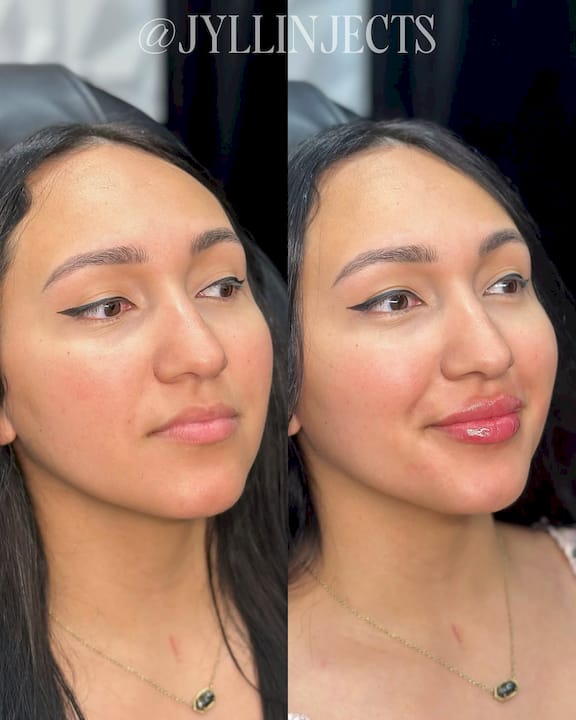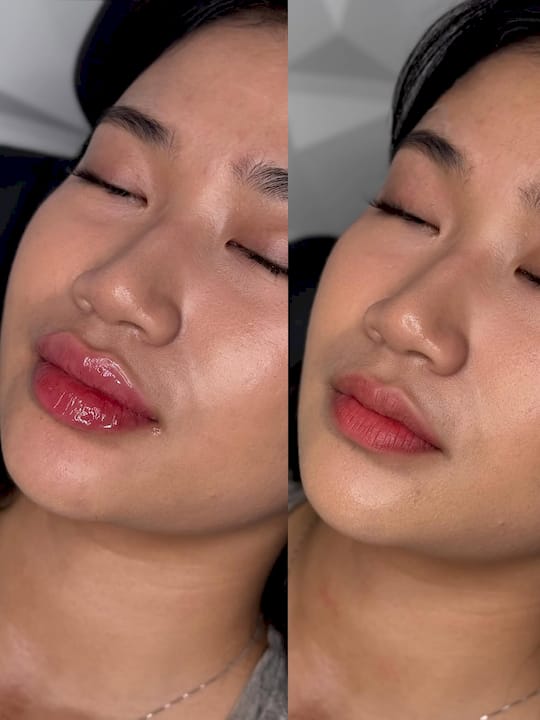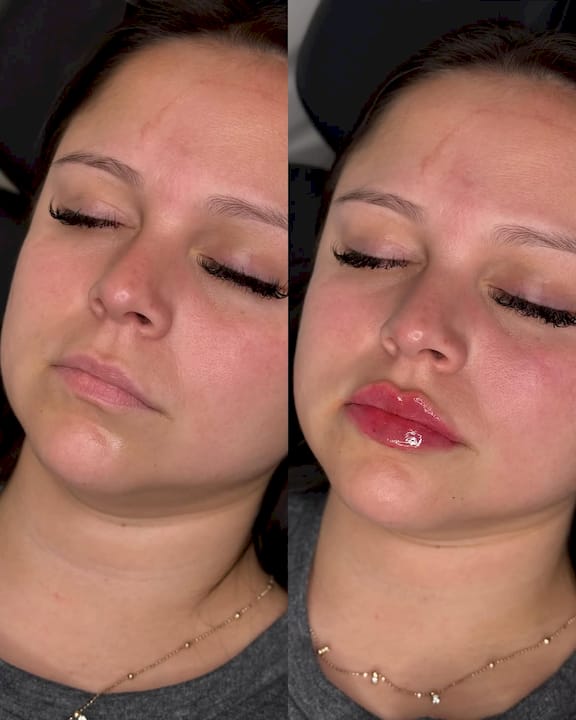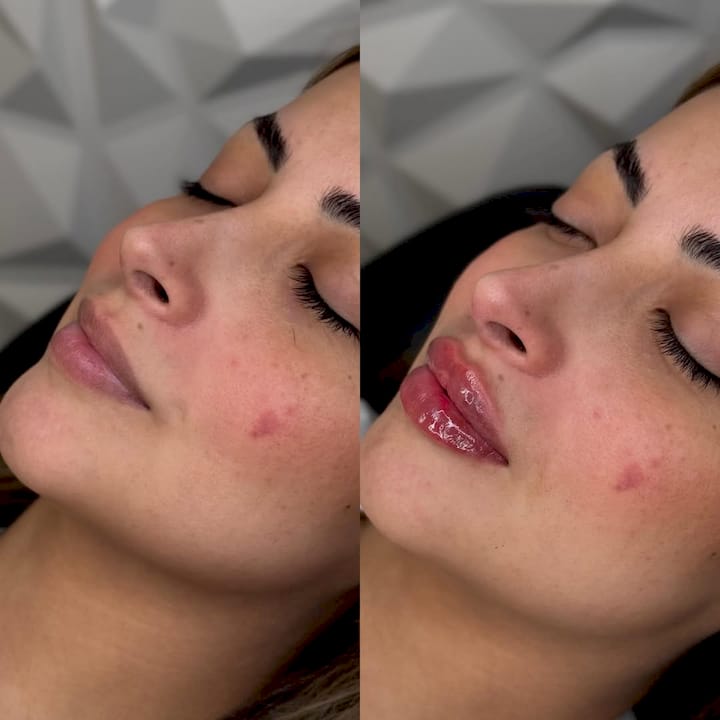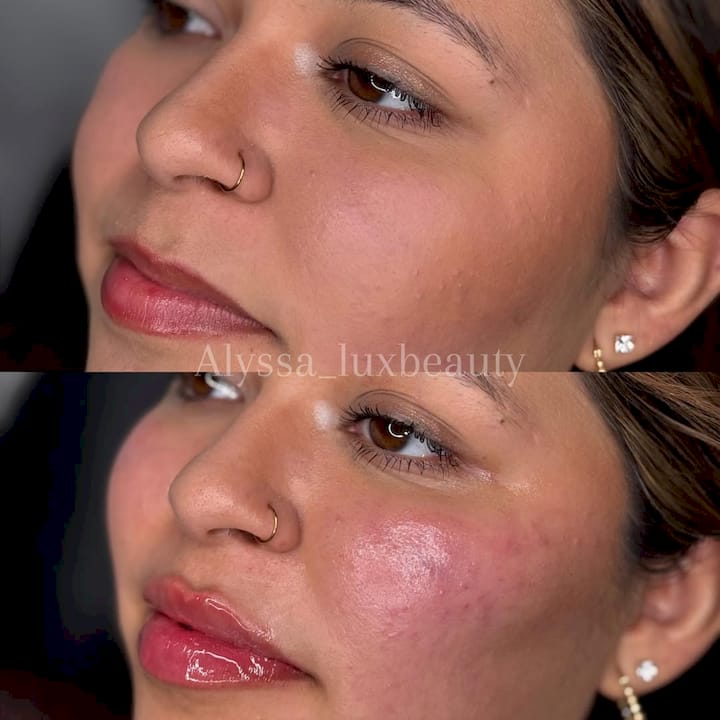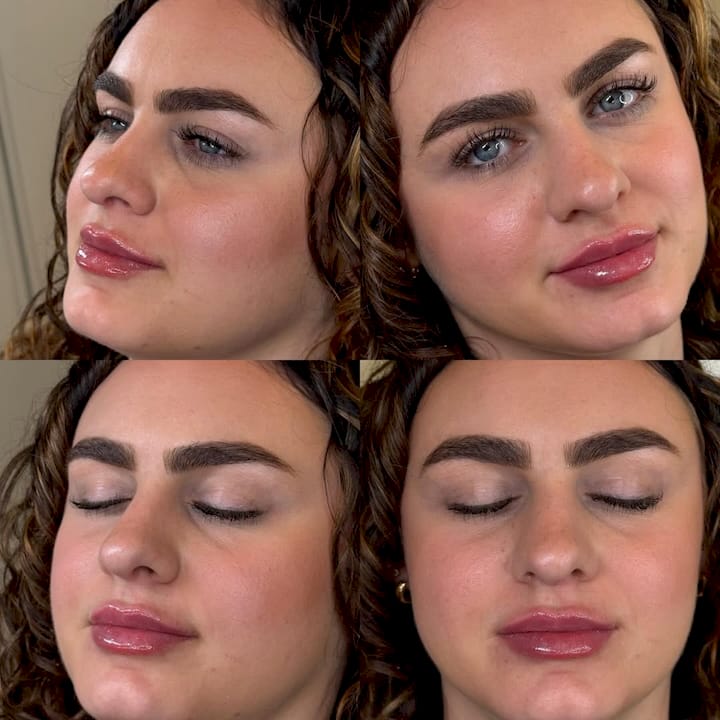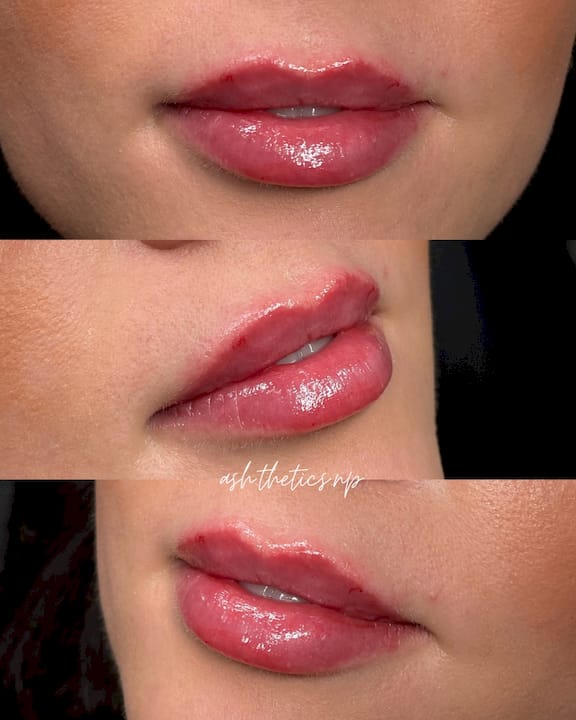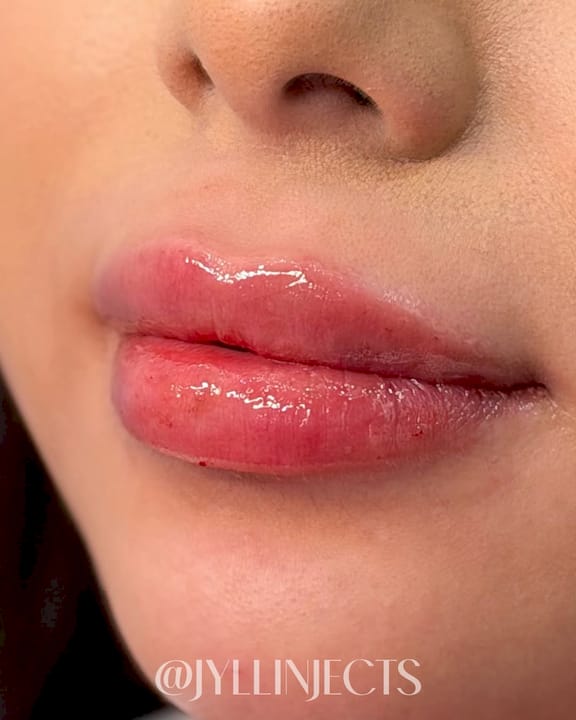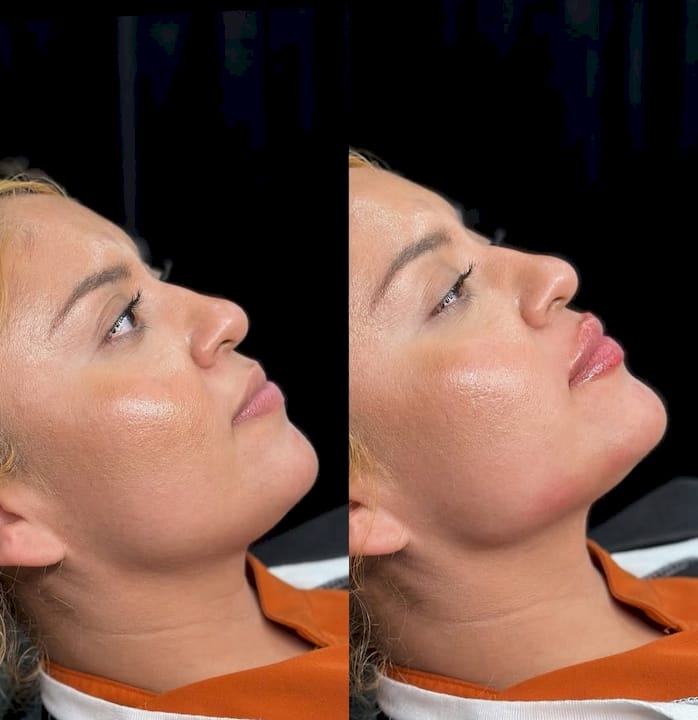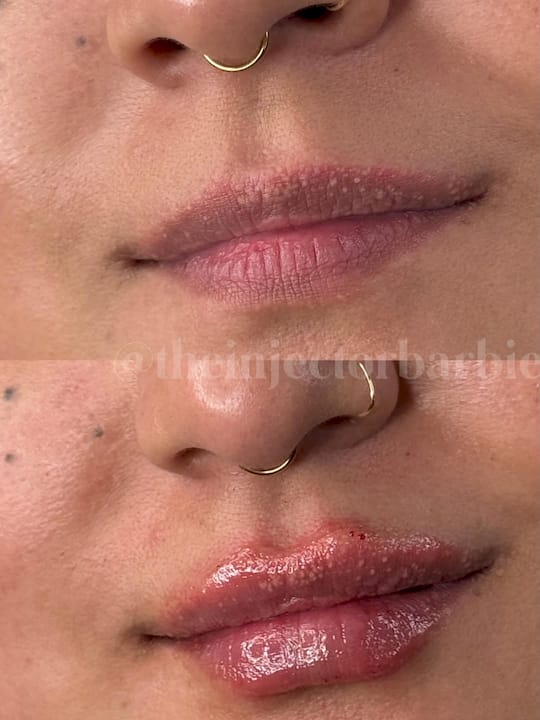
Fillers are one of the most requested aesthetic treatments at med spas across Texas, yet the question of safety still makes a lot of women pause before booking. That hesitation makes sense. With so many providers, products, and price points out there, it is not always easy to separate real risk from rumor. Here is what the evidence actually shows: most filler side effects are mild and resolve on their own, but rare, serious complications do exist. The good news is that most of them are preventable when you choose the right products and the right provider.
Table of Contents
-
How product quality and provider expertise protect your safety
-
The uncomfortable truth: Filler safety isn’t just about the product
Key Takeaways
| Point | Details |
|---|---|
| Mild side effects are common | Swelling and bruising are usually temporary and manageable when fillers are administered safely. |
| Severe complications are rare | Events like vascular occlusion or infection are possible but are highly uncommon with qualified providers. |
| FDA approval is crucial | Always choose FDA-approved fillers and check your provider’s credentials to avoid counterfeit products. |
| Preparation and aftercare matter | Pre-screening and proper aftercare greatly reduce your risk and enhance your results. |
| Provider expertise counts most | The best safety record comes from lawful, experienced injectors who prioritize patient education and vigilance. |
What are cosmetic fillers and how are they used?
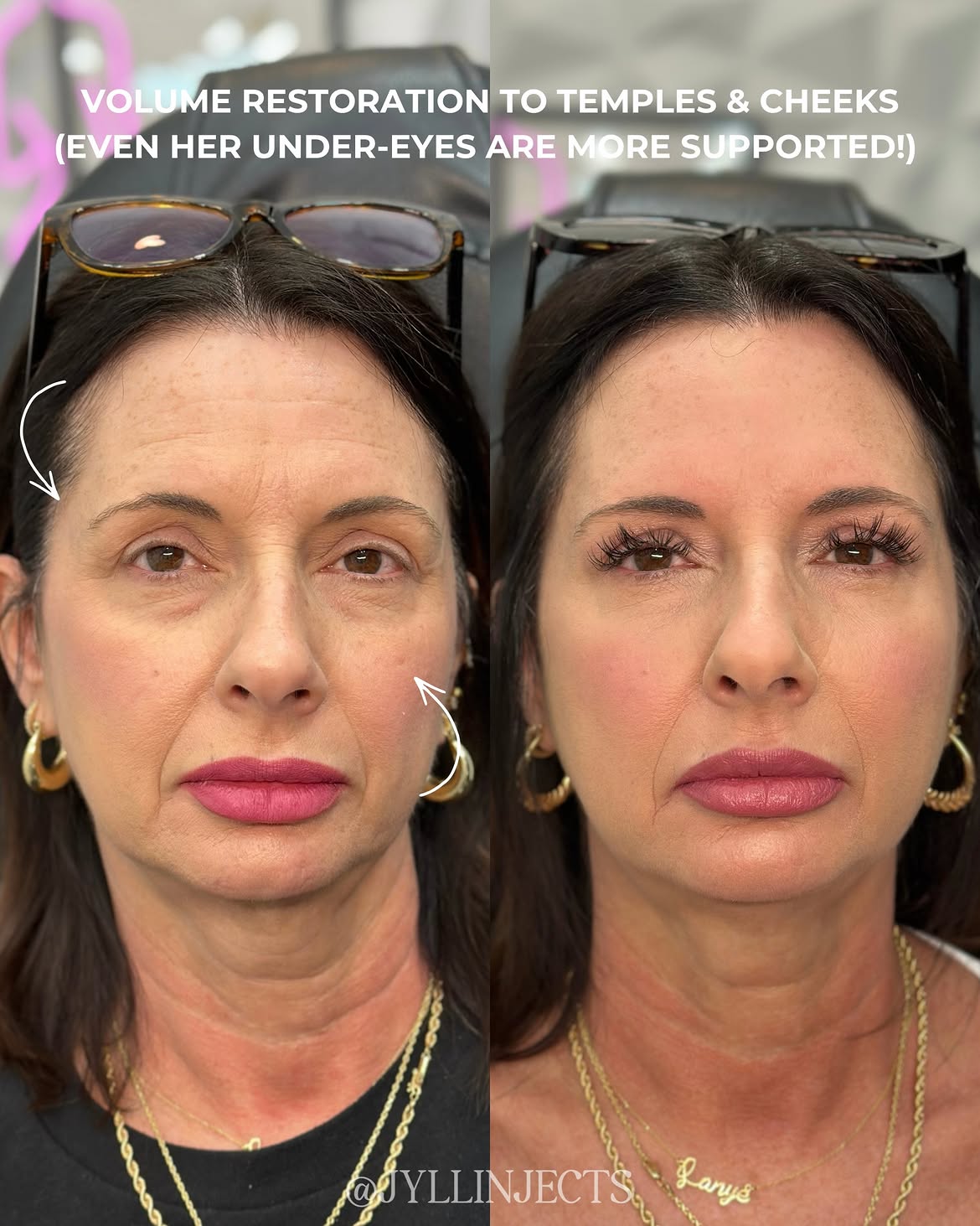
Cosmetic fillers are injectable gels placed beneath the skin to restore lost volume, soften wrinkles, and reshape or enhance facial features. Most modern fillers are made from hyaluronic acid, a substance your body already produces naturally, which is one reason your body generally tolerates them well. Understanding how fillers work helps you have a much more productive conversation with your provider before any treatment.
The most common anti-aging uses include:
-
Nasolabial folds (the lines that run from your nose to the corners of your mouth)
-
Cheek volume restoration for a lifted, youthful appearance
-
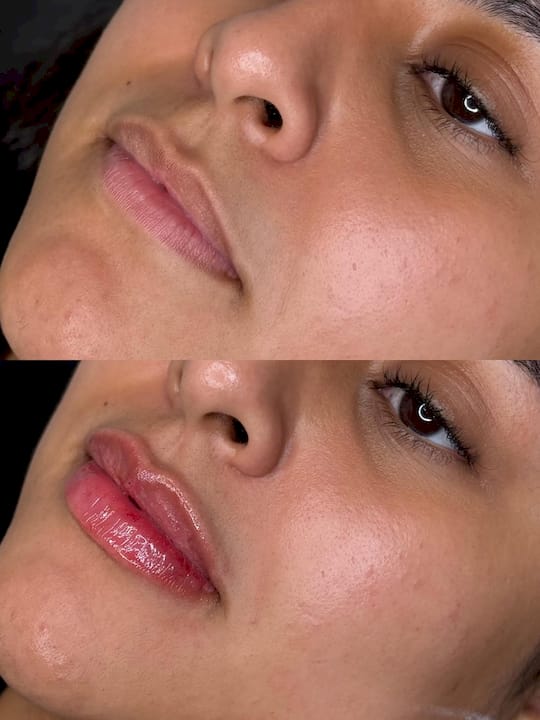
Lip enhancement for fullness and better definition
-
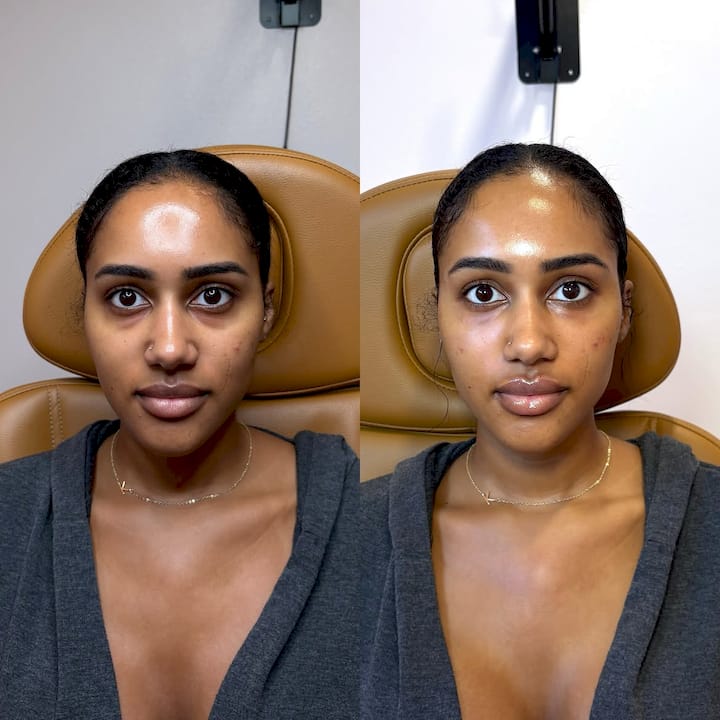
Under-eye hollows (tear trough treatment) for a less fatigued look
-
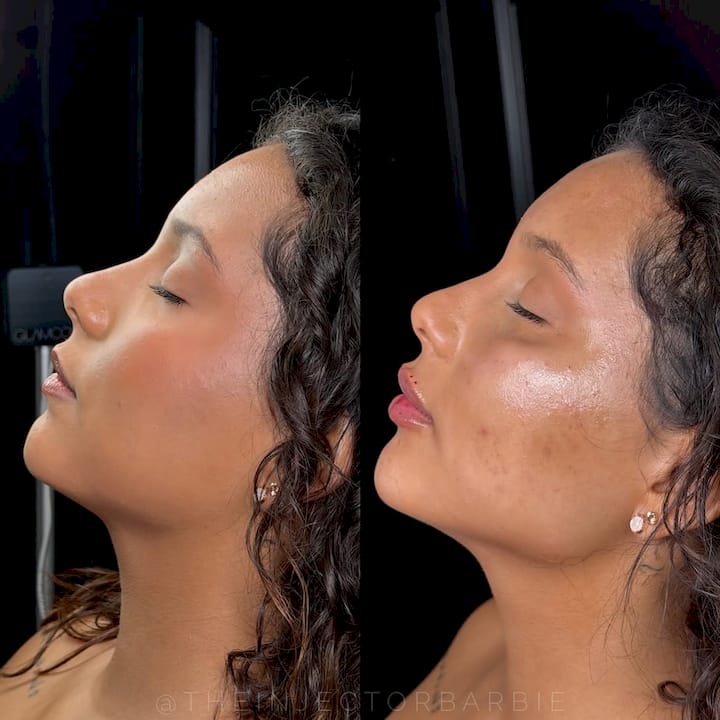
Chin and jawline contouring for better facial balance
-
Non-surgical nose jobs to smooth bumps or refine the tip without surgery
Beyond anti-aging, more Texas women are asking about long-term or repeated use. The honest answer is that long-lasting fillers used consistently over years are generally well-tolerated when injected by qualified providers using medical-grade products. Research confirms that most adverse effects are mild, self-resolving, and temporary.
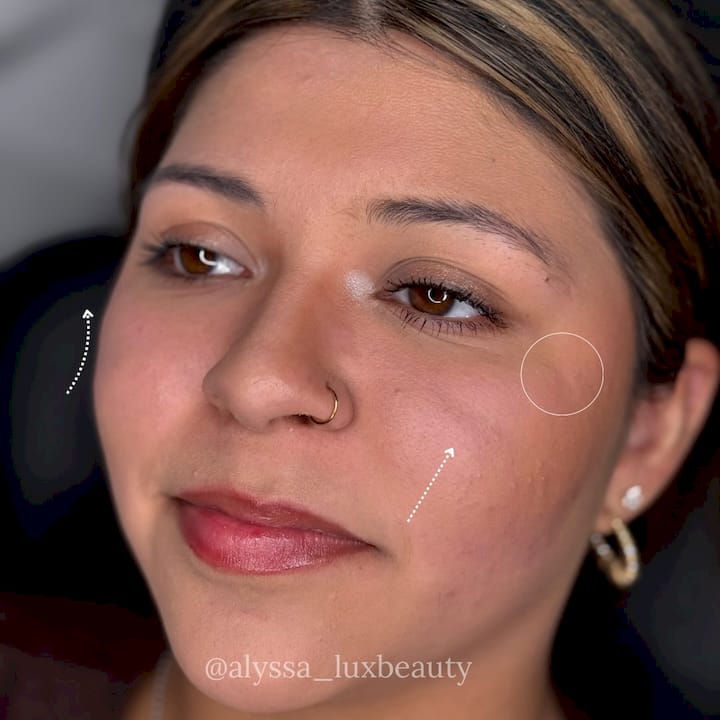
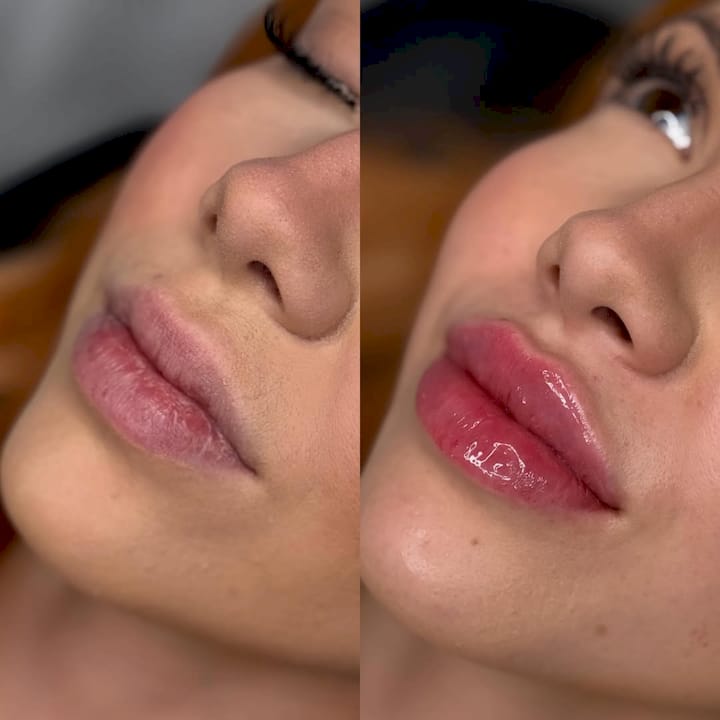
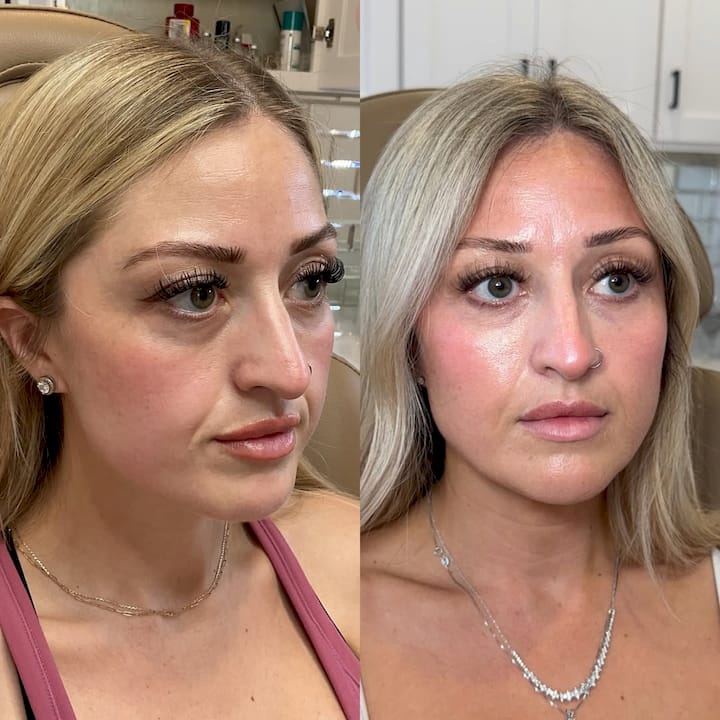
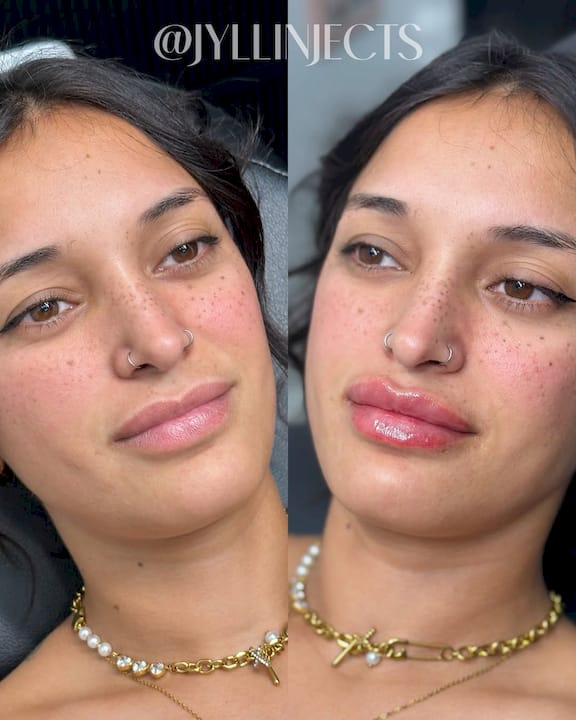
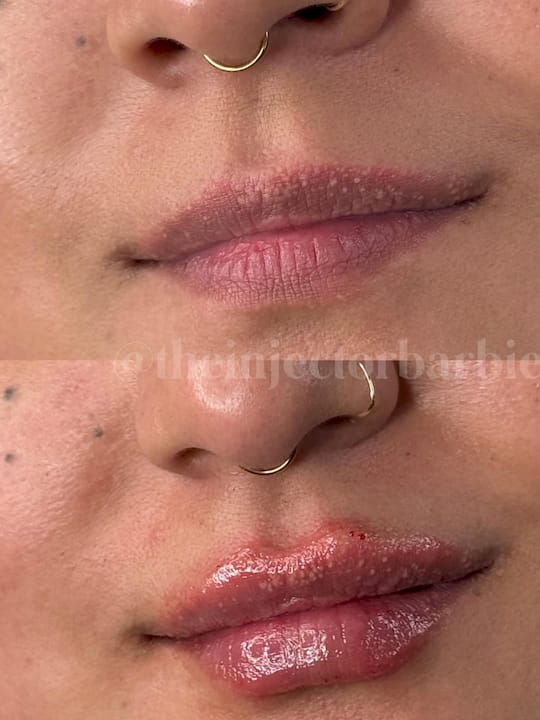
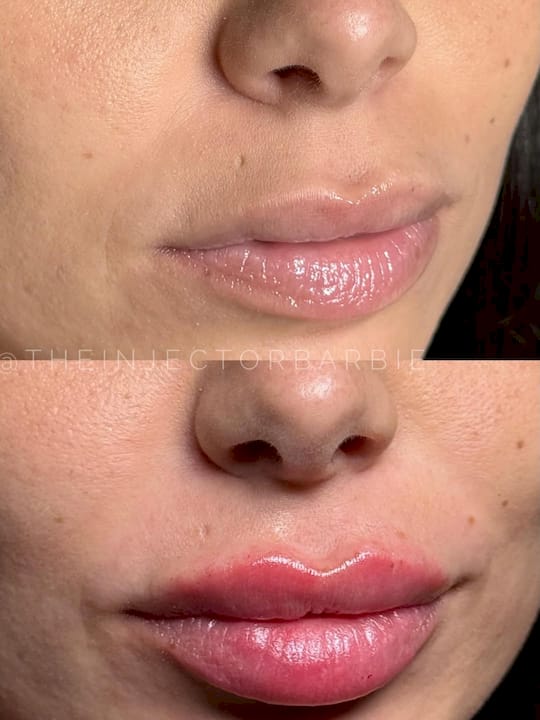
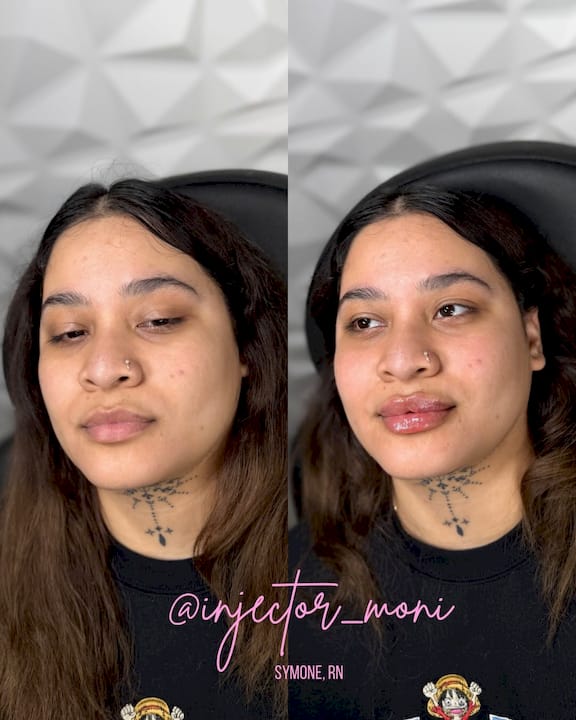
Pro Tip: Always ask to see before-and-after photos of real patients treated in the exact same area you are considering. A skilled injector will be proud to show you their work.
Understanding filler risks: What the numbers really show
Safety statistics matter because they put real-world risk into perspective. A lot of women come in expecting fillers to be either completely harmless or quietly dangerous. The truth sits somewhere far more reassuring than many people expect.
An academic retrospective chart review covering a 10-year period from 2013 to 2023 identified just 33 complications across 1,923 cases. That means roughly 98.3% of treated patients experienced no recorded complication at all. Of the complications that did occur, most fell into the mild category.
| Complication type | Estimated rate | Severity level |
|---|---|---|
| Swelling and bruising | Very common (up to 70%) | Mild, self-resolving |
| Redness and tenderness | Common | Mild, temporary |
| Delayed nodules or lumps | Uncommon (under 2%) | Moderate, often treatable |
| Infection | Rare | Moderate to serious |
| Vascular occlusion | Very rare (under 0.1%) | Potentially severe |
| Vision impairment | Extremely rare | Severe, emergency |
| Tissue necrosis | Extremely rare | Severe |
“Technique and best practices play a key role in avoiding severe, long-term issues.” Knowing the anatomy, using the right depth and product, and understanding when not to inject are what separate a good outcome from a bad one.
What the numbers reveal is important: severe events are real but uncommon, and they become even less likely with trained providers using proper protocols. Understanding how long fillers last is also relevant here because dissolving hyaluronic acid fillers quickly with hyaluronidase is a key emergency response for certain rare complications. That option is not available with permanent or semi-permanent alternatives.
The delayed nodule issue is worth a closer look. These small bumps, sometimes called granulomas, can appear weeks or even months after treatment. They are uncommon, typically manageable, and often linked to filler type, injection technique, or individual immune response. Infection rates are similarly low, especially when sterile technique is used throughout the procedure.
How product quality and provider expertise protect your safety
Numbers are reassuring, but the data only holds when the right conditions are in place. Real safety depends on the products being used and the hands doing the injecting.
Choosing dermal fillers that are FDA-approved and sourced through legitimate medical supply channels is non-negotiable. The FDA has issued warning letters for unapproved injectables, including products that are misbranded, contaminated, or sold outside of proper medical channels. These are not theoretical risks. They are documented public health concerns.

| Feature | FDA-approved medical-grade fillers | Unapproved or counterfeit fillers |
|---|---|---|
| Safety testing | Rigorously tested in clinical trials | No reliable safety data |
| Consistency | Standardized formulations | Variable, unreliable quality |
| Provider sourcing | Licensed medical suppliers only | Online, unregulated marketplaces |
| Emergency options | Reversible (HA fillers) | Often not reversible |
| Regulatory oversight | Full FDA oversight | None |
| Infection risk | Minimized with sterile production | Potentially high |
What makes this especially important in Texas is the growing number of aesthetic providers operating outside of proper medical oversight. Spas, pop-up events, and online sellers sometimes offer fillers at dramatically lower prices. Those low prices often reflect low standards.
Here is what separates a provider you can trust:
-
Licensed and credentialed in aesthetics or medicine with verifiable training
-
Uses named, FDA-approved brands and can show you the product before injection
-
Performs a thorough intake and screening before every session
-
Has access to hyaluronidase on-site for emergency reversal if needed
-
Can explain their injection technique and why they are recommending a specific product for your concern
-
Follows sterile protocols during every procedure without exception
Whether you are interested in natural-looking fillers or something more dramatic like best cheek filler options for defined, lifted cheekbones, your provider’s credentials matter as much as the product they choose.
Smart steps before and after fillers: Minimizing your risks
You have more control over your outcome than you might think. The choices you make before and after your appointment can meaningfully reduce your risk of complications and improve your overall results.
Careful patient selection, product choice, and technique all influence outcomes, even in rare edge cases. Your preparation is part of that equation.
Here is a practical pre and post checklist:
-
Disclose all medications and supplements at your intake appointment, especially blood thinners, fish oil, vitamin E, and aspirin.
-
Avoid alcohol for at least 24 hours before your appointment to reduce bruising risk.
-
Stop blood-thinning supplements 5 to 7 days before if your provider advises it and your doctor approves.
-
Arrive with clean skin and no heavy makeup on the treatment area.
-
Ask about topical numbing cream if you have concerns about discomfort.
-
Do not rub or massage the treated area for at least 24 hours post-treatment unless your provider instructs otherwise.
-
Apply a cold compress gently during the first few hours to reduce swelling.
-
Stay upright for several hours and avoid bending forward or lying flat immediately after.
-
Skip intense workouts, saunas, and hot environments for 24 to 48 hours post-treatment.
-
Follow your provider’s aftercare instructions precisely and reach out promptly if anything seems unusual.
For specific guidance on lip filler aftercare tips and how to reduce swelling after any filler session, there are practical resources that walk you through exactly what to expect day by day. If you want a complete overview from start to finish, reading a step-by-step filler guide before your appointment is a great way to feel informed and confident.
Many patients also ask about proactive strategies to prevent swelling before it even starts, which includes things like scheduling your appointment away from your menstrual cycle if you tend to retain fluid.
Pro Tip: Know the emergency warning signs and take them seriously. Sudden pain that is getting worse, skin that looks white, gray, or blue, or any change in your vision after a filler injection requires immediate attention. Call your provider right away and, if needed, go to the emergency room. These events are rare but time-sensitive.
The uncomfortable truth: Filler safety isn’t just about the product
Here is what most articles on filler safety get wrong. They focus entirely on product quality as though picking the right brand is all you need to do. But in our experience, the filler brand alone does not determine your outcome. The relationship between you, your injector, and what happens after your appointment matters just as much.
Some of the worst outcomes we have seen in aesthetics happened with technically good products in the wrong hands. And some of the best outcomes happened with straightforward formulations used by providers who took time to understand the patient’s anatomy, health history, and goals before picking up a syringe. The product is important. But the person using it and the process surrounding it are equally critical.
FDA oversight and approved products set the foundation for safety, but lawful credentialing and genuine provider skill are what build on that foundation. A provider who is well-trained will screen you properly, set honest expectations, and have a clear plan if something unexpected happens. That last part is often overlooked. Does your provider know how to handle a complication? Do they have hyaluronidase in the room? Do they have emergency contacts and protocols? These are questions worth asking out loud.
We also believe that clients who are educated about their treatment have better outcomes. Not because knowledge is magic, but because informed clients notice early warning signs faster, follow aftercare instructions more carefully, and communicate with their providers more openly. Understanding how face fillers work gives you the context to be a better partner in your own care. The best filler results we see come from collaborative relationships, not passive transactions.
Ready to explore safe, expert-guided fillers in Texas?
At The Injection Room, we take filler safety personally. Our providers in Austin and San Antonio use only FDA-approved, medical-grade products, and every appointment starts with a thorough consultation to understand your health history, goals, and anatomy. Whether you are curious about a non-surgical nose job, exploring neurotoxin options with our Botox experts in San Antonio, or looking to pair your filler treatment with microneedling for a full skin refresh, we are here to guide you through every step. Reach out to book a consultation and start with clarity, not guesswork.
Frequently asked questions
Are cosmetic fillers safe for long-term, repeated use?
FDA-approved fillers injected by trained, licensed providers are generally safe for repeated use over time, but safety for long-term use depends heavily on the quality of the products and the expertise of the injector.
What are the most common side effects after getting fillers?
Most people experience temporary swelling, bruising, or redness that clears up within a week, and most filler side effects are mild and self-resolving without any intervention.
How can I spot an unsafe or counterfeit filler?
Unapproved or counterfeit fillers are often sold online or through non-medical channels and lack proper FDA labeling; the risks of unapproved injectables include contamination, inconsistent formulations, and no path to emergency reversal.
Do all providers in Texas use medical-grade, approved fillers?
Not all providers in Texas use FDA-approved products, which is why verifying credentials and asking directly about product sourcing matters; counterfeit and unapproved fillers lack the oversight needed to protect your health.

%20Pictures%20are%204%20weeks%20apart..jpg)