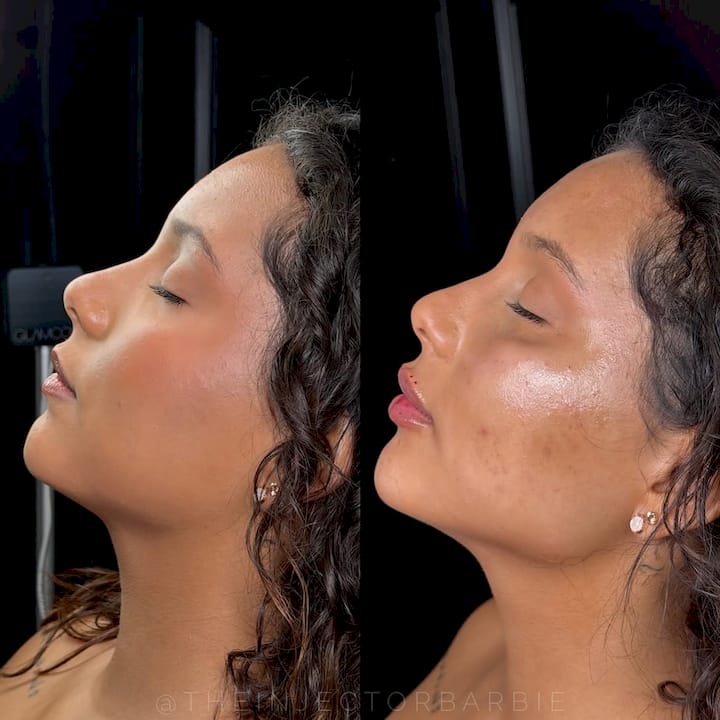
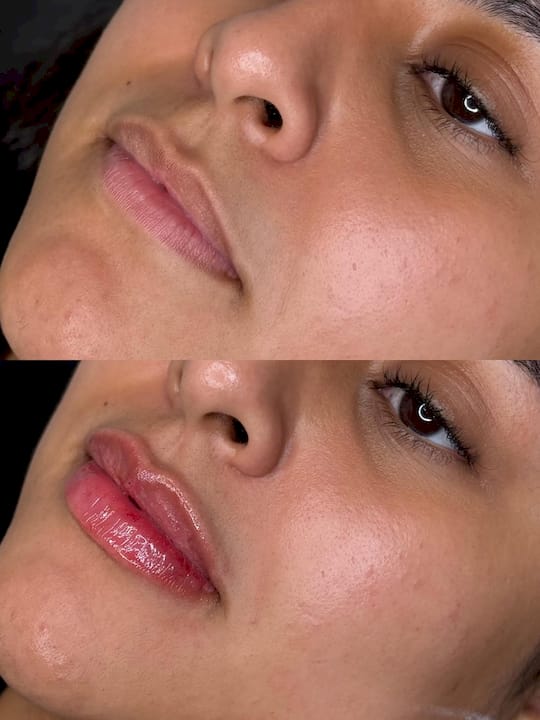
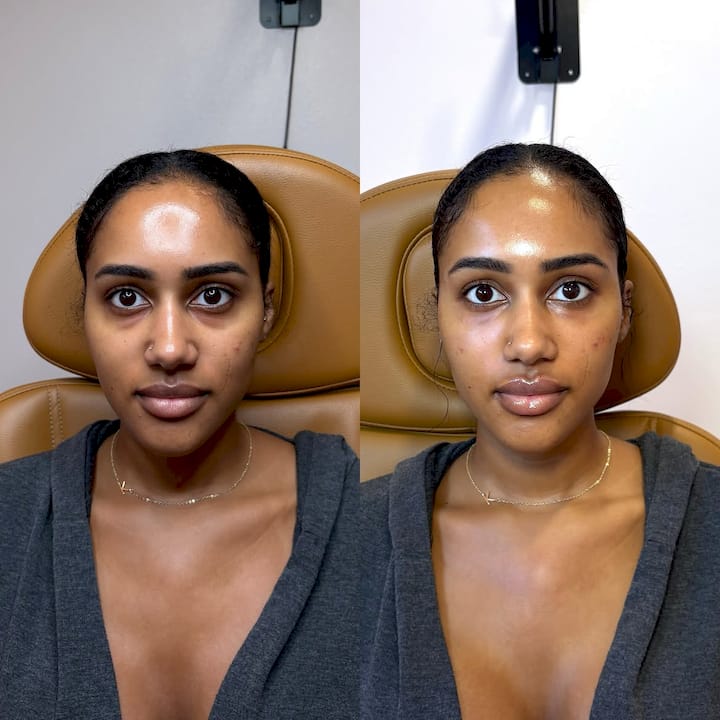
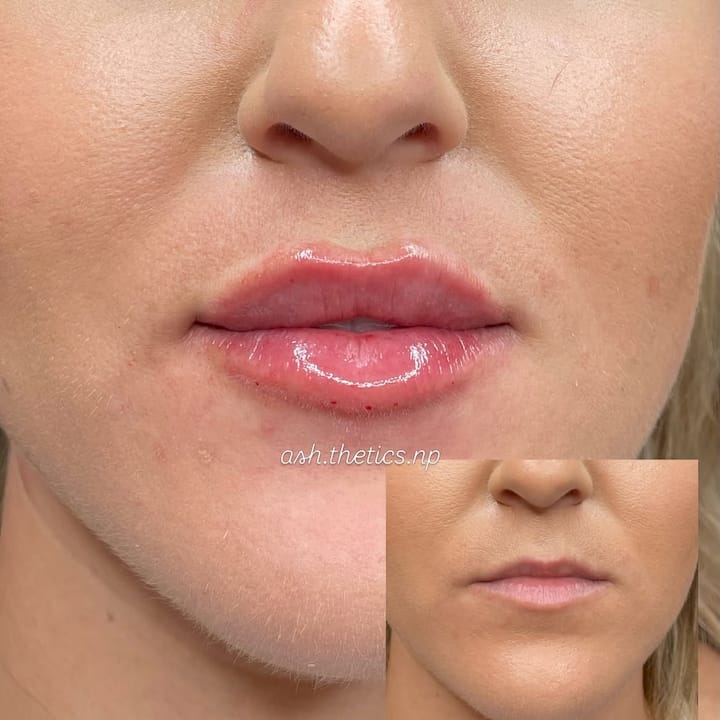
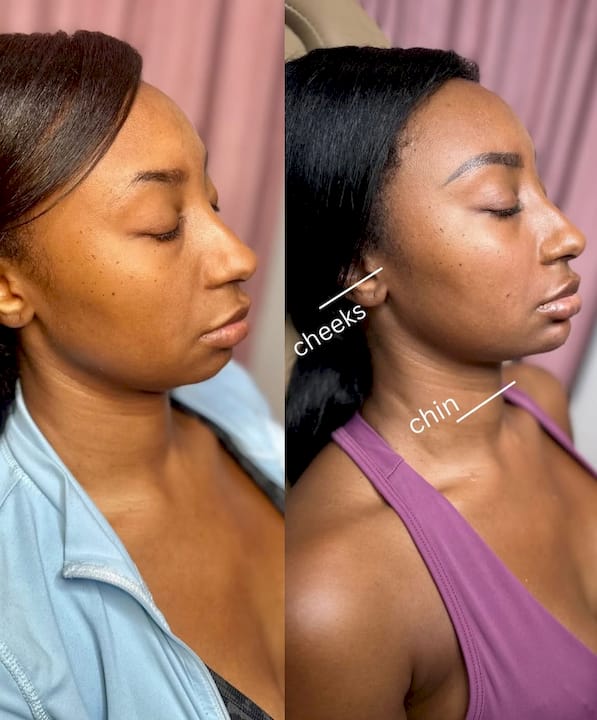
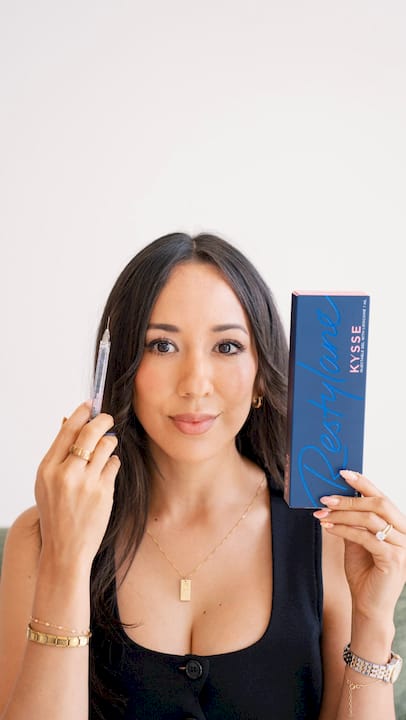
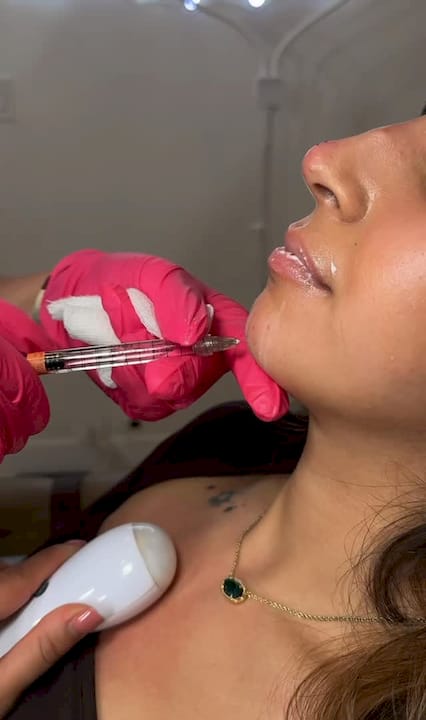
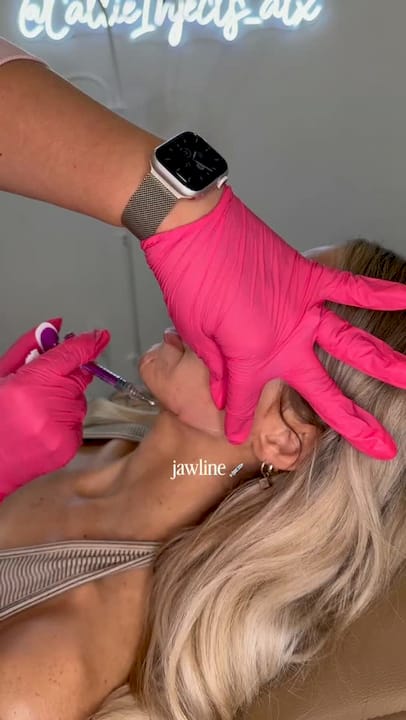
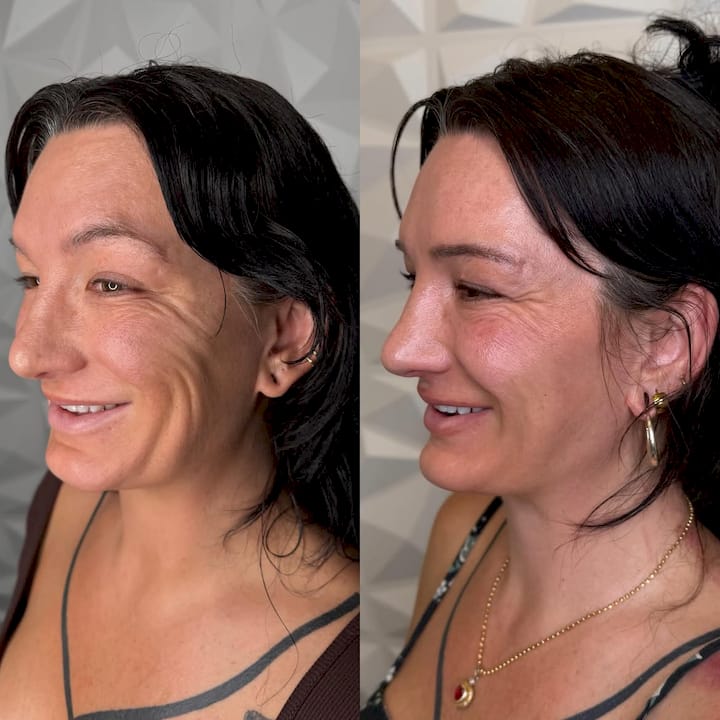
Looking older than you feel often starts with marionette lines, the vertical wrinkles stretching from your mouth to your chin. These lines not only signal aging but can make your face appear tired and less vibrant, especially as you approach your forties. Figuring out how to tackle them can feel overwhelming with all the available treatments and skincare advice.
This list breaks down the most effective solutions and explains exactly how different fillers and treatments work. You’ll discover actionable steps for making informed choices based on your skin type, goals, and the latest advances in facial rejuvenation. Get ready to learn what causes marionette lines and find out which options actually deliver natural-looking results that last.
Table of Contents
Quick Summary
| Key Insight | Explanation |
| 1. Protect skin early to delay lines | Start using daily sunscreen and hydration in your 30s to slow marionette line development. Early prevention can significantly reduce future wrinkles. |
| 2. Hyaluronic Acid fillers provide instant results | HA fillers restore volume and smooth wrinkles with minimal invasion, usually offering immediate improvements that last six months to over a year. |
| 3. Choose fillers based on skin type | Understand your skin characteristics to select an appropriate filler; matching the product to your unique needs maximizes effectiveness and aesthetic results. |
| 4. Consult with experienced professionals | Collaborating with board-certified plastic surgeons ensures a tailored treatment plan, enhancing the chances of achieving desired results in facial rejuvenation. |
| 5. Consider long-term fillers for deeper lines | Options like PMMA and CaHA fillers offer lasting results and stimulate natural collagen production, improving skin over time rather than just providing temporary volume. |
1. Understanding Marionette Lines and Their Causes
Marionette lines are those telltale vertical wrinkles that start at the corners of your mouth and extend down toward your chin. These subtle yet significant facial lines can make you look older and more tired than you feel.
As we age, our face undergoes several changes that contribute to the formation of these distinctive wrinkles. Here are the primary factors driving marionette line development:
-
Collagen and elastin depletion: Natural protein breakdown reduces skin elasticity
-
Sun exposure: Ultraviolet damage accelerates skin aging
-
Repeated facial movements: Years of smiling and expressing emotions create permanent lines
-
Genetic predisposition: Some individuals are more prone to deep marionette lines
Facial tissue relaxation occurs gradually, causing skin to lose its youthful firmness and resilience. Typically, these lines become more noticeable around age 40 as the supporting facial structures begin to weaken.
Marionette lines are not just a cosmetic concern but a natural part of the aging process that reflects your life’s experiences.
Understanding the underlying causes helps you make informed decisions about potential treatments. Whether through preventative skincare or professional interventions, you have options to manage and minimize their appearance.
Pro tip: Start protecting your skin in your 30s with daily sunscreen and hydration to slow down marionette line development.
2. Why Hyaluronic Acid Fillers Are Popular Choices
Hyaluronic acid (HA) fillers have become the go-to solution for women seeking natural-looking facial rejuvenation. These innovative treatments offer a powerful way to restore volume and smooth out marionette lines with minimal invasiveness.
What makes HA fillers so remarkable is their unique composition. Naturally occurring in human skin, hyaluronic acid provides several key benefits:
-
Immediate volume restoration for sunken facial areas
-
Hydration boost that plumps skin from within
-
Flexible and natural-looking results
-
Minimal risk of adverse reactions
-
Reversible treatment option
The science behind HA fillers is straightforward. These gel-like substances mimic your body’s own hydrating compounds, integrating seamlessly with existing facial tissues. They work by attracting moisture and creating a cushioning effect that smooths out wrinkles and restores lost volume.
Hyaluronic acid fillers represent a sophisticated approach to non-surgical facial rejuvenation.
Results from HA fillers typically last between six months to over a year, depending on the specific product and individual metabolic factors. The treatment is relatively quick, with most procedures taking less than an hour and providing immediate visible improvements.
Pro tip: Choose an experienced aesthetic professional who understands facial anatomy to ensure the most natural and balanced HA filler results.
3. Exploring Calcium Hydroxylapatite Fillers for Lasting Results
Calcium hydroxylapatite (CaHA) fillers represent a sophisticated solution for women seeking more durable facial rejuvenation. These advanced dermal treatments offer a unique approach to addressing marionette lines with long-lasting volume restoration.
Mineral-like compounds naturally found in human bones make CaHA fillers particularly effective for facial contouring. They provide several distinct advantages:
-
Longer-lasting volume restoration
-
Natural collagen stimulation
-
Smoother facial contours
-
Minimal risk of allergic reactions
-
Gradual and subtle enhancement
Unlike hyaluronic acid fillers that simply fill spaces, CaHA fillers work by stimulating your body’s natural collagen production. This means the results continue to improve over time as your skin generates new supportive tissue.
Calcium hydroxylapatite fillers offer a dynamic approach to facial rejuvenation that goes beyond traditional volume replacement.
The treatment is particularly effective for moderate-to-severe facial creases such as marionette lines. Patients typically see results lasting approximately one year, with some experiencing even longer-lasting improvements depending on individual skin characteristics.
Pro tip: Consult with an experienced aesthetic professional who can evaluate your specific facial structure and recommend the most appropriate CaHA filler technique.
4. Benefits of Poly-L-Lactic Acid Fillers for Collagen Boost
Poly-L-lactic acid (PLLA) fillers represent a cutting-edge approach to facial rejuvenation that goes beyond traditional volume replacement. These innovative treatments offer a unique solution for women seeking gradual yet transformative skin improvements.
Biodegradable synthetic polymers work by stimulating your body’s natural collagen production. PLLA fillers provide several remarkable advantages:
-
Gradual volume restoration
-
Long-lasting collagen stimulation
-
Natural-looking facial enhancement
-
Improved skin elasticity
-
Progressive results over time
Unlike instant fillers that immediately plump the skin, PLLA takes a more strategic approach. The treatment triggers your body’s own healing mechanisms, encouraging new collagen formation that continues to improve your skin’s appearance for up to two years.
Poly-L-lactic acid fillers represent a powerful biostimulation technique that rejuvenates skin from within.
Patients typically require multiple treatment sessions spaced several months apart. This approach allows for a subtle, natural progression of results that doesn’t look artificially sudden or dramatic.
Pro tip: Schedule a comprehensive consultation to determine the optimal treatment plan and number of PLLA sessions needed for your specific facial structure and aesthetic goals.
5. Key Advantages of PMMA Fillers for Deep Lines
PMMA fillers represent a sophisticated solution for women battling deep marionette lines and seeking long-lasting facial rejuvenation. These advanced dermal treatments offer a unique approach to addressing stubborn facial wrinkles with remarkable precision.
Microspheres suspended in collagen gel provide an innovative strategy for facial volume restoration. PMMA fillers deliver several distinctive benefits:
-
Semi-permanent volume enhancement
-
Immediate structural support
-
Progressive collagen stimulation
-
Excellent for deep wrinkle correction
-
Natural-looking facial contouring
Unlike temporary fillers that quickly dissolve, PMMA microspheres remain in place to continuously stimulate your body’s natural collagen production. This means your results improve and become more refined over several months, creating a subtle yet transformative effect.
PMMA fillers represent a strategic approach to facial rejuvenation that works with your body’s natural healing mechanisms.
Patients typically require multiple treatment sessions to achieve optimal results. The gradual nature of PMMA fillers ensures that changes appear natural and harmonious with your existing facial structure.
Pro tip: Consult an experienced aesthetic professional who specializes in advanced filler techniques to determine the most appropriate PMMA treatment plan for your specific facial anatomy.
6. How to Choose the Right Filler for Your Skin Type
Selecting the perfect dermal filler is like finding your ideal skincare match. Your unique skin characteristics, aesthetic goals, and facial structure play crucial roles in determining the most effective treatment.
Personalized filler selection requires understanding your specific skin needs. Consider these key factors when evaluating your options:
-
Skin thickness and elasticity
-
Depth of existing wrinkles
-
Desired treatment longevity
-
Individual healing characteristics
-
Specific aesthetic objectives
Different filler types address unique concerns. Hyaluronic acid works best for fine lines and hydration, while calcium hydroxylapatite targets deeper wrinkles. Poly-L-lactic acid provides gradual collagen stimulation, and PMMA offers more permanent solutions for specific cases.
The right filler is a personalized solution that enhances your natural beauty, not a one-size-fits-all approach.
Your skin type influences filler performance. Thicker skin might require more robust formulations, while sensitive skin demands gentler approaches. Always consult with a professional who can assess your individual needs.
Pro tip: Schedule a comprehensive consultation with an aesthetic professional who can perform a detailed skin analysis and recommend the most suitable filler for your unique facial characteristics.
7. Consulting with Experts for Personalized Filler Plans
Choosing the right aesthetic professional can make the difference between transformative results and disappointing outcomes. Your marionette line treatment requires a nuanced approach that only an experienced expert can provide.
Board-certified plastic surgeons understand the intricate details of facial anatomy and personalized treatment strategies. During a comprehensive consultation, expect to discuss:
-
Detailed medical history review
-
Facial structure assessment
-
Aesthetic goal identification
-
Customized treatment recommendation
-
Risk and expectation management
A thorough consultation goes beyond simply selecting a filler. Your expert injector will evaluate skin condition, aging patterns, and individual facial dynamics to create a tailored approach that addresses your specific concerns.
Expert consultation transforms dermal filler treatments from generic procedures to personalized aesthetic solutions.
The consultation process typically involves discussing your medical history, examining your facial structure, and understanding your unique aesthetic objectives. This comprehensive approach ensures safe, effective, and natural-looking results.
Pro tip: Prepare a list of questions and bring photographs showing your desired aesthetic outcome to help your aesthetic professional understand your goals precisely.
Below is a comprehensive table summarizing the understanding and treatment options for marionette lines as detailed in the article.
| Aspect | Details | Additional Information |
| What are Marionette Lines? | Vertical wrinkles extending from the mouth corners to the chin. | Often associated with aging and facial expressions. |
| Causes | Loss of collagen and elastin, sun exposure, frequent facial movements, and genetics. | Maintenance and protection can slow their progression. |
| HA Fillers | Restore volume and hydrate skin. | Results are immediate and can last up to one year. |
| CaHA Fillers | Stimulate collagen production for sustained volume increase. | Results improve over time and last about a year or more. |
| PLLA Fillers | Gradual collagen-stimulating treatments. | Improvements continue gradually and can last up to two years. |
| PMMA Fillers | Provide semi-permanent solutions with collagen stimulation properties. | Require multiple sessions for optimal natural-looking results. |
| Choosing the Right Filler | Factors include skin thickness, wrinkle depth, and desired longevity. | Ensure consultation with a professional to determine fit. |
| Consultation Process | Discuss medical history, facial structure, and aesthetics goals during consultation with professionals. | Essential for personalized, safe, and effective treatments. |
Discover Your Perfect Solution for Marionette Lines at The Injection Room
Marionette lines can deeply affect how you feel about your appearance, making you look older or more tired. If you are searching for the best filler to restore youthful contours and smooth these lines naturally, understanding the right option for your skin type and aging concerns is essential. Whether it is hyaluronic acid for soft volume, calcium hydroxylapatite for long-lasting results, or advanced fillers like PMMA, selecting the right treatment requires expert guidance.
At The Injection Room, we specialize in personalized aesthetic treatments that address marionette lines with precision and care. Our experienced professionals offer comprehensive consultations to create a custom plan including dermal fillers, neurotoxin treatments, and other rejuvenating procedures designed specifically for your unique facial structure. Start your journey toward a refreshed and confident look today by exploring The Injection Room and scheduling your consultation. Don’t wait to revitalize your appearance with the most effective and natural-looking filler treatments available.
Frequently Asked Questions
What are the main types of fillers for treating marionette lines?
Hyaluronic Acid, Calcium Hydroxylapatite, Poly-L-Lactic Acid, and PMMA are the primary types of fillers used to treat marionette lines. Each type has unique properties, particularly in terms of longevity and how they stimulate collagen production. Consider consulting a professional to determine which filler best suits your skin type and aesthetic goals.
How long do results from marionette line fillers typically last?
Results from fillers vary by type: Hyaluronic Acid fillers last about six months to a year, while Calcium Hydroxylapatite can last up to a year or more. Assess your options with a qualified provider to understand your specific expected outcomes based on the filler you choose.
What should I consider when choosing a filler for my marionette lines?
Consider factors such as your skin type, the depth of your wrinkles, and how long you wish the results to last. Evaluate your individual aesthetic goals and discuss these with an experienced aesthetic professional who can recommend the most suitable option for your needs.
How many treatment sessions will I need for optimal results?
Many fillers, like Poly-L-Lactic Acid and PMMA, may require multiple sessions spaced several months apart to achieve the best results. Plan on discussing with your provider the number of sessions necessary to meet your specific aesthetic objectives and desired timeline.
Are there any risks associated with fillers for marionette lines?
Like any medical procedure, fillers come with potential risks such as swelling, bruising, or allergic reactions. To minimize these risks, choose a knowledgeable and experienced aesthetic professional for your treatment.
How can I prepare for my consultation about fillers for marionette lines?
Prepare by writing down your aesthetic goals and any questions you may have about the procedure, including risks and recovery time. Bring along any photographs that represent the look you aim to achieve, which can help your provider understand your expectations clearly.

%20Pictures%20are%204%20weeks%20apart..jpg)