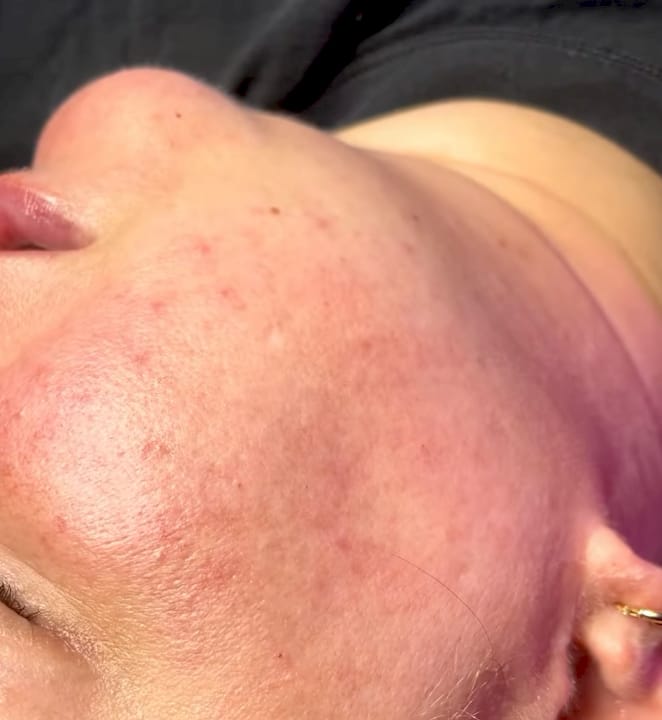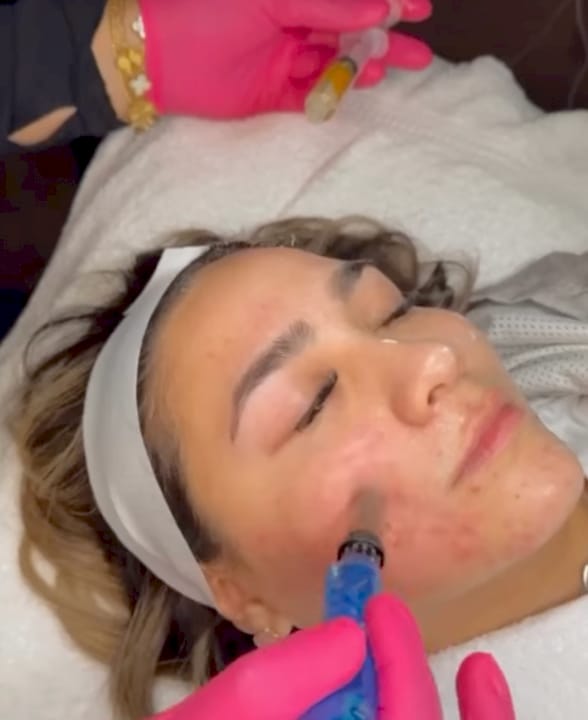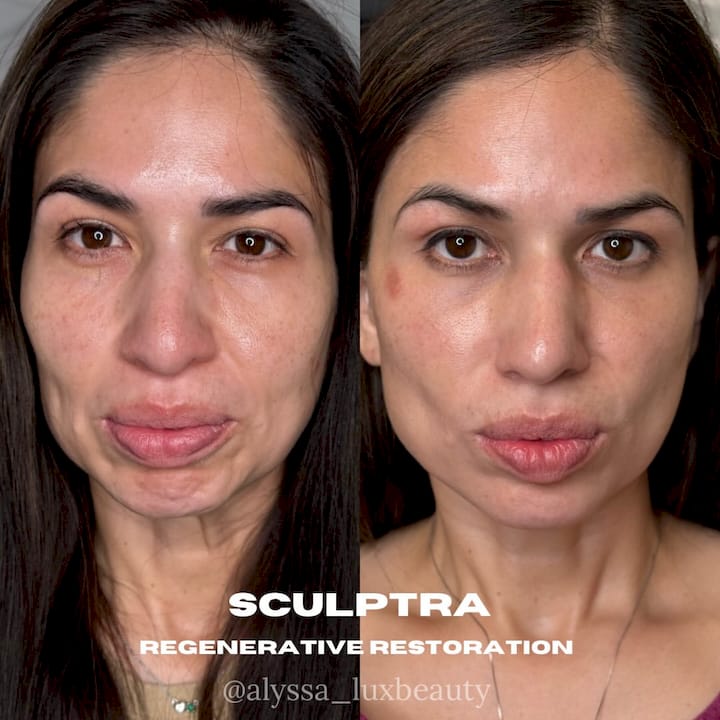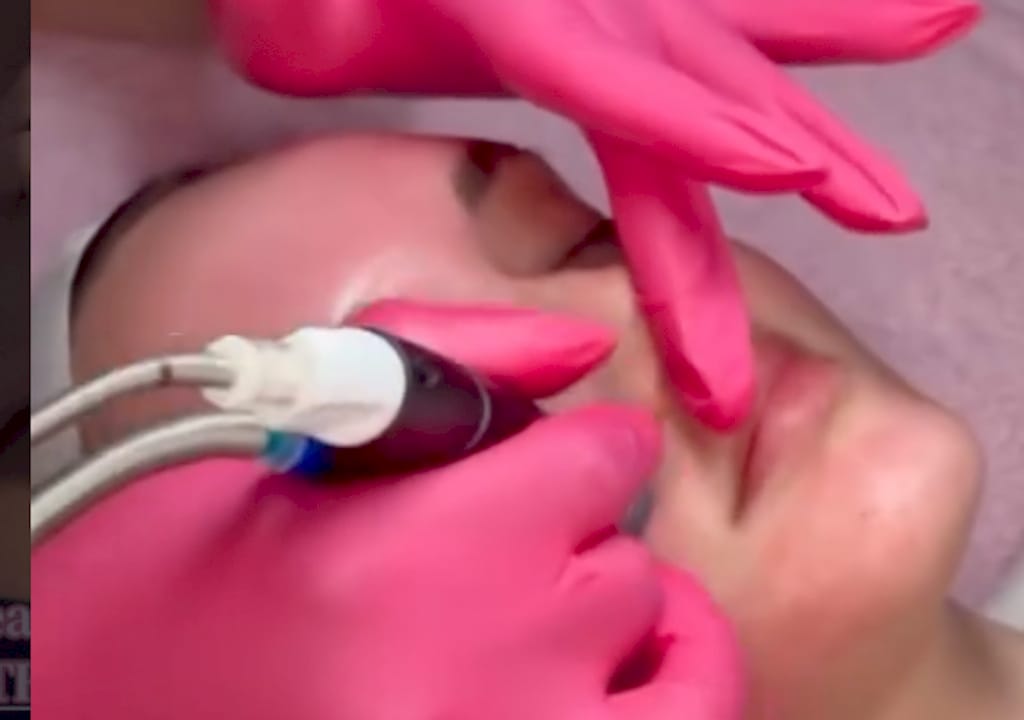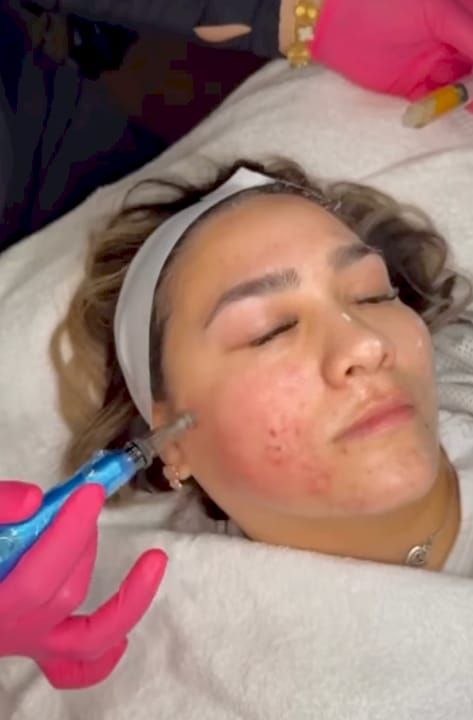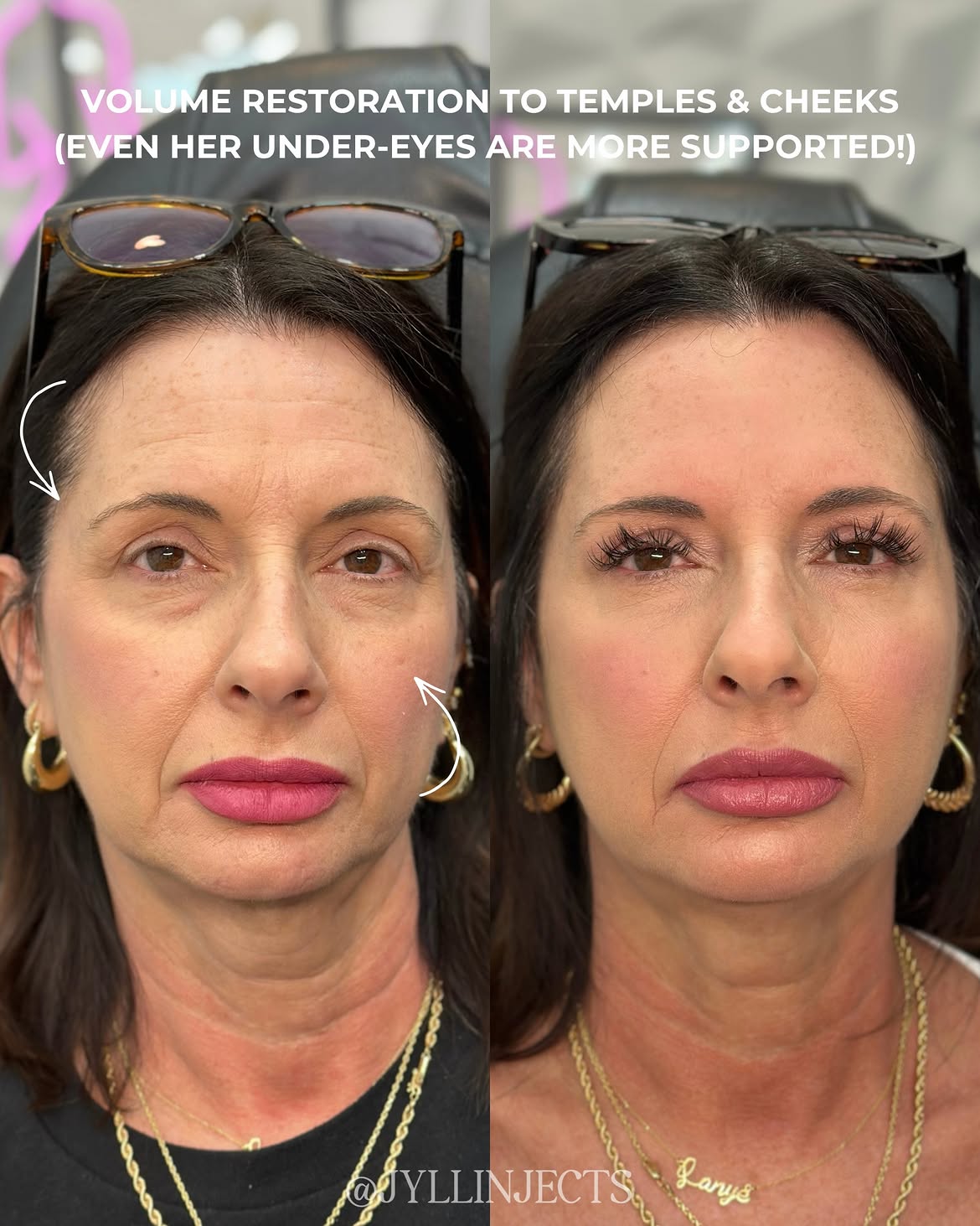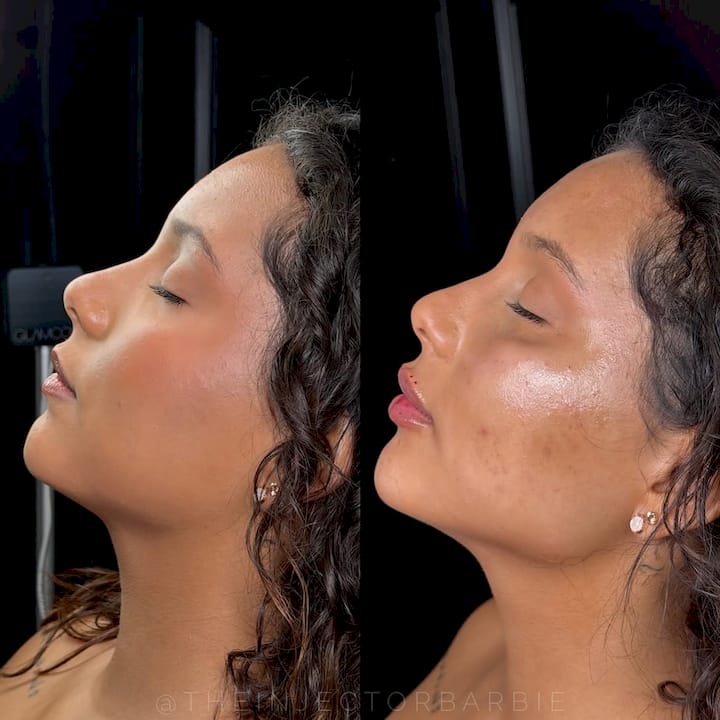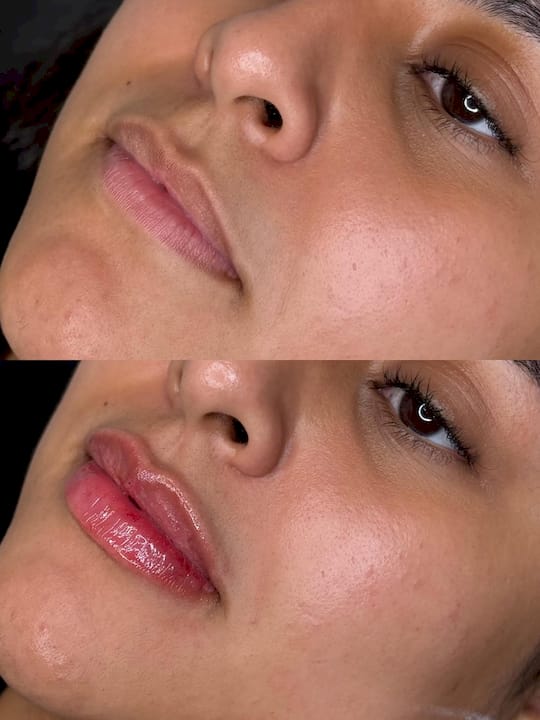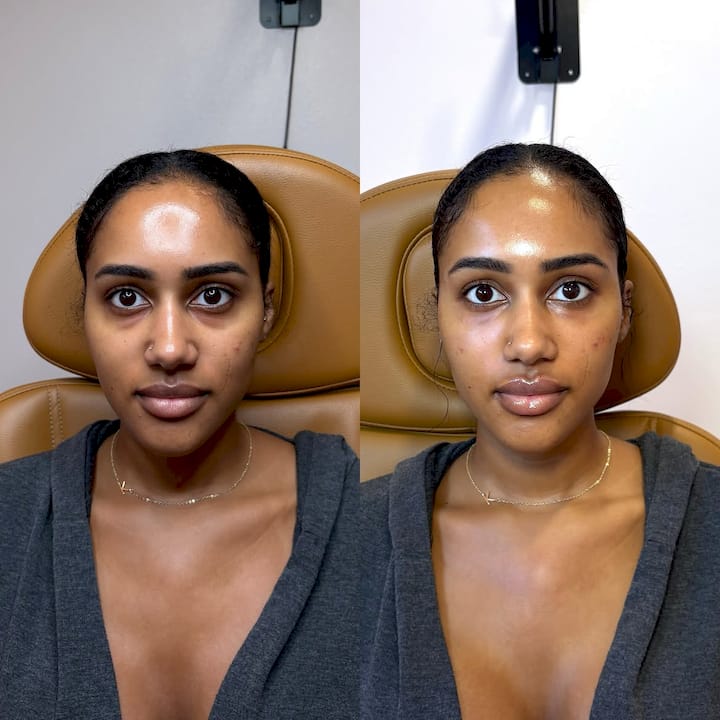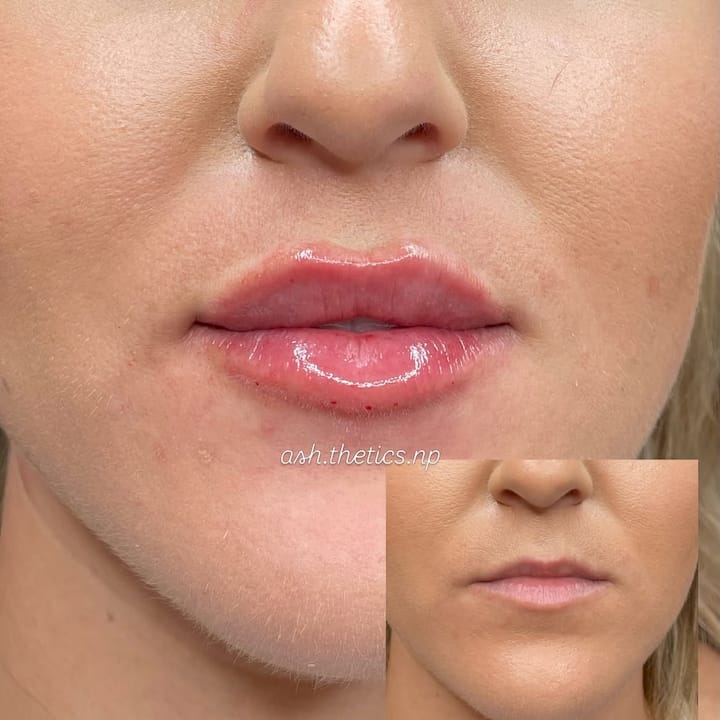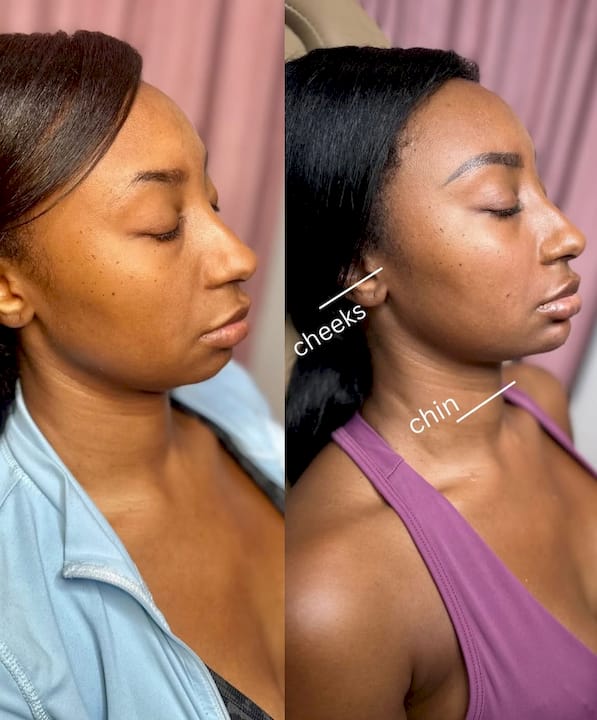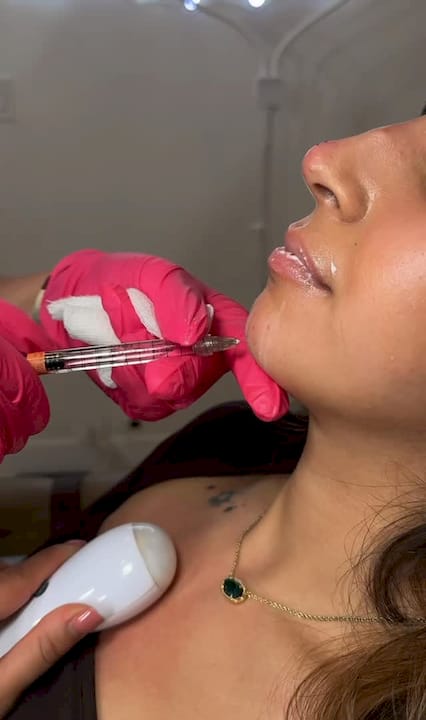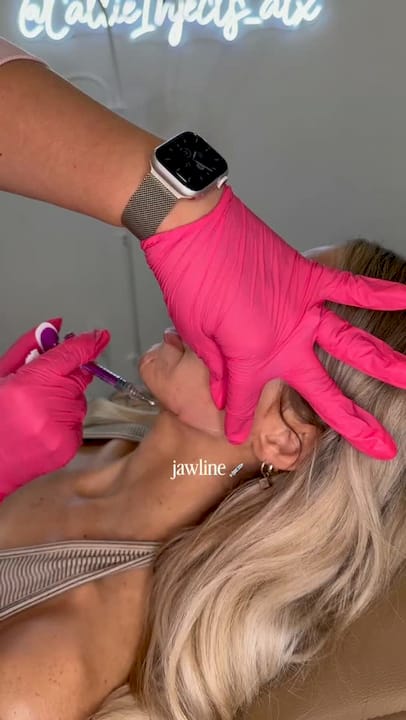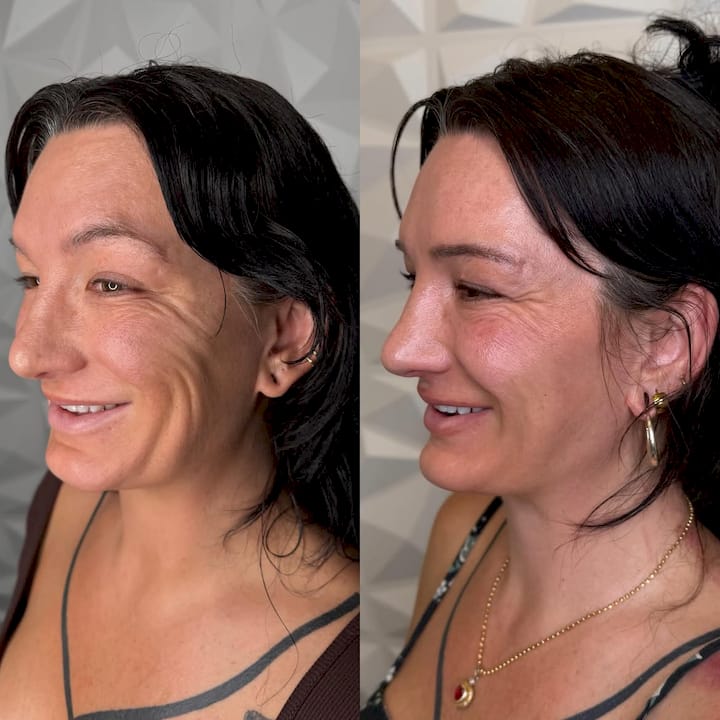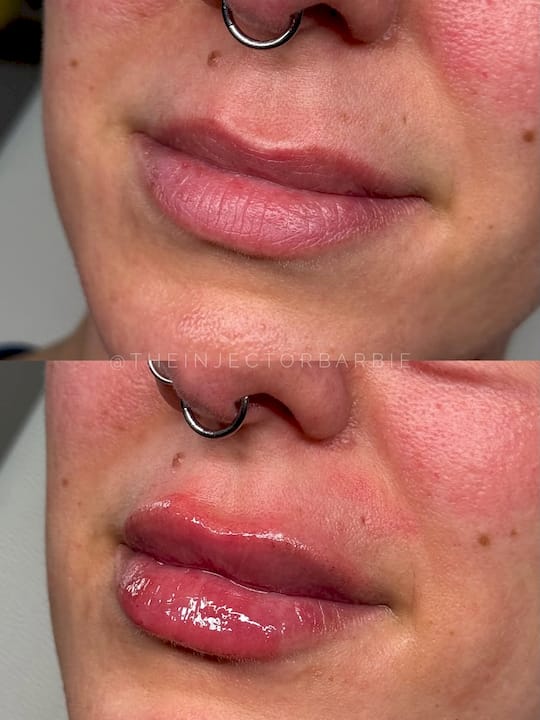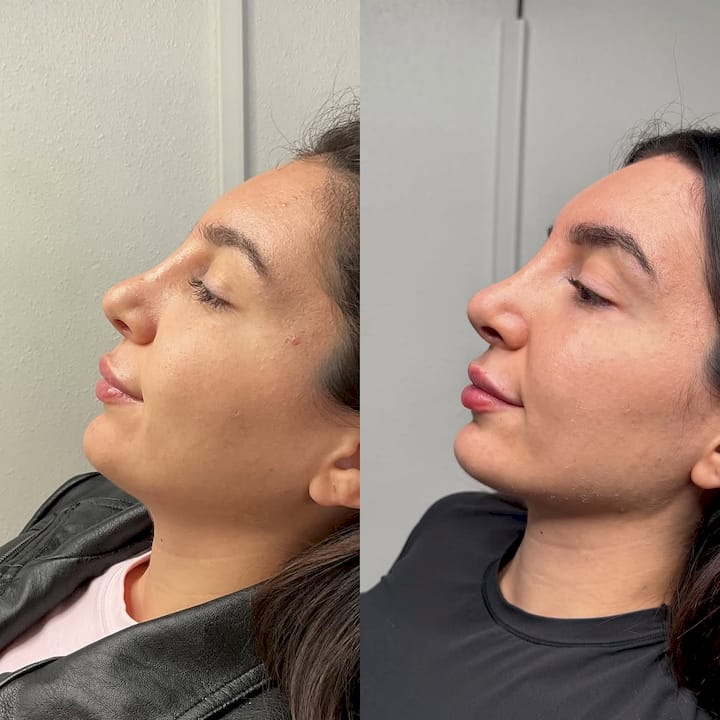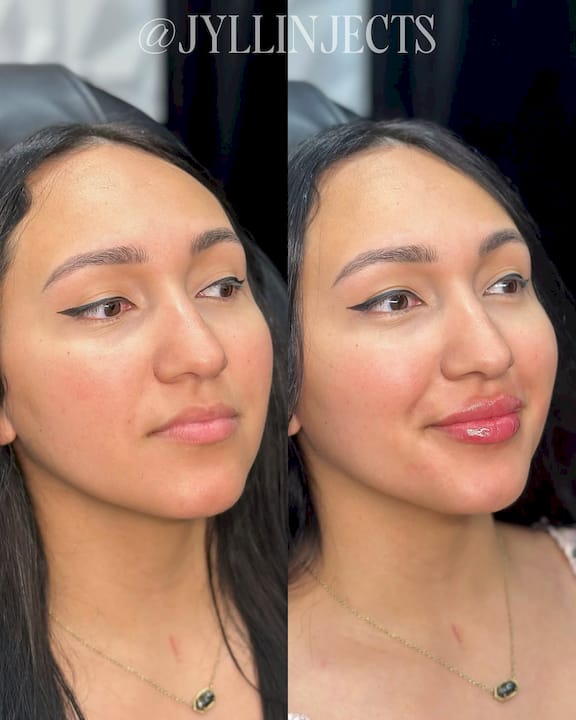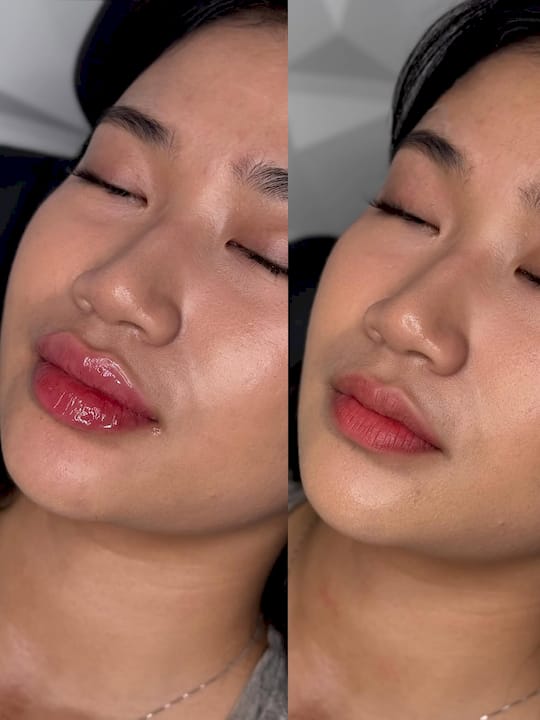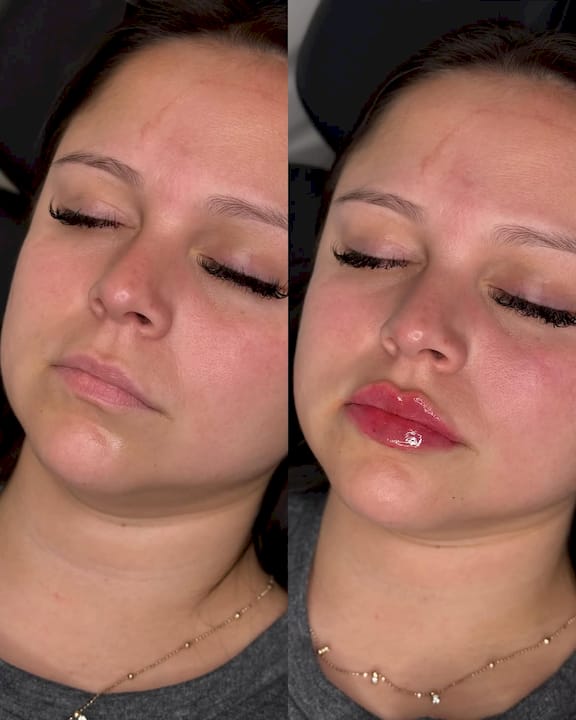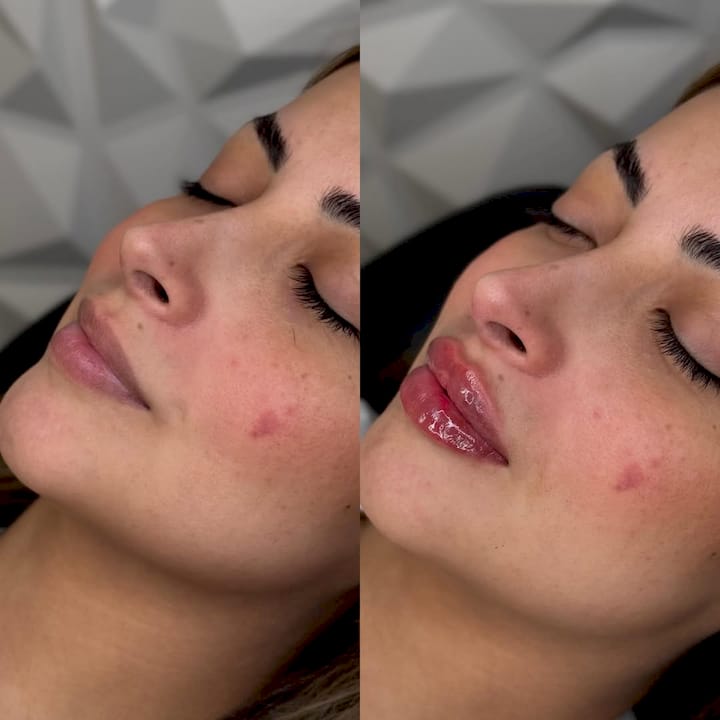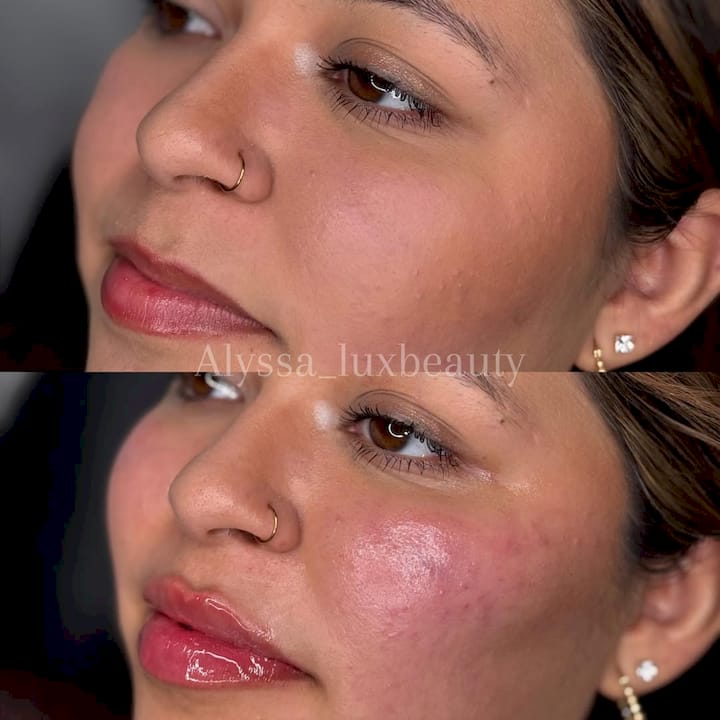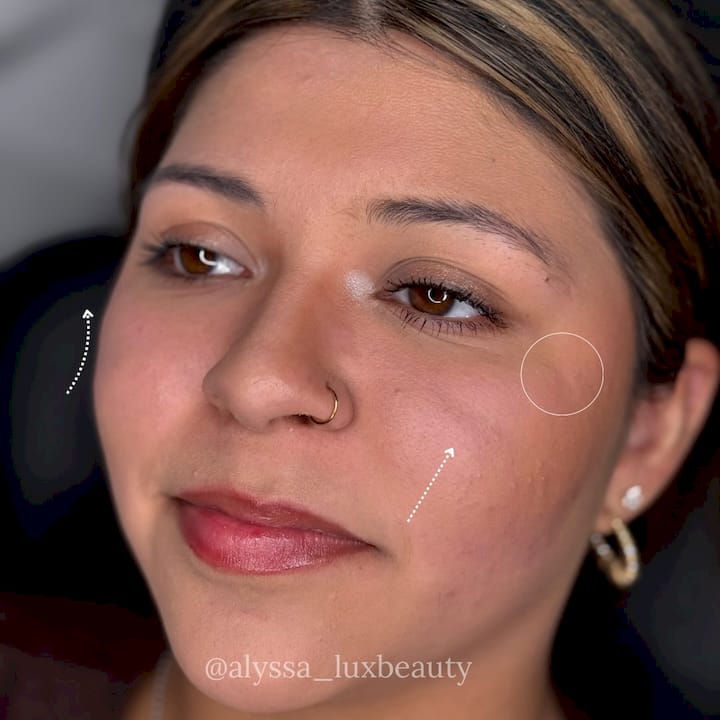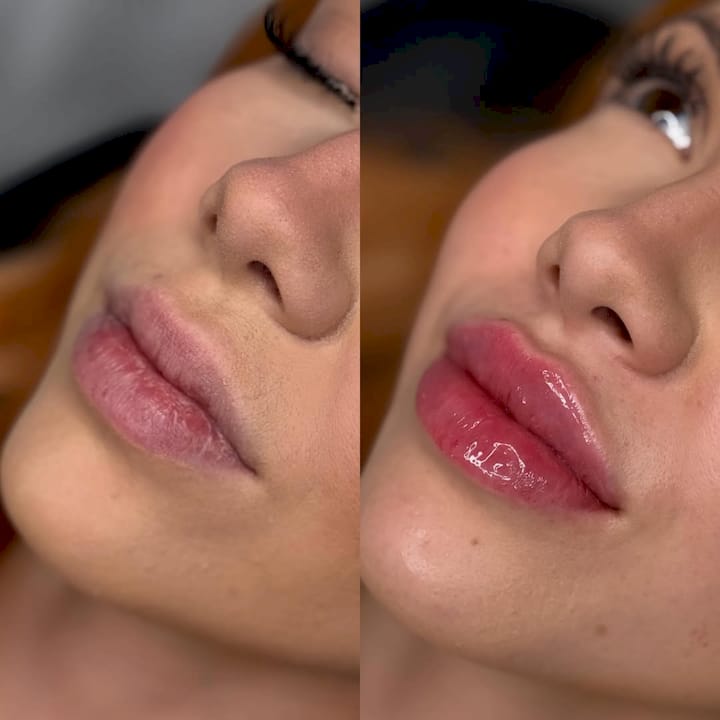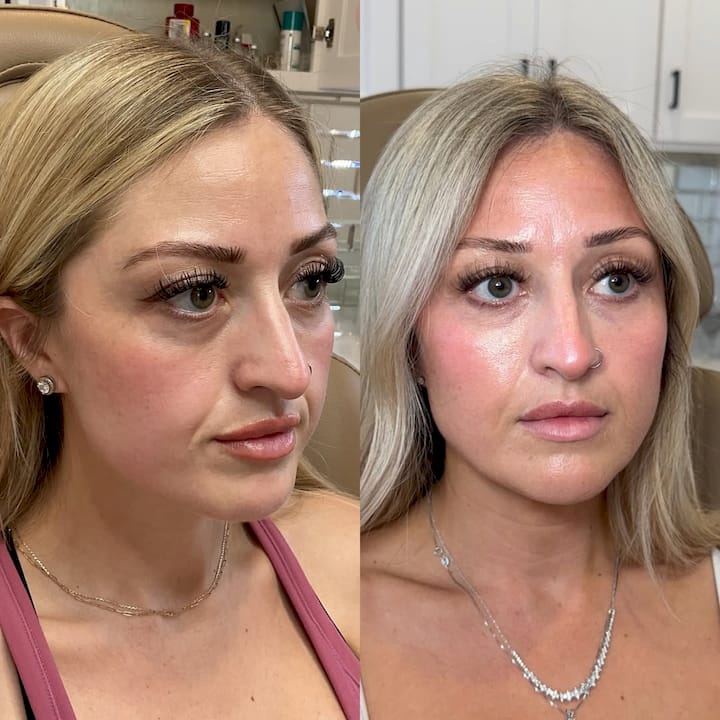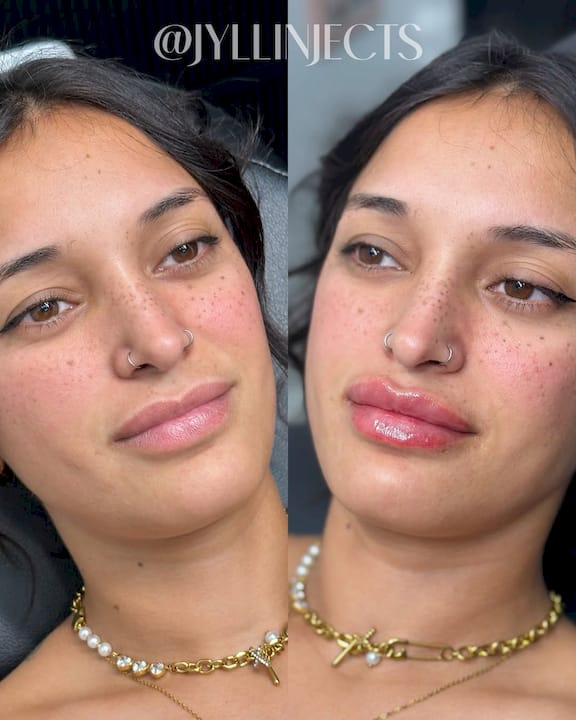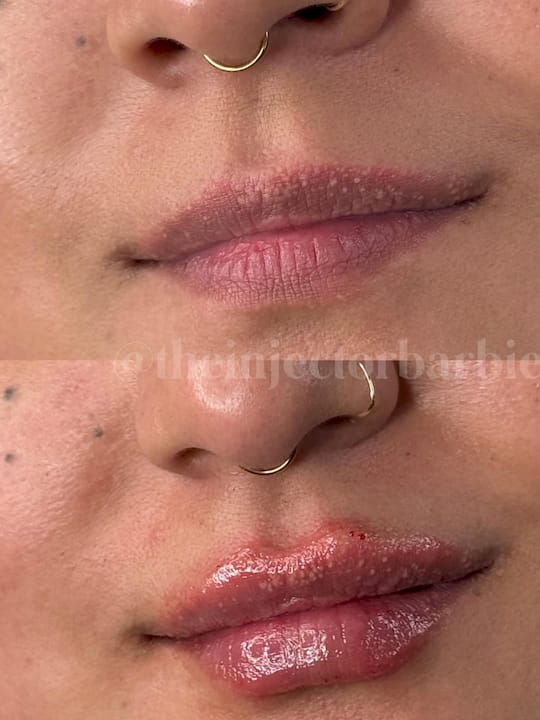
The four primary injection types used in cosmetic and medical treatments are neurotoxin injections, dermal fillers, biostimulatory fillers, and combination therapies. Each serves a distinct purpose, targets different concerns, and delivers results on its own timeline. Knowing the difference between these 4 different types of injections helps you walk into a consultation with realistic expectations and the right questions. Whether you’re curious about softening forehead lines, restoring cheek volume, or building collagen over time, the type of injection you choose determines everything about your outcome.
1. What are the 4 different types of injections?
The four main injection categories in cosmetic medicine are neurotoxins, hyaluronic acid dermal fillers, biostimulatory fillers, and combination treatments. Each works through a different mechanism and addresses a different kind of facial concern. Neurotoxins relax muscles. Fillers add volume. Biostimulatory fillers trigger your body’s own collagen production. Combination treatments pair two or more of these approaches for results that neither could achieve alone. Understanding these distinctions is the foundation of any good treatment plan.
2. Neurotoxin injections: how they work and what they treat
Neurotoxin injections are the most widely recognized injection type in cosmetic medicine. They work by relaxing overactive facial muscles to reduce dynamic wrinkles, which are the lines that form when you move your face. Brands like Botox, Dysport, and Xeomin all use botulinum toxin as their active ingredient, though they differ slightly in formulation and diffusion.
Common treatment areas include the forehead, the glabellar lines between the brows (often called “elevens”), and crow’s feet at the outer corners of the eyes. Results take about 2 weeks to fully develop and typically last 3–4 months. That timeline means most patients schedule three to four sessions per year to maintain their results.
Neurotoxins are priced per unit injected, so cost varies based on how many units your anatomy requires. Side effects are generally mild: minor bruising, temporary redness, or a slight headache. Serious complications are rare when treatment is performed by a trained provider.
-
Treats: forehead lines, crow’s feet, glabellar lines, brow lifting, tech neck lines
-
Onset: visible improvement within 3–7 days, full effect at 2 weeks
-
Duration: 3–4 months on average
-
Priced per unit injected
-
Side effects: mild bruising, redness, temporary headache
Pro Tip: Start with a conservative number of units on your first visit. A “less is more” approach lets your provider observe how your anatomy responds before adding more. Over-injecting is harder to reverse than under-injecting.
For a deeper look at how neurotoxin options compare, Theinjectionroom has a detailed breakdown of neurotoxin types and benefits worth reading before your first appointment.
3. Dermal fillers: restoring volume and contour
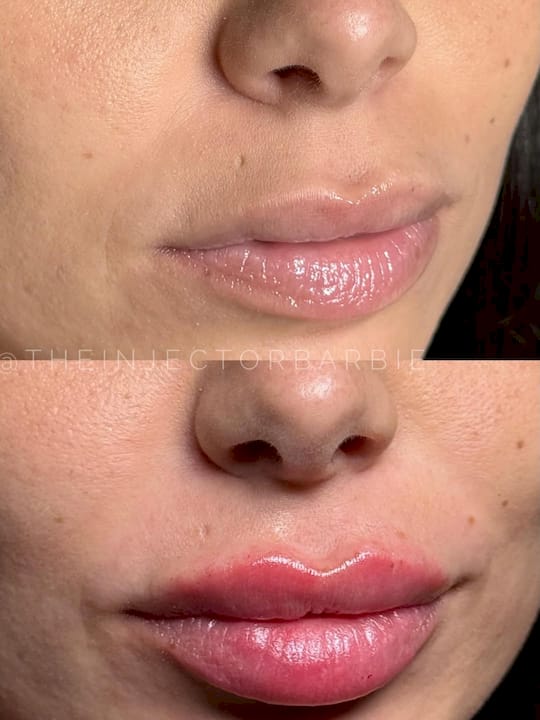
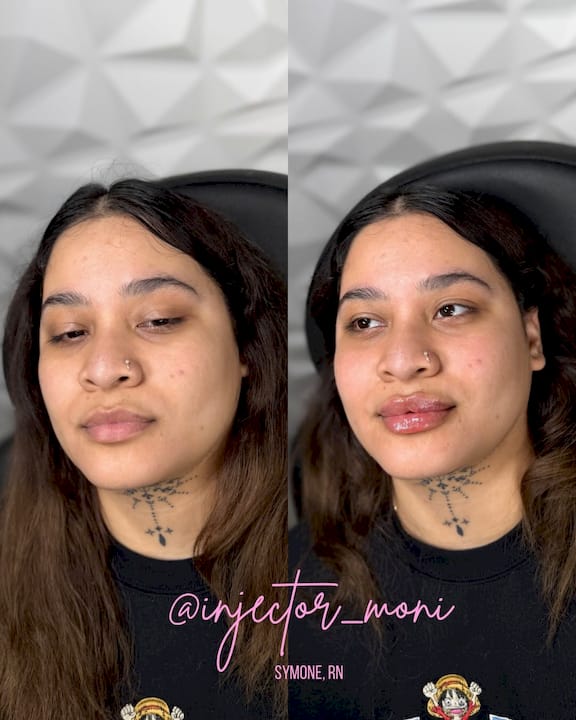
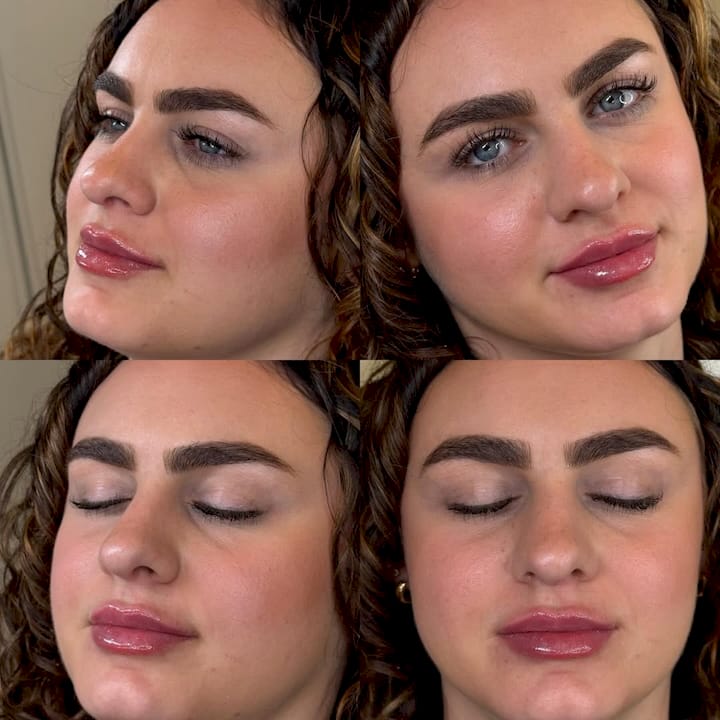
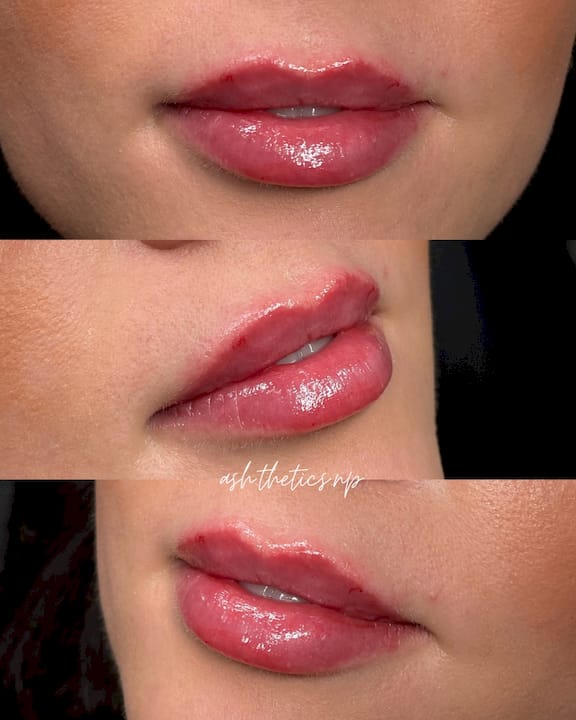
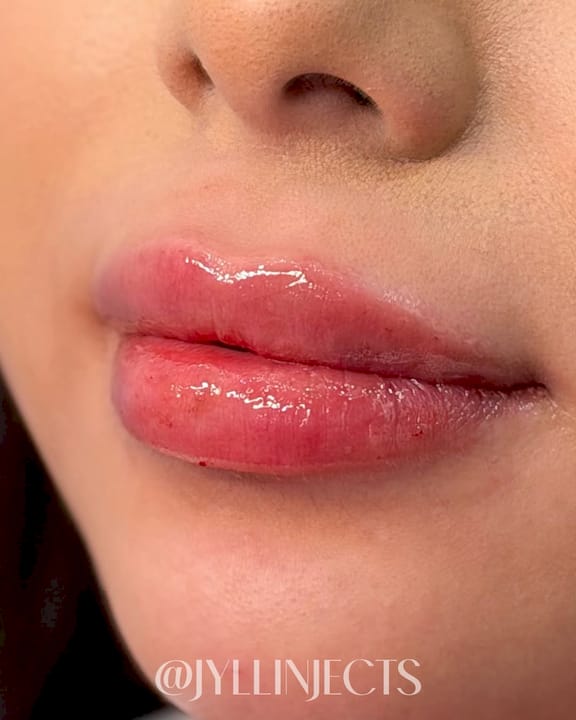
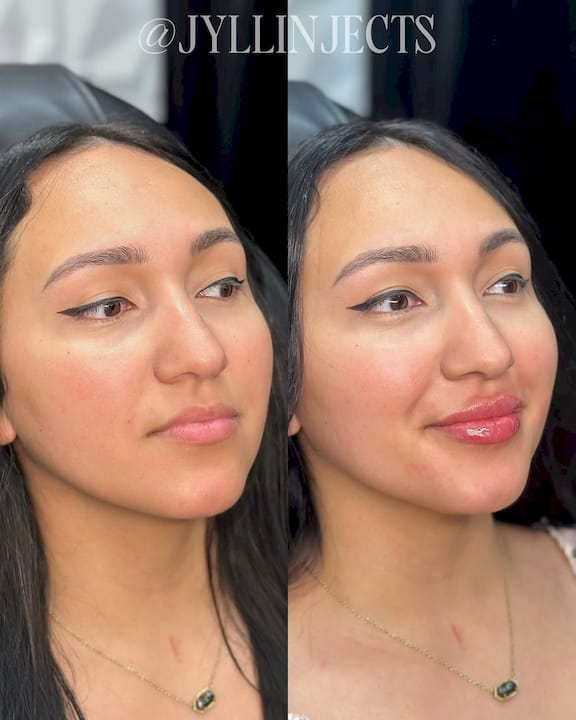
Dermal fillers work differently from neurotoxins. Botox reduces muscle activity; dermal fillers add volume beneath the skin, treating static wrinkles and volume loss that exist regardless of facial movement. The most common filler material is hyaluronic acid, a substance naturally found in the body that attracts and holds water to create a plumping effect.
Fillers deliver immediate results that settle over 1–2 weeks as swelling resolves and the product integrates with surrounding tissue. This makes them the go-to choice when patients want visible change quickly. Longevity depends on the product used and the treatment area, but most hyaluronic acid fillers last 6–18 months.
Typical treatment areas include the lips, cheeks, jawline, chin, nasolabial folds, and under-eye hollows. A non-surgical nose job using filler is also a popular option for reshaping the nose without surgery. Filler costs range from $500 to $1,200 per syringe, and multiple syringes are often needed for noticeable changes in areas like the cheeks or jawline.
-
Treats: lip volume, cheek fullness, jawline definition, nasolabial folds, under-eye hollows
-
Results: immediate, with final appearance settling in 1–2 weeks
-
Duration: 6–18 months depending on product and area
-
Cost: $500–$1,200 per syringe
-
Side effects: swelling, bruising, tenderness lasting 3–5 days
Recovery is minimal for most filler treatments. Mild redness or swelling typically lasts 3–5 days, though lip injections may take slightly longer to fully settle. Hyaluronic acid fillers have the added safety advantage of being reversible with an enzyme called hyaluronidase if a correction is needed.
4. Biostimulatory fillers: collagen stimulation and long-term results
Biostimulatory fillers represent a fundamentally different approach to facial rejuvenation. Rather than adding a foreign substance to create volume, they stimulate your body’s own collagen production. The most well-known biostimulatory filler is Sculptra, which uses poly-L-lactic acid (PLLA) as its active ingredient.
Results from biostimulatory fillers last between 2 to 5 years and require multiple treatment sessions to achieve. The change is gradual, which is actually a feature rather than a flaw. Because collagen builds slowly and naturally, the results look organic rather than sudden. Patients who want a subtle, long-term improvement without the “done” look often prefer this approach.
The treatment process typically involves two to three sessions spaced several weeks apart. Each session deposits the biostimulatory agent into targeted areas, and collagen growth continues for months after the final session. This makes Sculptra particularly effective for restoring volume in the cheeks, temples, and jawline where age-related collagen loss is most visible.
-
Treats: volume loss in cheeks, temples, jawline, and overall facial laxity
-
Mechanism: stimulates natural collagen production rather than adding direct volume
-
Duration: 2–5 years
-
Sessions required: typically 2–3 spaced weeks apart
-
Results: gradual, appearing over several months
Pro Tip: Biostimulatory fillers reward patience. Patients who expect immediate results are often disappointed at first, then thrilled six months later. Set that expectation clearly before your first session.
Theinjectionroom offers detailed resources on Sculptra for facial volume if you want to understand exactly how the collagen-building process works before committing to treatment.
5. Combination treatments: pairing injection types for better results
Combination therapy is the practice of using two or more injection types in the same treatment plan to address multiple concerns at once. Neurotoxins treat movement-based lines while fillers address volume loss, so pairing them produces a more balanced, natural result than either could deliver alone. A common example is treating forehead lines with Botox while adding cheek filler to restore youthful fullness.
Common pairings include Botox for forehead lines combined with lip fillers, or cheek fillers paired with masseter Botox for jawline slimming. Some patients also combine neurotoxins or fillers with Sculptra to address both immediate concerns and long-term collagen loss in the same plan. The right combination depends entirely on your anatomy, age, and treatment goals.
First injection appointments typically last 15–45 minutes, including assessment and photography to analyze facial symmetry and muscle strength. That baseline documentation matters. Assessment photos establish an objective clinical record of muscle strength, symmetry, and volume, which guides precise adjustments in future sessions.
Cosmetic injectables are medical procedures that require a thorough review of medical history before any treatment begins. Patients should disclose previous allergic reactions, neuromuscular conditions, and any medications that affect bleeding. This review is not a formality. It is the foundation of a safe treatment plan.
| Injection type | Primary effect | Duration | Sessions needed | Best for |
|---|---|---|---|---|
| Neurotoxin | Muscle relaxation | 3–4 months | 3–4 per year | Dynamic wrinkles, expression lines |
| Dermal filler | Volume addition | 6–18 months | 1–2 per year | Static wrinkles, lips, cheeks, jawline |
| Biostimulatory filler | Collagen stimulation | 2–5 years | 2–3 initial sessions | Long-term volume loss, natural results |
| Combination therapy | Multiple effects | Varies | Varies | Complex concerns, full-face rejuvenation |
For patients comparing fillers and neurotoxins side by side, Theinjectionroom’s guide on fillers vs. Botox covers the practical differences in plain language.
Key takeaways
The most effective injection treatment is the one matched precisely to your anatomy, your concern, and your timeline, not the most popular option or the one with the fastest results.
| Point | Details |
|---|---|
| Neurotoxins treat movement | They relax muscles to reduce dynamic wrinkles, lasting 3–4 months per session. |
| Fillers restore volume | Hyaluronic acid fillers deliver immediate results and last 6–18 months per syringe. |
| Biostimulators build collagen | Sculptra and similar products produce gradual results lasting 2–5 years. |
| Combination therapy adds balance | Pairing injection types addresses multiple concerns that no single treatment can resolve. |
| Safety requires full disclosure | Medical history review before treatment is not optional. It is the standard of care. |
What I’ve learned about choosing the right injection type
After seeing many patients work through this decision, the biggest mistake I observe is choosing an injection type based on what a friend had done rather than what the individual’s face actually needs. A 28-year-old with minimal volume loss and strong dynamic lines needs a very different plan than a 45-year-old with significant collagen depletion and static wrinkles. The injection type is not the starting point. The anatomy is.
The second thing I’ve come to believe strongly is that gradual results are underrated. Patients who start with biostimulatory fillers like Sculptra often feel underwhelmed at the three-month mark, then come back a year later saying it’s the best thing they ever did. The body’s own collagen looks different from injected volume. It moves naturally, it ages naturally, and it doesn’t create the “filled” appearance that puts people off injectables in the first place.
Starting conservatively is not a compromise. It’s the professional standard. A provider who pushes you toward maximum units or multiple syringes on a first visit is not reading your anatomy. They’re running a script. The right provider takes baseline photos, reviews your history, explains what each injection type does and doesn’t do, and builds a plan that fits your long-term goals, not just today’s appointment.
— Marina
Cosmetic injections at Theinjectionroom in Austin and San Antonio
Theinjectionroom offers neurotoxin treatments, dermal fillers, and biostimulatory fillers including Sculptra across its Austin and San Antonio locations. Every treatment begins with a personalized consultation that reviews your medical history, photographs your baseline, and matches the right injection type to your specific concerns. Whether you’re considering your first Botox treatment in San Antonio or exploring a longer-term collagen-building plan with Sculptra, the team at Theinjectionroom builds treatment plans around your anatomy, not a one-size approach. Appointments are available at both Texas locations.
FAQ
What are the 4 main types of cosmetic injections?
The four main types are neurotoxin injections, hyaluronic acid dermal fillers, biostimulatory fillers, and combination treatments. Each targets a different concern and works through a distinct mechanism.
How long do injection results last?
Duration varies by type: neurotoxins last 3–4 months, dermal fillers last 6–18 months, and biostimulatory fillers like Sculptra last 2–5 years. Combination treatments follow the timeline of each individual product used.
Can you get more than one type of injection at the same appointment?
Yes. Combination therapy pairs neurotoxins with fillers or biostimulatory products in the same session. Common pairings include Botox for forehead lines combined with cheek or lip fillers for a balanced result.
What injection type is best for first-time patients?
Neurotoxin injections are the most common starting point because they are temporary, reversible in effect over time, and carry a well-established safety record. A conservative first treatment lets your provider assess how your anatomy responds.
Are cosmetic injections safe?
Cosmetic injectables are medical procedures that require a full medical history review before treatment. Patients should disclose allergies, neuromuscular conditions, and blood-thinning medications to their provider before any injection session.


%20Pictures%20are%204%20weeks%20apart..jpg)