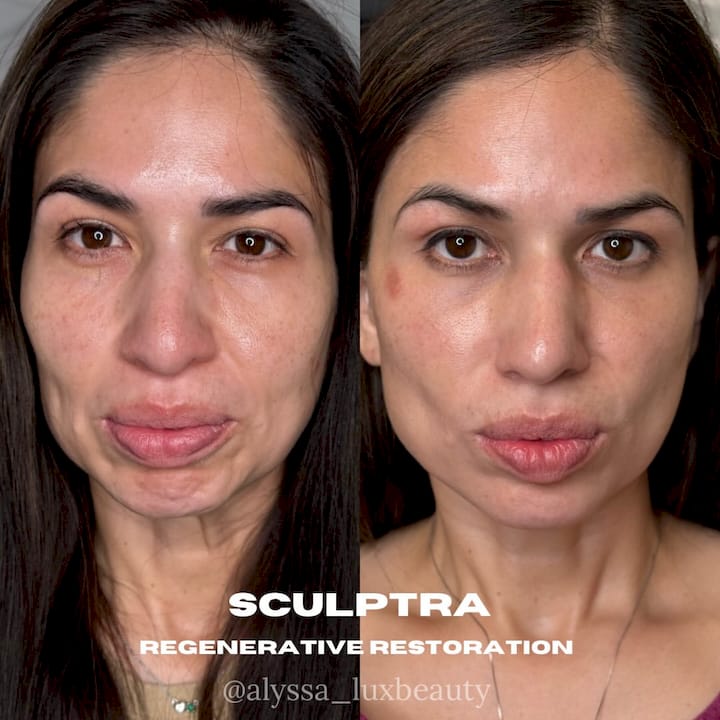
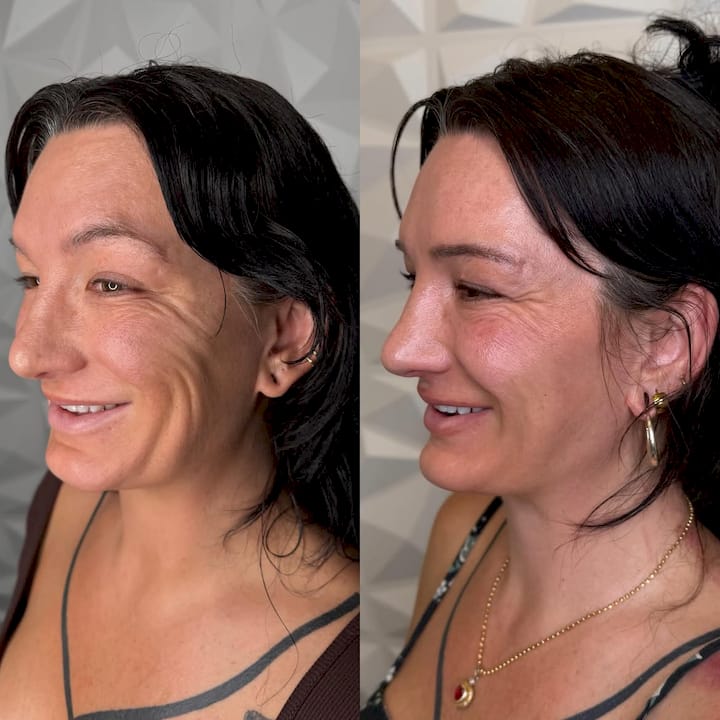
Many women believe microneedling rollers are too aggressive for home use or ineffective compared to professional treatments. Research shows these tiny-needled devices trigger powerful collagen production through controlled micro-injuries, delivering measurable skin improvements when used correctly. This guide reveals how microneedling rollers reduce wrinkles, enhance texture, fade scars, and boost product absorption, helping you make informed decisions about incorporating this evidence-backed tool into your anti-aging skincare routine.
Table of Contents
-
How Microneedling Rollers Work: Stimulating Your Skin’s Natural Renewal
-
Top Benefits Of Microneedling Rollers: Skin Texture, Wrinkles, Scars, And Hydration
-
Choosing The Right Microneedling Roller And Optimizing Your Treatment
-
Maximizing Results: Combining Microneedling Rollers With Skincare And Lifestyle
-
Explore Professional Microneedling Services In Texas For Stunning Results
-
Are There Any Risks Or Side Effects Of Using Microneedling Rollers?
-
What Should I Expect During And After A Professional Microneedling Session?
Key takeaways
| Point | Details |
| Collagen boost | Microneedling rollers stimulate collagen production through controlled micro-injuries, improving elasticity and firmness over time. |
| Multiple benefits | Reduces wrinkles, fades acne scars, enhances hydration, and improves overall skin texture with consistent use. |
| Proper technique matters | Needle length, treatment frequency every 4-6 weeks, and careful aftercare determine safety and effectiveness. |
| Enhanced absorption | Creates micro-channels that allow serums and active ingredients to penetrate deeper into skin layers. |
| Professional vs. home use | Medical-grade treatments deliver stronger results, while home rollers under 0.15mm mainly aid product absorption. |
How microneedling rollers work: stimulating your skin’s natural renewal
Microneedling rollers feature dozens of tiny surgical-grade needles arranged on a cylindrical drum. When rolled across your skin, these needles create controlled micro-injuries that penetrate the epidermis and reach the upper dermis. Your body perceives these punctures as minor wounds requiring repair.
This perceived injury activates your skin’s healing cascade. Fibroblast cells rush to the affected areas and begin producing fresh collagen and elastin, the structural proteins responsible for skin firmness and elasticity. Microneedling rollers stimulate collagen production through controlled micro-injuries, triggering this natural regeneration process without causing lasting damage.
The depth of needle penetration determines treatment intensity. Needles measuring 0.5 to 1.0mm effectively target fine lines and mild texture issues. Deeper needles around 1.5mm address more significant concerns like atrophic scars. During healing, your skin also develops new blood vessels through neovascularization, improving nutrient delivery and overall skin health.
Benefits accumulate over multiple sessions as collagen remodeling continues for months after treatment. The microneedling process explained shows how this cycle of controlled injury and repair progressively refines skin quality.
Key mechanisms include:
-
Controlled micro-injuries trigger immediate inflammatory response
-
Fibroblast activation increases collagen and elastin synthesis
-
Growth factors released during healing promote cell turnover
-
New blood vessel formation enhances nutrient circulation
-
Skin remodeling continues 6-12 months post-treatment
Pro Tip: Space treatments 4-6 weeks apart to allow complete collagen remodeling cycles. Treating too frequently interrupts this process and reduces overall effectiveness.
Top benefits of microneedling rollers: skin texture, wrinkles, scars, and hydration
Clinical evidence demonstrates measurable improvements across multiple skin concerns. Microneedling with a dermaroller significantly increases collagen and elastin production, with four monthly sessions producing a 400% increase in these proteins measurable six months after the final treatment. These structural changes translate to visible wrinkle reduction and improved firmness.
Texture refinement occurs as new collagen fills shallow depressions and smooths rough patches. Your skin becomes more uniform in appearance and feels noticeably softer to touch. Enhanced elasticity means skin bounces back more readily when pressed.
For acne scars, particularly rolling and boxcar types, microneedling for acne scars study reports show 47-65% improvement after a series of treatments. The controlled injury breaks down fibrous scar tissue while promoting organized collagen deposition that elevates depressed areas.
Hydration benefits emerge when microneedling combines with hyaluronic acid serums. Microneedling with hyaluronic acid improves skin hydration and reduces fine lines by creating micro-channels that allow the humectant to penetrate deeper layers, where it attracts and binds water molecules. This plumping effect diminishes the appearance of dehydration lines.
Comprehensive microneedling benefits and results vary by individual skin type and concern severity, but most women notice gradual improvements over 3-6 months.
| Benefit | Measurable Outcome | Timeline |
| Wrinkle reduction | 30-50% improvement in fine lines | 3-6 months |
| Collagen increase | 400% boost after 4 sessions | 6 months post-treatment |
| Scar improvement | 47-65% reduction in depth | 4-8 sessions |
| Hydration enhancement | Increased moisture retention | 1-3 months |
Pro Tip: Apply vitamin C or hyaluronic acid serum immediately after microneedling when micro-channels remain open. Absorption rates increase dramatically during the first 30 minutes post-treatment.
Choosing the right microneedling roller and optimizing your treatment
Needle length selection determines both safety and effectiveness. Home-use devices typically feature needles between 0.15mm and 1.0mm. FDA guidance on microneedling devices and needle length clarifies that needles under 0.15mm primarily enhance product absorption without triggering significant collagen production. These shorter needles suit gentle exfoliation and serum delivery.
For meaningful anti-aging benefits, needles between 0.5-1.0mm penetrate deeply enough to activate collagen synthesis while remaining relatively safe for home use. Professional treatments often employ 1.5-2.5mm needles for aggressive scar revision, but these depths require medical supervision and proper numbing.
Microneedling roller effectiveness depends on needle length and aftercare protocols, making proper technique essential. Treatment frequency matters as much as needle depth. Monthly sessions allow adequate healing time while maintaining consistent collagen stimulation.
| Needle Length | Primary Use | Collagen Effect | Recommended Frequency |
| Under 0.15mm | Serum absorption | Minimal | Weekly |
| 0.5-1.0mm | Anti-aging, fine lines | Moderate | Every 4-6 weeks |
| 1.5-2.5mm | Deep scars, stretch marks | Significant | Every 6-8 weeks (professional only) |
Proper treatment protocol:
-
Cleanse skin thoroughly with gentle, pH-balanced cleanser
-
Apply topical numbing cream if using needles over 0.5mm (wait 20-30 minutes)
-
Disinfect roller with 70% isopropyl alcohol
-
Roll vertically, horizontally, and diagonally across treatment area (4-5 passes each direction)
-
Apply hydrating serum or growth factor product immediately
-
Use broad-spectrum SPF 30+ sunscreen daily for two weeks post-treatment
-
Avoid retinol, acids, and harsh actives for 3-5 days
Purchase medical-grade titanium or stainless steel rollers from reputable manufacturers. Cheap devices often have uneven needle placement or dull points that tear rather than puncture skin cleanly. Replace rollers every 10-15 uses as needles dull with repeated sterilization.
Pro Tip: Never share microneedling devices, even after sterilization. Blood-borne pathogens can survive in microscopic crevices, creating infection risks that standard alcohol disinfection cannot eliminate.
Maximizing results: combining microneedling rollers with skincare and lifestyle
Microneedling creates temporary micro-channels that dramatically boost topical ingredient absorption. This 30-60 minute window after treatment offers peak delivery of active compounds. Hyaluronic acid molecules penetrate deeper to hydrate dermis layers. Vitamin C serums reach fibroblasts where they support collagen synthesis. Peptides access cellular targets more effectively.
Home-care functions as a meaningful response amplifier for pigmentation improvements when combined with professional treatments. Daily skincare between sessions maintains benefits and prepares skin for subsequent procedures.

Sun protection becomes critical after microneedling. Compromised skin barrier increases UV vulnerability and post-inflammatory hyperpigmentation risk. Apply mineral-based SPF 30+ sunscreen every two hours when outdoors for two weeks following treatment.
Lifestyle factors influence healing and collagen quality. Adequate hydration supports cellular repair processes. Protein intake provides amino acids necessary for collagen synthesis. Seven to eight hours of sleep nightly allows growth hormone release that accelerates tissue regeneration.
Optimal post-microneedling skincare ingredients:
-
Hyaluronic acid for deep hydration and plumping
-
Vitamin C to support collagen production and brighten
-
Niacinamide to reduce inflammation and strengthen barrier
-
Peptides to signal fibroblast activity and repair
-
Growth factors to accelerate healing and cell turnover
Avoid these ingredients immediately after treatment:
-
Retinoids for 3-5 days (excessive irritation risk)
-
Alpha and beta hydroxy acids for 48-72 hours
-
Benzoyl peroxide until skin heals completely
-
Fragranced products that may trigger sensitivity
Comprehensive microneedling skin health benefits extend beyond wrinkle reduction when you support treatments with strategic skincare and healthy habits.
Pro Tip: Consider natural retinol alternative product options like bakuchiol once skin heals. These gentler alternatives provide anti-aging benefits without the irritation that retinol causes on recently microneedled skin.
Explore professional microneedling services in Texas for stunning results
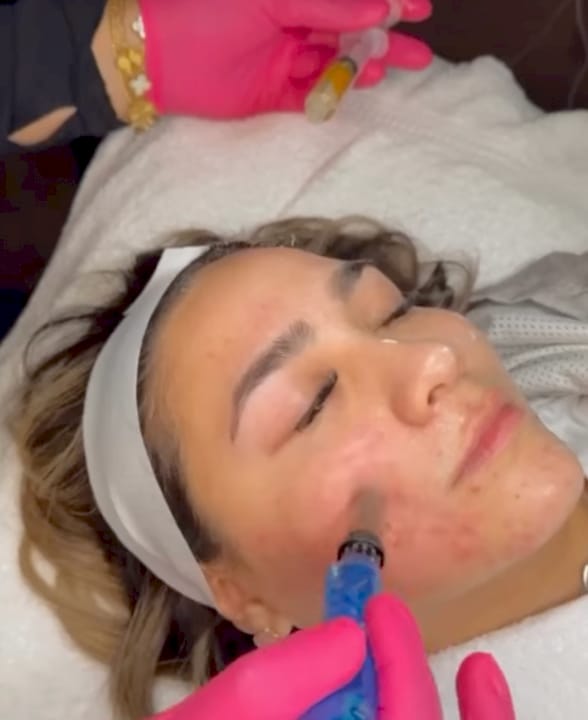
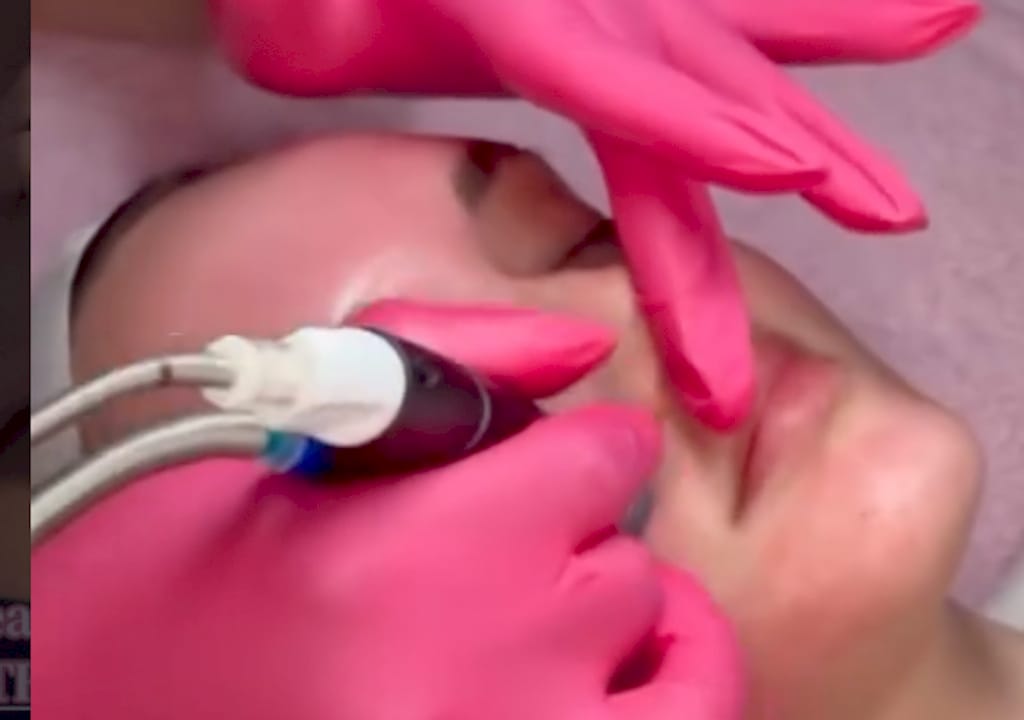
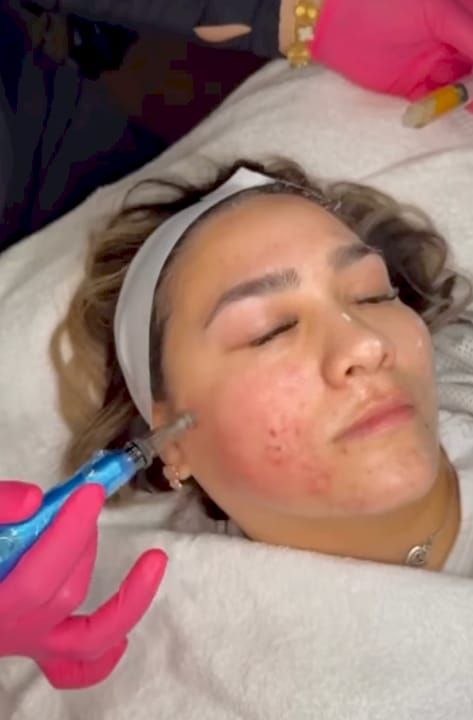
While home rollers offer convenience, professional microneedling services use FDA-cleared motorized devices that control needle depth precisely and maintain consistent penetration. Licensed practitioners assess your skin type, concerns, and goals to customize treatment parameters that maximize safety and effectiveness.
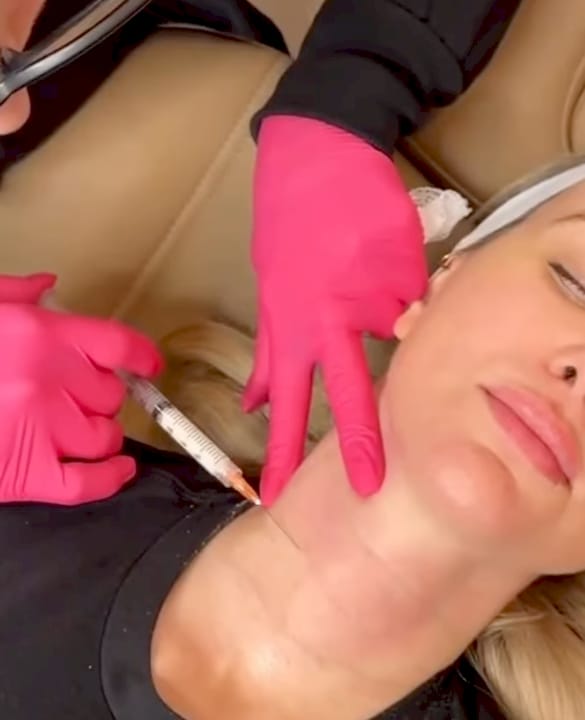
Professional treatments in Austin and San Antonio combine microneedling with medical-grade serums containing higher concentrations of active ingredients than over-the-counter products. Platelet-rich plasma, growth factors, and prescription-strength vitamin C amplify collagen stimulation and accelerate visible improvements.
Expert providers ensure proper sterilization protocols and technique that minimize infection risks. They also recognize contraindications like active acne or certain skin conditions that require modified approaches. Microneedling in Eilan TX facilities offer consultation to determine whether you’re a good candidate.
Complementary treatments enhance microneedling outcomes. Botox treatment San Antonio TX addresses dynamic wrinkles that result from muscle movement, while microneedling targets texture and static lines. Combining both approaches delivers comprehensive facial rejuvenation.
How often should I use a microneedling roller at home?
Home microneedling with 0.5-1.0mm needles should occur every four to six weeks. This spacing allows complete collagen remodeling cycles to finish before introducing new micro-injuries. Your skin needs adequate time to produce new proteins, reorganize tissue structure, and fully heal surface punctures.
Treating more frequently interrupts these processes and increases irritation without accelerating benefits. Weekly treatments only make sense with very short needles under 0.15mm designed purely for product absorption rather than collagen induction.
Are there any risks or side effects of using microneedling rollers?
Common side effects include temporary redness lasting 24-48 hours, mild swelling, and slight tenderness at treatment sites. These reactions indicate normal inflammatory response and typically resolve quickly. Microneedling is a safe and cost-effective procedure with low complications when performed with sterile equipment and proper technique.
Risks increase with contaminated rollers, excessive pressure, or treating over active infections. Using dull needles that tear rather than puncture cleanly can cause unnecessary trauma. Always disinfect devices thoroughly and replace them regularly to maintain safety standards.
Can microneedling rollers be used on all skin types?
Microneedling works safely across all Fitzpatrick skin types when practitioners adjust needle depth and technique appropriately. Microneedling is safe for Fitzpatrick type IV and V scars, including darker skin tones that carry higher post-inflammatory hyperpigmentation risk with other procedures.
Individuals with active acne, eczema, psoriasis, or keloid scarring tendencies should consult dermatologists before starting treatment. Understanding microneedling and skin types helps you determine whether modifications or alternative approaches better suit your specific situation.
What should I expect during and after a professional microneedling session?
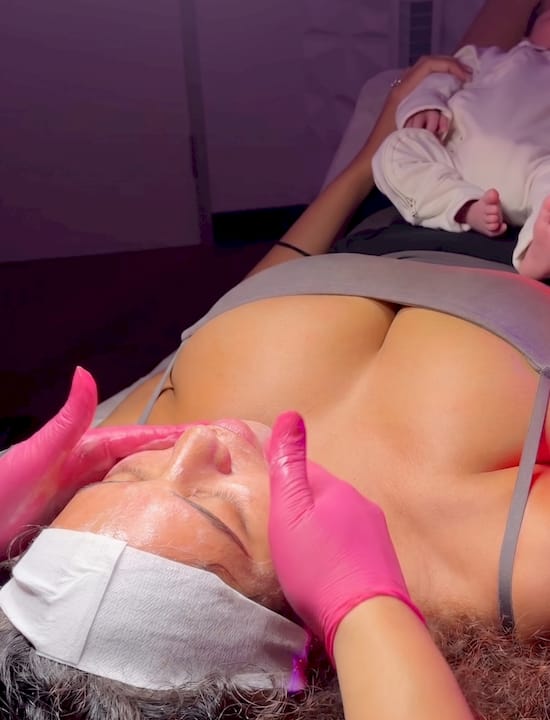
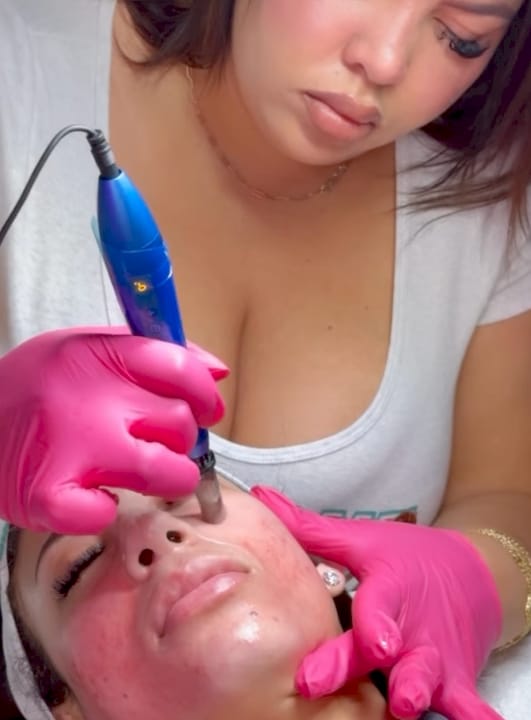
Professional sessions begin with thorough cleansing followed by topical numbing cream application. After 20-30 minutes, practitioners use motorized pen devices to create controlled punctures across treatment areas. Most sessions last 30-60 minutes depending on the size of areas treated.
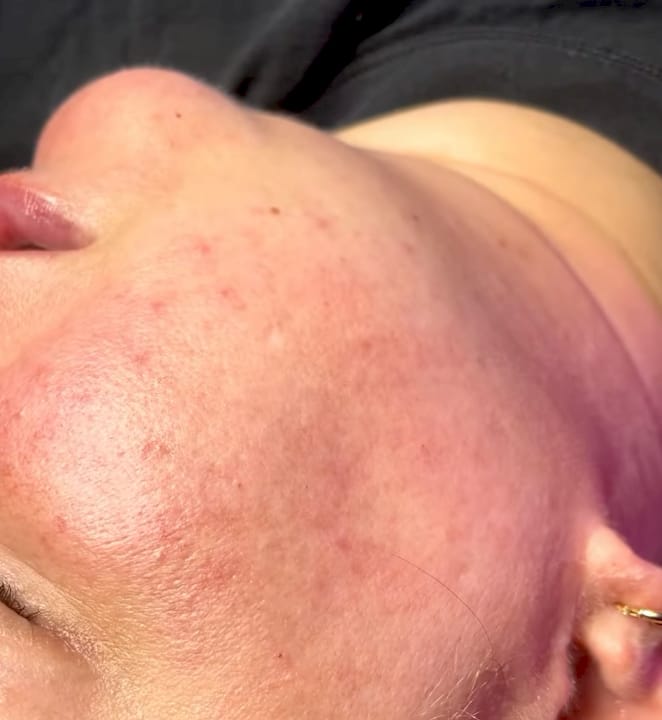
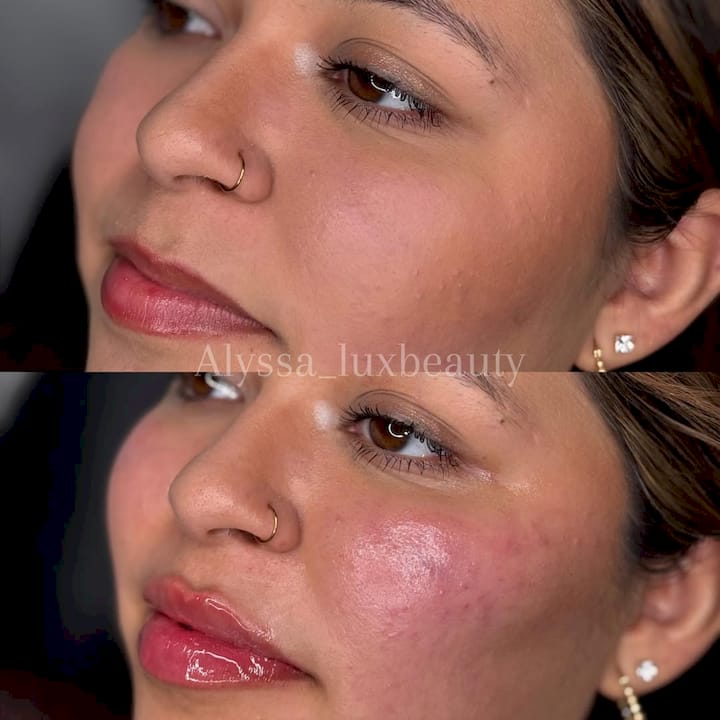
Immediate post-treatment appearance resembles mild sunburn with pinkness and slight swelling. These effects typically subside within 24-72 hours. Skin may feel tight or dry as healing progresses, resolving with proper moisturization. Visible improvements emerge gradually over 4-6 weeks as new collagen forms, with optimal results requiring 3-6 sessions spaced monthly.


%20Pictures%20are%204%20weeks%20apart..jpg)