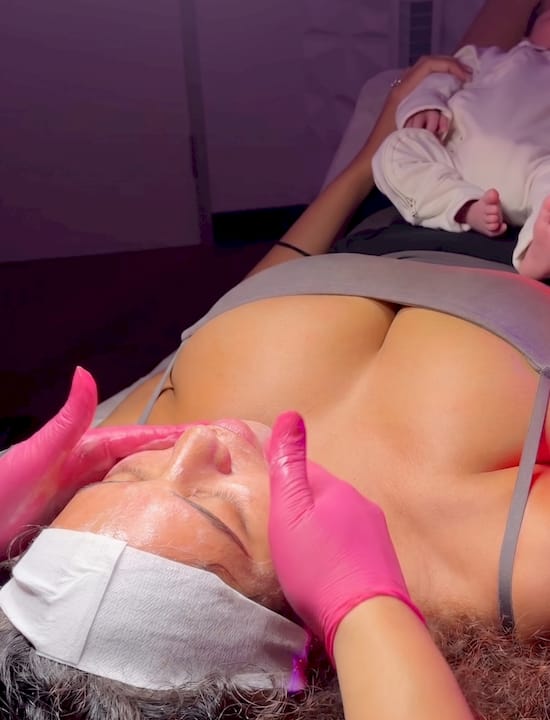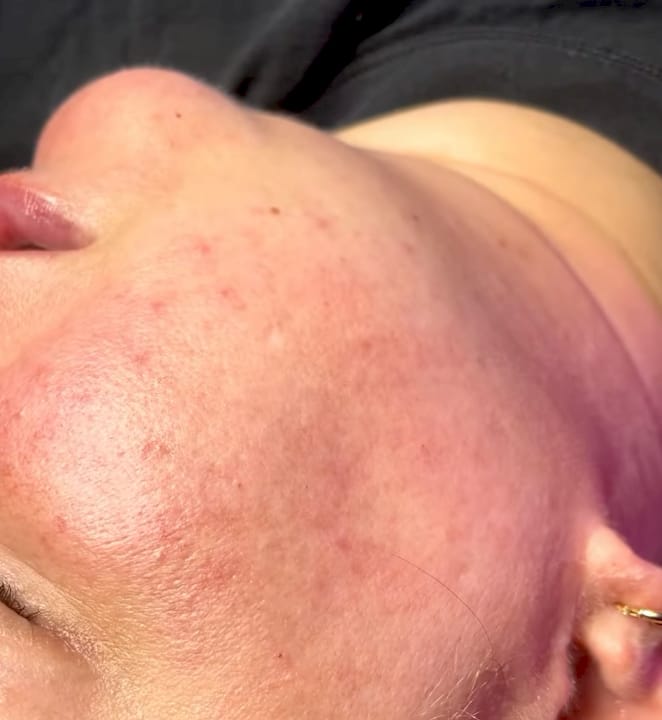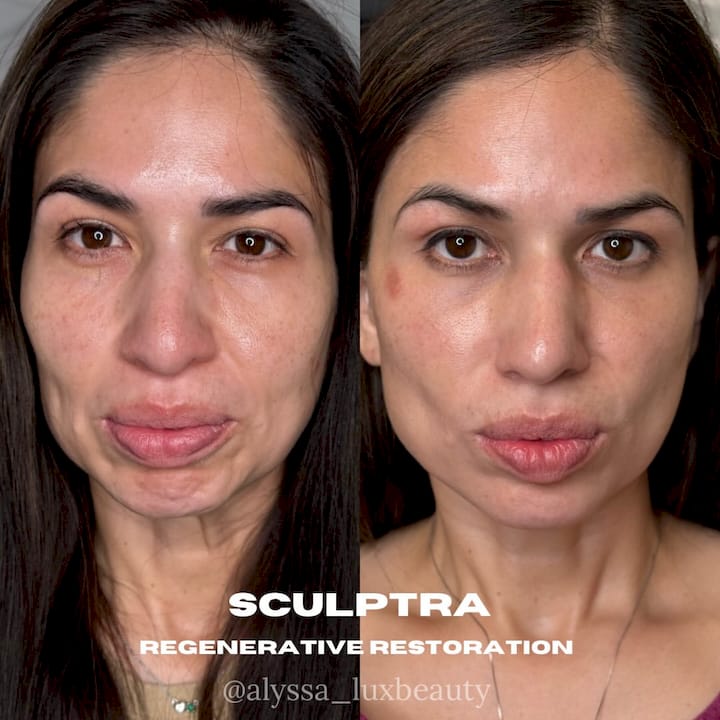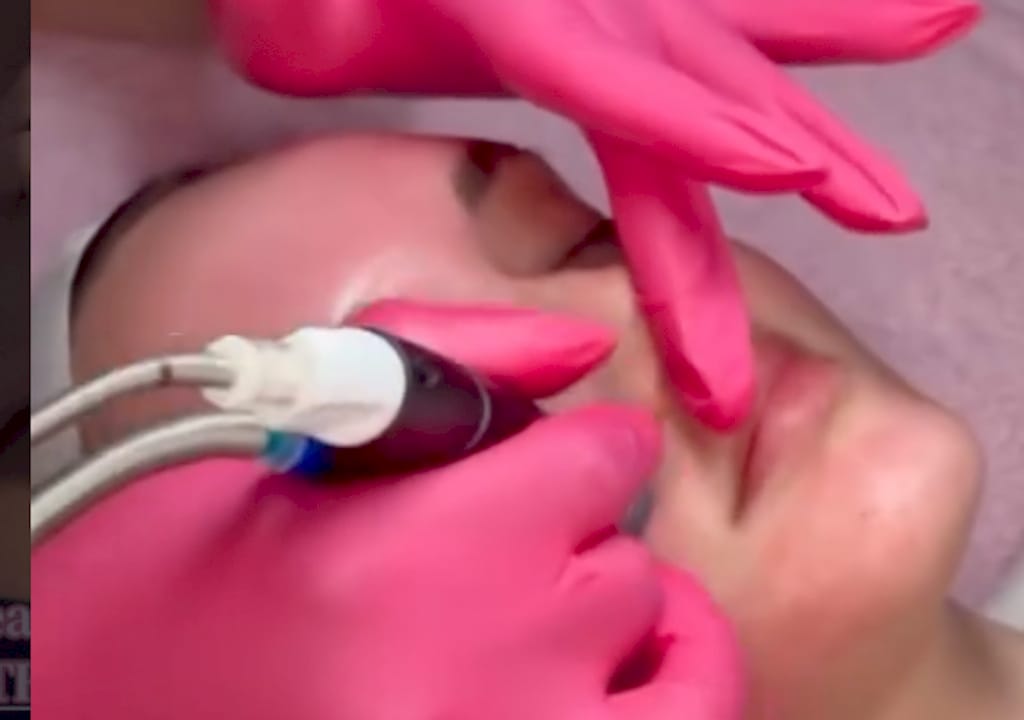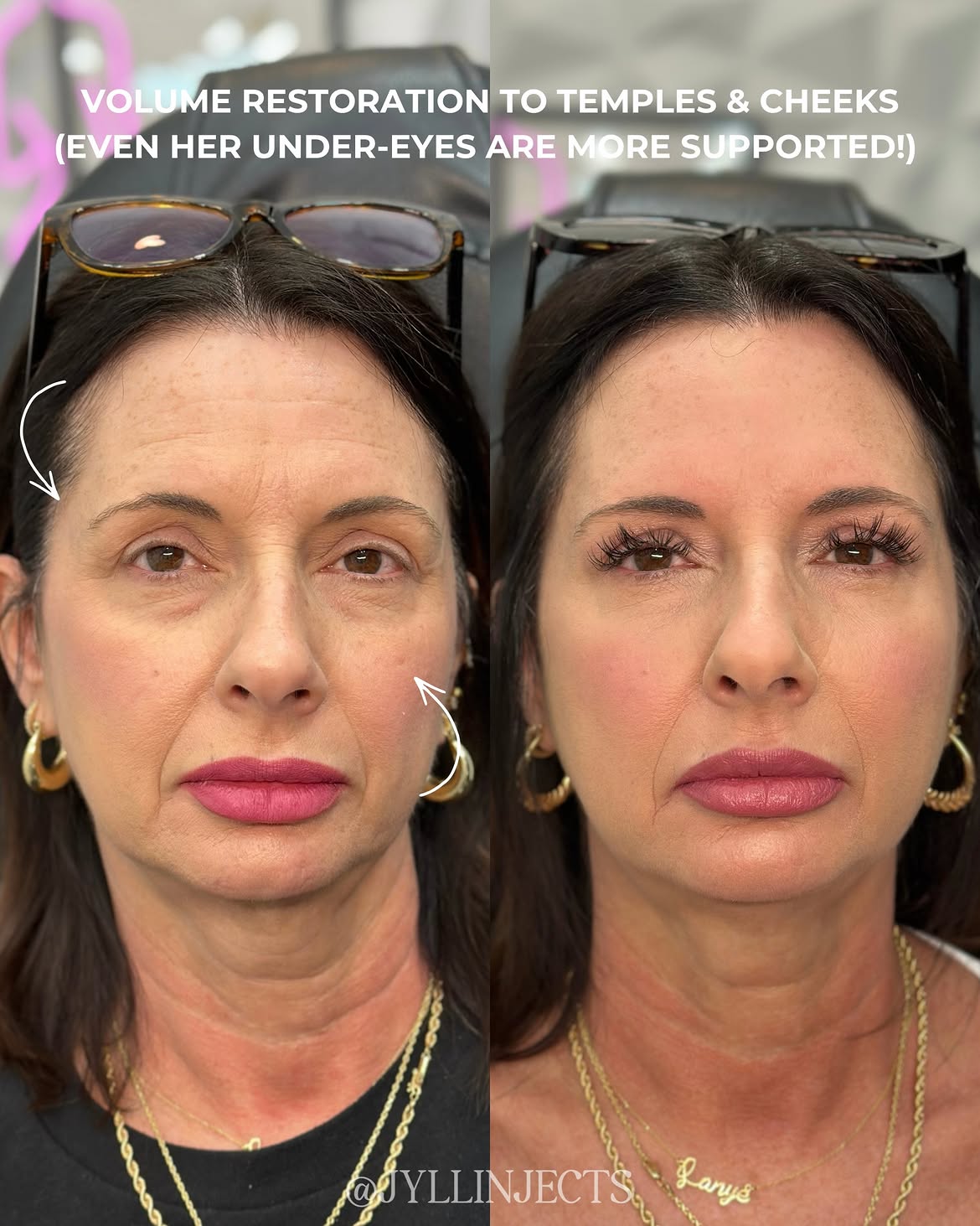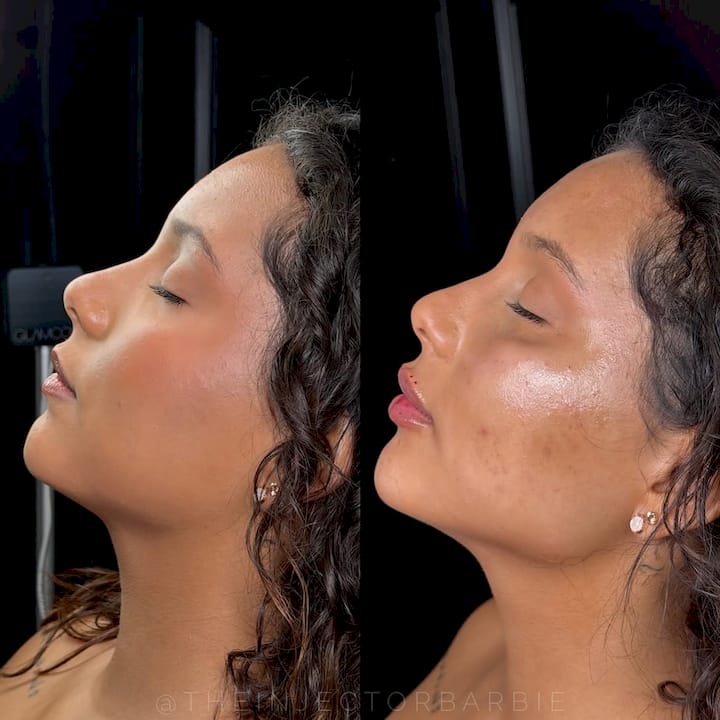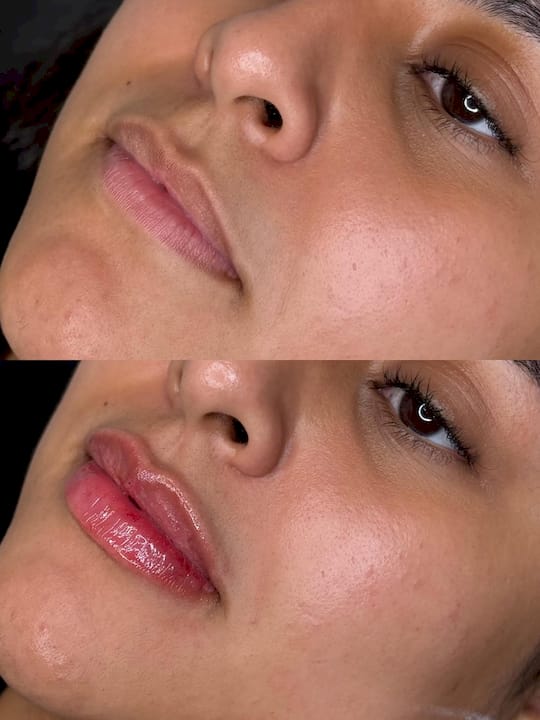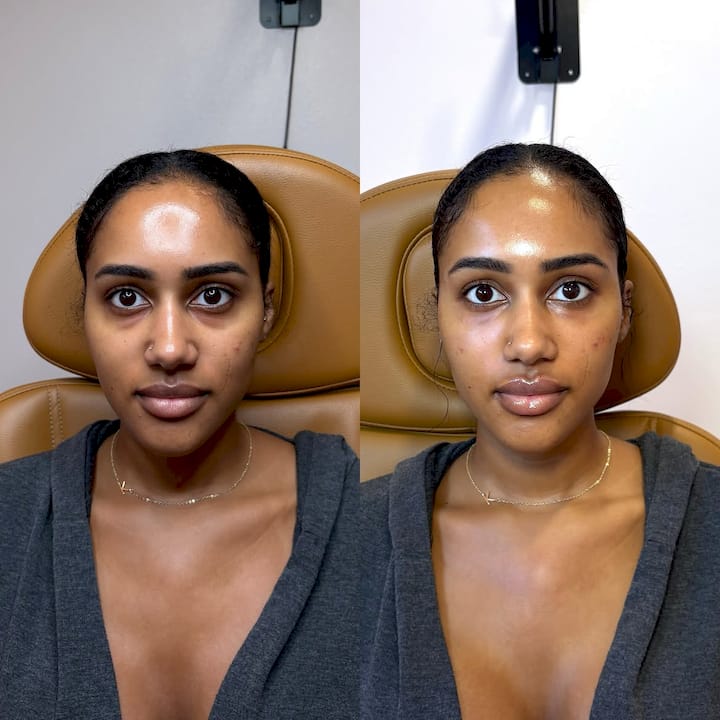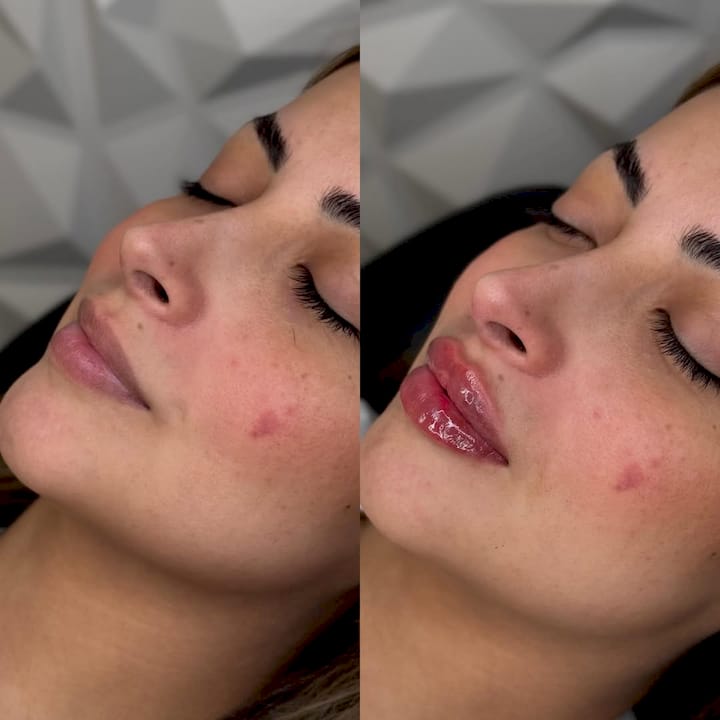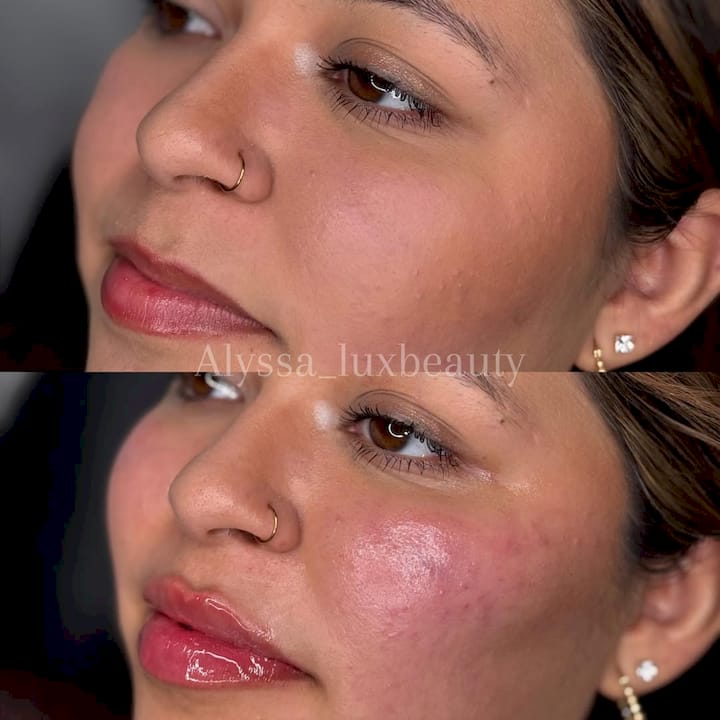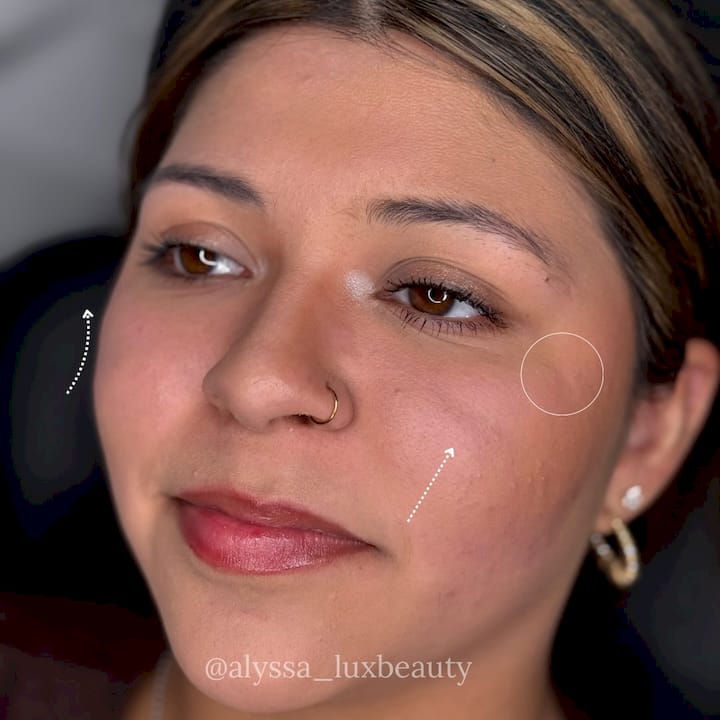
For most people, the right hydrafacial frequency is once every four weeks. That interval matches your skin’s natural renewal cycle, giving new cell turnover time to happen before your next treatment resets the clock.
Some situations call for adjustments. Oily or acne-prone skin often does better starting every 2 to 3 weeks, while dry or sensitive skin usually holds its benefits longer at every 6 to 8 weeks. A quick consultation with a provider is what actually locks in the right plan, since your skin’s condition, not a calendar, should drive the schedule.
-
Monthly baseline: every 4 weeks works for most skin types and goals
-
Shorter interval: every 2 to 3 weeks for active acne or oily skin during an initial phase
-
Longer interval: every 6 to 8 weeks for dry, sensitive, or well-maintained skin
-
Personalize it: a provider consultation fine-tunes the plan based on how your skin responds
Key Takeaways
A monthly HydraFacial cadence works because it matches the skin’s 28 to 30 day renewal cycle, and provider-guided adjustments outperform any fixed schedule.
| Point | Details |
|---|---|
| Default to monthly | Schedule every 4 weeks unless a provider recommends otherwise based on your skin. |
| Adjust by skin type | Oily or acne-prone skin often starts every 2 to 3 weeks; dry or sensitive skin stretches to 6 to 8 weeks. |
| Don’t overdo it | Sessions closer than every 2 weeks rarely add benefit and usually just add cost. |
| Plan aftercare | Sunscreen daily and skip retinoids for a few days post-treatment to protect results. |
| Get a personalized plan | The Injection Room builds corrective and maintenance schedules around an actual skin assessment. |
Table of Contents
What Is a HydraFacial and Why Does Frequency Matter?
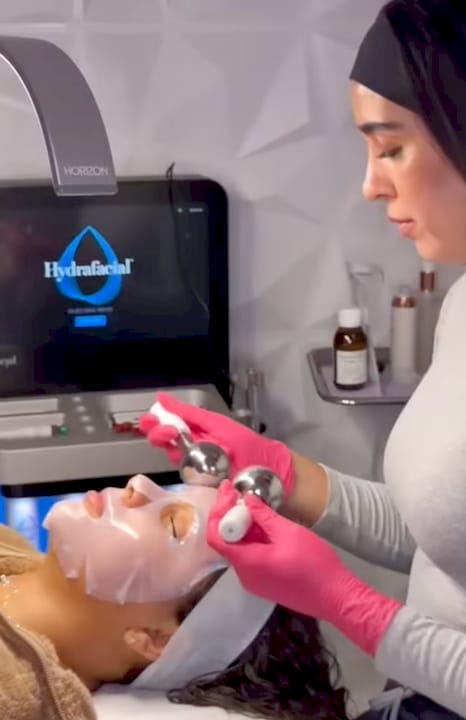
A HydraFacial works in three stages: cleanse and exfoliate, extract, then infuse. The device resurfaces the skin’s outer layer with a vortex of fluid, clears out debris from pores, and pushes in a serum blend chosen for your goals, whether that’s hydration, brightening, or calming inflammation.
Each stage builds on the one before it, but the infusion step only sinks in as deep as the exfoliation allows. Regular sessions keep that exfoliation consistent, so serums absorb more effectively over time instead of sitting on a buildup of dead skin. That’s the mechanical reason a set cadence outperforms occasional, sporadic visits.
-
Cleanse and exfoliate: lifts dead skin cells and debris from the surface
-
Extract: clears congested pores with painless suction
-
Infuse: delivers hydrating or targeted serums into freshly cleared skin
-
Repeat visits: keep pores from re-congesting and let serums penetrate further each time
How Often Should You Get a HydraFacial?
The baseline that most providers recommend, and the one backed by how skin actually regenerates, is once every four weeks. That timing isn’t arbitrary. The skin’s natural renewal cycle runs roughly 28 to 30 days, the span it takes for new cells to migrate from the basal layer to the surface and shed. Scheduling a HydraFacial at the tail end of that cycle catches your skin right as fresh cells are surfacing, which is when exfoliation and infusion have the most to work with.
Roughly 28 to 30 days is how long it takes skin to complete one full renewal cycle, and that number is the entire logic behind the monthly recommendation.
Sticking to a monthly rhythm for several months produces effects that a single session simply can’t. Consistency, not intensity, is what drives the cumulative payoff, according to the Ageless Living Med Spa guide on treatment spacing.
Here’s what tends to show up over a few consecutive monthly visits:
-
Texture smooths out. Repeated exfoliation reduces rough patches and flaky areas that one treatment can’t fully resolve.
-
Pores stay clearer longer. Regular extraction prevents the kind of congestion buildup that takes weeks to reverse.
-
Hydration holds steadier. Infused serums layer on top of previous sessions instead of starting from a dehydrated baseline every time.
-
Tone evens out. Cumulative exfoliation fades minor discoloration gradually, an effect that’s barely visible after one session but noticeable after four or five.
None of this means monthly is a rigid rule. It’s a starting point that a provider adjusts once they see how your skin actually responds. Learn more about why monthly facials drive the best results and how that rhythm plays out in practice.
How Should You Adjust Frequency for Your Skin Type?
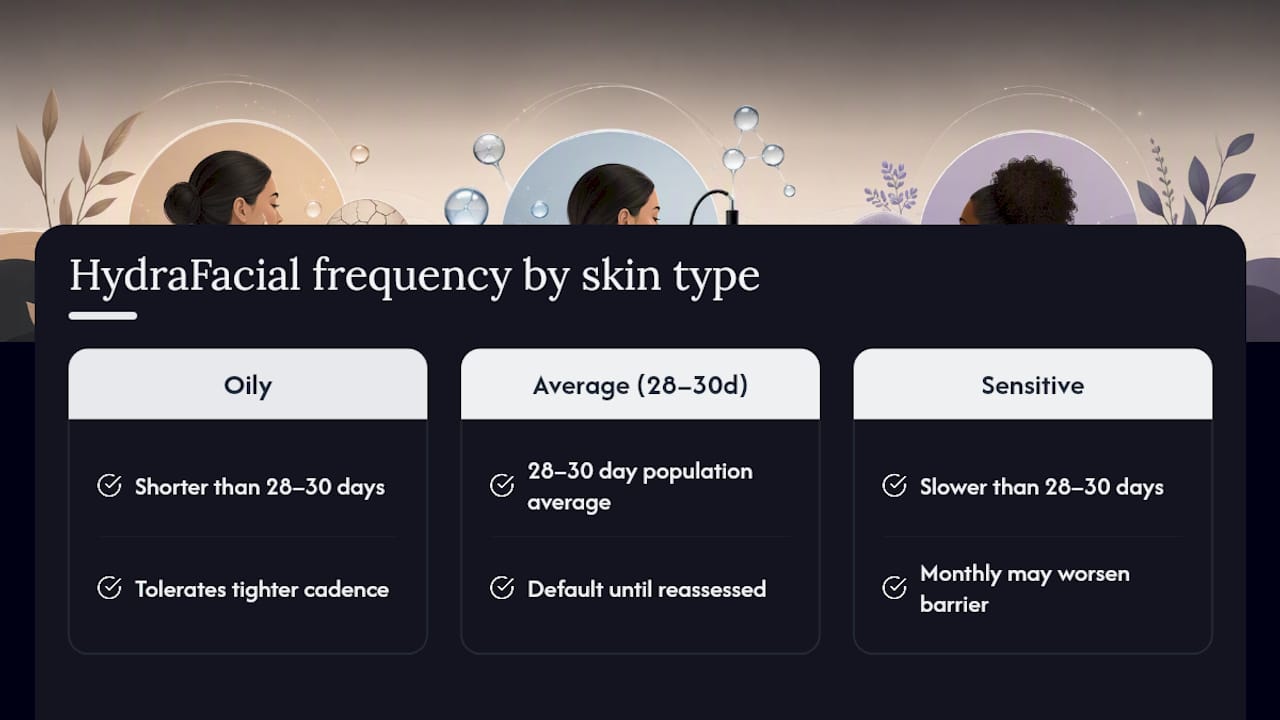
Monthly is the default, not the only answer. Your skin type and what you’re trying to fix should shift the interval in one direction or the other.
-
Oily or acne-prone skin: Start every 2 to 3 weeks while breakouts are active. Some providers recommend this tighter schedule specifically for acne-prone patients, then space out to monthly once inflammation and congestion calm down.
-
Dry or sensitive skin: Stretch to every 6 to 8 weeks with hydrating booster serums added in. This spacing protects the skin barrier while still delivering a meaningful hydration boost.
-
Aging skin or pigmentation concerns: Run an active phase every 3 to 4 weeks, then drop to monthly maintenance once you see the texture and tone improvements you’re after.
-
General maintenance: Every 4 to 6 weeks keeps skin looking consistently fresh without over-treating it.
-
Before a big event: Book your session 1 to 2 weeks ahead, never the day before, since mild redness or purging can occur immediately after treatment.
Hormonal shifts can also nudge your skin’s needs mid-cycle. If breakouts or dryness seem to track your menstrual cycle, it’s worth adjusting your skincare routine accordingly rather than assuming your HydraFacial schedule is off.
Pro Tip: Track how your skin feels for the week after each session. If redness lingers past 24 hours or you notice new breakouts, that’s a signal to space your next appointment out rather than push it closer.
Can You Get a HydraFacial Too Often?
Technically, yes, HydraFacial is gentle enough to tolerate frequently, even weekly in some cases. But safe and optimal aren’t the same thing. Scheduling sessions closer than every 2 weeks rarely produces better results and usually just costs more without added benefit, according to the Ageless Living analysis of treatment spacing.
Watch for these signs you’re overdoing it:
-
Redness that persists for more than a day or two after treatment
-
Skin that feels unusually tight, tender, or reactive to normal products
-
A weakened moisture barrier, showing up as flaking or sudden sensitivity to sunscreen
Active skin conditions like eczema flares, active acne infections, or recent sunburn need medical evaluation before scheduling, and serum selection should be reviewed with a provider rather than left to a standard package.
How Should You Plan Cost, Series, and Aftercare?
Most providers sell multi-session packages because consistent visits deliver better results than one-off treatments, and bundled pricing makes a monthly plan more affordable to stick with. A single session typically runs $150 to $300, with the range shifting based on location, provider experience, and any booster serums added.
Getting the most out of that investment comes down to what you do between visits:
-
Wear sunscreen daily, especially in the 48 hours right after treatment when skin is more sun-sensitive.
-
Skip retinoids and harsh exfoliants for at least 3 to 5 days post-treatment to avoid irritation.
-
Cleanse gently, avoiding hot water or abrasive scrubs while skin recovers.
-
Layer in hydrating products, like hyaluronic acid serums, to extend the moisture boost between sessions.
If you’re combining HydraFacial with peels, microneedling, or injectables, space them out. A provider can sequence these so one treatment doesn’t undercut the recovery window of another, and microneedling aftercare guidelines are a useful reference for what that recovery window actually requires.
How Does The Injection Room Approach Scheduling?
At The Injection Room, scheduling starts with an assessment, not a default calendar. Providers review skin history, current concerns, and goals before recommending a plan, because a patient dealing with active acne needs a different starting cadence than someone maintaining already-clear skin.
A typical corrective protocol looks like this:
-
Assessment: photos and a skin history review establish a baseline
-
Corrective phase: 3 to 4 sessions spaced 2 to 4 weeks apart, using boosters matched to the concern
-
Maintenance phase: monthly or every 6 to 8 weeks, with reassessment every 3 to 6 months
Complementary services change the math too. Pairing a HydraFacial with dermaplaning or neurotoxin treatments can shift ideal spacing, which is exactly why a provider conversation matters more than a generic rule.
The HydraFacial service page at The Injection Room outlines how these combinations get sequenced for patients working on multiple goals at once.
What Does the Research Actually Support?
The conventional advice online treats “monthly” as gospel, and that’s mostly right, but it’s incomplete in a way that matters. The 28 to 30 day renewal cycle is a population average, not a personal guarantee. Someone with genuinely oily, resilient skin can run a tighter interval without consequence, while someone with a compromised barrier might do worse on a rigid monthly schedule than on a slower one.
What most guides underweight is the overuse question. It’s easy to assume more frequent equals more effective, especially when a treatment feels this gentle. It doesn’t. The plateau kicks in well before weekly territory, and chasing results through frequency alone usually just adds cost without adding benefit.
If there’s one thing worth prioritizing, it’s the reassessment habit, not the interval itself. A provider who checks in every few months and adjusts your cadence based on how your skin is actually behaving will outperform anyone rigidly following a printed schedule, monthly or otherwise.
— Andee
Book a HydraFacial Schedule Built Around Your Skin
The Injection Room designs your HydraFacial cadence around an actual skin assessment, not a one-size-fits-all package, so you’re not paying for sessions your skin doesn’t need or waiting too long between the ones it does. With locations in Austin and San Antonio, providers can adjust your plan in real time as your skin responds, whether that means tightening your interval during an active corrective phase or stretching it once you hit maintenance.
If you’re ready to find out where your skin actually falls on that spectrum, book a HydraFacial and start with a consultation instead of guessing at a calendar.
Sources
FAQ
How often should you get a HydraFacial?
Most people should book one every 4 weeks, aligning with the skin’s natural renewal cycle, though oily or acne-prone skin may start every 2 to 3 weeks and dry skin can stretch to every 6 to 8 weeks.
How much gap should there be between HydraFacials?
A minimum gap of about 2 weeks is generally recommended, since scheduling closer together rarely improves results and adds unnecessary cost.
Is a monthly HydraFacial worth it?
Yes, for most people monthly sessions produce cumulative improvements in texture, pore clarity, and hydration that a single treatment can’t match, especially when paired with a provider who adjusts the plan as your skin responds.
Is a 30-minute HydraFacial enough?
A shorter session can refresh hydration and glow, but a standard-length treatment allows for fuller extraction and infusion, which matters more for deeper concerns like texture or pigmentation.


%20Pictures%20are%204%20weeks%20apart..jpg)