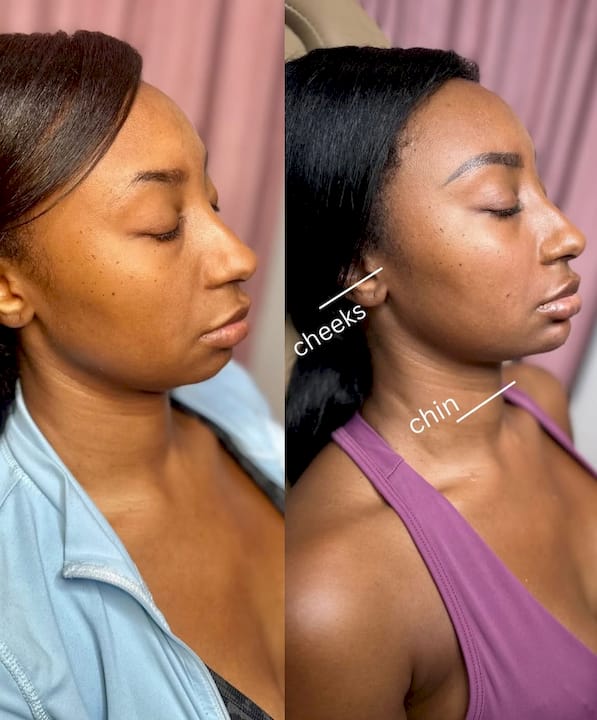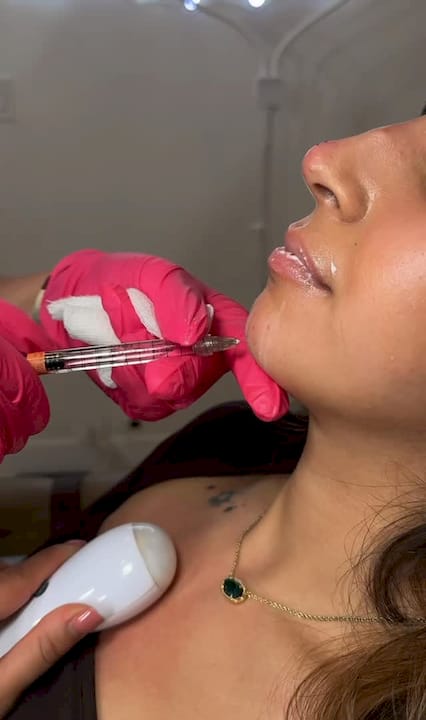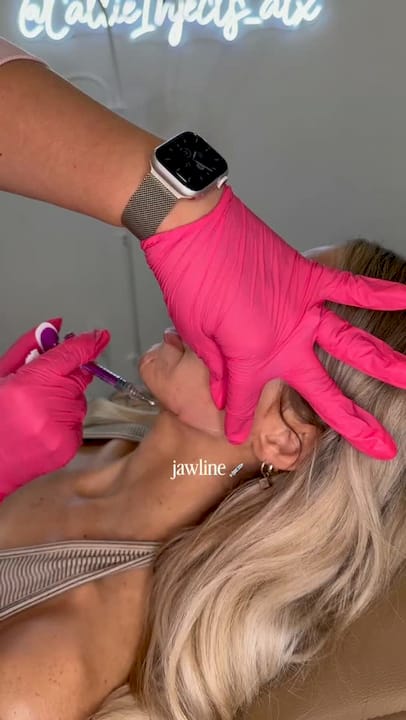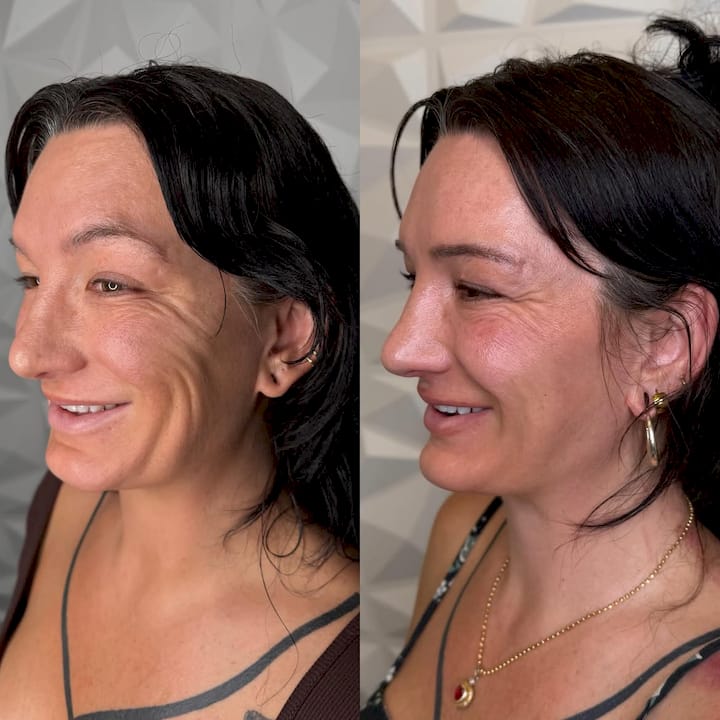
RF microneedling can reduce mild to moderate neck skin laxity and improve texture, with most people noticing real change within 6 to 12 weeks of finishing a treatment series. It works best on early to moderate crepiness and looseness, not on significant sagging or excess skin, where a surgical lift or ablative laser will get you further. We’ve seen it become one of the most requested neck treatments at The Injection Room because it needs no incisions and almost no downtime.
-
Best candidates: mild to moderate laxity, decent skin quality, realistic goals
-
Timeline: visible improvement usually starts by week 6, peaks around week 12
-
Caveat: significant skin excess responds better to surgical or ablative options
Quick fact: A prospective study on a thermoregulated bipolar RF device found high patient satisfaction and measurable soft tissue contraction in the lower face and submental area, the same region that governs neck tightening.
Key Takeaways
RF microneedling remodels neck collagen through combined mechanical and thermal injury, producing measurable tightening and texture improvement over a series of sessions when depth and energy are matched to the neck’s thinner dermis.
| Point | Details |
|---|---|
| Best candidates | Mild to moderate laxity with realistic expectations respond best; severe sagging needs surgical evaluation |
| Depth drives safety | Neck settings around 1.0 to 1.8 mm, shallower than facial protocols, reduce PIH and scarring risk |
| Sessions and timing | Most plans use 2 to 4 treatments spaced 4 to 6 weeks apart, with results visible by 12 weeks |
| Antioxidants boost results | A topical vitamin C/E/ferulic acid combo nearly doubled wrinkle reduction versus RFMN alone in one RCT |
| The Injection Room’s role | Offers neck-specific RF microneedling protocols with provider-led depth and energy adjustment for skin type |
Table of Contents
How RF Microneedling Works on the Neck
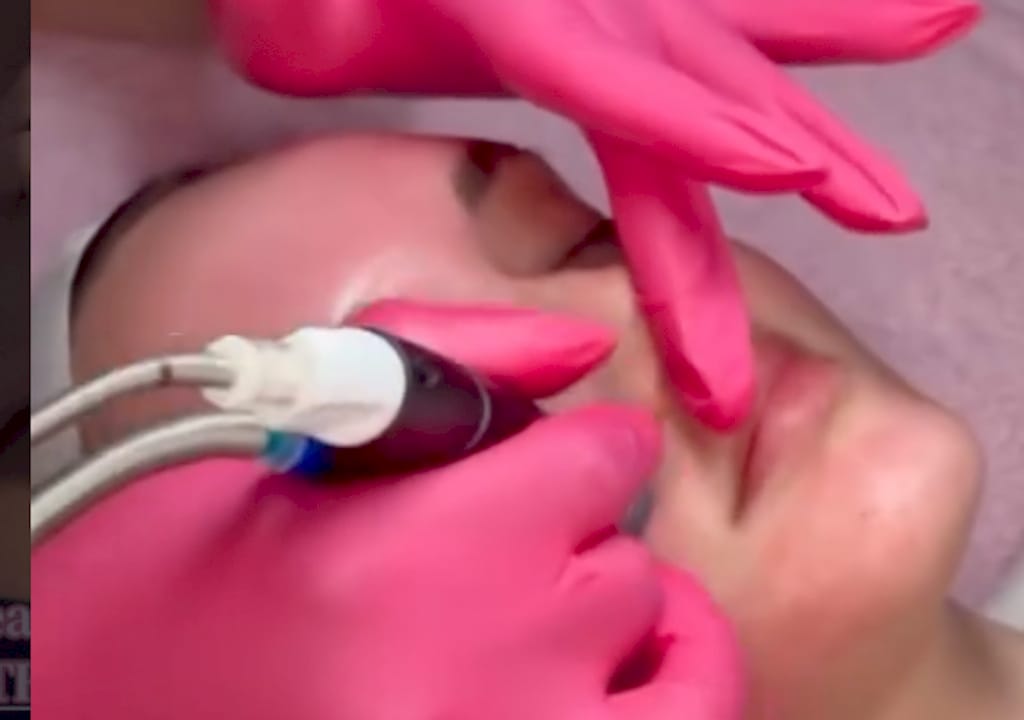
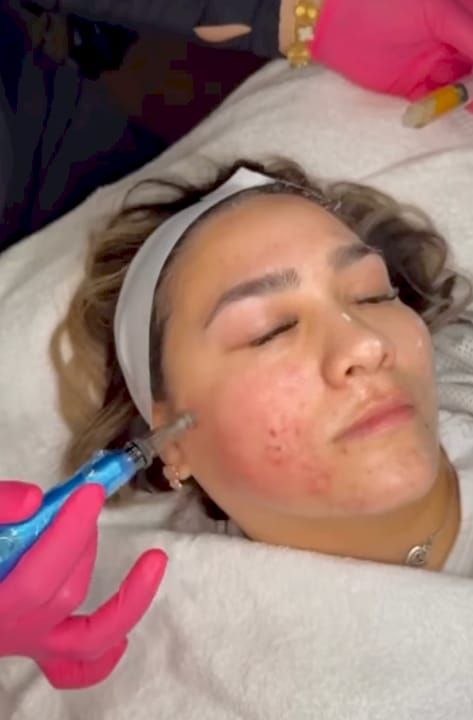
Radiofrequency microneedling, often shortened to RFMN, combines two separate injuries in one pass: tiny needle punctures that trigger a wound-healing cascade, and radiofrequency energy delivered through those same needles that heats the deeper dermis. The mechanical injury alone stimulates new collagen. The heat adds a second effect, tightening existing collagen fibers immediately while kicking off months of neocollagenesis and elastin remodeling in the fibroseptal networks that anchor neck skin to underlying muscle.
The neck is not the face, and treating it like the face is a common mistake. Anterior neck skin averages roughly 1.3 mm in dermal thickness, thinner and more fragile than the cheek or jawline, so the needle depth and energy that work beautifully on the face can easily overtreat the neck.
-
Insulated needles protect the epidermis and upper dermis, directing heat deeper where it belongs
-
Non-insulated needles heat tissue along the entire needle path, which raises surface risk
-
Bipolar devices concentrate energy between two adjacent needles for more controlled, superficial heating
-
Monopolar devices push energy deeper and wider, useful for laxity but less forgiving on thin neck skin
Pro Tip: Ask your provider whether they adjust needle depth specifically for the neck versus the face during the same visit. Uniform settings across both areas are the most common cause of visible hash marks and patchy texture.
What Does the Clinical Evidence Show for Neck Results?
The data on RF microneedling for the neck is still young, but it is consistent. Small randomized and prospective trials report measurable gains in the Horizontal Neck Wrinkle Scale (HNWS), the Global Aesthetic Improvement Scale (GAIS), and the Fitzpatrick-Goldman wrinkling score, generally with mild, self-limited side effects. A pilot study using a dual-length microneedle RF device reported meaningful improvement in neck texture and elasticity with a low rate of serious adverse events, which lines up with what most practices see in the treatment chair.
One of the more useful comparisons pits RFMN against nonablative fractional lasers. A randomized trial comparing RFMN with a 1,550 nm erbium:glass laser found the laser group scored a 42.1% improvement on the Fitzpatrick-Goldman wrinkling scale versus 8.6% for RFMN, yet RFMN produced a larger drop in horizontal neck wrinkle severity specifically. Neither device won across every metric. That is the honest takeaway: RFMN and laser resurfacing tend to excel at different things, and the right choice depends on whether wrinkling or textural laxity bothers you more.
-
Most trials used 2 to 3 treatment sessions
-
Follow-up assessments were typically done at 12 weeks post-treatment
-
Improvements were measured with validated scales, not just before/after photos
Sample sizes in this research remain small, often a few dozen participants per arm, so treat the percentage figures as directional rather than absolute guarantees for any one person’s skin.
What Does a Neck RF Microneedling Treatment Plan Look Like?
A typical course runs 2 to 4 treatments spaced 4 to 6 weeks apart, and most published trials stuck to 2 or 3 sessions total. Spacing matters because collagen remodeling takes weeks to unfold; stacking sessions too close together adds inflammation without adding benefit.
Needle depth for the neck commonly falls in the 1.0 to 1.8 mm range, shallower than typical facial settings, and published guidance points to roughly 1.5 mm as a workable target for most patients. RF energy in neck-specific protocols often lands between 20 and 40 units, though a skilled provider will scale this down for thinner skin, darker Fitzpatrick types, or a first-time treatment. These are starting points for a conversation with your provider, not a prescription to request by number.
-
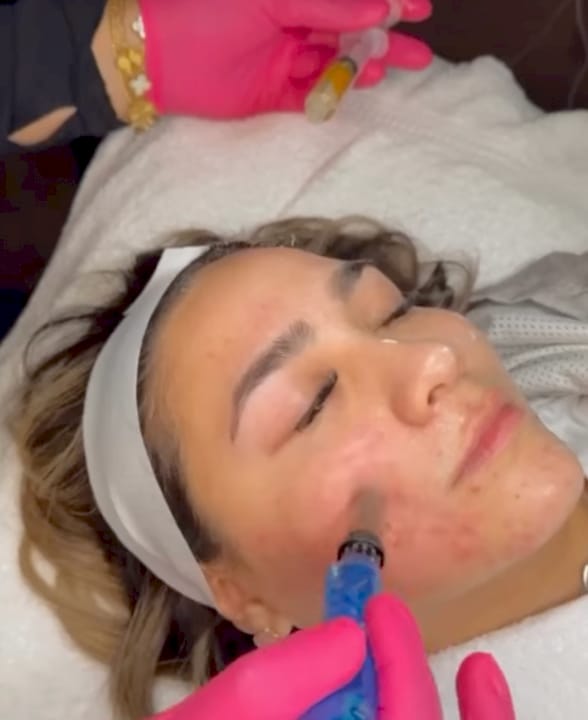
Topical numbing cream applied 20 to 30 minutes before treatment
-
Multiple passes across the neck at the chosen depth and energy setting
-
Immediate cooling and a calming serum or occlusive balm applied after
-
Redness and mild swelling for 48 to 96 hours, sunscreen strictly enforced after
-
Ask what depth and energy the provider plans to use on your neck specifically
-
Ask how many sessions they recommend based on your degree of laxity
-
Confirm aftercare instructions before you leave, not after redness sets in
Our guide on microneedling aftercare walks through the recovery window in more detail if you want to plan around the downtime.
Is RF Microneedling Safe, and What Are the Risks?
Most people tolerate RF microneedling well. Expect redness, mild swelling, and occasional light bruising for two to four days, all considered normal and expected rather than a complication.
The risk that deserves real attention is post-inflammatory hyperpigmentation, or PIH, which shows up more often in Fitzpatrick skin types III through VI. A multi-center review of RF microneedling complications found that insulated needles and more conservative energy settings meaningfully lower PIH risk in darker skin by limiting epidermal thermal injury, though patient selection still matters more than any single device feature.
Rare but serious complications include scarring, infection, and visible “tram-track” marks from uneven needle penetration, usually tied to operator inexperience or overly aggressive settings rather than the technology itself.
-
Active skin infection or open lesions in the treatment area
-
Implanted electrical devices, including pacemakers, near the treatment zone
-
Pregnancy
-
Isotretinoin use within the prior 6 to 12 months
Pro Tip: If a provider can’t tell you what needle depth and energy range they plan to use on your neck before you’re on the table, that’s a signal to ask more questions, not a reason to proceed anyway.
Do PRP or Antioxidants Improve RF Microneedling Results?
Pairing RF microneedling with the right adjunct can meaningfully change the outcome, and one trial makes this case clearly. A randomized split-neck study testing a topical vitamin C, E, and ferulic acid antioxidant applied immediately after RFMN found 29.9% wrinkle reduction versus 18.0% on the RFMN-only side at 12 weeks, along with a 12.9% gain in skin elasticity compared to just 2.3% without the antioxidant.
Platelet-rich plasma, or PRP, tells a murkier story. A small randomized trial combining PRP with RFMN found higher GAIS scores in the PRP group, but no statistically significant difference in dermal thickness between groups, and the sample size (20 patients) was too small to draw firm conclusions.
-
Topical antioxidants applied right after treatment have the strongest RCT support
-
PRP shows promise but needs larger trials before it’s a default recommendation
-
Save filler or laser treatments for a separate visit, spaced weeks after RFMN, to avoid compounding inflammation
How to Choose a Provider for Neck RF Microneedling
The device matters less than the person operating it. Before booking, confirm the treatment happens under medical oversight, ask which specific device they use, and request before-and-after photos of actual necks, not just cheeks and jawlines dressed up as “facial rejuvenation” results.
At your consultation, come with direct questions: What depth and energy range do they plan for your skin type? How many sessions do they recommend, and why that number? What’s their plan if you develop unexpected redness or pigmentation changes? A provider who answers these specifically, rather than generically, is one who treats necks often enough to know the difference. Our microneedling service page outlines the devices and protocols we use for neck-specific cases.
| Question to ask | Why it matters |
|---|---|
| What needle depth for my neck? | Thinner neck skin needs shallower settings than the face |
| How many sessions do you recommend? | Most trials used 2 to 3 sessions for measurable change |
| What’s your PIH management plan? | Darker skin types need a documented risk-reduction approach |
| Can I see neck-specific before/afters? | Confirms real experience treating this exact area |
What the Research Actually Tells Us
The conventional pitch on RF microneedling treats it as a universal neck fix, and that oversells it. The trial data tells a narrower, more useful story: this treatment shines on early laxity and textural crepiness, not on skin that’s already lost significant elastic recoil. Anyone expecting a facelift-level result from a needle-and-heat device is set up for disappointment no matter how skilled the injector.
What gets underweighted in most consumer content is the depth conversation. Readers fixate on session count and price, but the single biggest variable separating a smooth result from a hashmarked one is whether the provider actually adjusts needle depth for the neck’s thinner dermis instead of reusing facial settings out of habit. That’s not a marketing detail. It’s the difference between collagen remodeling and unnecessary scarring risk.
If there’s one thing worth prioritizing before booking anywhere, it’s asking your provider to explain, in plain numbers, what depth and energy they use on the neck and why. A provider who treats that question as reasonable, rather than unusual, is the one worth trusting with your skin. The aesthetic treatment guidance from Aurea Biotech echoes this same point from the practitioner training side: parameter customization, not the device brand, drives outcomes.
Ready to Treat Your Neck? Here’s What to Expect at The Injection Room
Generic anti-aging creams and one-size-fits-all facial settings won’t address neck-specific laxity the way a properly calibrated RF microneedling session can. The Injection Room treats the neck as its own region, adjusting needle depth and RF energy to your skin thickness and Fitzpatrick type rather than reusing facial protocols that risk hash marks or uneven results. Our team builds each treatment series around your actual laxity level, whether that’s 2 sessions or 4, and walks you through aftercare before you ever sit in the chair.
If you’re in Austin or San Antonio and ready to see what a neck-specific protocol looks like for your skin, visit our microneedling page to review options and book a consultation.
This article is general information, not a substitute for advice from a qualified doctor. Consult a qualified healthcare professional about your own circumstances before acting on anything here.
Sources
-
Prospective study on handsfree thermoregulated bipolar radiofrequency device for face/neck - PMC
-
Fractional microneedle radiofrequency with vitamin C/E/ferulic acid for neck rejuvenation (2025)
-
Radiofrequency microneedling risks, device classes, and complication management (2026 review)
FAQ
Is RF microneedling good for the neck?
Yes, for mild to moderate laxity and textural concerns. Clinical studies report measurable improvement in wrinkle severity and elasticity, though significant skin excess responds better to surgical options.
Why do some plastic surgeons prefer other treatments over RF microneedling?
Some surgeons view RFMN’s results as more modest than surgical necklifts, since it tightens existing tissue rather than removing excess skin. It remains a valid option for patients not ready for surgery or without significant skin excess.
Is RF good for a saggy neck?
RF microneedling helps with mild to moderate sagginess by stimulating collagen remodeling, but pronounced sagging with significant excess skin typically needs a surgical or ablative approach for a comparable result.
Does microneedling get rid of a saggy neck completely?
No treatment, including RF microneedling, eliminates significant sagging entirely. It improves texture and mild to moderate laxity over a series of sessions, with visible change typically by 6 to 12 weeks.
How many RF microneedling sessions does the neck need?
Most protocols use 2 to 4 sessions spaced 4 to 6 weeks apart, matching the schedule used in the clinical trials behind these outcome numbers.


%20Pictures%20are%204%20weeks%20apart..jpg)