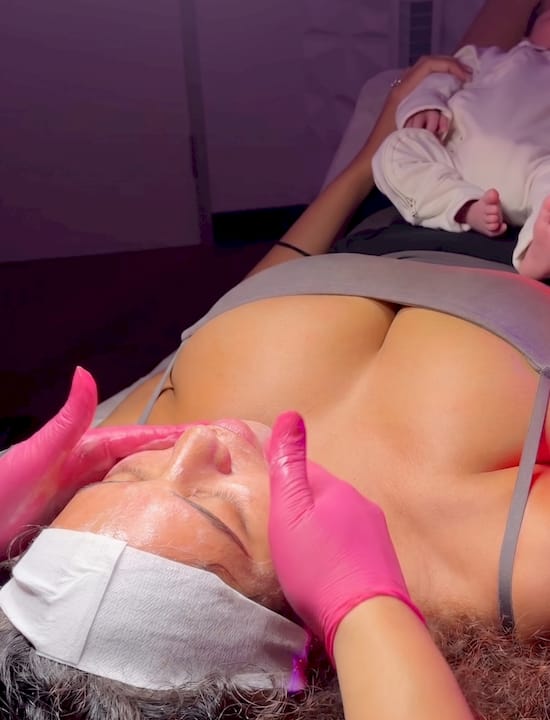
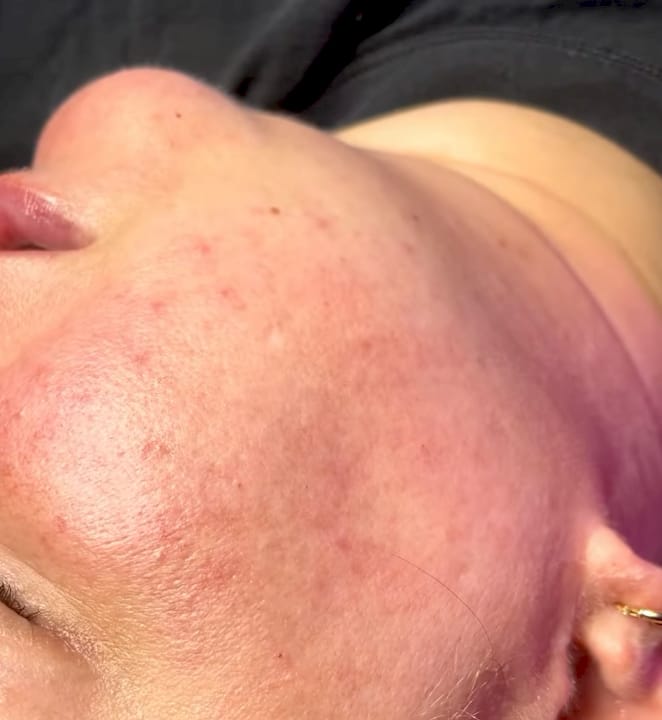
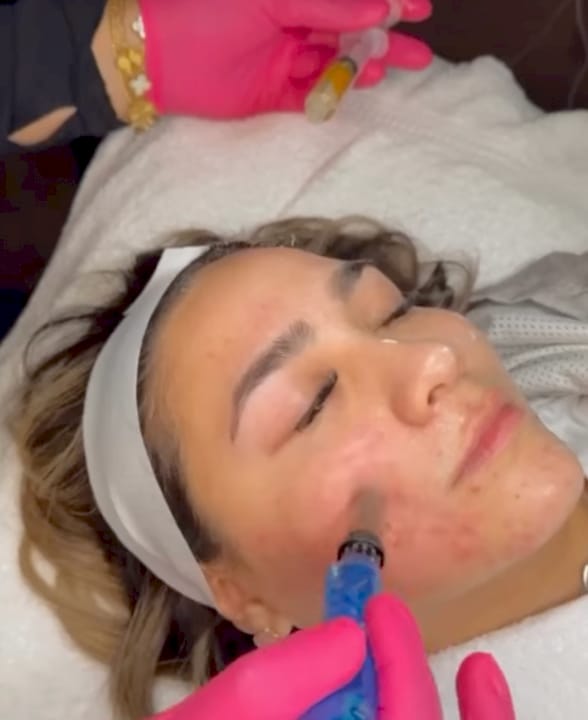
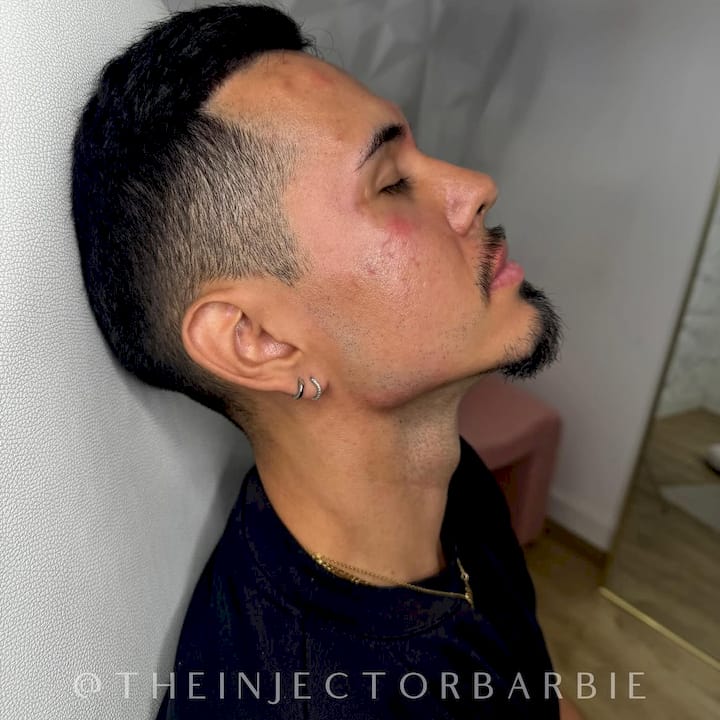
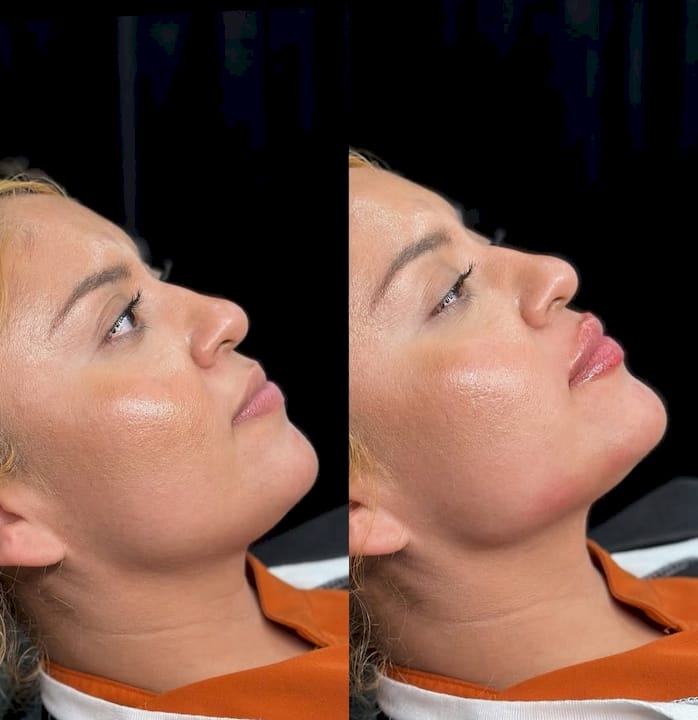
Most people assume that meaningful facial rejuvenation requires surgery, injectable treatments, or laser resurfacing. But microneedling quietly challenges that assumption. FDA-cleared for facial acne scars and wrinkles, this treatment uses your skin’s own biology to trigger measurable improvements in texture, tone, and firmness, without incisions or significant downtime. If you’ve been told that only the most aggressive treatments deliver real results, this guide will give you a clearer, more complete picture of what microneedling can actually do for your face.
Table of Contents
Key Takeaways
| Point | Details |
|---|---|
| Collagen boost | Microneedling activates collagen and elastin, improving skin texture and firmness. |
| FDA-cleared benefits | Microneedling is FDA-cleared for facial acne scars and wrinkles in adults. |
| Professional depth matters | Optimal results depend on the expertise of your provider and device parameters. |
| Candidacy screening | Not all skin types are suitable, so personalized screening is essential. |
| Realistic expectations | Multiple sessions may be needed, and results can be temporary. |
How microneedling works to rejuvenate the face
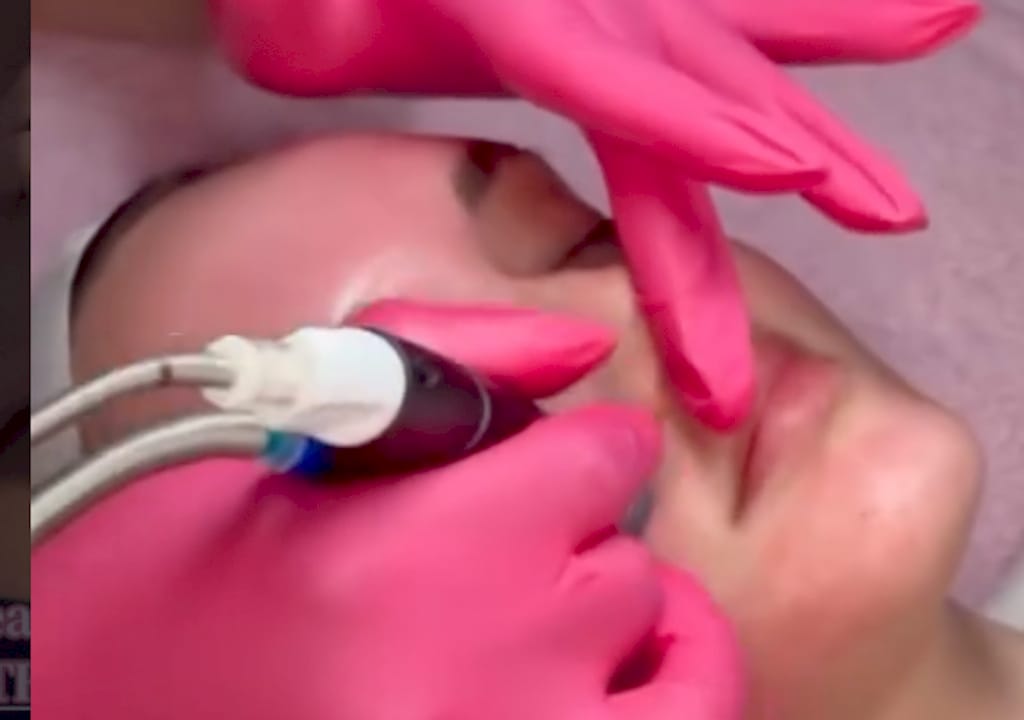
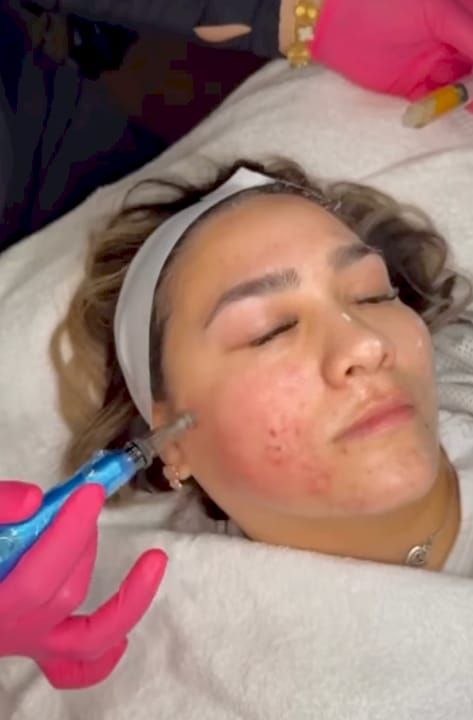
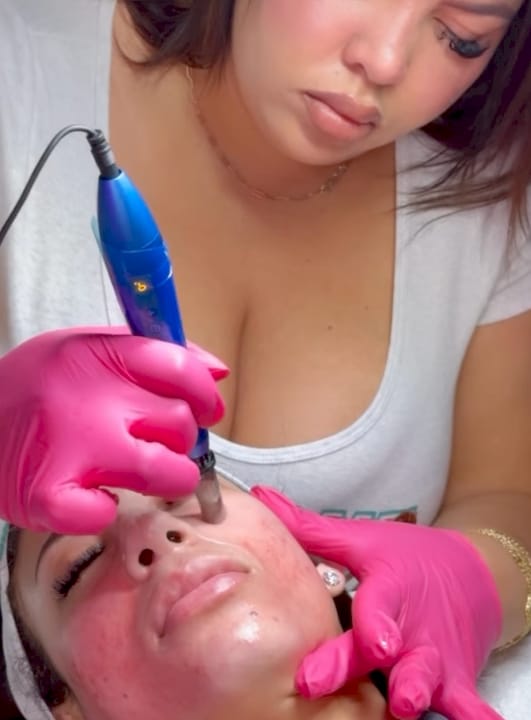
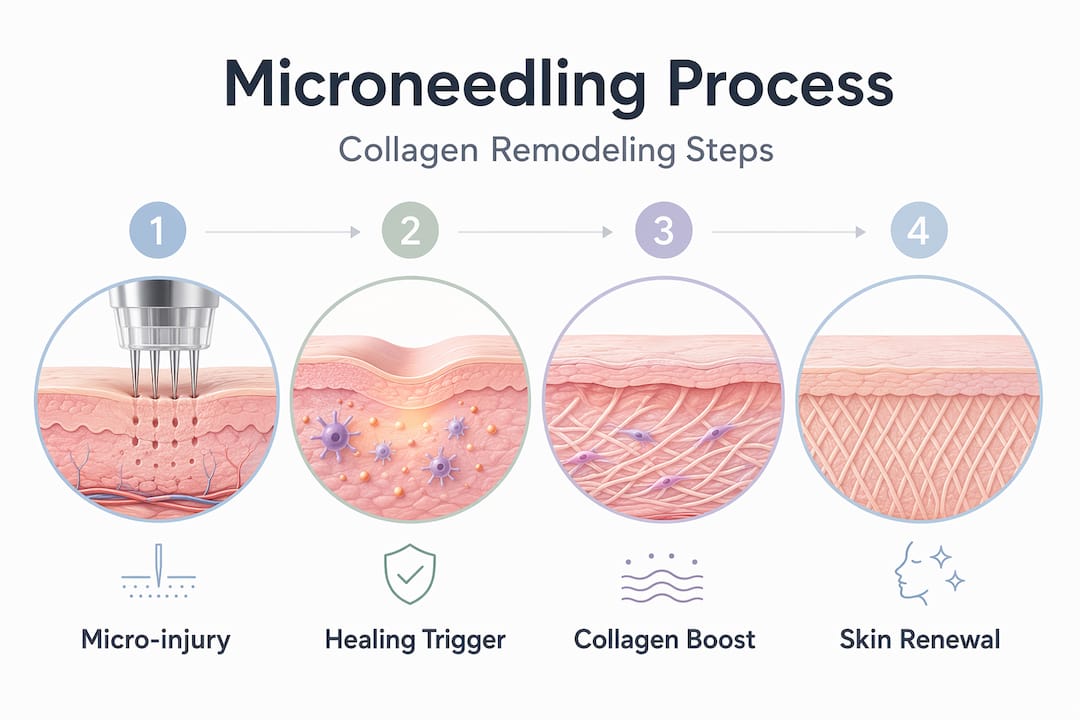
The science behind microneedling is straightforward but genuinely impressive. A device fitted with ultra-fine needles creates thousands of tiny, controlled punctures in the skin’s surface. These micro-injuries are small enough to avoid lasting damage but significant enough to trigger your body’s natural wound-healing response. That response is where the transformation happens.
When your skin detects injury, it immediately begins repairing itself. Blood flow increases to the area, growth factors are released, and fibroblast cells get to work producing fresh collagen and elastin. These two proteins are the structural backbone of smooth, firm, youthful-looking skin. As we age, natural collagen production slows significantly, which is why texture becomes rougher, pores appear larger, and fine lines settle in. Microneedling essentially tells your skin to behave as if it’s healing, restarting that production process.
Collagen stimulation through microneedling also improves skin permeability, which means active ingredients like hyaluronic acid or growth serums can penetrate far more deeply than they would through intact skin. And research published in clinical literature confirms that microneedling stimulates collagen and elastin-related pathways via the wound-healing response to microchannels, leading to more refined skin texture over time.
Here’s how your skin responds step by step during and after a session:
-
During the session: Micro-channels open in the epidermis and upper dermis, triggering immediate inflammatory signals.
-
Within hours: Growth factors are released; the skin begins producing new matrix proteins.
-
Days 1 to 3: Redness and mild swelling are common as the healing response is active.
-
Weeks 2 to 4: New collagen fibers begin forming and reorganizing beneath the surface.
-
Months 1 to 3: Skin texture visibly refines, with pores appearing smaller and tone more even.
-
After multiple sessions: Cumulative collagen remodeling delivers more durable improvements in firmness, scarring, and overall skin quality.
Pro Tip: Ask your provider about applying a professionally formulated serum, such as one containing hyaluronic acid or platelet-rich plasma, immediately after microneedling. Because micro-channels are still open post-treatment, absorption is dramatically enhanced, potentially amplifying your results.
The real benefits of microneedling for facial skin
Understanding the mechanism is one thing. Knowing what improvements you can realistically expect is another. The FDA’s safety guidance confirms that microneedling for the face aims to improve the appearance of wrinkles and facial acne scars by creating controlled micro-injuries. But the benefits extend further than those two categories alone.
Here’s a quick look at how microneedling addresses the most common facial skin concerns:
-
Fine lines and wrinkles: Increased collagen density plumps the skin from within, reducing the depth and appearance of lines.
-
Acne scars: Repeated sessions break down fibrous scar tissue and encourage healthy skin remodeling in its place.
-
Enlarged pores: As skin becomes firmer and more elastic, pores appear visibly smaller.
-
Uneven skin tone: Improved cell turnover reduces hyperpigmentation and creates a more uniform complexion.
-
Rough skin texture: Collagen-rich new tissue replaces older, damaged skin cells for a smoother feel and look.
-
Dull skin: Increased circulation during the healing response brings a natural glow to the surface.
“Microneedling’s versatility makes it one of the few non-invasive treatments capable of addressing both structural skin concerns, like scarring, and surface-level issues, like tone and texture, within the same protocol.” This dual-action capacity is why it continues to be one of the most popular non-surgical options at professional med spas.
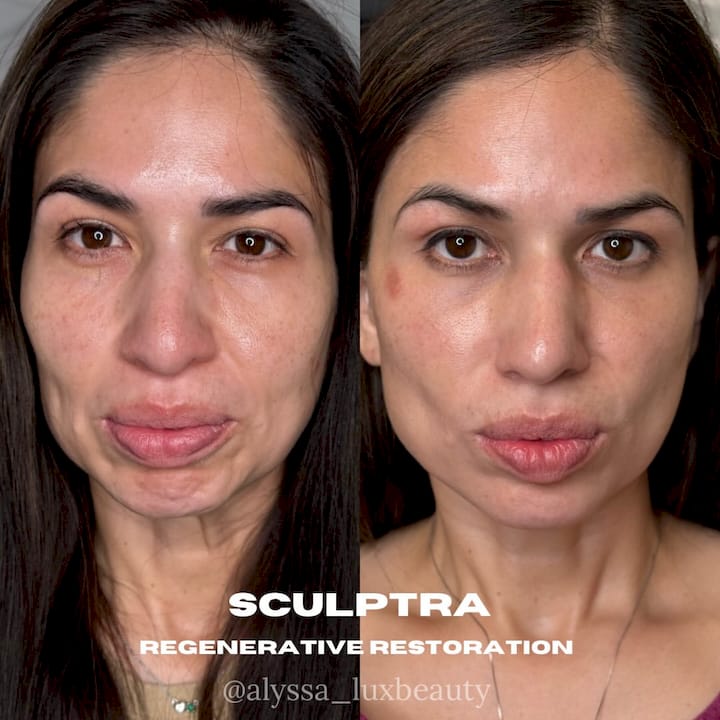
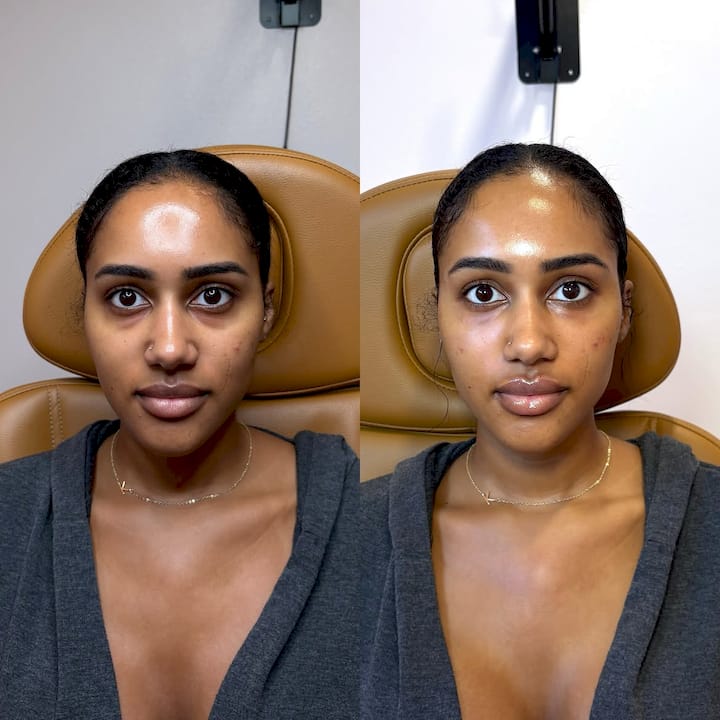
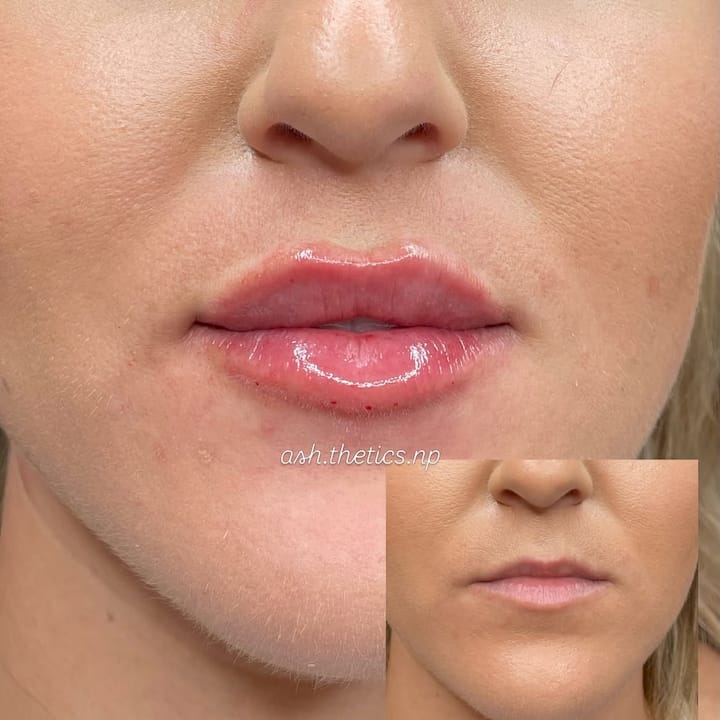
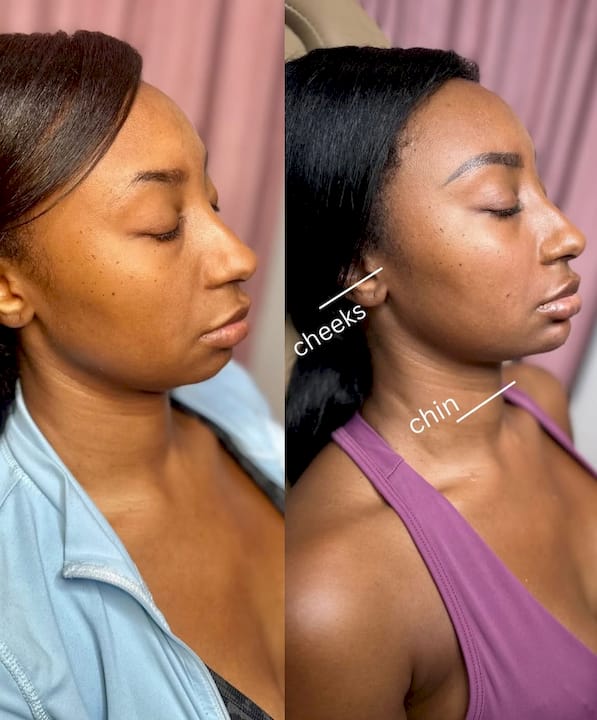
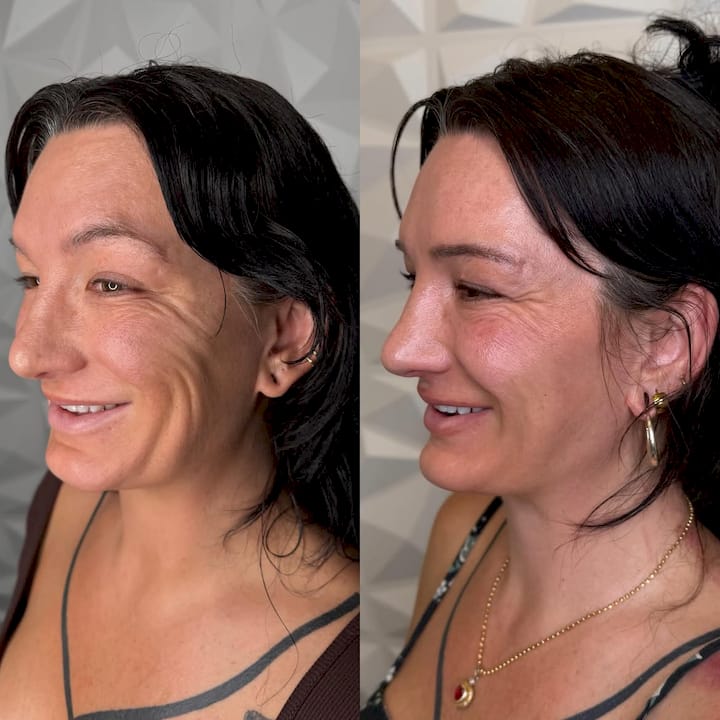
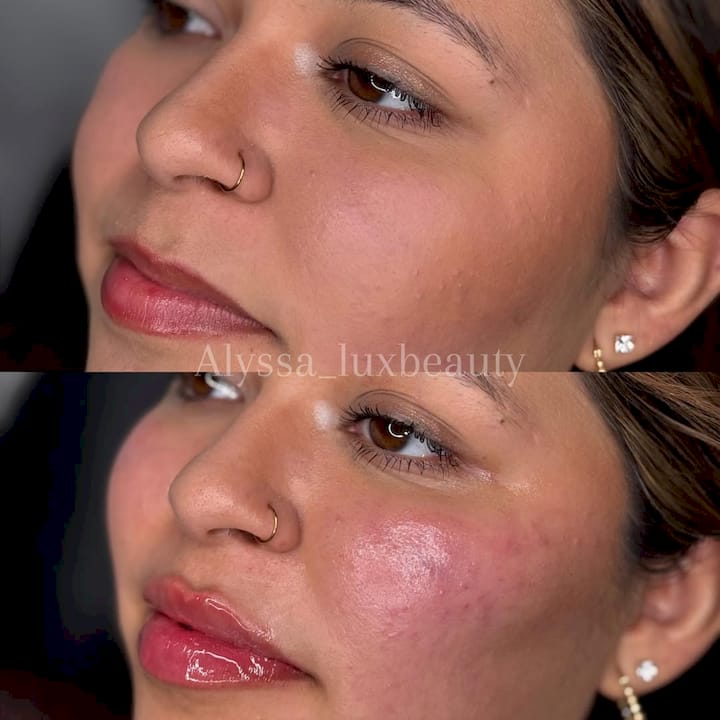
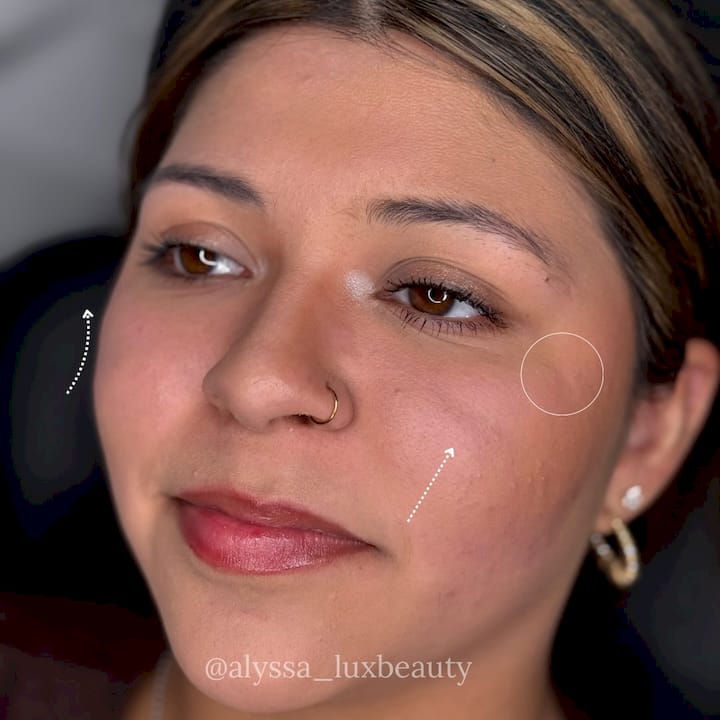
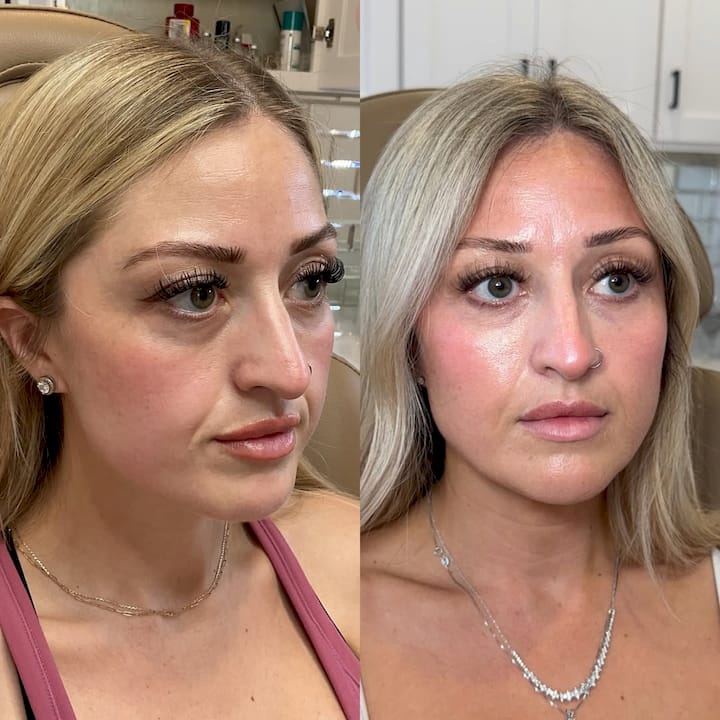
The microneedling overview at The Injection Room shows how this treatment fits into a broader plan for facial rejuvenation. And for those who want to visualize what’s possible, checking out before and after results can help set realistic, informed expectations.
Now, how does microneedling stack up against other popular treatments? Here’s an honest comparison:
| Treatment | Invasiveness | Downtime | Primary targets | Stimulates collagen? |
|---|---|---|---|---|
| Microneedling | Minimal | 1 to 3 days | Texture, scars, wrinkles | Yes |
| Laser resurfacing | Moderate to high | 1 to 2 weeks | Pigment, texture, wrinkles | Yes |
| Chemical peel | Low to moderate | 3 to 7 days | Tone, texture, mild lines | Partially |
| Botox/neurotoxin | Minimal | None | Dynamic wrinkles | No |
| Dermal fillers | Minimal | Minimal | Volume loss, deep lines | No |
As you can see, collagen stimulation through the wound-healing pathway is something microneedling shares with laser resurfacing, but with significantly less downtime and risk for most skin types. That balance makes it an attractive option for women who want meaningful results without significant interruption to their routines.
Factors that affect results: session depth, frequency, and provider expertise
While the benefits are compelling, your results depend heavily on several key variables. Needle depth, the number of sessions, and who performs the treatment all play a major role in what you’ll actually see in the mirror.
The FDA’s guidance on device parameters is clear: needle length and depth determine which skin structures are targeted, and professional depth control matters because it directly affects both your results and your risk profile. Home roller devices typically max out at 0.25mm to 0.5mm, which is enough to modestly improve product absorption but insufficient for meaningful collagen remodeling. Professional devices used at med spas can reach 1.5mm to 2.5mm, targeting the deeper dermal layers where real structural change happens.
Understanding how microneedling works at different depths helps clarify why professional treatment is worth the investment. Here’s a breakdown of what to expect at different levels:
| Device type | Needle depth | Typical use | Expected outcome |
|---|---|---|---|
| Home roller | 0.25mm to 0.5mm | Product absorption | Mild texture improvement |
| Professional: superficial | 0.5mm to 1.0mm | Tone, mild lines | Moderate texture refinement |
| Professional: moderate | 1.0mm to 1.5mm | Wrinkles, pores, early scars | Visible texture and tone improvement |
| Professional: deep | 1.5mm to 2.5mm | Deep scars, advanced laxity | Significant structural remodeling |
And the comparison between a microneedling roller vs professional device goes beyond just depth. Professional equipment offers adjustable speed, sterile single-use cartridges, and precise pressure control that home devices simply can’t replicate.
Frequency also matters. Most providers recommend a series of three to six sessions spaced four to six weeks apart for initial results, followed by maintenance sessions every three to six months. The skin needs time between sessions to fully heal and produce new collagen before the next controlled injury is introduced.
Choosing the right provider is just as important as choosing the right device. Here’s a numbered guide for selecting a qualified professional in Austin or San Antonio:
-
Verify credentials. Look for licensed aestheticians, registered nurses, or nurse practitioners with documented microneedling training.
-
Ask about the device. Professional-grade devices should be FDA-cleared and use sterile, disposable cartridges for each patient.
-
Request a consultation first. A quality provider will assess your skin type, concerns, and history before recommending a protocol.
-
Ask about depth customization. Your provider should be able to adjust needle depth to match your specific concerns and skin condition.
-
Check for before and after photos. Real patient results at the practice give you a realistic sense of what outcomes are possible.
Pro Tip: Before booking, ask specifically whether your provider will customize needle depth for different zones of your face. Thinner skin around the eyes requires a shallower setting than thicker skin on the cheeks or forehead. A one-depth-fits-all approach is a red flag. Visiting professional microneedling options with that question ready puts you in control of your outcome.
Who is and isn’t a candidate for microneedling?
Understanding who benefits most from microneedling ensures that you’re getting a treatment that’s genuinely appropriate for your skin. Not everyone is an ideal candidate, and screening matters more than most guides admit.
The FDA guidance on candidacy is explicit: microneedling’s benefits are real but not guaranteed. Some people need multiple sessions, improvements may be temporary, and candidacy screening is important because not everyone is a good candidate.
“Candidacy for microneedling should always be evaluated on an individual basis. Factors including skin type, active skin conditions, medications, and treatment history all influence whether microneedling is appropriate and how aggressively it can be performed.”
Ideal candidates for microneedling typically include:
-
Adults with fine lines, wrinkles, or early signs of skin laxity
-
Those with acne scars, surgical scars, or stretch marks on the face
-
People with enlarged pores, uneven texture, or dull complexion
-
Those with Fitzpatrick skin types I through IV (lighter to medium tones) who want an alternative to laser
-
Patients seeking a low-downtime option that still delivers measurable results
Microneedling may not be appropriate for:
-
People with active acne breakouts, open wounds, or active skin infections in the treatment area
-
Those with a history of keloid scarring, which can worsen with controlled injury
-
Pregnant or breastfeeding individuals
-
Anyone currently on blood-thinning medications or certain acne medications like isotretinoin
-
People with autoimmune or inflammatory skin conditions like rosacea in active flare
Managing comfort and pain management expectations is also part of the candidacy conversation. Most patients find microneedling tolerable with a topical numbing cream applied beforehand, but sensitivity varies. Your provider should walk you through what to expect before, during, and after your session.
Following aftercare tips closely is non-negotiable for protecting your results. And if you’re still unsure what a typical session looks like from start to finish, an expectations guide can walk you through the experience in detail.
Our take: What most guides get wrong about microneedling
Most articles on microneedling make it sound like a single-step solution. “Do three sessions, get great skin.” The reality is far more nuanced, and ignoring that nuance sets people up for disappointment.
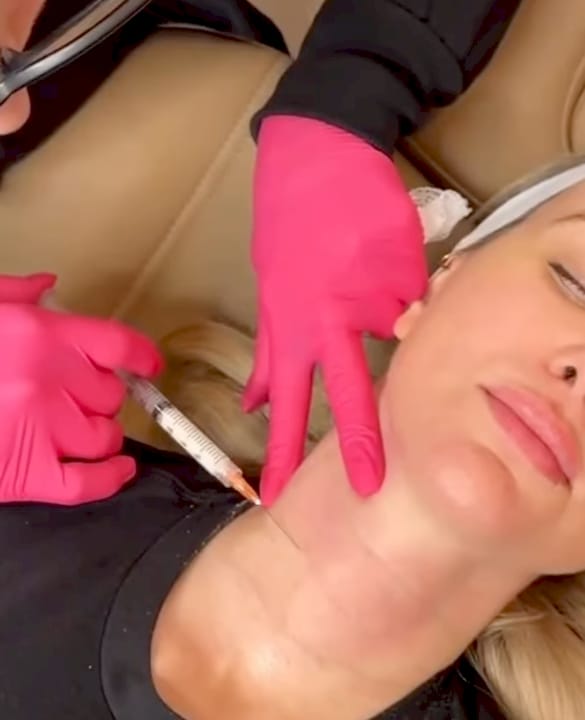
The biggest thing most guides get wrong is treating microneedling as a standalone treatment. In our experience, the best outcomes happen when microneedling is part of a thoughtfully designed protocol that includes complementary ingredients and adjunct treatments. Applying platelet-rich plasma or PRF (platelet-rich fibrin) immediately after microneedling, for example, uses those open micro-channels to flood the skin with concentrated growth factors, accelerating collagen production well beyond what either treatment achieves alone.
The same is true for hyaluronic acid serums and carefully formulated vitamin C products applied post-treatment. These aren’t extras. For many patients, they’re what takes results from “noticeable” to “remarkable.”
There’s also a troubling tendency to overpromise on timeline. Collagen remodeling is slow. You won’t see the full benefit of a session for eight to twelve weeks. Patients who judge results at the two-week mark and conclude that the treatment didn’t work are making an unfair comparison. A well-structured series requires patience, and your provider should make that clear from the start.
Finally, customized microneedling protocols should vary based on your unique concerns, skin type, and goals. A 35-year-old dealing primarily with post-acne scarring needs a very different approach than a 52-year-old addressing skin laxity and fine lines. Providers who use the same depth, speed, and serum for every patient are leaving real results on the table.
Setting realistic expectations isn’t pessimism. It’s how you build trust with patients and deliver outcomes they’re genuinely happy with. Ask your provider specifically what results are realistic for your skin in what timeframe, what adjuncts they recommend, and how they’ll adjust the protocol if your skin responds differently than expected.
Ready to enhance your facial results with microneedling?
If you’ve been considering microneedling and want to move forward with a team that takes a customized, evidence-informed approach, The Injection Room serves both Austin and San Antonio with professional-grade treatments and personalized care. Explore our microneedling services for a full overview of what we offer, or browse location-specific options for San Antonio microneedling and Austin microneedling to find the clinic nearest you. Our providers will assess your skin, explain every step of the process, and build a protocol designed around your actual concerns, not a one-size-fits-all menu.
Frequently asked questions
Is microneedling safe for sensitive skin?
Microneedling may be appropriate for some sensitive skin types, but a thorough candidacy screening is essential before treatment, since not every sensitive skin condition is compatible with controlled micro-injury.
How quickly can I see results from microneedling?
Initial improvements in texture and tone often appear within two to four weeks, but collagen remodeling continues for several months, meaning the best results from a session typically show at the eight to twelve week mark.
Can microneedling help reduce acne scars and wrinkles?
Yes. Microneedling is FDA-cleared for improving the appearance of facial acne scars and wrinkles in adults, making it one of the few non-surgical treatments with that level of regulatory validation.
What should I expect after a microneedling session?
Most people experience redness, mild swelling, and increased skin sensitivity for one to three days following treatment; following your provider’s aftercare instructions protects your results and minimizes the risk of complications.
Does microneedling require downtime?
Downtime is minimal for most patients, with redness and sensitivity resolving within two to three days, making it a practical option for women with active schedules in Austin and San Antonio who still want meaningful skin improvements.

%20Pictures%20are%204%20weeks%20apart..jpg)