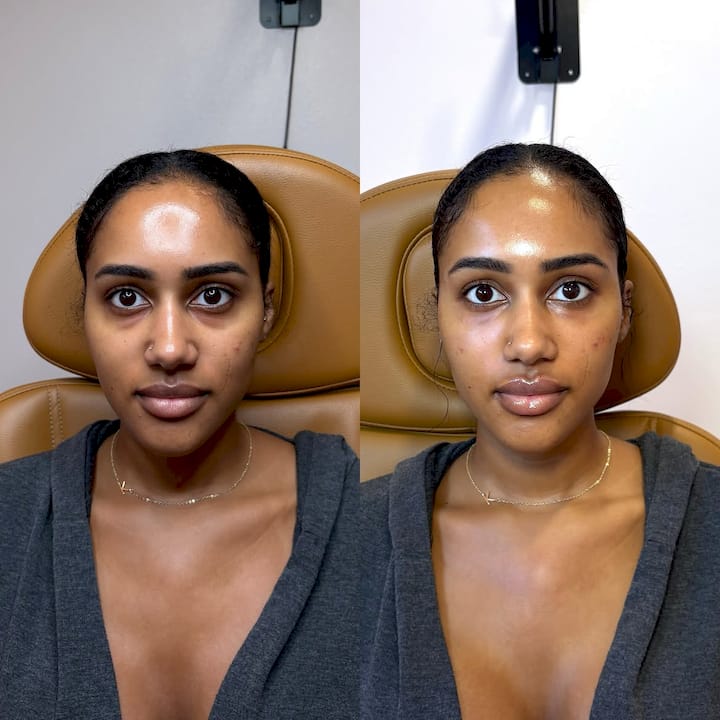
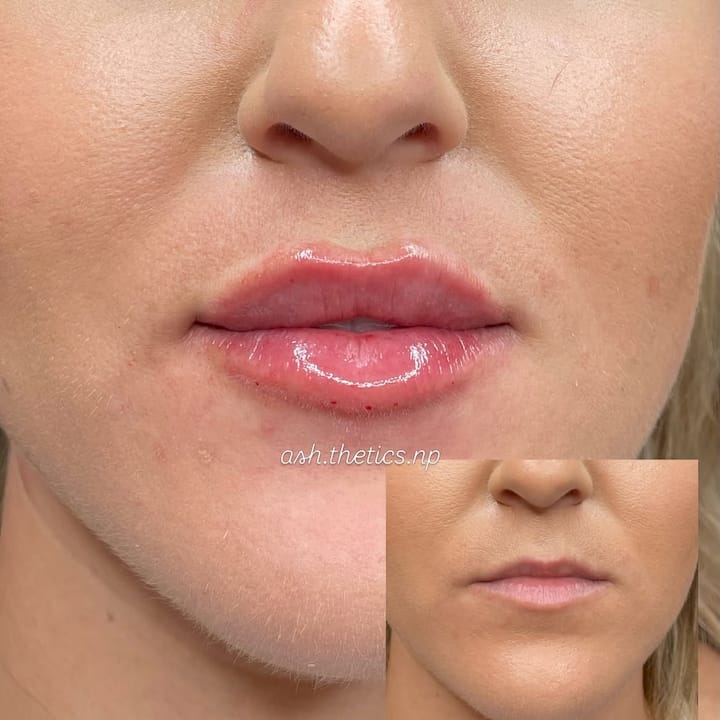
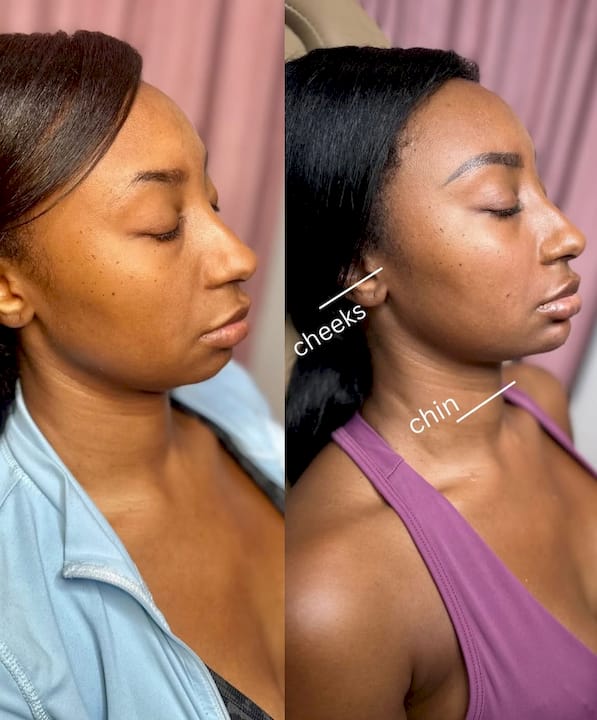
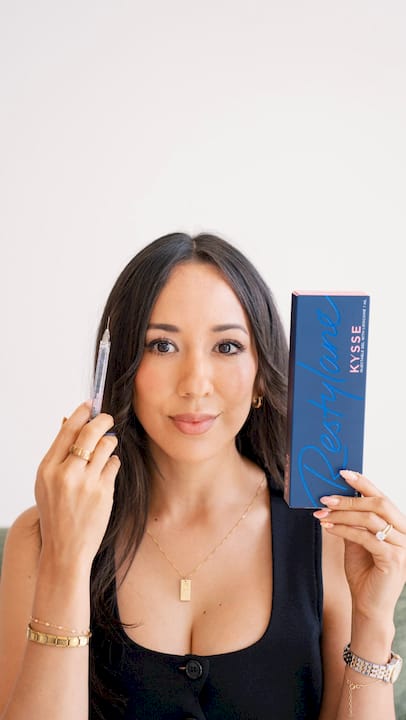
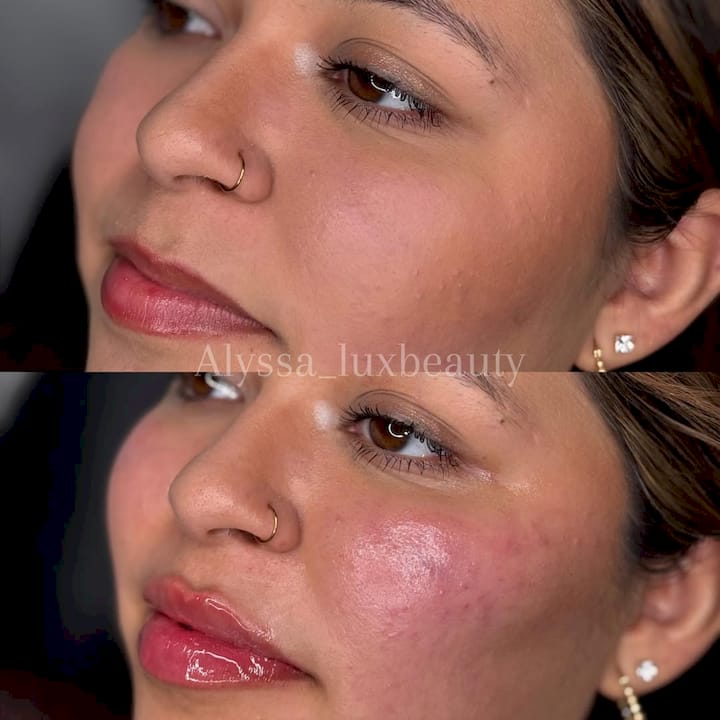
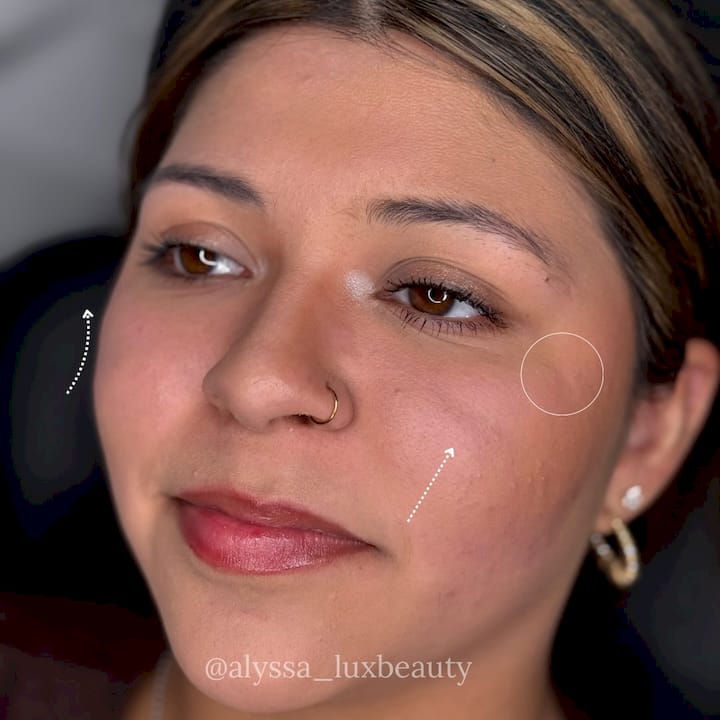
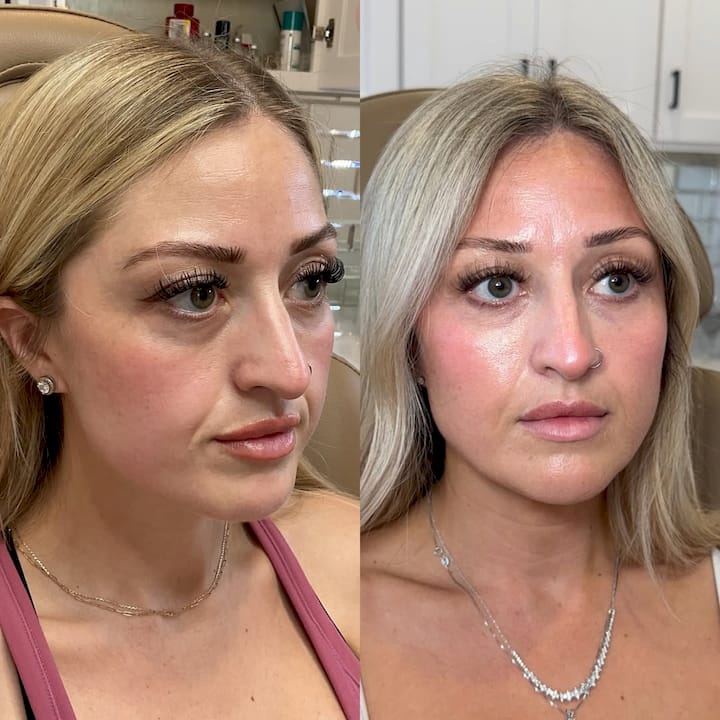
Stubborn fine lines and uneven skin tone can leave you searching for solutions that really work as you notice changes in your skin. For women in San Antonio and Austin, finding trusted treatments that deliver results and restore confidence is a top priority. Microneedling stands out as a modern answer, using your body’s own healing abilities to support collagen induction therapy and improve skin’s texture and youthful appearance.
Table of Contents
Key Takeaways
| Point | Details |
| Microneedling as a Skin Rejuvenation Technique | Microneedling uses fine needles to create micro-injuries, stimulating collagen and elastin production for improved skin texture. |
| Multiple Treatment Sessions Required | Optimal results typically necessitate three to six sessions spaced weeks apart to build upon collagen production. |
| Post-Treatment Care is Crucial | Following proper aftercare, including hydration and sun protection, is essential for maximizing the benefits of microneedling. |
| Consult Certified Professionals | Select experienced practitioners to ensure safe and customized treatments tailored to individual skin needs. |
What Is Microneedling and How It Works
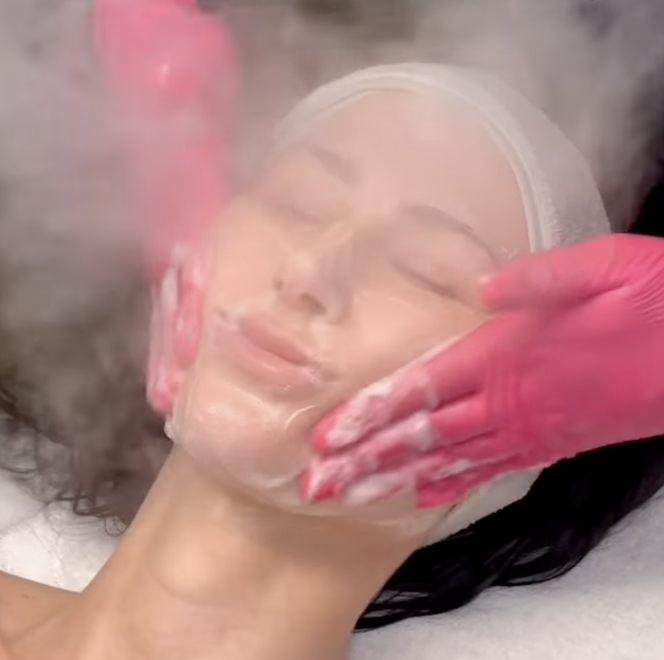
Microneedling is a cutting-edge skin rejuvenation procedure that harnesses your body’s natural healing capabilities to transform skin texture and appearance. This minimally invasive treatment uses fine, sterile needles to create microscopic punctures in the top layer of skin, strategically triggering a powerful regenerative response. Collagen induction therapy works by stimulating the body’s wound healing mechanisms to produce new skin cells and structural proteins.
During a typical microneedling session, a specialized device with ultra-thin needles creates controlled micro-injuries across targeted skin areas. These tiny punctures are so small they’re virtually invisible but profound enough to signal your skin’s natural repair processes. The treatment prompts your body to generate fresh collagen and elastin, which are essential proteins responsible for maintaining skin’s firmness, smoothness, and youthful resilience. Microscopic punctures in the skin essentially reset your skin’s regenerative capabilities, addressing multiple concerns like fine lines, acne scars, uneven skin tone, and enlarged pores.
The procedure typically involves multiple treatment sessions spaced several weeks apart, allowing progressive improvements in skin texture and appearance. Each session builds upon the last, gradually enhancing skin quality through sustained collagen production. Depending on individual skin conditions, patients might require three to six treatments to achieve optimal results. The process is particularly effective for women experiencing age-related skin changes, helping restore a more radiant and refined complexion.
Pro tip: Select a certified medical professional with extensive microneedling experience to ensure safe and effective treatment customized to your unique skin needs.
Key Types of Microneedling Treatments
Microneedling offers several specialized treatment approaches designed to address diverse skin concerns with precision and effectiveness. Microneedle technologies range from basic manual rollers to advanced radiofrequency devices, each targeting specific skin rejuvenation goals. The most common types include manual rollers, electronic microneedling pens, and radiofrequency-enhanced treatments, which provide increasingly sophisticated skin renewal strategies.
Traditional microneedling methods include manual dermal rollers and electronic microneedling pens. Manual rollers feature a handheld device with multiple tiny needles that create controlled skin micro-injuries, while electronic pens offer more precise and consistent needle penetration depths. Advanced microneedling techniques like radiofrequency microneedling elevate the treatment by incorporating heat energy, which intensifies collagen stimulation and can provide results comparable to laser treatments while remaining safer for diverse skin tones.
The selection of microneedling technique depends on individual skin conditions, treatment goals, and professional assessment. Specialized approaches can target specific concerns such as acne scarring, fine lines, uneven skin texture, and age-related skin changes. Some advanced treatments combine microneedling with platelet-rich plasma (PRP) or specialized serums to enhance healing and boost regenerative processes, offering a comprehensive approach to skin rejuvenation.
Here’s a comparison of popular microneedling devices and their unique features:
| Device Type | Precision Level | Best For |
| Manual Dermal Roller | Moderate control | Beginners, general texture |
| Electronic Microneedling Pen | High consistency | Scarring, targeted treatment |
| Radiofrequency Microneedling | Enhanced stimulation | Wrinkle reduction, firming |
Pro tip: Consult a certified skincare professional to determine the most appropriate microneedling technique tailored to your unique skin type and aesthetic goals.
Primary Benefits for Mature Skin
Microneedling represents a transformative solution for women experiencing age-related skin changes, offering a comprehensive approach to skin renewal. Mature skin rejuvenation targets the fundamental challenges of aging, including reduced collagen production, decreased skin elasticity, and progressive textural irregularities. The treatment strategically addresses these concerns by stimulating the body’s natural healing mechanisms, effectively reversing signs of environmental damage and chronological aging.
The primary benefits for mature skin are profound and multifaceted. Collagen and elastin production dramatically increases through microneedling, helping to restore skin’s structural integrity and resilience. This process specifically targets common age-related concerns such as fine lines, wrinkles, uneven skin tone, and loss of firmness. By creating controlled micro-injuries, the treatment triggers a regenerative response that naturally thickens the epidermis, which typically becomes thinner and more fragile with age, resulting in a visibly smoother and more youthful complexion.
Beyond surface-level improvements, microneedling offers deeper, more comprehensive skin transformation. The treatment can dramatically reduce the appearance of age spots, minimize enlarged pores, and improve overall skin texture. Women experiencing hormonal changes or environmental skin damage find particular benefits, as the procedure helps normalize skin cell turnover and promotes a more uniform, radiant appearance. Advanced techniques can even incorporate specialized serums or platelet-rich plasma to enhance healing and boost regenerative processes.
Pro tip: Schedule a comprehensive skin consultation to develop a personalized microneedling treatment plan that addresses your specific age-related skin concerns and aesthetic goals.
Step-By-Step Microneedling Process
The microneedling journey begins with a comprehensive consultation designed to assess individual skin conditions and develop a personalized treatment strategy. Microneedling preparation involves several critical steps that ensure optimal results and patient comfort. During the initial consultation, a skincare professional evaluates skin type, discusses aesthetic goals, and determines the most appropriate needle depth and treatment protocol tailored to specific skin concerns.
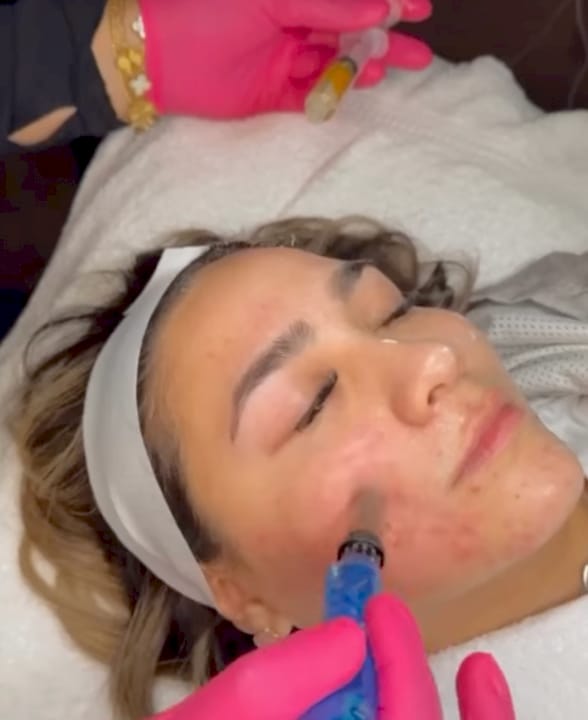
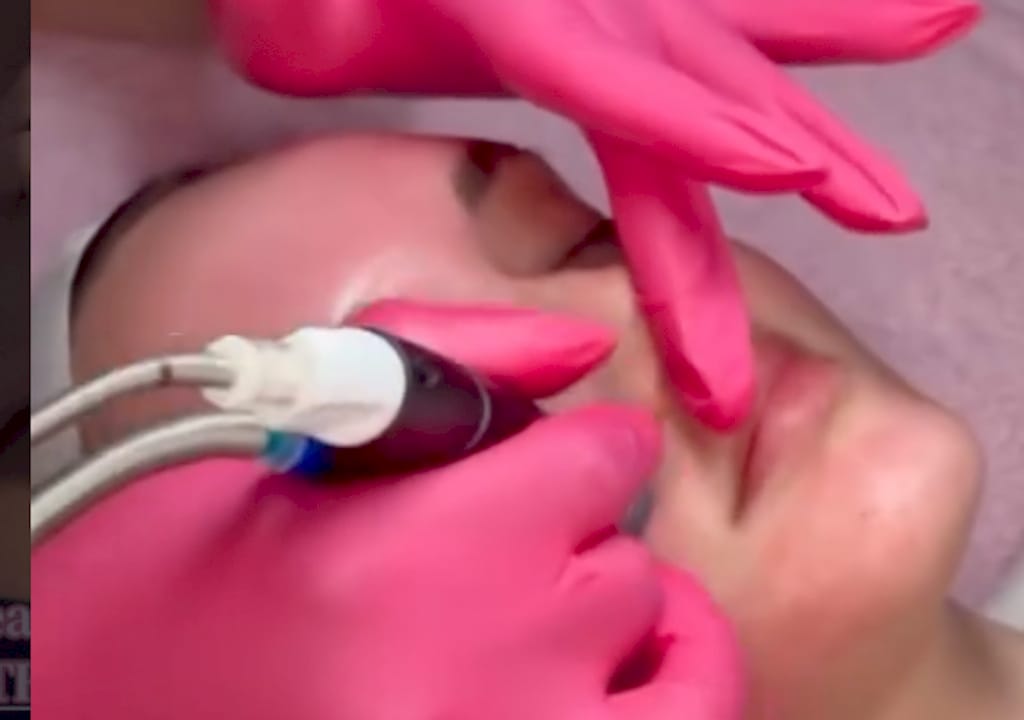
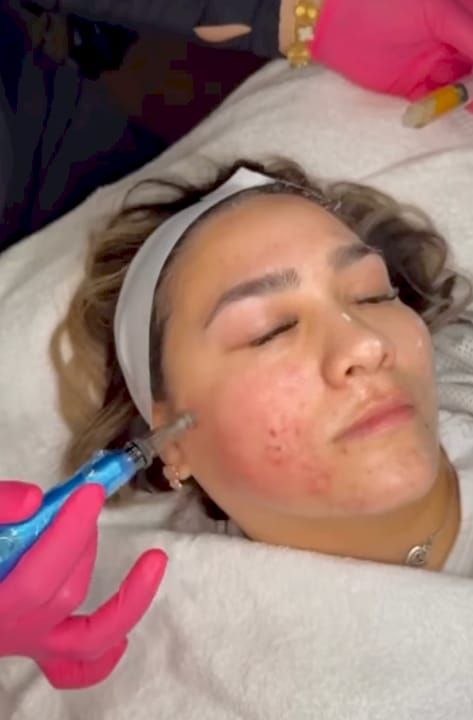
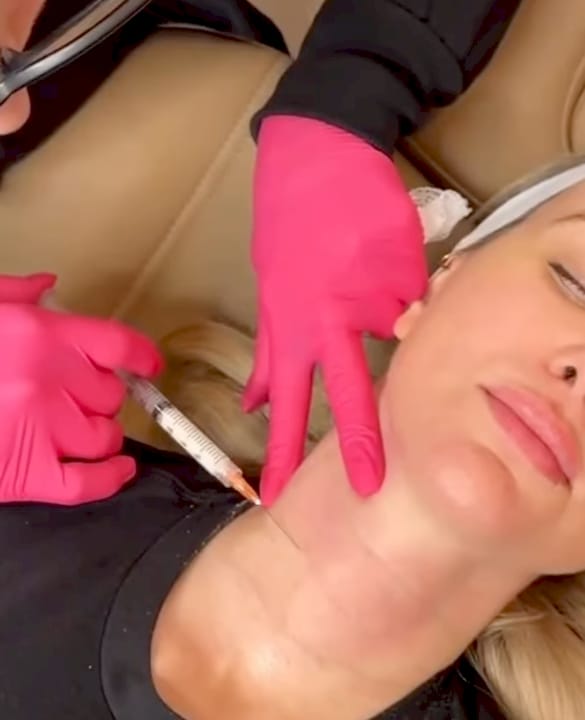
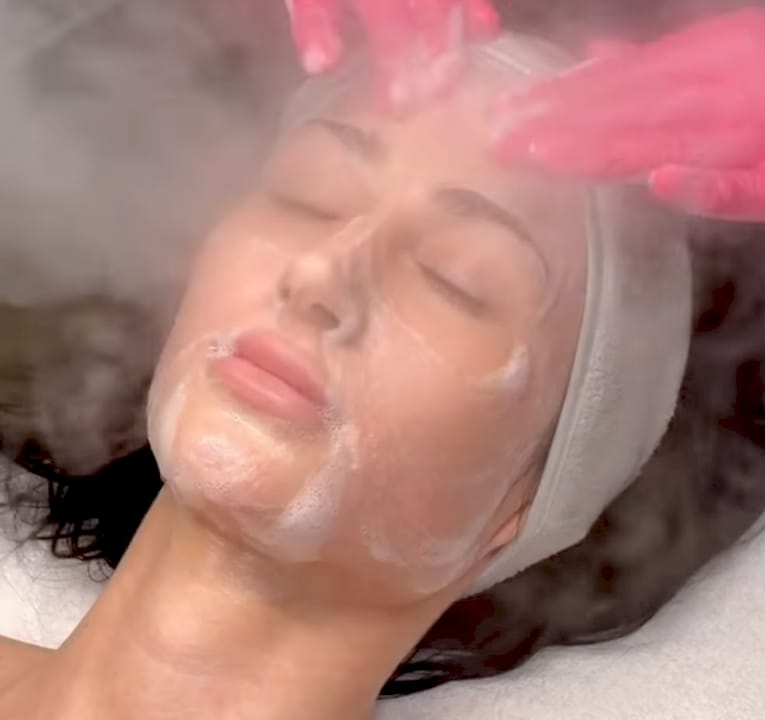
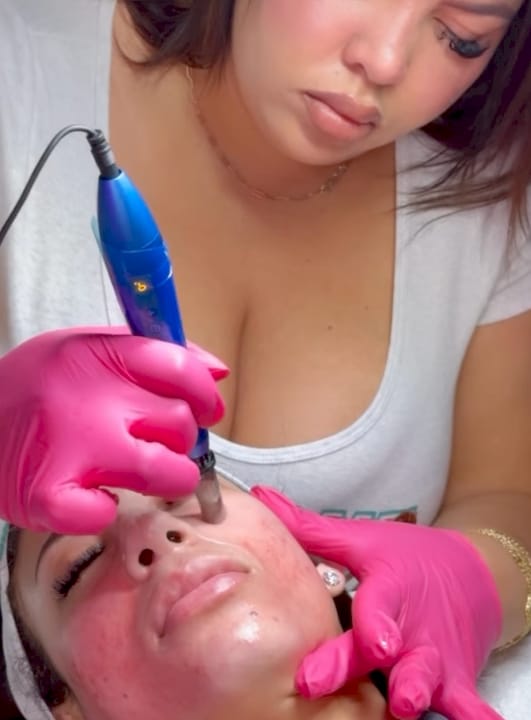
On the day of the procedure, patients arrive with clean, makeup-free skin. A topical numbing cream is applied to minimize discomfort, typically sitting for 30-45 minutes to ensure maximum patient comfort. Controlled skin injury technique involves a specialized handheld device with fine, sterile needles that create microscopic punctures across the treatment area. The clinician carefully passes the device over targeted regions, maintaining consistent pressure and angle to ensure uniform micro-injuries that stimulate the skin’s natural healing response.
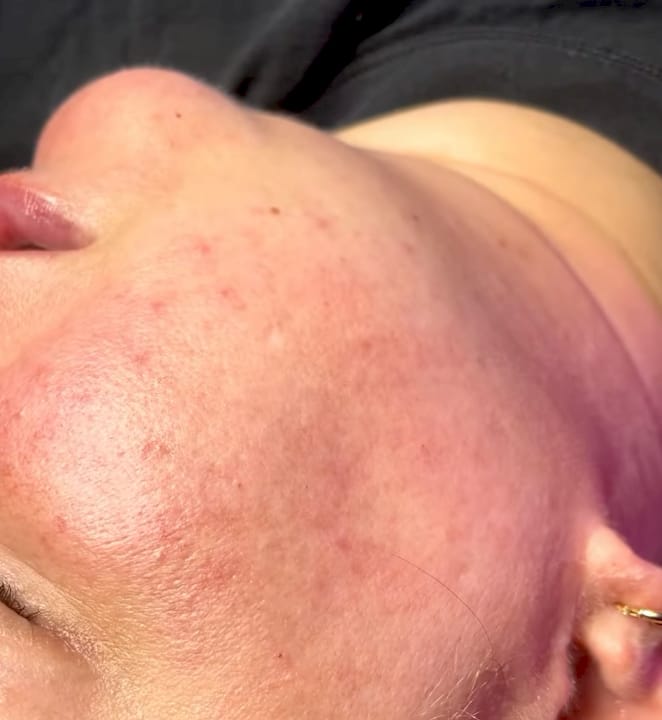
Post-treatment care is crucial for maximizing microneedling benefits and supporting optimal healing. Immediately after the procedure, patients can expect mild redness and potential slight swelling, similar to a mild sunburn. The skin begins its regenerative process, with collagen production ramping up over the following weeks. Patients are advised to avoid direct sun exposure, use gentle skincare products, and follow a specific post-treatment protocol that may include specialized serums or healing compounds to enhance the regenerative process.
To help you plan for a microneedling session, here is a process summary and what to expect each step:
| Stage | What Happens | Purpose |
| Consultation | Skin assessment, goal discussion | Personalize the plan |
| Preparation | Numbing cream application | Maximize comfort |
| Procedure | Device creates micro-injuries | Trigger regeneration |
| Aftercare | Gentle products, sun avoidance | Promote healing, results |
Pro tip: Schedule your microneedling treatments during a period with minimal social commitments to allow for comfortable recovery and optimal skin healing.
Risks, Costs, and Common Mistakes
Microneedling, while generally safe, requires careful consideration of potential risks and financial investment. Microneedling safety considerations highlight the importance of choosing qualified practitioners and understanding potential complications. The average cost ranges between $300 and $700 per session, with most patients requiring multiple treatments to achieve optimal results. Treatment expenses can vary based on geographic location, provider expertise, and the specific areas being addressed.

Treatment side effects are typically mild but require proper management. Patients might experience temporary redness, mild swelling, and skin sensitivity lasting 24-72 hours post-procedure. Common mistakes include attempting at-home treatments with non-sterile equipment, overtreatment of sensitive skin areas, and neglecting crucial aftercare instructions. Some individuals may be more susceptible to complications, particularly those with active acne, skin infections, keloid scarring tendencies, or compromised immune systems.
Navigating the potential risks demands a strategic approach. Professional practitioners recommend thorough skin consultations to assess individual suitability, review medical history, and identify any contraindications. Potential complications can include hyperpigmentation, infection, and rare instances of scarring if procedures are performed incorrectly. Patients should prioritize credentials, seek board-certified professionals, and maintain realistic expectations about treatment outcomes and potential healing timelines.
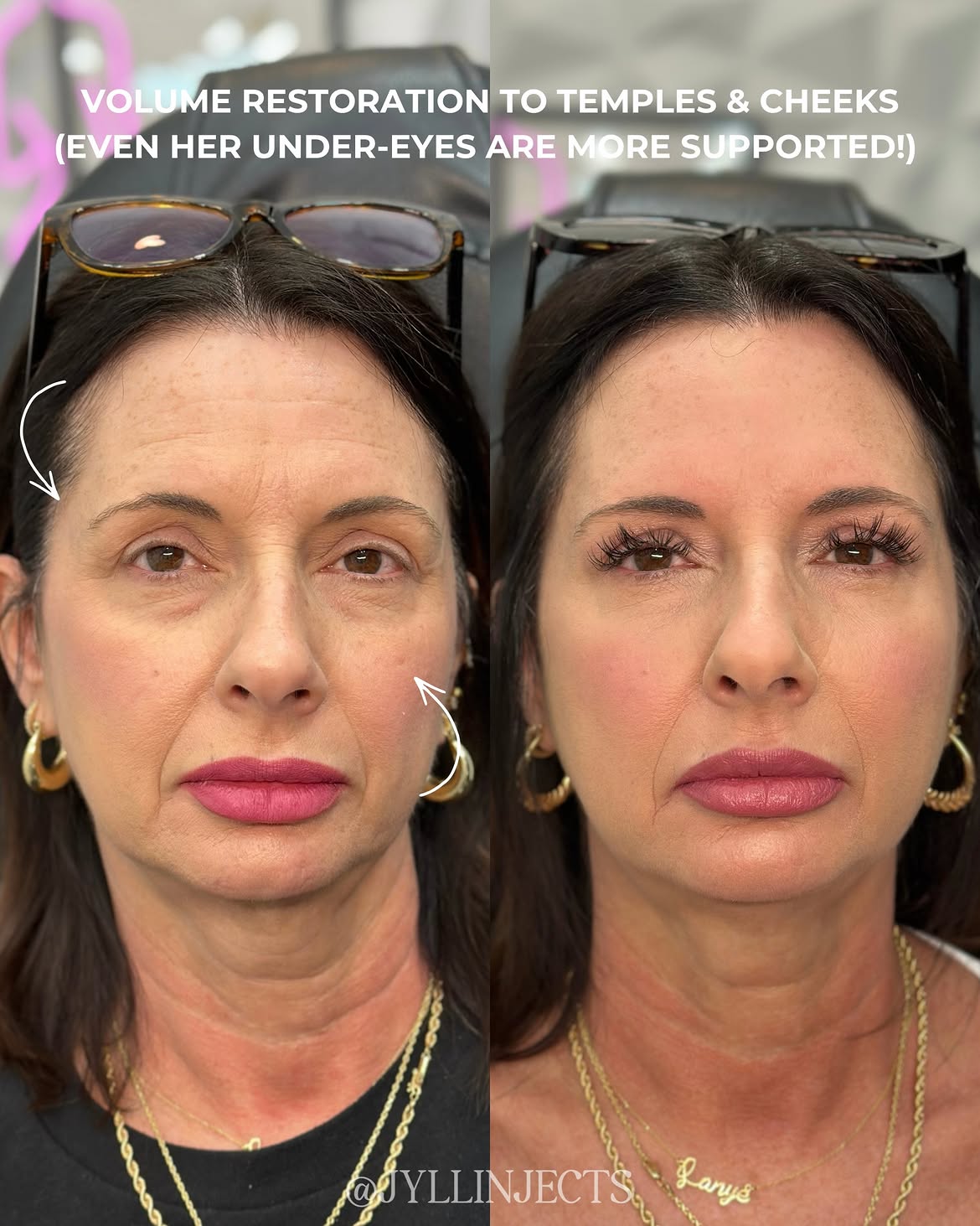
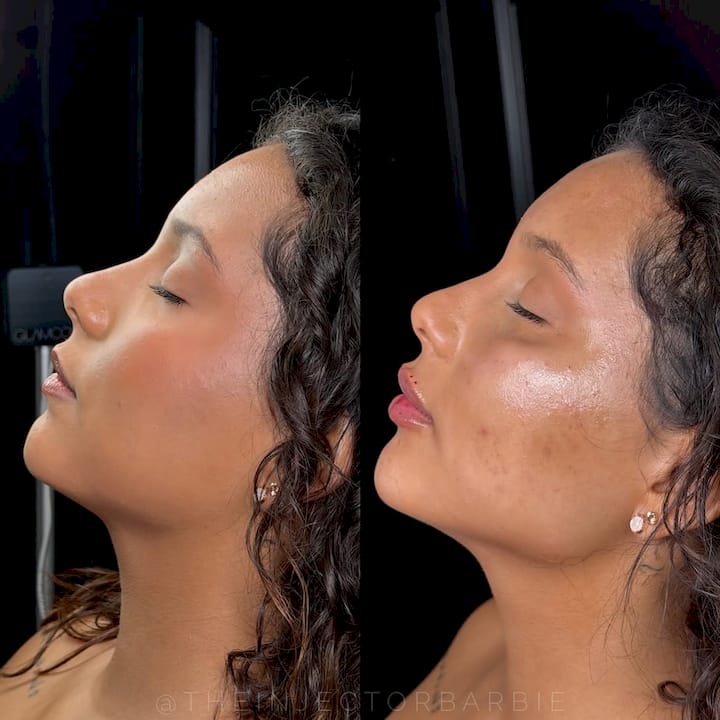
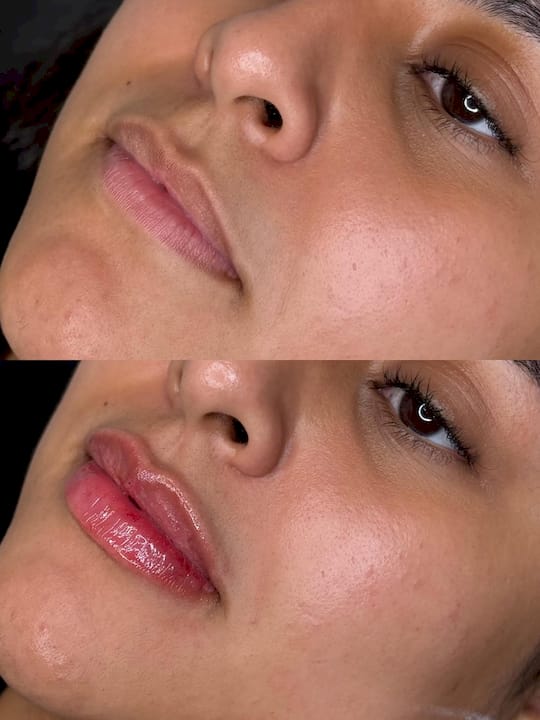
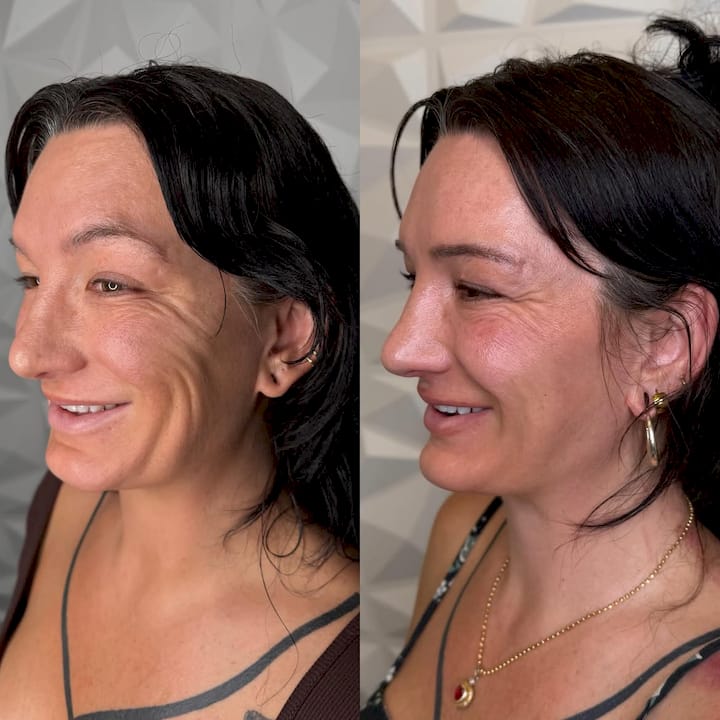
Pro tip: Request before-and-after photographs and verify your provider’s professional certifications during your initial microneedling consultation to ensure highest safety standards.
Aftercare for Optimal Results
Successful microneedling outcomes depend critically on meticulous post-treatment care designed to support the skin’s natural healing process. Skin healing protocols emphasize gentle treatment and protection during the crucial five to seven days following the procedure. Immediately after treatment, patients should prioritize skin hydration, avoid potential irritants, and create an environment that promotes optimal collagen regeneration and minimizes potential complications.
The first 24-48 hours are particularly sensitive, requiring specialized care strategies. Microneedling recovery guidelines recommend avoiding makeup, direct sunlight, vigorous exercise, and harsh skincare products. Patients should use mild, fragrance-free cleansers, apply recommended healing serums, and maintain skin hydration with non-comedogenic moisturizers. Protecting the skin’s newly created microchannels is essential to prevent potential infections and support the body’s natural regenerative processes.
Long-term aftercare extends beyond the initial healing period, involving strategic skincare choices that enhance and prolong microneedling benefits. Consistent sun protection with broad-spectrum SPF 30 or higher is crucial, as newly regenerated skin is more susceptible to sun damage. Patients should gradually reintroduce active skincare ingredients like retinols and vitamin C, following their provider’s specific recommendations. Maintaining a balanced diet, staying hydrated, and avoiding smoking can further support skin healing and collagen production.
Pro tip: Maintain a detailed recovery journal to track your skin’s healing process and note any changes or potential concerns to discuss with your skincare professional.
Renew Your Skin and Confidence with Expert Microneedling at The Injection Room
If you are facing concerns like fine lines, uneven skin tone, or loss of firmness caused by aging, microneedling could be a powerful solution to restore your skin’s natural glow. This article highlights how stimulating collagen and elastin production through precise micro-injuries can renew your complexion safely and effectively. At The Injection Room, we understand the challenges of mature skin and offer tailored microneedling treatments enhanced by Korean skin boosters to maximize results.
Discover how combining these advanced skin rejuvenation techniques with professional care can help you achieve smoother, youthful skin without lengthy downtime. Explore our range of expert skincare services to complement your microneedling journey by visiting The Injection Room Skincare. Ready to take the next step in transforming your appearance and confidence Visit The Injection Room today and schedule your personalized consultation. Beautiful skin is within reach when you choose trusted professionals dedicated to your unique skin goals.
Frequently Asked Questions
What is microneedling and how does it work?
Microneedling is a skin rejuvenation procedure that uses fine, sterile needles to create microscopic punctures in the skin, stimulating the body’s natural healing processes to produce new collagen and elastin, improving skin texture and appearance.
How many microneedling sessions are required for optimal results?
Typically, patients may require three to six microneedling sessions spaced several weeks apart. This allows for progressive improvements as collagen production builds with each treatment.
What are the potential side effects of microneedling?
Common side effects include mild redness, swelling, and skin sensitivity, similar to a mild sunburn. These symptoms usually subside within 24 to 72 hours.
What should I do after a microneedling procedure for optimal healing?
Post-treatment care includes avoiding makeup, direct sunlight, and harsh skincare products for at least 24-48 hours. Use gentle, fragrance-free cleansers, apply recommended healing serums, and keep the skin hydrated to support the healing process.


%20Pictures%20are%204%20weeks%20apart..jpg)