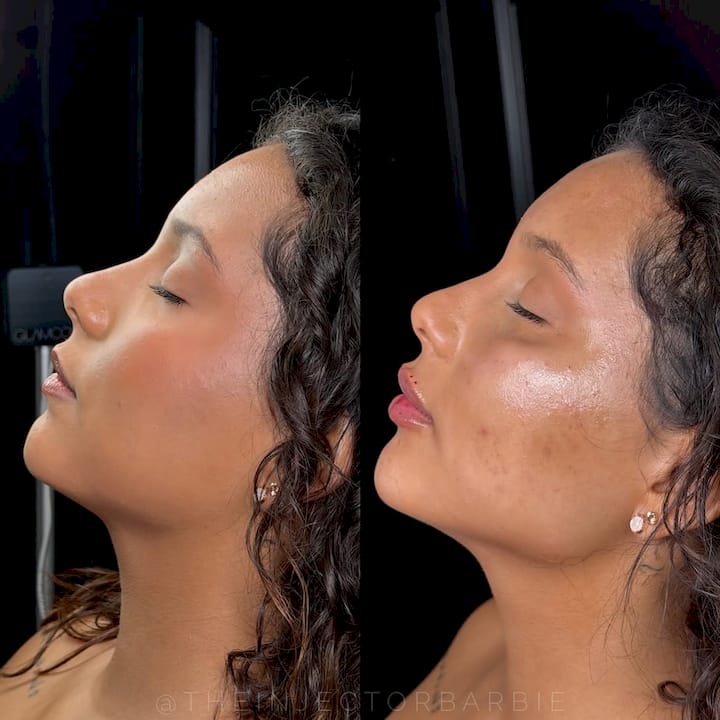
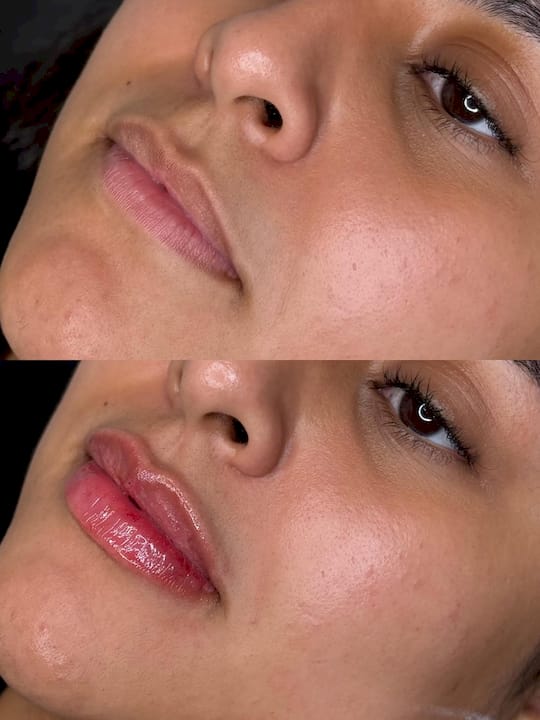
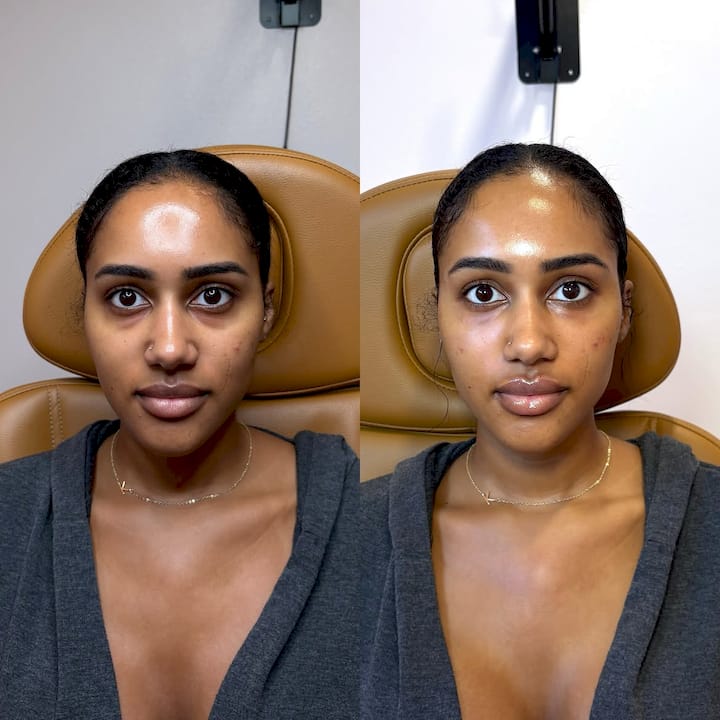
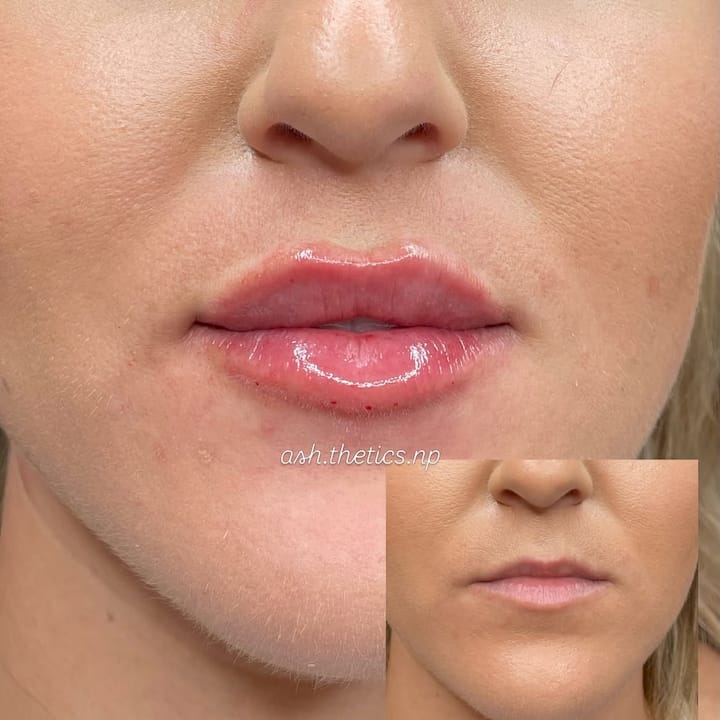
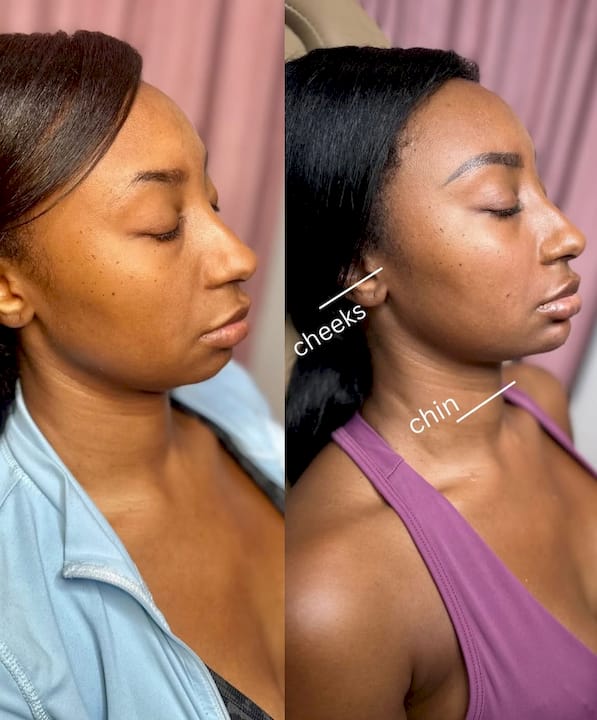
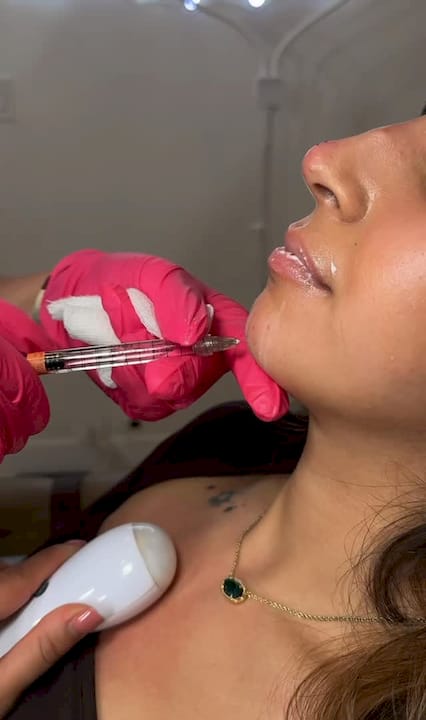
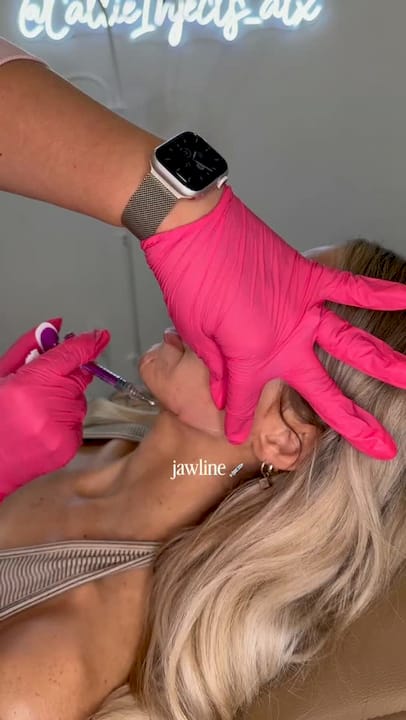
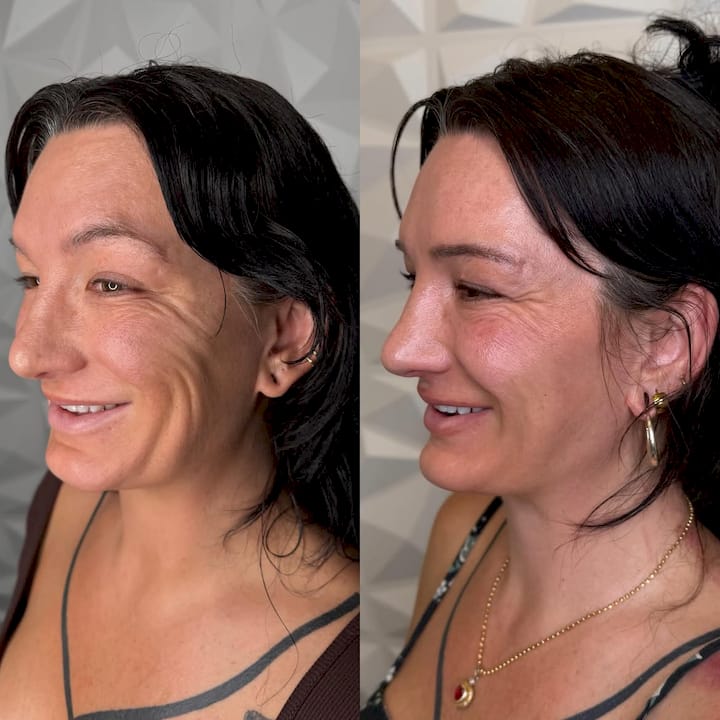
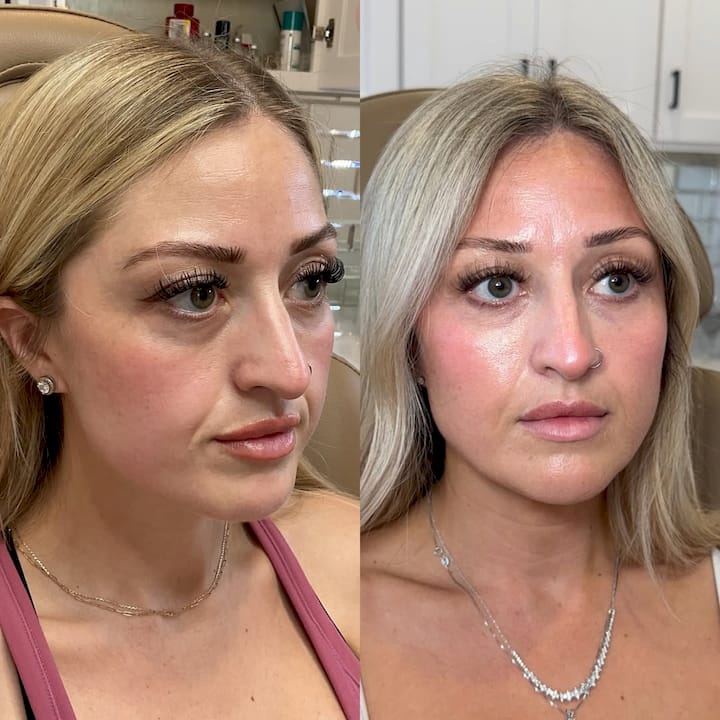
Over three million American women choose jawline fillers each year to fight the effects of aging and restore facial definition. For women in San Antonio and Austin, seeing a softer jawline in the mirror often signals changes that nonsurgical treatments can address. Jawline fillers offer a simple, effective way to enhance contours, reduce sagging, and create a refreshed look—no surgery required.
Table of Contents
Quick Summary
| Takeaway | Explanation |
| 1. Choose a board-certified professional. | Professional guidance ensures safe and effective jawline filler treatments tailored to your anatomy. |
| 2. Understand filler types and effects. | Different fillers like hyaluronic acid and calcium hydroxylapatite serve unique purposes and have varying durations. |
| 3. Maintain regular follow-up appointments. | Touch-up treatments every nine to twelve months are crucial for sustaining desired jawline definition. |
| 4. Discuss your aesthetic goals openly. | Effective communication during consultations leads to better treatment outcomes and realistic expectations. |
| 5. Be aware of safety standards and risks. | Always ensure the fillers used are FDA-approved and discuss any potential side effects with your provider. |
1. Understanding Jawline Fillers: The Basics
Jawline fillers represent a cutting-edge nonsurgical cosmetic solution designed to enhance and define facial structure. These injectable treatments provide a strategic approach to reshaping and rejuvenating the lower face without invasive surgical procedures.
At their core, jawline fillers are specialized dermal fillers designed for facial contouring. They work by strategically adding volume and structure beneath the skin, effectively addressing age-related volume loss and creating a more defined, youthful appearance. Over 3 million Americans opt for these treatments annually, seeking to restore facial symmetry and combat the natural signs of aging.
The primary goal of jawline fillers is multifaceted: they can sharpen the jaw angle, reduce the appearance of sagging skin, create better facial proportions, and provide a more sculpted profile. Unlike surgical options, these injectable treatments offer minimal downtime and immediate visual improvements.
Medical professionals typically use several types of fillers for jawline enhancement, including hyaluronic acid, calcium hydroxylapatite, and polymethylmethacrylate. Each filler type has unique characteristics that allow for customized treatment based on individual facial structure and aesthetic goals.
Pro tip: Consult with a board-certified professional who can assess your specific facial anatomy and recommend the most appropriate filler type for your desired jawline enhancement.
2. Why Hyaluronic Acid Is Preferred for Jawline
Hyaluronic acid represents the gold standard in jawline filler treatments, offering a revolutionary approach to facial rejuvenation and contouring. This naturally occurring substance has transformed aesthetic medicine with its remarkable ability to restore volume and enhance facial structure.
Unlike synthetic alternatives, hyaluronic acid provides unparalleled benefits for jawline enhancement. Hyaluronic acid fillers excel at restoring volume by mimicking the body’s natural hydration mechanisms. These injectable gels seamlessly integrate with existing facial tissue, creating a smooth, natural looking result that improves skin elasticity and promotes tissue regeneration.
One of the most significant advantages of hyaluronic acid is its exceptional safety profile. Randomized controlled studies have demonstrated its effectiveness in jawline definition, with patients experiencing significant contour improvements that can last up to 12 months. The filler not only adds immediate volume but also stimulates collagen production, offering long-term aesthetic benefits.
Patients appreciate hyaluronic acid fillers for their reversibility a unique feature that sets them apart from permanent solutions. If a patient is unsatisfied with the results, the filler can be dissolved, providing an additional layer of confidence and flexibility in aesthetic treatments.
Pro tip: Always consult with a board certified professional who can evaluate your specific facial anatomy and recommend the most appropriate hyaluronic acid filler concentration for your desired jawline enhancement.
3. Choosing the Right Filler Based on Facial Anatomy
Selecting the perfect jawline filler is a nuanced art that requires deep understanding of individual facial anatomy and aesthetic goals. Each person’s facial structure is unique, demanding a personalized approach to dermal filler treatments.
Professional providers meticulously assess multiple factors when selecting the ideal filler type for jawline enhancement. These considerations include skin thickness, bone structure, volume loss patterns, and desired aesthetic outcomes. The right filler can dramatically transform facial contours while maintaining a natural appearance.
Different filler materials serve specific purposes in jawline contouring. Calcium hydroxylapatite works exceptionally well for structural augmentation, providing firm support and definition. Hyaluronic acid fillers offer versatility and hydration, creating smoother transitions and softer volume enhancement. Poly-L-lactic acid stimulates natural collagen production, delivering gradual and sustainable improvements.
The injection technique matters as much as the filler type. Deeper injections using firmer fillers work best for significant structural changes, while softer fillers address subtle refinements. A skilled professional will map your unique facial anatomy, identifying precise injection points to achieve optimal symmetry and balance.
Pro tip: Always schedule a comprehensive consultation where your provider conducts a thorough facial assessment and discusses multiple filler options tailored specifically to your individual anatomical characteristics.
4. Longevity and Maintenance of Jawline Fillers
Jawline fillers are not permanent solutions but sophisticated temporary enhancements that require strategic maintenance for optimal results. Understanding the longevity of different filler types helps patients plan and budget for their aesthetic goals.
Dermal filler effects vary significantly based on the specific material used. Hyaluronic acid fillers typically last six to twelve months, with some advanced formulations extending results up to two years. Calcium hydroxylapatite fillers provide slightly longer duration, often maintaining definition for approximately twelve months.
Multiple factors influence filler longevity beyond the material itself. Individual metabolism, treatment area mobility, lifestyle habits, and skincare routines all play crucial roles in determining how long your jawline enhancement will remain visible. Patients with faster metabolisms or more active facial muscles may experience slightly shorter filler duration.
Maintenance is key to preserving your desired aesthetic outcome. Regular follow up treatments can help sustain volume and prevent gradual volume loss. Most providers recommend scheduling touch up appointments every nine to twelve months to maintain consistent jawline definition and support ongoing collagen stimulation.
Pro tip: Schedule your follow up consultation before your initial filler completely dissolves to ensure continuous, seamless enhancement of your jawline contour.
5. Safety and FDA-Approved Jawline Fillers
Understanding the safety standards for jawline fillers is crucial for anyone considering this aesthetic enhancement. The Food and Drug Administration plays a critical role in ensuring these cosmetic treatments meet rigorous safety requirements.
FDA-approved dermal fillers include several key substances specifically designed for facial contouring. Hyaluronic acid fillers like Juvederm and Restylane, calcium hydroxylapatite such as Radiesse, and polymethylmethacrylate represent the primary FDA-approved options for jawline enhancement.
Safety is paramount in cosmetic procedures, and jawline fillers are no exception. While generally considered safe when administered by trained professionals, potential risks include temporary swelling, bruising, and rare instances of allergic reactions. The likelihood of complications dramatically reduces with an experienced and certified healthcare provider who understands facial anatomy and injection techniques.
Patient screening is a critical component of ensuring treatment safety. Providers conduct thorough medical history reviews, assess individual risk factors, and discuss potential contraindications before recommending any dermal filler procedure. This comprehensive approach helps minimize potential adverse reactions and ensures patient well being.
Pro tip: Always verify your provider’s credentials and request to see their FDA certification before undergoing any jawline filler treatment.
6. Expected Results from Jawline Filler Treatments
Jawline filler treatments offer remarkable aesthetic transformations that can dramatically enhance facial structure and definition. Understanding the immediate and long term outcomes helps patients set realistic expectations for their cosmetic journey.
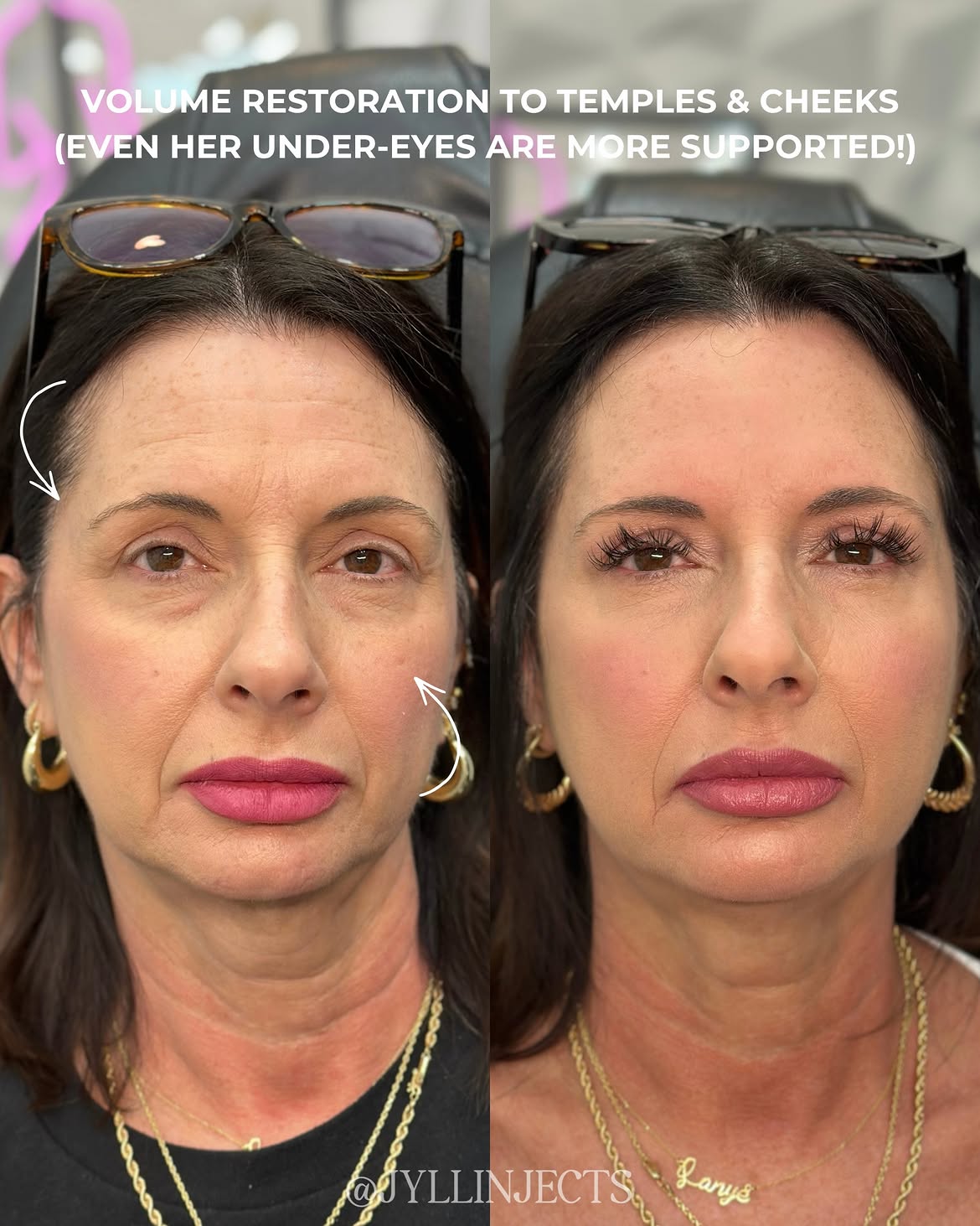
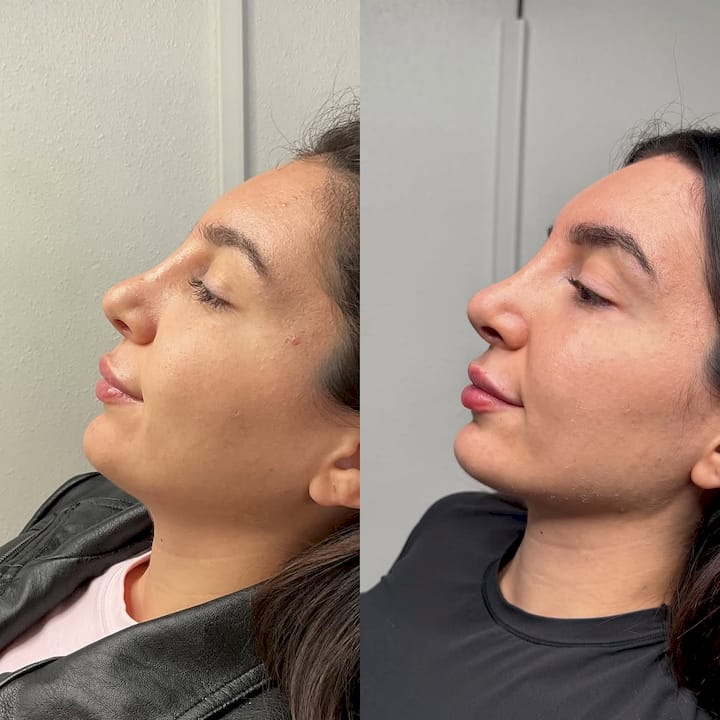
Patients typically see immediate improvements in jawline contour and skin appearance. The treatment provides instant definition by adding strategic volume, creating sharper jaw angles, and smoothing fine lines associated with aging.
The aesthetic results extend beyond simple volume enhancement. Fillers work to sculpt and redefine facial proportions, creating a more balanced and youthful profile. Women between 35 and 55 often experience significant visual improvements such as reduced sagging skin, enhanced facial symmetry, and a more refined jawline silhouette.
Initial results continue to evolve during the weeks following treatment. While immediate changes are noticeable, the final appearance typically emerges as initial swelling subsides and the filler settles into natural facial contours. Most patients report peak aesthetic results approximately two to four weeks post treatment.
Pro tip: Take progression photos during your treatment journey to track subtle changes and discuss potential adjustments with your aesthetic professional.
7. Talking to Your Provider About Jawline Fillers
A successful jawline filler treatment begins with an open and comprehensive consultation with a qualified aesthetic professional. Effective communication is the cornerstone of achieving your desired aesthetic outcomes.
Before your appointment, prepare a detailed consultation strategy that helps you articulate your goals and concerns. Your consultation is an opportunity to discuss your aesthetic vision, understand potential treatment options, and establish realistic expectations about the procedure.
During the consultation, be prepared to share comprehensive medical information. This includes current medications, previous cosmetic treatments, allergies, and any underlying health conditions. Your provider will conduct a thorough facial assessment, examining bone structure, skin quality, and potential asymmetries to recommend the most appropriate treatment approach.
Critical questions to ask your provider include the type of filler recommended, expected duration of results, potential side effects, recovery timeline, and total treatment cost. A transparent discussion about potential risks and realistic outcomes ensures you can make an informed decision about your aesthetic journey.
Pro tip: Bring reference photos showing your desired jawline aesthetic and be open to professional recommendations that complement your natural facial structure.
Below is a comprehensive table summarizing the main aspects of jawline fillers as discussed throughout the article.
| Aspect | Details | Considerations |
| Definition | Jawline fillers are nonsurgical injectables designed to enhance facial structure and symmetry. | Offers a temporary solution for facial rejuvenation without invasive procedures. |
| Primary Goal | Improve jaw angle, reduce sagging, and enhance facial proportions. | Yields immediate visual improvements with minimal downtime. |
| Materials Used | Hyaluronic acid, calcium hydroxylapatite, and polymethylmethacrylate. | Each type is selected based on individual aesthetic goals and facial anatomy. |
| Hyaluronic Acid | Known for its safety, natural hydration, and reversibility. | Provides long-lasting results while stimulating collagen production. |
| Procedure Techniques | Tailored injections based on a patient’s anatomy and desired outcome. | Professional evaluation is essential to ensure balanced and natural enhancements. |
| Longevity | The effects last 6–12 months on average, depending on the filler type and individual factors. | Maintenance sessions are recommended to sustain desired results. |
| Safety | FDA-approved fillers are safe when administered by trained professionals. | Risks include mild swelling or bruising; patient screening minimizes complications. |
| Consultation | Open discussion with a qualified provider about goals and procedures. | Sharing medical history helps guide the selection of the most suitable filler type. |
Discover the Perfect Jawline Enhancement at The Injection Room
Achieving a defined and youthful jawline requires expert understanding of facial anatomy and the right filler choice. This article highlights the importance of hyaluronic acid and other FDA-approved fillers that provide natural, long-lasting results with minimal downtime. If sagging skin and lack of definition are your concerns, you are not alone. Countless patients seek tailored treatments to restore balance and rejuvenate their lower face safely.
At The Injection Room, we specialize in personalized dermal filler treatments designed to sculpt and enhance your jawline with precision. Our medical spa also offers complementary aesthetic services such as neurotoxin injections and advanced skincare therapies that support your overall facial harmony. Don’t wait for signs of aging to deepen your concerns. Explore our range of skincare solutions and book a consultation today to start your transformation with certified professionals.
Experience confidence through expert care and customized treatments. Visit The Injection Room now and take the first step toward the jawline you desire.
Frequently Asked Questions
What are the main types of fillers used for jawline enhancements?
Jawline fillers primarily consist of hyaluronic acid, calcium hydroxylapatite, and polymethylmethacrylate. Each type serves different purposes, with hyaluronic acid being the most preferred due to its safety and versatility.
How long do the results from jawline fillers typically last?
The effects of jawline fillers can last anywhere from six to twelve months, depending on the type of filler used and individual factors. Schedule follow-up treatments approximately every nine to twelve months to maintain your desired jawline appearance.
What should I discuss with my provider during a consultation for jawline fillers?
During the consultation, discuss your aesthetic goals, medical history, and any potential risks or side effects associated with the procedure. Prepare a list of questions and bring reference photos to help clarify your desired outcomes.
How do I choose the right filler based on my facial structure?
The right filler is determined by assessing factors like skin thickness, bone structure, and your desired aesthetic outcome. Work with a qualified provider who can evaluate your unique facial anatomy to recommend the most suitable filler type for your jawline enhancement.
Are jawline fillers safe?
Jawline fillers are generally safe when administered by trained professionals. Ensure your provider is board-certified and follows safety protocols to minimize any potential risks associated with the treatment.
Can the results of jawline fillers be reversed if I’m not satisfied?
Yes, hyaluronic acid fillers can be dissolved if you’re unhappy with the results. Discuss this with your provider to understand the process and how it applies to your specific treatment.


%20Pictures%20are%204%20weeks%20apart..jpg)