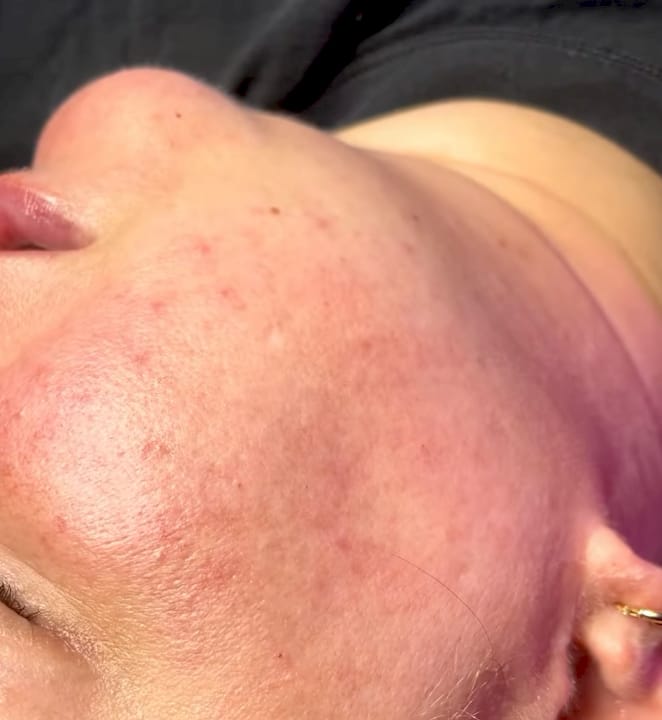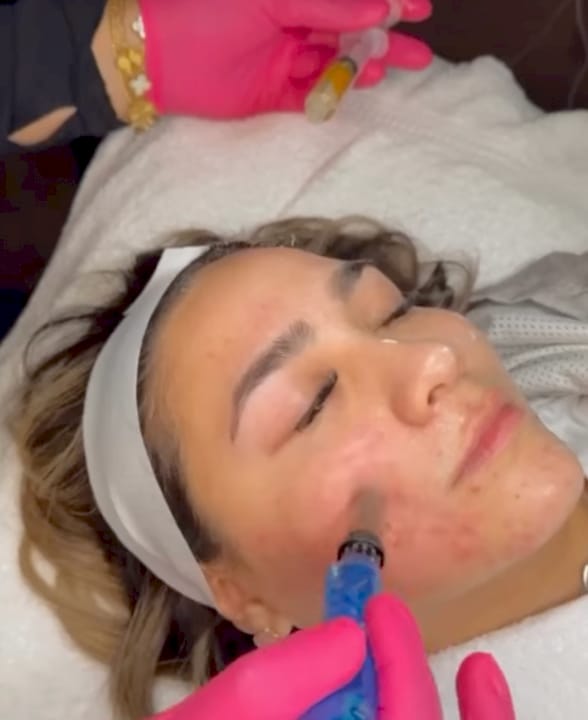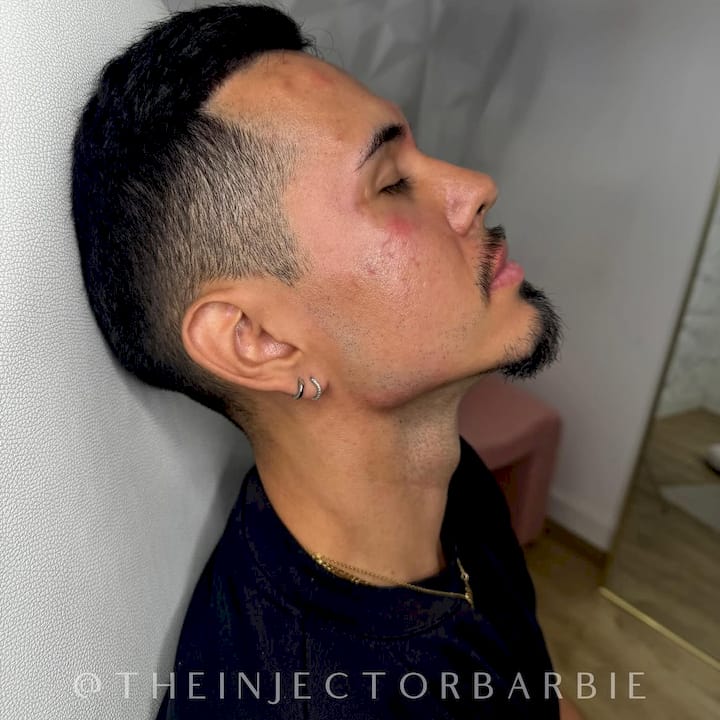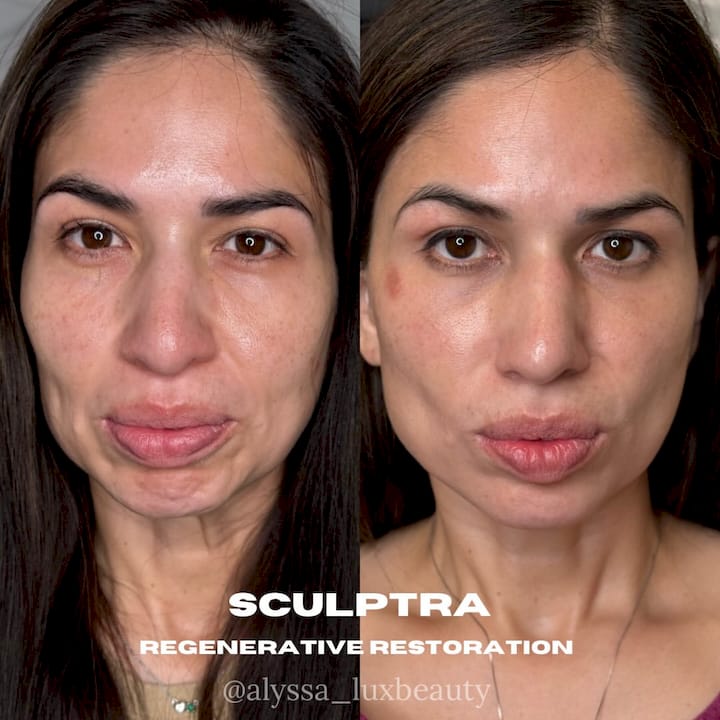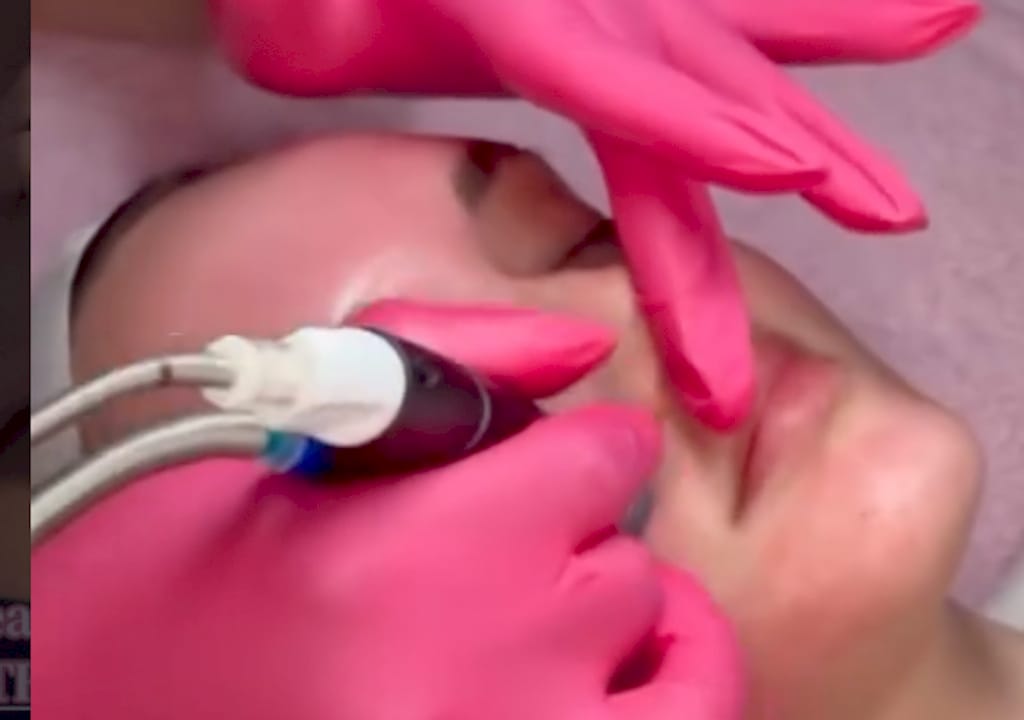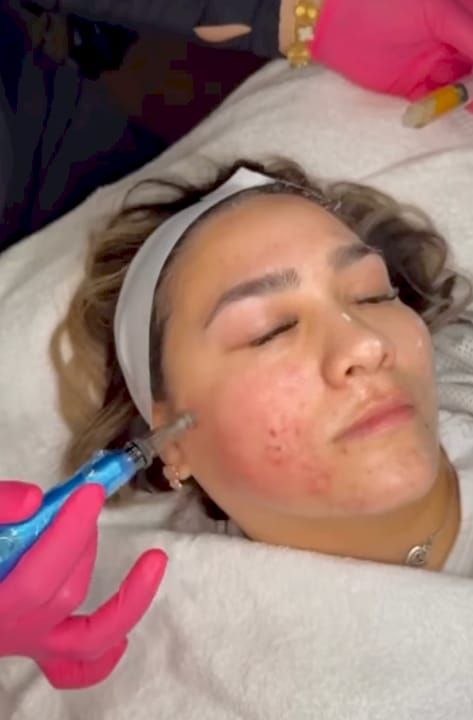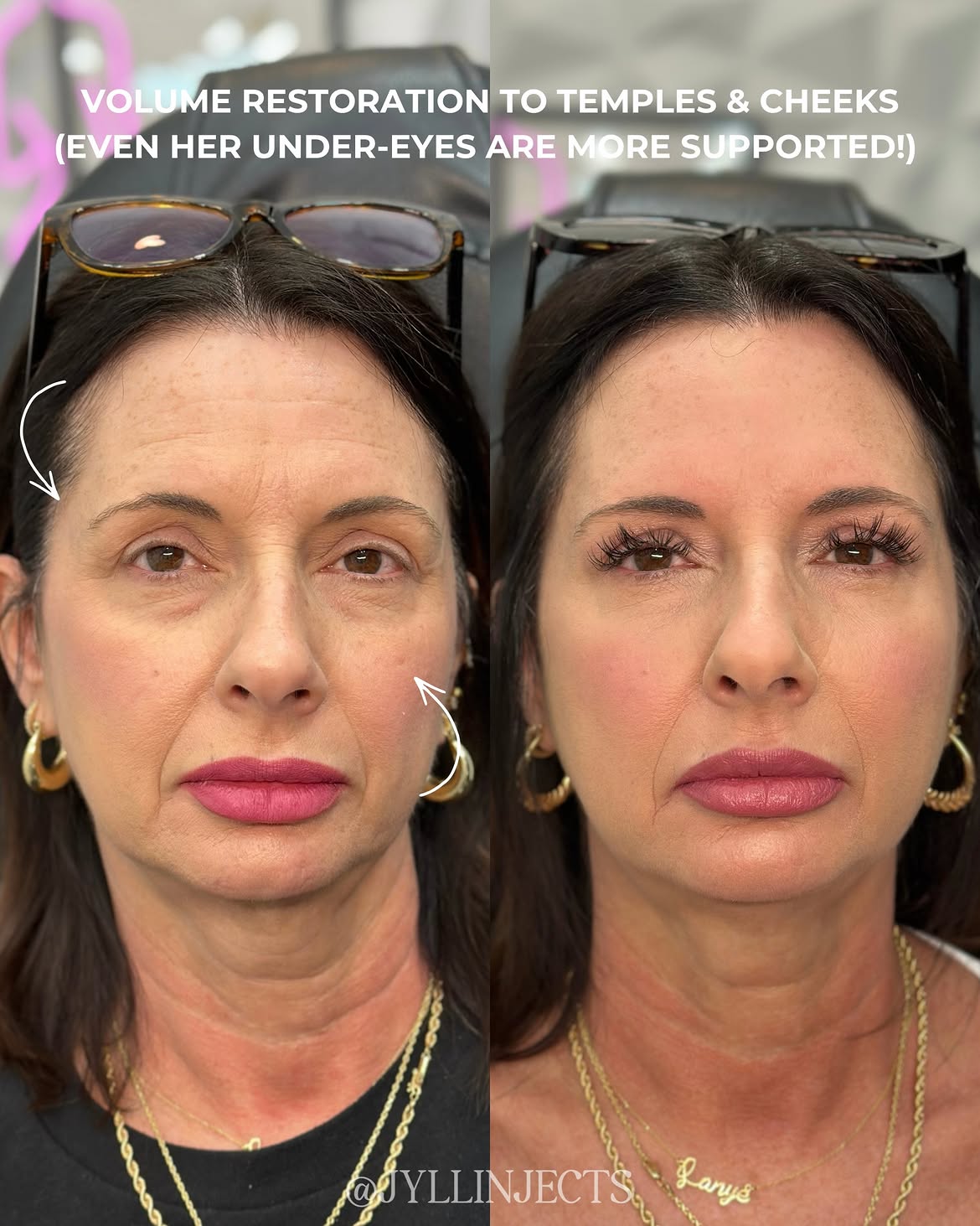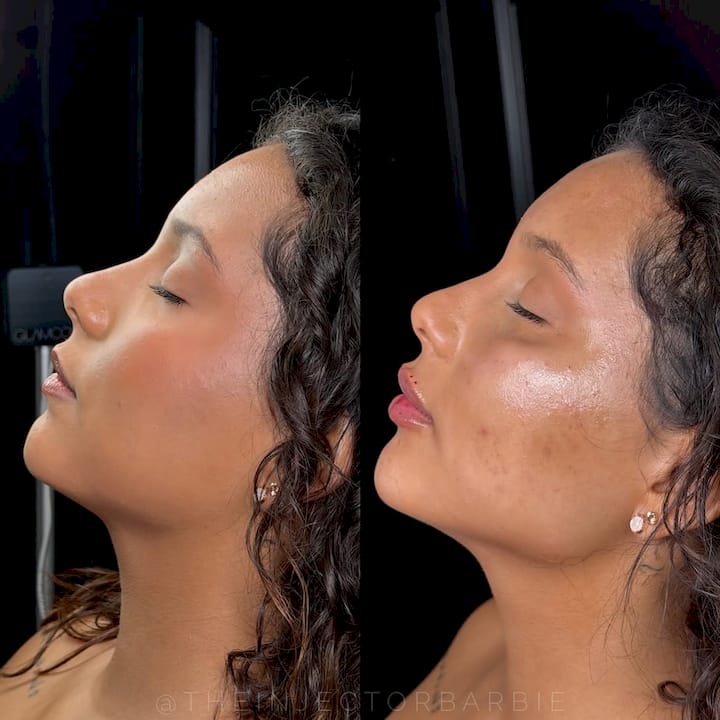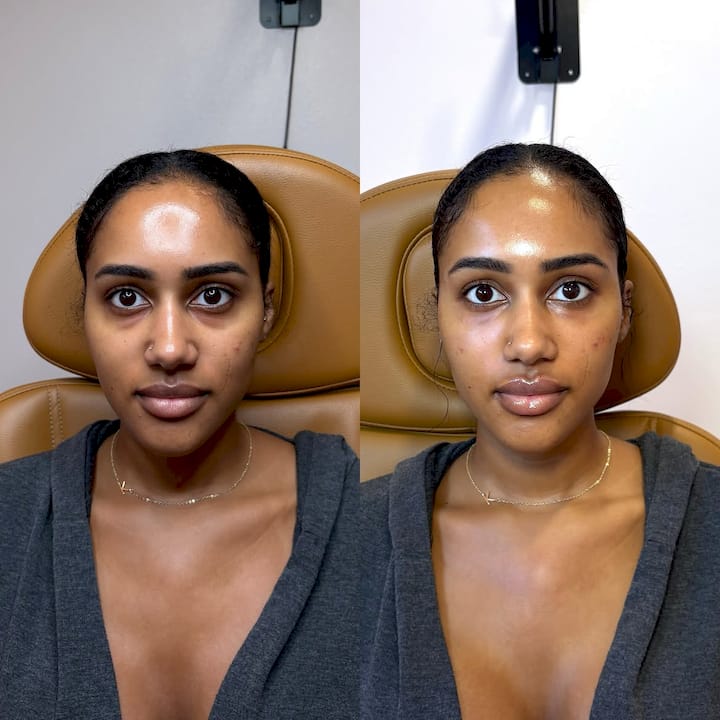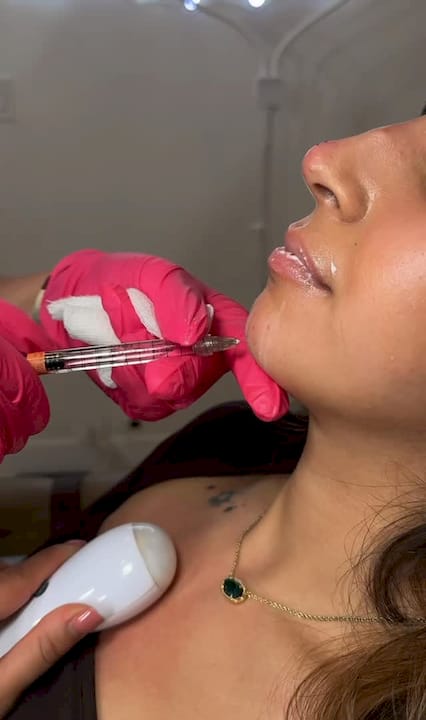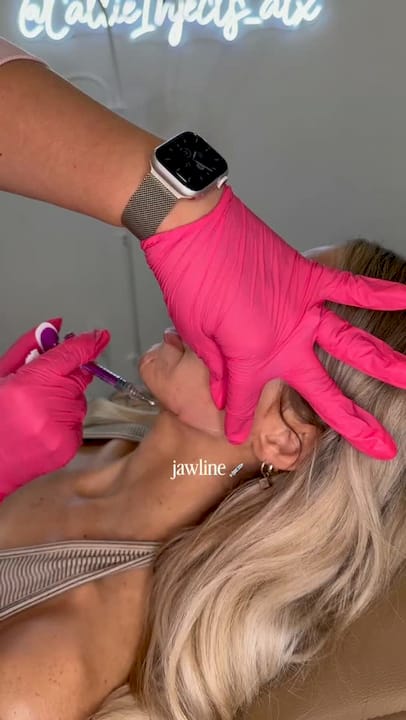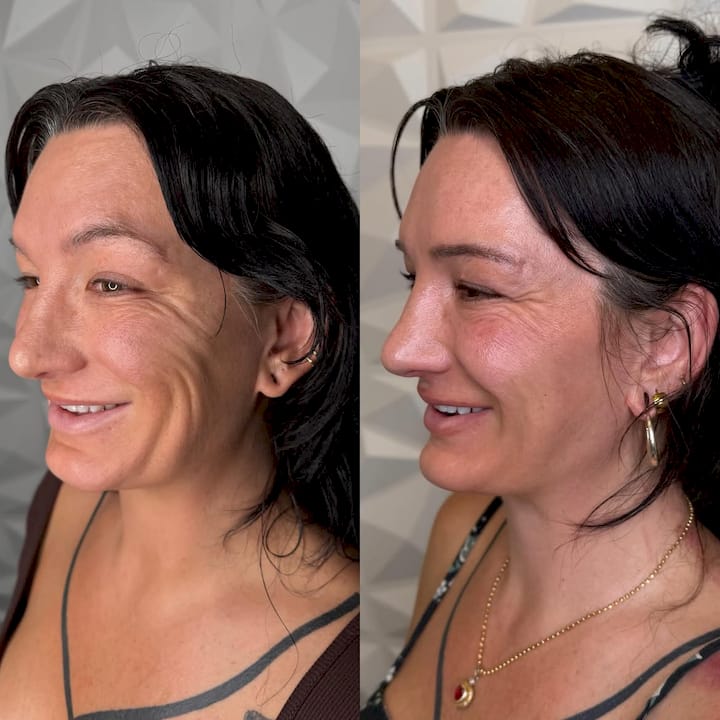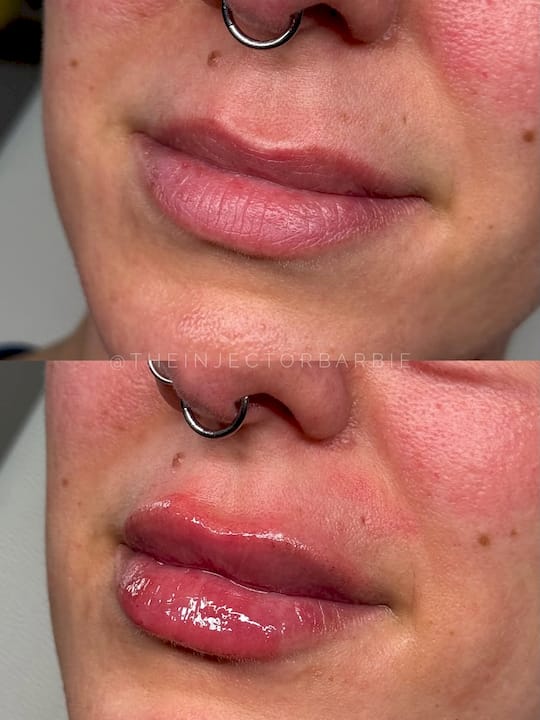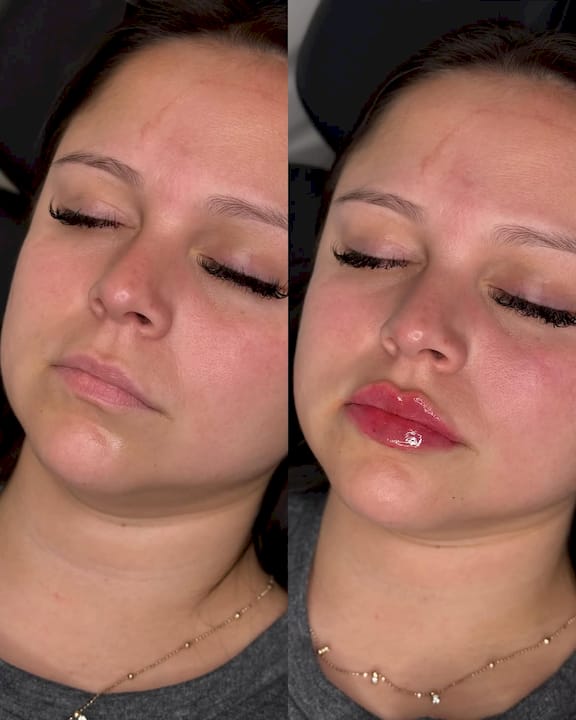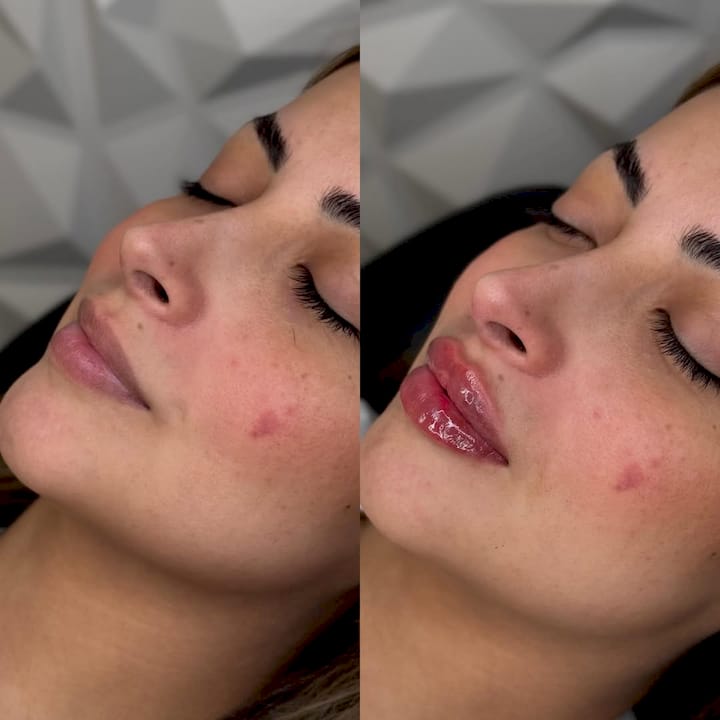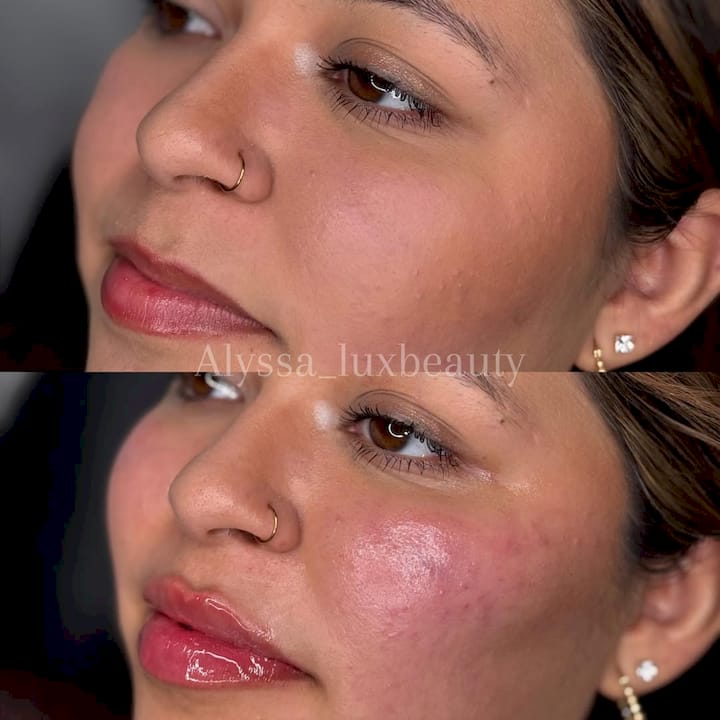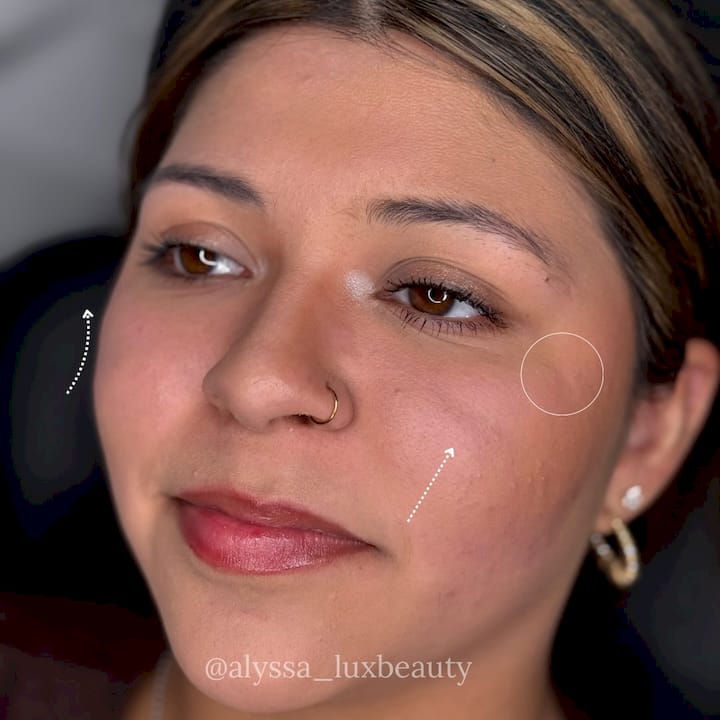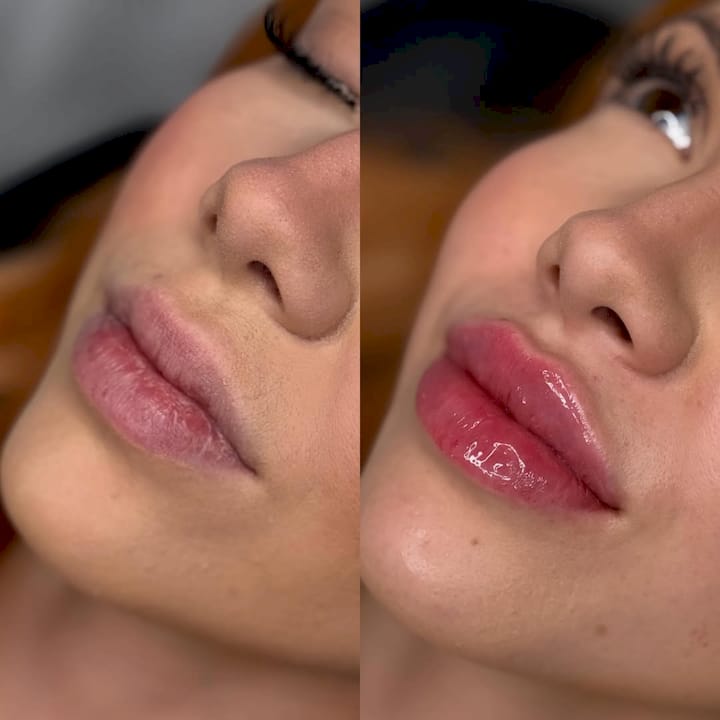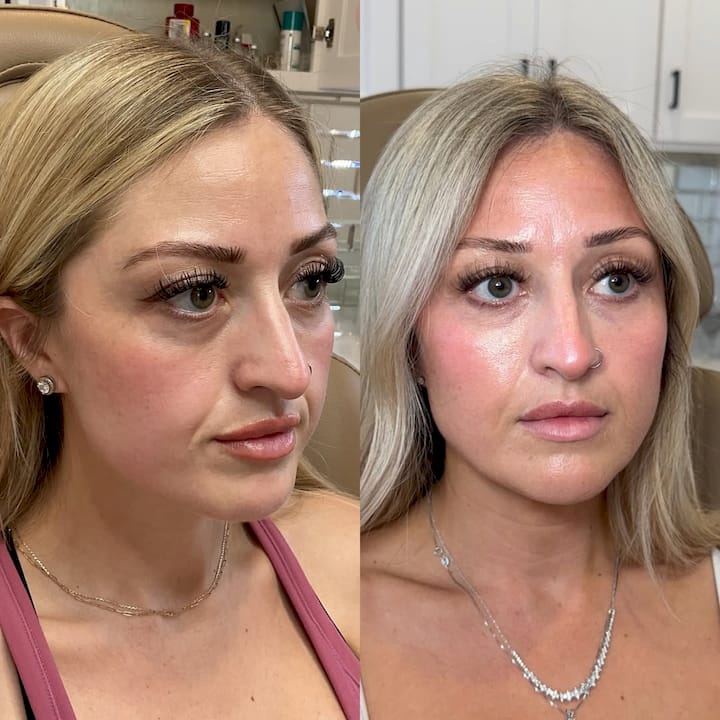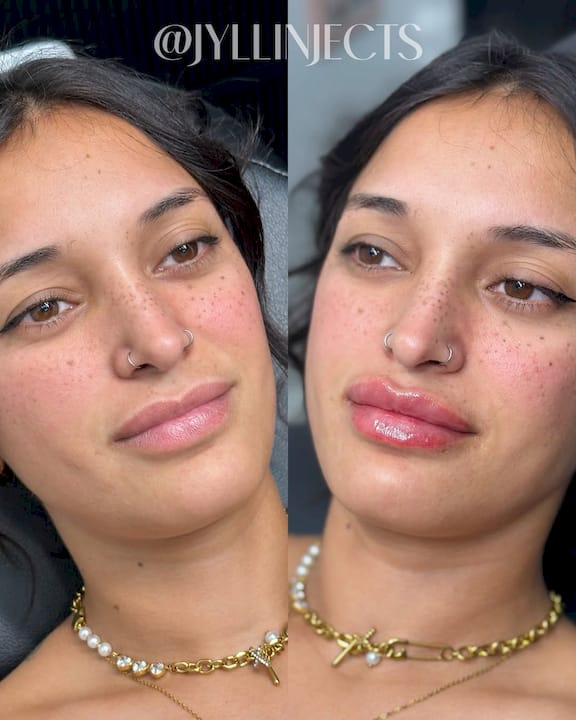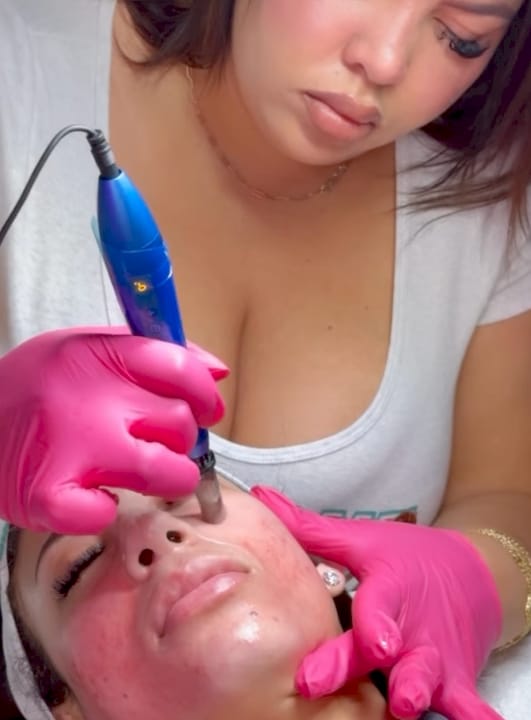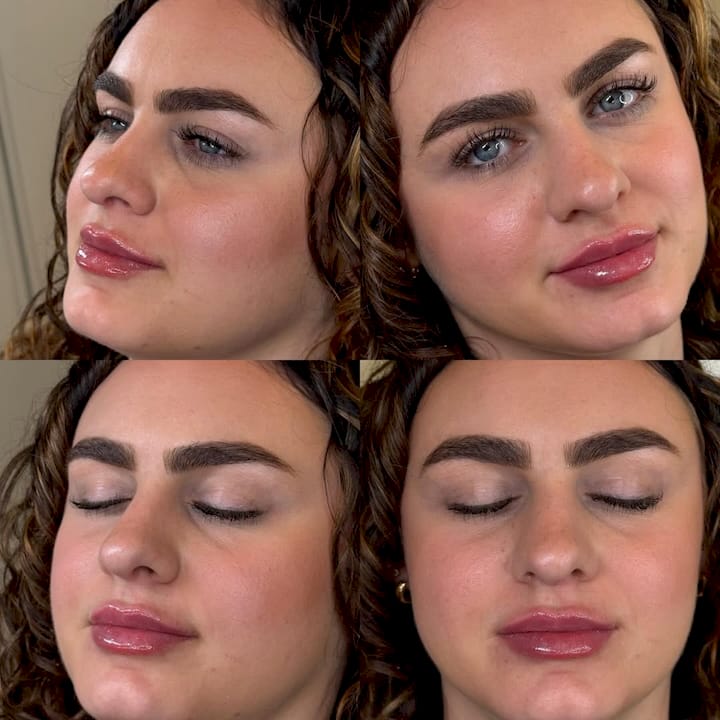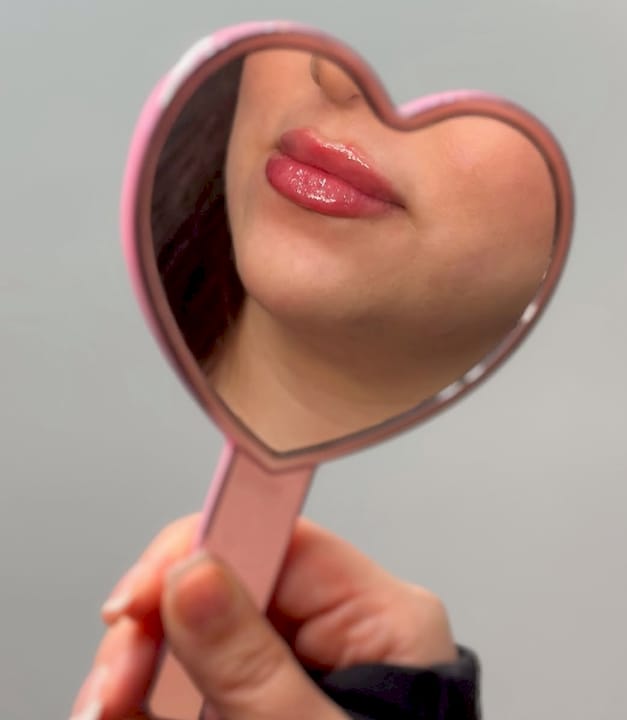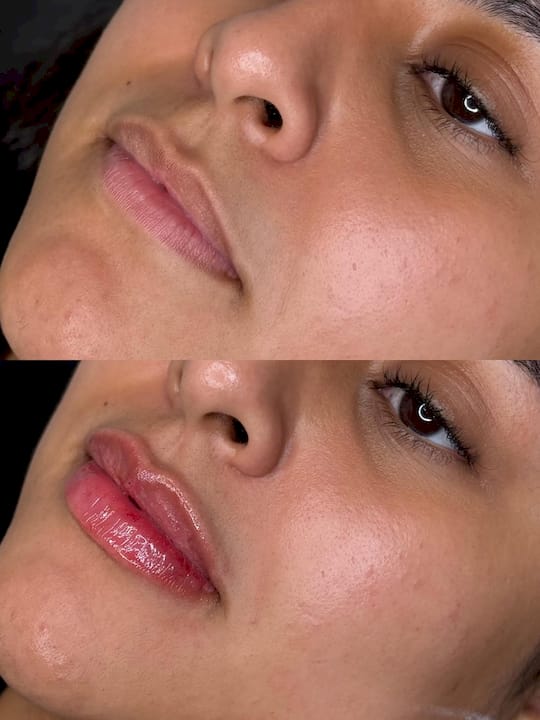
In this article, “hyaluron pen” refers to in-clinic hyaluronic acid (HA) dermal filler injections performed by a licensed med-spa provider using standard needle-based injection techniques. It does not describe a needle-free pressure device. If you’re researching HA fillers for lips, cheeks, chin, or nose reshaping at a U.S. med-spa, you’re in the right place.
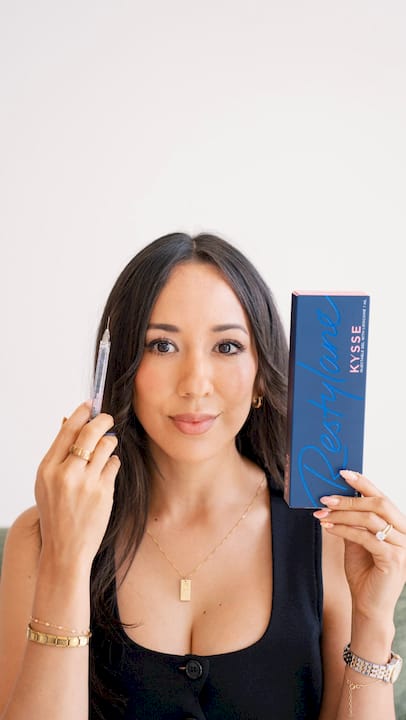
FDA-cleared HA filler families widely used in U.S. clinics include Juvederm (Allergan) and Restylane (Galderma). Every HA filler is reversible with hyaluronidase, an enzyme your provider should keep on-site.
Quick takeaways:
-
HA fillers restore volume, smooth lines, and hydrate tissue in targeted facial areas.
-
Common treatment areas include lips, cheeks, chin, nasolabial folds, tear troughs, the nose, and hands.
-
The top safety priority: choose a licensed injector (MD/DO/PA/NP) at a clinic that stocks hyaluronidase and has emergency protocols in place.
Key Takeaways
HA dermal fillers are reversible, FDA-cleared, and safe when performed by a licensed provider who stocks hyaluronidase and understands facial vascular anatomy.
| Point | Details |
|---|---|
| HA fillers are reversible | Hyaluronidase dissolves HA filler, making it the safest filler category for in-clinic use. |
| Results last 6–18 months | Duration varies by area and product; cheeks with Voluma tend toward the longer end. |
| Emergency signs need immediate care | Skin blanching, vision changes, or severe increasing pain after injection require urgent treatment. |
| Provider credentials matter most | Choose an MD, DO, PA, or NP who uses FDA-cleared products and keeps hyaluronidase on-site. |
| Theinjectionroom serves Austin and San Antonio | Licensed injectors offer HA filler consultations and treatments at both Texas locations. |
Table of Contents
-
Which areas can HA fillers treat, and what results can you expect?
-
What should you expect before, during, and after your appointment?
-
How safe are HA fillers, and what warning signs should you watch for?
What is a hyaluron pen filler, and how does it work?
Hyaluronic acid is a sugar molecule your skin produces naturally. It holds water, keeps tissue plump, and diminishes with age. In clinical practice, HA fillers are manufactured as cross-linked gels injected beneath the skin to restore lost volume, define contours, or soften lines.
Formulation matters more than most patients realize. High-density, large-particle HA products are built for deep structural support, like lifting cheek volume or defining the jawline. Low-density, small-particle formulations suit fine lines and delicate areas like the tear trough, where a heavy product would create visible lumps or ridges. Matching the right density to the right anatomy is one of the clearest markers of an experienced injector.
Most HA syringes also contain lidocaine, which reduces discomfort during the injection itself. And because HA is minimally immunogenic and enzymatically degradable, allergic reactions are rare and results can be reversed when needed.
Safety advantages of HA fillers over non-HA alternatives:
-
Reversible with hyaluronidase if results are unsatisfactory or a complication occurs.
-
Low allergy risk compared to collagen-based or synthetic fillers.
-
Predictable longevity, typically 6–18 months depending on product and area.
-
Lidocaine-blended formulas reduce injection discomfort without a separate numbing step.
Statistic callout: HA fillers have become one of the most commonly performed nonsurgical cosmetic procedures globally, a volume that underscores why clinician preparedness for complications is non-negotiable.
Pro Tip: Ask your provider which specific HA product they plan to use and why. A confident answer about particle size and density for your treatment area signals real anatomy training, not just injection experience.
For a deeper look at how different filler families compare, including HA versus non-HA options, that resource walks through the clinical distinctions clearly.
Which areas can HA fillers treat, and what results can you expect?
HA fillers work across a wide range of facial and hand areas. Results vary by anatomy, product choice, and the volume injected, so realistic expectations matter.
Common treatment areas and typical outcomes:
-
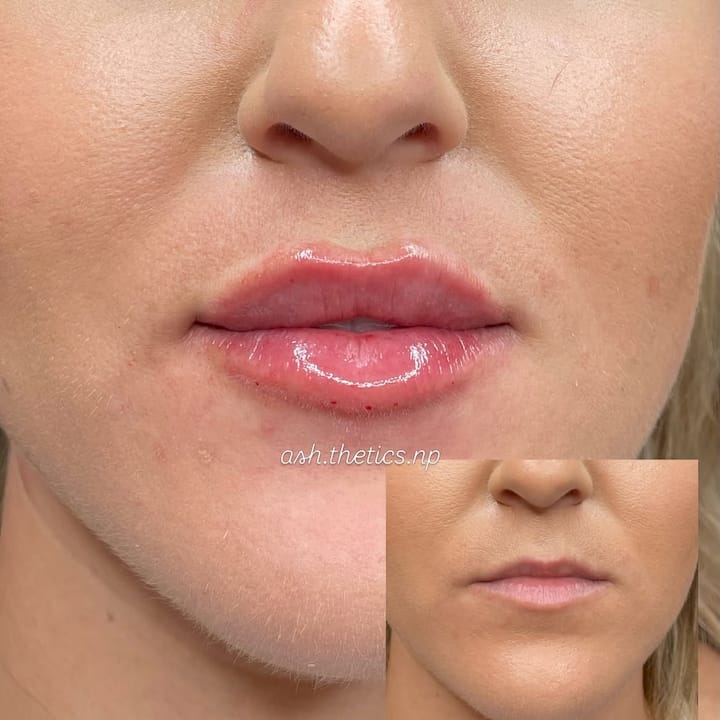
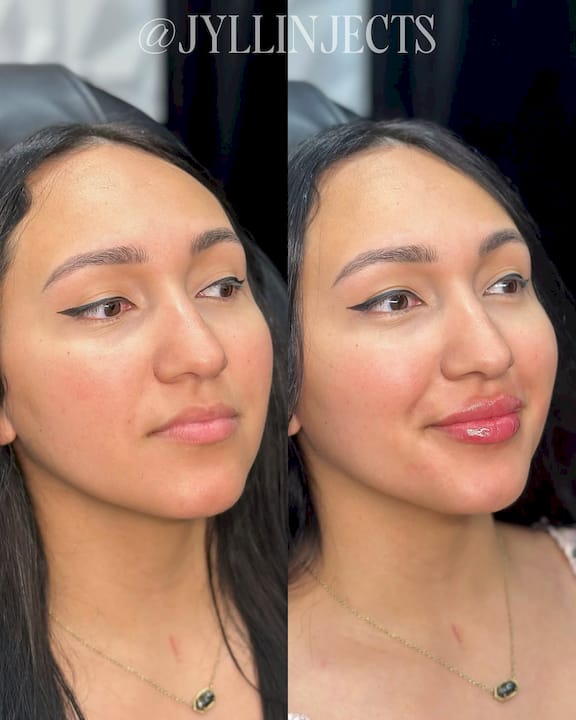
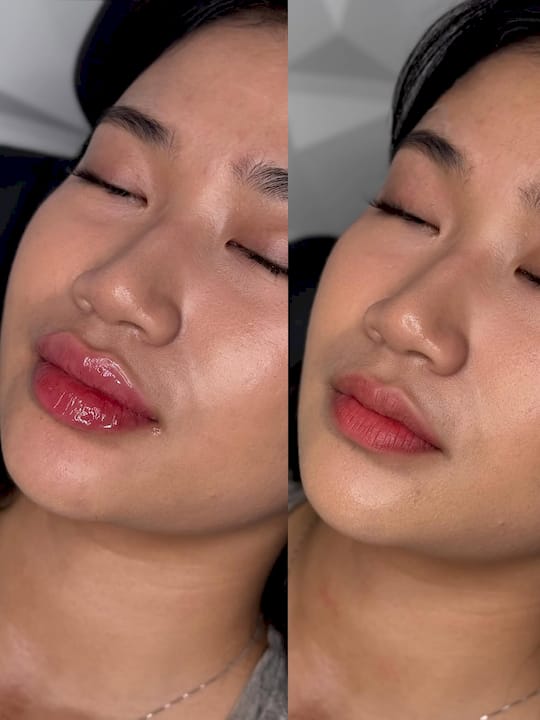
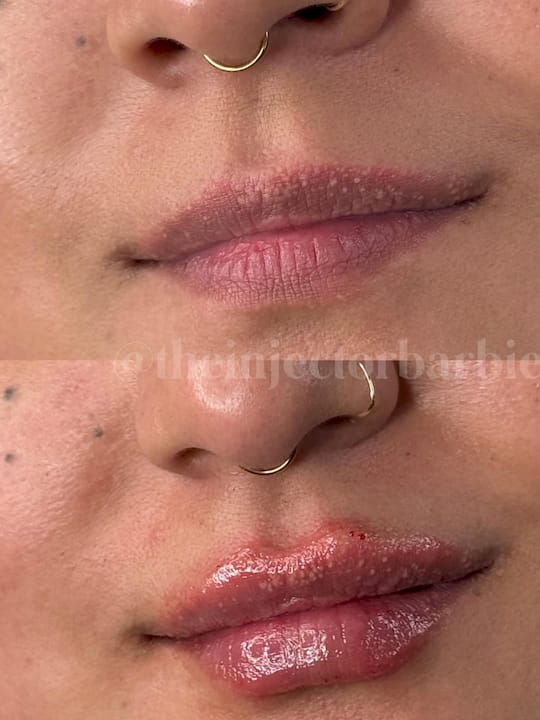
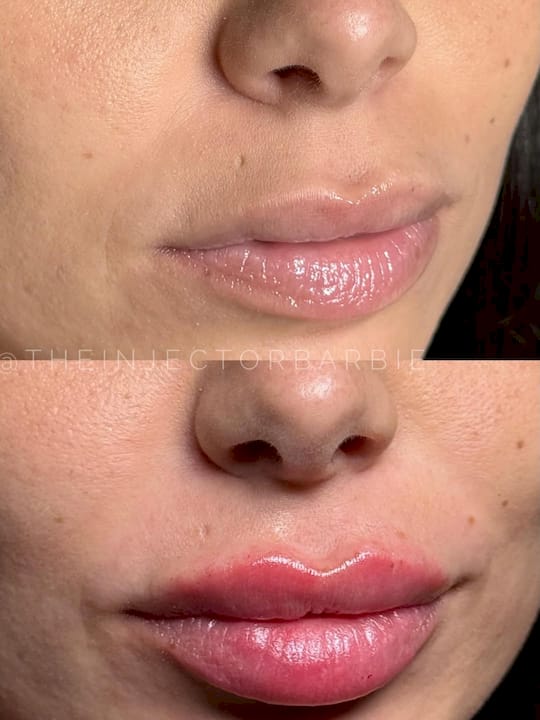
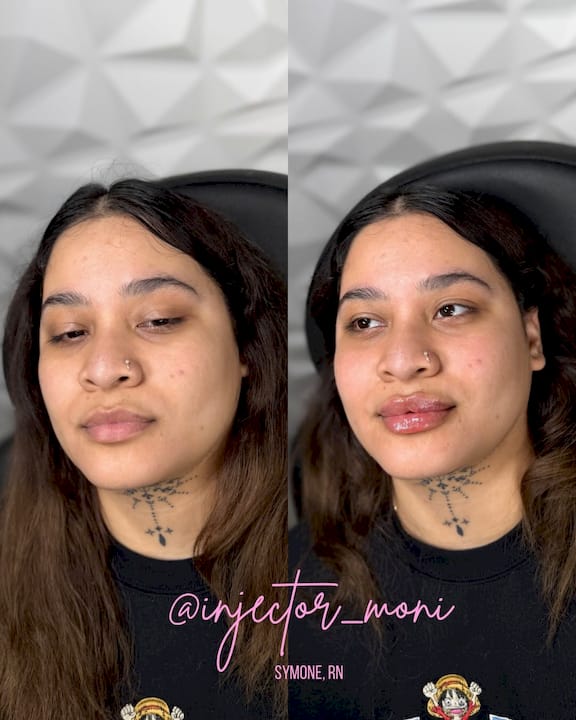
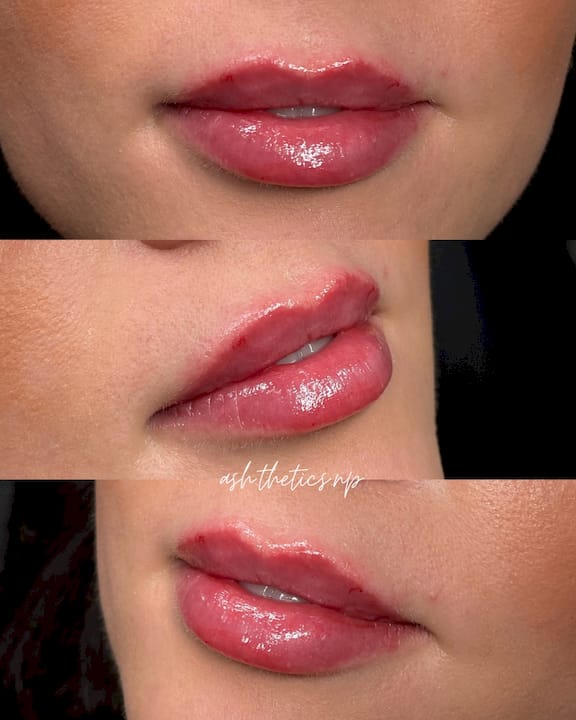
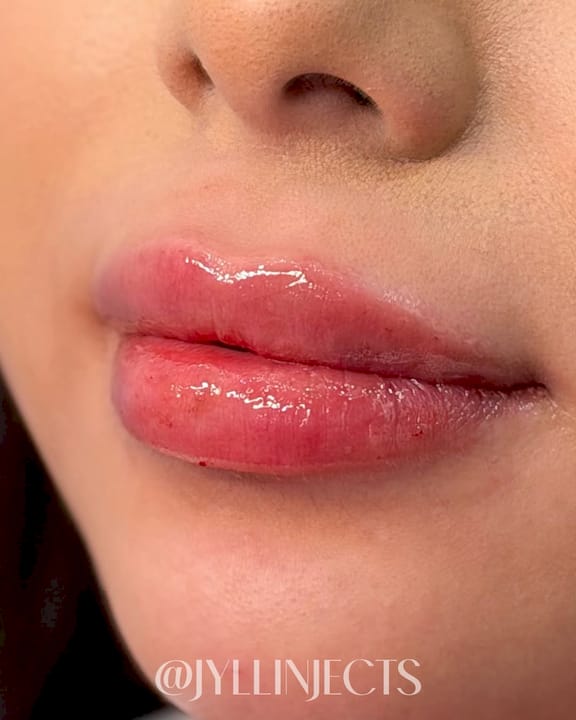
Lips: Adds volume to the body of the lip, defines the vermilion border and cupid’s bow, or corrects asymmetry. Results look natural when staged conservatively. Small amounts are typically used as a starting volume.
-
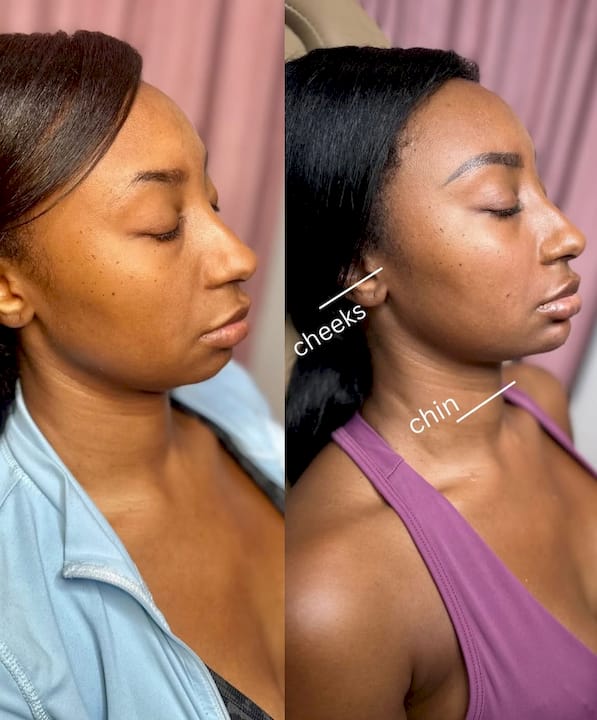
Cheeks/malar: Juvederm Voluma is frequently used here for structural lift and midface projection. Results may last longer depending on product choice.
-
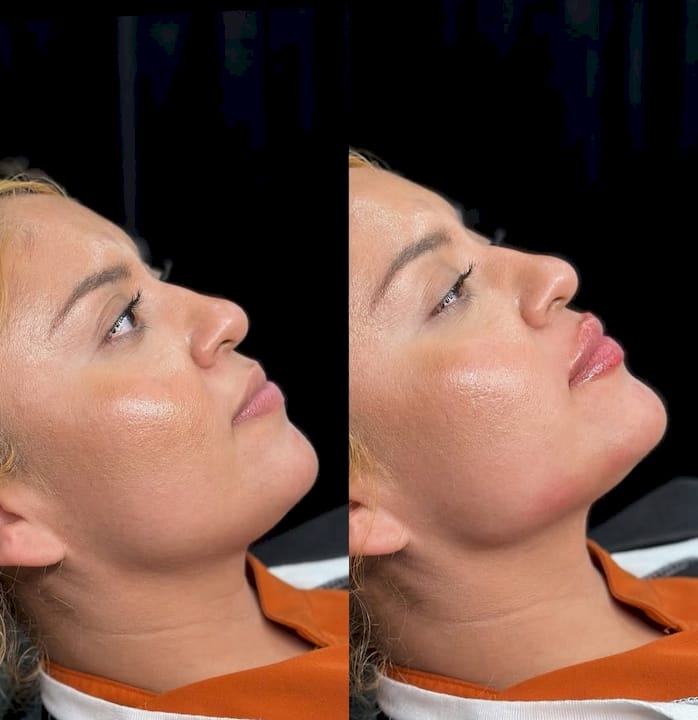
Chin: Improves projection and profile balance without surgery. A small amount of high-density product goes a long way.
-
Nasolabial folds: Softens the crease running from nose to mouth. Subtle smoothing rather than complete elimination gives the most natural look.
-
Tear troughs (under-eye): One of the most technique-sensitive areas. Low-density filler placed carefully reduces hollowness and shadow. Not every patient is a good candidate.
-
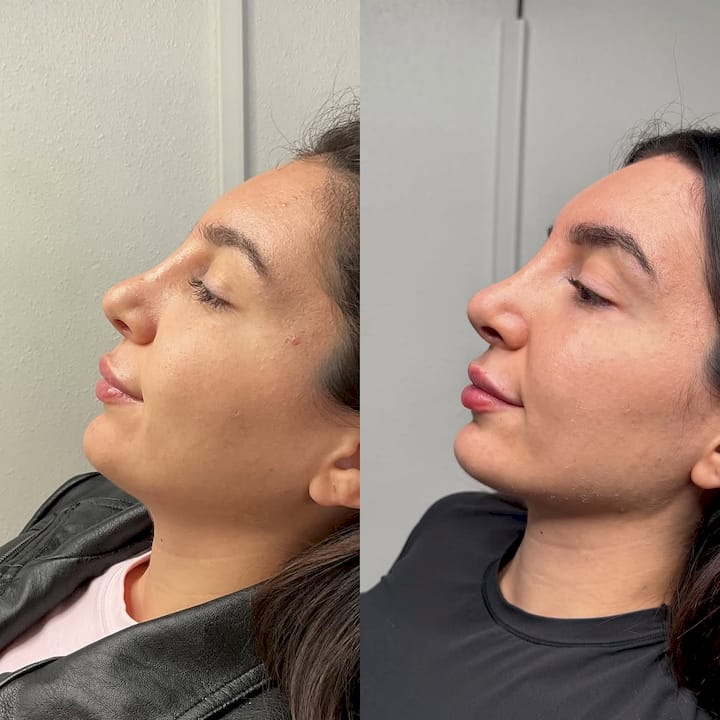
Non-surgical nose reshaping: Small amounts of HA can camouflage a dorsal hump or refine tip projection. See the clinic’s non-surgical nose job page for specifics.
-
Hands: Restores volume lost to aging, reducing the visible appearance of tendons and veins.
For patients with both volume loss and dynamic wrinkles, combining HA fillers with a neurotoxin like Botox often produces more complete results than either treatment alone. The two address different mechanisms: fillers restore structure, neurotoxins relax muscle movement.
What should you expect before, during, and after your appointment?
The process is straightforward when you know what’s coming.
-
Consultation: Your provider reviews your goals, medical history, and any contraindications. Informed consent is documented before anything else happens.
-
Marking and planning: The injector maps treatment zones on your face. This step reflects anatomy knowledge, not just aesthetic preference.
-
Numbing: Topical anesthetic cream is applied 20–30 minutes before injection. For sensitive areas, a nerve block may be offered.
-
Injection: Depending on the area, your provider uses serial puncture, linear threading, or fanning technique. Most appointments take 30–45 minutes.
-
Immediate assessment: You and your provider review the result together before you leave. Minor asymmetry from swelling is normal at this stage.
-
First 24–72 hours: Swelling peaks around 24–48 hours, then begins to resolve. Bruising, if present, typically fades within a week.
-
First week: The product settles and integrates with surrounding tissue. Final results are usually visible by day 10–14.
Day-of and first-week do’s and don’ts:
-
Avoid strenuous exercise for the rest of the day; activity increases the risk of filler migration before the product settles.
-
Skip alcohol and NSAIDs (ibuprofen, aspirin) for 24–48 hours before and after, as advised by your provider, to reduce bruising.
-
Sleep with your head slightly elevated the first night.
-
Do not massage the treated area unless your injector specifically instructs you to.
-
Apply a cold compress gently to reduce swelling, but avoid direct ice contact on skin.
Pro Tip: Small-volume staging gives the most predictable results. Treat conservatively, let the swelling resolve over 10–14 days, then reassess. A touch-up at that point is far safer than overcorrecting on day one.
How safe are HA fillers, and what warning signs should you watch for?
Most aftereffects are mild and temporary. Swelling, bruising, redness, and tenderness at the injection site are the most common and typically resolve within about one week. Serious complications are rare but real, and knowing the warning signs is part of being a prepared patient.
Seek immediate medical attention if you experience any of the following after HA filler treatment:
Sudden changes in vision or partial vision loss
Skin blanching (white patches) or dusky/gray-blue discoloration near the injection site
Severe, increasing pain that worsens rather than improves
Prolonged skin pallor or a cold, numb feeling in the treated area
These signs may indicate vascular occlusion, a rare but serious event requiring emergency treatment with hyaluronidase.
Common aftereffects and typical timeline:
-
Swelling: peaks at 24–48 hours, resolves within 5–7 days.
-
Bruising: appears within hours, fades over 5–10 days; arnica gel or cold compresses help.
-
Redness and tenderness: usually gone within 48–72 hours.
-
Firmness or unevenness: normal in the first week as product integrates.
A safe clinic has hyaluronidase on-site and a provider trained to recognize and manage vascular occlusion. Most adverse events are avoidable with correct planning, technique, and emergency preparedness. That’s not a reassuring platitude; it’s the clinical consensus from global filler experts.
What a safe clinic must have:
-
Licensed injector: MD, DO, PA, or NP with documented training in facial anatomy.
-
Hyaluronidase on-site and a clear protocol for its use.
-
Knowledge of facial vascular anatomy and high-risk injection zones.
-
Documented informed consent covering risks, alternatives, and expected outcomes.
-
Emergency referral pathway if in-clinic management is insufficient.
How do you choose a qualified HA filler provider?
The provider’s technical skill is the single most important factor in a safe, successful outcome. Anatomy knowledge and complication management ability matter more than price or convenience.
Provider checklist:
-
Credentials: MD, DO, PA, or NP with aesthetic training.
-
Uses only FDA-cleared HA products (Juvederm, Restylane, Voluma, or equivalent).
-
Can name the specific product and explain why it suits your area.
-
Clinic stocks hyaluronidase and has a written emergency plan.
-
Shows a before/after portfolio relevant to your treatment area.
-
Provides a clear informed consent document before any injection.
-
Transparent pricing with no pressure to buy packages on the spot.
Red flags to walk away from:
-
Claims of “zero risk” or “no complications ever.”
-
Reluctance to name the product or show lot numbers.
-
No formal consultation or consent process.
-
High-pressure upselling during the appointment.
-
No clinical setting (a kitchen table is not a med-spa).
Patients should ask about injector experience and be wary of any provider who dismisses the question. A confident, detailed answer about their training and complication management is exactly what you want to hear.
Pro Tip: Before booking, ask directly: “Do you have hyaluronidase on-site, and have you ever had to use it?” A provider who answers yes to both, calmly and without defensiveness, has the experience you want.
How long do HA filler results last, and what do they cost?
HA fillers generally last from several months up to over a year, depending on the product formulation, the area treated, and individual metabolism.
Cost in U.S. med-spas is typically priced per syringe. Factors that affect the total include the product used, the number of syringes needed, your provider’s experience level, and the geographic market. For a deeper look at which fillers last longest and why formulation affects longevity, that resource covers the clinical reasoning behind duration differences.
Factors that increase cost:
-
Premium, longer-lasting products with advanced cross-linking (such as Voluma).
-
Multiple syringes for larger treatment areas or significant volume loss.
-
Highly experienced or board-certified injectors in competitive markets.
-
Revision or touch-up appointments after initial treatment.
An editorial perspective on safety-first filler care
The conversation around HA fillers often focuses on results. What gets less attention is the gap between a good outcome and a great one, and that gap almost always comes down to the consultation, not the injection itself.
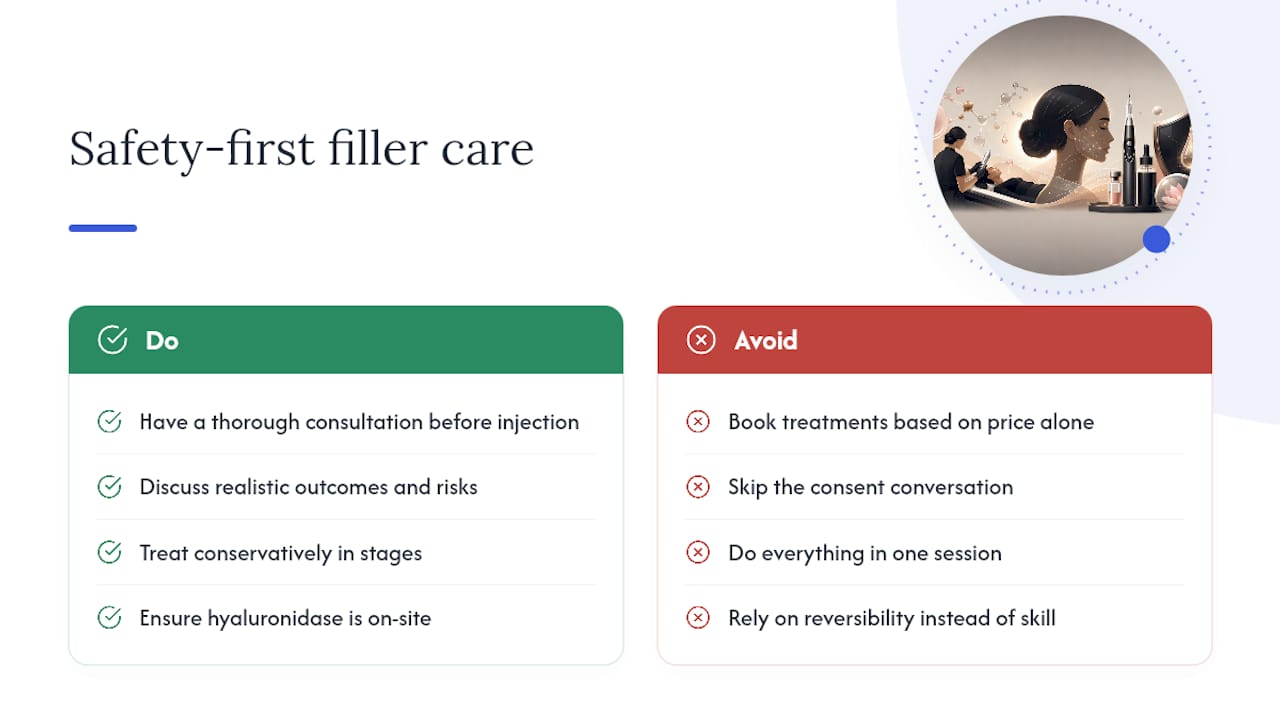
Patients who arrive with a clear goal and a provider who takes time to assess their anatomy, discuss realistic outcomes, and explain what happens if something goes wrong tend to leave satisfied. Patients who book based on price alone, or who skip the consent conversation, are the ones who end up in revision appointments or, in rare cases, emergency rooms.
Conservative staging is not a limitation. It’s a philosophy. Treating in small increments, waiting for swelling to resolve, and reassessing before adding more product is how experienced injectors consistently deliver natural-looking results. The temptation to do everything in one session is real, but the best outcomes rarely come from it.
The reversibility of HA fillers with hyaluronidase is a genuine safety advantage, but it’s not a substitute for skill. Hyaluronidase works best when a trained provider uses it early and decisively. That’s only possible when the clinic has it on-site and the injector knows when to reach for it.
Ready for an in-clinic HA filler consultation?
Theinjectionroom offers HA dermal filler treatments in Austin and San Antonio, TX, with licensed injectors trained in facial anatomy and emergency management. Whether you’re considering lip volume, cheek lift, chin projection, or a non-surgical nose reshaping, the process starts with a thorough consultation where your goals and anatomy are assessed together.
To book, visit theinjectionroom.com or use the online form. Bring a list of any medications or supplements you take, and come with photos of results you like. That combination gives your injector the clearest possible picture before a single syringe is opened.
Sources
-
Dermal fillers: The good, the bad and the dangerous - Harvard Health
-
Here’s What to Ask a Dermatologist Before Getting Hyaluronic Acid Filler | Allure
-
Patient guidance from plastic surgery society (exercise and recovery guidance)
%20Pictures%20are%204%20weeks%20apart..jpg)