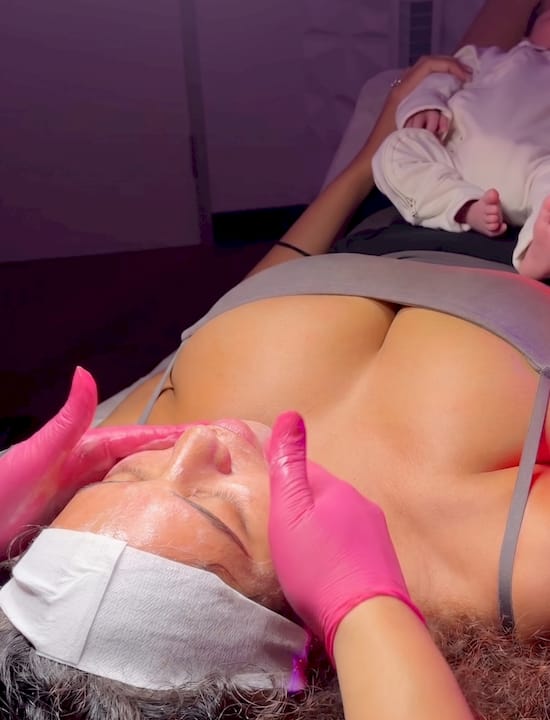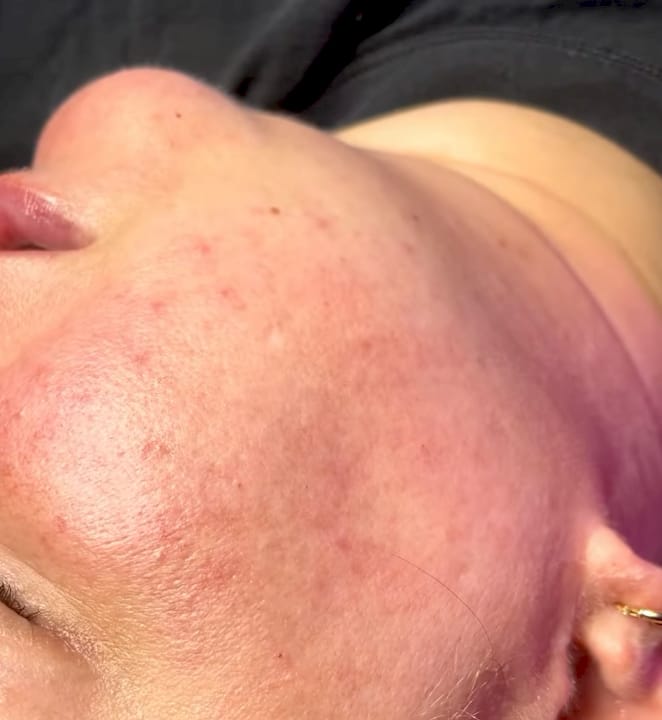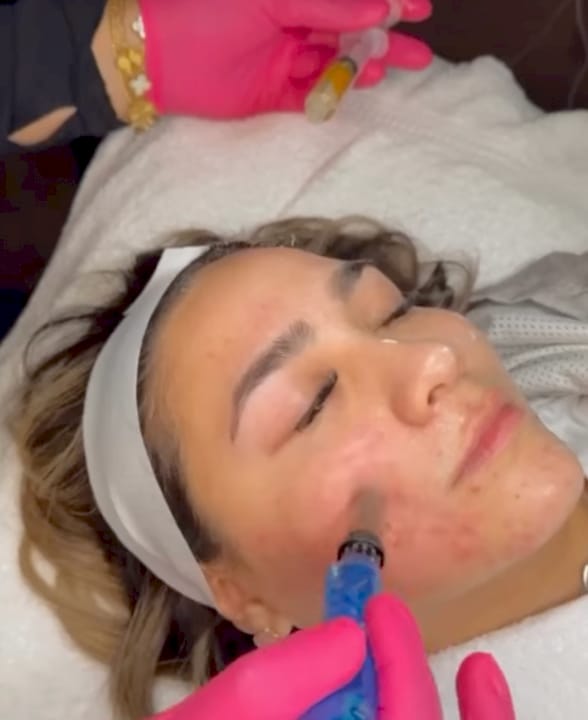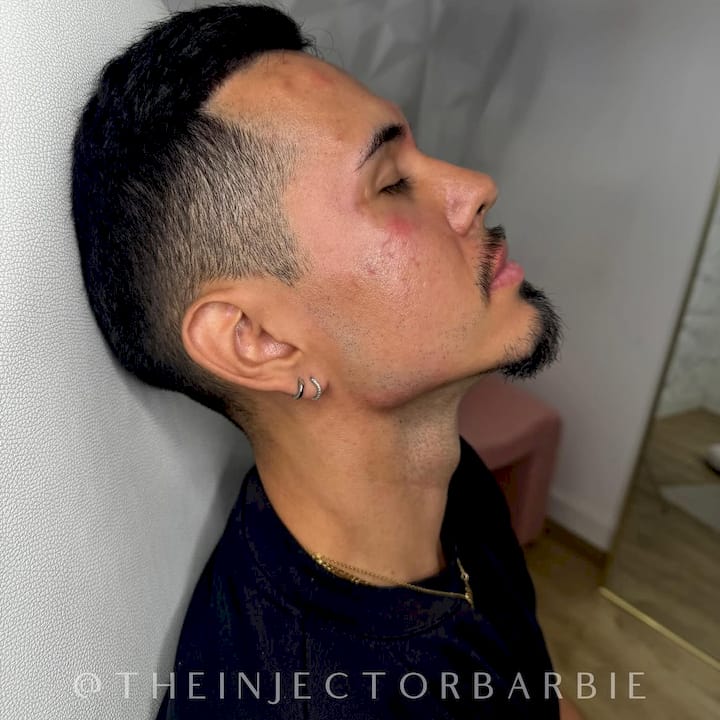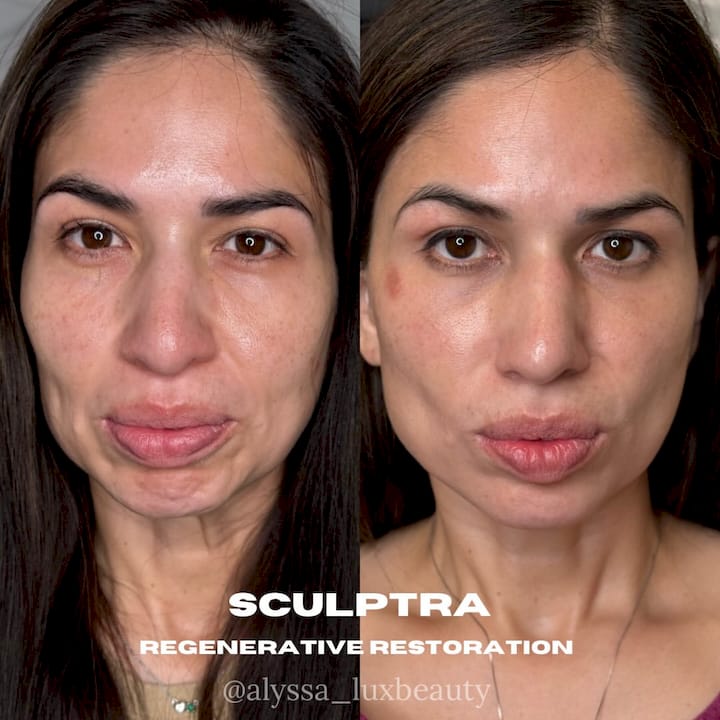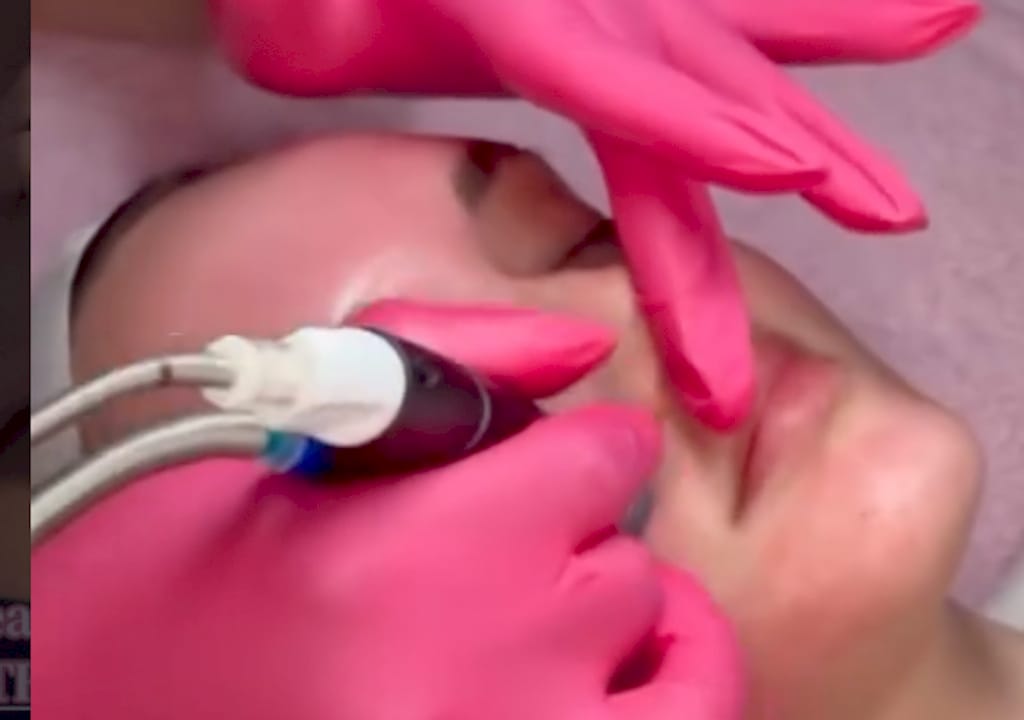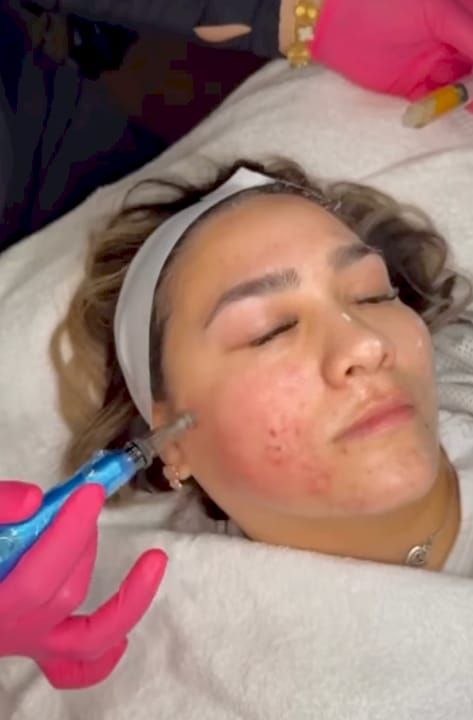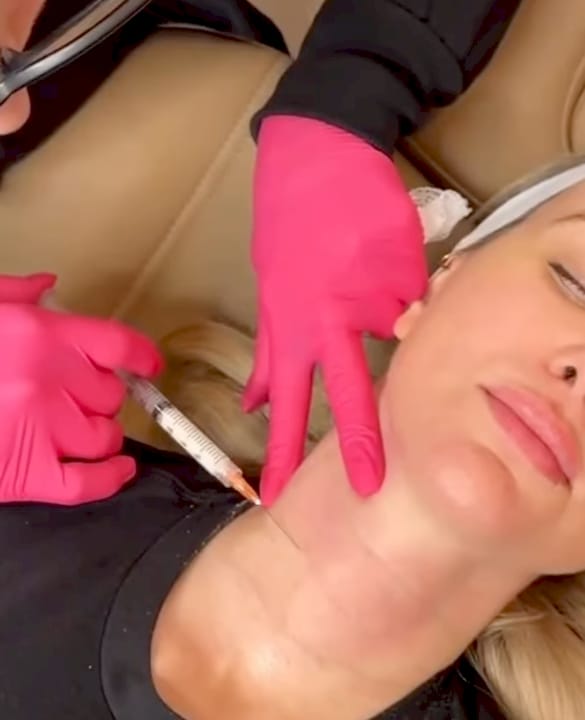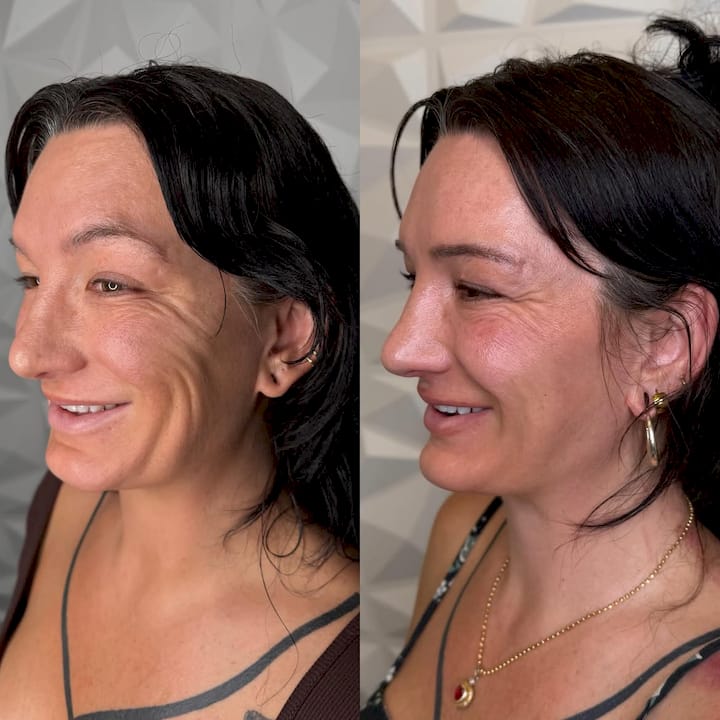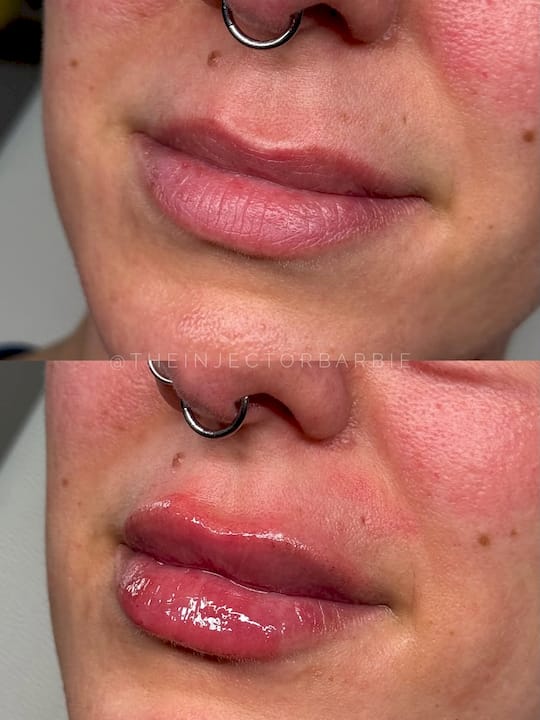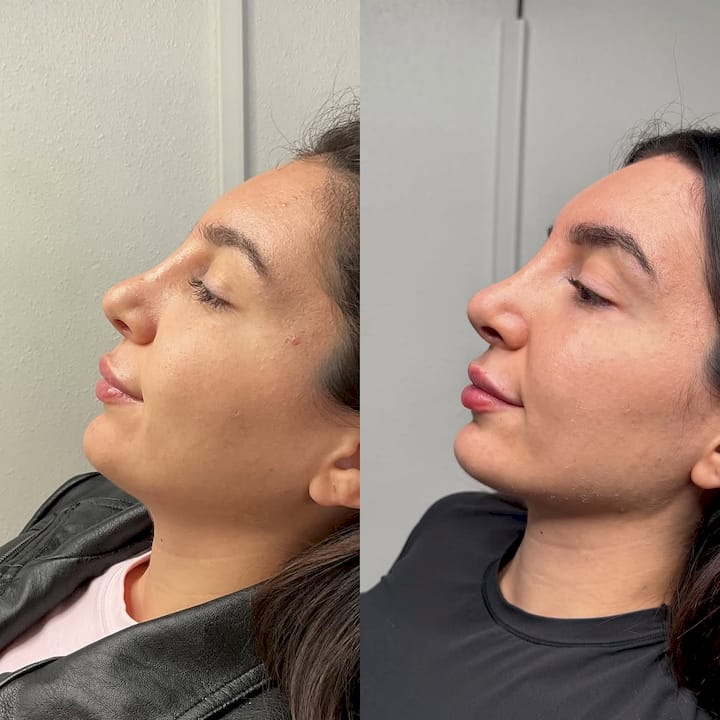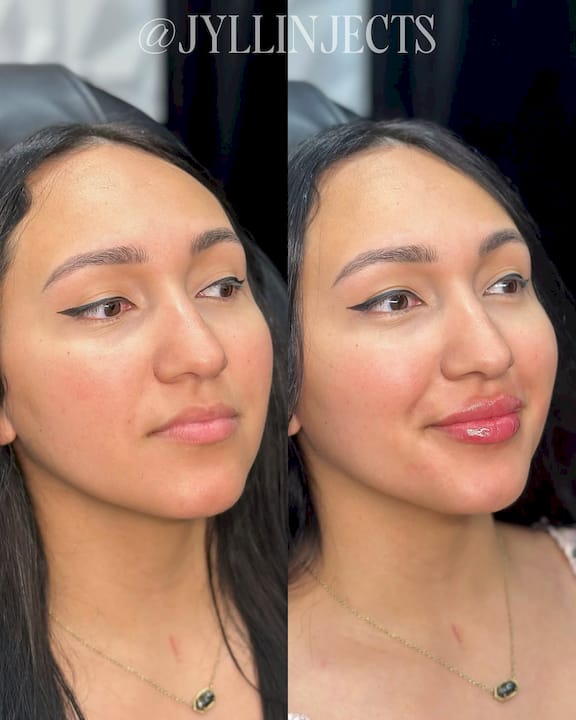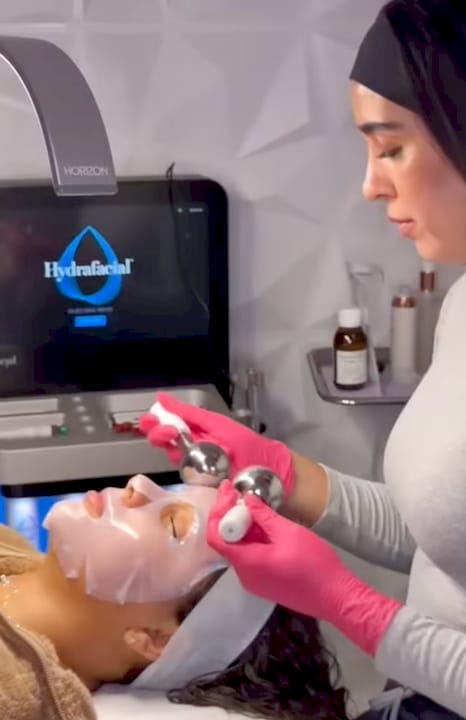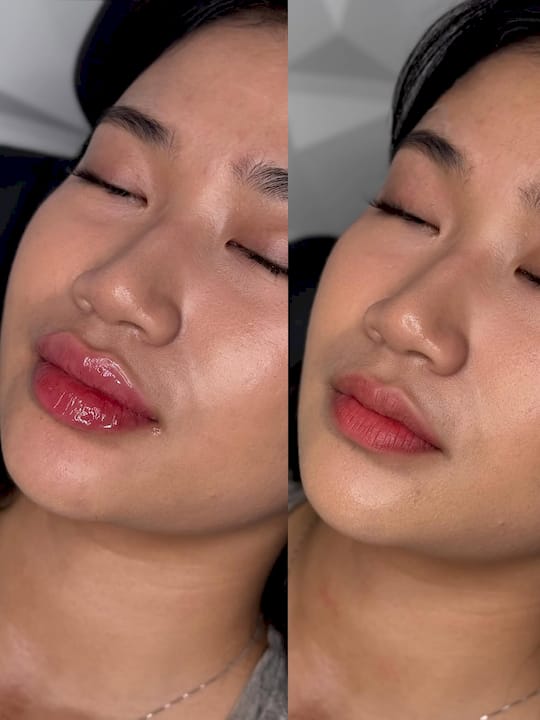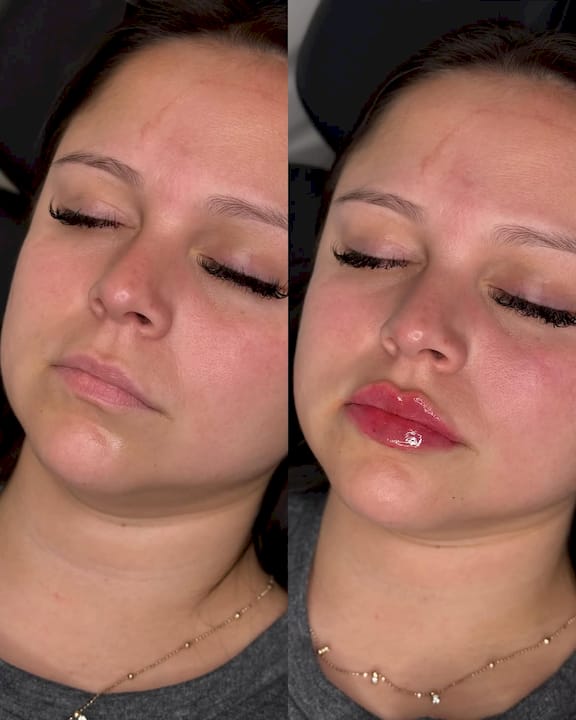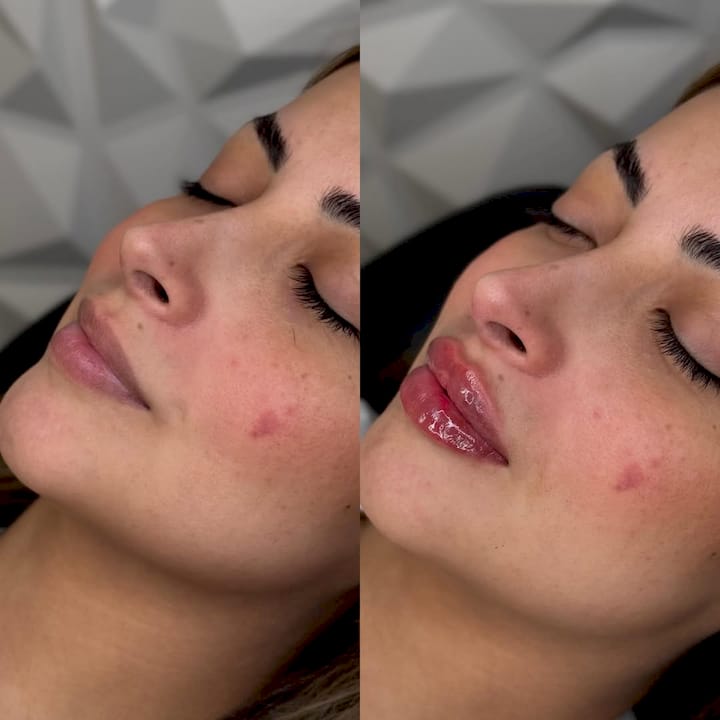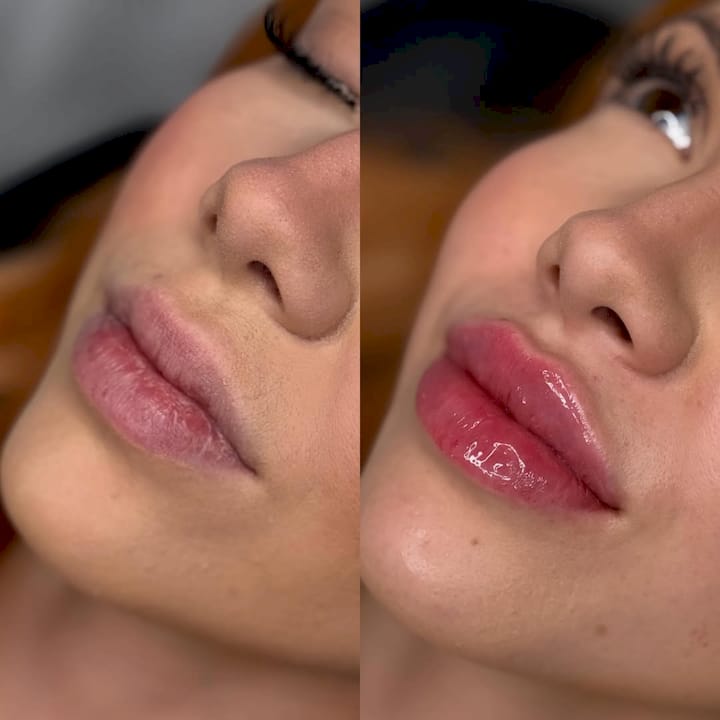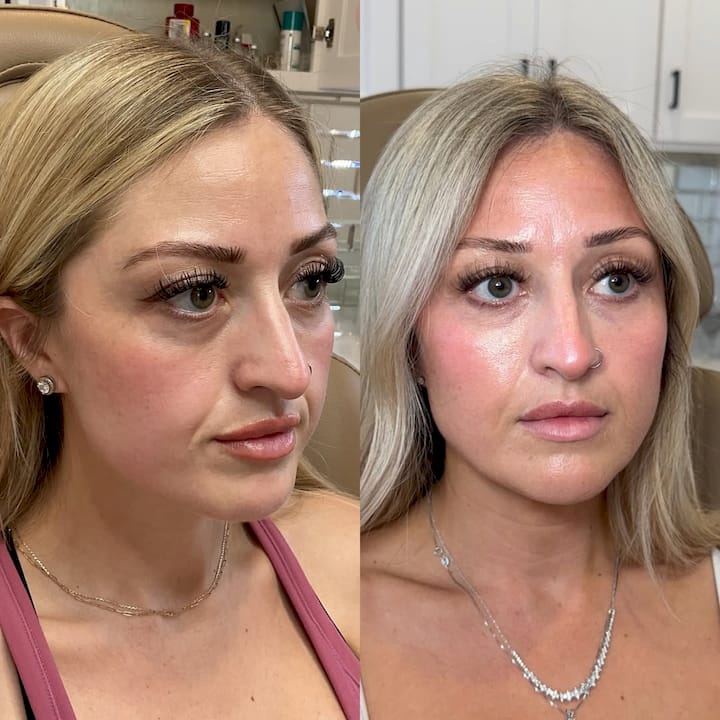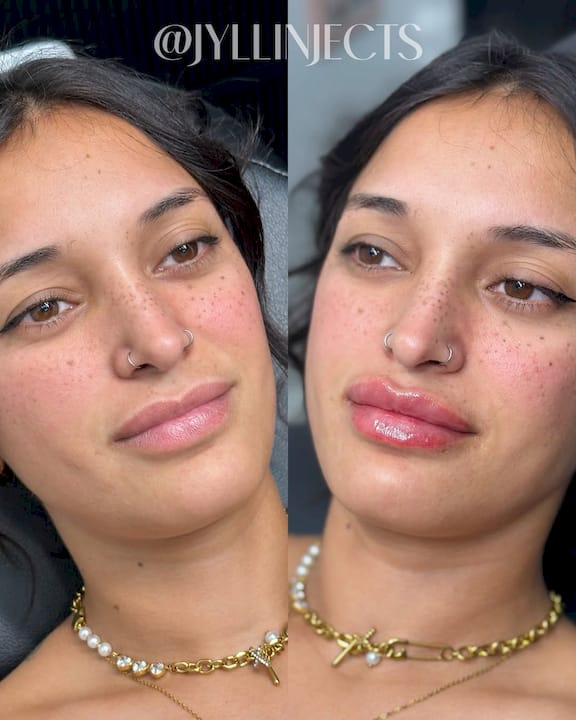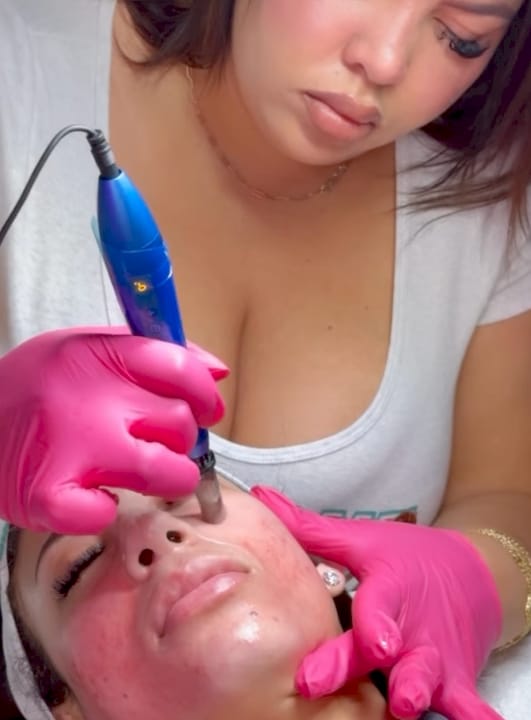
A non-surgical facelift is a customized combination of injectables, energy-based devices, resurfacing treatments, and/or thread lifts that refreshes and lifts the face without surgical incisions, general anesthesia, or hospital stays. According to the Cleveland Clinic, these approaches include neurotoxins, dermal fillers, chemical peels, microneedling, laser resurfacing, thread lifts, and fat injections. The key word is combination: no single treatment does what a surgical facelift does, but a well-sequenced plan can meaningfully refresh volume, texture, and contour.
What it can do well: address mild to moderate volume loss, soften dynamic lines, tighten early skin laxity, and improve overall skin quality. What it cannot do: remove or reposition significantly loose skin. If you’re looking at visible skin folds or significant tissue descent, a surgical consultation is the honest next step.
Practically speaking, you’re looking at office-based visits, topical or local numbing, minimal to moderate downtime depending on the modality, and a maintenance schedule. Results are temporary. That’s the trade-off for avoiding a scalpel.
-
Best for: mild to moderate laxity, early volume loss, texture concerns, and maintenance
-
Not a substitute for surgery when: there is significant excess skin requiring removal or repositioning
-
Typical experience: in-office visits, local or topical anesthetic, same-day return for most treatments
-
Expect maintenance: most results last months to a couple of years; repeat sessions are part of the plan
Table of Contents
-
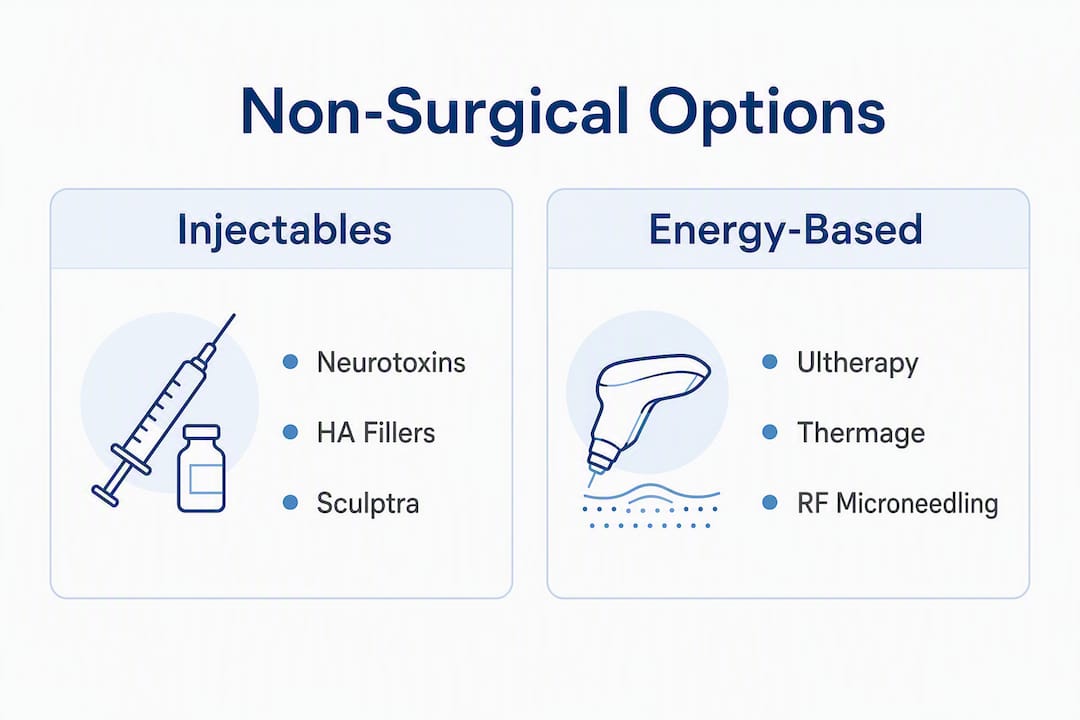
What are the main non-surgical facelift options at a glance?
-
Injectables: what happens during a session and what to expect
-
Energy-based skin tightening: Ultherapy, Thermage, lasers, and RF microneedling
-
How resurfacing treatments support a non-surgical facelift plan
-
What are the risks and who should avoid non-surgical treatments?
-
Recovery timelines, how long results last, and what things cost in the U.S.
-
How to choose a provider and what to ask at your consultation
How does a non-surgical facelift compare to surgery?
The core difference is scope. A surgical facelift physically removes excess skin and repositions underlying tissue, with results that can last a decade or more. A non-surgical approach works with what’s there: adding volume, relaxing muscles, tightening collagen, and improving surface quality. The American Society of Plastic Surgeons (ASPS) is direct about this: non-surgical options are best for enhancement and maintenance, not for correcting major tissue descent.
Good candidates for non-surgical approaches:
-
Adults in their 30s–50s with early to moderate signs of aging (mild volume loss, early jowling, skin texture changes)
-
Patients who want gradual, natural-looking improvement rather than a dramatic change
-
Those with good baseline skin elasticity who are not yet ready for surgery
-
Patients looking to maintain results after a prior surgical facelift
Red flags that suggest a surgical consult instead:
-
Significant skin laxity with visible folds or hanging tissue
-
Deep jowling that doesn’t respond to filler or thread lift
-
Expectations of permanent or surgical-level correction from non-surgical treatments
The benefits of non-surgical routes are real: no general anesthesia, shorter recovery, lower immediate financial outlay, and the ability to adjust results over time. The limitations are equally real: results are temporary, improvement is incremental, and cumulative maintenance costs can add up.
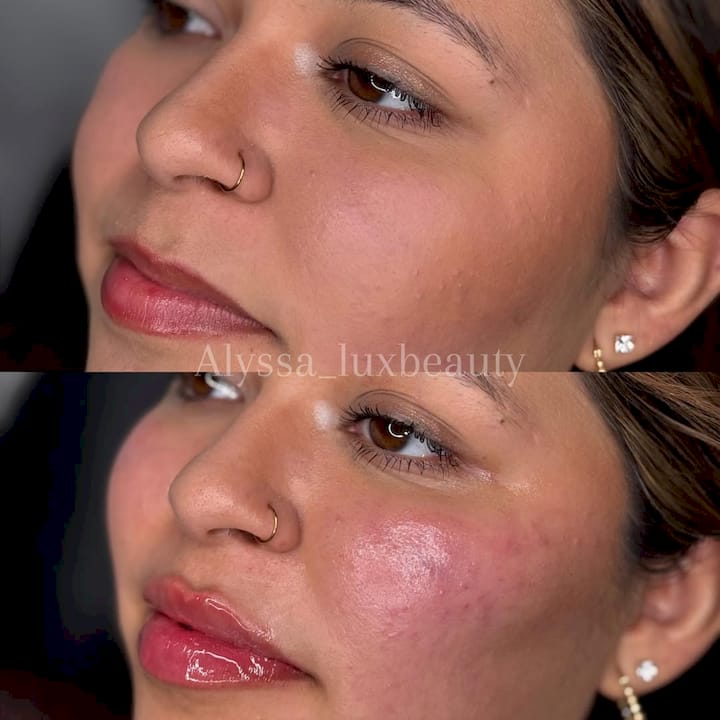
What to look for at the clinic level: your provider should be a board-certified dermatologist or plastic surgeon, or a licensed injector working under physician supervision. Ask specifically about their training on the devices they use. Request before-and-after photos from their own patients, not stock images. A provider who skips the informed-consent conversation or rushes you into a same-day booking is a red flag.
What are the main non-surgical facelift options at a glance?
The table below covers the primary modalities your provider might recommend. Costs are typical U.S. ranges and will vary by provider, location, and the number of units or syringes used.
| Modality | Best for | How delivered | Typical downtime | Result duration | Typical U.S. cost range | Common risks |
|---|---|---|---|---|---|---|
| Neurotoxins (Botox, Dysport, Xeomin) | Dynamic lines, brow lift, jaw slimming | Injection | Minimal (hours) | Up to about three months | — | Bruising, ptosis, headache |
| HA Dermal Fillers | Volume loss, cheeks, jawline, nasolabial folds | Injection | 1–3 days | 6 months–several years | — | Bruising, swelling, vascular occlusion (rare) |
| Sculptra (PLLA) | Diffuse volume loss, collagen stimulation | Injection | 1–3 days | Up to 2+ years | — | Nodules, delayed swelling |
| Fat grafting | Significant volume restoration | Minimally invasive (liposuction required) | 1–2 weeks | Long-lasting (variable) | $2,000–$5,000+ | Resorption, contour irregularity |
| Ultherapy (HIFU) | Brow, chin, neck lift; décolleté lines | Focused ultrasound | Minimal | 6–12+ months | — | Temporary nerve irritation, discomfort |
| Thermage (monopolar RF) | Skin tightening, laxity | Radiofrequency | Minimal | 1–2 years | — | Burns (rare), temporary redness |
| Fraxel / fractional laser | Texture, tone, fine lines | Ablative/non-ablative laser | 3–7 days | 1–2 years | $2,000–$3,500 per year | Redness, hyperpigmentation risk |
| RF microneedling | Texture, mild laxity, scars | Microneedles + RF energy | 2–4 days | 6–12+ months | — | Redness, swelling, rare burns |
| Microneedling + PRP | Texture, skin quality, early laxity | Microneedles + PRP application | 2–3 days | 3–6 months | — | Redness, bruising |
| PDO/PLLA Thread lift | Midface, jawline, neck mechanical lift | Dissolvable threads inserted under skin | 3–7 days | 12–18 months | — | Bruising, thread migration, puckering |
| Chemical peels | Surface texture, pigmentation, fine lines | Topical acid application | 2–4 days (depth-dependent) | 3–12 months | — | Redness, peeling, hyperpigmentation |
| Liquid facelift (combination) | Multi-layer rejuvenation | Multiple injectables in one plan | Variable | Variable by components | $2,000–$8,000+ | Cumulative risks of each modality |
Note: cost ranges are generic U.S. category estimates, not vendor-specific prices.
Injectables: what happens during a session and what to expect
The “liquid facelift” is the most common entry point into non-surgical facial rejuvenation, and it draws on four main injectable categories.
Neurotoxins (Botox, Dysport, Xeomin, Letybo)
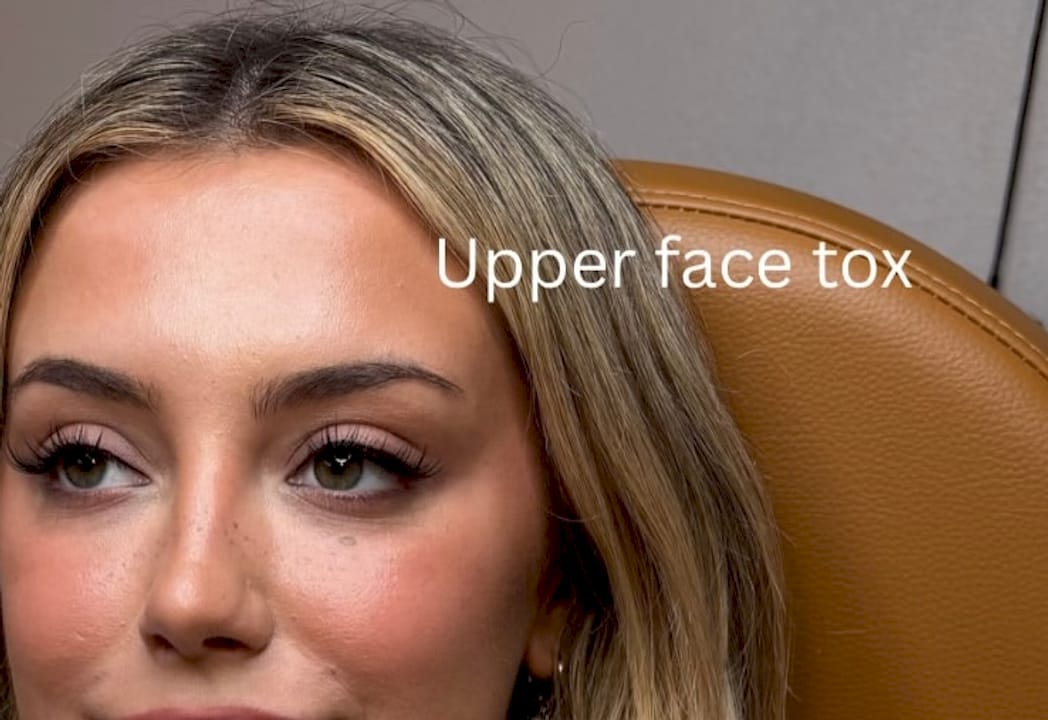
Neurotoxins work by temporarily relaxing the muscles responsible for dynamic lines: the horizontal forehead creases, the “11s” between the brows, and crow’s feet. At higher doses and specific injection points, they can also create a subtle brow lift, slim the jawline (masseter reduction), and soften neck bands. A session takes 10–20 minutes. Results appear within a few days and, for most patients, last up to about three months. You can return to your day immediately; minor bruising at injection sites is the most common side effect.
Hyaluronic acid (HA) dermal fillers
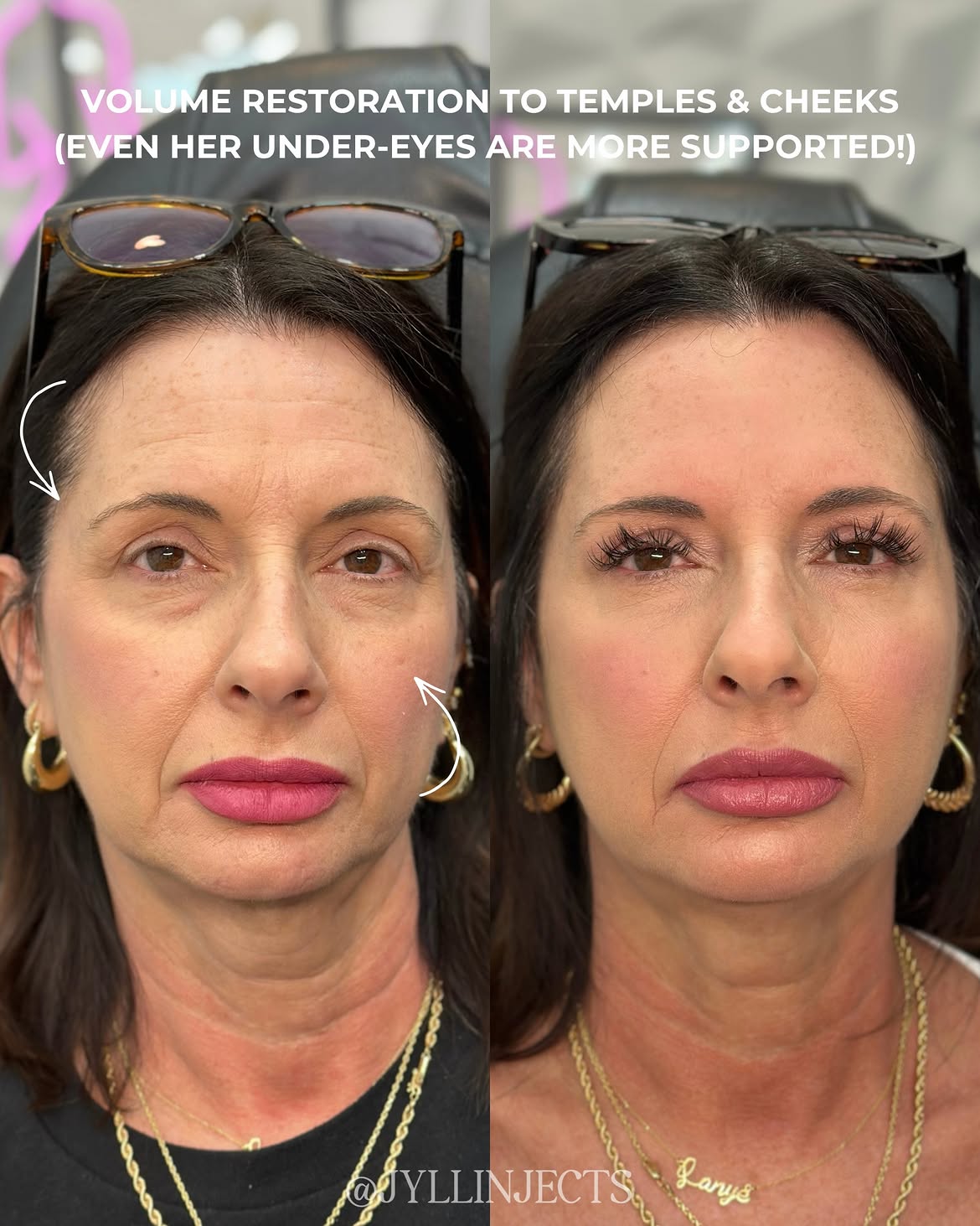
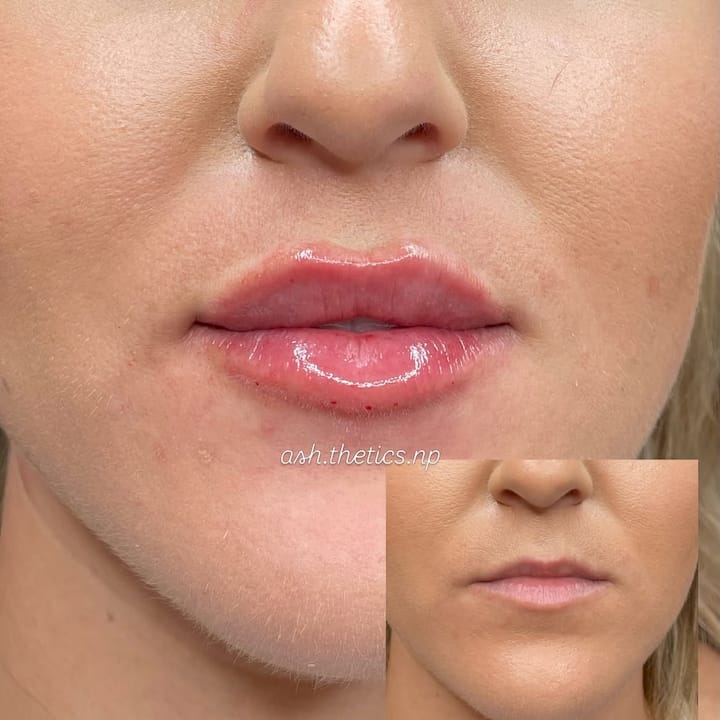
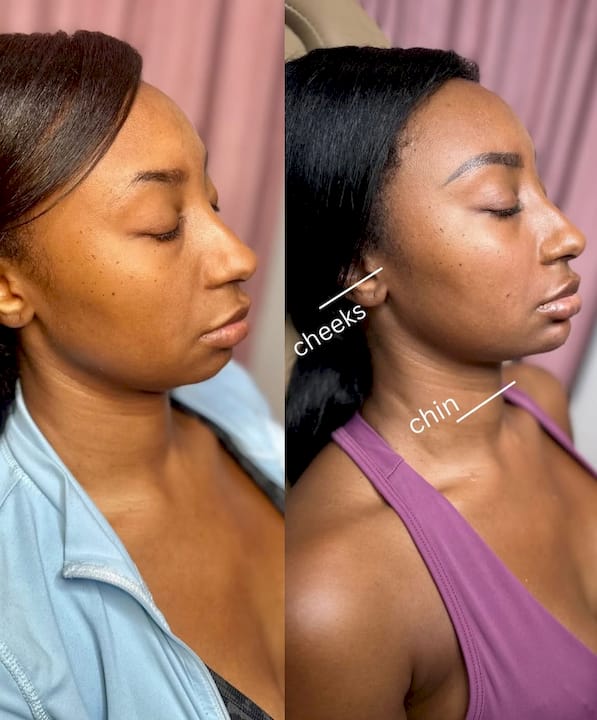
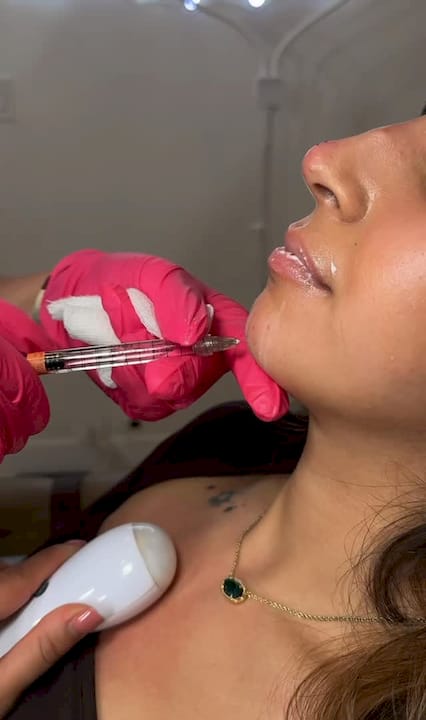
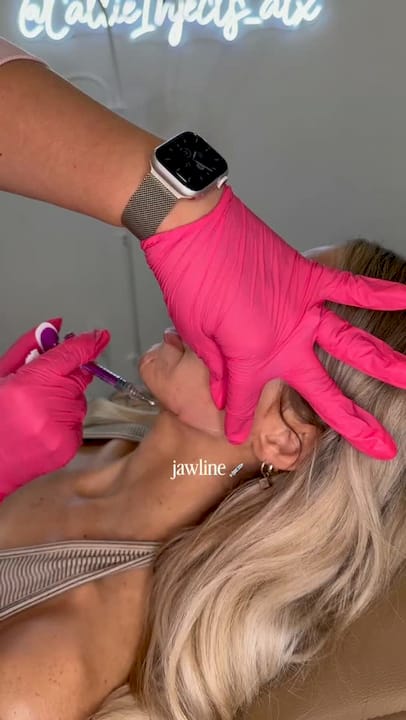
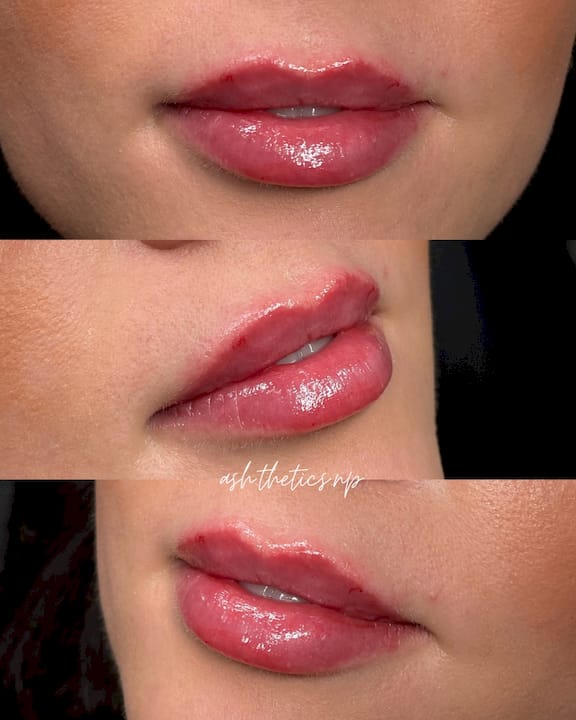
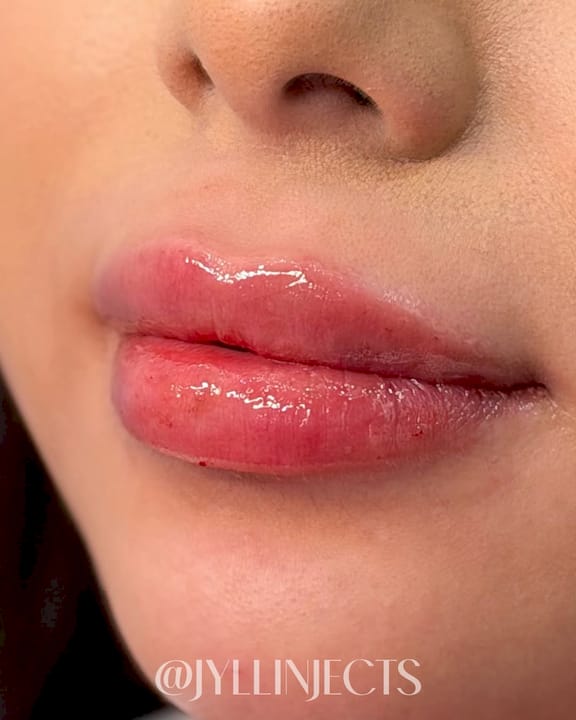
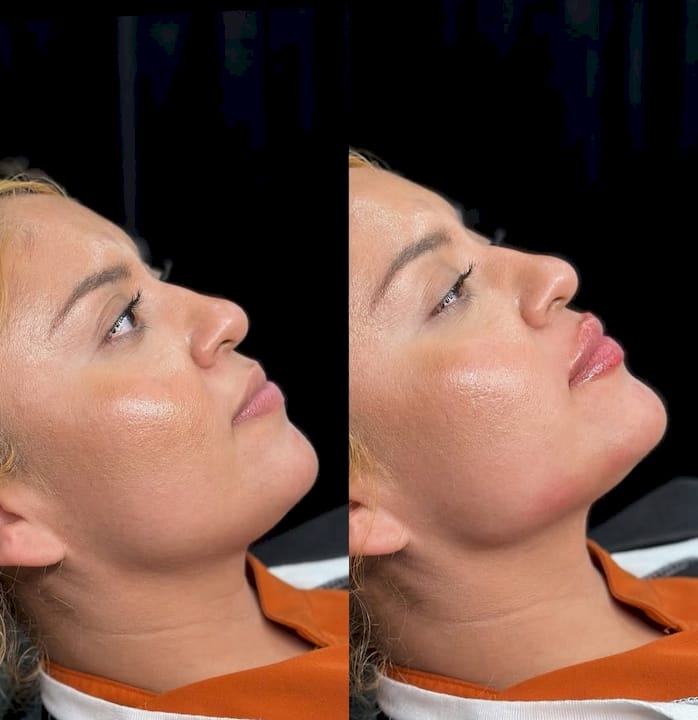
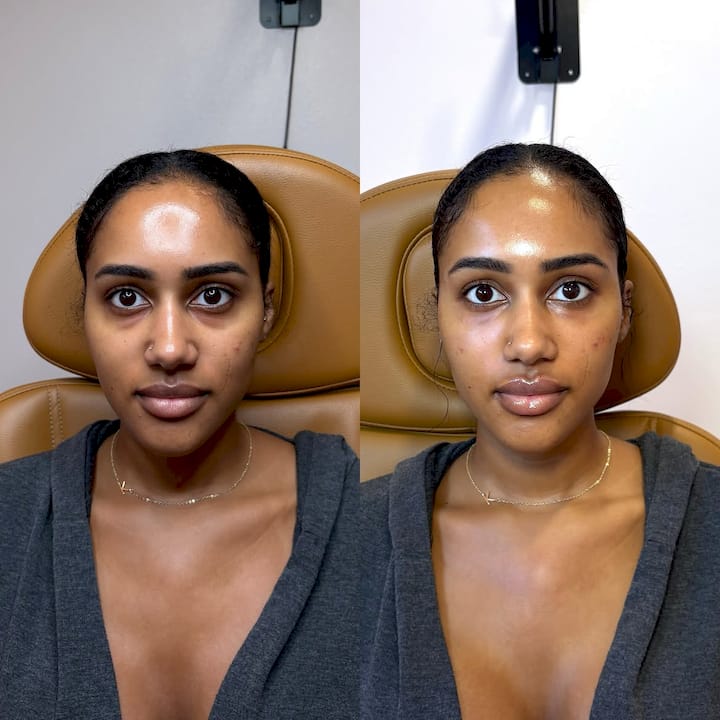
HA fillers restore volume and redefine contour in areas where fat and bone have receded with age: the cheeks, temples, nasolabial folds, jawline, and chin. A skilled injector can use facial contouring with injectables to create lift by restoring structural support rather than simply filling lines. Longevity varies considerably: roughly six months to several years depending on the product, placement depth, and individual metabolism. Thicker products placed deep (cheek, chin) tend to last longer than softer products in mobile areas like the lips.
Sculptra (poly-L-lactic acid)
Sculptra works differently from HA fillers. Rather than adding immediate volume, it stimulates your own collagen production over several months. The result is a gradual, diffuse improvement in skin thickness and quality. Most patients require multiple sessions spaced weeks apart, with visible improvement building over months. Results may last an extended period. For a deeper look at how this works, Sculptra’s collagen-stimulating benefits are worth reviewing before your consultation.
Fat injections / fat grafting
Fat grafting sits at the more invasive end of the non-surgical spectrum. It requires a small liposuction procedure to harvest fat, typically from the abdomen or thighs, which is then processed and injected into the face. The advantage is longevity: a portion of the transferred fat integrates permanently. The trade-off is more downtime (one to two weeks), higher cost, and some unpredictability in how much fat survives. It’s best suited for patients with significant volume loss who want a longer-lasting correction without a full surgical facelift.
Pro Tip: Budget for the full maintenance cycle, not just the first session. A neurotoxin patient who treats three areas four times a year, plus one syringe of filler annually, can easily spend $2,000–$3,500 per year. Over five years, that approaches or exceeds the cost of a surgical option. Knowing this upfront helps you plan realistically.
The ASPS notes that stacking minimally invasive treatments over time can approach the cumulative cost of surgery while delivering less dramatic, shorter-duration results. That’s not a reason to avoid non-surgical options; it’s a reason to go in with clear eyes.
Energy-based skin tightening: Ultherapy, Thermage, lasers, and RF microneedling
Energy devices work on a different principle than injectables: they deliver controlled heat or mechanical energy to stimulate collagen remodeling in deeper tissue layers. The results are subtler and slower to appear than filler, but they address laxity and texture in ways that injectables alone cannot.
How focused ultrasound and radiofrequency work
-
Ultherapy (HIFU): Delivers focused ultrasound energy to the SMAS layer (the same tissue a surgeon addresses in a facelift) and the dermis. It is FDA-cleared for lifting the eyebrow, chin, and neck and improving lines on the décolleté. Clinical data from FDA 510(k) submissions for the Ulthera System shows measurable skin improvement at 3–6 months, with some endpoints sustained up to 180 days in certain trials. A single session takes 60–90 minutes; most patients experience moderate discomfort during treatment and see gradual improvement over two to three months.
-
Thermage (monopolar RF): Heats the dermis and deeper collagen with radiofrequency energy, triggering contraction and new collagen formation. A single session covers the full face in 45–90 minutes with minimal downtime. Results build over three to six months and can last one to two years.
-
RF microneedling (Morpheus8, Vivace, Potenza): Combines the collagen-stimulating effect of microneedling with radiofrequency energy delivered through the needle tips into the dermis and subdermal tissue. It addresses both texture and mild laxity. Downtime is two to four days of redness and mild swelling.
-
Fractional laser resurfacing (Fraxel-type): Works on the skin surface and mid-dermis to improve texture, tone, pigmentation, and fine lines. Non-ablative versions have minimal downtime; ablative fractional treatments can require five to seven days of recovery but deliver more significant resurfacing.
The FDA advises patients to verify that their provider has specific training and documented experience with each device they use. Operator skill directly affects both safety and outcome for every energy-based treatment. A burn or nerve irritation from an energy device is almost always the result of incorrect settings or technique, not the device itself.
Safety note: ask your provider for documentation of their training on the specific device being used, not just general aesthetic training. This is especially important for Ultherapy and Thermage, where depth settings vary by anatomy.
Thread lifts: what PDO and absorbable threads actually do
Thread lifts use dissolvable sutures inserted under the skin to create an immediate mechanical lift, then stimulate collagen as they dissolve over several months. PDO (polydioxanone) and PLLA (poly-L-lactic acid) threads are the most common materials used in the U.S.
-
Treatment areas: midface, jawline, jowls, and neck are the most common; brow lifting is also possible with the right thread design
-
Session steps: topical or local anesthesia is applied, threads are inserted through small entry points using a cannula or needle, and the provider anchors and adjusts the threads to create lift
-
Immediate effects: visible lift, mild bruising, swelling, and occasional puckering that resolves within one to two weeks
-
Duration: mechanical lift typically lasts 12–18 months; collagen stimulation from dissolving threads may extend skin quality benefits somewhat beyond that
-
Maintenance: most patients repeat the procedure every 12–18 months to maintain results
Thread lifts work best on patients with mild to moderate laxity who have good skin quality. They are not a substitute for a surgical facelift in patients with significant tissue descent.
Thread lift results depend heavily on provider skill. The entry points, thread placement depth, and anchoring technique vary significantly between practitioners. Before booking, ask to see before-and-after photos specifically from thread lift patients treated by that provider, taken at least three months post-procedure. Immediate post-procedure photos show swelling, not results.
Risks include bruising, thread migration, visible puckering, and, rarely, infection. A qualified provider should walk you through each of these before treatment and have a clear plan for managing complications.
How resurfacing treatments support a non-surgical facelift plan
Surface treatments don’t lift or add volume, but they improve the skin quality that makes every other treatment look better. Think of resurfacing as the foundation layer of a non-surgical facelift plan.
-
Chemical peels (superficial, medium, deep): Superficial peels (glycolic, lactic, mandelic acid) address dullness, mild texture, and early pigmentation with one to three days of light flaking. Medium-depth peels (TCA 20–35%) treat moderate sun damage, fine lines, and uneven tone with five to seven days of peeling. Deep peels (phenol) are less common and require significant downtime but deliver dramatic resurfacing. For a practical overview of what to expect, chemical peel benefits and depths are worth reviewing before your consultation.
-
Microneedling (with or without PRP/PRF): Creates controlled micro-injuries that trigger collagen and elastin production. Adding PRP (platelet-rich plasma) or PRF (platelet-rich fibrin) to the treatment amplifies the regenerative response. A series of three to four sessions spaced four to six weeks apart is typical for meaningful improvement. Downtime is two to three days of redness. The comparison of PRP and PRF options can help you understand which approach fits your skin goals.
-
Fractional laser resurfacing: Targets both texture and deeper dermal remodeling. Non-ablative fractional treatments (like non-ablative Fraxel) have minimal downtime and work well for maintenance. Ablative fractional treatments deliver more significant improvement in lines and texture but require five to seven days of recovery and careful sun avoidance afterward.
Resurfacing is often sequenced before volume and lifting treatments in a multi-modality plan: optimizing skin quality first means that fillers and energy devices work on a better canvas.
How specialists layer treatments for the best results
The most effective non-surgical facelift plans don’t pick one treatment. They address the face by layer: skin quality, volume, muscle activity, and structural support. Here’s how a thoughtful provider thinks about sequencing.
-
Layer 1 — Skin quality: Resurfacing (peels, microneedling, laser) improves texture, tone, and superficial lines. This is often the starting point for patients with significant sun damage or uneven skin quality.
-
Layer 2 — Volume: Fillers (HA, Sculptra) or fat grafting restore the structural support that creates lift. Volume loss is one of the primary drivers of facial aging, and addressing it often creates more visible improvement than any other single step.
-
Layer 3 — Muscle activity: Neurotoxins soften dynamic lines and can create subtle brow or lip elevation. They work best after volume has been restored, since relaxing a muscle over a deflated area can sometimes worsen hollowing.
-
Layer 4 — Structural support: Energy devices (Ultherapy, Thermage, RF microneedling) and thread lifts address laxity and deeper collagen. These are most effective when skin quality and volume are already optimized.
For advanced sequencing strategies, facial contouring approaches for aging skin covers how providers combine modalities at the clinic level.
Avoid stacking multiple aggressive treatments in a single session. Combining ablative laser resurfacing with a thread lift in one visit, for example, creates competing healing demands and increases complication risk. A staged plan over two to four months is safer and often produces better outcomes.
Pro Tip: Document your baseline with standardized photos before any treatment begins. Consistent lighting, same angle, no makeup. It’s the only way to accurately assess improvement over time, and a good provider will insist on it.
What are the risks and who should avoid non-surgical treatments?
Every modality carries its own risk profile. Here’s a practical summary organized by severity.
Common, transient side effects (resolve within days to two weeks):
-
Redness, swelling, and bruising at injection or treatment sites
-
Temporary numbness or tingling after energy treatments
-
Mild headache after neurotoxin injections
-
Skin peeling and sensitivity after resurfacing
Serious but rare risks:
-
Vascular occlusion from fillers: filler injected into or near a blood vessel can block circulation, causing tissue damage or, very rarely, vision changes. This is a medical emergency requiring immediate hyaluronidase injection. Choose an injector who keeps hyaluronidase on hand and knows how to use it.
-
Burns from energy devices: incorrect settings or technique with Ultherapy, Thermage, or RF microneedling can cause burns or blistering. Operator training is the primary safeguard.
-
Infection: any procedure that breaks the skin carries infection risk. Sterile technique and proper aftercare reduce this significantly.
-
Thread complications: migration, puckering, or extrusion of threads, particularly in patients with thin skin.
Contraindications and caution flags:
-
Pregnancy or breastfeeding (most treatments are contraindicated)
-
Active skin infection, cold sore, or open wound in the treatment area
-
Certain autoimmune conditions (discuss with your physician before any injectable treatment)
-
Recent isotretinoin (Accutane) use: most providers recommend waiting at least six months before resurfacing or microneedling
-
Blood-thinning medications or supplements: stopping aspirin, ibuprofen, fish oil, and vitamin E at least seven days before treatment reduces bruising risk, but always confirm this with your prescribing physician first
At your consultation, ask directly: Does the provider have hyaluronidase available for filler emergencies? What is their protocol if a complication develops after you leave the clinic? A provider who can’t answer these questions clearly is not the right choice.
Recovery timelines, how long results last, and what things cost in the U.S.
Planning a non-surgical facelift means planning for time and budget across multiple sessions, not just one appointment.
-
Same-day return: neurotoxins, superficial peels, non-ablative laser, and most HA filler sessions
-
2–4 days: RF microneedling, microneedling with PRP, medium-depth peels
-
3–7 days: thread lifts, ablative fractional laser, deep chemical peels
-
1–2 weeks: fat grafting (most invasive non-surgical option)
| Modality | Typical downtime | When results appear | Result duration | Typical U.S. cost range |
|---|---|---|---|---|
| Neurotoxins | Hours | 3–7 days | Up to about three months | — |
| HA fillers | 1–3 days | Immediate | 6 months–several years | — |
| Sculptra | 1–3 days | 3–6 months | 2+ years | — |
| Fat grafting | 1–2 weeks | 3–6 months | Long-lasting (variable) | $2,000–$5,000+ |
| Ultherapy | Minimal | 2–3 months | 6–12+ months | — |
| Thermage | Minimal | 3–6 months | 1–2 years | — |
| RF microneedling | 2–4 days | 4–8 weeks | 6–12+ months | — |
| Thread lift | 3–7 days | Immediate + ongoing | 12–18 months | — |
| Chemical peel | 2–4 days | 1–2 weeks | 3–12 months | — |
Cumulative maintenance costs are worth factoring in early. A patient who combines neurotoxins four times a year, two filler syringes annually, and one energy device session per year can spend $5,000–$8,000 annually. Over several years, that total can approach or exceed the cost of a surgical facelift, which the ASPS acknowledges as a realistic consideration when counseling patients.
How to choose a provider and what to ask at your consultation
The provider matters as much as the treatment. Here’s what to verify before you book.
Checklist before your consultation:
-
Board certification: look for an ABPS-certified plastic surgeon, a board-certified dermatologist, or a licensed injector working under direct physician supervision
-
Device-specific training: ask for documentation of training on the exact device being used, not just general aesthetic credentials
-
In-clinic before-and-after photos: from their own patients, with consistent lighting and angles, taken at least 4–8 weeks post-procedure
-
Informed-consent process: a provider who hands you a consent form without walking through it is skipping a critical step
-
Documented follow-up policy: know who to call if something goes wrong after you leave
Questions to ask at your consultation:
-
Who will perform the procedure, and what are their specific credentials?
-
How many times have you performed this specific treatment?
-
How many sessions will I need to see meaningful results?
-
What is the worst-case outcome, and how would you manage it?
-
What does my maintenance plan look like over the next 12–18 months?
-
Do you have hyaluronidase on hand for filler emergencies?
Pro Tip: When reviewing before-and-after photos, look for unedited images with consistent lighting, similar head position, and no filters. Photos taken immediately post-procedure show swelling, not results. Ask to see photos from three to six months after treatment. If a provider only shows you “day of” results or heavily edited images, that’s a reason to pause.
Walk away from any provider who pressures you to book the same day, discourages questions, or can’t explain the risks of the treatment they’re recommending.
Key Takeaways
A non-surgical facelift works best as a layered, multi-modality plan targeting skin quality, volume, muscle activity, and structural support, not as a single procedure.
| Point | Details |
|---|---|
| Candidacy has real limits | Non-surgical options address mild to moderate laxity; significant skin descent requires a surgical consult. |
| Results are temporary | Neurotoxins last several months; HA fillers last variable durations; energy devices may last several months to over a year. |
| Cumulative costs add up | Annual maintenance combining neurotoxins, fillers, and energy treatments can add up to substantial cumulative costs comparable to surgery over time. |
| Provider credentials are non-negotiable | Verify board certification, device-specific training, and in-clinic before-and-after photos before booking. |
| Theinjectionroom offers layered plans | Theinjectionroom in Austin and San Antonio provides neurotoxins, fillers, Sculptra, PDO threads, and microneedling as part of customized facial rejuvenation plans. |
The case for realistic expectations over dramatic promises
There’s a version of the non-surgical facelift conversation that oversells. You’ve probably seen it: a single treatment marketed as equivalent to surgery, with dramatic before-and-afters that don’t reflect what most patients experience. The honest version is less flashy but more useful.
Non-surgical treatments work. They work best when the plan is staged, realistic, and matched to what your anatomy actually needs, not to what a single device’s marketing claims. The patients who get the most out of these treatments are the ones who understand that they’re investing in gradual, maintained improvement, not a one-time fix.
What I find most valuable in consultations is the layer-by-layer conversation: starting with skin quality, then addressing volume, then considering lifting energy or threads only when the foundation is solid. Rushing to a thread lift or Ultherapy session on skin that needs resurfacing first is like painting over a wall that hasn’t been primed. The result won’t hold as well, and you’ll spend more correcting it later.
The provider selection piece is where most patients underinvest their attention. The treatment matters, but the person delivering it matters more. Device training, emergency protocols, and honest informed-consent conversations are the details that separate a good outcome from a complicated one. Ask for them every time.
Ready to explore your options at Theinjectionroom?
Theinjectionroom serves patients in Austin and San Antonio with a full menu of non-surgical facial rejuvenation treatments: neurotoxin treatments including Botox, Dysport, Xeomin, and Letybo; hyaluronic acid dermal fillers; Sculptra; PDO threads; and microneedling with PRP and PRF options. Every consultation starts with an honest assessment of what your anatomy needs and a realistic plan for achieving it, staged over time rather than stacked into a single aggressive session.
To get started, book a consultation at either location, bring a list of your current medications and supplements, and ask specifically about device training and before-and-after documentation. The goal is a plan you understand and can commit to, not a treatment you walk into unprepared.
This article is for general informational purposes only and is not a substitute for professional medical advice. Consult a qualified provider to confirm which treatments are appropriate for your specific situation.
Useful sources and further reading
The following sources were used to support the clinical claims in this article. When evaluating any provider or treatment, cross-reference manufacturer claims with independent clinical evidence and primary regulatory sources.
-
Cleveland Clinic: Nonsurgical Facelift — What It Is, Options & Benefits: A thorough patient-facing overview of non-surgical modalities, candidacy, and realistic expectations from a major academic medical center.
-
American Society of Plastic Surgeons (ASPS): Policy Statement on Botulinum Toxin / Neuromodulators: Professional-society guidance on safe administration, provider qualifications, and patient counseling for neurotoxin treatments.
-
ASPS: Risks and Safety of Plastic Surgery: Covers informed consent, risk categories, and what to expect from a board-certified provider.
-
ASPS: Cosmetic Procedures Overview: Reference list of surgical and non-surgical procedures with patient education links.
-
FDA: Aesthetic and Cosmetic Devices: The FDA’s guidance on device safety, operator-dependent risks, and how to verify provider training for energy-based devices.
-
Ulthera System FDA 510(k) Summary (K243035) via Innolitics: Regulatory submission data for the Ulthera System, including clinical study summaries and intended-use indications.
-
Ultherapy PRIME HCP Brochure via Neuglow: Manufacturer-reported clinical outcomes and FDA-cleared indications for Ultherapy; review alongside independent clinical data.
A note on manufacturer claims: device manufacturers publish their own clinical summaries, which may emphasize favorable endpoints. Always ask your provider to show you independent peer-reviewed evidence alongside manufacturer materials, and verify that their training on the device is current and documented.
%20Pictures%20are%204%20weeks%20apart..jpg)