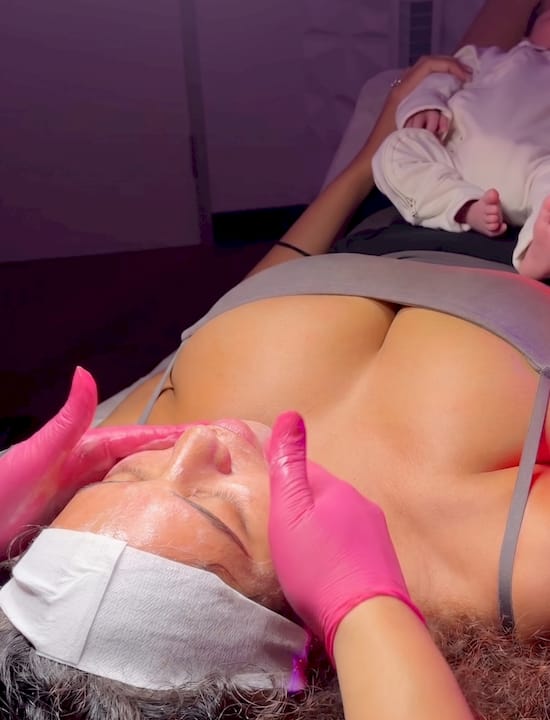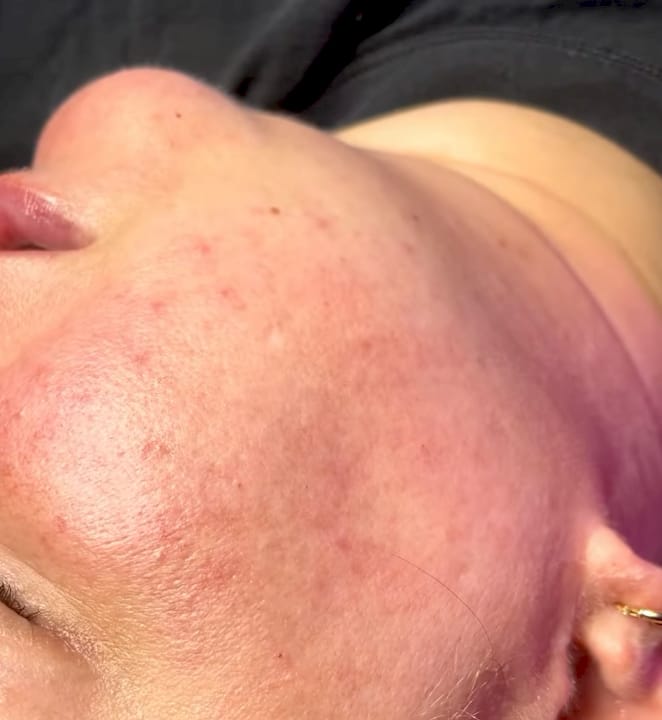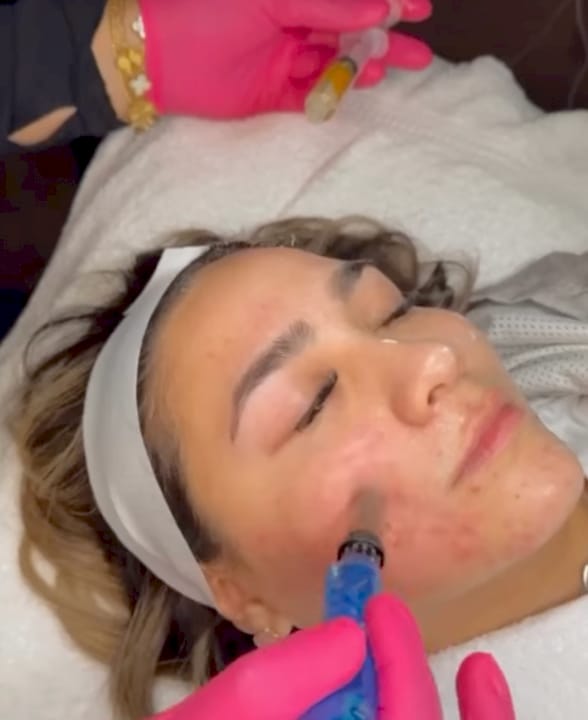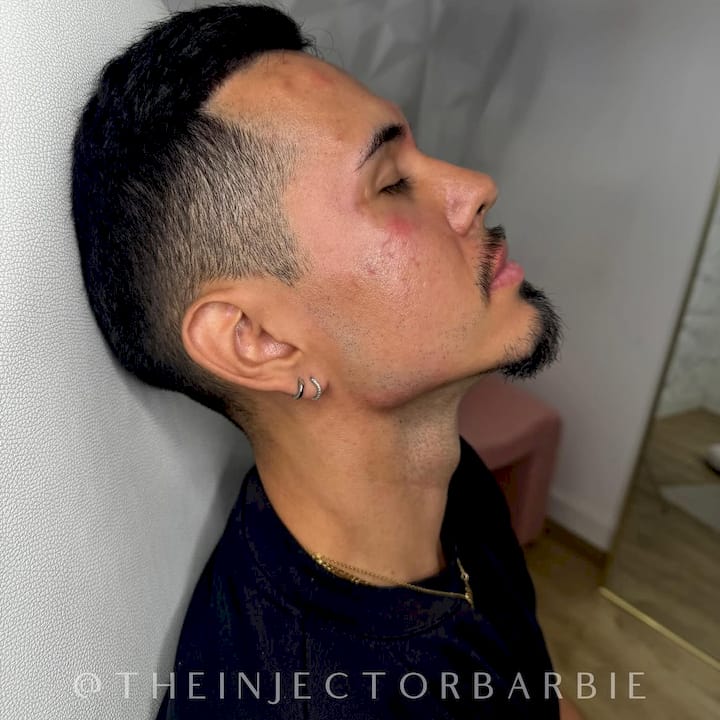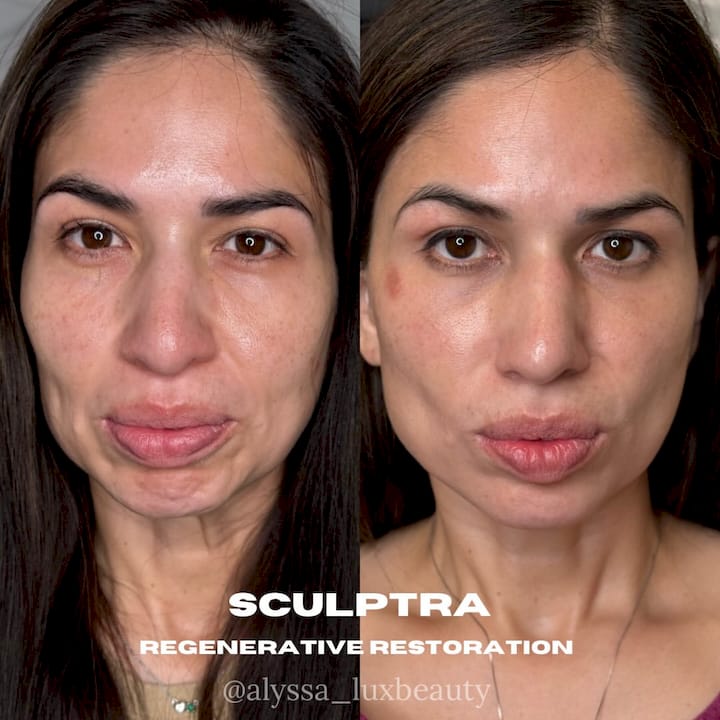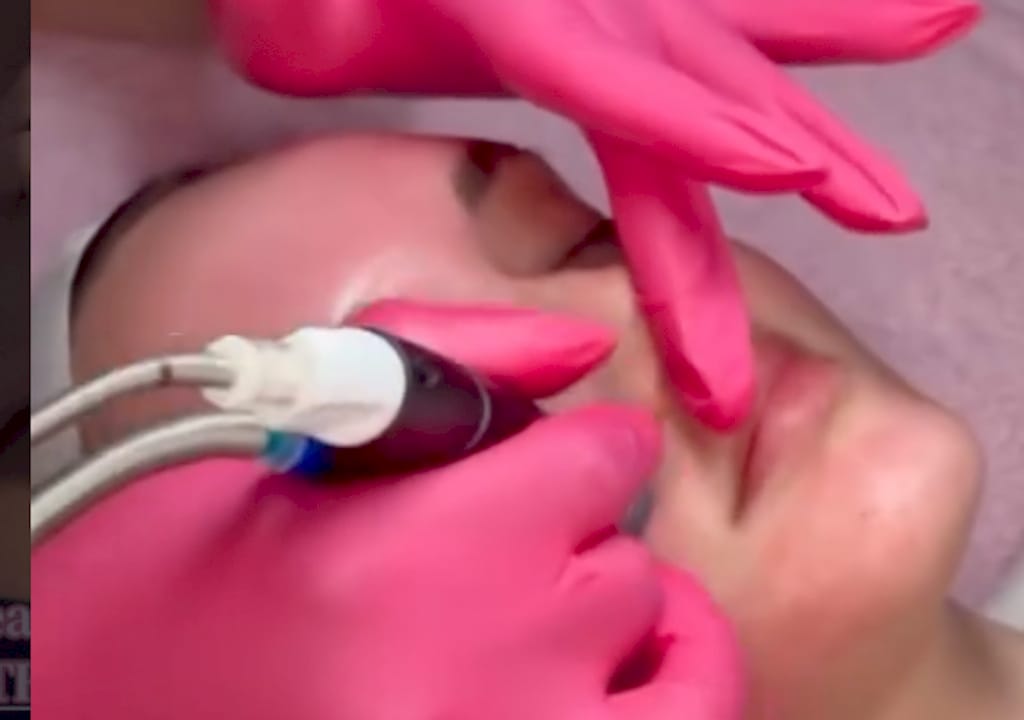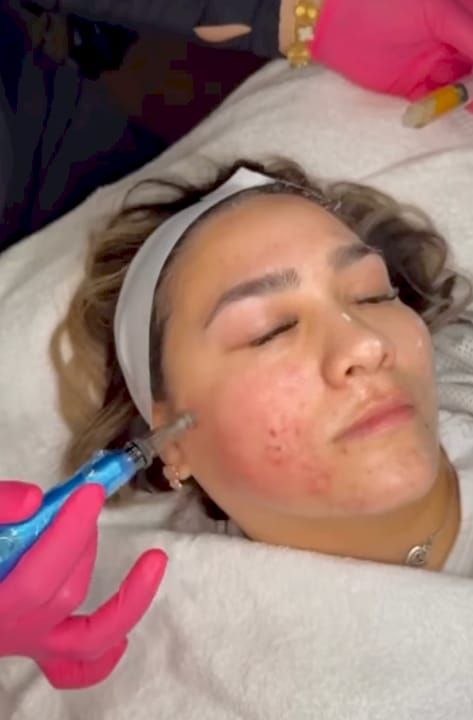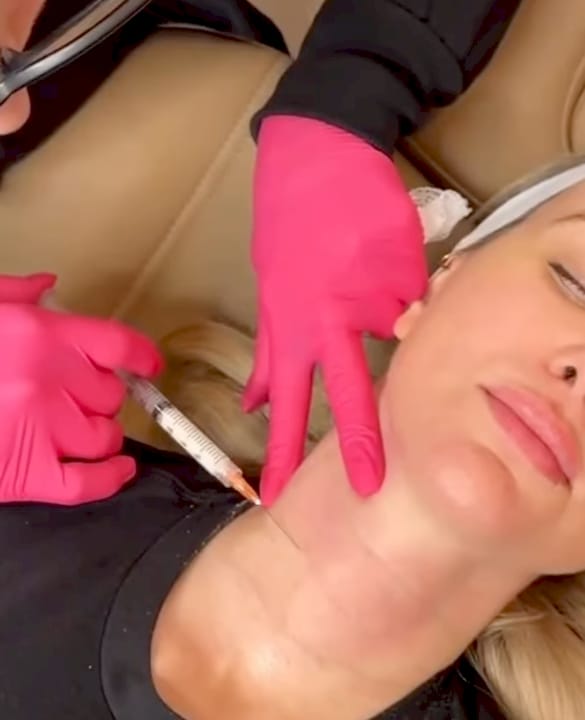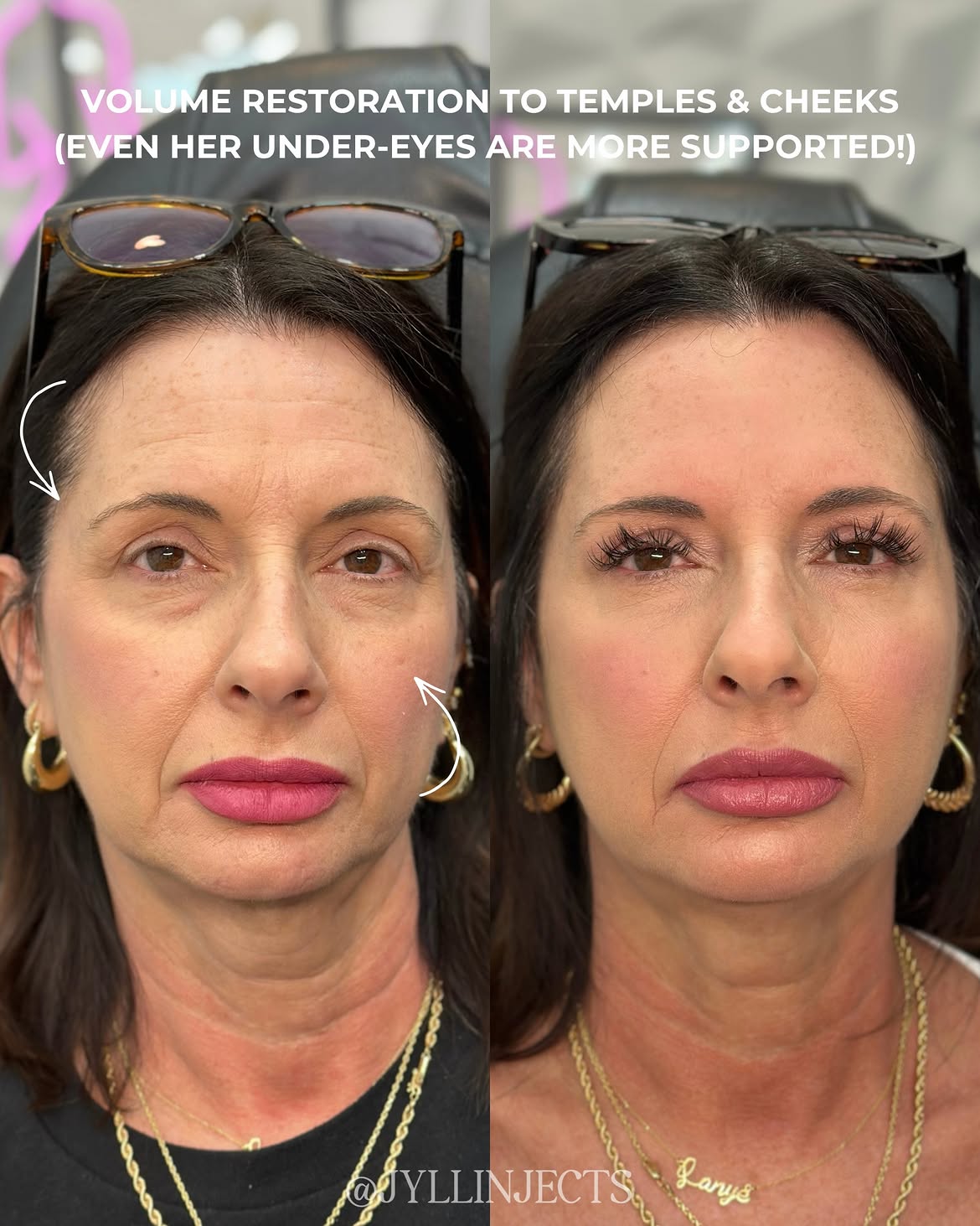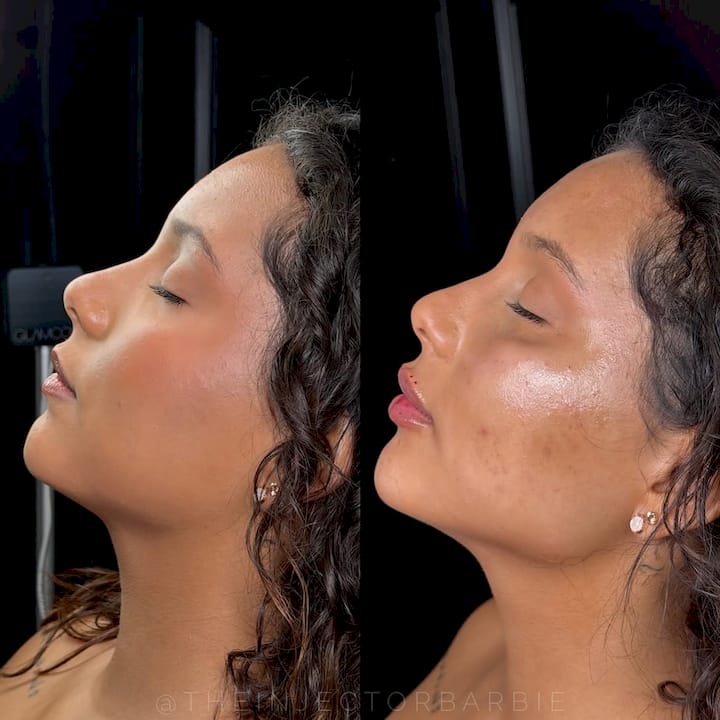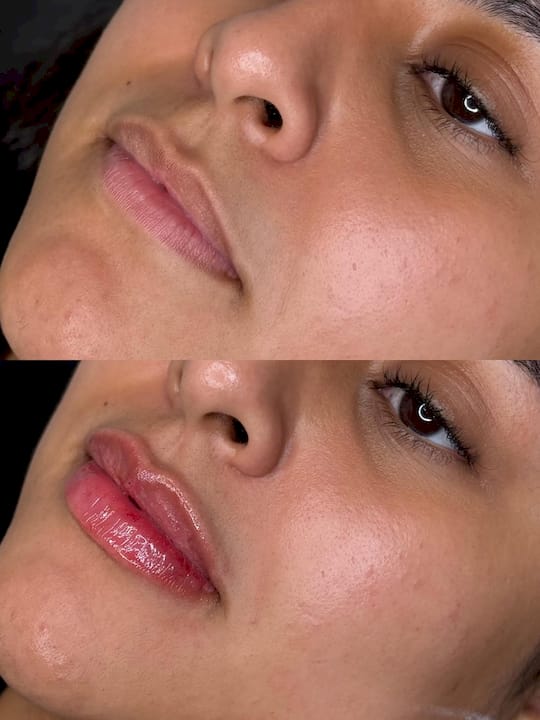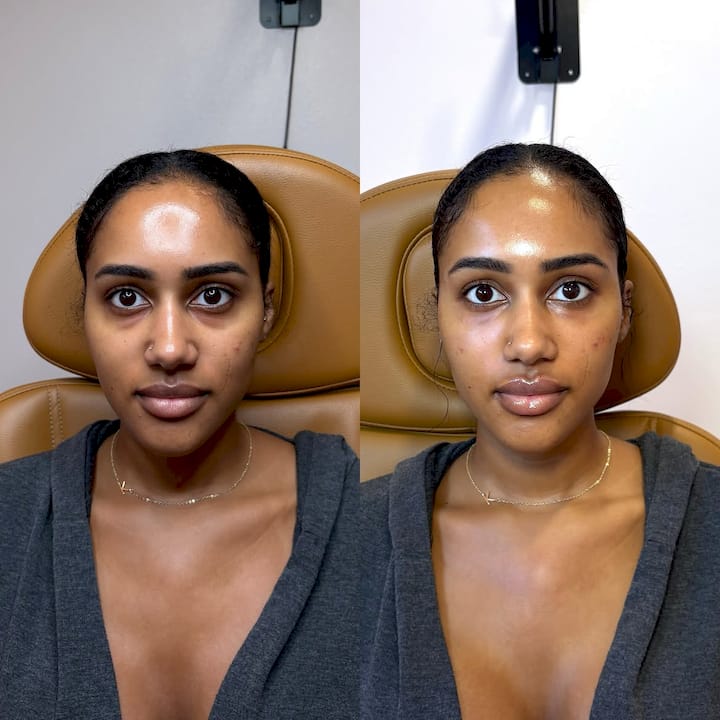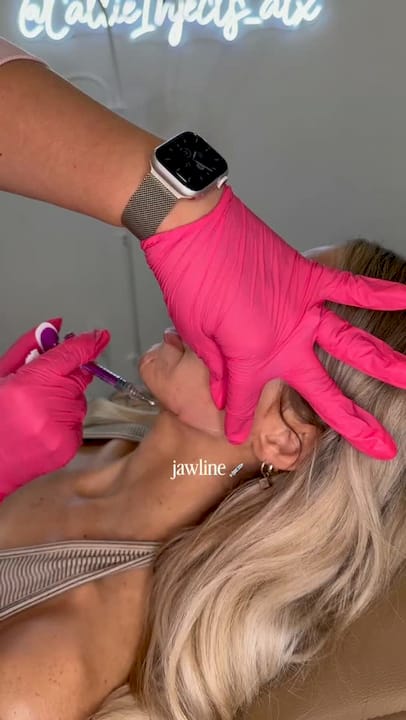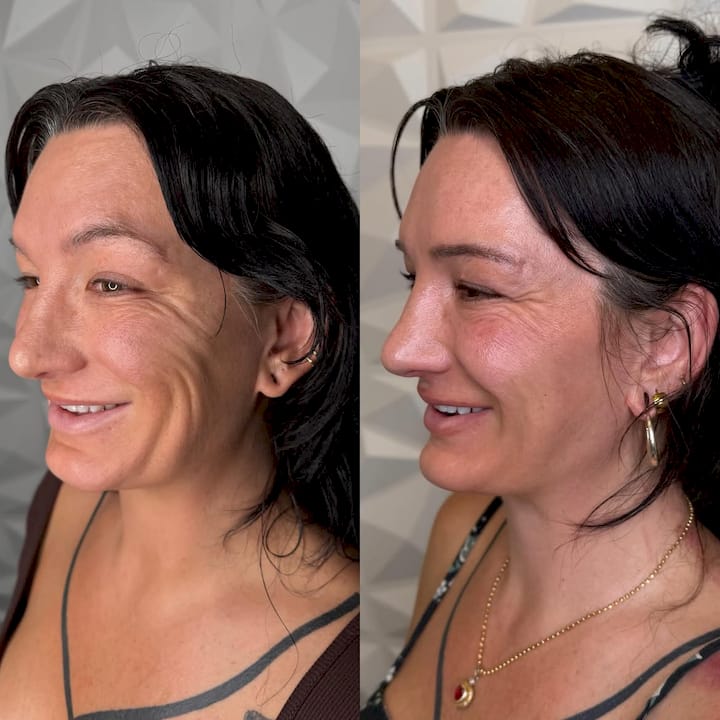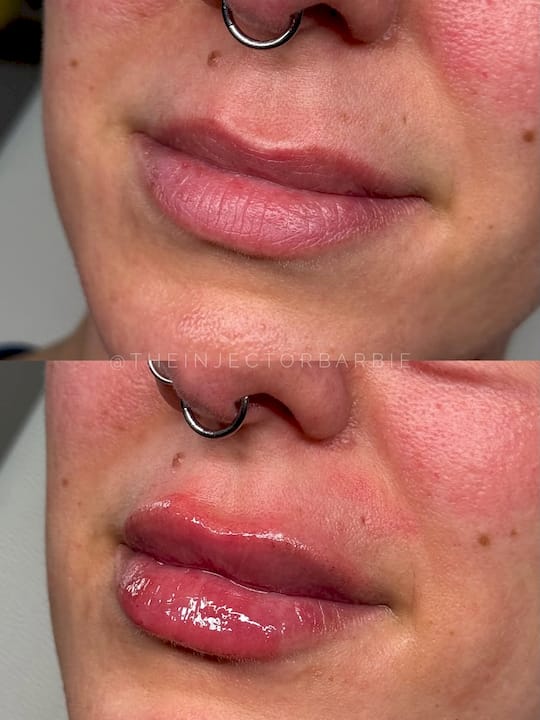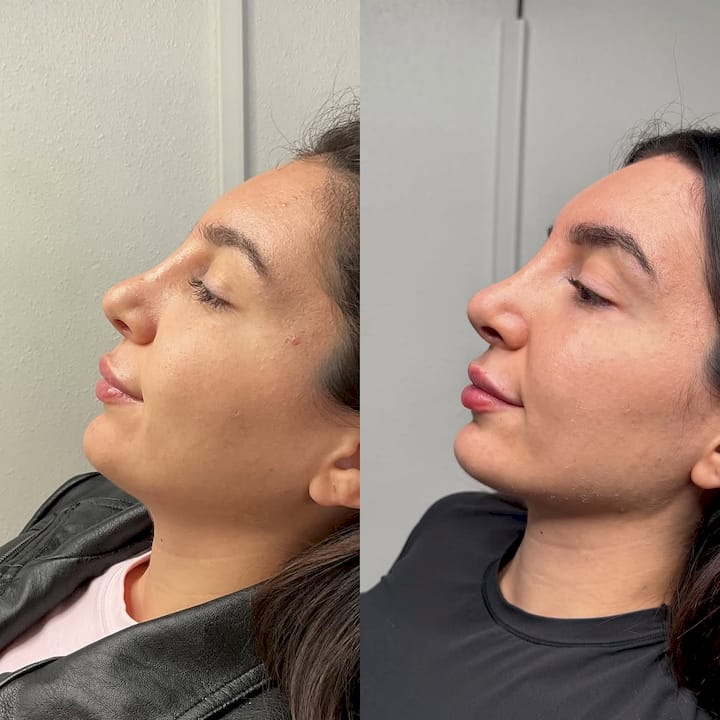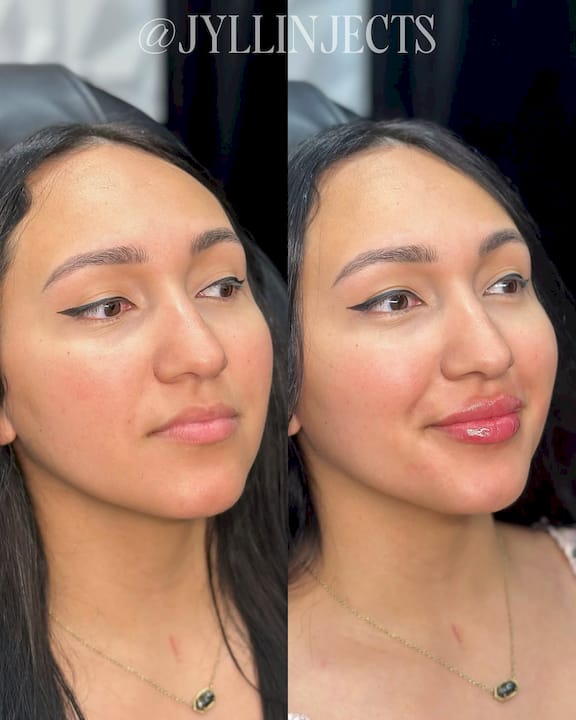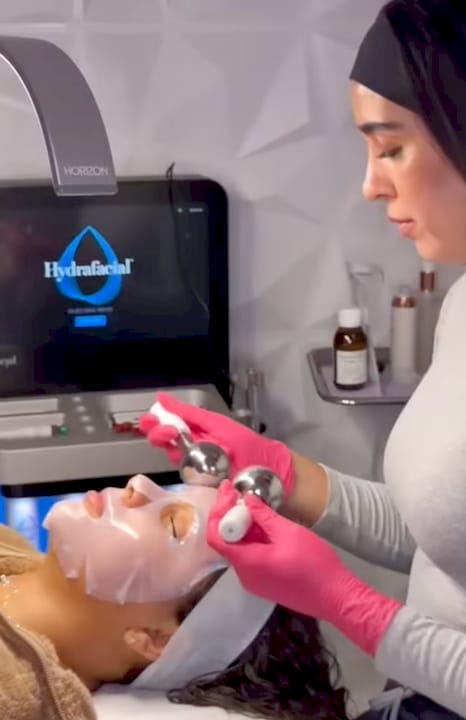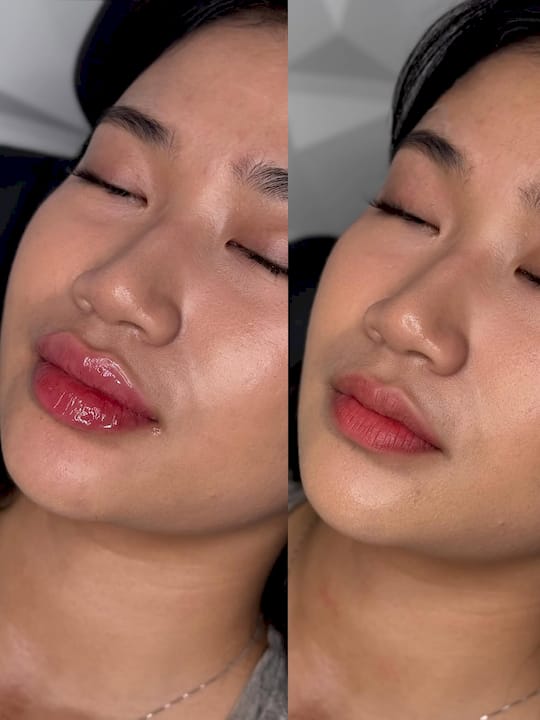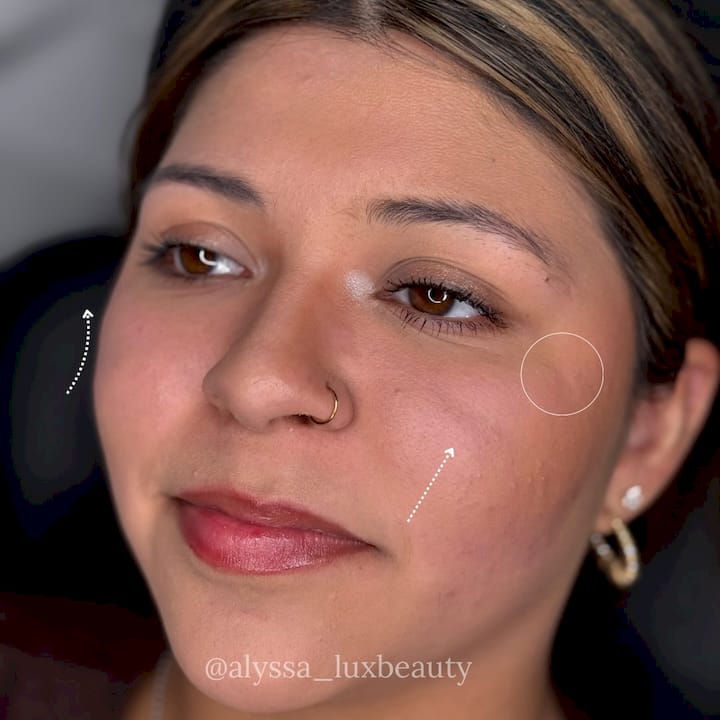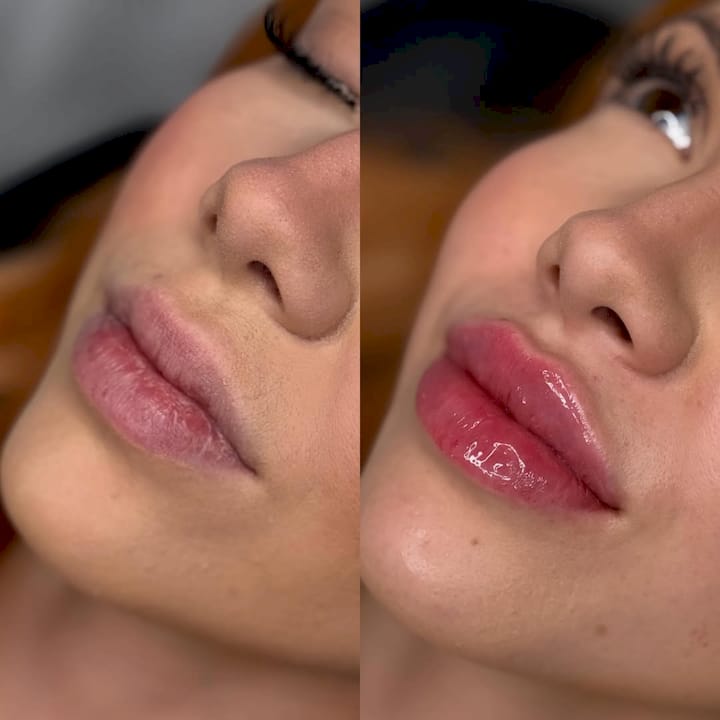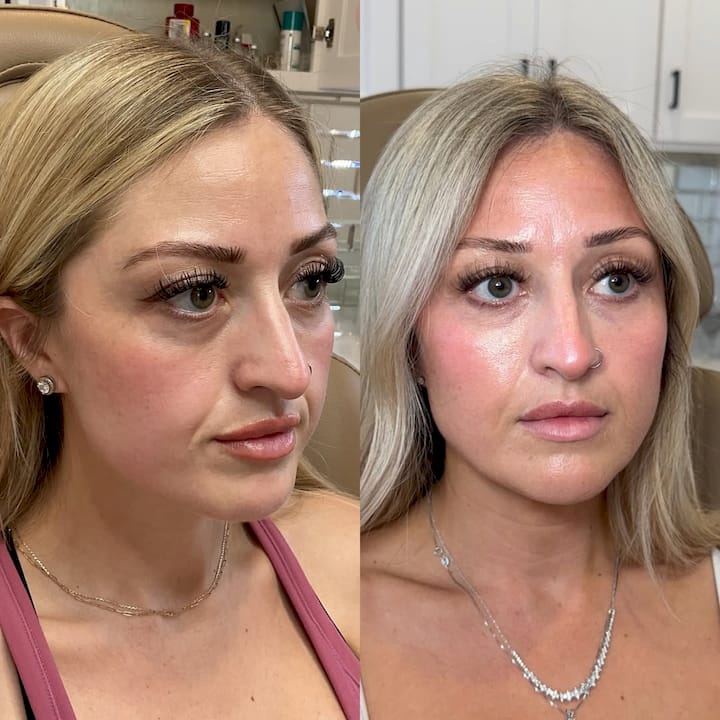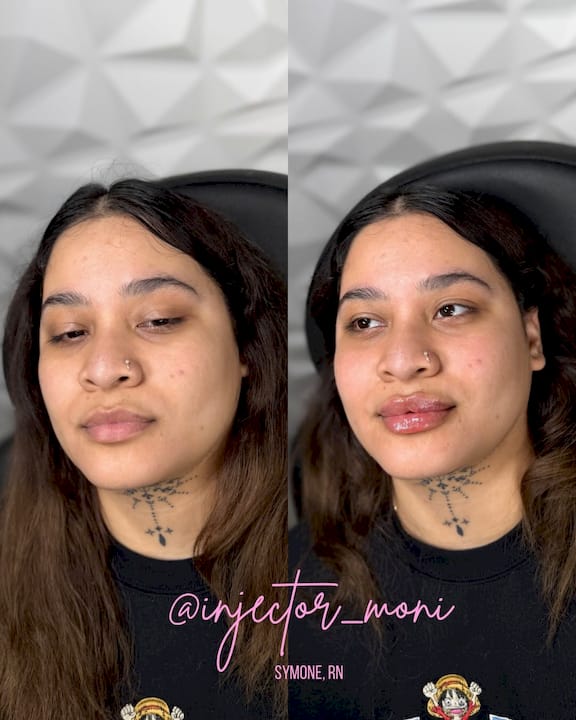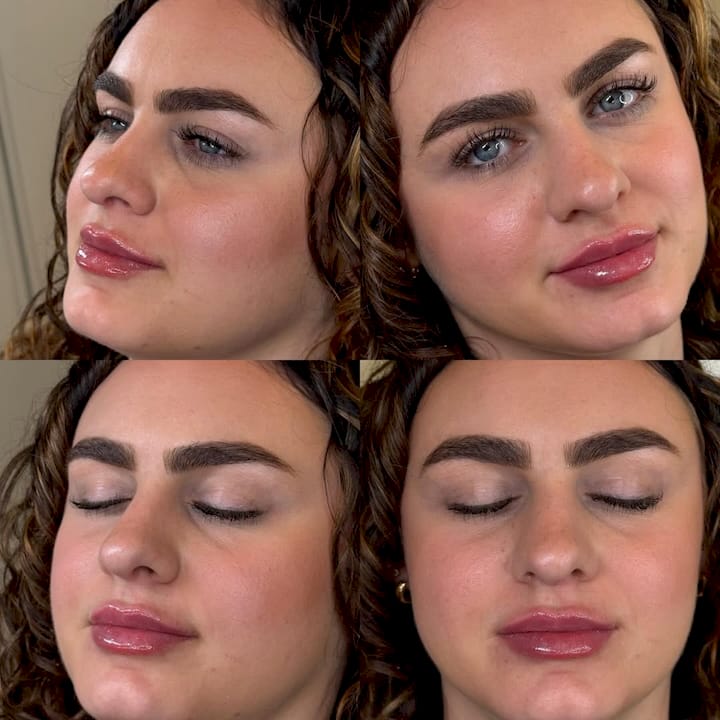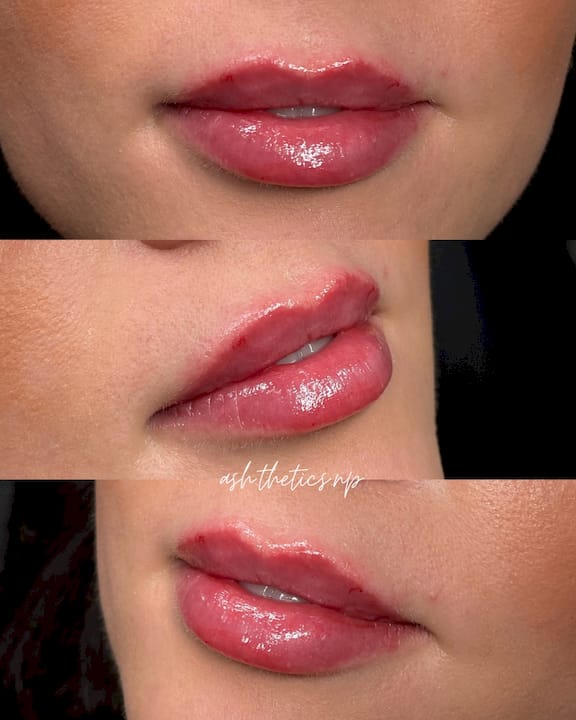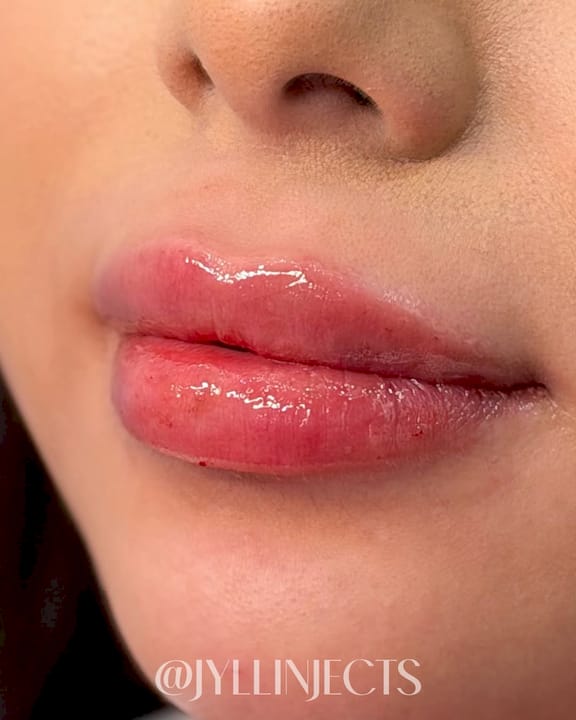
Dysport (abobotulinumtoxinA) is a prescription injectable that temporarily relaxes targeted muscles by blocking nerve signals, reducing wrinkles and relieving certain muscular conditions. FDA-approved for three distinct indications, it treats cervical dystonia in adults, moderate to severe glabellar lines (the frown lines between your brows) in adults under 65, and spasticity in patients aged 2 and older. Here is a quick snapshot of what that means in practice:
-
What it is: A purified botulinum toxin type A complex derived from Clostridium botulinum
-
How it works: Blocks acetylcholine release at neuromuscular junctions, preventing muscle contraction
-
Cosmetic use: Smooths moderate to severe frown lines between the eyebrows
-
Medical uses: Treats cervical dystonia and muscle spasticity
-
How it’s given: Injected directly into the affected muscle by a licensed provider
-
How long it lasts: Effects are temporary; re-treatment is typically needed after a few months
How does Dysport compare to Botox?
Both Dysport and Botox are botulinum toxin type A products, but they are not the same medication and their dosage units are not interchangeable. Different manufacturing processes and protein compositions mean that a unit of Dysport does not equal a unit of Botox. Your provider must calculate the appropriate dose for each product separately.
| Feature | Dysport | Botox |
|---|---|---|
| Approved uses | Cervical dystonia, glabellar lines (adults under 65), spasticity (age 2+) | Glabellar lines, crow’s feet, forehead lines, cervical dystonia, hyperhidrosis, chronic migraine, and others |
| Onset time | Typically 2–5 days | Typically 3–7 days |
| Duration of effect | 3–4 months on average | 3–4 months on average |
| Dosage and units | Higher unit count per treatment area; not interchangeable with Botox | Lower unit count; not interchangeable with Dysport |
| Side effects | Injection site reactions, headache, temporary muscle weakness | Injection site reactions, headache, temporary muscle weakness |
One practical difference worth knowing: Dysport tends to spread slightly more from the injection site, which can be an advantage for treating larger muscle groups but requires precise technique in smaller areas. For a deeper look at how neurotoxins compare to other wrinkle treatments, Botox vs. fillers is a useful starting point.
How Dysport works and what results you can expect
Dysport inhibits acetylcholine release at the neuromuscular junction, the point where a nerve signal tells a muscle to contract. Without that signal, the muscle relaxes. For cosmetic patients, relaxed procerus and corrugator muscles mean the skin above them smooths out, softening frown lines. For medical patients, the same mechanism reduces painful or involuntary muscle contractions.
Timeline and results generally follow this pattern:
-
Days 2–5: First visible relaxation begins
-
Days 7–14: Peak effect is typically reached
-
Months 3–4: Effects gradually wear off as nerve signaling slowly recovers
-
Re-treatment: Most adults return every 3–4 months to maintain results
One factor that sets Dysport apart from other botulinum toxin products is its active neurotoxin content. Research shows Dysport contains 2.69 ng of active neurotoxin per 500 U vial, compared to 0.90 ng per 100 U vial of Botox. That higher quantity of active neurotoxin per dose may contribute to a longer-lasting blockade of neurotransmitter release in some patients.
Who is a good candidate for Dysport?
Most healthy adults seeking to reduce moderate to severe frown lines are reasonable candidates for Dysport. Medical candidates include adults with cervical dystonia or spasticity, and children aged 2 and older with spasticity. That said, not everyone is a good fit, and an honest conversation with your provider before treatment is the most important step you can take.
You may be a strong cosmetic candidate if you:
-
Are an adult under 65 with moderate to severe glabellar lines
-
Have good overall skin health and realistic expectations
-
Have not had recent facial surgery in the treatment area
-
Are not pregnant or breastfeeding
Disclose relevant medical history to your provider before treatment to ensure safe use.
-
Any neuromuscular disorders such as myasthenia gravis or Lambert-Eaton syndrome
-
Difficulty swallowing or breathing
-
Recent surgeries or injections near the planned treatment site
-
Current medications, especially muscle relaxants or blood thinners
-
Any prior reactions to botulinum toxin products
Pro Tip: Don’t hold back during your consultation. Disclosing your full medical history, including conditions that seem unrelated, helps your provider choose the right dose and technique for your specific anatomy.
Side effects and safety information for Dysport
Dysport is generally well tolerated when administered by a trained professional, but side effects do occur and some require prompt attention. Common side effects include:
-
Injection site pain, swelling, or bruising
-
Headache
-
Temporary muscle weakness near the treated area
-
Drooping eyelid or eyebrow (if injected near the eye area)
-
Dry mouth or flu-like symptoms
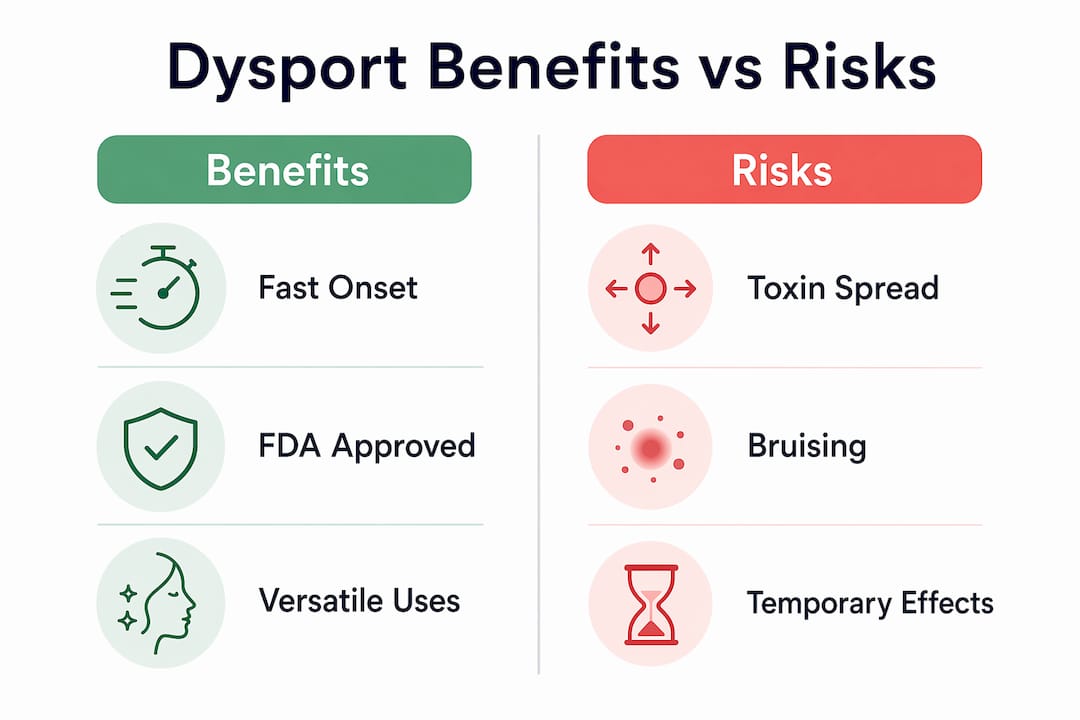
The most serious risk is toxin spread beyond the injection site. Symptoms of spread can appear hours to weeks after treatment and may include difficulty swallowing, speaking, or breathing, double vision, or loss of bladder control. These symptoms require immediate medical attention. Patients with pre-existing neuromuscular disorders face a higher risk of this complication, which is one reason full disclosure before treatment is non-negotiable.
Working with a qualified medical professional who understands injection anatomy and dosing protocols is the single most effective way to reduce your risk. Dysport carries a boxed warning from the FDA regarding toxin spread, and providers are required to discuss this with patients before treatment.
Clinical and cosmetic applications of Dysport
Dysport’s FDA-approved indications cover both medical and aesthetic territory, and its real-world applications reflect that range. For a full breakdown of Dysport’s uses and benefits, the treatment addresses:
Cosmetic applications:
-
Moderate to severe glabellar lines (frown lines between the brows) in adults under 65
-
Off-label use for forehead lines, crow’s feet, and lip lines by experienced providers
-
Brow lifting and facial contouring through targeted muscle relaxation
Medical applications:
-
Cervical dystonia: involuntary neck muscle contractions causing abnormal head position and pain
-
Upper and lower limb spasticity in adults and children aged 2 and older
-
Off-label use for conditions such as hyperhidrosis (excessive sweating) and temporomandibular joint tension
The quality-of-life impact for medical patients can be significant. Cervical dystonia, for example, causes chronic pain and restricted movement; Dysport injections into the affected neck muscles can restore range of motion and reduce discomfort for months at a time. Cosmetically, patients often report feeling more confident and refreshed without looking “frozen,” partly because Dysport’s natural spread can produce a softer, more even result across larger treatment zones.
How to find and choose a qualified provider for Dysport
The provider you choose matters as much as the product itself. Dysport requires precise dosing and injection technique, and the margin for error is narrow, especially near the eyes or in patients with complex medical histories.
When evaluating a provider, look for:
-
A licensed medical professional (physician, nurse practitioner, or registered nurse) with documented training in neurotoxin injections
-
Experience with both cosmetic and therapeutic Dysport applications
-
A thorough consultation process that includes a full medical history review
-
Transparent communication about dosing, expected results, and potential risks
-
A clean, clinical environment that follows proper reconstitution and storage protocols
Questions worth asking during your consultation:
-
How many Dysport treatments have you performed?
-
How do you determine the right dose for my anatomy?
-
What happens if I’m not satisfied with my results?
-
What is your protocol if I experience side effects?
Patient reviews and before-and-after photos can give you a sense of a provider’s aesthetic sensibility, but they don’t replace a direct conversation. Trust your instincts during the consultation. A provider who rushes through your questions or downplays your concerns is a red flag regardless of their credentials.
Expert insights on what sets Dysport apart
Dysport is not simply a generic version of other botulinum toxin products. Its formulation, manufacturing process, and active neurotoxin content are distinct, and those differences have real clinical implications. The higher active neurotoxin content per dose (2.69 ng per 500 U vial) may explain why some patients report longer-lasting results compared to other products at equivalent clinical doses.
Key distinctions from a clinical perspective:
-
Dysport uses a different protein complex than other botulinum toxin type A products, affecting how it spreads and how long it acts
-
Dose conversion ratios between Dysport and other products vary and must be individualized by your provider
-
The slightly wider diffusion radius can be a clinical advantage for large muscle groups like the neck or thighs
-
Patients who have not responded well to other neurotoxins sometimes respond differently to Dysport due to these formulation differences
Pro Tip: If you’ve tried another neurotoxin and felt the results faded too quickly or weren’t quite right for your anatomy, tell your provider. Switching products or adjusting the dose can make a meaningful difference, and your provider can only personalize your treatment if they know your full history.
Toxin spread remains the most serious safety consideration regardless of which botulinum toxin product you use. Patients should be educated on the warning signs before leaving the clinic, and providers should make follow-up contact easy and accessible.
Where and how to get Dysport treatment
Dysport is a prescription medication, so it can only be administered by a licensed medical professional in a clinical setting. You won’t find it at a day spa or beauty salon. Appropriate settings include medical spas, dermatology offices, plastic surgery practices, and neurology clinics for medical indications.
In Austin and San Antonio, Theinjectionroom offers Dysport and other neurotoxin treatments in a med spa environment staffed by trained injectors. The team handles both cosmetic and therapeutic consultations, so whether you’re addressing frown lines or a medical muscle condition, the process starts with a proper evaluation.
To get started anywhere, you’ll typically need to schedule a consultation, complete a health history form, and discuss your goals with the provider before any injection takes place. Avoid any clinic that skips the consultation or offers Dysport without reviewing your medical background first.
What happens during a Dysport treatment session
A typical Dysport appointment is straightforward and usually takes 30 minutes or less from check-in to checkout. Here’s what to expect:
Before the injection:
-
Your provider reviews your medical history and confirms your goals
-
The treatment area is cleansed and, if needed, a topical numbing cream is applied
-
Your provider marks the injection sites based on your muscle anatomy
During the injection:
-
Dysport is injected directly into the targeted muscles using a fine needle
-
Cosmetic treatments typically involve several small injections across the treatment area
-
Most patients describe the sensation as a brief pinch; discomfort is minimal
After the injection:
-
You can return to most normal activities immediately
-
Visible relaxation begins within 2–5 days, with full results at 1–2 weeks
-
Your provider may schedule a follow-up to assess results and address any concerns
The whole process is designed to be low-disruption. No general anesthesia, no recovery room, and no downtime for most patients.
Aftercare and recovery recommendations
Recovery from Dysport is minimal, but a few guidelines help protect your results and reduce the risk of side effects. Following these in the first 24 hours makes a real difference.
Do:
-
Stay upright for at least 4 hours after treatment
-
Apply a cold pack gently to reduce swelling or bruising if needed
-
Follow up with your provider if you notice anything unexpected
Avoid for the first 24 hours:
-
Rubbing or massaging the treated area (this can shift the toxin)
-
Strenuous exercise or activities that increase blood flow to the face
-
Lying flat or bending forward for extended periods
-
Alcohol, which can increase bruising
-
Excessive heat, including saunas, hot tubs, and direct sun exposure
Most patients see no visible signs of treatment within a day or two. Bruising, when it occurs, typically resolves within a week. If you experience any symptoms of toxin spread, such as difficulty swallowing or breathing, contact your provider or seek emergency care immediately.
What does Dysport treatment cost?
Dysport pricing in the United States is typically structured per unit or per treatment area, and costs vary based on geographic location, provider experience, and the number of units required. Because Dysport uses more units per treatment area than some other neurotoxins (due to its different potency), the per-unit price is generally lower, and the total cost often comes out comparable.
A few factors that influence your final cost:
-
Number of units: Cosmetic glabellar line treatment typically requires more Dysport units than an equivalent Botox treatment, though the per-unit cost is lower
-
Provider credentials: Physicians and highly experienced nurse practitioners often charge more than entry-level injectors
-
Geographic market: Prices in major metro areas like Austin and San Antonio tend to reflect local market rates
-
Treatment area: Medical indications like cervical dystonia may involve more units and higher total costs than cosmetic treatments
Dysport is not covered by insurance for cosmetic use. Medical indications such as cervical dystonia or spasticity may qualify for insurance coverage depending on your plan and diagnosis. Always ask for a full cost breakdown before your appointment so there are no surprises.
Key Takeaways
Dysport is a distinct botulinum toxin type A product with FDA-approved cosmetic and medical uses, a faster onset than many alternatives, and a formulation that sets it apart from other neurotoxins in both dosing and active neurotoxin content.
| Point | Details |
|---|---|
| FDA-approved indications | Dysport treats cervical dystonia, glabellar lines in adults under 65, and spasticity in patients aged 2 and older. |
| Onset and duration | Effects begin within 2–5 days and typically last 3–4 months before re-treatment is needed. |
| Active neurotoxin content | Dysport contains 2.69 ng of active neurotoxin per 500 U vial, which may contribute to longer-lasting effects. |
| Units are not interchangeable | Dysport and Botox doses cannot be swapped; your provider must calculate each separately based on product potency. |
| Provider selection matters | Treatment by a licensed, trained injector in a clinical setting is the most important safety factor. |


%20Pictures%20are%204%20weeks%20apart..jpg)