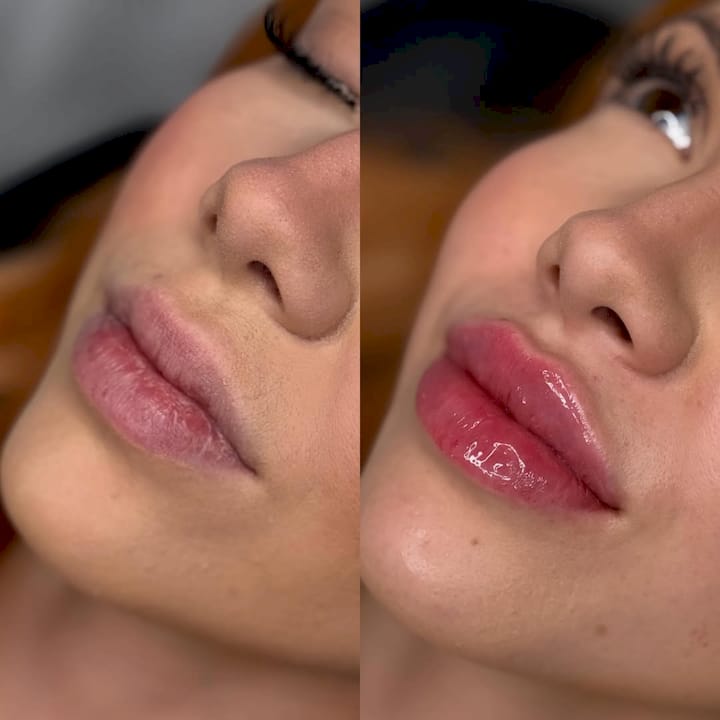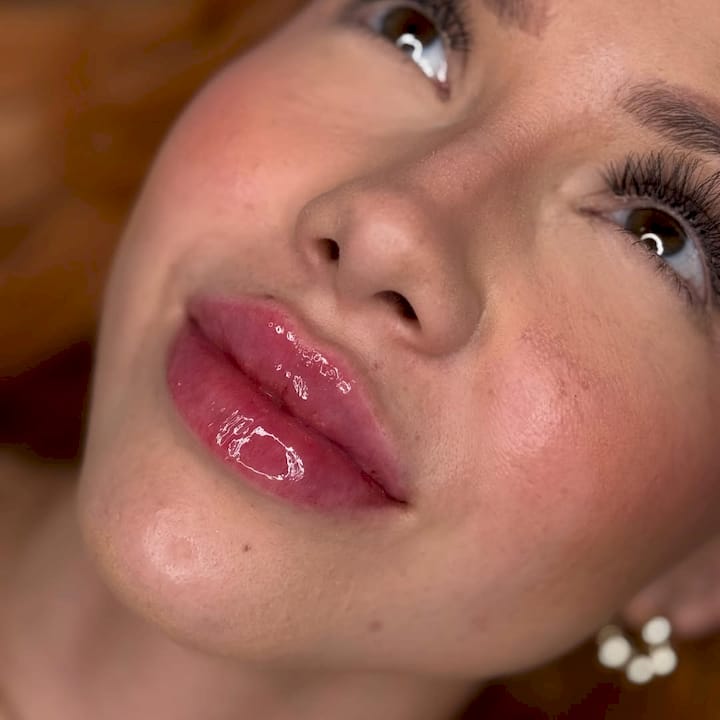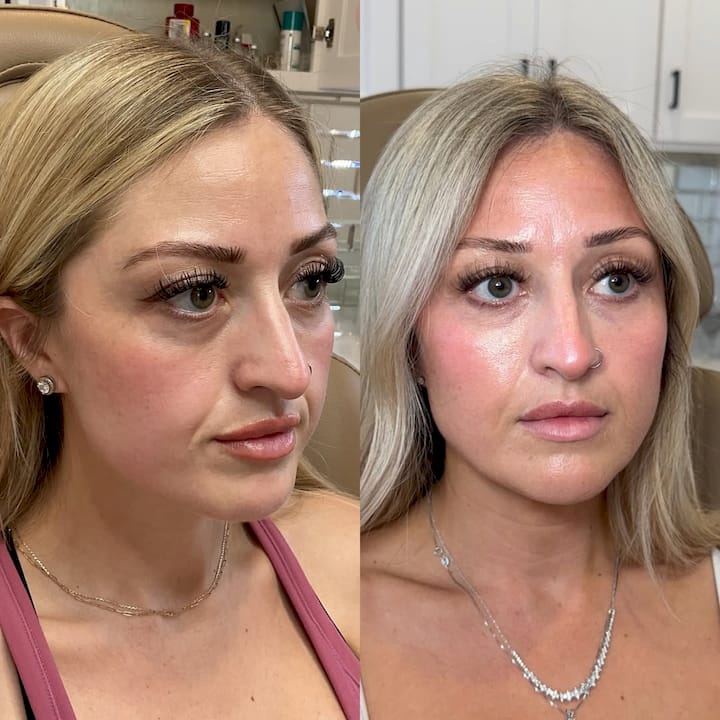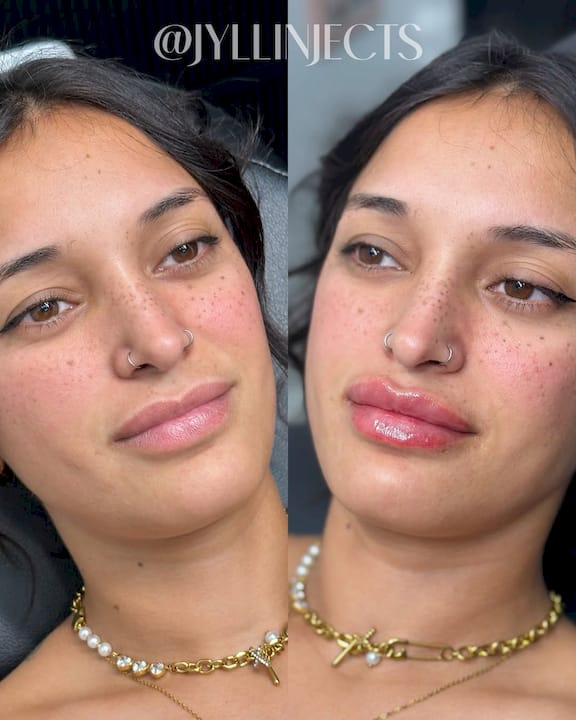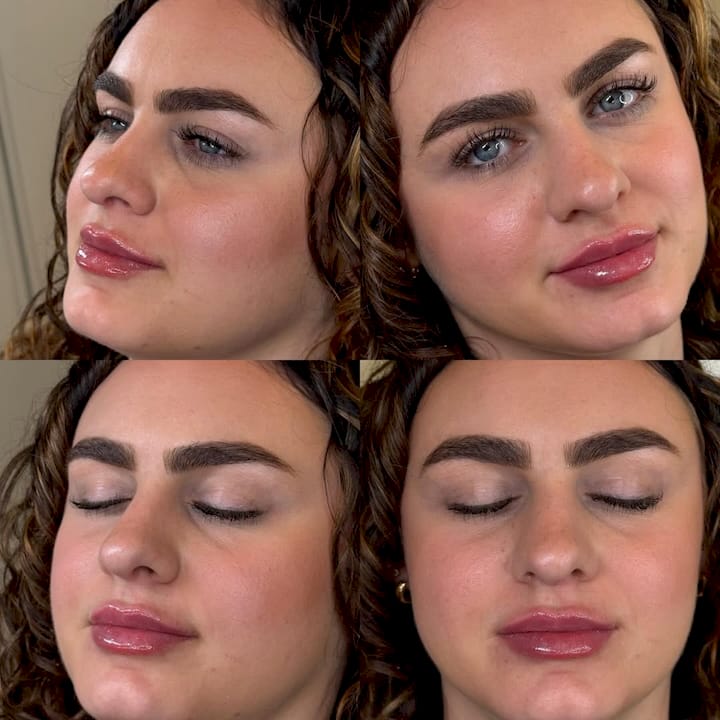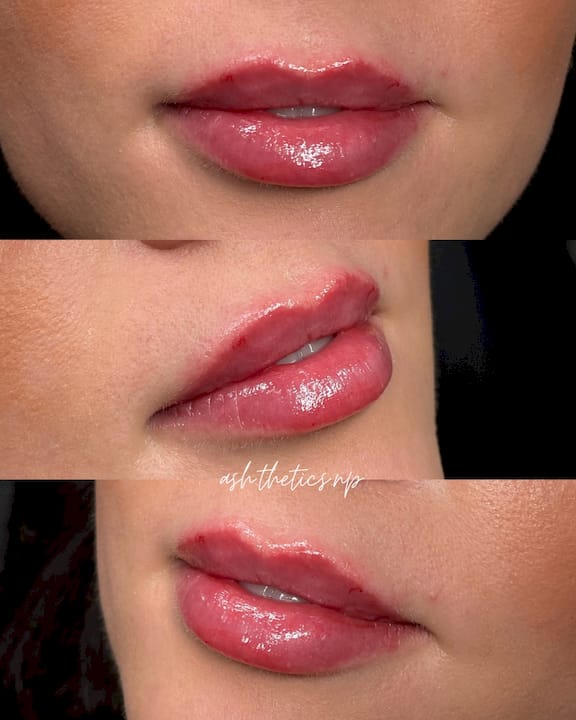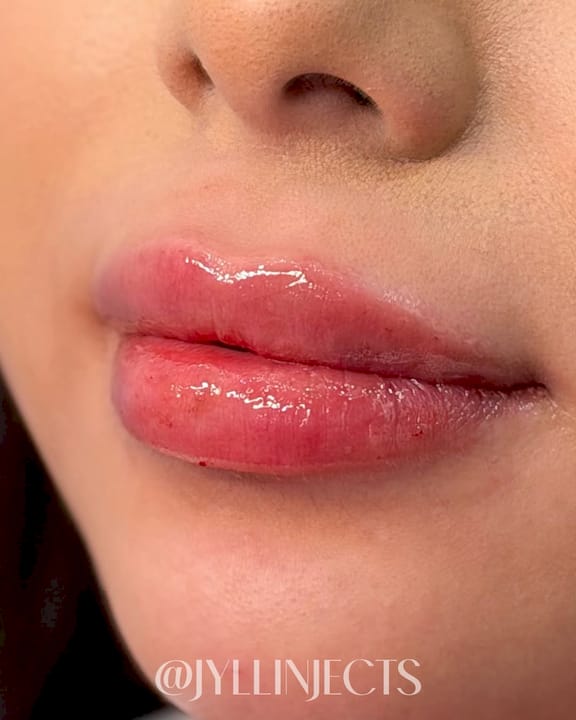
Proper preparation before lip fillers, the clinical term for hyaluronic acid dermal filler injections, is the single biggest factor separating a smooth, natural result from a week of unnecessary bruising and swelling. Knowing what to do before getting lip fillers means reviewing blood-thinning medications, cutting alcohol, prepping your skin, and disclosing any cold sore history before you ever sit in the treatment chair. Dr. Joel Kopelman and clinical guidelines from journals like the Journal of Clinical and Aesthetic Dermatology confirm that patients who follow pre-treatment protocols consistently experience fewer complications and more predictable outcomes.
Which medications and supplements should you avoid before lip fillers?
Medication review is the most impactful preparation step you can take before a lip filler appointment. Blood-thinning drugs and certain supplements increase capillary fragility, which means your body bleeds more easily at the injection site and bruises form faster and larger than they otherwise would.
The most common culprits include:
-
NSAIDs: Aspirin, ibuprofen (Advil, Motrin), and naproxen (Aleve) all inhibit platelet function. Providers commonly advise stopping these 7 to 10 days before treatment with your doctor’s approval.
-
Supplements: Fish oil, omega-3 fatty acids, vitamin E, ginkgo biloba, and garlic supplements all thin the blood to a measurable degree. Stop these on the same timeline as NSAIDs.
-
Prescription anticoagulants: Warfarin, clopidogrel, and similar drugs require a direct conversation with your prescribing physician before you stop or adjust anything. Never discontinue prescription blood thinners without medical guidance.
If you need pain relief in the days leading up to your appointment, acetaminophen (Tylenol) is the safer option. It does not affect platelet aggregation, so it will not increase your bruising risk the way NSAIDs do.
Pro Tip: Screenshot your full supplement list and bring it to your consultation. Many patients forget to mention supplements because they do not think of them as “real” medications, but fish oil and vitamin E are among the most common bruising triggers providers see.
How to prepare your skin and lifestyle before your appointment
Skin and lifestyle preparation starts at least 48 hours before your appointment and ideally 7 days out for the lifestyle factors. The goal is to arrive with calm, clean skin and a body that is not already primed for inflammation.
Follow these steps in order:
-
Stop retinoids and exfoliating acids 48 hours before. Retinol, tretinoin, AHAs, BHAs, and glycolic acid all increase skin sensitivity. Pausing these products around treatment time reduces the chance of post-injection irritation and micro-tears at the lip border.
-
Cut alcohol at least 24 to 48 hours before treatment. Alcohol is a vasodilator. It widens blood vessels and directly increases swelling and bruising after lip injections. This is one of the easiest variables to control and one of the most frequently ignored.
-
Skip strenuous exercise the day before. Elevated heart rate and blood pressure increase blood flow to the face, which amplifies bruising risk at injection sites.
-
Hydrate and sleep well. Healthy lifestyle habits stabilize blood flow and skin condition on procedure day. Dehydrated skin is more reactive, and poor sleep elevates cortisol, which slows healing.
-
Arrive makeup-free with clean skin. Your provider will cleanse the area before injecting, but arriving with a clean face speeds up the process and reduces the risk of introducing bacteria into freshly injected tissue.
Consistent lip balm use in the days before your appointment is fine and actually helpful for keeping the lip tissue supple. Just avoid introducing any new lip products immediately before the procedure, since you cannot predict how your skin will react under stress.
Pro Tip: Schedule your appointment for early in the week. That way, if you experience swelling or bruising, you have the full week to recover before any weekend plans.
What to know if you have a history of cold sores

Cold sore history is one of the most underreported factors in lip filler preparation, and it carries real clinical consequences. The herpes simplex virus (HSV-1) lies dormant in nerve tissue near the lips. Physical trauma from needle injections can reactivate the virus, triggering an outbreak even in people who have not had a cold sore in years.
The core rules are straightforward:
-
Never get lip fillers during an active outbreak. Active cold sores require postponing treatment until the lesion is fully healed. Injecting into or near an active lesion risks spreading the infection and causing severe inflammation.
-
Disclose your HSV history to your injector before the appointment. This is non-negotiable. Your provider may recommend antiviral prophylaxis, typically acyclovir or valacyclovir, taken in the days before and after treatment.
-
Watch for prodromal symptoms. Tingling, burning, or itching at the lip border in the days before your appointment are early warning signs of an impending outbreak. Reschedule immediately if these appear.
-
Follow aftercare carefully post-injection. Avoid sun exposure, extreme heat, and physical pressure on the lips, since all three can trigger HSV reactivation in susceptible patients.
Proper timing and antiviral prophylaxis significantly reduce cold sore outbreaks following lip filler procedures, making disclosure and planning the most protective steps an HSV carrier can take.
What happens on the day of your lip filler appointment
The day-of experience is more structured than most first-timers expect. Understanding the sequence removes anxiety and helps you participate actively in the process.
Here is what to expect step by step:
-
Arrive on time and makeup-free. Late arrivals compress the consultation window, which is where your injector assesses your lip anatomy and discusses your aesthetic goals.
-
Numbing cream is applied first. Providers apply a topical anesthetic 15 to 30 minutes before injections. Most modern hyaluronic acid fillers also contain integrated lidocaine, which further reduces discomfort during the injection itself.
-
The treatment area is cleansed. Your injector will clean the lips and surrounding skin with an antiseptic solution before any needle touches your face.
-
The procedure takes 15 to 30 minutes. Lip filler injections are brief. A qualified injector will assess your lip structure, inject in small, controlled amounts, and check symmetry throughout the process.
-
You give real-time feedback. Good injectors pause and show you a mirror during treatment. Speak up if something looks uneven or if you want to stop at a certain volume.
Immediately after the procedure, your provider may apply ice packs intermittently for 10 to 15 minutes to reduce early swelling. Do not apply ice directly to the skin. Wrap it in a cloth or use the cold packs your provider supplies.
Common mistakes to avoid before and after lip fillers
Most post-treatment complications trace back to decisions made in the 24 to 72 hours surrounding the appointment. Avoiding these specific errors protects your results and your comfort.
-
Taking NSAIDs the morning of your appointment. Many patients reach for ibuprofen to manage pre-appointment nerves or anticipate discomfort. This is the single most common mistake and directly worsens bruising.
-
Drinking alcohol the night before. Even one glass of wine the evening before treatment measurably increases swelling. The 24 to 48 hour window is a firm guideline, not a suggestion.
-
Exercising immediately after injections. Strenuous activity and excessive heat after injection increase blood flow to the face and displace filler before it integrates. Skip the gym for at least 24 hours post-treatment.
-
Touching, pressing, or massaging the lips. The filler needs time to settle. Pressing on the lips, sleeping face-down, or getting a facial massage within 48 hours can shift the product.
-
Booking a sauna or hot tub the same week. Heat dilates blood vessels and prolongs swelling. Avoid saunas, steam rooms, and hot tubs for at least 48 hours after treatment.
| Mistake | Why it matters |
|---|---|
| Taking ibuprofen before treatment | Inhibits platelets and significantly increases bruising at injection sites |
| Drinking alcohol within 24 hours | Vasodilation worsens swelling and extends recovery time |
| Exercising same day post-injection | Elevated blood pressure displaces filler before it integrates |
| Touching or massaging lips early | Physical pressure shifts product and distorts final shape |
| Heat exposure within 48 hours | Prolongs inflammation and increases risk of filler migration |
For a deeper look at how product placement affects long-term results, the guide on avoiding lip filler migration covers the anatomical factors your injector should account for from the start.
Key takeaways
Preparation before lip fillers is the most controllable variable in determining how safe, comfortable, and natural your results will be.
| Point | Details |
|---|---|
| Stop blood thinners early | Discontinue NSAIDs and supplements 7 to 10 days before with medical approval. |
| Cut alcohol 24 to 48 hours out | Alcohol dilates vessels and directly increases post-injection swelling and bruising. |
| Disclose cold sore history | HSV carriers should discuss antiviral prophylaxis with their injector before treatment. |
| Arrive clean and on time | Makeup-free skin and a full consultation window lead to better injection outcomes. |
| Avoid heat and pressure post-treatment | Saunas, exercise, and facial pressure in the first 48 hours disrupt filler integration. |
What I tell every first-timer before their lip appointment
The patients who walk out happiest are almost never the ones who did the most research on filler brands or volume amounts. They are the ones who followed the prep list without shortcuts. I have seen beautiful injection work undermined by a single glass of wine the night before or an ibuprofen taken that morning. The bruising is worse, the swelling lasts longer, and the patient spends the first week anxious about results that would have been obvious and clean if they had just skipped the Advil.
The other thing I want first-timers to understand: your consultation is not a formality. It is where your injector learns whether you have HSV history, what medications you take, and what “natural” actually means to you. A provider who skips that conversation or rushes through it is a provider worth reconsidering. The best lip filler outcomes come from injectors who treat the consultation as the most important part of the appointment, not the injection itself.
First-timers also tend to panic about swelling at the 24-hour mark. Swelling peaks around day two and resolves significantly by day five to seven. What you see immediately after the procedure is not your final result. Give it two weeks before you judge anything.
— Marina
Ready to prepare with expert guidance at Theinjectionroom?
Theinjectionroom serves clients across Austin and San Antonio, Texas, with dermal filler treatments designed around your anatomy and aesthetic goals. Every lip filler appointment starts with a thorough consultation covering your medication history, skin condition, and desired outcome, so you arrive prepared and leave confident. Beyond lip fillers, the team offers neurotoxin treatments in San Antonio, microneedling, HydraFacials, and a full menu of non-surgical aesthetic services that complement your filler results. If you are ready to take the next step with a provider who prioritizes your safety and your results, book your consultation at Theinjectionroom today.
FAQ
How long before lip fillers should I stop taking ibuprofen?
Stop ibuprofen and other NSAIDs 7 to 10 days before your appointment with your doctor’s approval. This timeline gives platelet function time to normalize and significantly reduces bruising risk.
Can I wear lip gloss or lipstick to my lip filler appointment?
Arrive with clean, makeup-free lips. Your provider will cleanse the area before injecting, but starting with bare skin reduces bacteria exposure and speeds up the pre-treatment process.
How long do lip fillers last the first time?
Hyaluronic acid lip fillers typically last 6 to 12 months on a first treatment. Metabolism, filler volume, and the specific product used all influence longevity, and results often last longer with subsequent treatments as the tissue adapts.
What should I do if I feel a cold sore coming on before my appointment?
Reschedule immediately if you notice tingling, burning, or itching at the lip border. Injecting near a prodromal or active HSV site risks spreading infection and triggering a severe outbreak.
Is it normal to see bruising after lip fillers even with good preparation?
Some bruising is possible even with perfect preparation, since needle injections always carry a small bruising risk. Good preparation minimizes severity and duration. Most bruising resolves within 5 to 7 days.


%20Pictures%20are%204%20weeks%20apart..jpg)