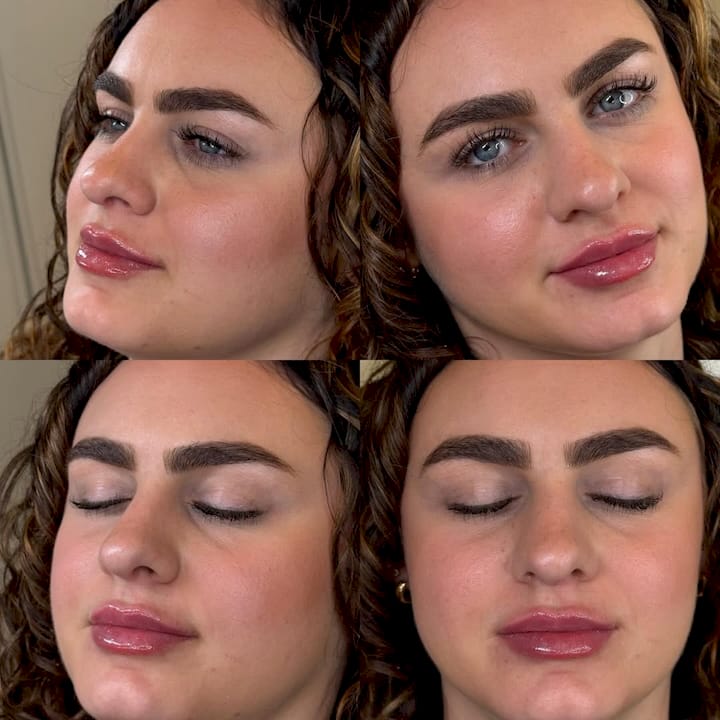
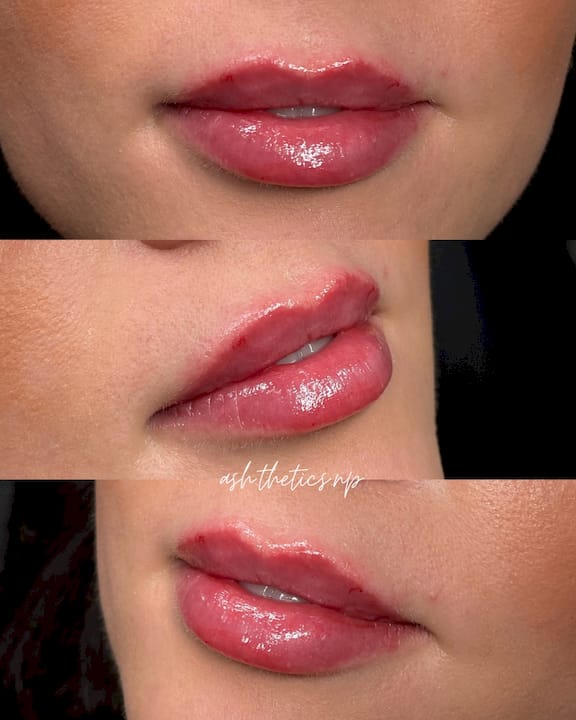
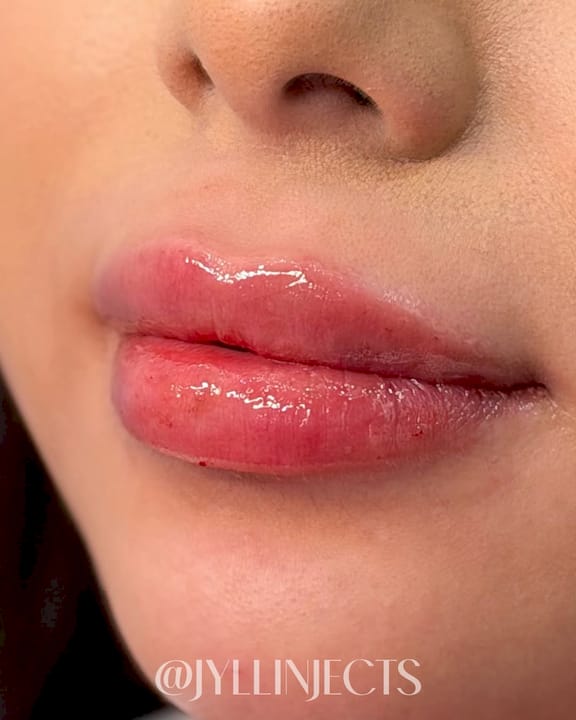
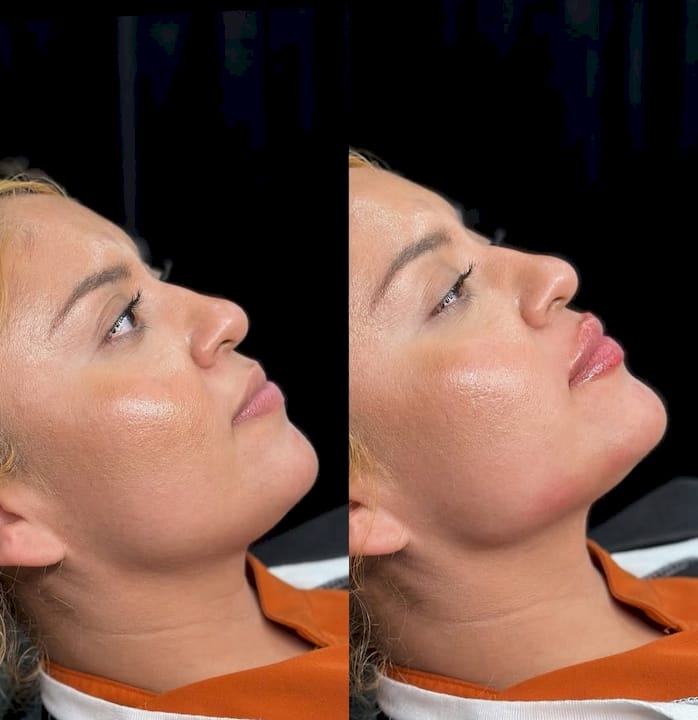
Choosing the right skin booster can feel overwhelming with so many options promising radiant, youthful skin. From hyaluronic acid formulations to collagen-stimulating biostimulators, each type offers unique benefits for different skin concerns and age groups. This guide breaks down the main categories of skin boosters, helping you understand which treatments align with your goals, whether you’re seeking immediate hydration or long-term texture improvement. You’ll learn how to evaluate options based on your skin type, desired results, and maintenance commitment.
Table of Contents
-
Hyaluronic Acid-Based Skin Boosters: Hydration And Immediate Glow
-
Biostimulators And Polynucleotides: Long-Term Collagen And Skin Structure Improvement
-
Comparing Skin Booster Types: Effectiveness, Longevity, And Suitability
-
Explore Expert Skin Booster Treatments At The Injection Room In Texas
Key takeaways
| Point | Details |
|---|---|
| Skin boosters hydrate without volume | Unlike fillers, boosters improve skin quality and texture rather than adding contour or shape. |
| HA boosters offer immediate glow | Hyaluronic acid-based treatments deliver fast hydration and luminosity within weeks. |
| Biostimulators work gradually | Collagen-stimulating options provide long-term firmness developing over months. |
| Maintenance varies by type | HA boosters need refreshing every 4-6 months while biostimulators last 12-24 months. |
| Professional technique matters | Qualified injectors ensure safety and optimize results for your specific skin needs. |
How to choose the right skin booster: criteria to consider
Selecting the ideal skin booster starts with understanding your specific skin concerns and treatment goals. Are you battling dryness and dullness, or do fine lines and loss of elasticity worry you more? Maybe acne scarring or uneven texture tops your list. Identifying your primary concern guides you toward the right product category.
Next, decide whether you want immediate visible results or prefer gradual, long-lasting improvements. Hyaluronic acid boosters deliver quick hydration and glow, perfect if you have an event coming up or want fast enhancement. Biostimulators and polynucleotide treatments work slower but improve collagen production for sustained benefits over months.
Ingredient composition matters significantly. Look for these key components:
-
Hyaluronic acid (HA) for moisture retention and plumpness
-
Peptides to support skin repair and firmness
-
Polynucleotides (PN) or PDRN for tissue regeneration
-
Vitamins and antioxidants for cellular protection
Consider treatment longevity and your willingness to maintain results. Some boosters require touch-ups every few months, while others last over a year. Factor in your schedule, budget, and patience for results when making your choice.
Pro Tip: Schedule a thorough skin assessment for fillers and boosters before committing to any treatment, as your skin’s unique characteristics determine which formulation works best.
Always consult with a qualified aesthetic practitioner who understands proper injection technique and product selection. The same booster administered incorrectly yields disappointing results or complications, while expert application maximizes safety and effectiveness.
Hyaluronic acid-based skin boosters: hydration and immediate glow
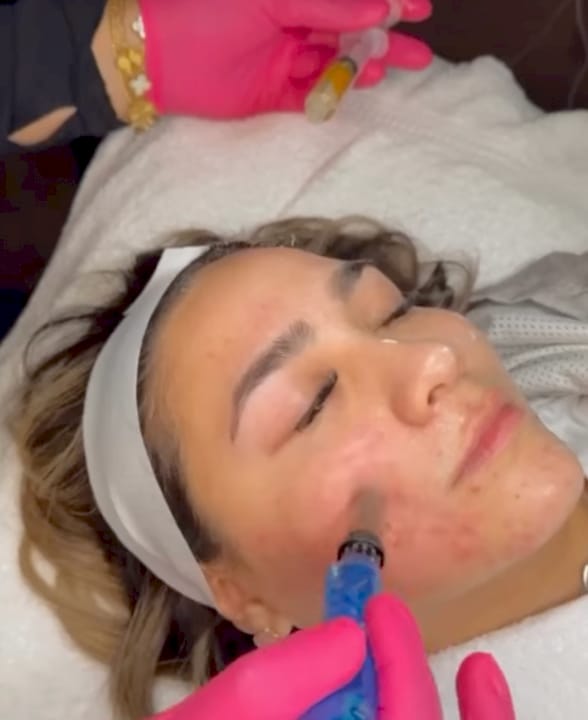
Hyaluronic acid skin boosters use non-crosslinked or lightly crosslinked HA molecules to flood the dermis with moisture. Unlike traditional dermal fillers that add volume and shape, these treatments focus purely on improving skin quality from within. The HA spreads evenly throughout treated areas, attracting water molecules to plump the skin at a cellular level.
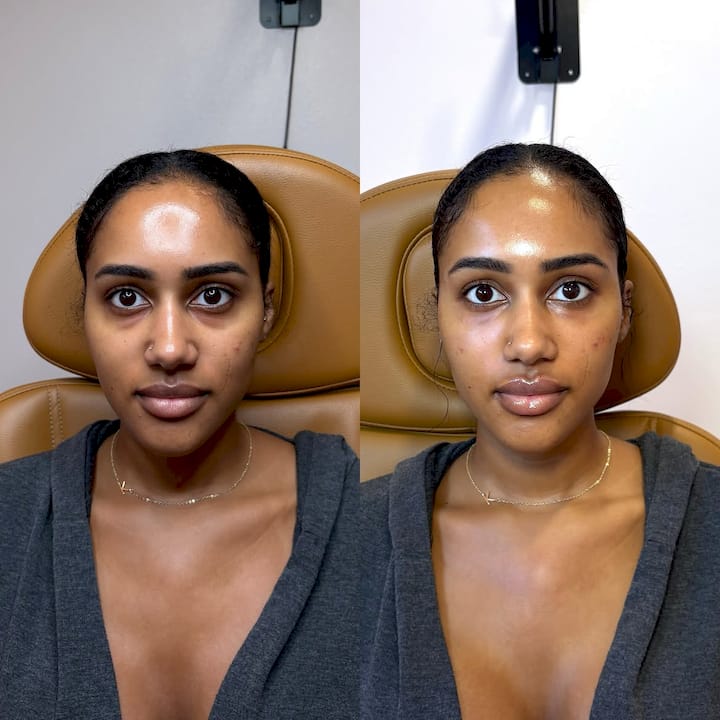
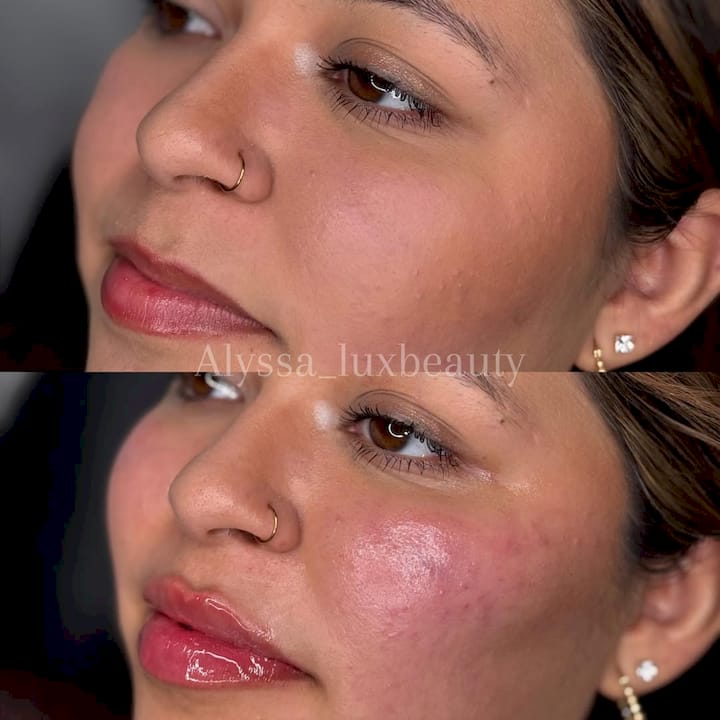
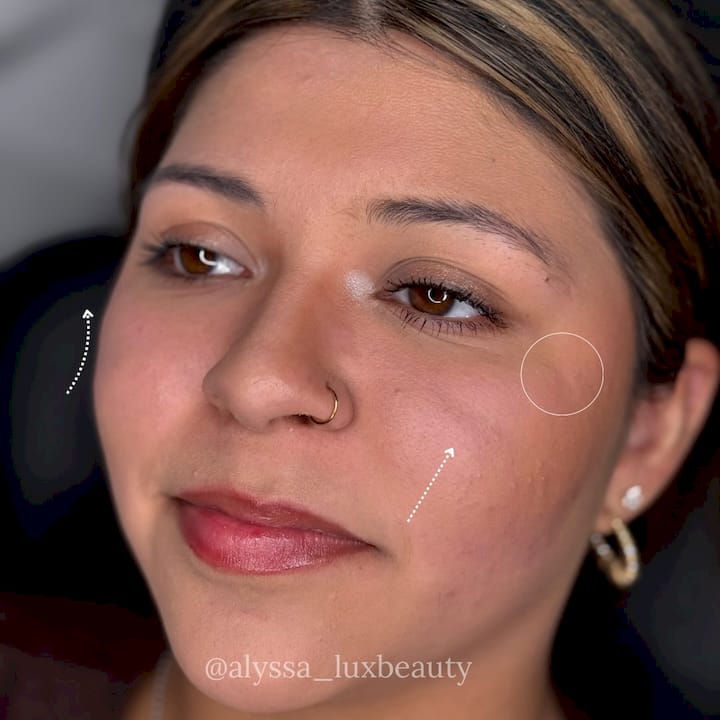
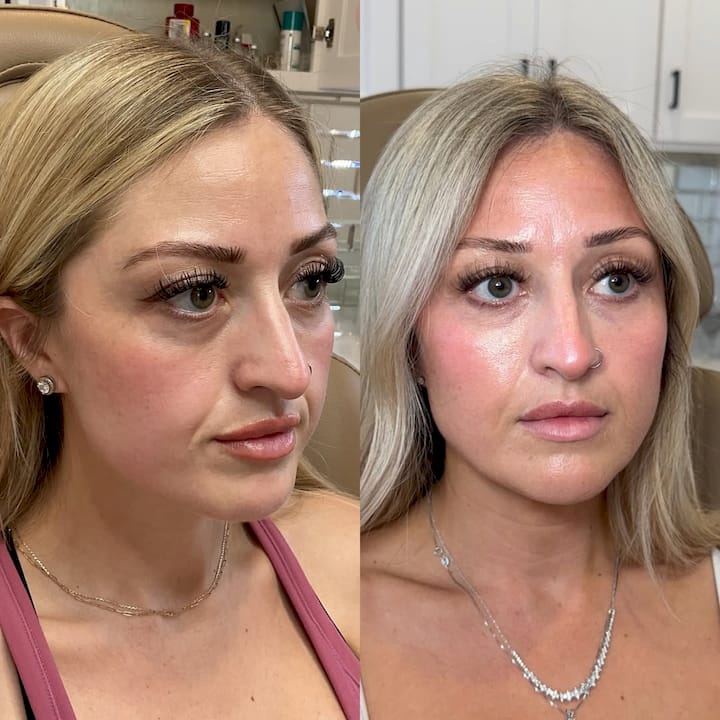
This approach delivers visible improvements in skin luminosity and texture without changing your facial contours. You’ll notice smoother skin, reduced fine lines, and that coveted dewy appearance often called glass skin. Hydration increases by up to 60% within weeks of treatment, while elasticity can improve by 30%.
Results typically become apparent within 4 to 6 weeks as the HA integrates and stimulates natural hydration processes. Effects last approximately 4 to 6 months before the body gradually metabolizes the hyaluronic acid. Most practitioners recommend a series of 2 to 3 initial treatments spaced 4 weeks apart, followed by maintenance sessions twice yearly.
Ideal candidates for HA-based boosters include:
-
Those with dehydrated or dull-looking skin
-
People seeking improved skin texture and radiance
-
Anyone wanting subtle enhancement without volume changes
-
Individuals with early signs of aging or fine lines
-
Those preparing for special events needing quick results
Safety profiles remain excellent when using FDA-approved products administered by trained professionals. Side effects typically limit themselves to mild swelling or bruising that resolves within days. The treatment works well across different skin types and ages, making it a versatile first choice for many seeking skin quality improvement.
HA boosters complement other treatments beautifully. Pairing them with dermal fillers addresses both volume loss and skin quality, while combining with neurotoxins tackles dynamic wrinkles alongside texture concerns. This layered approach delivers comprehensive facial rejuvenation.
Biostimulators and polynucleotides: long-term collagen and skin structure improvement
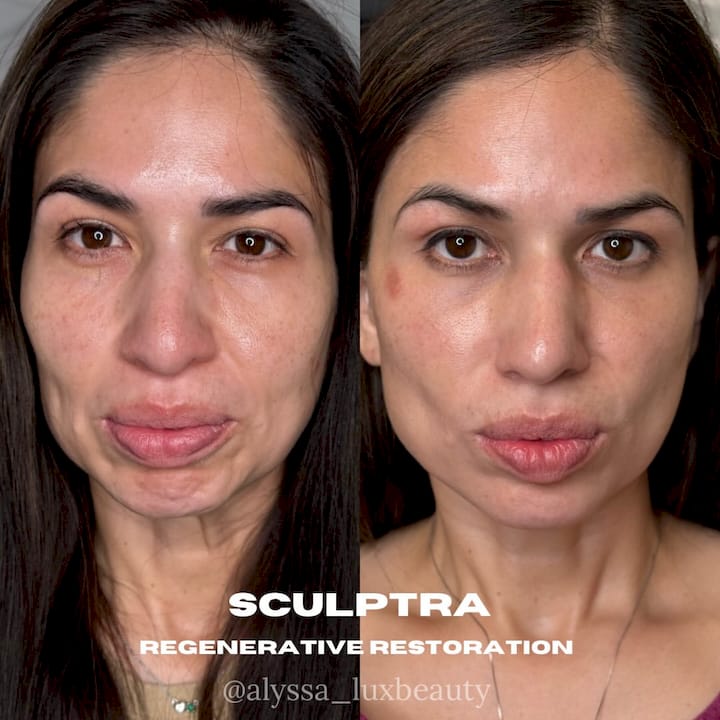
Biostimulators take a fundamentally different approach by triggering your body’s natural collagen and elastin production rather than simply adding hydration. Products like Sculptra and Radiesse work as scaffolding, encouraging fibroblasts to generate new structural proteins over time. This creates genuine tissue improvement rather than temporary filler effects.
The transformation happens gradually as your skin rebuilds its support network. You won’t see dramatic overnight changes, but collagen density increases by 20-40% over 6 to 12 months. This progressive enhancement means results continue improving long after your treatment session, with effects lasting up to 24 months for some formulations.
Polynucleotides represent another category of regenerative skin boosters. These DNA-derived molecules support tissue repair at a cellular level, improving skin texture, reducing inflammation, and enhancing overall skin health. PN treatments excel at addressing scarring, skin laxity, and age-related texture changes that simple hydration can’t fix.
Benefits of biostimulators and polynucleotides include:
-
Genuine collagen regeneration for firmer skin
-
Long-lasting results requiring less frequent maintenance
-
Improvement in skin thickness and structural integrity
-
Reduction in fine lines, wrinkles, and scarring
-
Natural-looking enhancement that develops gradually
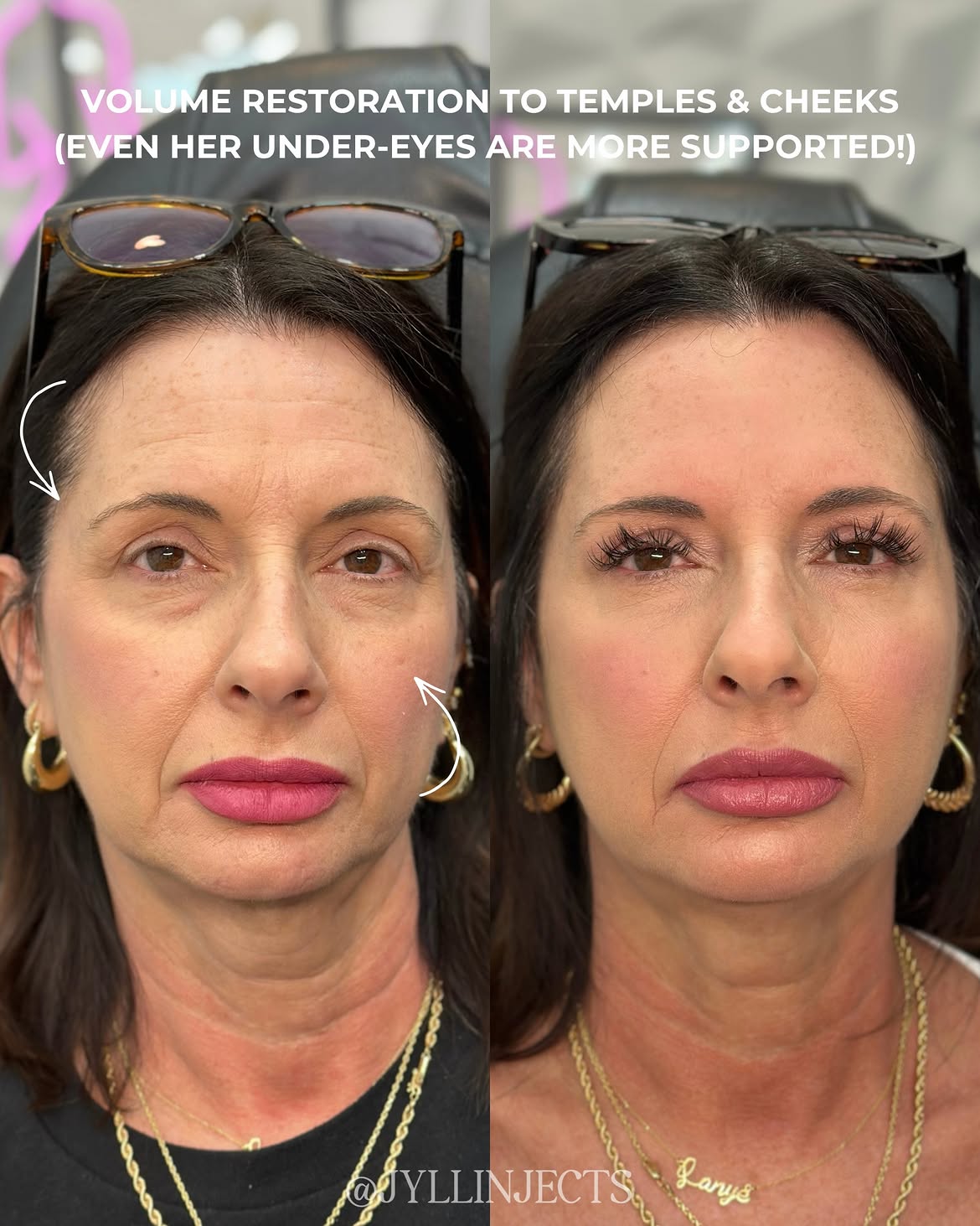
These treatments suit individuals focused on long-term anti-aging rather than quick fixes. If you’re in your late 30s or beyond and noticing significant collagen loss, biostimulators offer more substantial correction than HA boosters alone. They’re particularly effective for cheek hollowing, temple volume loss, and overall facial skin quality decline.
“Biostimulator treatments require patience and realistic expectations. The best results emerge over months as your skin rebuilds its foundation, but the payoff is genuinely rejuvenated tissue rather than temporary plumping.”
Expert injection technique becomes even more critical with biostimulators. Improper placement or dilution can lead to nodules or uneven results. Choose practitioners experienced specifically with Sculptra and biostimulator applications who understand proper reconstitution and injection protocols.
Comparing skin booster types: effectiveness, longevity, and suitability
Understanding how different skin boosters stack up helps you make informed decisions aligned with your goals and lifestyle. Each category offers distinct advantages depending on what you’re trying to achieve and how much maintenance you’re willing to commit to.
| Feature | HA Boosters | Biostimulators | Polynucleotides | | — | — | — | | Primary benefit | Deep hydration and glow | Collagen stimulation | Tissue repair and regeneration | | Result timeline | 4-6 weeks | 3-12 months | 6-12 weeks | | Duration | 4-6 months | 12-24 months | 6-12 months | | Maintenance frequency | Every 4-6 months | Every 12-18 months | Every 6-9 months | | Ideal for | Dehydration, dullness, fine lines | Volume loss, firmness, deep wrinkles | Scarring, texture, skin quality | | Best age range | 25-45 | 35-65 | 30-60 |
Longevity varies significantly based on product type, individual metabolism, lifestyle factors, and skin biology. Sun exposure, smoking, and poor skincare habits accelerate breakdown of all skin booster types. Protecting your investment means committing to proper sun protection and quality skincare routines.
Safety profiles differ slightly across categories. HA-based boosters carry minimal risk when using FDA-approved products, with temporary swelling representing the most common side effect. Biostimulators require more technical expertise to avoid nodule formation but remain safe in experienced hands. Polynucleotide treatments show excellent safety records with rare adverse reactions.
Price considerations matter for most people:
-
HA boosters typically cost $400 to $800 per session, requiring 2-3 initial treatments
-
Biostimulators range from $800 to $1,500 per vial, often needing 2-4 vials initially
-
Polynucleotide treatments run $500 to $1,000 per session with 3-4 sessions recommended
When matching skin booster types to specific goals, consider these guidelines. For immediate radiance before events or photos, HA boosters deliver fastest visible improvement. If you’re noticing significant aging signs and want lasting correction, biostimulators provide better value despite higher upfront costs. Those dealing with acne scarring or uneven texture benefit most from polynucleotide treatments.
Pro Tip: Many practitioners recommend combining different booster types for comprehensive results, such as using HA for immediate hydration while biostimulators work on long-term collagen building.
Your age and skin condition also guide selection. Younger patients in their 20s and early 30s typically need only HA boosters for prevention and hydration. Those in their mid-30s to 50s often benefit from choosing dermal fillers combined with biostimulators for both volume and quality improvement. Mature skin may require layered approaches addressing multiple concerns simultaneously.
Always prioritize professional consultation over DIY research. A skilled practitioner assesses your skin in person, discusses your aesthetic goals, and recommends personalized treatment plans that may combine multiple modalities for optimal outcomes.
Explore expert skin booster treatments at The Injection Room in Texas
Now that you understand different skin booster types and selection criteria, finding the right provider becomes your next step. The Injection Room offers comprehensive skin booster treatments tailored to your unique skin needs and aesthetic goals. Our experienced practitioners evaluate your skin condition, discuss your concerns, and recommend the most effective treatment combinations.
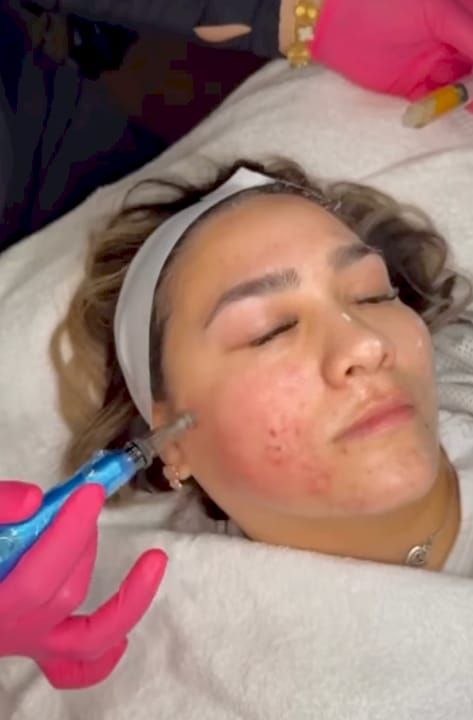
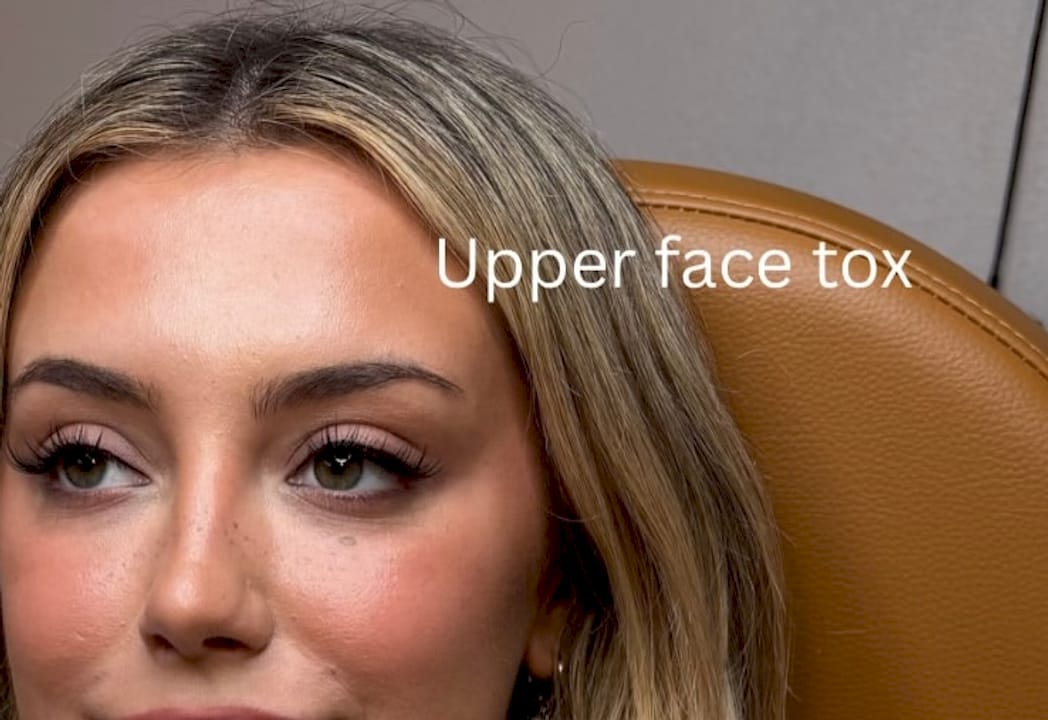
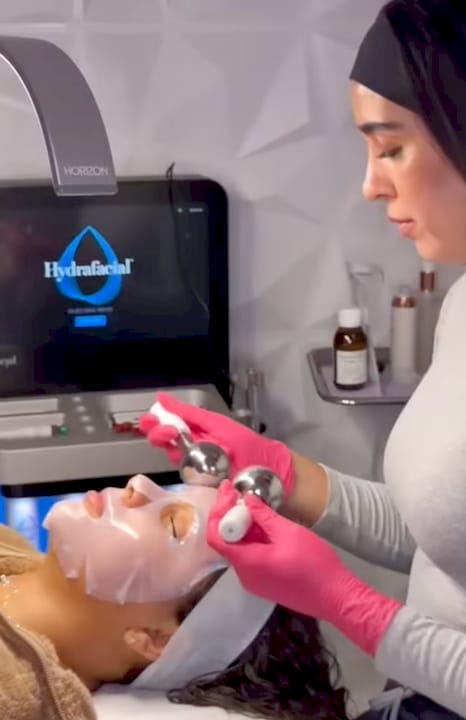
We combine skin boosters with complementary treatments like non-surgical Botox in San Antonio to address dynamic wrinkles alongside skin quality concerns. Pairing boosters with microneedling treatments in San Antonio enhances absorption and collagen stimulation for amplified results. Our HydraFacial services in San Antonio prepare your skin beautifully before booster treatments, optimizing outcomes.
Professional application ensures proper technique, minimizes risks, and maximizes the effectiveness of your chosen skin booster. Schedule a consultation to explore which options suit your lifestyle, budget, and skin goals best.
Frequently asked questions about skin boosters
What are the main types of skin boosters available?
The three primary categories include hyaluronic acid-based boosters for hydration and glow, biostimulators like Sculptra that trigger collagen production, and polynucleotide treatments that support tissue repair and regeneration. Each type addresses different skin concerns with varying timelines and longevity.
How do skin boosters differ from dermal fillers?
Skin boosters improve overall skin quality, hydration, and texture without adding volume or changing facial contours. Dermal fillers add structure and shape to specific areas like lips or cheeks. Boosters spread throughout the dermis while fillers remain localized to create definition.
Are skin booster treatments safe for all skin types?
Most skin boosters work safely across different skin types when administered by qualified practitioners using FDA-approved products. Individual factors like allergies, skin conditions, or medications may affect suitability. A thorough consultation identifies any contraindications specific to your situation.
How long do skin booster results typically last?
Hyaluronic acid boosters last approximately 4 to 6 months, requiring maintenance treatments 2 to 3 times yearly. Biostimulators provide longer-lasting results of 12 to 24 months as they stimulate natural collagen production. Polynucleotide treatments typically last 6 to 12 months depending on individual factors.
Can I combine different types of skin boosters?
Yes, many practitioners recommend layering different booster types for comprehensive results. Combining HA boosters for immediate hydration with biostimulators for long-term collagen building addresses both short-term and sustained skin improvement goals effectively.
What should I expect during recovery from skin booster treatments?
Most people experience mild swelling, redness, or bruising that resolves within 2 to 5 days. You can typically return to normal activities immediately, though avoiding intense exercise and sun exposure for 24 to 48 hours optimizes healing. Results develop gradually over the following weeks.
%20Pictures%20are%204%20weeks%20apart..jpg)