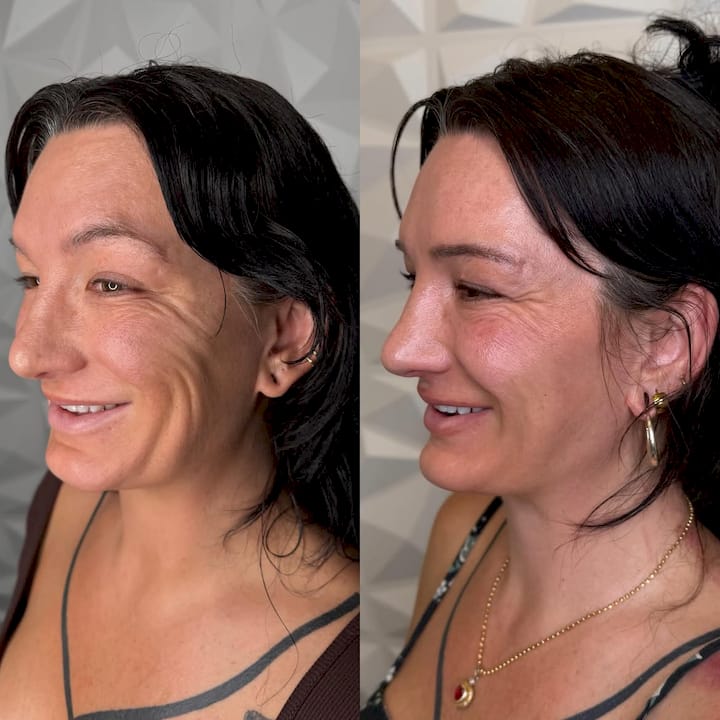
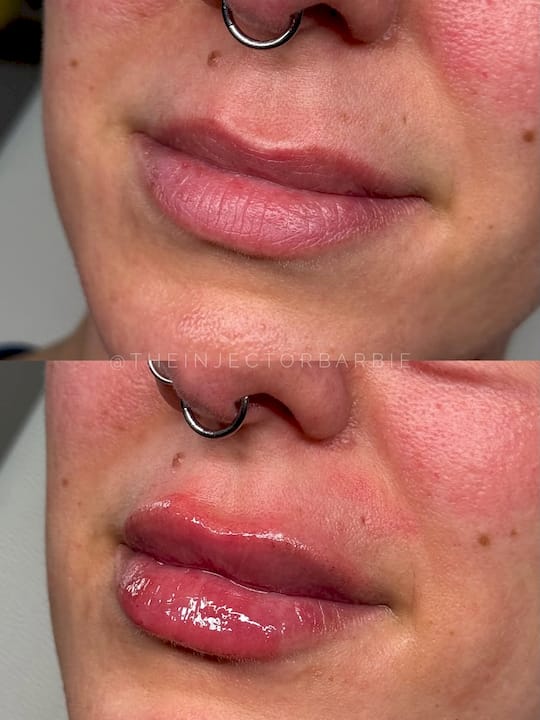
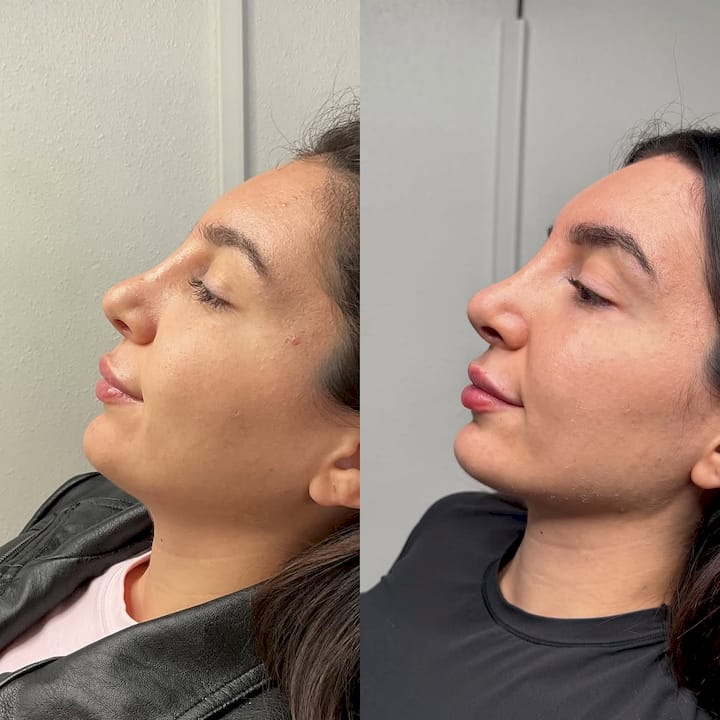
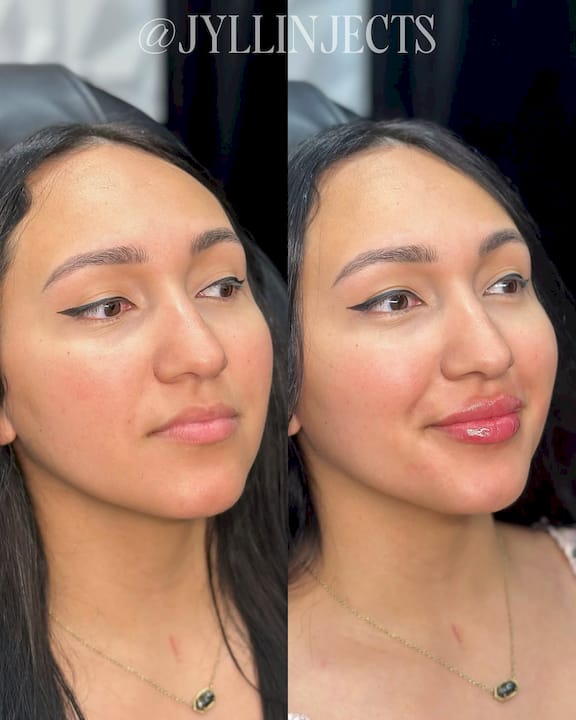
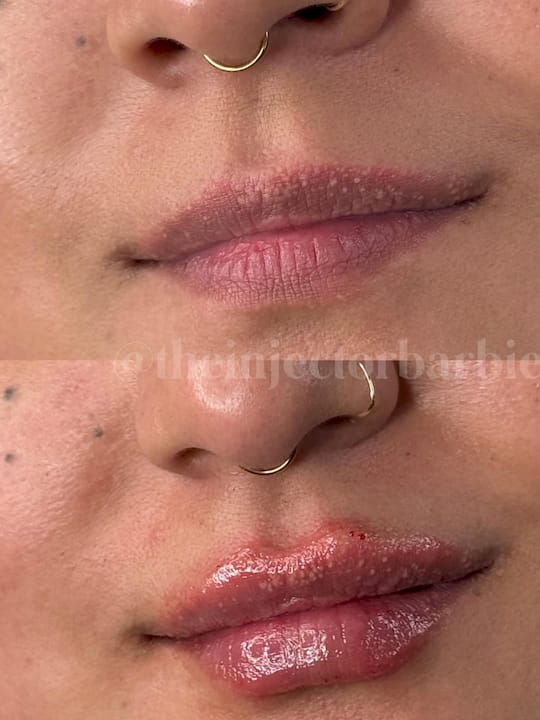
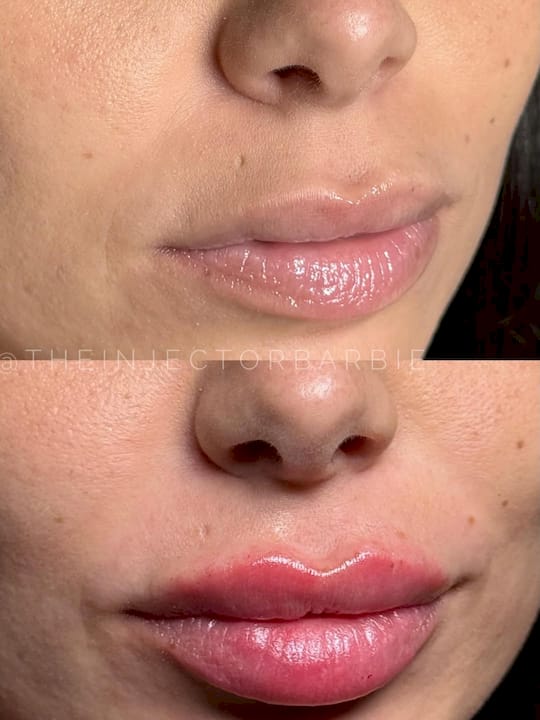
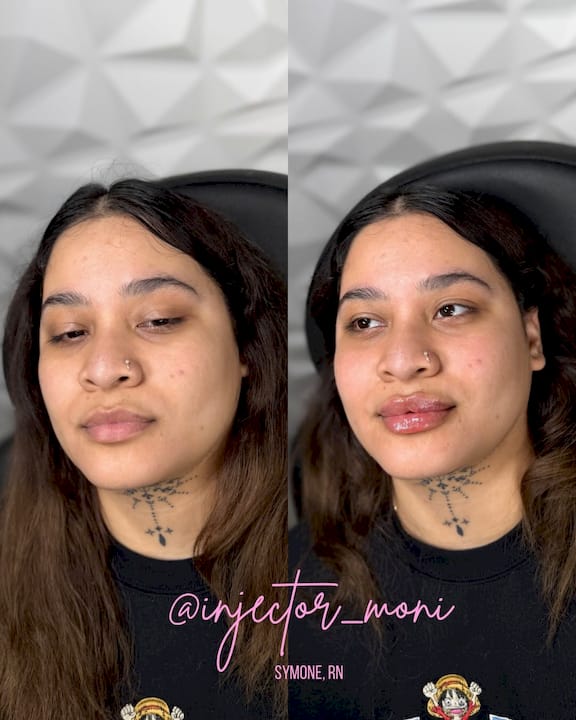
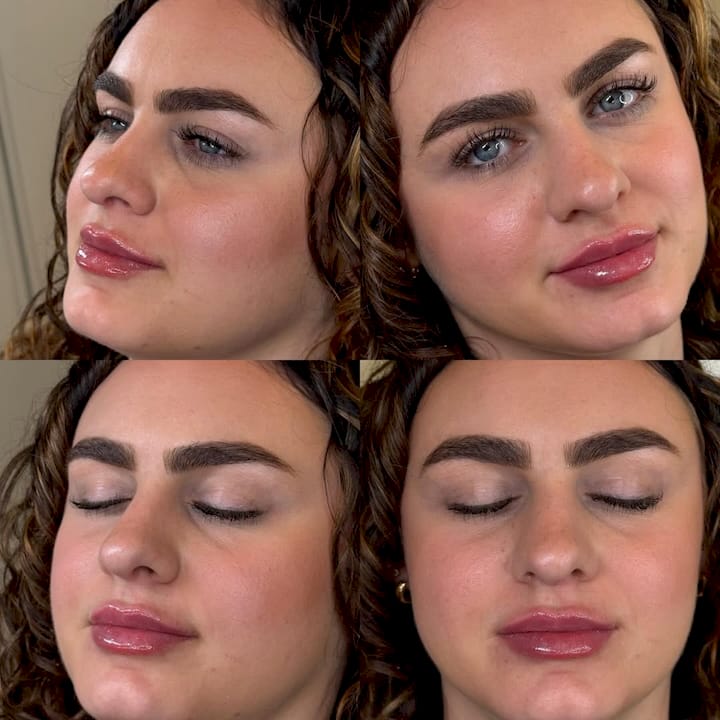
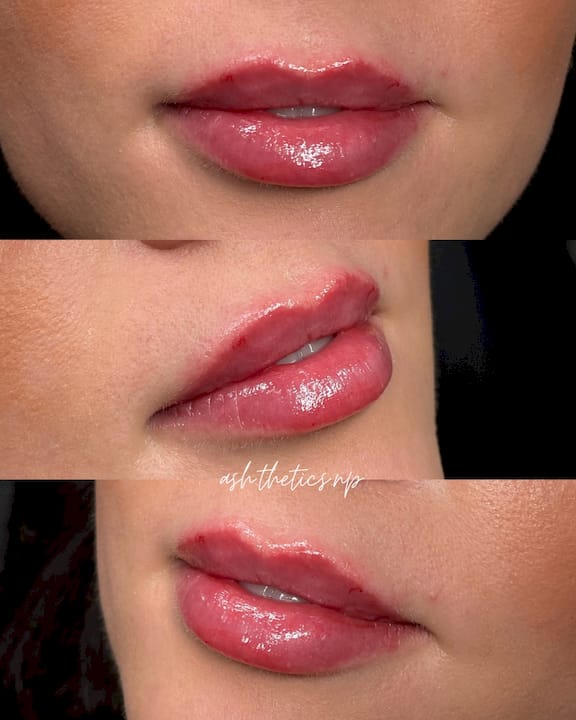
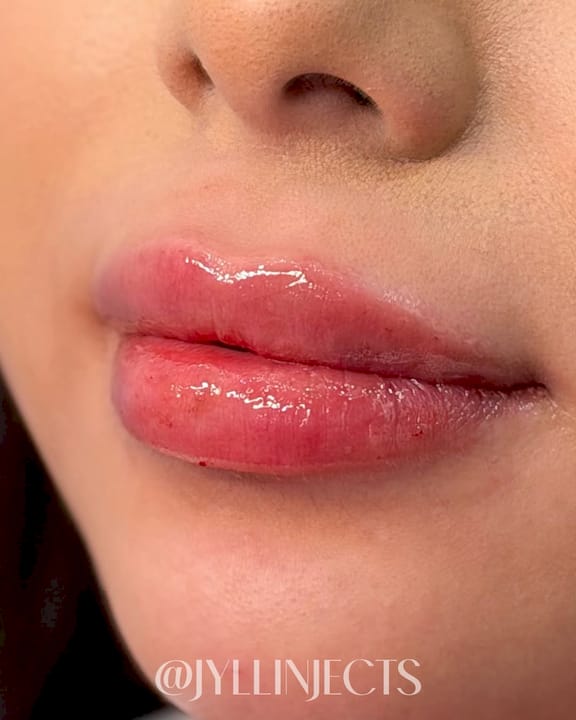
Smile lines show up quietly, then one day you notice them in every photo. Knowing what to use for smile lines makes the difference between wasting money on products that do nothing and finding an approach that genuinely works. These creases, also called nasolabial folds, run from the sides of the nose down toward the corners of the mouth. They deepen with age, sun exposure, and yes, a lifetime of laughing. This guide breaks down every realistic option, from ingredients you can pick up at the drugstore to in-office procedures that deliver lasting results.
Table of Contents
Key takeaways
| Point | Details |
|---|---|
| Retinol needs time | Consistent retinol use takes about 12 weeks to show visible improvement in fine lines. |
| SPF is non-negotiable | Daily sunscreen prevents new sun damage that accelerates smile line deepening. |
| Fillers outperform creams | Injectable dermal fillers add volume beneath the fold, something no topical product can replicate. |
| Professional options vary | From Botox and fillers to microneedling and PDO threads, treatments target smile lines at different depths. |
| Mistakes slow progress | Overusing actives, skipping SPF, and expecting instant results are the most common reasons treatments fail. |
What causes smile lines to form
Before choosing a treatment, it helps to understand what you are actually treating. Smile lines are not one single problem. They involve several overlapping changes happening in the skin at once.
Collagen and volume loss. Starting in your 30s, the skin produces less collagen each year. Less collagen means thinner skin with less structural support. At the same time, the fat pads beneath the cheeks begin to shift downward and shrink. That volume loss causes the skin to fold rather than drape smoothly, which is exactly what creates the nasolabial fold.
Sun damage. UV exposure breaks down collagen and elastin faster than aging alone. People who spent years outdoors without sunscreen often develop deeper smile lines earlier than those who protected their skin consistently.
Repetitive facial expressions. Every smile, laugh, and pout creases the skin in the same spots. Over decades, those repeated folds become permanent lines even when the face is at rest.
Lifestyle factors that make it worse:
-
Smoking restricts blood flow and accelerates collagen breakdown
-
High sugar intake triggers a process called glycation that stiffens collagen fibers
-
Significant weight loss reduces facial fat, which can make folds more pronounced
-
Chronic dehydration leaves skin less plump and more prone to creasing
-
Sleeping on one side of the face for years creates mechanical compression that deepens lines
Understanding these causes tells you something practical. No single product or treatment addresses all of them. The most effective approach combines topical products, professional treatments, and daily habits.
What to use for smile lines at home
Most people start here, and there are genuinely good options. The realistic expectation is gradual improvement over months, not a dramatic overnight change.
Ingredients worth using
Retinol is the most researched topical ingredient for fine lines. It works by speeding up cell turnover and stimulating collagen production. Visible improvement in skin texture typically requires consistent retinol use for at least 12 weeks. If you want faster results, ask a dermatologist about prescription-strength tretinoin. Retinoic acid is significantly more potent than over-the-counter retinol, working at a fraction of the concentration.
Hyaluronic acid draws water into the skin, plumping it temporarily. It will not erase deep folds, but it makes fine surface lines less visible and keeps skin looking healthy and hydrated.
Peptides signal the skin to produce more collagen over time. Results are subtle compared to retinol, but peptides are gentler and pair well with sensitive skin routines.
Alpha hydroxy acids (AHAs) like glycolic and lactic acid exfoliate the surface and improve skin texture. They also boost how well other active ingredients absorb.

Bakuchiol is a plant-based alternative to retinol with similar collagen-stimulating effects and less irritation. It suits people who cannot tolerate traditional retinoids.
Silicone patches and facial massage
Silicone patches worn for at least 8 hours overnight create an occlusive barrier that traps moisture and temporarily plumps the skin. They will not replace collagen, but they reduce the look of lines while you sleep and are a practical, low-cost addition to a routine.
Pro Tip: Apply silicone patches on completely clean, dry skin. Moisturizer or facial oil will prevent the patch from adhering properly, reducing its occlusive effect significantly.
Facial massage is another home option worth trying. Regular facial massage improves blood circulation and helps keep the underlying muscles toned. Use upward, outward strokes along the sides of the nose for a few minutes each night. It takes consistent effort over weeks, but it costs nothing and supports overall skin health.
Home remedies for smile lines like egg white masks, coconut oil, and cucumber do show up in searches frequently. These are not worthless. Egg whites temporarily tighten skin and coconut oil moisturizes, but neither stimulates collagen or addresses volume loss. Use them if you enjoy them, but do not rely on them as your primary strategy.
Professional smile line treatments compared
When topical products are not enough, in-office treatments deliver results that home care simply cannot match. Here is how the most common options compare:
| Treatment | How it works | Best for | Duration of results |
|---|---|---|---|
| Dermal fillers | Adds volume beneath the fold | Moderate to deep nasolabial folds | 9 to 18 months |
| Botox / neuromodulators | Relaxes muscles causing expression lines | Fine dynamic lines near the fold | 3 to 4 months |
| Microneedling | Creates micro-injuries to trigger collagen | Early to moderate lines, skin texture | Months, builds over multiple sessions |
| PDO threads | Lifts skin and stimulates collagen as threads dissolve | Loose skin with mild volume loss | 12 to 18 months |
| Laser resurfacing | Removes damaged skin and drives collagen remodeling | Sun-damaged skin with surface lines | 1 to 3 years depending on type |
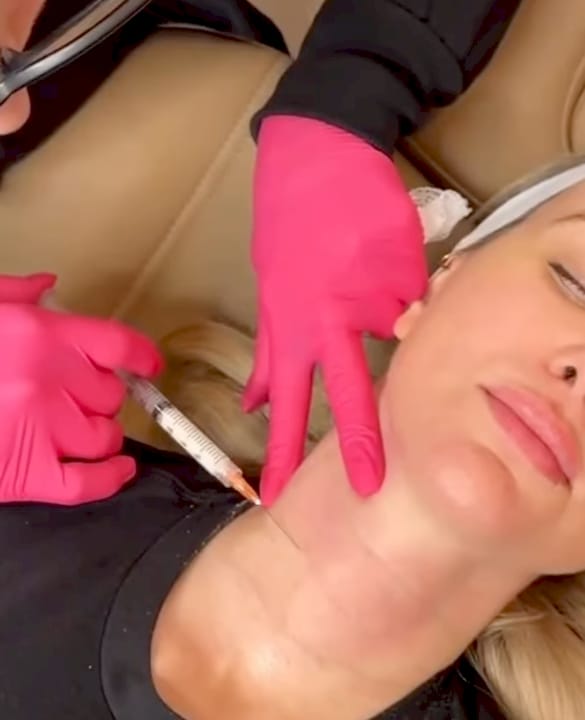
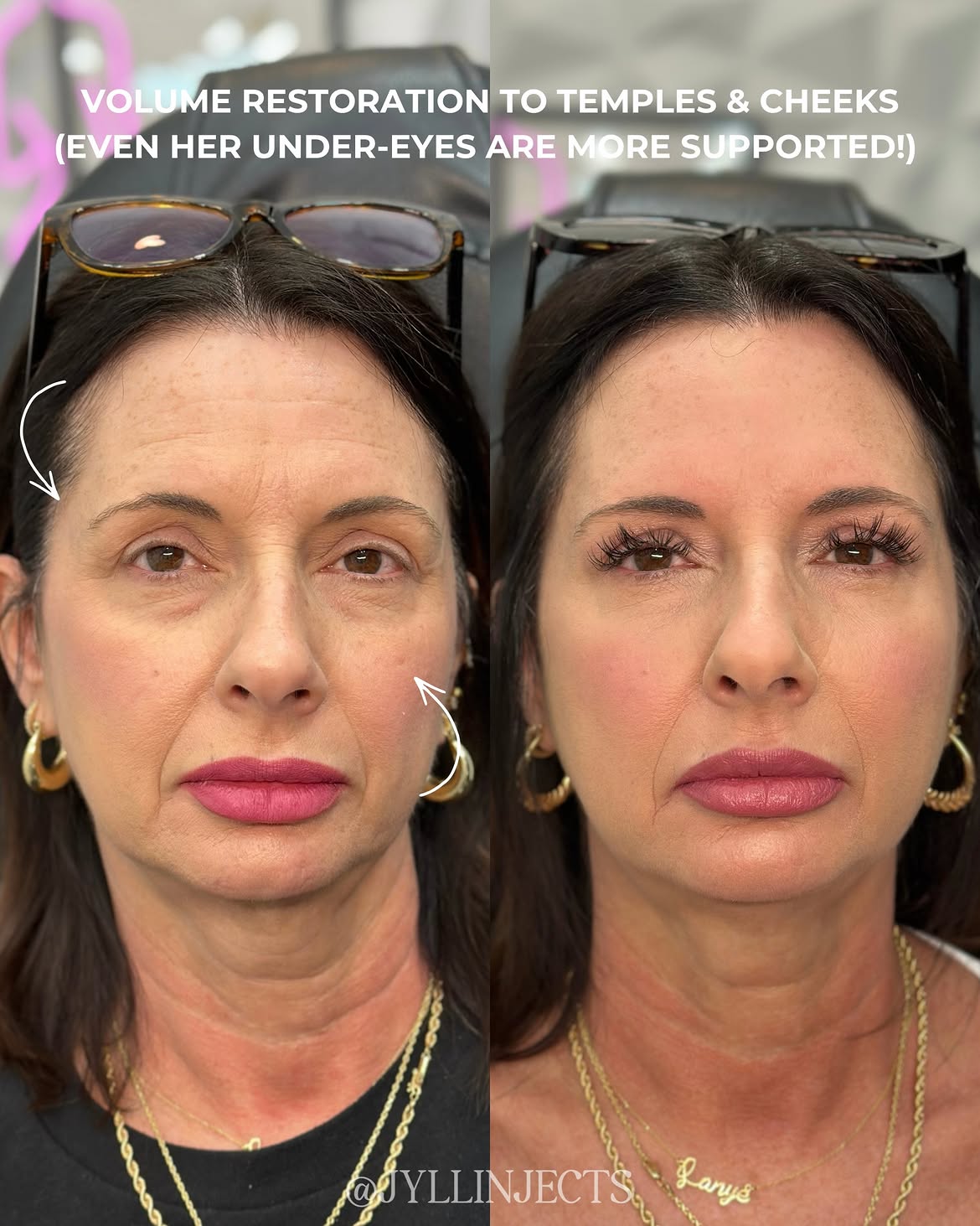
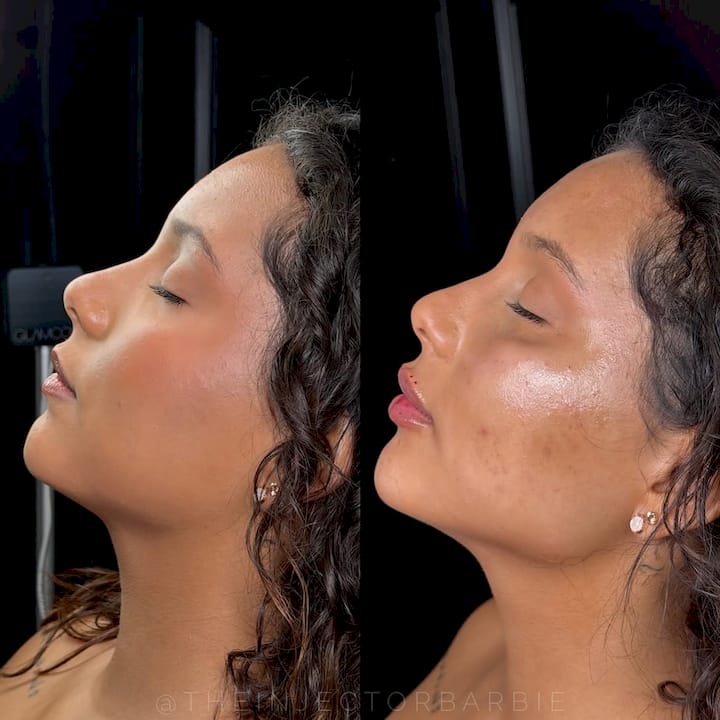
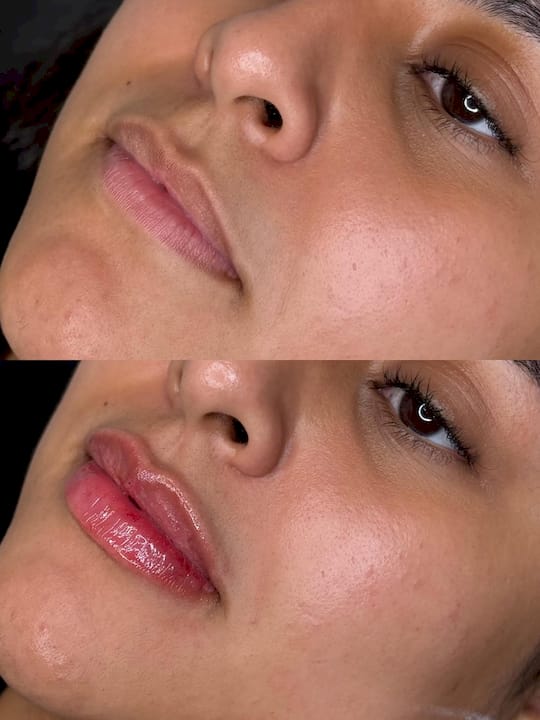
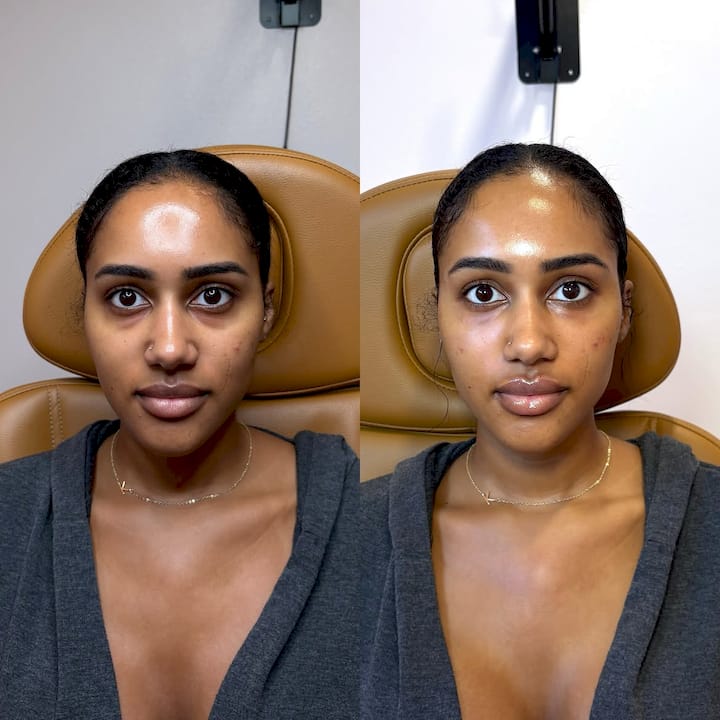
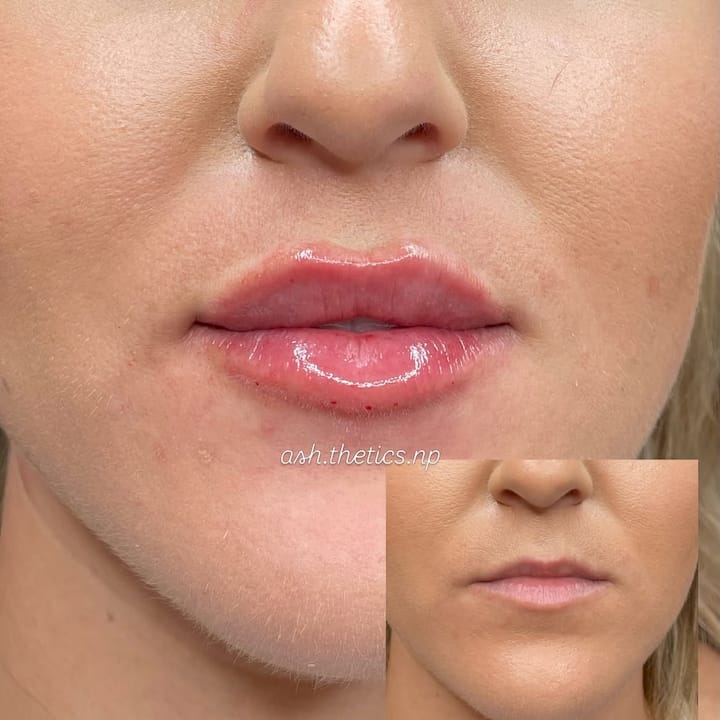
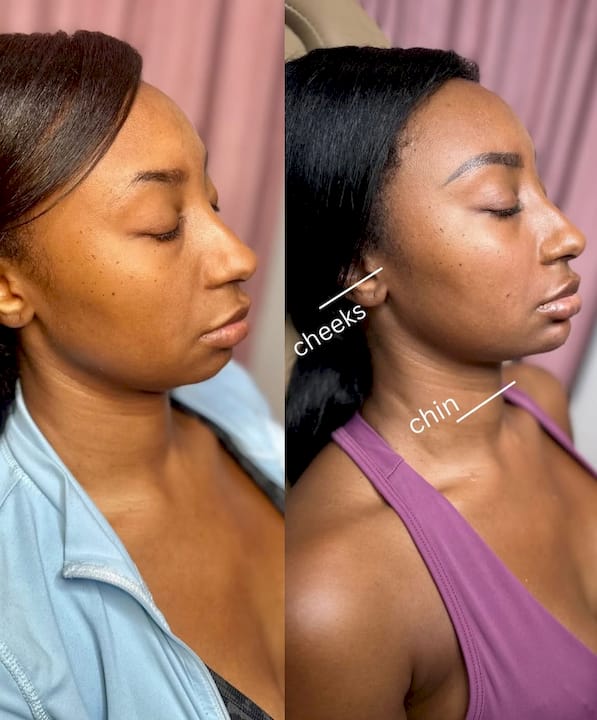
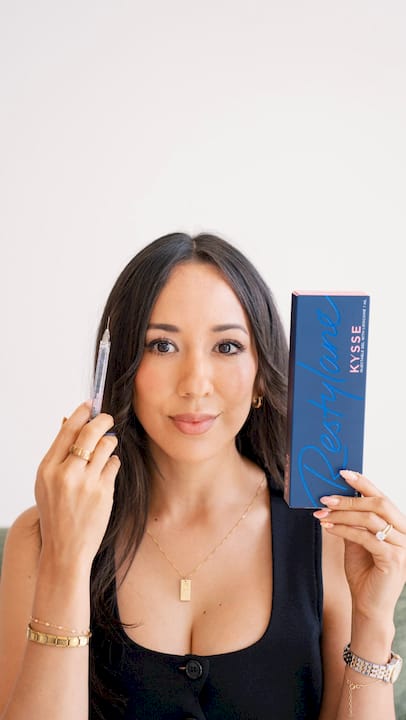
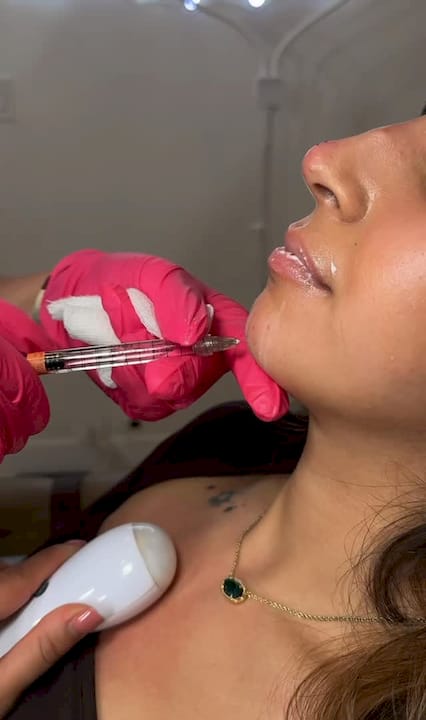
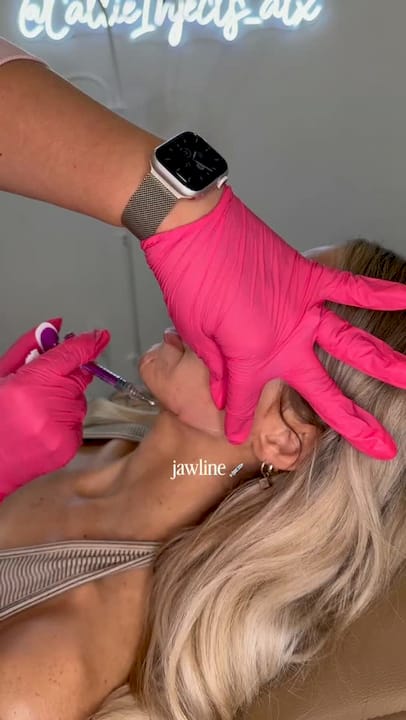
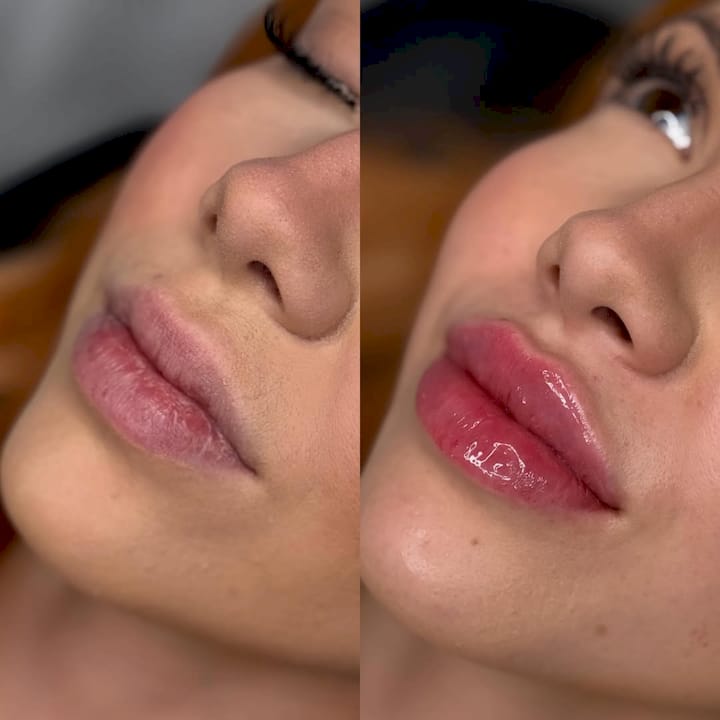
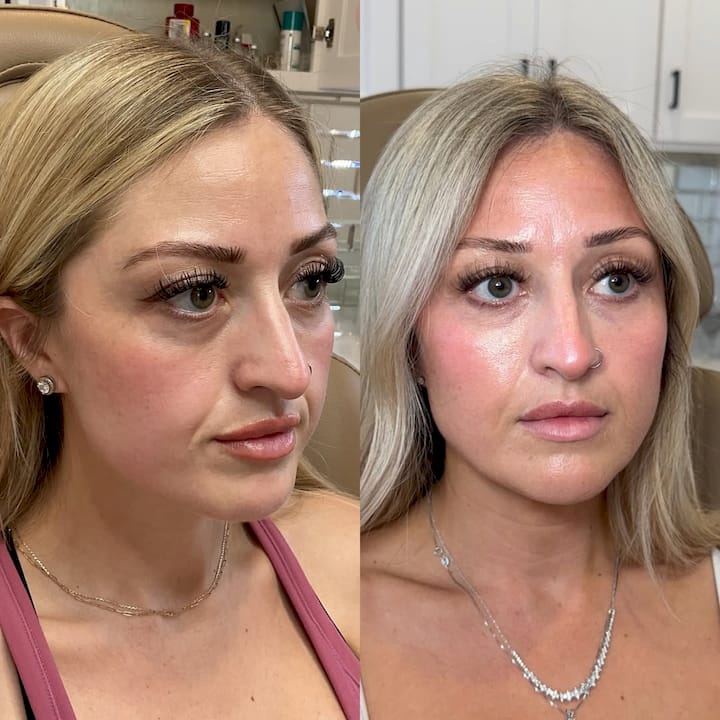
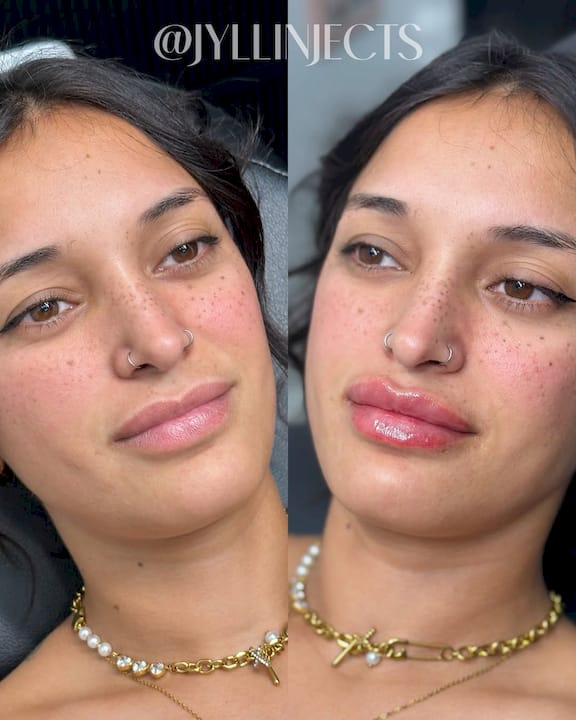
Dermal fillers are the most direct treatment for nasolabial folds. A provider places hyaluronic acid filler beneath the fold to restore volume and lift the crease from underneath. The results are immediate and can be subtle or dramatic depending on how much filler is used. To understand what this looks like in practice, the science of smile line filler explains the technique and expected outcomes in detail.
Botox blocks muscle signals to temporarily reduce movement that causes expression lines. It works differently from fillers. Rather than adding volume, it reduces the muscle activity that deepens lines over time. For the dynamic lines near the corners of the mouth and nose, neurotoxins are often used alongside fillers for a more complete result.
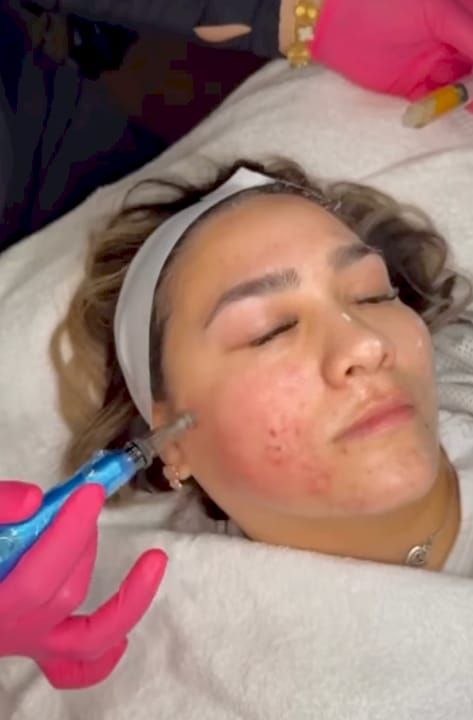
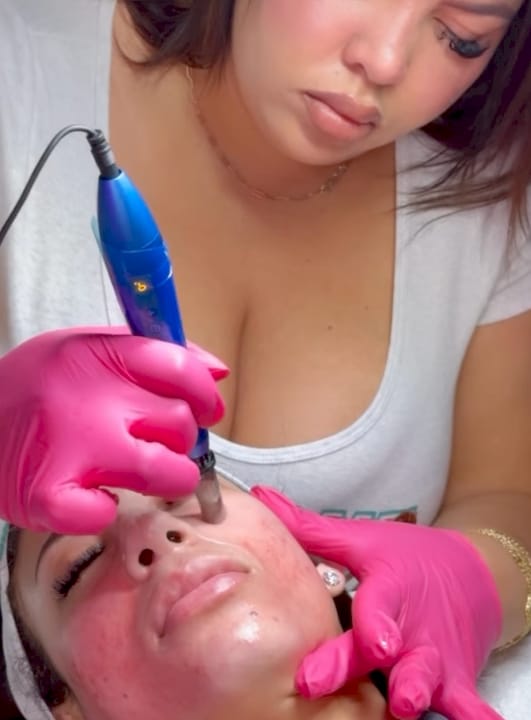
Microneedling uses fine needles to create controlled micro-injuries in the skin, which triggers the body’s natural collagen repair process. Results build gradually over multiple sessions, making it a good option for people who want long-term skin quality improvement without injectables.
PDO threads lift and tighten facial skin by stimulating collagen as the protein threads dissolve. They physically reposition the fold while encouraging the body to produce new structural support underneath. The results are natural-looking and accumulate over several months.
Pro Tip: Schedule a consultation before committing to any cosmetic procedure. A qualified provider will assess whether your smile lines are primarily a volume issue, a skin quality issue, or both. That distinction changes which treatment is right for you.
Daily habits that protect your results
Whether you are using topical products or you have just had a professional treatment, your daily routine determines how long your results last. These steps are listed in order of impact:
-
Apply SPF 30 or higher every morning. Broad-spectrum sunscreen does not erase existing lines, but it prevents UV damage from deepening them further. This is the single highest-return habit in any anti-aging routine.
-
Moisturize morning and night. Hydrated skin looks plumper, reflects light better, and is more resilient. Apply hyaluronic acid serum first, then seal it with a moisturizer to prevent water loss.
-
Introduce retinol slowly. Start with two nights per week. Gradually increasing frequency limits the irritation and peeling that causes many people to abandon retinol before it delivers results.
-
Add a vitamin C serum in the morning. Vitamin C is an antioxidant that neutralizes free radicals from UV and pollution. It also supports collagen synthesis and brightens the skin, making lines less noticeable overall.
-
Quit or reduce smoking. Smoking accelerates collagen degradation more than almost any other lifestyle factor. If you smoke and want to address smile lines seriously, this change matters more than any product.
-
Reduce excess sugar intake. Glycation from high blood sugar stiffens and yellows collagen fibers. Swapping processed sugar for whole food sources makes a real difference in skin quality over months.
-
Drink enough water. Chronic dehydration makes skin look dull and creased. Aim for consistent daily intake rather than occasional large amounts.
Common mistakes that slow your progress
Even with the right products and treatments, certain patterns consistently undermine results.
-
Layering too many actives at once. Combining retinol, AHAs, and vitamin C in the same routine often causes irritation, redness, and peeling. Separate them into morning and evening applications or alternate nights.
-
Expecting retinol to work in two weeks. Overuse or incorrect layering of retinol causes inflammation that can actually worsen skin texture. Patience and consistency outperform aggressive application every time.
-
Skipping sunscreen after treatments. Post-procedure skin is especially vulnerable to UV damage. Skipping SPF after microneedling or laser treatments can undo weeks of progress in a single afternoon.
-
Applying patches over moisturizer. Wrinkle patches must be applied on clean, dry skin to adhere and function properly. Product underneath them breaks the seal.
-
Waiting too long for professional help. Mild lines respond to topical products. Once folds are deep and volume loss is significant, no cream will correct them. Recognizing when to consult a professional saves time and money.
Smile lines treated early require fewer resources and maintain results longer. Starting retinoid use early, at the first signs of expression lines, is one of the most effective preventive strategies available.
My honest take on treating smile lines
I have worked with clients at every stage, from people who noticed their first faint lines at 32 to those coming in at 58 wondering why nothing has worked. What I have learned is that the goal should not be erasure. It should be supporting your skin with what it actually needs at this point in your life.
What surprises people most is how much prevention matters more than correction. The clients who spent their 30s using SPF daily and starting retinol early spend far less time and money in their 50s. The biology is simple. Once collagen is lost and volume has shifted, you are correcting rather than maintaining. Correction costs more and requires more maintenance.
That said, I have genuine respect for the cultural shift around aging positivity. Smile lines are exactly what they sound like. They are the marks left by a life full of expression. I do not think they need to be treated as a problem to be solved. What I do think is that every person deserves to make an informed choice. If your smile lines bother you, there are real, effective options. If they do not, that is equally valid.
The most empowering thing you can do is understand what each treatment can and cannot do, then decide what aligns with your goals. That clarity leads to better outcomes and fewer regrets than chasing the latest product trend ever will.
— Marina
See what Theinjectionroom can do for your skin
If you are ready to move beyond topical products and explore what professional treatment can actually do, Theinjectionroom offers specialized cosmetic procedures for smile lines at their Austin and San Antonio locations. Their team works with injectable dermal fillers and neuromodulators to address both volume loss and expression-related creasing with precision and care. For collagen stimulation and longer-term skin quality improvement, their microneedling treatment is a particularly effective option, building results gradually over multiple sessions. If Botox or a neuromodulator suits your needs better, their Botox treatment options cover a range of products tailored to your specific anatomy. Every client receives a personalized consultation so the plan actually fits your face, your goals, and your timeline.
FAQ
What is the fastest way to get rid of smile lines?
Injectable dermal fillers provide the most immediate visible reduction in nasolabial folds by restoring lost volume beneath the crease. Results appear the same day and typically last between 9 and 18 months.
Can retinol really reduce smile lines?
Yes, but it takes time. Consistent retinol use requires about 12 weeks before visible improvement in skin texture and fine lines appears. It works best on surface lines rather than deep volume-related folds.
What are the best home remedies for smile lines?
Retinol products, hyaluronic acid serums, silicone overnight patches, daily SPF, and consistent facial massage are the most evidence-backed home options. Natural remedies like egg whites offer temporary tightening but do not address collagen or volume loss.
How does Botox help with smile lines?
Botox temporarily blocks muscle signals that cause expression-related movement around the mouth. This reduces fine dynamic lines near the smile line area, though it does not add volume the way fillers do.
When should I see a professional for smile lines?
If your smile lines are visible when your face is at rest and topical products have not made a meaningful difference after three to six months, a consultation with a qualified provider will give you the clearest picture of which treatment fits your situation.


%20Pictures%20are%204%20weeks%20apart..jpg)