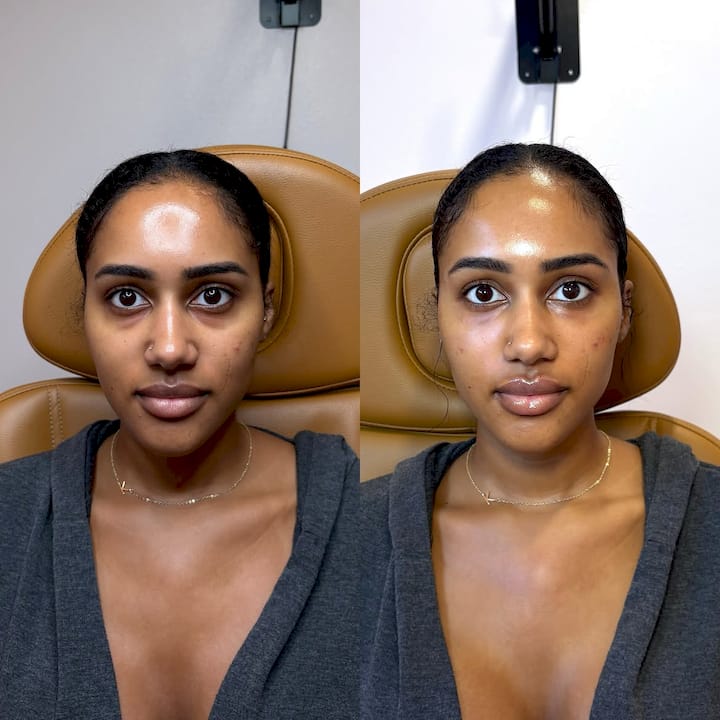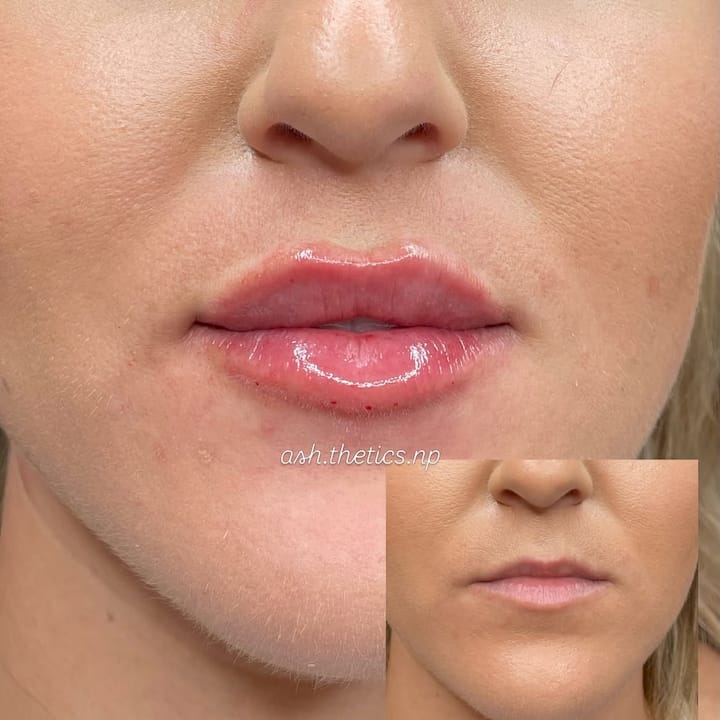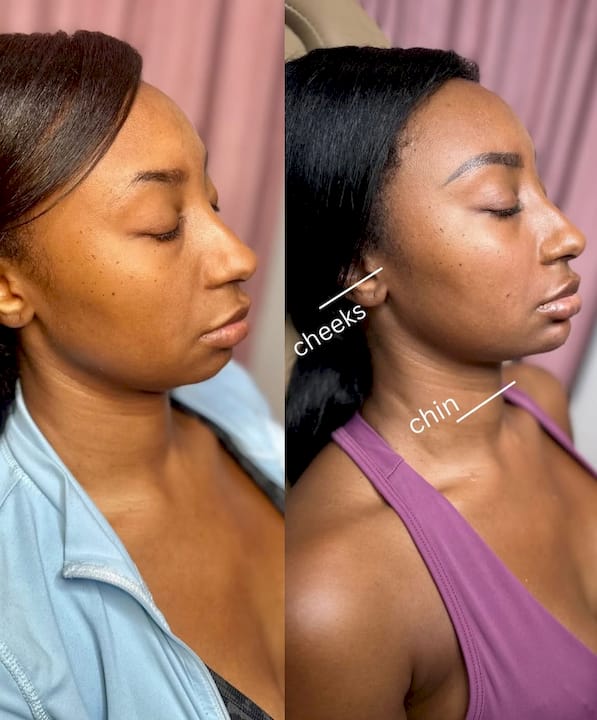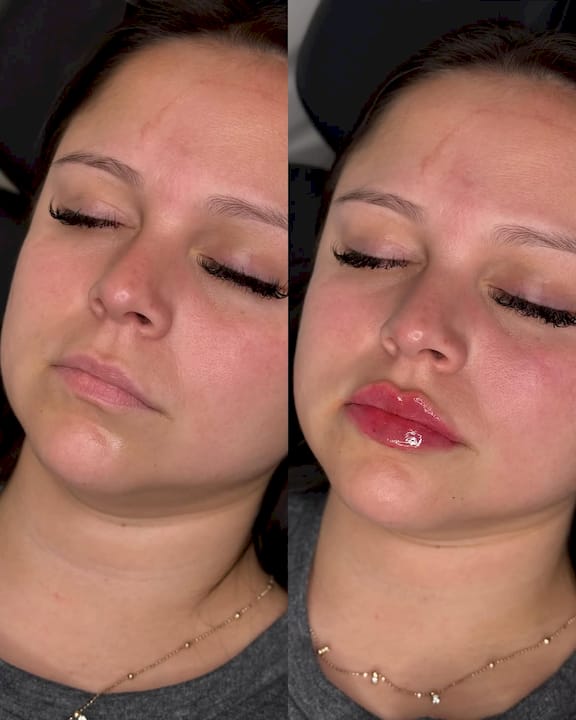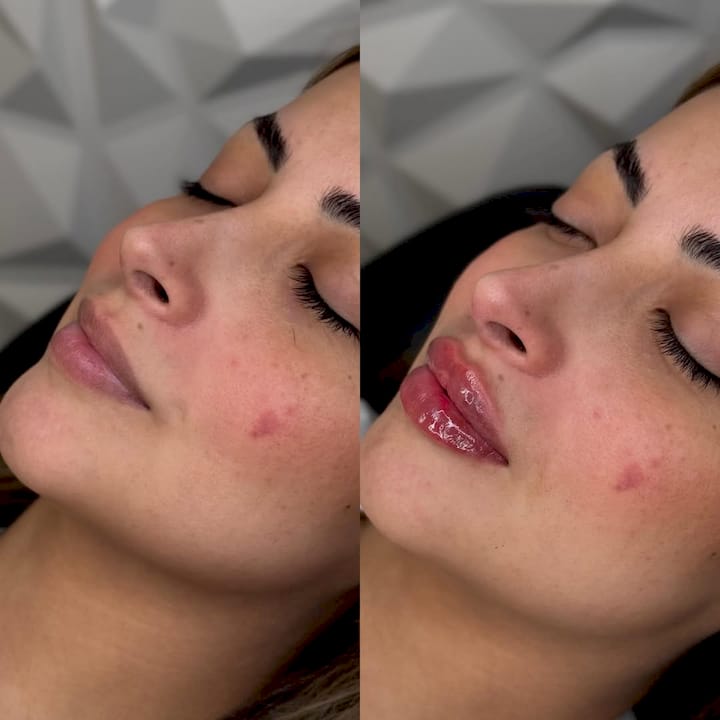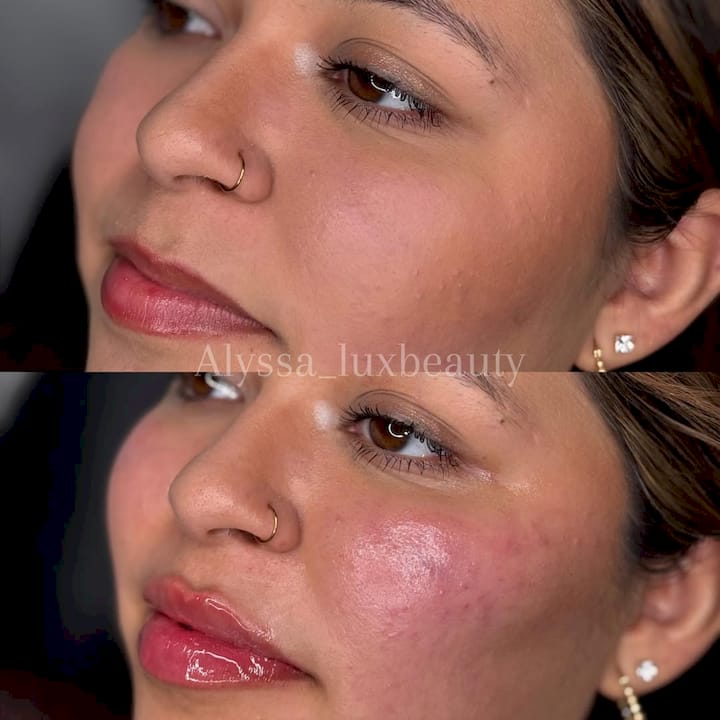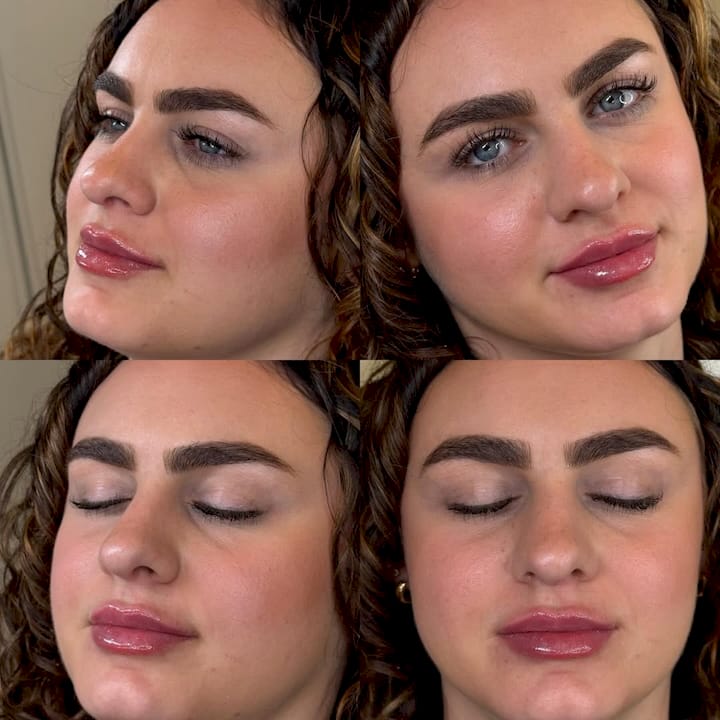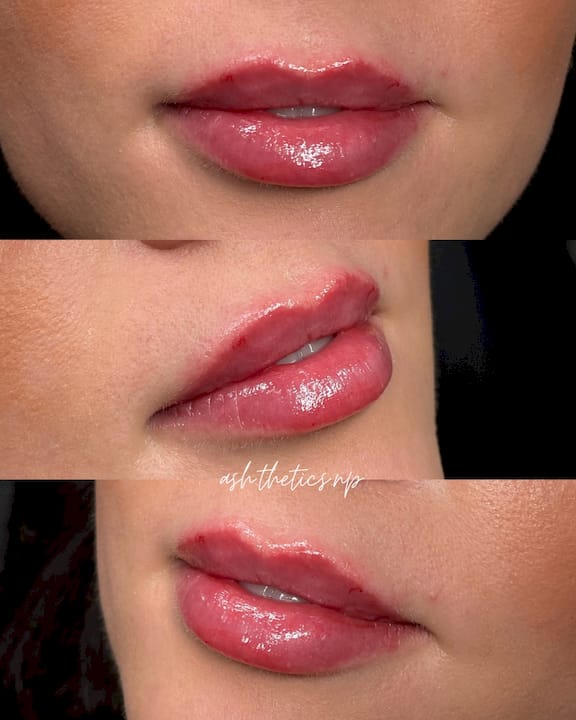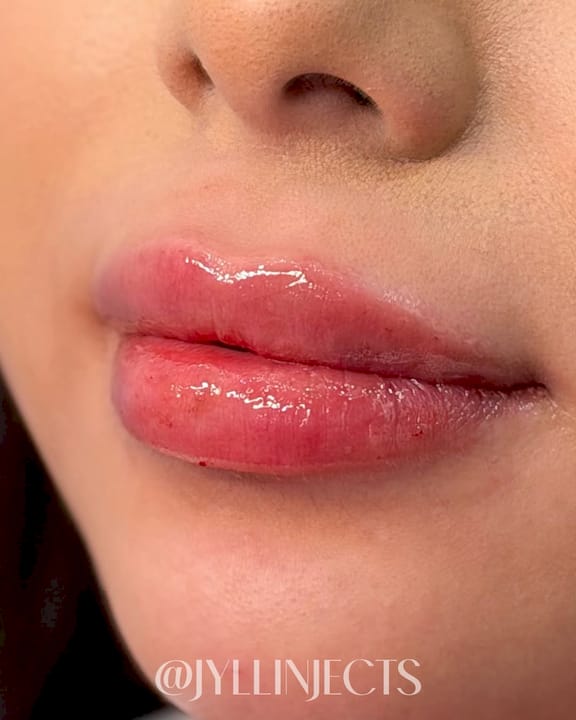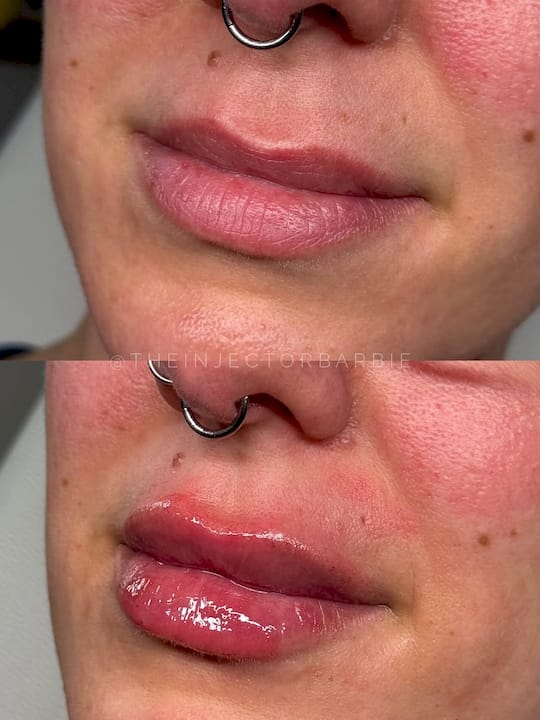
How long do lip fillers last on average?
Lip fillers typically last 12 to 18 months, though the range spans 6 to 18 months depending on the product used and how your body responds. Most hyaluronic acid (HA) fillers, the most widely used type, tend to last more than half a year but less than two years. That said, lips are one of the most active areas of the face, and that constant movement means filler breaks down faster here than in areas like the cheeks or jawline.
Here is what you can generally expect:
-
6–12 months: Lighter, softer HA formulations or first-time treatments
-
12–18 months: Denser HA products with deeper placement
-
Gradual fading: Volume decreases slowly, so the change is subtle rather than sudden
-
Touch-ups: Periodic maintenance keeps results consistent over time
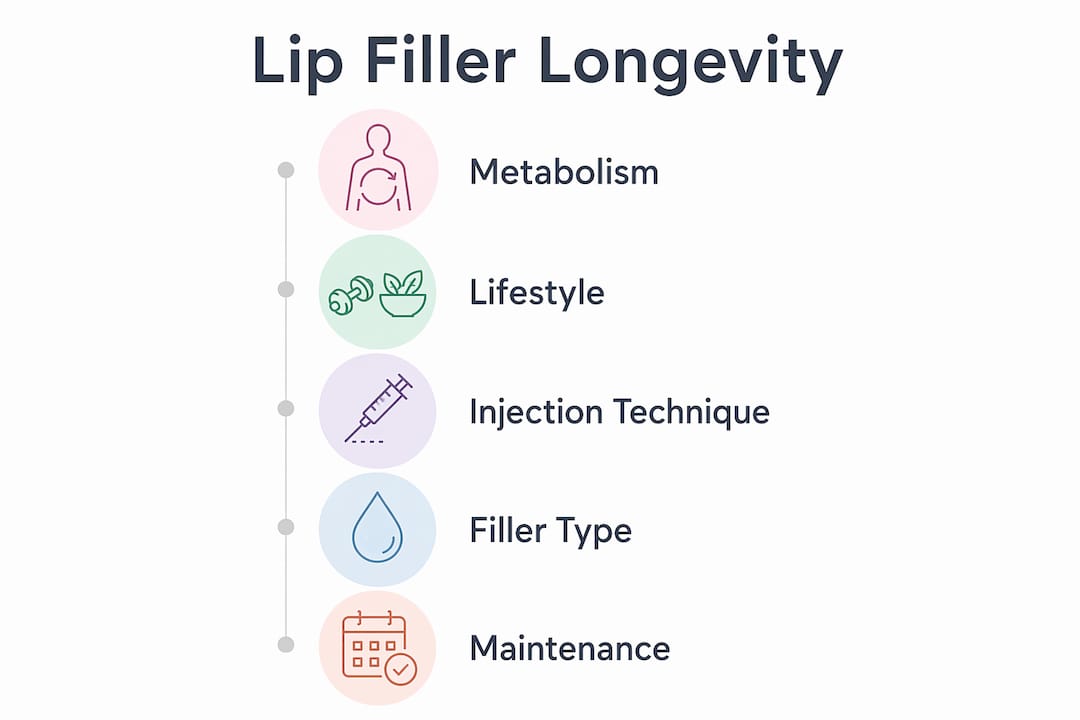
Your metabolism, lifestyle, and the skill of your injector all shape where your results land within that range. We will cover each of those factors in detail below.
What factors affect how long lip fillers last?
No two people metabolize filler at the same rate, and several variables work together to determine your personal timeline.
Metabolic rate plays a bigger role than most people expect. Younger individuals with faster metabolisms tend to break down filler more quickly, which can shorten results. People with conditions like hyperthyroidism may also notice faster filler breakdown.
Facial muscle activity is the other major driver. Talking, chewing, smiling, and kissing all put mechanical stress on lip filler. Lips are highly mobile, and that repeated movement exposes the HA to natural enzymes that accelerate its breakdown compared to less dynamic facial areas.
Lifestyle habits matter too:
-
Smoking degrades collagen and reduces skin quality, shortening filler longevity
-
Excessive alcohol and high-sodium diets dehydrate the body and reduce HA’s water-attracting capacity
-
Sun exposure accelerates tissue breakdown and collagen loss
-
Dehydration diminishes the plumping effect of HA fillers over time
Injection technique and placement depth also influence how long results hold. Proper placement by a skilled injector ensures even distribution, minimizes migration, and supports natural lip movement without accelerating breakdown. The amount of filler used matters as well: slightly higher volumes tend to last longer, but overfilling can cause tissue stretching that actually shortens perceived results.
Pro Tip: A personalized maintenance plan built around your metabolism and lifestyle keeps results consistent and avoids the cycle of over-treating and under-treating. Ask your injector to assess your specific breakdown rate at each visit.
What types of lip fillers last the longest?
Hyaluronic acid fillers are the gold standard for lip augmentation, and they account for the vast majority of treatments performed today, as detailed in this guide complet des traitements anti-âge. HA is a substance naturally present in the body, which makes it well tolerated and, crucially, reversible. All HA fillers are safely dissolvable with hyaluronidase if you are unhappy with the result or experience a complication.
Within the HA category, formulation and placement depth determine how long results last:
-
Denser, more cross-linked formulations provide structure and tend to last longer, often toward the 12 to 18 month end of the range
-
Lighter, softer formulations improve hydration and surface definition but metabolize faster, typically 6 to 12 months
-
Deeper submucosal placement near the muscle layer offers more structural support and longer duration
-
Superficial placement along the vermilion border or cupid’s bow refines shape and adds hydration but fades more quickly
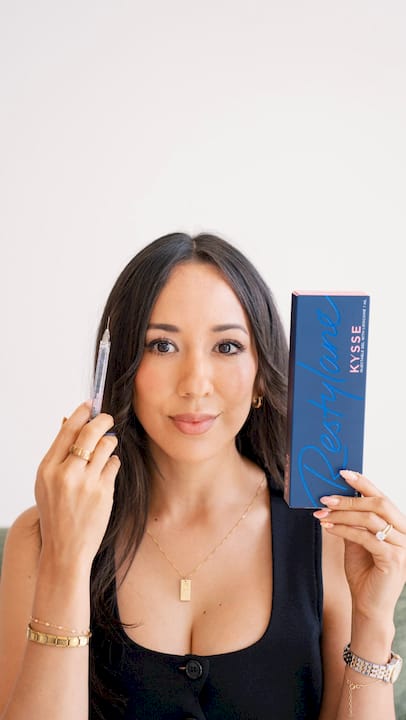
Restylane is one of the most studied HA filler brands in clinical literature. A systematic review of 24 studies found Restylane was the most frequently reported brand, with HA persistence of 50–86% at 24 months on volumetric assessment. Clinical lip effects are shorter due to the lips’ movement, but the data confirms that the material itself persists well beyond what you see in the mirror.
Choosing the right filler is not just about volume. It is about matching the formulation’s density and flexibility to your lip anatomy, your aesthetic goals, and how your body processes HA. A consultation with an experienced injector is the only way to get that match right.
For a deeper look at how different products compare, explore your filler options before your first appointment.
Are lip fillers safe, and what side effects should you know about?
The FDA regulates dermal fillers as medical devices and requires that licensed professionals administer them. Treatments are indicated for patients aged 21 and older, and the procedure itself typically takes 15 to 30 minutes. That regulatory framework matters because it sets a baseline standard for who can perform the treatment and what products can be used.
Common side effects are mild and temporary:
-
Swelling and bruising at the injection site, usually resolving within a few days to two weeks
-
Redness and tenderness immediately after treatment
-
Temporary asymmetry as swelling settles
Rare but more serious complications, such as vascular occlusion, can occur. The American Society of Plastic Surgeons emphasizes that choosing a qualified, experienced injector is the single most effective way to minimize these risks. An injector who understands lip anatomy, uses proper technique, and injects conservatively dramatically reduces the chance of migration, lumps, or vascular injury.
One of the most reassuring aspects of HA fillers specifically is their reversibility. If a complication arises or you simply want to change course, hyaluronidase can dissolve the filler safely and quickly. That flexibility is a meaningful safety advantage over permanent or semi-permanent alternatives.
Pro Tip: Always verify your injector’s credentials before booking. A licensed medical professional with specific training in facial anatomy and filler technique is non-negotiable for safe results.
How often should you schedule lip filler touch-ups?
Lip fillers are temporary by design, and maintenance treatments every 6 to 12 months are the standard recommendation for sustaining your desired look. The exact interval depends on your metabolism, the product used, and how much volume you want to maintain.
Waiting until your filler has completely dissolved before scheduling a touch-up is a common mistake. When you return for treatment before the filler is fully gone, your injector works with existing structure rather than starting from scratch. That approach tends to produce more natural, consistent results and reduces the total amount of product needed over time.
A few practical guidelines:
-
Schedule proactively. Book your touch-up when you notice early volume loss, not after lips have fully deflated.
-
Communicate your goals. If you want a subtle, natural look, less frequent and lighter treatments work well. If you prefer fuller volume, a tighter schedule makes sense.
-
Track your timeline. Note when you first notice fading after each treatment. That pattern helps your injector refine your personal maintenance schedule.
Pro Tip: Treating lips when some filler remains, rather than waiting for complete dissolution, helps your injector build on existing structure. The result tends to look more natural and last longer than starting over from zero.
For first-time patients, the initial treatment often metabolizes faster than subsequent ones as the tissue adjusts. What to expect the first time is worth reading before your appointment.
Expert perspective from Theinjectionroom on lip filler longevity
At Theinjectionroom, with locations in Austin and San Antonio, Texas, we see a consistent pattern: patients are often surprised by how quickly lip filler fades compared to filler placed in the cheeks or chin. The reason is straightforward. Lips move constantly, and that mechanical stress accelerates HA breakdown in ways that static facial areas simply do not experience.
One distinction we always make clear to our patients is the difference between visible effect and filler presence. MRI studies confirm that HA material can remain detectable in tissue for years, even after the cosmetic effect has faded. You may feel like your filler is “gone” at month eight, but the material itself has not fully disappeared. That is why layering treatments over time, rather than starting fresh each time, builds a better foundation.
The lips are not a static canvas. Every conversation, every meal, every expression works against the filler. Our job is to choose the right product, place it at the right depth, and build a maintenance schedule that accounts for how your specific lips move and metabolize. That is what separates a natural result from one that looks overdone or fades too fast.
Injection depth and layering technique directly affect both longevity and how natural the lips feel. Combining a deeper structural layer with a lighter superficial layer along the vermilion border gives volume and definition while preserving natural movement. We also counsel patients strongly against overfilling. Excessive volume can accelerate visible filler loss through tissue stretching and displacement, which is the opposite of what most patients want.
Pro Tip: Moderation in volume is not settling for less. It is the approach that produces the most natural-looking, longest-lasting results. A conservative, gradual build over multiple sessions almost always outperforms a single large-volume treatment.
If you are ready to discuss a personalized plan, our team at Theinjectionroom offers lip filler treatments in Austin and San Antonio with a focus on natural results and long-term aesthetic continuity.
Key Takeaways
Most hyaluronic acid lip fillers last 12 to 18 months, but metabolism, lifestyle, injection technique, and maintenance schedule all determine where your results fall within that range.
| Point | Details |
|---|---|
| Typical duration | Most HA lip fillers last 12 to 18 months; lighter formulations may fade in 6 to 12 months. |
| Lips metabolize faster | Constant lip movement accelerates HA breakdown compared to static facial areas like the cheeks. |
| Lifestyle matters | Smoking, dehydration, sun exposure, and alcohol all shorten how long lip filler lasts. |
| Reversibility is a safety advantage | HA fillers can be dissolved with hyaluronidase, offering flexibility no permanent filler provides. |
| Proactive touch-ups work better | Scheduling maintenance before filler fully dissolves produces more natural, longer-lasting results. |


%20Pictures%20are%204%20weeks%20apart..jpg)