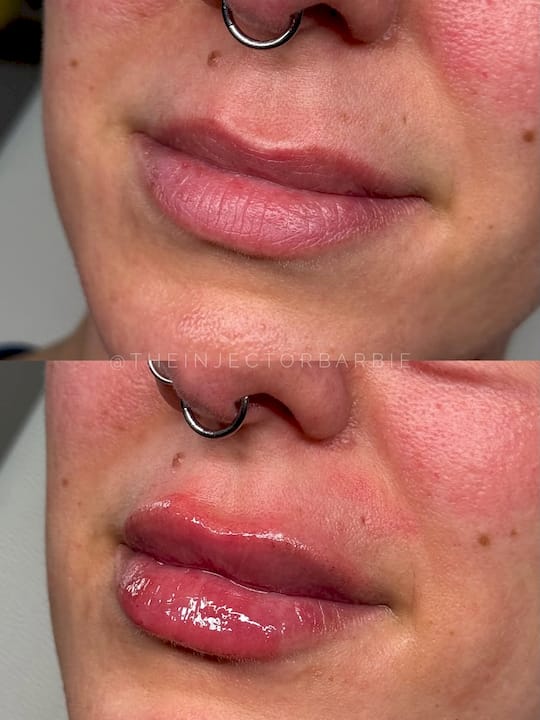
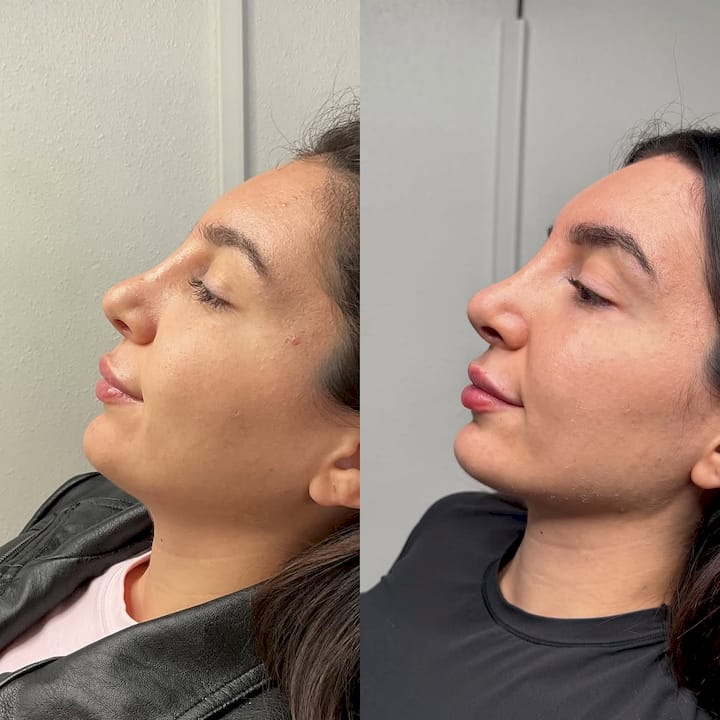
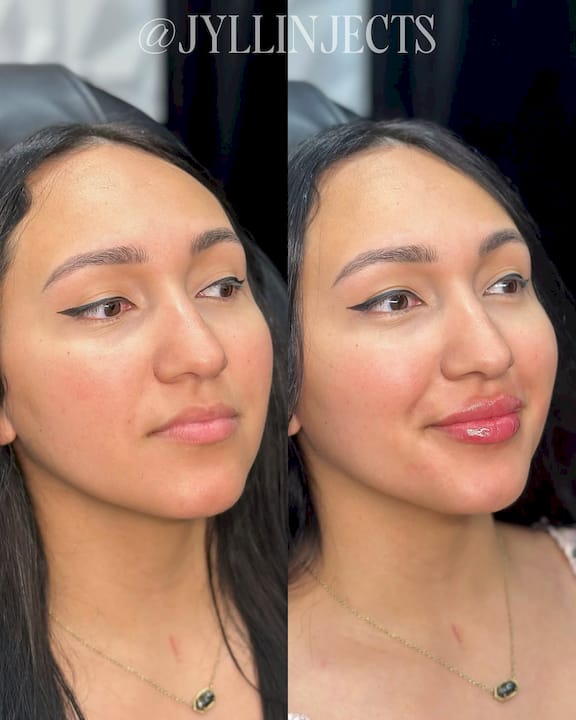
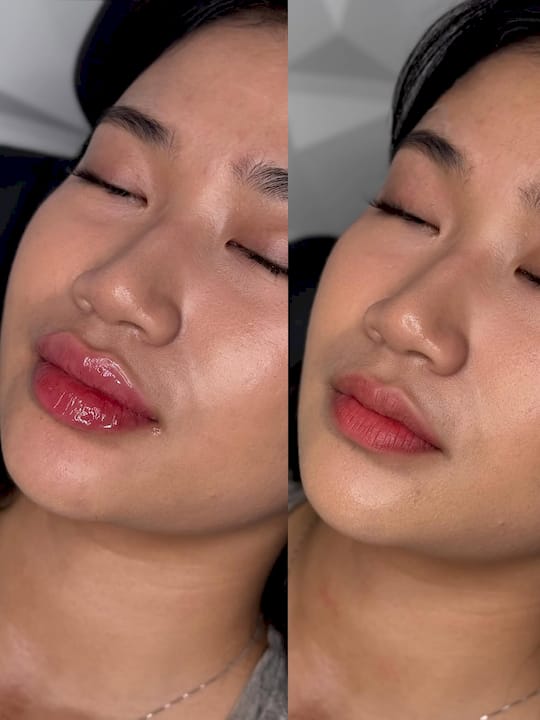
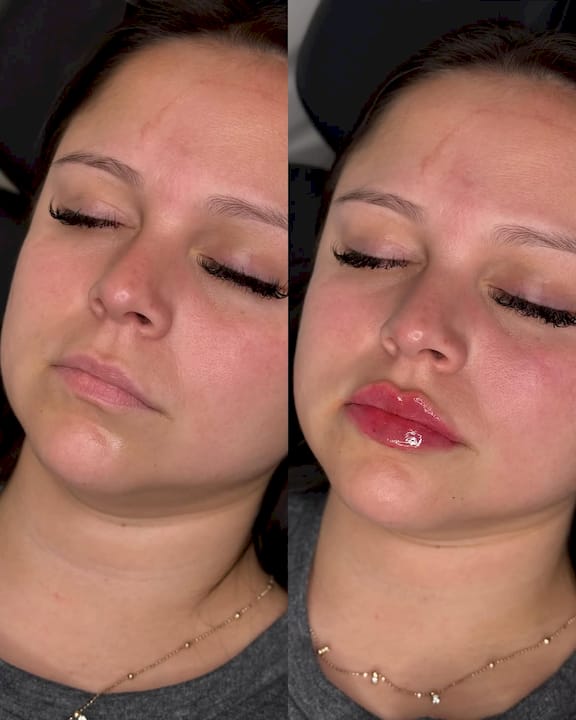
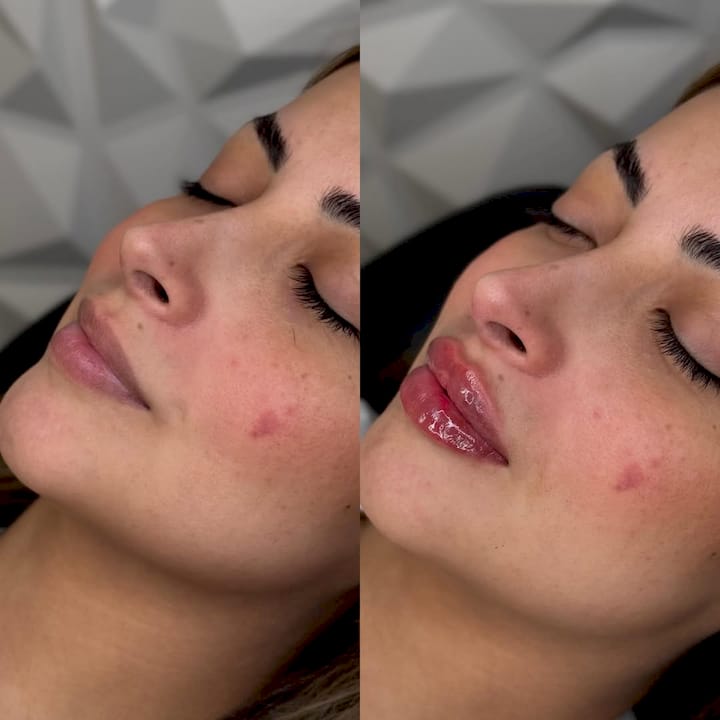
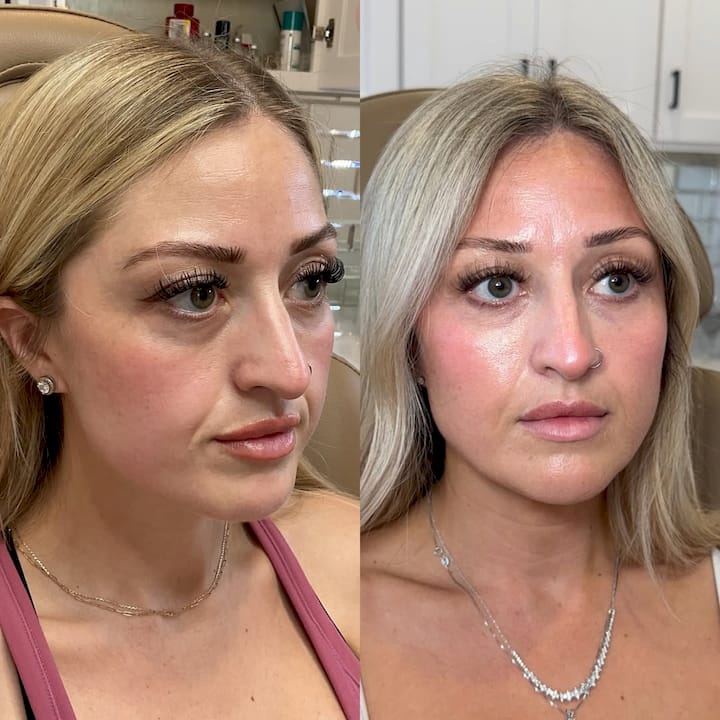
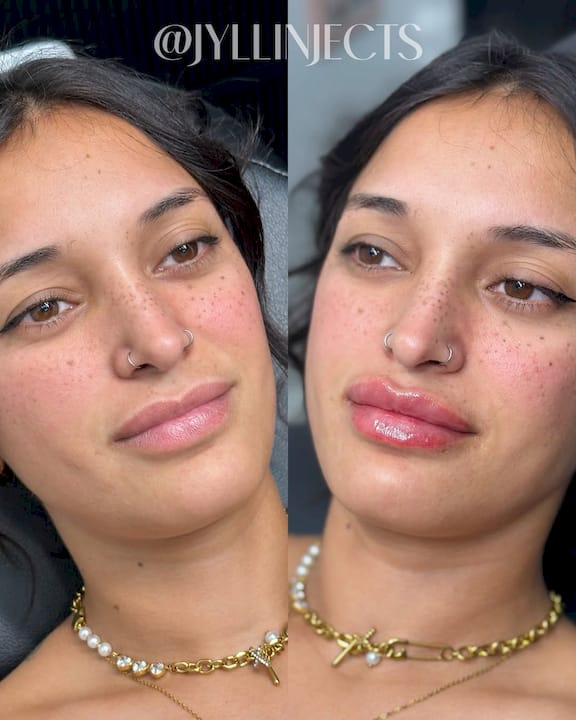
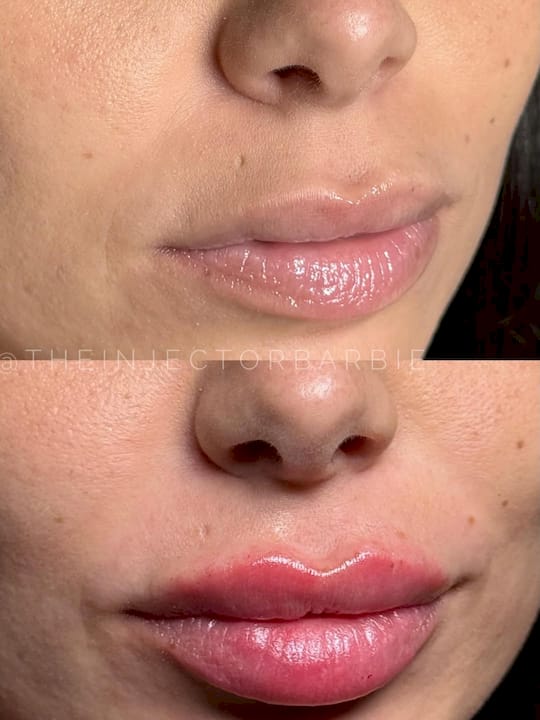
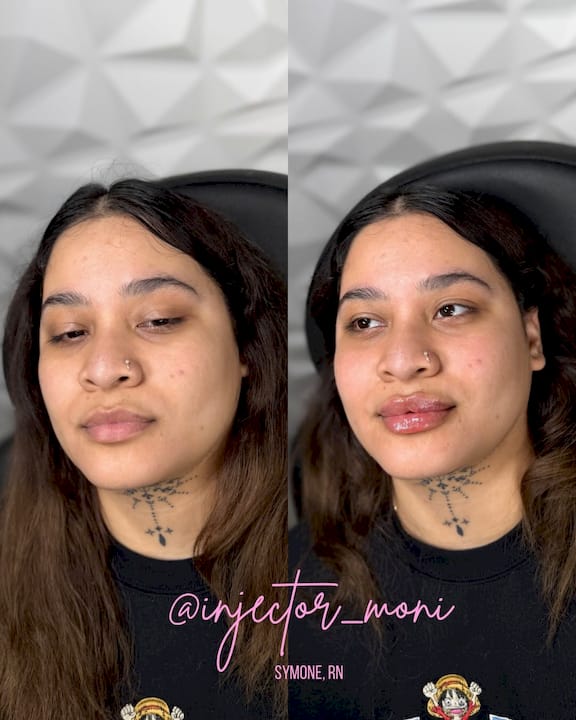
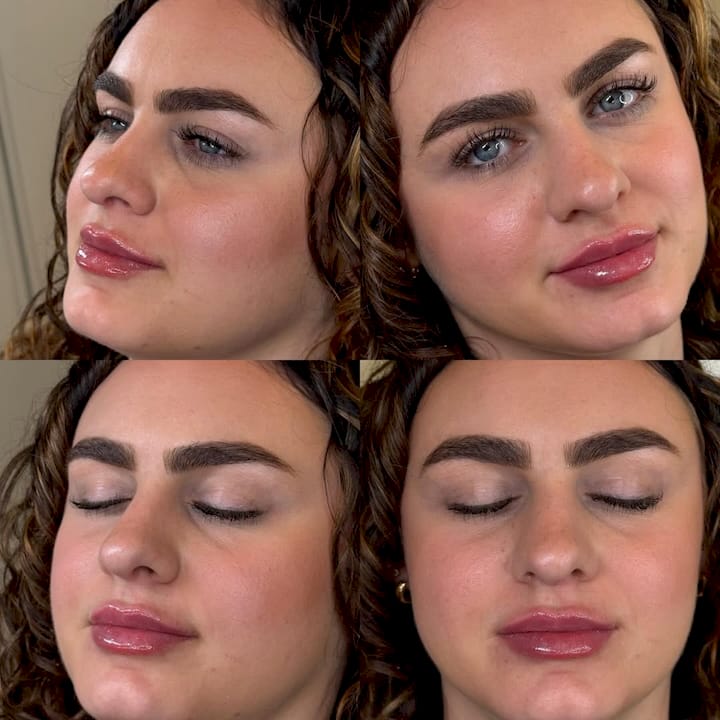
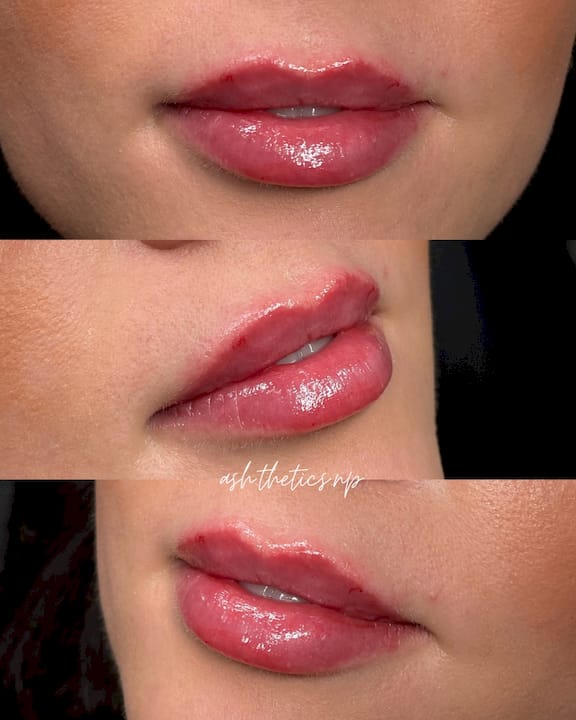
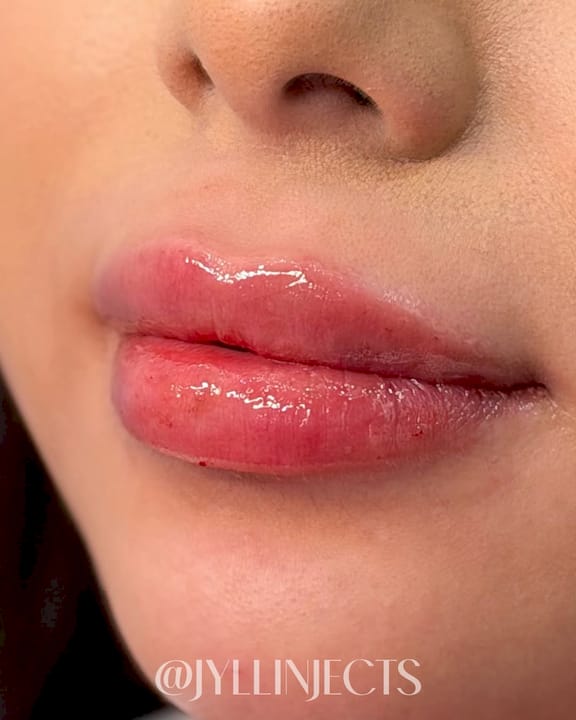
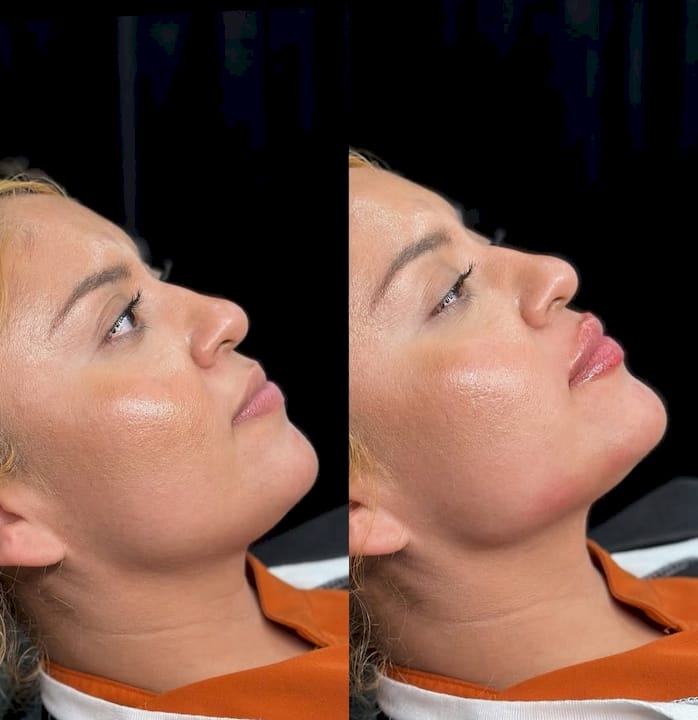
The best way to get rid of wrinkles around the mouth is a combination approach: topical retinoids and peptides, professional injectables, skin resurfacing, and daily broad-spectrum sun protection. No single product or procedure delivers lasting results on its own. The clinical term for this area is the perioral region, and wrinkles here fall into two categories: dynamic lines caused by muscle movement and static lines caused by volume loss and collagen breakdown. Matching the right treatment to the right wrinkle type is the single most important factor in getting results that actually last.
What causes wrinkles around the mouth?
Understanding why these lines form determines which treatment works. The perioral region ages differently from the rest of the face, and that difference matters for treatment planning.
Dynamic wrinkles form from repeated muscle contractions. Every time you smile, speak, or purse your lips, the orbicularis oris muscle creates folds in the skin. Over years, those folds become permanent. Static wrinkles, by contrast, form from collagen loss, fat pad shrinkage, and gravity. They are visible even when your face is completely relaxed.
The Dynamic vs. Static Wrinkle Rule is fundamental: targeting the root cause with the correct modality maximizes results. Treating a static wrinkle with a neuromodulator alone, or a dynamic wrinkle with filler alone, produces underwhelming outcomes. This is why a proper assessment before any treatment is non-negotiable.
Several factors accelerate perioral aging:
-
UV exposure breaks down collagen and elastin faster than any other environmental factor
-
Smoking causes repeated lip pursing and restricts blood flow to skin tissue
-
Volume loss in the mid-face causes the skin above the mouth to sag and fold
-
Genetics determine how quickly collagen production slows after age 30
-
Hormonal changes during menopause reduce skin thickness and moisture retention
The perioral skin also lacks oil glands, making it prone to water loss and irritation. This is why products that work well on the cheeks can cause dryness and flaking directly around the lips.
Topical skincare that actually reduces fine lines around the mouth
At-home products cannot replace professional treatments, but they extend results and slow new wrinkle formation. The right routine for the perioral area is specific, not generic.

Retinoids
Retinoids stimulate collagen production and accelerate cell turnover. They are the most evidence-backed topical ingredient for reducing fine lines around the mouth. The catch is that perioral skin is sensitive. Retinoids must be introduced slowly around the mouth, starting 2–3 nights per week, and should never be applied directly to lip tissue. Choose a lower-concentration formula for this area and build up gradually over several weeks.
Peptides
Peptides signal skin cells to produce more collagen. They are gentler than retinoids and can be used daily without the risk of irritation. Peptide serums work well layered under a moisturizer and are a good option for people who find retinoids too harsh for the perioral zone.
Sun protection
Daily broad-spectrum SPF 30+ is the highest-return habit for preventing and slowing mouth wrinkles. UV radiation degrades collagen faster than aging alone. Apply sunscreen every morning and reapply every two hours when outdoors. Do not skip the skin above the lip or the corners of the mouth.
Pro Tip: Apply your retinoid to the perioral area using a “buffer” method: moisturize first, then apply the retinoid on top. This reduces irritation without eliminating the collagen-stimulating effect.
Key products to include in your daily routine:
-
A gentle, fragrance-free cleanser that does not strip the skin barrier
-
A peptide or hyaluronic acid serum applied to damp skin
-
A barrier-supportive moisturizer with ceramides
-
Broad-spectrum SPF 30+ every morning, including over the lip area
-
A lip balm with SPF for the lip tissue itself
What professional treatments work best for mouth wrinkles?
Professional treatments deliver results that topical products cannot. The most effective protocols combine more than one modality, targeting both the cause and the visible signs of perioral aging.
-
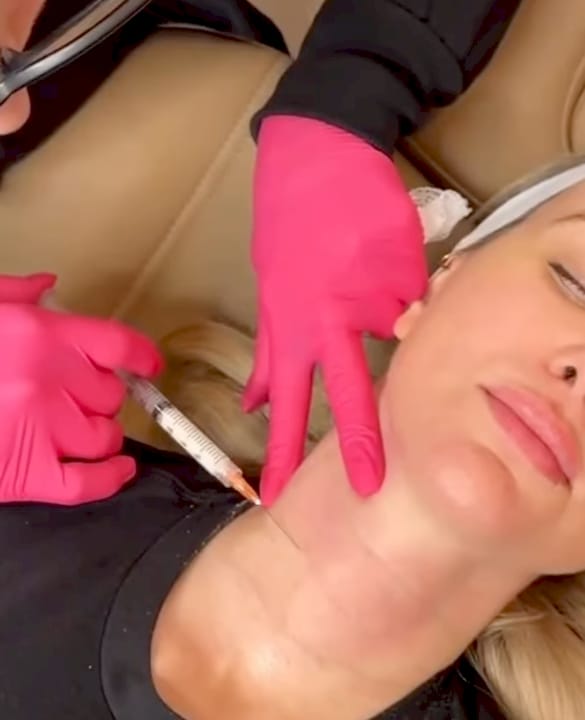
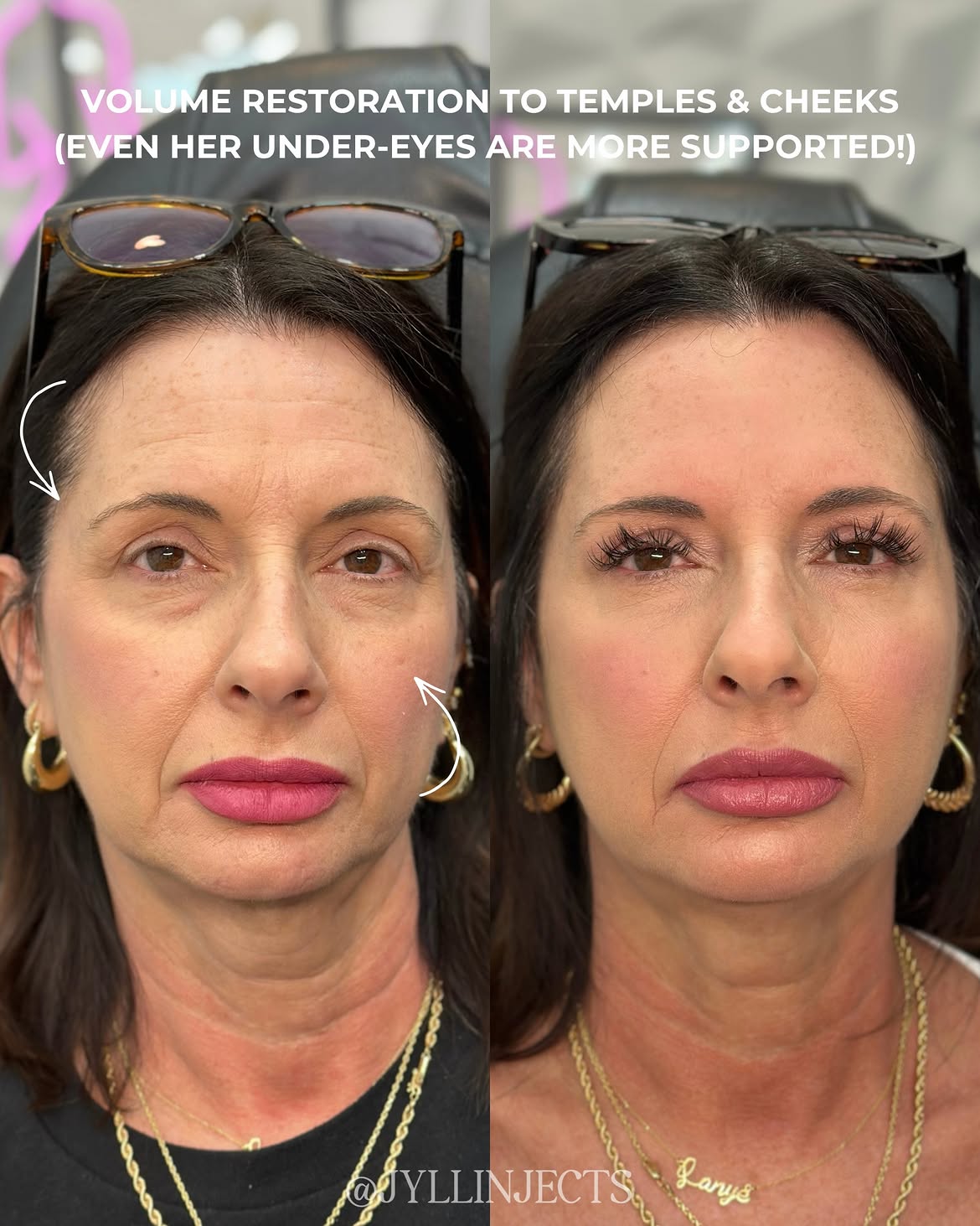
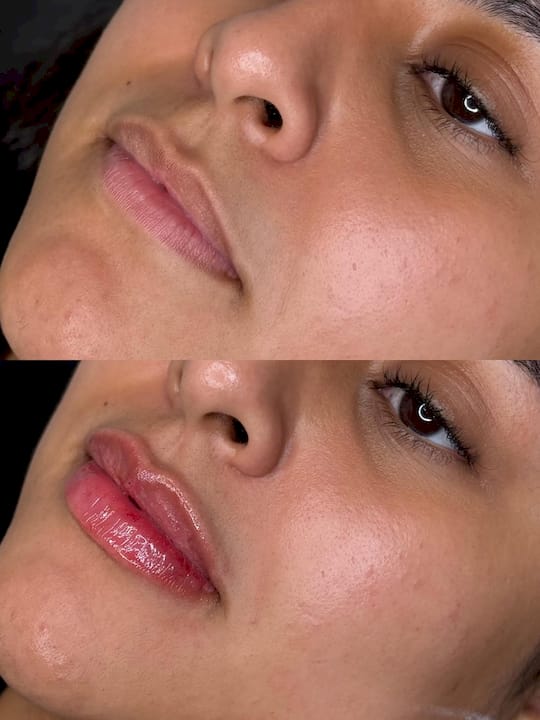
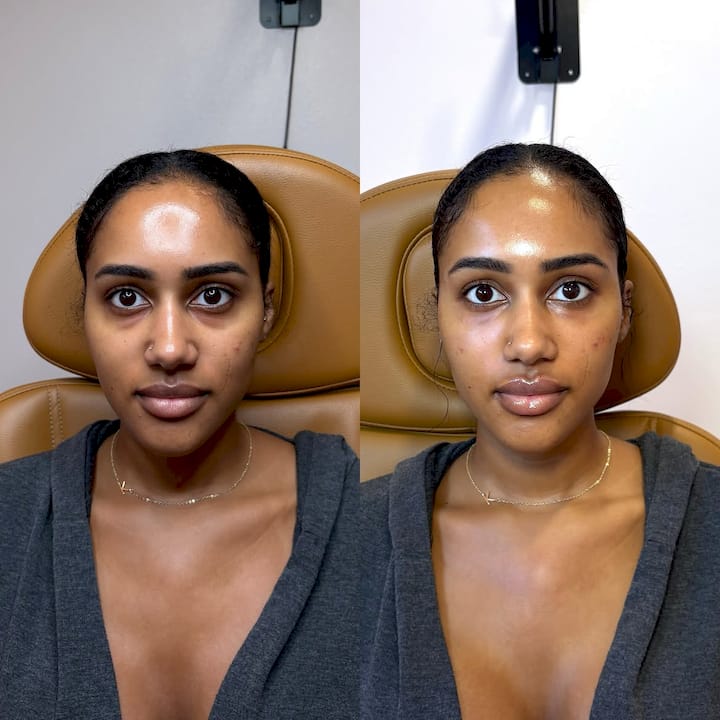
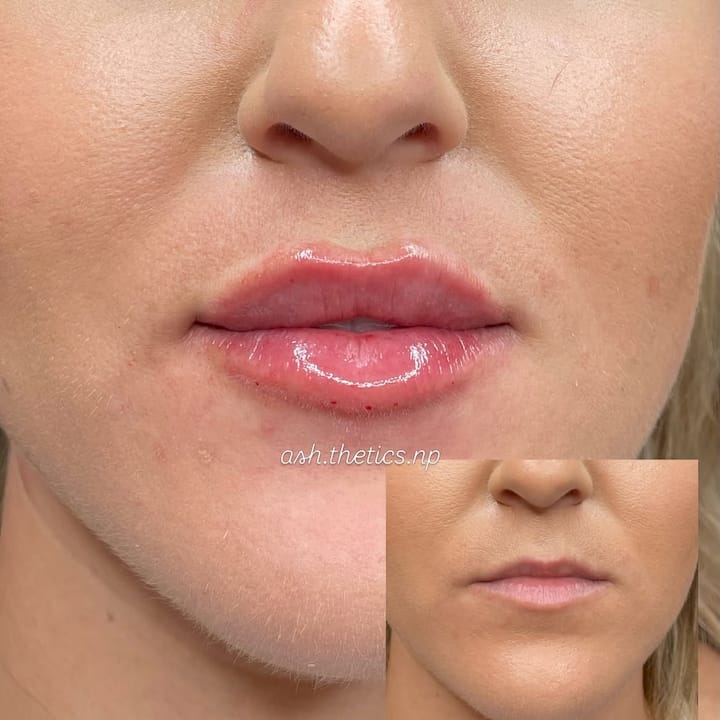
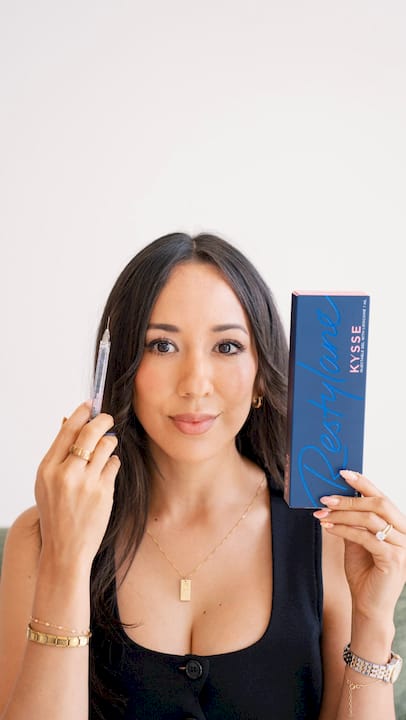
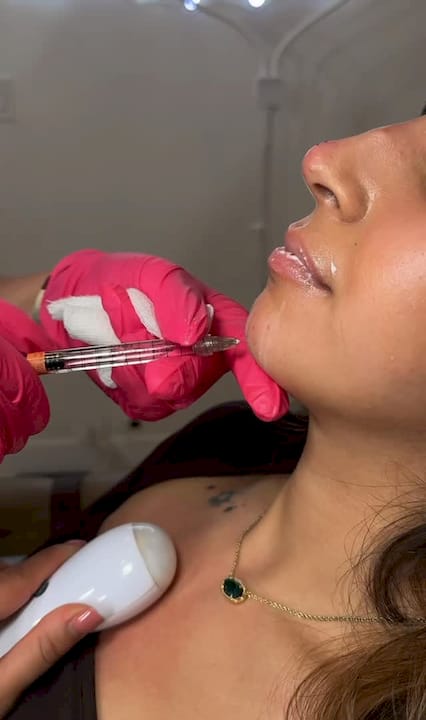
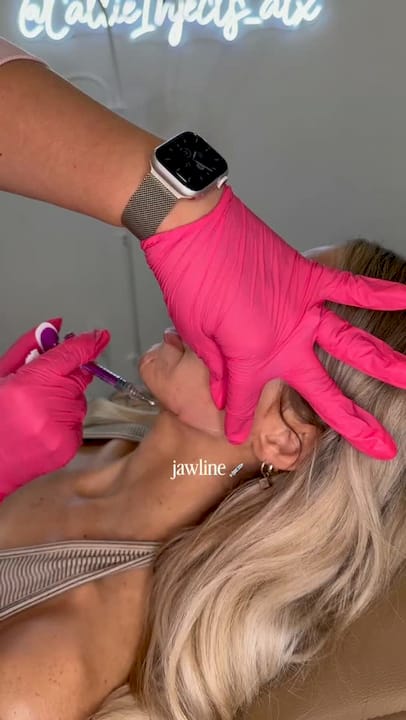
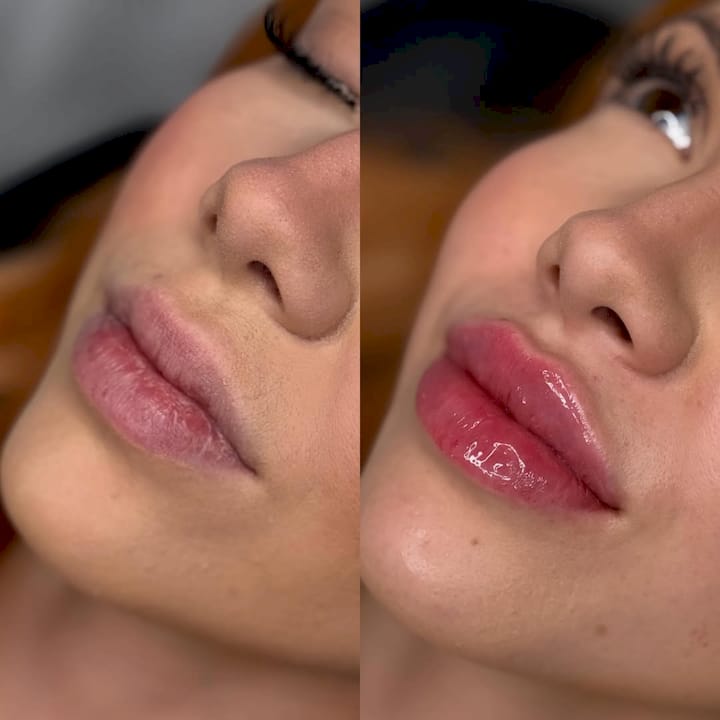
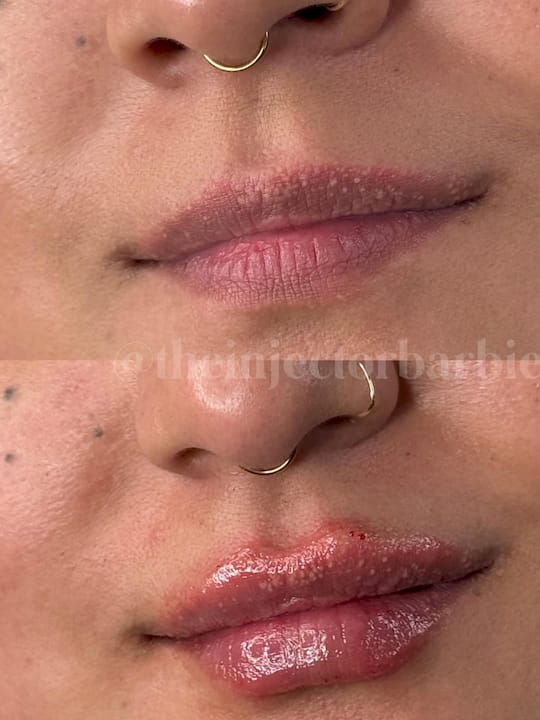
Hyaluronic acid dermal fillers. Fillers are the gold standard for volume restoration in static wrinkles, lasting 9–18 months for nasolabial folds and marionette lines. A micro-droplet technique places tiny amounts of filler directly into vertical lip lines, smoothing them for 6–9 months. Fillers provide immediate visible improvement. The key is conservative placement by a skilled injector. Overfilling creates an unnatural, puffy result. For a detailed breakdown of filler options for the lower face, the guide on fillers for marionette lines covers the most relevant choices.
-
Neuromodulators (Botox, Dysport, Xeomin, Letybo). Neuromodulators reduce dynamic wrinkles by relaxing the orbicularis oris muscle, which causes vertical lip lines. Conservative dosing is critical here. Too much product in this area affects speech and facial expression. A small, precise dose softens the lines without freezing movement. Results typically last 3–4 months. Understanding when to choose Botox vs. fillers for the lip area prevents costly mistakes.
-
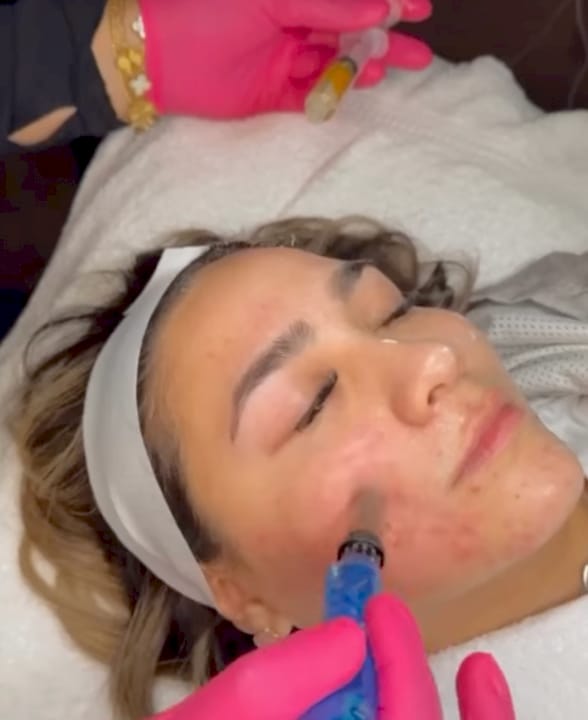
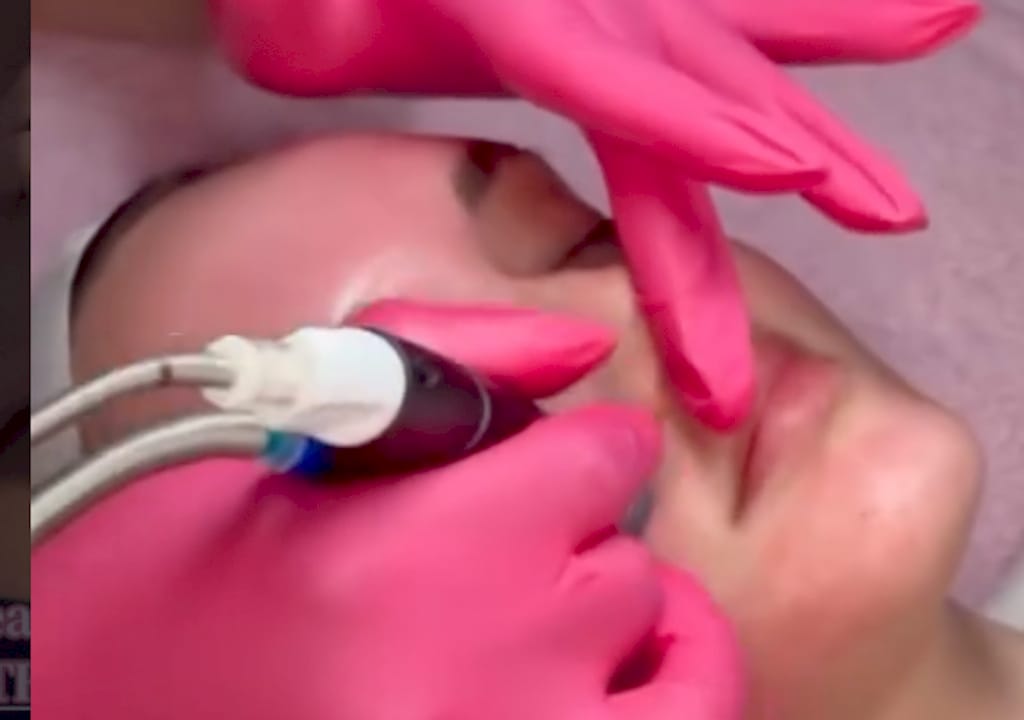
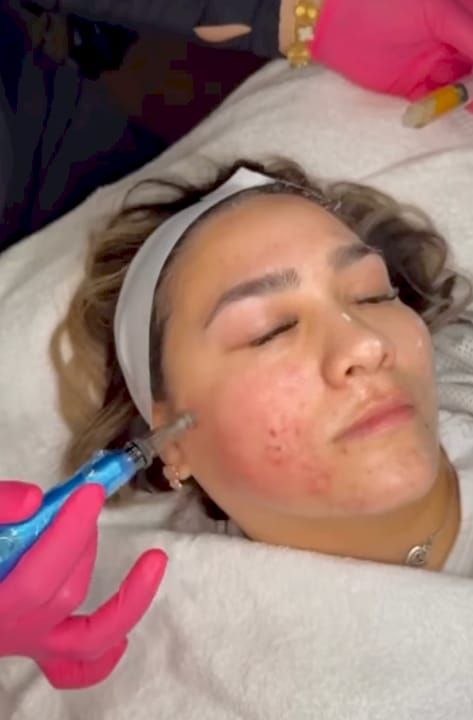
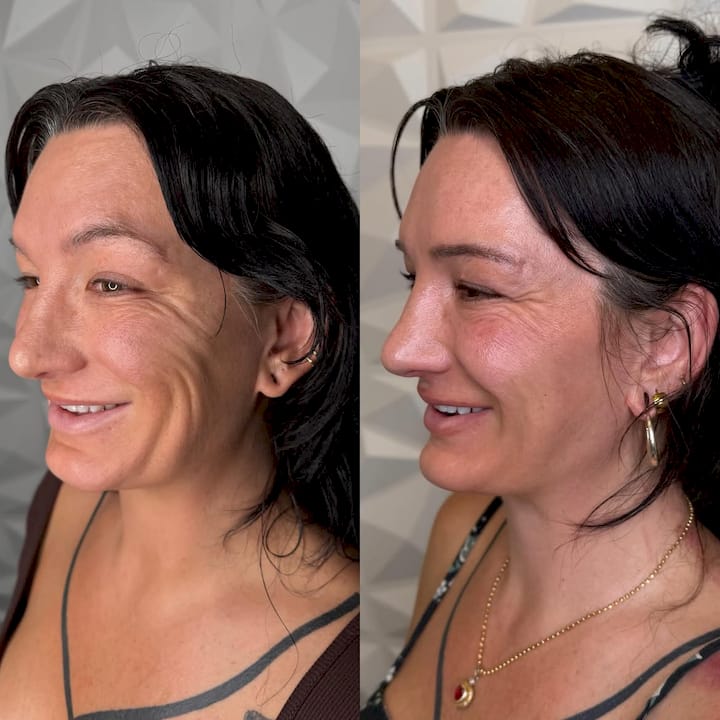
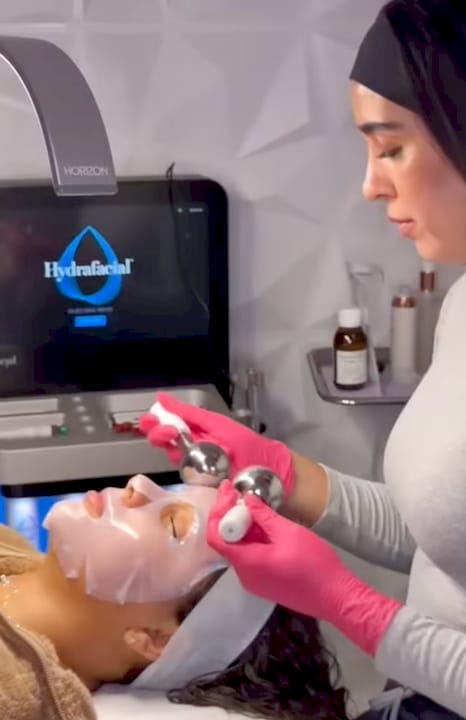
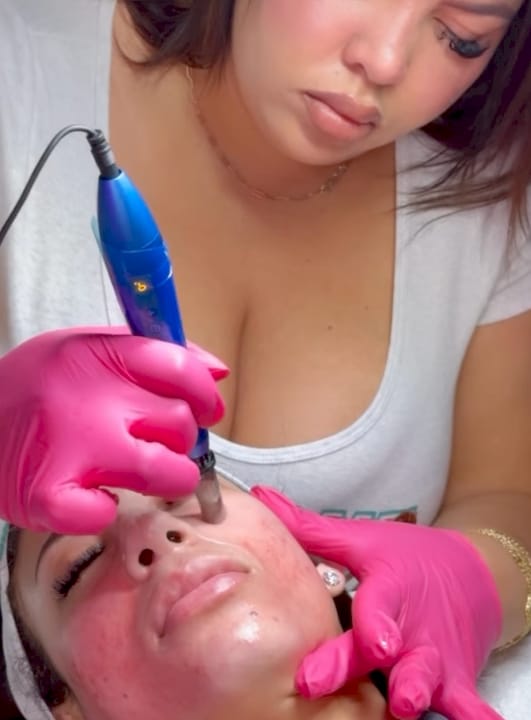
RF microneedling. Radiofrequency microneedling creates controlled micro-injuries in the skin while delivering heat energy to deeper tissue layers. This stimulates collagen remodeling over 3–6 months. It is particularly effective for skin texture and fine lines that do not respond to injectables alone. A series of 3 treatments spaced 4–6 weeks apart produces the most consistent results.
-
Fractional laser resurfacing. Fractional lasers remove the outer skin layers and trigger new collagen formation. They address both fine lines and skin texture around the mouth. Downtime ranges from 5–10 days depending on the intensity of the treatment. Results can last 1–2 years with proper sun protection.
-
Combination protocols. Treating mouth wrinkles requires a combination approach that includes resurfacing, topical maintenance, and daily sun protection for sustained improvement. Fillers restore volume, neuromodulators relax muscles, and resurfacing improves texture. Each modality addresses a different layer of the problem.
Pro Tip: Schedule your neuromodulator appointment 2 weeks before any filler or resurfacing treatment. This allows the muscle relaxation to settle first, giving your injector a clearer picture of the remaining static lines that need volume correction.
When fillers are not enough: advanced structural concerns
There is a point in perioral aging where volume loss is not the primary problem. Tissue descent, meaning the actual downward shift of fat pads and soft tissue, changes what treatments can realistically achieve.
Signs that structural aging is the main issue include:
-
Jowling along the jawline that pulls the corners of the mouth downward
-
Deep marionette lines that persist even after filler placement
-
Skin laxity around the lower face that does not respond to resurfacing
-
A heavy or puffy appearance after filler that suggests the tissue needs lifting, not filling
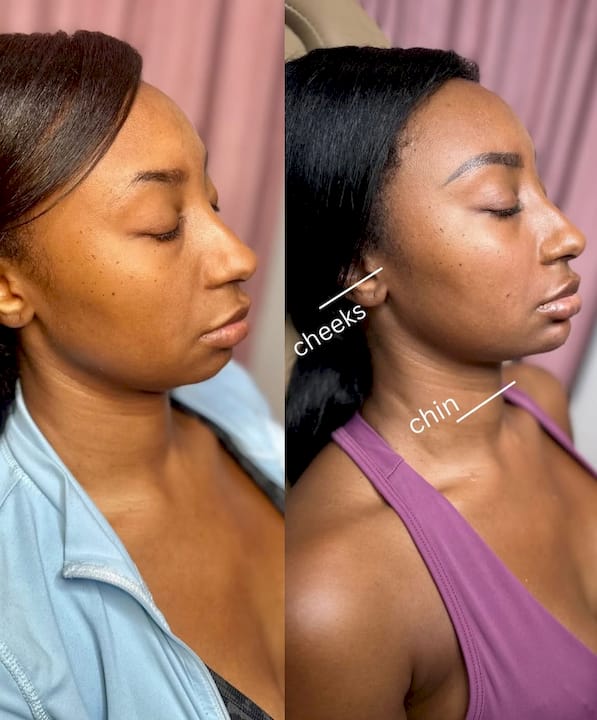
Filler alone on sagging cheeks can cause a puffy, unnatural appearance when tissue descent is the root cause. Adding more volume to tissue that has shifted downward pushes it further out of position. This is one of the most common mistakes in perioral rejuvenation.
“In advanced perioral aging, structural or surgical lifting interventions are sometimes necessary. Fillers alone may worsen the appearance if significant sagging is present.” — Perioral Aging Surgeon’s Guide
PDO thread lifts offer a non-surgical option for mild to moderate tissue descent. They physically reposition soft tissue and stimulate collagen along the thread path. Results last 12–18 months. For more significant descent, a mini-facelift or lower face lift addresses the structural issue directly and produces longer-lasting correction. A specialist assessment determines which path is appropriate.
Daily habits that support lasting wrinkle reduction
Professional treatments create the change. Daily habits protect it. Without consistent maintenance, results fade faster and new lines form sooner.
-
Wear SPF every day. UV damage is cumulative. One year of daily SPF 30+ use measurably slows collagen loss compared to unprotected skin.
-
Use a lip balm with SPF. The lip tissue itself is vulnerable to UV damage and dryness, both of which worsen perioral lines.
-
Stop smoking. Smoking accelerates collagen breakdown and causes the repeated lip pursing that deepens vertical lip lines faster than almost any other habit.
-
Stay hydrated. Dehydrated skin loses elasticity and makes fine lines more visible. Eight glasses of water daily is a minimum, not a goal.
-
Prioritize sleep. Skin repairs collagen at night. Chronic sleep deprivation reduces skin elasticity and accelerates visible aging.
-
Eat enough protein. Collagen is a protein. Diets low in protein reduce the body’s ability to maintain and rebuild skin structure.
-
Cleanse gently. Harsh cleansers strip the skin barrier around the mouth, increasing water loss and irritation. A gentle, non-foaming cleanser preserves barrier function.
Consistency matters more than intensity. A simple daily routine done every day outperforms an aggressive routine done sporadically.
Key takeaways
The most effective way to reduce wrinkles around the mouth combines professional treatments matched to wrinkle type with daily topical care and sun protection.
| Point | Details |
|---|---|
| Match treatment to wrinkle type | Dynamic wrinkles need neuromodulators; static wrinkles need fillers or resurfacing. |
| SPF 30+ is non-negotiable | Daily broad-spectrum sunscreen slows collagen loss faster than any other single habit. |
| Retinoids require caution perioral | Introduce slowly, 2–3 nights per week, and never apply directly to lip tissue. |
| Fillers do not fix tissue descent | Sagging tissue needs structural lifting; adding filler to descended tissue worsens appearance. |
| Combination protocols outperform single treatments | Pairing fillers, neuromodulators, and resurfacing addresses volume, muscle, and texture simultaneously. |
What I have learned treating perioral wrinkles
Wrinkle treatment around the mouth is where patience separates good outcomes from disappointing ones. I have seen people rush straight to fillers without addressing the dynamic muscle activity driving their lines, and the results last half as long as they should. The muscle keeps working, the filler shifts, and the lines return faster.
The most common mistake I see is treating the symptom instead of the cause. Someone comes in with deep vertical lip lines and wants them filled. But if those lines are primarily dynamic, caused by years of muscle movement, a neuromodulator placed conservatively in the orbicularis oris will do more for them than a syringe of filler. The filler still has a role, but the sequence and the dose matter enormously.
What actually works long-term is a plan that layers treatments over time. Start with the right topical foundation. Add a neuromodulator to relax the dynamic component. Use filler conservatively to restore volume where it is genuinely lost. Then maintain the skin with periodic resurfacing and consistent SPF. That approach, done patiently over 12–18 months, produces results that look natural and hold up.
The other thing I tell every person I work with: do not wait until the lines are deep to start. The earlier you address perioral aging with the right combination of care, the less aggressive the intervention needs to be later.
— Marina
Wrinkle treatments at Theinjectionroom
Theinjectionroom offers the full range of perioral treatments at its Austin and San Antonio locations, including neurotoxin injections for dynamic lip lines, hyaluronic acid dermal fillers for nasolabial folds and marionette lines, and collagen-stimulating microneedling for skin texture and fine line reduction. Every treatment plan starts with a consultation that identifies whether your lines are dynamic, static, or structural, so the approach is matched to the actual cause. The team at Theinjectionroom combines modalities when appropriate, which consistently produces more natural and longer-lasting results than single-treatment protocols.
FAQ
What is the fastest way to reduce mouth wrinkles?
Hyaluronic acid dermal fillers provide the most immediate visible improvement for static wrinkles around the mouth, with results appearing the same day. Neuromodulators take 7–14 days to show full effect on dynamic lines.
Can I get rid of lines around my mouth without surgery?
Non-surgical options including dermal fillers, neuromodulators, RF microneedling, and fractional laser resurfacing effectively reduce perioral lines without surgery. Significant tissue descent may eventually require a structural lifting procedure for optimal correction.
How long do professional mouth wrinkle treatments last?
Hyaluronic acid fillers last 9–18 months in the nasolabial and marionette areas. Micro-droplet filler for vertical lip lines lasts 6–9 months. Neuromodulators typically last 3–4 months in the perioral region.
Does retinol help with wrinkles around the mouth?
Retinoids stimulate collagen and reduce fine lines around the mouth, but they must be introduced gradually and kept away from lip tissue to avoid irritation. Start with 2–3 applications per week and increase as your skin adjusts.
What daily habit has the biggest impact on mouth wrinkles?
Daily broad-spectrum SPF 30+ application is the single highest-return habit for slowing perioral wrinkle formation. UV damage is the leading environmental cause of collagen breakdown in the perioral region.

%20Pictures%20are%204%20weeks%20apart..jpg)