TL;DR:
The lip flip uses Botox to subtly enhance the upper lip’s appearance without adding volume.
It is ideal for first-timers, those seeking natural results, or correcting a gummy smile.
Results last 2 to 3 months and require skillful, experienced providers for safety and effectiveness.
You want a little more lip, but nothing that screams “I had work done.” That feeling is incredibly common, and it’s exactly why the lip flip has become one of the most requested treatments at medspas across San Antonio and Austin. Unlike traditional lip fillers, this subtle procedure uses a small amount of Botox to gently roll the upper lip outward, creating the appearance of a fuller pout without adding volume. In this guide, you’ll learn exactly how it works, how to prepare, what to expect during and after, and how to read before and after photos with a critical eye.
Table of Contents
-
Before and after: What changes and troubleshooting common concerns
-
Your next step: Where to try a lip flip in San Antonio or Austin
Key Takeaways
| Point | Details |
|---|---|
| Subtle, natural enhancement | Lip flips gently lift the upper lip with no added volume, great for a refined look. |
| Quick, convenient procedure | You can complete a lip flip in just 10 minutes with little to no downtime. |
| Results and recovery | Expect visible changes in 3–7 days, a 20–30% smile boost, and effects lasting about 2–3 months. |
| Ideal for beginners | This is a top choice for first-timers or anyone preferring minimal, temporary changes. |
| Consider safety first | Choose experienced, board-certified providers for the best and safest outcomes. |
What is a lip flip and how does it compare to fillers
The lip flip is a quick, low-commitment cosmetic treatment that uses botulinum toxin type-A, commonly known as Botox, to relax the orbicularis oris muscle around the upper lip. When that muscle relaxes, the upper lip gently rolls outward, or “flips,” making it appear slightly fuller and more defined. According to a systematic review on lip flip, the procedure typically involves 4 to 6 units of Botox, making it one of the most precise and minimal neurotoxin applications available.
So how does it stack up against lip fillers? The difference is bigger than most people realize. As explained in lip flip vs filler comparisons, the lip flip does not add volume. It only affects the upper lip, lasts a shorter time, and costs significantly less. Fillers, on the other hand, use hyaluronic acid to physically add plumpness to one or both lips and can last six months to a year. If you want a dramatic, pillowy look, fillers are the path. If you want a refined, natural upgrade, the lip flip is worth exploring.

Here is a quick feature comparison:
| Feature | Lip flip | Lip filler |
|---|---|---|
| Product used | Botox (4-6 units) | Hyaluronic acid |
| Area treated | Upper lip only | Upper and/or lower lip |
| Volume added | No | Yes |
| Duration | 2 to 3 months | 6 to 12 months |
| Average cost | Lower | Higher |
| Best for | Subtle lift, gummy smile | Noticeable plumpness |
Who benefits most from a lip flip? As covered in detail at what is a lip flip, the ideal candidates are women who want subtle enhancement, those bothered by a “gummy smile” (where too much gum shows when smiling), and first-timers who aren’t ready to commit to fillers. The lip flip vs. filler guide from Wright’s Med Spa also confirms this: the lip flip is the go-to for first-timers and those seeking minimal change without added volume.
The growing popularity speaks for itself. Interest in the lip flip has climbed steadily over the past decade, with a 33% monthly increase in search interest between 2014 and 2024. That’s not a trend. That’s a shift in how women approach lip aesthetics.
How to prepare for your lip flip appointment
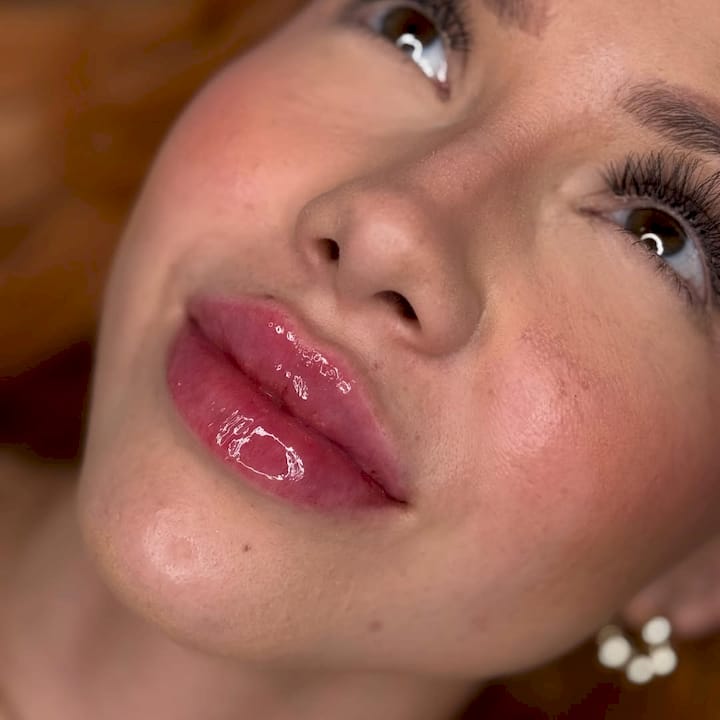
Walking into your appointment informed makes a real difference in your results. The first step is choosing the right provider. Look for a board-certified injector or licensed medical professional with documented experience in facial aesthetics. Ask to see real before and after photos from their own clients, not stock images. The lip flip before and after photos at The Injection Room, which has locations in both San Antonio and Austin, show the kind of natural, refined results you should expect from a skilled injector.
Before your appointment, there are a few practical steps to follow:
-
Avoid blood thinners for at least 48 hours before your visit. This includes aspirin, ibuprofen, and fish oil supplements.
-
Skip alcohol for 24 hours before the procedure to reduce bruising risk.
-
Stay out of the sun and avoid tanning beds in the days leading up to your appointment.
-
Arrive with clean skin and no lip liner or heavy lip products.
-
Write down your questions ahead of time so you don’t forget them during the consultation.
Here’s a quick eligibility snapshot:
| Requirement | Details |
|---|---|
| Minimum age | 18 years (21+ recommended) |
| Health status | Generally healthy, no active infection |
| Pregnancy/nursing | Not eligible |
| Realistic expectations | Subtle lift, not dramatic volume |
| Neurotoxin history | Disclose any prior Botox treatments |
Pro Tip: The lip flip is a same-day, return-to-life procedure. Most clients go right back to work or errands. Just avoid intense exercise, heat, and lying face-down for about 24 hours after.
One of the most important things you can do before your appointment is prepare your questions. Ask your injector how many units they plan to use, what their touch-up policy is, and what results are realistic for your specific lip shape. A good injector welcomes these conversations.
Step-by-step: What happens during the lip flip procedure
The lip flip is one of the fastest aesthetic treatments available. From the moment you sit down to the moment you walk out, the whole thing typically takes about 10 minutes. Here’s exactly what to expect:
-
Check-in and intake review. Your injector reviews your health history, confirms you’re a good candidate, and discusses your goals.
-
Lip assessment. The injector examines your natural lip shape, muscle movement, and how your smile looks. They may ask you to smile, pout, and speak naturally.
-
Marking the injection points. Small marks are placed along the upper lip border to guide precise placement.
-
Topical numbing (optional). Some providers apply a numbing cream for comfort, though most clients find the sensation mild without it.
-
Injection. Using a very fine needle, 4 to 6 units of Botox are placed into the orbicularis oris muscle, relaxing it so the upper lip gently rolls outward.
-
Post-injection review. Your injector checks the placement and gives you aftercare instructions.
-
Aftercare guidance. You’ll be told to avoid touching the area, skip strenuous activity for 24 hours, and stay upright for a few hours.
For a fuller look at the lip flip treatment process, including what to expect from different injection techniques, The Injection Room has a helpful breakdown.
Pro Tip: Tell your injector exactly what you love and don’t love about your smile. The more specific you are, the more tailored your results will be.
A note on safety: Research published on PubMed confirms that side effects from a lip flip are mild and temporary, typically limited to minor bruising or swelling. Patient satisfaction rates are high when the procedure is performed by a board-certified injector.
Before and after: What changes and troubleshooting common concerns
The results of a lip flip don’t appear instantly. Here’s the realistic timeline you should know:
-
Days 1 to 3: Little to no visible change. The Botox is beginning to take effect.
-
Days 3 to 7: You’ll start noticing the upper lip relaxing and rolling slightly outward.
-
Weeks 2 to 8: Peak results. The lip appears more defined, with a subtle lift and refined lip line.
-
Months 2 to 3: Results begin to fade as the neurotoxin naturally wears off.
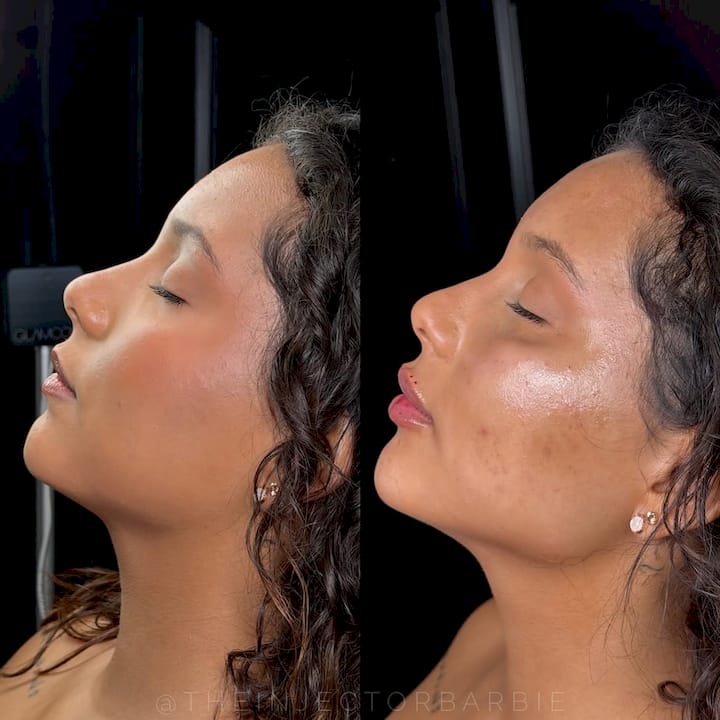
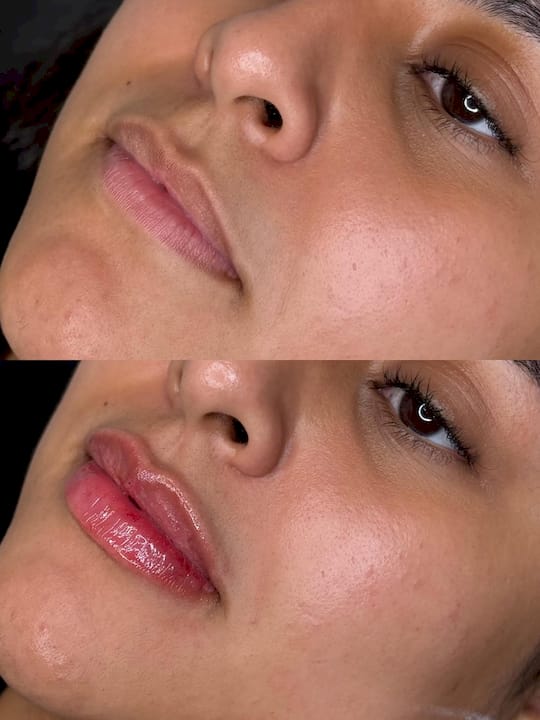
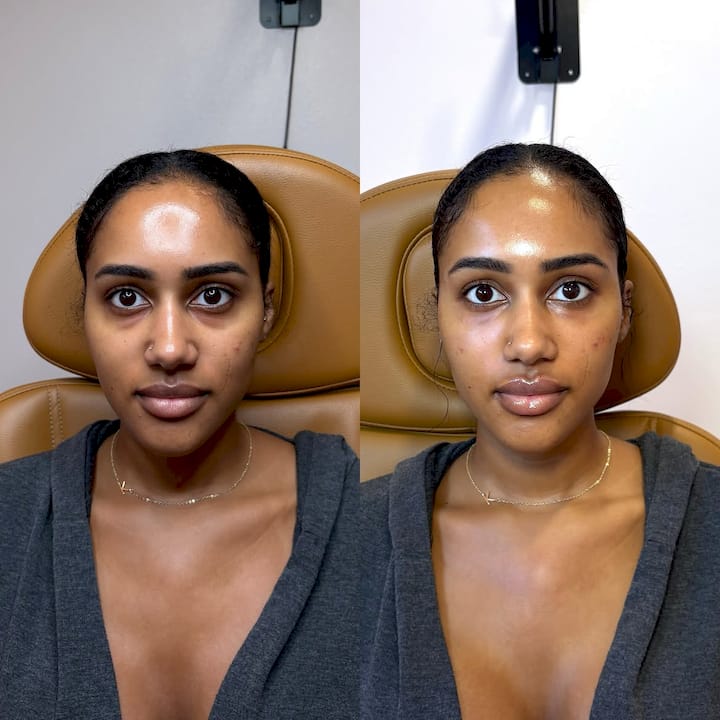
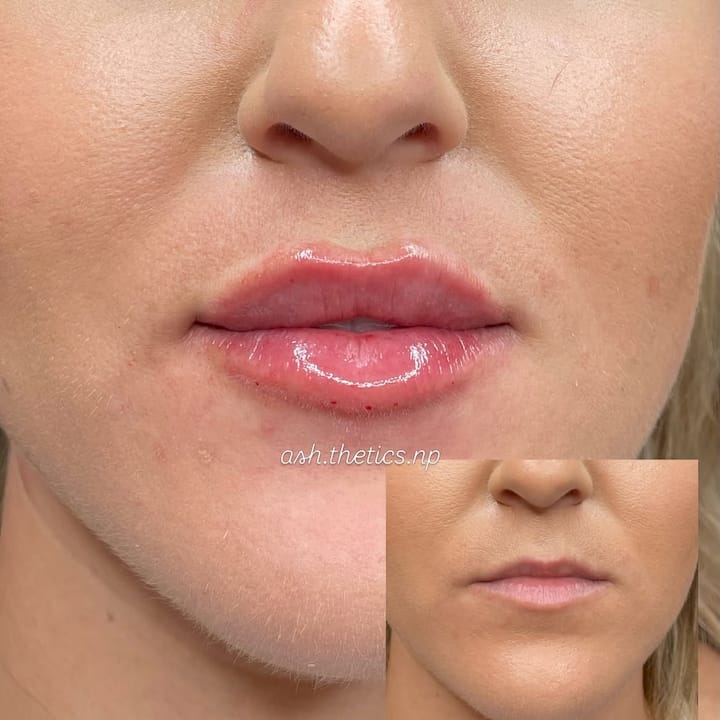
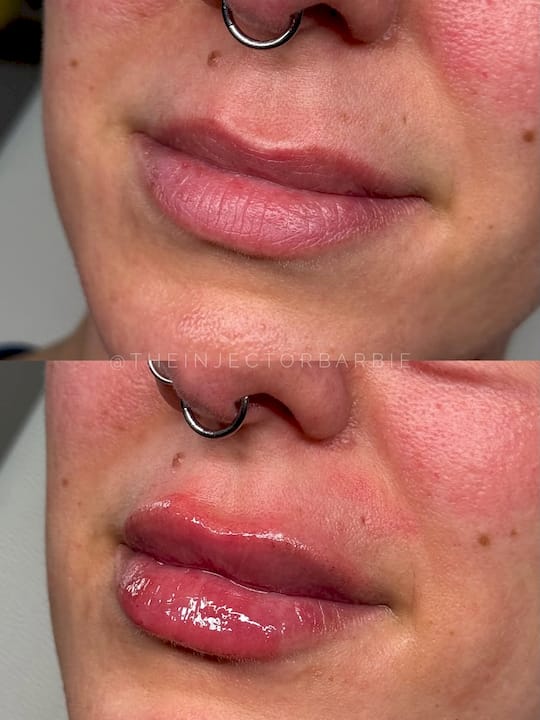
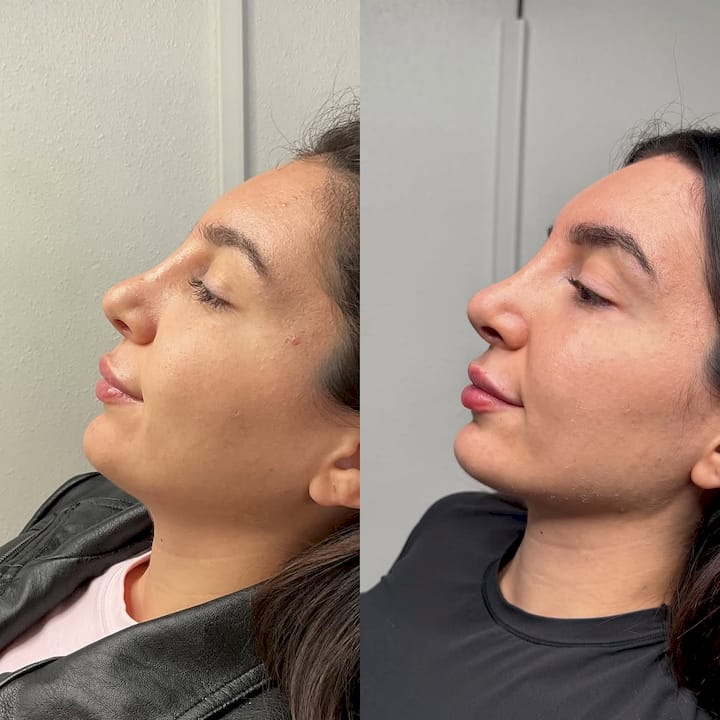
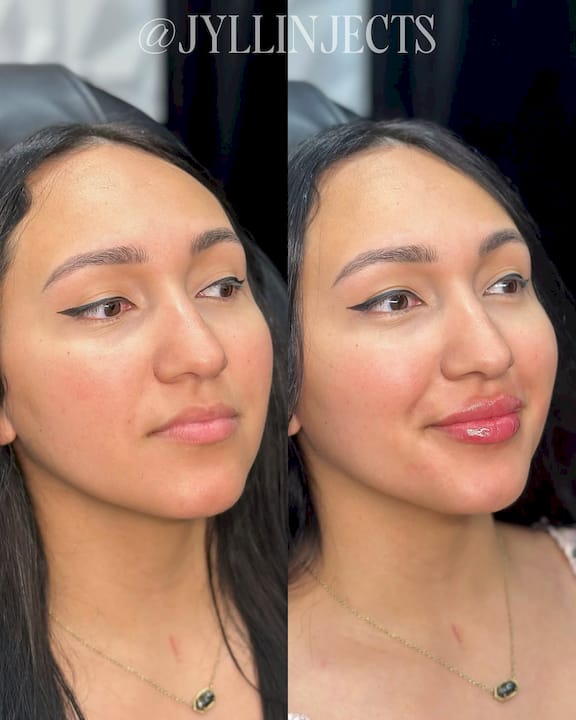
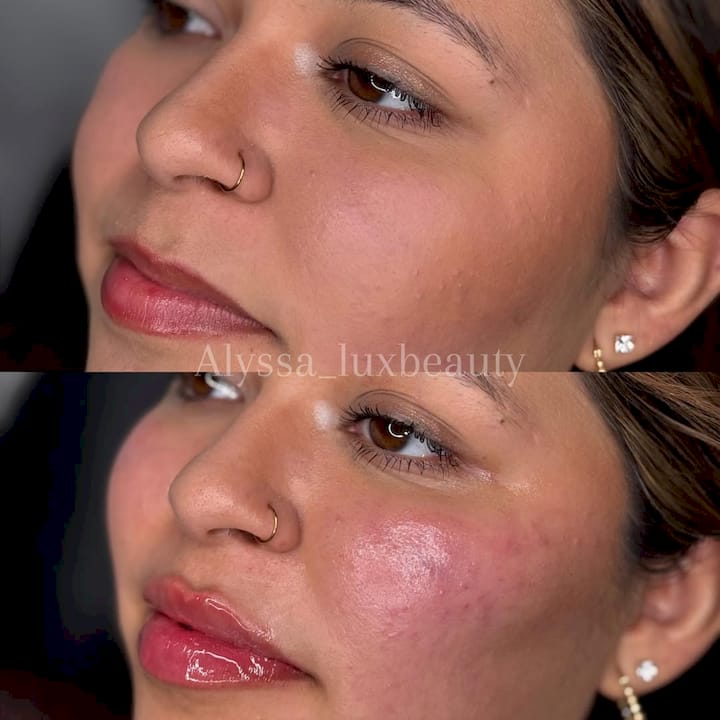
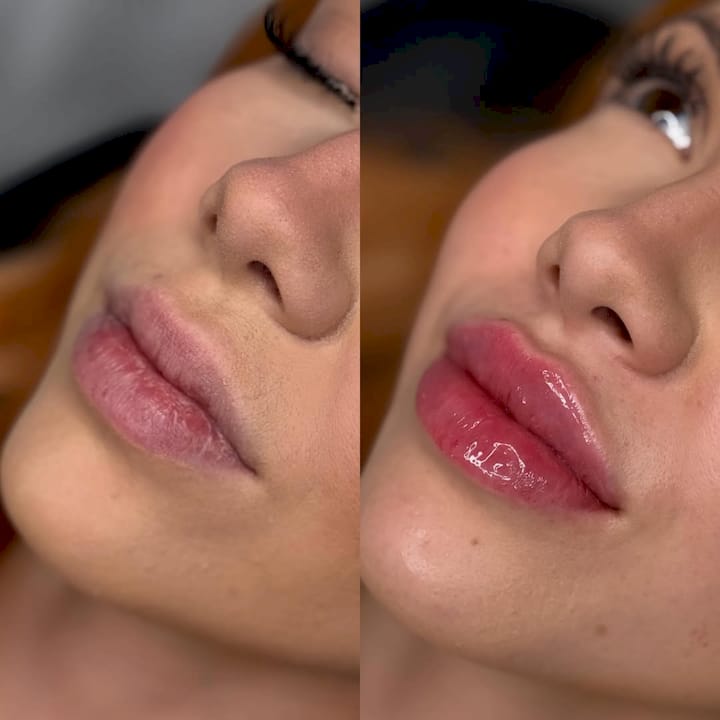
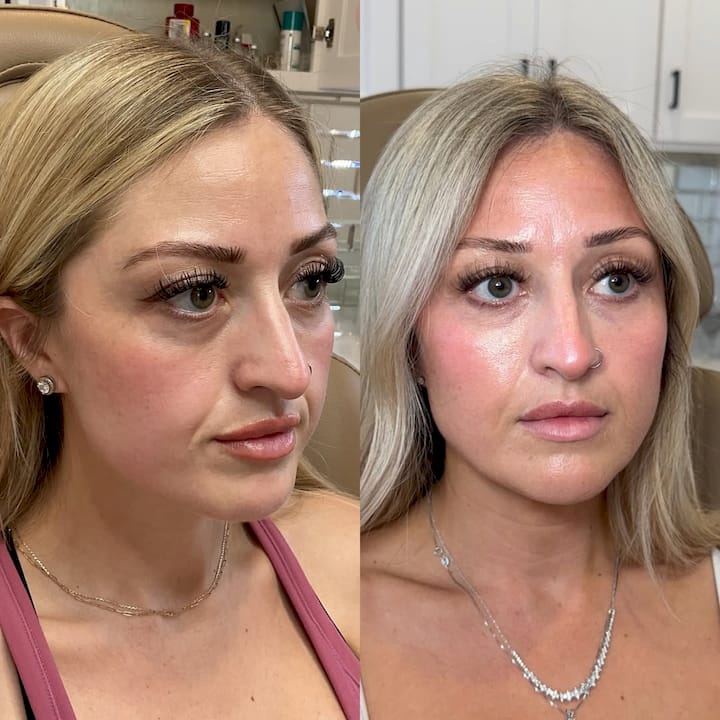
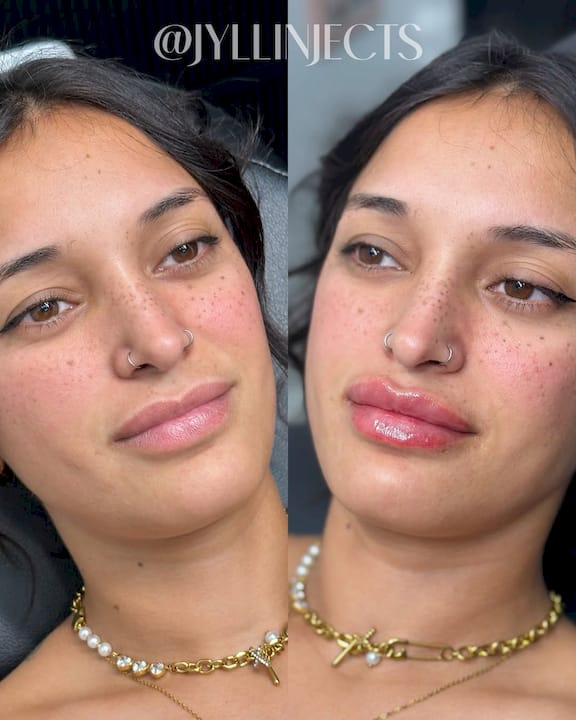
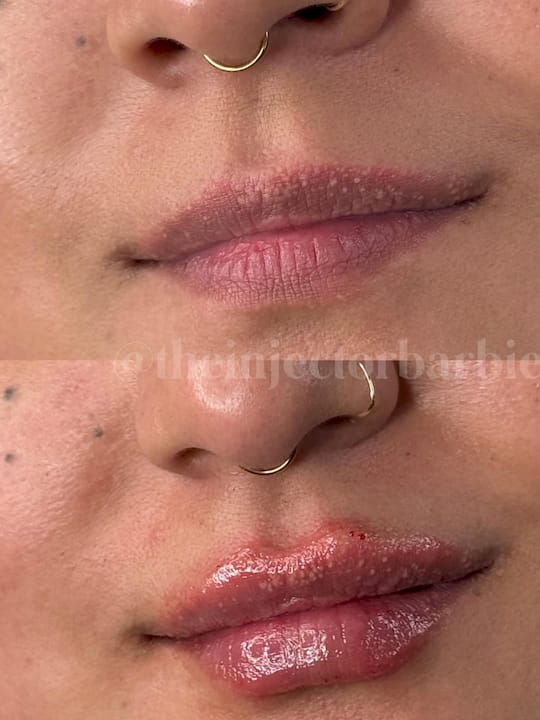
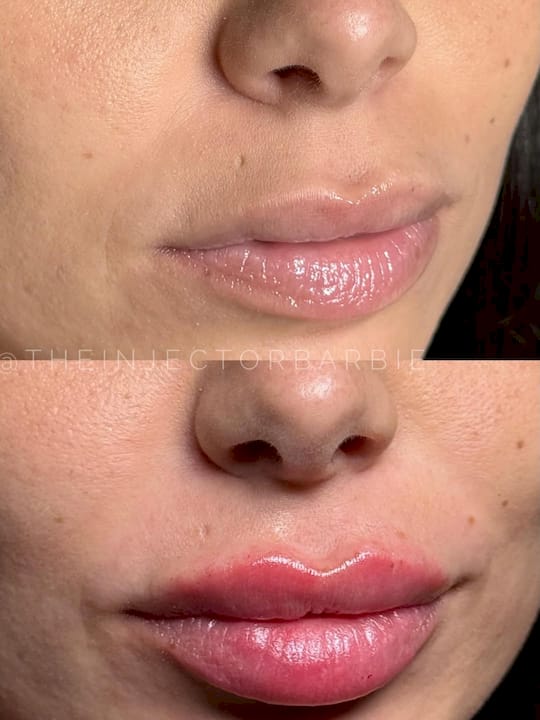
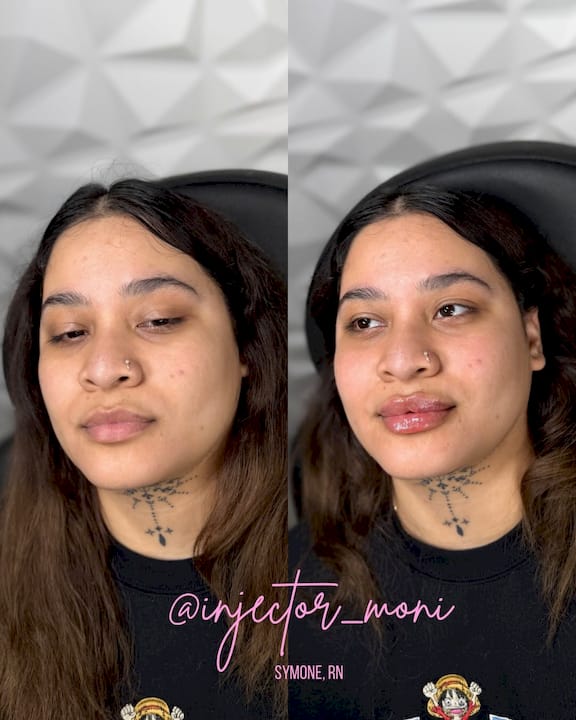
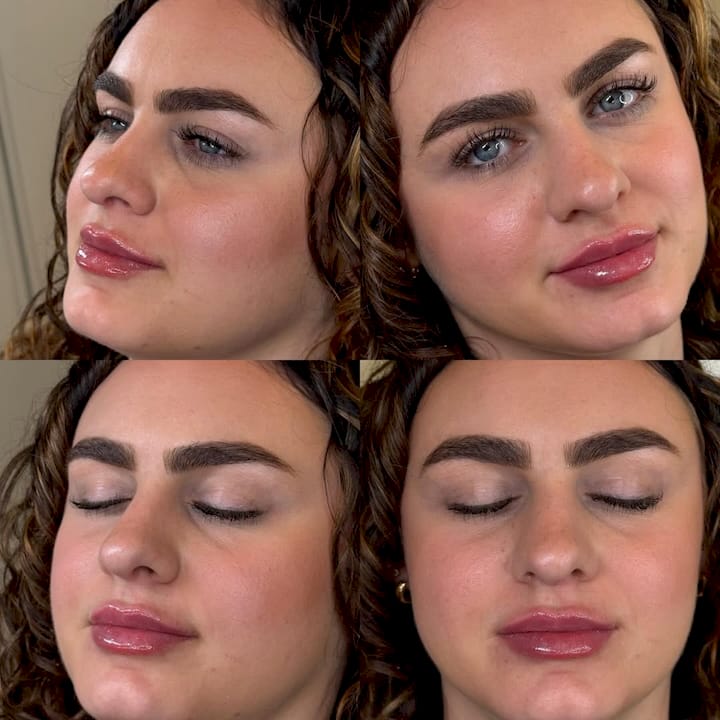
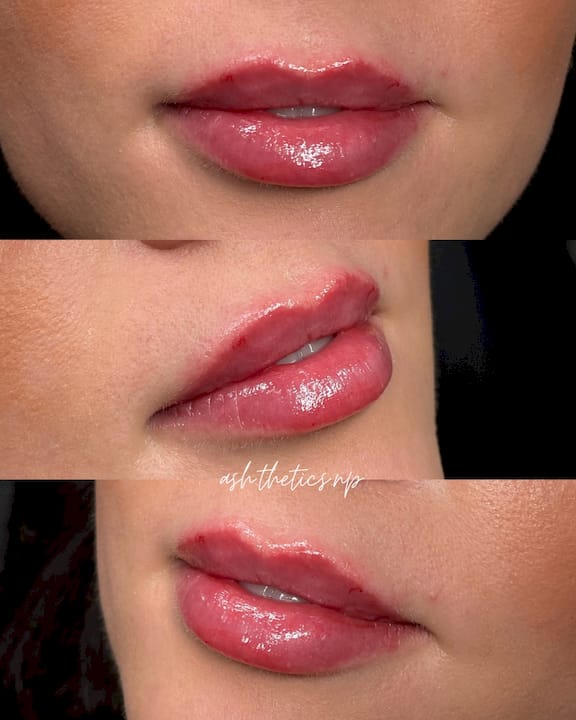
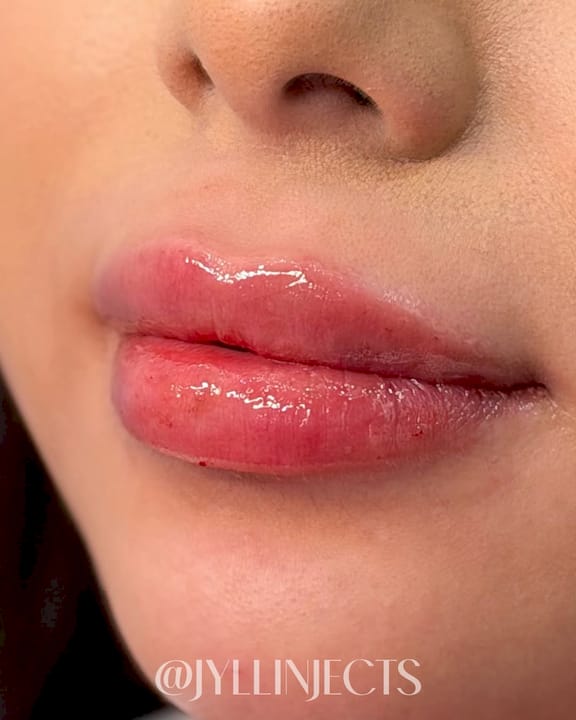
According to lip flip before and after results data, clients typically see a 20 to 30% enhancement in smile appearance, measured by increased dental show when smiling. That’s a meaningful change that reads as natural, not overdone.
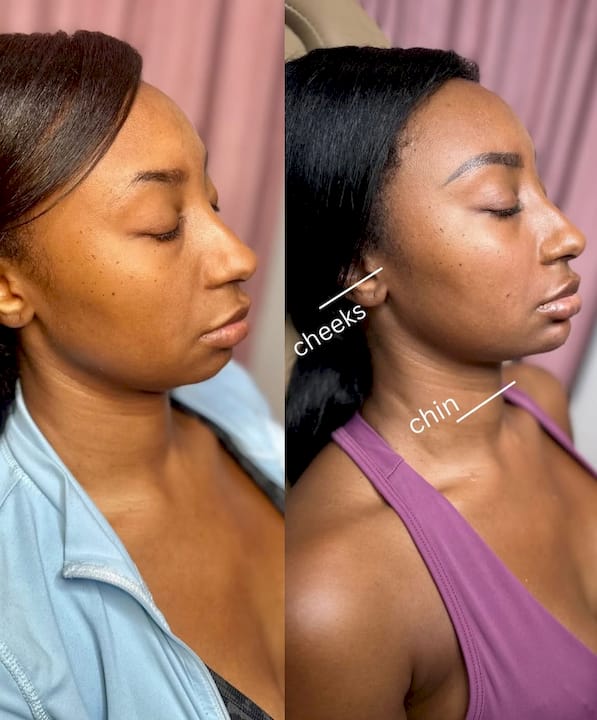
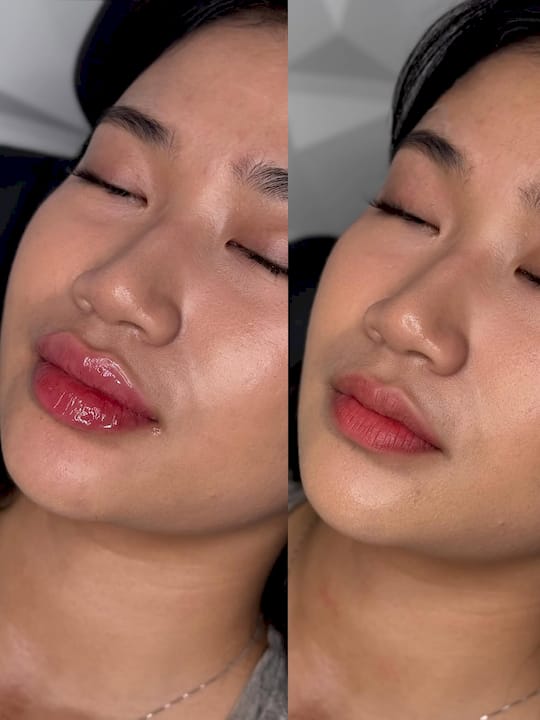
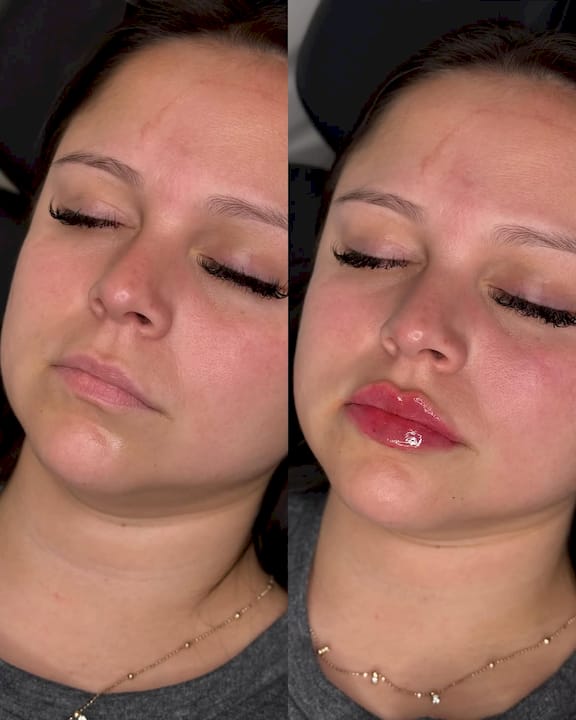
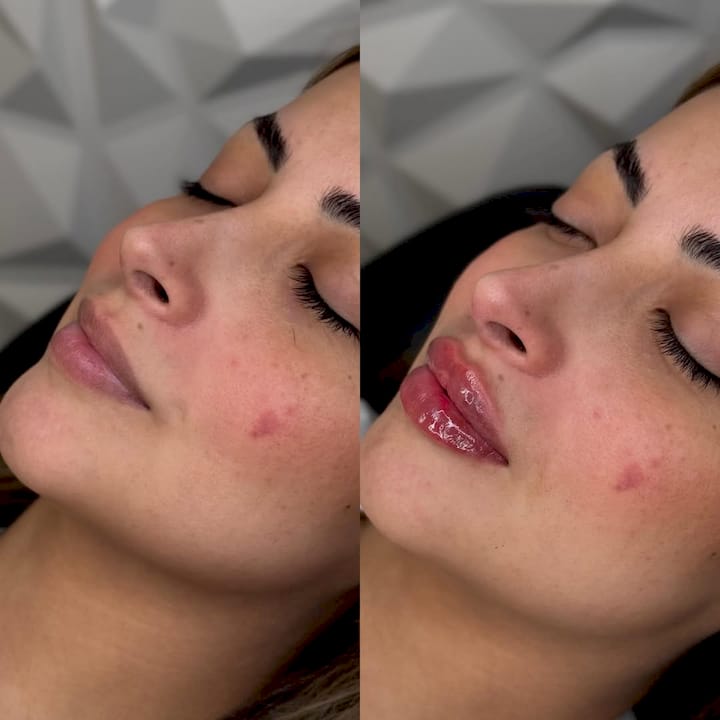
When reviewing before and after photos, look for:
-
A more visible upper lip when the face is relaxed
-
A softer, less “thin” appearance at the lip line
-
A more open, confident smile without the gum line dominating
-
Consistent lighting and angles in both photos (a sign of honest documentation)
Now for the troubleshooting side. Most concerns resolve on their own, but here’s how to think through them:
| Concern | What it usually means | What to do |
|---|---|---|
| No visible change at day 5 | Botox still activating | Wait until day 10 before worrying |
| Mild asymmetry | Normal in early stages | Give it 2 weeks; contact provider if it persists |
| Difficulty with straws | Muscle relaxation affecting lip seal | Temporary, resolves in 1 to 2 weeks |
| Speech feels slightly different | Same cause as above | Short-lived; most clients adjust quickly |
Important: As noted in lip flip complication research, over-injection can cause temporary drooping, asymmetry, or difficulty with straws and speech. These are transient but worth knowing about. Choosing a skilled, experienced injector is the single biggest factor in avoiding them. Also, the lip flip does not work on the lower lip and is not the right choice for anyone wanting significant volume. For long-term maintenance questions, it helps to understand how neurotoxin results differ from filler longevity.
A candid take: Why subtlety wins and what most guides miss
Most lip flip guides focus on the procedure itself and leave out the part that actually matters most: whether it’s the right fit for you. At The Injection Room, we see a lot of clients who come in expecting one thing and leave with a better understanding of what their lips actually need.
Here’s what we’ve learned. The lip flip is genuinely excellent for first-timers and for anyone whose concern is a gummy smile or a thin upper lip at rest. But it’s not a one-size-fits-all solution, and a systematic review on lip flip outcomes confirms what experienced injectors already know: customization is limited compared to fillers, and functional side effects like straw difficulty are real, even if temporary.
What most guides also miss is the importance of understanding the lip flip trend before chasing it. Before and after photos online are often shot in flattering lighting with strategic angles. A realistic result is beautiful but subtle. If you go in expecting a dramatic transformation, you’ll be disappointed. If you go in expecting a refined, more confident version of your natural lips, you’ll likely love it.
Our honest advice: embrace the small change. It’s often the most powerful one.
Your next step: Where to try a lip flip in San Antonio or Austin
If you’re ready to see what a lip flip can do for your smile, the most important decision you’ll make is choosing the right provider. At The Injection Room, our injectors in both San Antonio and Austin specialize in neurotoxin treatments, including the lip flip, with a focus on natural, personalized results. You can explore San Antonio Botox options or browse Austin lip flip providers to find the location nearest you. When you’re ready, book a consultation and come in with your questions. We’ll walk you through exactly what’s possible for your specific lip shape and smile goals.
Frequently asked questions
How long does a lip flip last?
Lip flip results typically last 2 to 3 months before a touch-up may be needed, making it one of the shorter-duration neurotoxin treatments.
Is a lip flip safe?
Yes, it is generally safe when performed by a trained provider. Mild side effects like bruising or swelling are temporary and resolve on their own.
How soon will I see lip flip results?
Most people notice changes within 3 to 7 days, with the best results appearing between weeks 2 and 8.
What are the side effects of a lip flip?
Temporary bruising, swelling, minor speech changes, or straw-drinking difficulty can occur but typically resolve within one to two weeks.
Who should avoid getting a lip flip?
Anyone wanting major volume or longer-lasting results should consider lip fillers instead, as the lip flip is designed for subtle, temporary enhancement only.


%20Pictures%20are%204%20weeks%20apart..jpg)