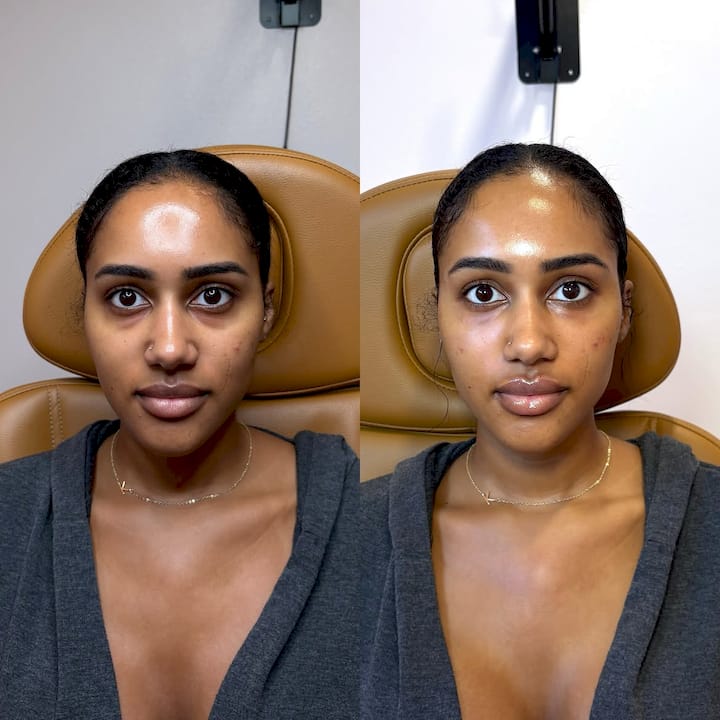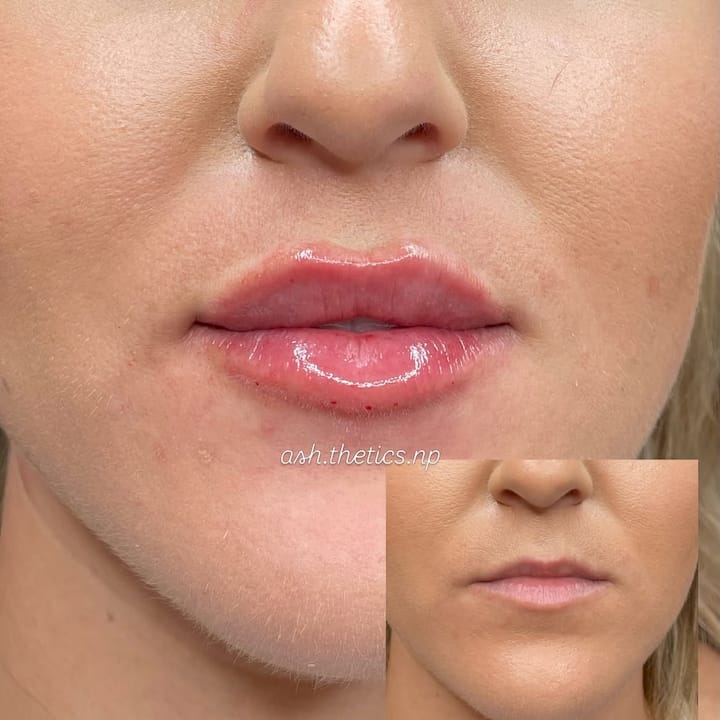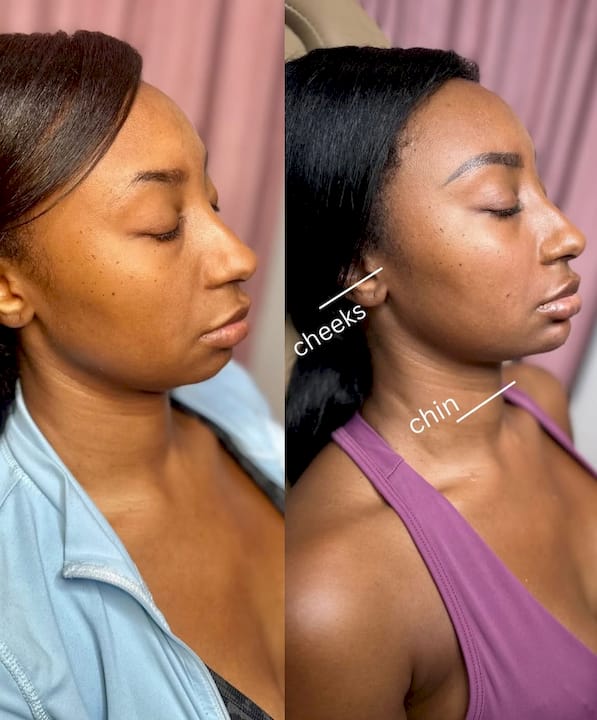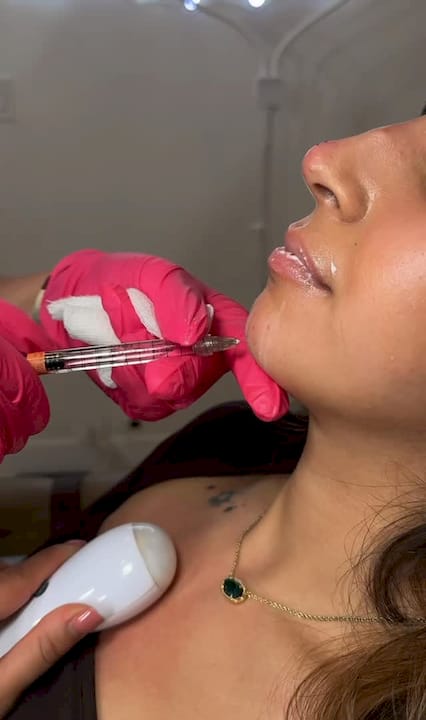
The same substance that causes life-threatening botulism can, in precisely controlled doses, smooth forehead lines and lift a brow. That paradox sits at the heart of every neurotoxin treatment, and it explains why the difference between a skilled injector and a risky shortcut is not just a matter of preference but a matter of health. Whether you are exploring Botox for the first time or simply want to understand what is actually happening beneath the skin, getting clear on how neurotoxins work will help you choose smarter, ask better questions, and walk away from every appointment with confidence rather than anxiety.
Table of Contents
-
How neurotoxins work in the body (and why this matters for aesthetics)
-
Beyond beauty: Research, regulation, and the future of neurotoxins
Key Takeaways
| Point | Details |
|---|---|
| Neurotoxins disrupt nerves | Neurotoxins act by blocking or altering nerve signals, with the same mechanisms used for both treatment and toxicity. |
| Expertise ensures safety | Credentialed, medical providers are critical for safe neurotoxin use and maximum anti-aging benefit. |
| Effects are temporary | Results from cosmetic neurotoxins usually last several months, requiring periodic touch-ups. |
| Improper use is dangerous | Unregulated products or self-injection dramatically increase the risk for serious side effects or hospitalization. |
Understanding neurotoxins: From toxins to treatments
Neurotoxins are substances that interfere with the normal function of the nervous system. That definition is broad on purpose, because the category spans everything from industrial chemicals and environmental pollutants to clinically refined biologics used in hospitals and medical spas every single day. What they all share is an ability to disrupt the way nerve cells communicate, either by blocking signals, destroying cellular structures, or doing both depending on the level of exposure.
The key insight for anyone interested in aesthetics is that neurotoxicity can manifest as functional disruption without obvious structural changes, or as structural damage such as axon or neuron degeneration, depending on the toxicant and exposure pattern. In cosmetic medicine, practitioners aim squarely for that first category: a controlled, temporary, and reversible disruption of nerve signaling in specific muscles.
“Function is disrupted long before structural damage appears, and that window is precisely what makes therapeutic neurotoxin use possible. The art and science of aesthetic medicine is keeping every patient firmly on the right side of that line.”
Understanding the neurotoxin basics helps set realistic expectations and gives you the vocabulary to have a real conversation with your provider.
Common neurotoxins used in medical and cosmetic settings:
-
Botulinum toxin type A (Botox, Dysport, Xeomin, Daxxify): the most widely used cosmetic neurotoxin worldwide
-
Botulinum toxin type B (Myobloc): primarily used for cervical dystonia and certain neurological conditions
-
Synthetic peptide neurotoxins: emerging research compounds that mimic certain blocking effects with potentially shorter recovery profiles
-
Plant-derived neuroactive compounds: studied for their role in natural cosmeceuticals, though far less potent and standardized than medical-grade products
| Neurotoxin | Primary mechanism | Common cosmetic use | Duration of effect |
|---|---|---|---|
| Botulinum toxin A (Botox) | Blocks acetylcholine release | Forehead, glabellar, crow’s feet | 3 to 6 months |
| Botulinum toxin A (Dysport) | Same mechanism, slightly faster onset | Crow’s feet, brow lifting | 3 to 4 months |
| Botulinum toxin A (Xeomin) | “Naked” protein, no complexing proteins | Forehead, dynamic wrinkles | 3 to 4 months |
| Botulinum toxin A (Daxxify) | Peptide-assisted binding | Glabellar lines | Up to 6 months |
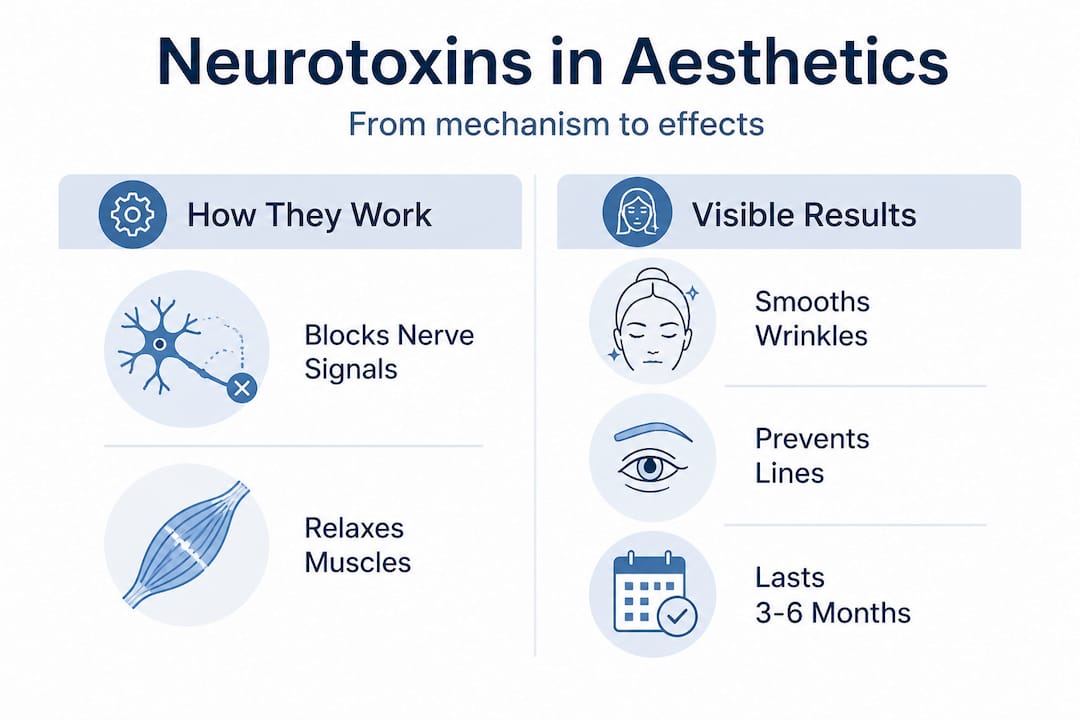
Understanding the neurotoxin action for anti-aging at a biochemical level also gives you insight into why one product might suit your lifestyle better than another.
How neurotoxins work in the body (and why this matters for aesthetics)
Neurons communicate by releasing chemical messengers called neurotransmitters across a tiny gap between nerve and muscle called the neuromuscular junction. When your brain sends a signal telling a muscle to contract, motor neurons release acetylcholine, which docks onto muscle cell receptors and triggers movement. Botulinum toxin interrupts that handoff at a molecular level.
Botulinum neurotoxin acts at nerve terminals by blocking acetylcholine release, which leads to the temporary muscle relaxation that makes it so effective in cosmetic injections. The muscle does not die and the nerve is not permanently harmed. The nerve simply stops receiving the signal it needs to contract, and the overlying skin softens as a result.
Here is the full sequence from injection to visible result:
-
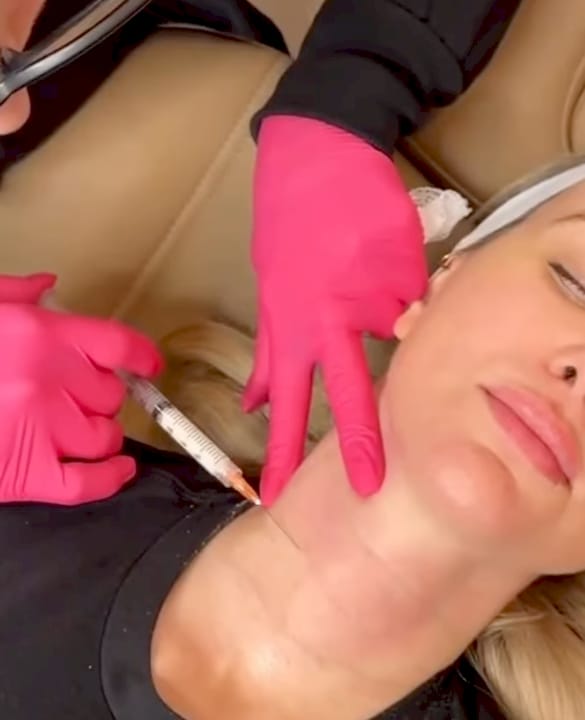
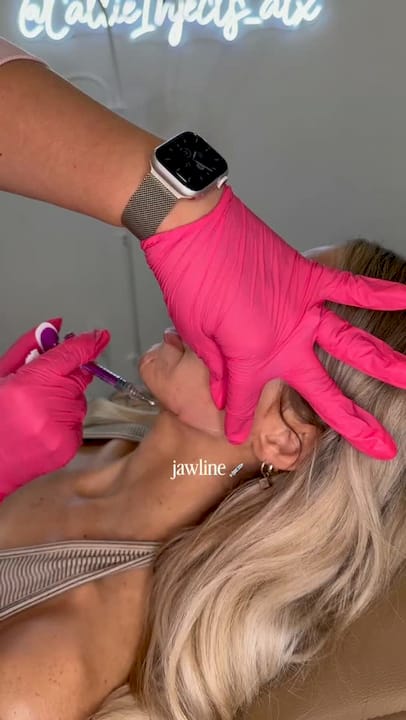
Injection: A precisely measured dose of botulinum toxin is introduced into or near a targeted muscle.
-
Binding: The toxin binds to the surface of the motor nerve terminal, a process that typically takes a few hours.
-
Internalization: The toxin is absorbed into the nerve ending.
-
Cleavage: The toxin cleaves a specific protein called SNARE, which is essential for releasing acetylcholine into the gap.
-
Signal blockade: Without functioning SNARE proteins, acetylcholine cannot be released and the signal to contract is interrupted.
-
Muscle relaxation: The targeted muscle relaxes, softening the skin above it and reducing or eliminating the wrinkle.
-
Recovery: Over weeks and months, the nerve terminal sprouts new endings and re-establishes communication. Eventually, function returns and a follow-up session becomes relevant.
Exploring the range of neurotoxin examples in clinical use helps clarify that this mechanism is shared across products even when the brand name, price point, or formulation differs.
Pro Tip: The effects of botulinum toxin wear off because your body is constantly repairing and regenerating nerve terminals, not because the toxin degrades quickly. That is why consistent scheduling, rather than waiting until lines fully return, tends to produce smoother long-term outcomes with smaller doses over time.
| Therapeutic use | Signs of toxicity or misuse |
|---|---|
| Softening forehead lines | Drooping eyelids (ptosis) from migration |
| Lifting the brow | Difficulty swallowing or breathing |
| Smoothing neck bands (tech neck) | Generalized muscle weakness |
| Reducing excessive sweating | Blurred or double vision |
| Relaxing jaw muscles (masseter) | Slurred speech |
Reviewing a solid guide to injectable treatments before your first appointment will help you recognize what results should realistically look like, and what should prompt a call to your provider.
Risks, safety protocols, and choosing the right provider
No conversation about neurotoxins is complete without an honest look at what can go wrong. The risks are not theoretical. In 2025, the CDC reported cases of severe illness in New York, Texas, and Wisconsin linked to cosmetic botulinum toxin that was self-injected or purchased online. These were not allergic reactions to a standard treatment. They were cases of botulism, a potentially life-threatening illness, that resulted from unregulated products and untrained application.
This is not a scare tactic. It is context. Those cases underscore why dose precision, sterile technique, product sourcing, and injector knowledge are not optional upgrades. They are the entire foundation of a safe outcome. When someone offers you a dramatically discounted Botox session, it is worth asking what corners are being cut to make that price possible.
Signs of a genuinely safe medical aesthetic clinic:
-
Licensed medical director on-site or directly overseeing all treatments
-
FDA-approved products sourced from verified pharmaceutical distributors
-
Clean, clinical environment with proper disposal protocols for sharps and biologics
-
Written informed consent that explains realistic outcomes and potential complications
-
A thorough intake process that screens for contraindications including pregnancy, neuromuscular disorders, and certain medications
-
Clear protocols for managing adverse events and direct provider access after your appointment
-
Transparent pricing with no pressure to purchase bundles or packages on the spot
Reviewing clinician safety tips and understanding what questions to ask can help you evaluate any clinic before you commit. The regulatory benchmarks for neurotoxins also provide useful context on how dose and administration standards are established at an institutional level.
Pro Tip: Ask your provider directly which brand of botulinum toxin they use, where it is sourced, and how they determine your dose. Any confident, qualified injector will answer these questions without hesitation. Vague answers or defensiveness about product sourcing are red flags worth taking seriously.
A note on dosing: The difference between a therapeutic dose and a toxic one is a matter of units, placement, and the provider’s ability to read your anatomy. Someone who injects based on a one-size-fits-all protocol rather than your specific muscle strength, facial structure, and treatment history is not giving you personalized care. They are guessing.
Beyond beauty: Research, regulation, and the future of neurotoxins
Medical and cosmetic neurotoxins do not exist in a regulatory vacuum. Both government health agencies and independent research bodies maintain ongoing oversight programs to evaluate safety, track adverse events, and set thresholds for acceptable risk. Understanding how that oversight works gives you a more complete picture of what you are actually choosing when you sit down in a treatment chair.
Neurotoxins can be screened and prioritized for risk using combinations of in vitro models and alternative animal models, with a strong emphasis on neurodevelopmental and neurodegenerative endpoints. That kind of research is what makes it possible to say with confidence that botulinum toxin type A, at approved cosmetic doses, does not accumulate systemically or cause long-term nerve damage in healthy adults.
Current best practices for neurotoxin approval and monitoring:
-
Preclinical safety studies using cell-based and animal models before human trials
-
Phase I, II, and III clinical trials assessing dose safety, efficacy, and adverse events
-
Post-market surveillance requiring manufacturers to report serious adverse events to the FDA
-
Periodic safety reviews that update prescribing guidelines as real-world data accumulates
-
International harmonization with bodies like the European Medicines Agency for global consistency
“Regulatory oversight of neurotoxins is not a static checklist. It is an evolving scientific conversation that responds to new data, emerging products, and the cumulative experience of millions of treatments worldwide. Consumers benefit directly from that process every time they choose an FDA-cleared product administered by a trained provider.”
| Screening strategy | What it evaluates | Application in cosmetic safety |
|---|---|---|
| In vitro cell assays | Direct neurotoxic effects on cultured neurons | Early-stage toxicity flagging |
| Zebrafish models | Neurodevelopmental disruption | Developmental safety screening |
| Rodent studies | Systemic distribution, dose thresholds | LD50 and therapeutic index data |
| Post-market reporting | Real-world adverse events | Ongoing safety surveillance |
| Clinical trial data | Human dose-response relationships | Approved dosing ranges and indications |
Comparing neurotoxin types across regulatory profiles can help you understand why some products have longer track records or broader approved indications than others. The neurotoxins in the beauty industry regulatory landscape is also evolving rapidly, with new entrants and formulations being assessed continuously.
Why understanding neurotoxins is more essential than ever
Here is something the aesthetics industry does not always say out loud: a well-informed client consistently gets better outcomes than an uninformed one, and that advantage has nothing to do with luck.
When you understand the mechanism behind your treatment, you know why timing matters, why placement is not one-size-fits-all, and why the cheapest option on a deals website is not a bargain. You also know what questions to ask and what answers should give you pause. That knowledge is genuinely protective.
The uncomfortable truth is that expertise in aesthetic medicine is not just a matter of credentials on a wall. It is deep familiarity with facial anatomy, product behavior, dosing precision, and the ability to adapt in real time based on what a patient’s muscles and skin are actually doing. Credentials matter, but they are the beginning of that conversation, not the end.
We have seen clients come to us after treatments elsewhere that left them with results they did not want: frozen expressions, asymmetry, drooping brows. In most of those cases, the provider was licensed. The problem was not the paperwork. It was the absence of individualized assessment and the kind of hands-on experience that only comes from volume, mentorship, and genuine curiosity about the science.
Exploring the lasting results with neurotoxins that are actually possible when care is delivered this way is illuminating. It moves the conversation from “how do I look younger” to “how do I make decisions that serve my face and my health over the long term.”
Pro Tip: Before any neurotoxin appointment, ask your provider how they assess your specific muscle activity and how they adjust dosing based on your history. If they describe a personalized evaluation process, that is a very good sign. If they give you a menu price and a standard unit count without looking closely at your face, you deserve a second opinion.
Explore safe, expert neurotoxin options in Texas
If this guide has clarified what neurotoxins actually are and what good care looks like, the next step is finding a team that delivers it. At The Injection Room, our providers in Austin and San Antonio combine clinical training with a genuine commitment to individualized treatment. We use only FDA-approved products, and every appointment includes a real assessment of your anatomy, goals, and history before a single unit is placed. Whether you are new to neurotoxins or looking for a provider who will take the time to get it right, you can explore trusted Botox providers in San Antonio or review all of our neurotoxin options in Texas to find the service and location that fits your needs. Good results start with a good conversation, and we are here for it.
Frequently asked questions
Are neurotoxin treatments safe if done by a licensed provider?
Yes, when performed by a trained expert in a proper clinical setting, neurotoxin treatments are considered very safe and effective for most healthy adults seeking cosmetic improvement.
What are the side effects of neurotoxin injections?
Side effects are usually mild and short-lived, including minor swelling, redness, or bruising at the injection site. Serious complications are rare but are more likely when treatments are performed outside a clinical setting, since neurotoxicity effects vary significantly with dose and administration quality.
How long do the effects of Botox and similar neurotoxins last?
Results from most botulinum toxin treatments last between 3 and 6 months, after which nerve terminals regenerate and muscle activity gradually returns, making a follow-up session appropriate for maintaining results.
What happens if a neurotoxin is misused or self-injected?
Self-injection or use of unverified online products can lead to serious illness including botulism, and improperly sourced botulinum toxin has been directly linked to hospitalizations in multiple states, including Texas, according to CDC reporting from 2025.
%20Pictures%20are%204%20weeks%20apart..jpg)