Worried that lip fillers will leave you looking overdone or dealing with days of swelling? Versa lip filler uses innovative spherical hyaluronic acid particles that deliver smooth, natural volume with less puffiness than traditional fillers. If you’re seeking subtle anti-aging enhancement that respects your natural beauty, understanding what makes Versa different can help you make a confident choice. This guide walks you through its formulation, safety, results, and how it compares to other options.
Table of Contents
-
What Is Versa Lip Filler? Understanding Its Unique Formulation
-
FDA Approval, Safety Profile, And Who Is A Good Candidate For Versa
-
How Versa Lip Filler Works Biologically And What Results You Can Expect
-
Comparing Versa To Other Popular Lip Fillers: Juvederm, Restylane, And More
-
Common Misconceptions About Versa And Lip Fillers: Myths Vs. Facts
-
Enhance Your Natural Beauty With Expert Versa Lip Filler Treatments In Texas
Key takeaways
| Point | Details |
| Formulation | Versa is an FDA-approved hyaluronic acid filler with spherical particles that create smooth, natural results. |
| Duration | Results typically last 6-9 months, with some patients experiencing up to 12 months of enhancement. |
| Comfort | The injection process is quick and includes lidocaine for a more comfortable treatment experience. |
| Comparison | Versa causes less swelling and feels more natural than Juvederm and Restylane for many patients. |
| Candidacy | Realistic expectations and thorough safety screening are essential before any filler treatment. |
What is Versa lip filler? Understanding its unique formulation
Versa lip filler is built on a foundation of hyaluronic acid, a substance naturally present in your skin that attracts and holds moisture to maintain plumpness and elasticity. As we age, our bodies produce less HA, leading to thinner lips and more visible lines. Versa replenishes this volume by introducing lab-created HA directly into the lips.
What sets Versa lip filler apart is its spherical, cross-linked HA particles that provide smooth, natural results and less swelling compared to irregularly shaped particles in some other fillers. This spherical structure allows the gel to integrate seamlessly into your tissue, reducing the risk of lumpiness or stiffness. The cross-linking process bonds HA molecules together, making them more resistant to breakdown by your body’s natural enzymes.
Key components of Versa include:
-
Pure hyaluronic acid at a concentration designed for soft tissue augmentation
-
Spherical, uniform particles that distribute evenly under the skin
-
Cross-linked molecular structure for extended longevity
-
Integrated lidocaine to minimize discomfort during injection
These features work together to target subtle, consistent lip enhancement without the telltale signs of filler. The smooth consistency feels natural to the touch, and the reduced inflammatory response means you can return to daily activities faster. Understanding lip filler basics helps you appreciate why formulation matters so much for final results.
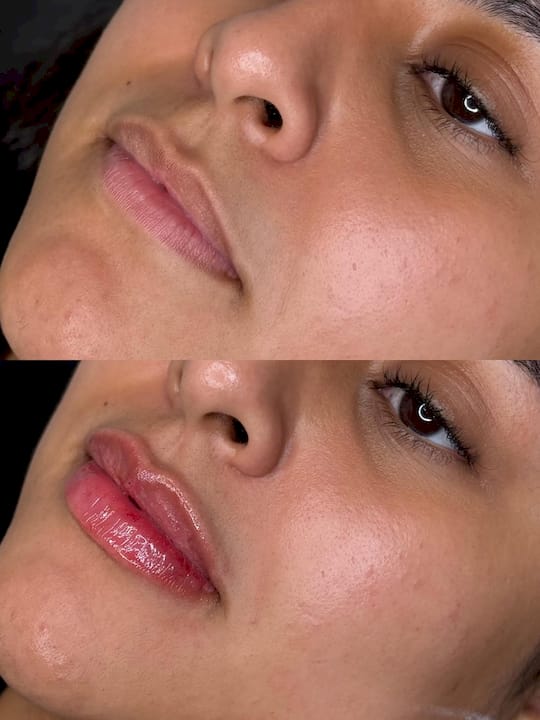
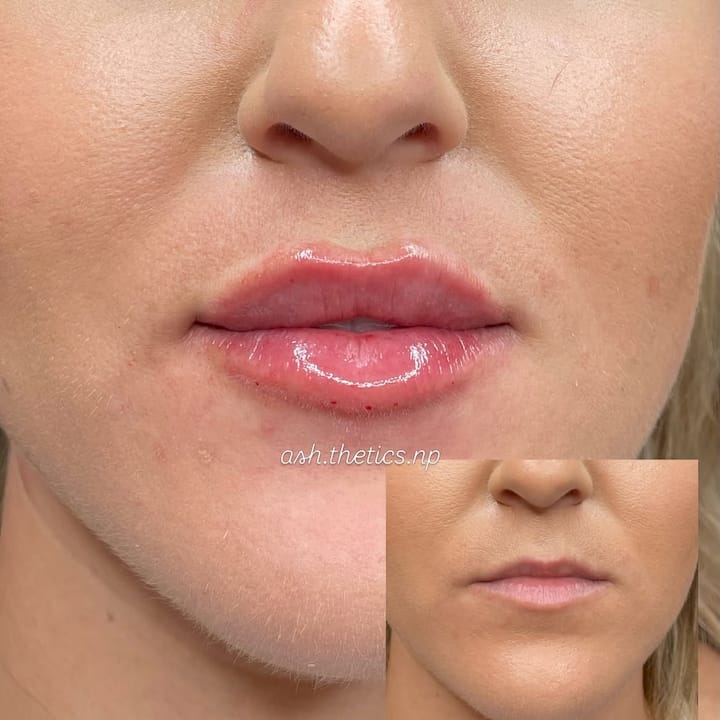
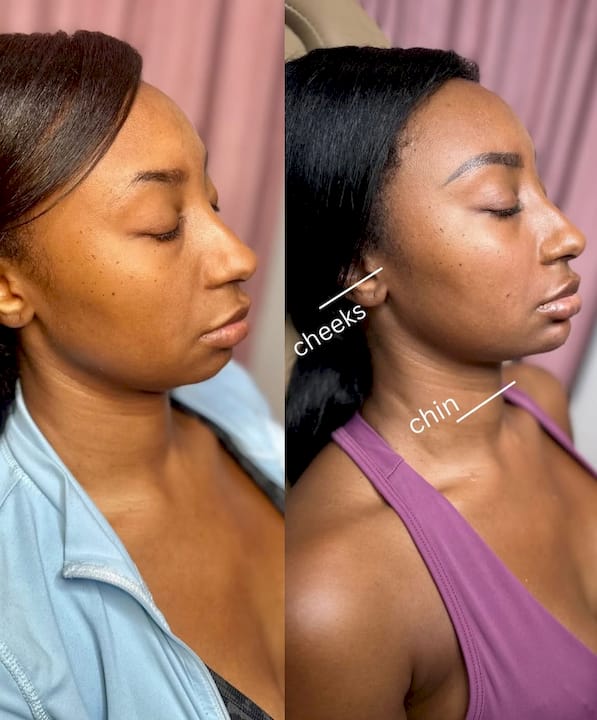
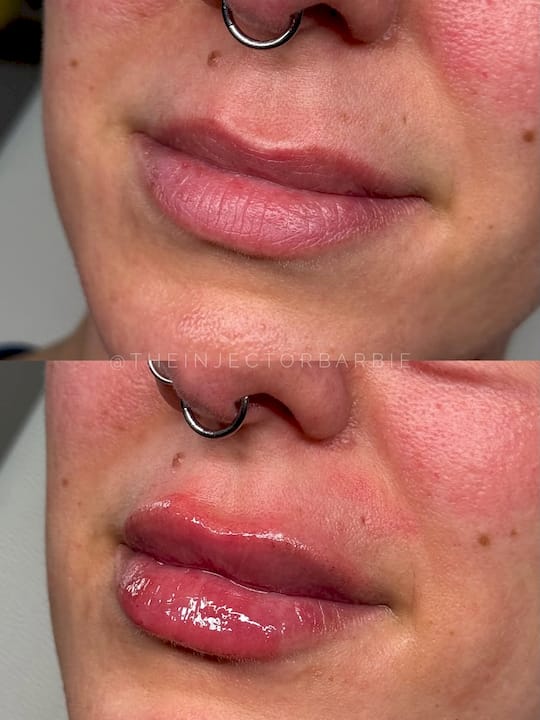
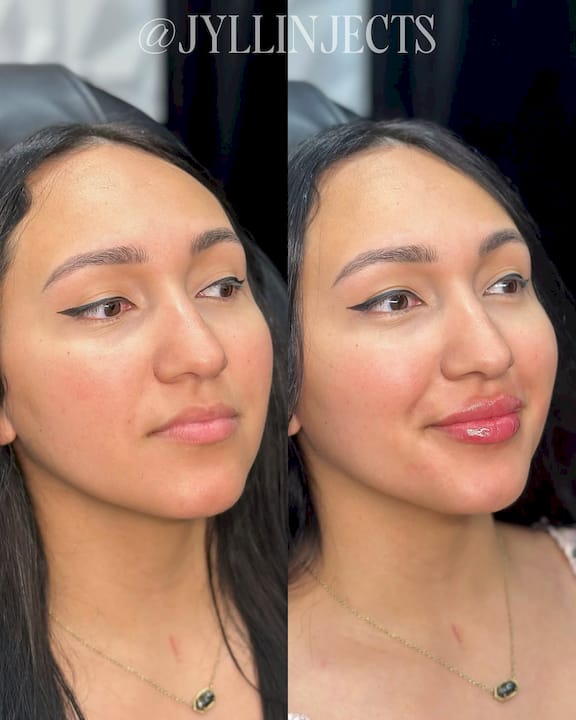
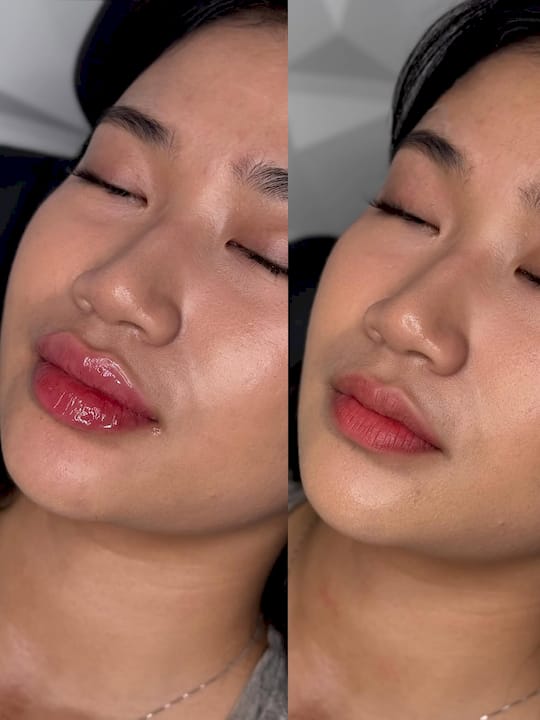
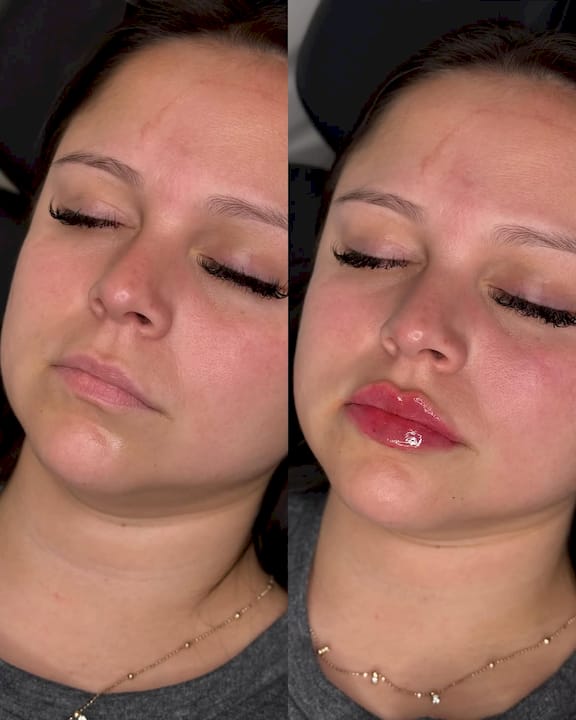
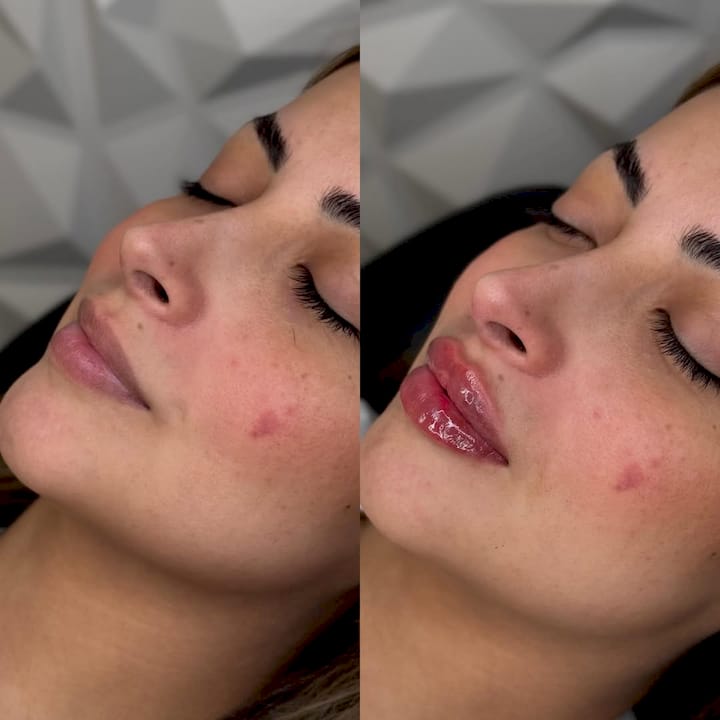
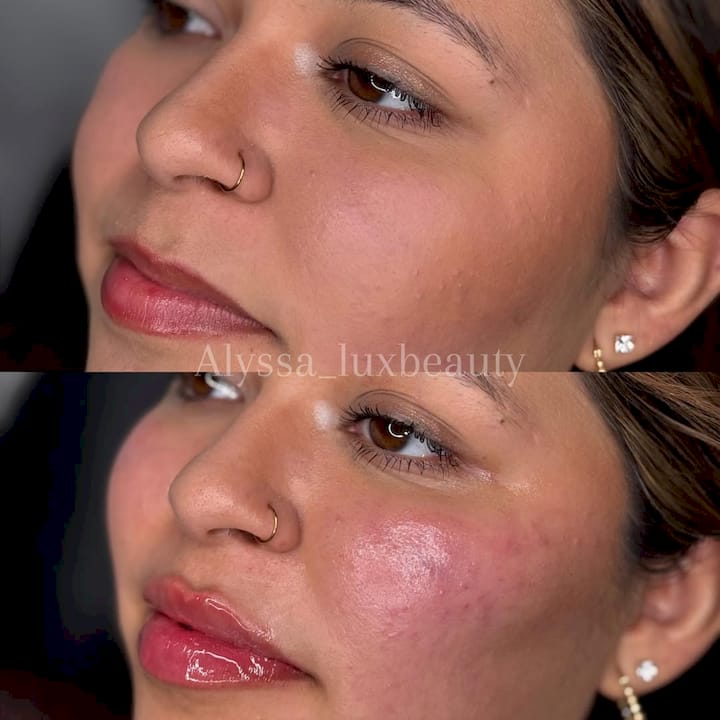
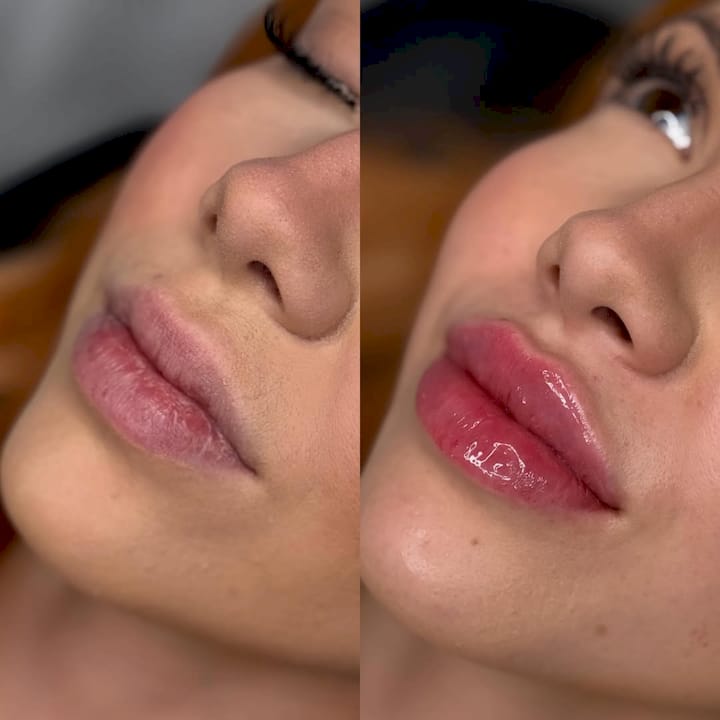
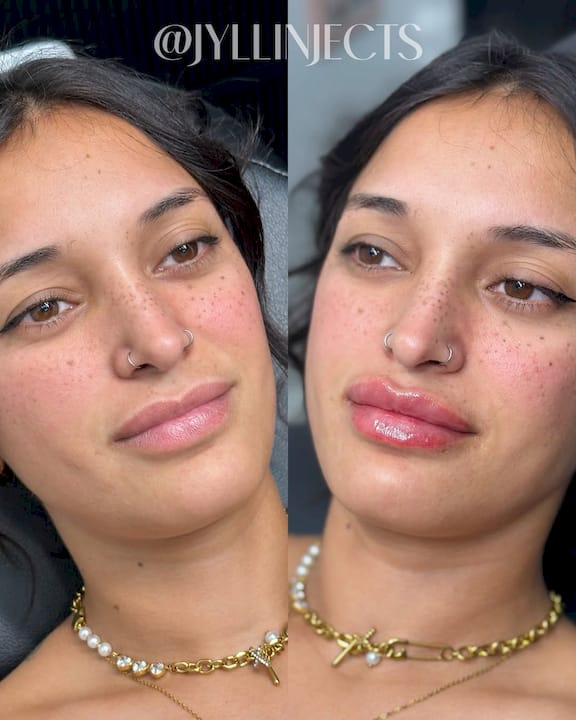
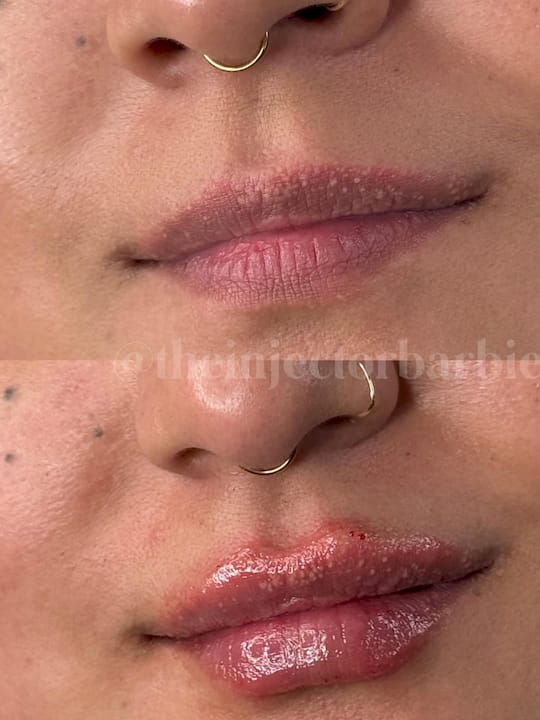
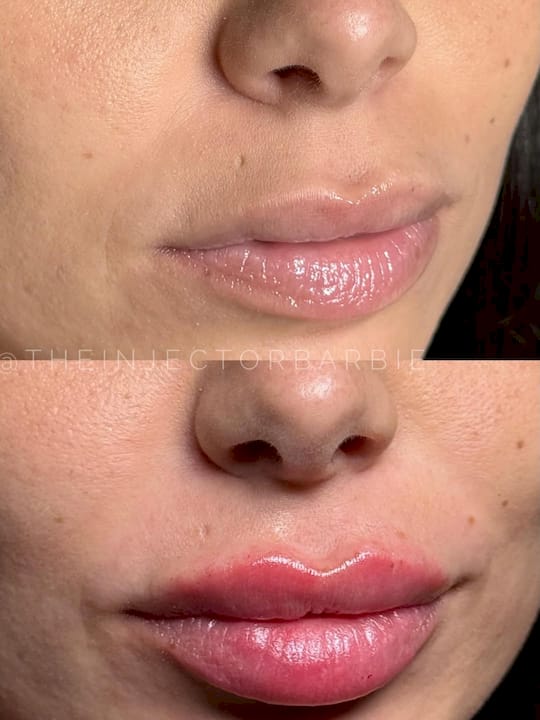
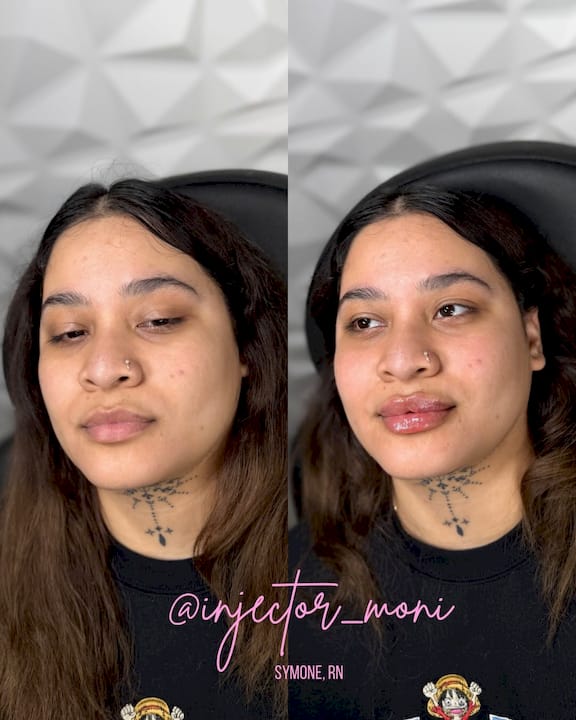
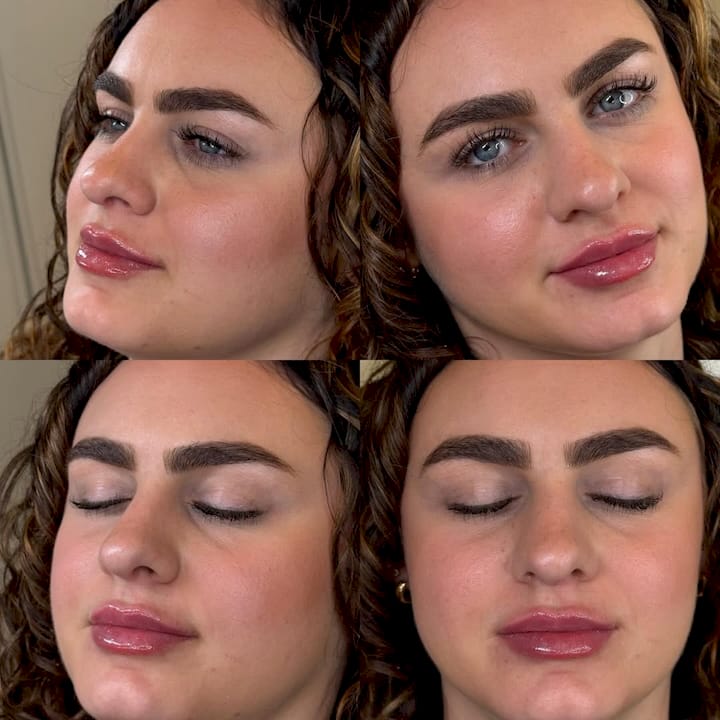
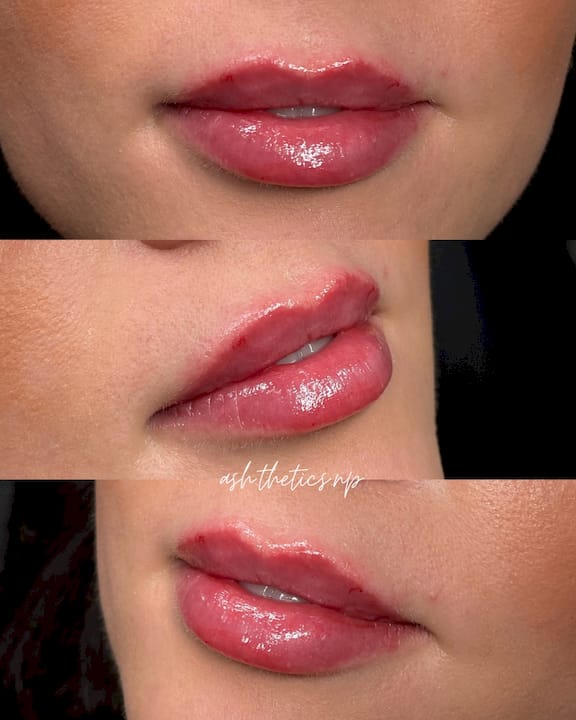
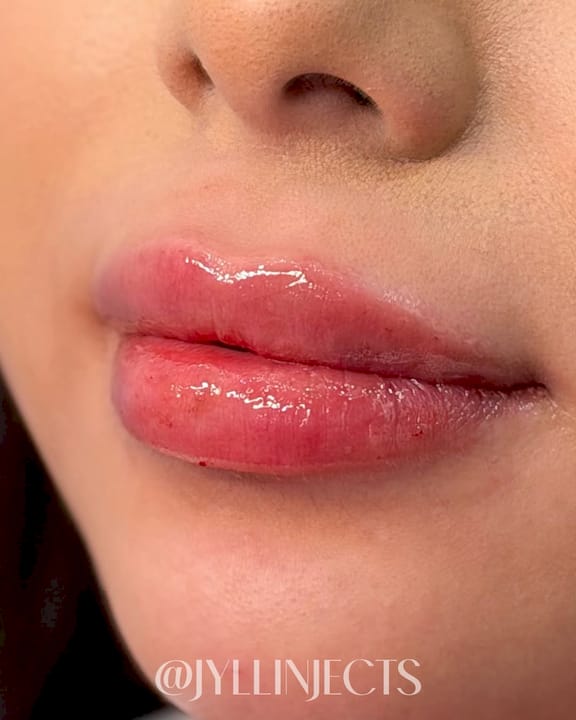
Pro Tip: Ask your provider to show you before and after photos of their Versa work to gauge whether their aesthetic matches your goals for natural enhancement.
FDA approval, safety profile, and who is a good candidate for Versa
Versa earned FDA approval for facial wrinkles in 2017 and lip augmentation in 2020, with documented contraindications for allergies and certain medical conditions. This regulatory clearance means the product underwent rigorous testing for safety and effectiveness before reaching patients. The FDA monitors adverse events and manufacturing standards to protect consumers.
Safety features include:
-
Built-in lidocaine to reduce injection pain
-
Sterile manufacturing process that minimizes contamination risk
-
Reversible effects if needed using hyaluronidase enzyme
-
Minimal systemic absorption, as HA stays localized in the injection site
However, Versa is not appropriate for everyone. Contraindications include known allergies to hyaluronic acid or lidocaine, active skin infections or inflammation at the treatment site, bleeding disorders or use of blood thinners that increase bruising risk, and patients under age 22, as facial development may still be ongoing. Pregnant or breastfeeding women should also postpone treatment due to lack of safety data in these populations.
Ideal candidates are adults seeking natural, subtle volume to counteract age-related lip thinning, individuals with realistic expectations about what fillers can achieve, those in good overall health without contraindications, and people who understand that results are temporary and require maintenance. A thorough medical consultation and history review before treatment ensures you’re a safe candidate. Your provider should discuss your goals, examine your facial anatomy, and explain what Versa can realistically deliver. Learning about lip filler candidacy and safety prepares you for an honest conversation with your injector.
Pro Tip: Bring photos of lip looks you admire to your consultation, but remember that your unique facial structure will influence final results.
How Versa lip filler works biologically and what results you can expect
Hyaluronic acid is a humectant, meaning it draws water molecules from surrounding tissue and binds them in a gel matrix. When injected into your lips, this creates immediate plumping as the HA holds up to 1,000 times its weight in water. Your body recognizes HA as a natural component, so it integrates without triggering strong immune responses.
Versa’s cross-linked spherical HA particles resist degradation, allowing results to last 6-9 months, sometimes up to 12 months. The cross-linking slows down enzymatic breakdown by hyaluronidase, your body’s natural HA-digesting enzyme. As the filler gradually breaks down, your lips return to their pre-treatment state, which is why touch-up treatments maintain results.
The treatment process unfolds in these steps:
-
Your provider cleanses the lip area and may apply topical numbing cream for extra comfort.
-
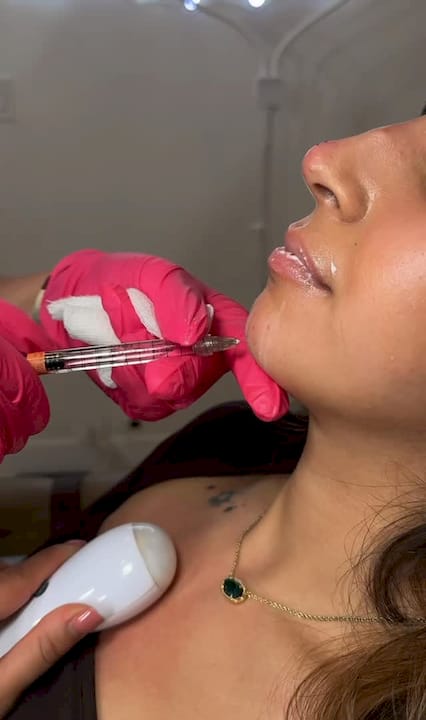
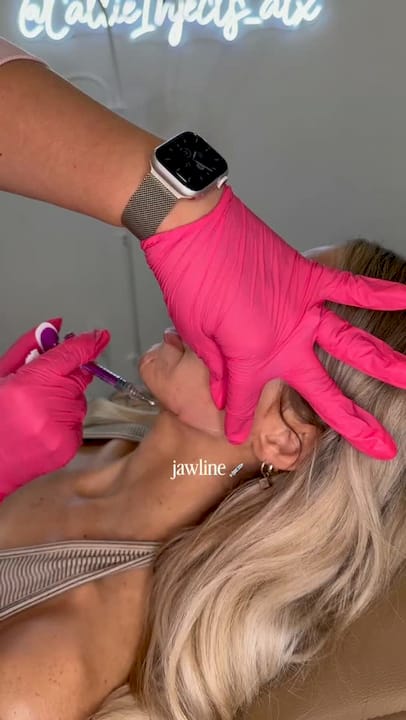
Small amounts of Versa are injected at strategic points using a fine needle or cannula.
-
The provider massages and shapes the filler to ensure even distribution.
-
The entire procedure typically takes 15 to 60 minutes depending on complexity.
-
You receive aftercare instructions and can usually leave immediately.
You’ll notice immediate volume, though your lips may appear slightly swollen. Over the next two weeks, the filler settles and integrates, revealing your final look. Typical downtime is minimal, with swelling and bruising less frequent and milder than with some other fillers. Most patients return to work the same day, though you may want to avoid important events for a few days while any puffiness resolves. Understanding Versa filler results and longevity helps you plan maintenance appointments.
Comparing Versa to other popular lip fillers: Juvederm, Restylane, and more
Choosing between filler brands can feel overwhelming when they all promise beautiful results. The key differences lie in particle structure, gel consistency, and how your body responds to each formulation. Versa offers similar 6-9 month duration but less swelling and smoother consistency than Juvederm and Restylane for many patients.
| Filler Brand | Particle Structure | Typical Swelling | Feel/Texture | FDA Approval | Longevity Range |
| Versa | Spherical, uniform | Low to moderate | Soft, natural | 2017 (face), 2020 (lips) | 6-9 months, up to 12 |
| Juvederm | Smooth gel | Moderate | Smooth, cohesive | 2000 | 6-12 months depending on formula |
| Restylane | Granular particles | Moderate to high | Firmer structure | 2003 | 6-9 months |
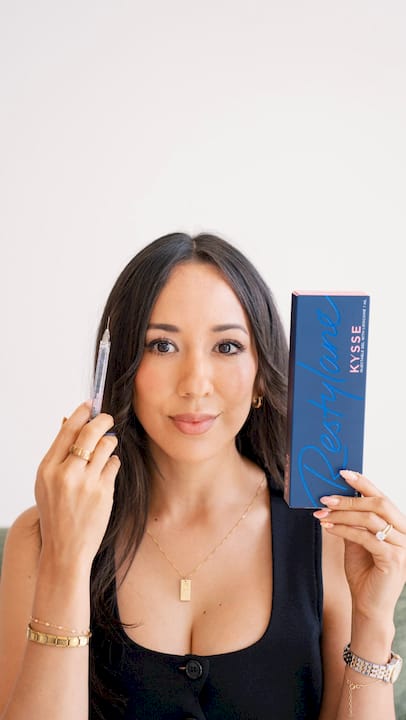
| Restylane Kysse | Smaller particles | Low to moderate | Soft, flexible | 2020 | 6-9 months |

Versa’s spherical particles create less tissue disruption during injection, which contributes to reduced inflammation and faster settling. Juvederm’s smooth gel consistency spreads easily but may cause more initial puffiness in sensitive patients. Restylane’s granular structure provides more definition but can feel slightly firmer.
All these fillers offer similar duration ranges, so longevity alone shouldn’t drive your decision. Consider these factors:
-
Your personal swelling tendency and how quickly you typically heal
-
Whether you prefer a softer or more structured lip feel
-
Your provider’s experience with specific brands
-
Your budget, as pricing may vary between products
Provider technique matters enormously regardless of filler brand. An experienced injector can achieve beautiful results with any quality HA filler, while poor technique can ruin even the best product. Exploring Juvederm expert comparison and learning about Restylane filler types explained gives you perspective on how these brands differ in practice.
Common misconceptions about Versa and lip fillers: Myths vs. facts
Misunderstandings about lip fillers keep many women from exploring treatments that could genuinely boost their confidence. Let’s separate fact from fiction so you can make decisions based on accurate information.
Myth: All lip fillers create an overdone, unnatural appearance.
Fact: Versa produces soft, natural lips and typically causes less swelling than other fillers, dispelling myths about stiffness or excessive side effects. Unnatural results usually stem from overfilling or poor injection technique, not the filler itself. Conservative treatment with a skilled provider yields subtle enhancement that looks like your lips, just refreshed.
Myth: Lip filler injections cause unbearable pain and heavy swelling for days.
Fact: Modern fillers like Versa contain lidocaine to numb the area during injection. Most patients describe the sensation as brief pinching or pressure. Swelling varies by individual but typically peaks within 24 to 48 hours and resolves within a week. Ice packs and following aftercare instructions minimize discomfort.
Myth: Once you start getting fillers, your lips become dependent and look worse if you stop.
Fact: Fillers are temporary and fully metabolized by your body. When they wear off, your lips return to their baseline appearance. They won’t sag or look deflated. You can stop treatments anytime without negative consequences, though you’ll lose the enhanced volume.
Myth: All filler brands are basically the same, so price should be the only consideration.
Fact: While all HA fillers share a basic mechanism, formulation differences affect texture, longevity, and swelling response. Cheaper products may use lower-quality HA or lack lidocaine. Your provider’s expertise matters more than brand, but using FDA-approved fillers ensures safety standards.
Provider skill heavily influences your final appearance. An experienced injector understands facial anatomy, lip proportions, and how to place filler for natural movement. They’ll also refuse to overfill even if you request it, protecting you from poor outcomes. Understanding lip filler longevity myths prevents unrealistic expectations.
Pro Tip: Honest communication with your provider about your concerns and desired look improves both satisfaction and safety. Don’t be afraid to ask questions or request a conservative approach on your first treatment.
Enhance your natural beauty with expert Versa lip filler treatments in Texas
Now that you understand what makes Versa lip filler unique, you might be ready to experience these benefits yourself. The Injection Room offers specialized Versa treatments delivered by licensed providers who prioritize natural-looking results and patient safety. Our Texas locations in Austin and San Antonio provide convenient access to expert lip filler treatments in San Antonio and surrounding areas.
During your personalized consultation, we assess your facial anatomy, discuss your enhancement goals, and create a treatment plan tailored to your needs. The procedure itself is quick and comfortable, with minimal downtime so you can return to your routine. We use only FDA-approved products and follow strict safety protocols to protect your wellbeing.
Whether you’re addressing age-related volume loss or simply want fuller, more defined lips, our experienced team can help you achieve balanced, beautiful results. Learning how to choose dermal fillers empowers you to make confident decisions about your aesthetic journey. Contact us today to schedule your consultation and discover how Versa can enhance your natural beauty.
Frequently asked questions about Versa lip filler
Does Versa lip filler hurt during injection?
Most patients experience minimal discomfort because Versa contains lidocaine, a local anesthetic that numbs the area as it’s injected. You may feel brief pressure or pinching, but severe pain is rare. Topical numbing cream applied before treatment further reduces sensation.
How can I ensure my Versa results look natural and avoid overfilling?
Choose an experienced injector who listens to your goals and respects facial proportions. Start conservatively with your first treatment; you can always add more filler later. Bring reference photos but understand your unique anatomy will influence results. Communicate openly if anything feels wrong during the procedure.
How long do Versa lip filler results actually last, and when should I schedule touch-ups?
Most patients enjoy results for 6 to 9 months, with some experiencing enhancement up to 12 months. Individual factors like metabolism, lifestyle, and how much filler was used affect longevity. Schedule a touch-up when you notice volume decreasing to your baseline, typically around the 6 to 8 month mark for consistent maintenance.
What is typical recovery time after Versa lip injections, and what side effects should I expect?
Recovery is usually quick, with most people returning to normal activities immediately. Expect mild swelling and possible bruising that peaks within 48 hours and resolves within a week. Ice packs, avoiding strenuous exercise for 24 hours, and sleeping with your head elevated help minimize side effects. Serious complications are rare when treatment is performed by a qualified provider.
How do I choose a qualified provider for safe Versa lip filler treatment?
Seek licensed medical professionals such as dermatologists, plastic surgeons, or trained nurse injectors working under physician supervision. Check credentials, read patient reviews, and view before and after photos of their work. During consultation, assess whether they conduct thorough medical history reviews and explain risks honestly. A qualified provider prioritizes safety over profit and won’t hesitate to refuse treatment if you’re not a suitable candidate.


%20Pictures%20are%204%20weeks%20apart..jpg)