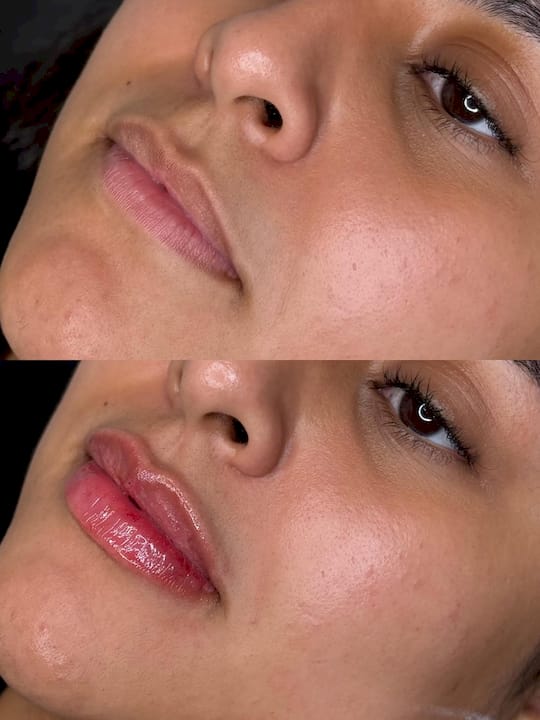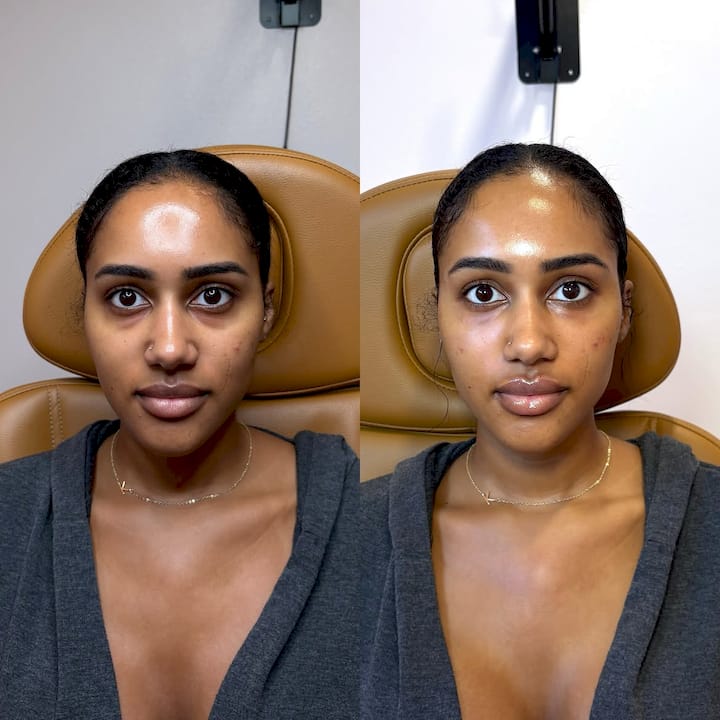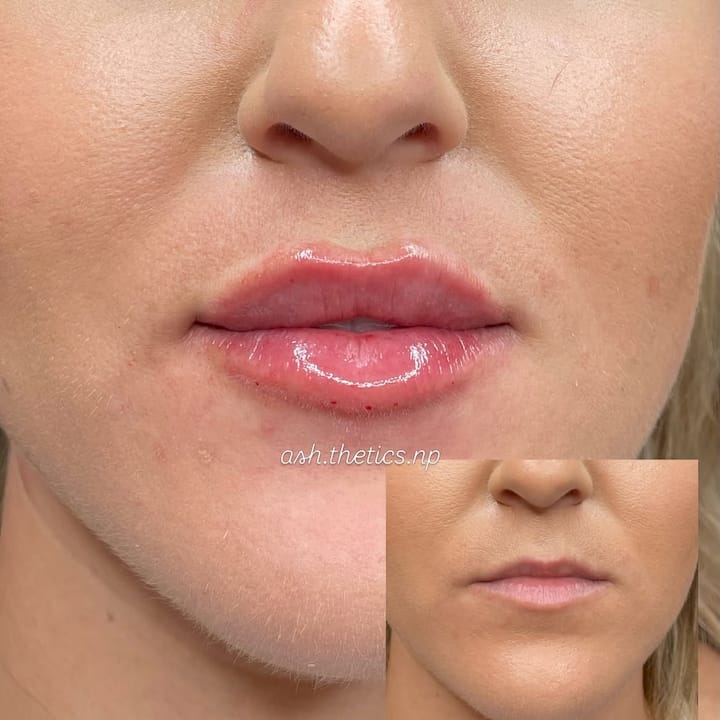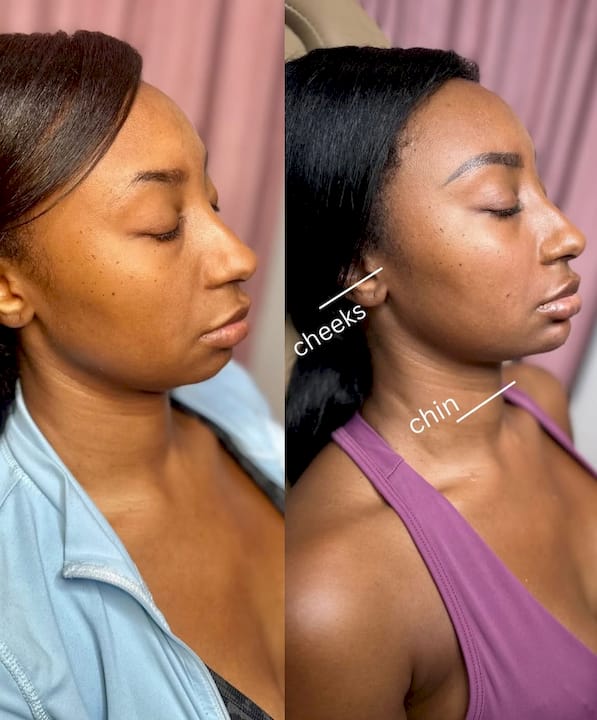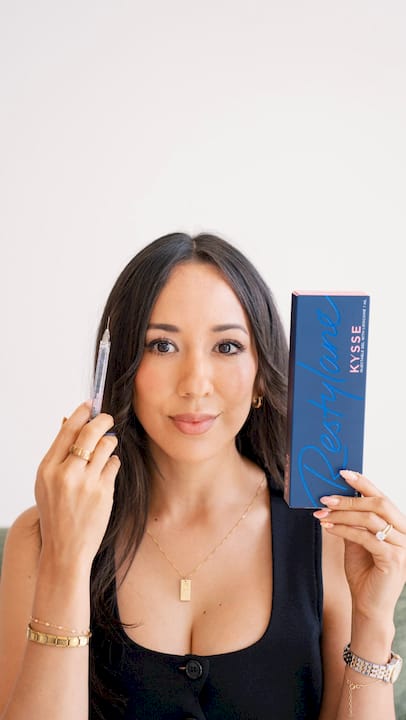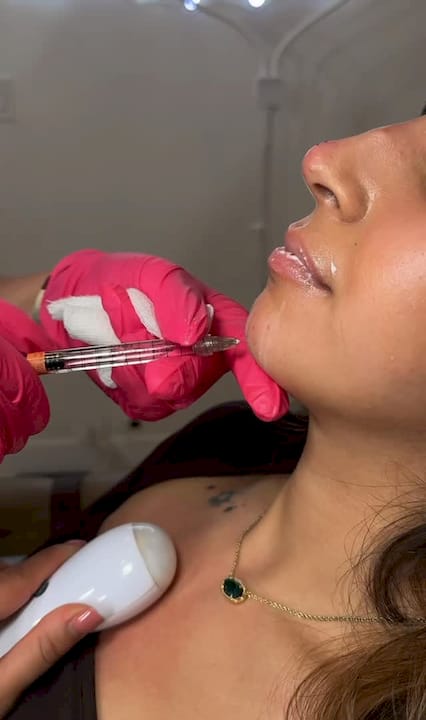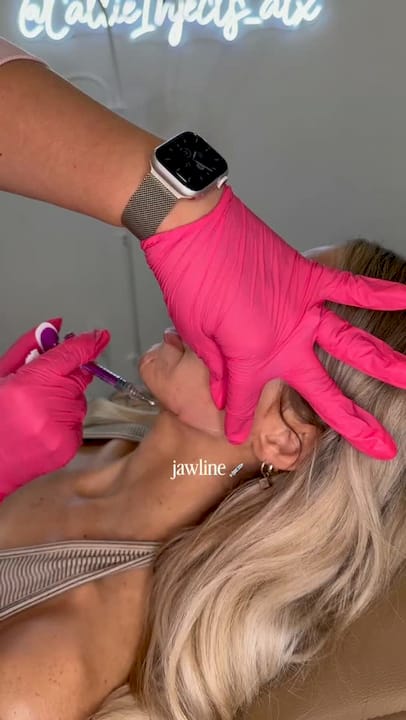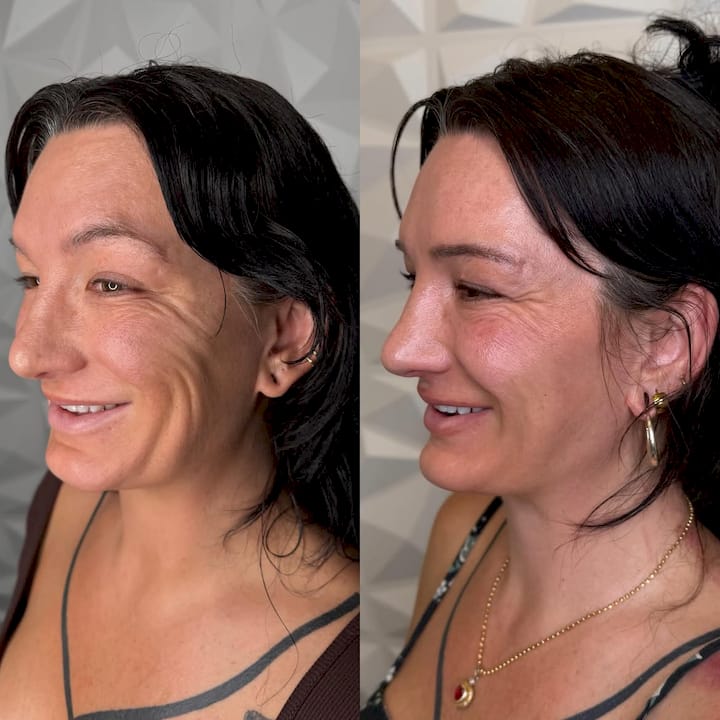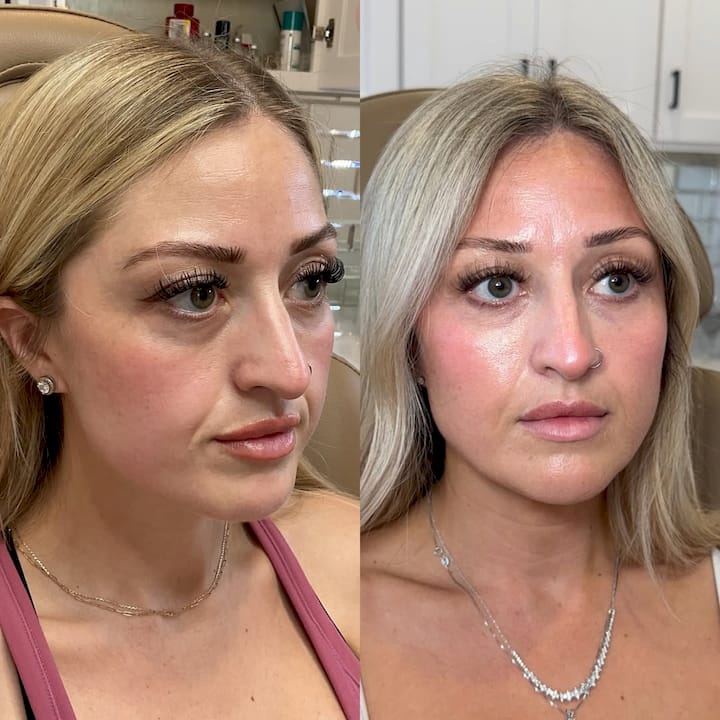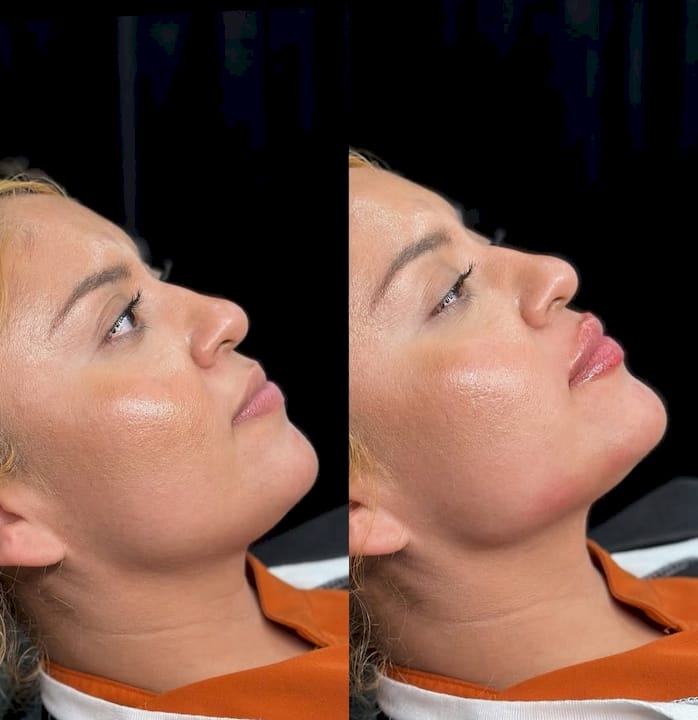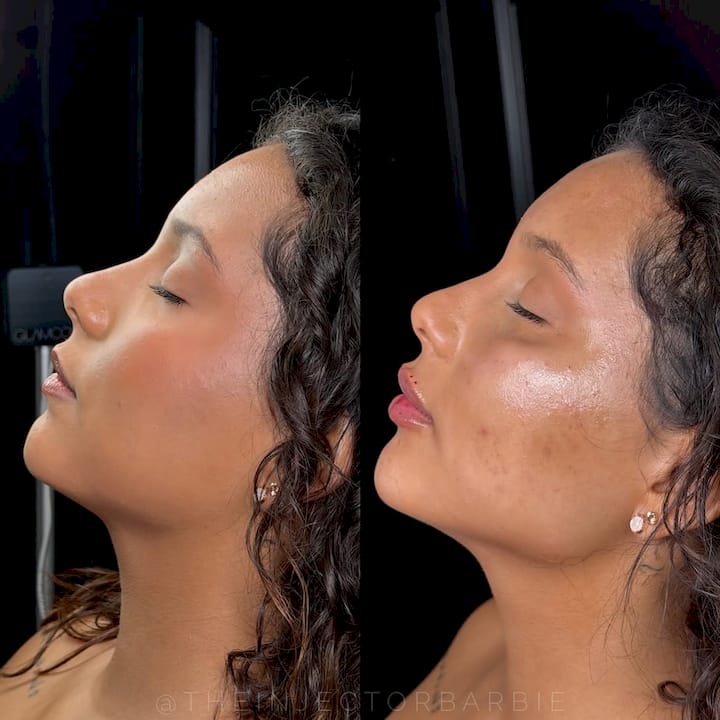
Kybella (deoxycholic acid, ATX-101) is FDA-approved for adults to improve the appearance of moderate to severe submental fat, the localized pocket of fat beneath the chin commonly called a double chin. Here is what that means in practice:
-
Approved indication: reducing visible submental fullness in adults through a series of in-office injections
-
Key limitation: safe and effective use outside the submental area has not been established
-
Bottom line: Kybella is best suited for adults with localized fat under the chin who want a non-surgical option, have realistic expectations, and are medically eligible after a qualified provider assessment
Key Takeaways
Kybella is the only FDA-approved injectable for submental fat reduction, working through adipocytolysis to produce durable results in adults who complete the full treatment course.
| Point | Details |
|---|---|
| FDA indication | Kybella is approved for moderate to severe submental fat in adults; not established for other body areas. |
| Mechanism | Deoxycholic acid destroys fat cell membranes; cleared cells cannot store fat again, supporting long-term results. |
| Treatment schedule | Up to 6 sessions, each at least 1 month apart, with up to — and 10 mL per session. |
| Side effects | Swelling, bruising, and numbness are common; marginal mandibular nerve injury and dysphagia are serious but uncommon risks. |
| Theinjectionroom | Offers Kybella consultations in Austin and San Antonio with anatomy-based treatment planning and a safety-first approach. |
Table of Contents
-
How Kybella is administered and what a typical schedule looks like
-
Kybella consultations at Theinjectionroom in Austin and San Antonio
What is Kybella used for, exactly?
Kybella’s active ingredient is synthetic deoxycholic acid, also designated ATX-101 in clinical literature. Deoxycholic acid is a naturally occurring bile acid the body uses to emulsify dietary fat. The synthetic version in Kybella is manufactured to pharmaceutical-grade purity and injected directly into submental fat tissue.
The FDA prescribing information states the indication precisely: improvement in the appearance of moderate to severe convexity or fullness associated with submental fat in adults. Allergan, now part of AbbVie, holds the product license and markets it under the brand name KYBELLA.
The limitation of use matters. The label explicitly states that safe and effective use outside the submental region has not been established. Providers who inject Kybella into other body areas are acting outside the approved indication, and patients should ask about this directly.
The FDA approval documentation supporting the 2015 approval drew on multiple Phase 1 through Phase 3 clinical studies. That regulatory record is why Kybella carries a specific, narrow indication rather than a broad “fat reduction” label.
How does Kybella work?
Deoxycholic acid works by disrupting the phospholipid bilayer of fat cell membranes, a process called adipocytolysis. When the membrane breaks down, the fat cell contents are released and the cell itself is destroyed. According to the manufacturer’s mechanism of action page, destroyed fat cells cannot store fat again, which is why contour improvements are expected to be long-lasting.
The process does not stop at cell destruction. The body’s inflammatory response recruits macrophages and fibroblasts that clear cellular debris and stimulate tissue remodeling. According to peer-reviewed mechanistic research, clinicians advise against aggressive early massage or heavy exercise because that inflammatory phase is mechanistically important to the final result.
A clinical overview in NCBI PMC characterizes the effect as dose-dependent and, when injected correctly, confined to subcutaneous fat. The same review notes that evidence supports submental contouring efficacy while calling for longer-term adverse event data.
One important nuance: destroyed adipocytes are gone, but significant weight gain after treatment can cause remaining fat cells elsewhere in the area to enlarge, partially recreating fullness. The fat reduction is durable, not unconditional.
Pro Tip: Think of the post-treatment swelling not as a problem but as proof the mechanism is working. The inflammatory remodeling phase is what produces the final contour, so following your provider’s aftercare instructions directly affects your outcome.
-
Adipocytolysis destroys fat cell membranes on contact
-
Macrophage clearance removes debris over days to weeks
-
Fibroblast activity drives tissue remodeling and tightening
-
Destroyed cells cannot regenerate or store fat again
How Kybella is administered and what a typical schedule looks like
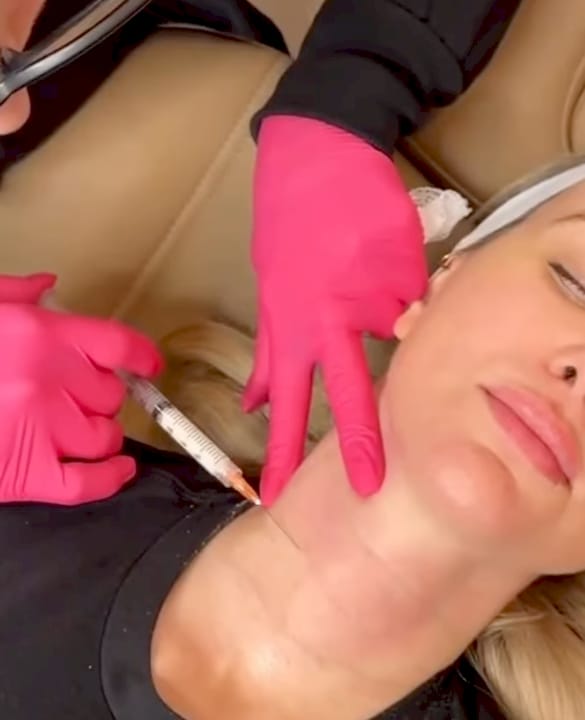
The US prescribing information from AbbVie/RxAbbVie specifies the injection technique in detail. Each injection delivers 0.2 mL of solution, spaced 1 cm apart across a marked grid in the submental area. The grid is mapped to the patient’s anatomy before the session begins, which is why a physical exam at every visit matters.

A typical session runs roughly 15–20 minutes in the treatment room, not counting the pre-injection marking and numbing step. Most providers apply a topical anesthetic or use ice to reduce discomfort before injecting. You will likely feel pressure and a mild burning sensation during the injections; this is expected and brief.
Follow-up studies up to four years show maintenance of response in most subjects who completed the full treatment course, which reinforces why spacing sessions correctly and completing the recommended number of treatments matters.
Who is a good candidate for Kybella?
The ideal candidate is an adult with a localized, moderate to severe pocket of submental fat who wants to avoid surgery and has realistic expectations about a staged treatment process. Beyond that general profile, providers screen for several specific factors.
Good candidate indicators:
-
Visible submental fullness that bothers you and has not responded to lifestyle changes
-
Adequate skin elasticity to contract after fat reduction
-
No active infection in or near the treatment area
-
Willingness to complete multiple sessions spaced at least one month apart
Proceed with caution or avoid if you have:
-
Pre-existing dysphagia (difficulty swallowing), since Kybella carries a dysphagia warning
-
Coagulation abnormalities or current anticoagulant therapy
-
Pregnancy or breastfeeding
-
Prior neck surgery or significant scar tissue that alters submental anatomy
-
Prominent platysmal bands or significant skin laxity, where fat removal alone may leave loose skin
Providers also screen for thyroid enlargement and lymphadenopathy before injecting, since these can mimic or complicate submental fullness. The FDA approval documentation specifically cautions about appropriate injection technique to avoid anatomic injury, which is why administration by a qualified healthcare professional is non-negotiable.
Kybella side effects and serious risks you should know
The prescribing information lists these as the most frequently observed reactions, and most resolve on their own within days to weeks.
Serious risks are uncommon but real. The label warns specifically about marginal mandibular nerve (MMN) injury, which can cause temporary or, rarely, prolonged asymmetry of the smile or lower lip. Dysphagia, ulceration or tissue necrosis, infection, and injection-site alopecia (hair loss) are also listed as serious adverse events.
Red flags that require prompt medical attention:
-
Progressive difficulty swallowing or breathing
-
Asymmetric smile or inability to move one side of the lower lip
-
Open sores or skin breakdown at the injection site
-
Signs of spreading infection (increasing redness, warmth, fever)
Patients can report serious adverse events directly to FDA MedWatch. Ask your provider at the consultation how their clinic handles urgent post-treatment concerns and what their after-hours contact protocol is.
What recovery looks like and when you will see results
Swelling after Kybella is expected and, frankly, can look dramatic in the first few days. According to Healthline’s recovery overview, swelling commonly peaks in the days immediately following treatment and often resolves substantially within about a month, though individual timelines vary.
The broader results picture takes longer. Early contouring may become visible over the first few weeks after a session, but final results are typically evaluated 8–12 weeks after each treatment. Because most patients need more than one session, the full course of up to six treatments means the complete outcome may not be visible for several months after starting.
Durability is well-supported. Clinical follow-up data show meaningful, durable submental fat reduction maintained over years in most patients who completed treatment. That said, a clinical overview via Ovid notes that long-term adverse event data remain limited and recommends that providers counsel patients on realistic timelines.
Pro Tip: The “worse before better” phase is real. Patients who are counseled about peak swelling in advance report higher satisfaction than those who are surprised by it. Ask your provider to walk you through the week-by-week timeline before your first session.
Post-treatment care guidelines include avoiding heavy exercise for 48 hours and alcohol for 72 hours to manage swelling and reduce complication risk.
Kybella vs. liposuction and other alternatives
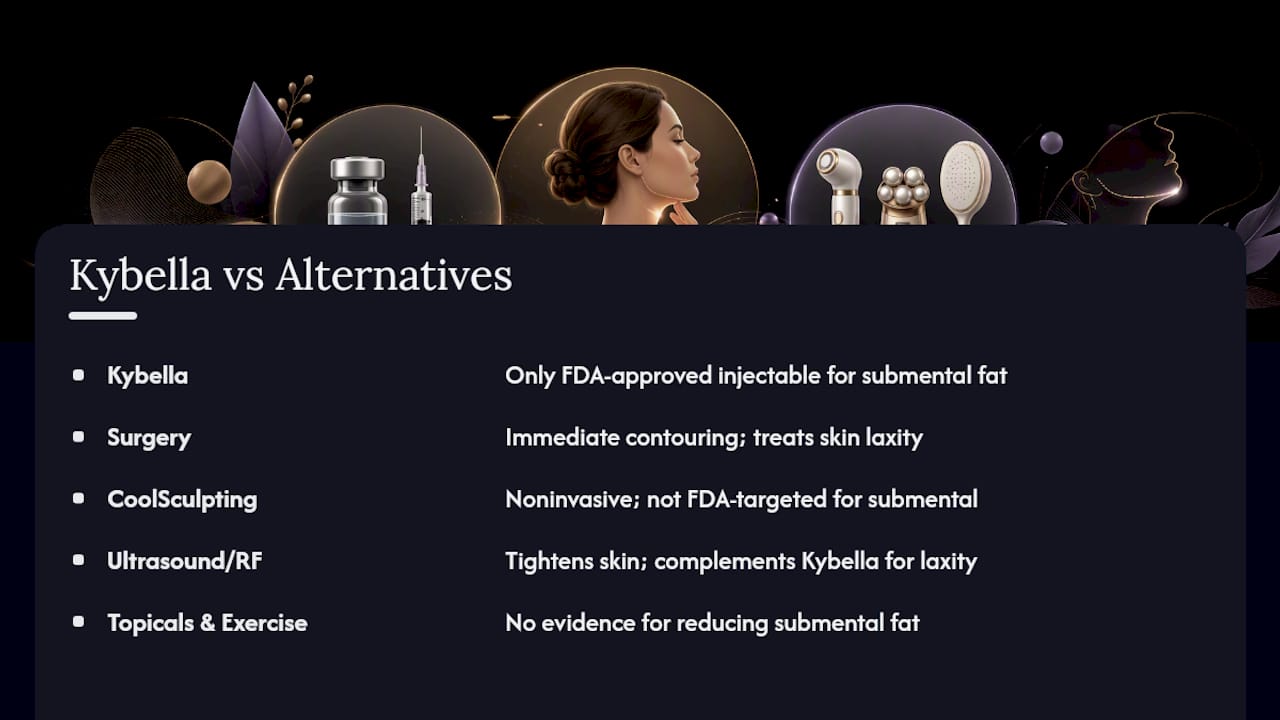
Kybella is the only FDA-approved injectable specifically for submental fat reduction, but it is not the only path to a more defined chin profile. Understanding the trade-offs helps you and your provider choose the right approach.
Liposuction or neck lift surgery delivers immediate, dramatic contouring in a single procedure and can address excess skin and platysmal bands simultaneously. The trade-offs are general anesthesia, surgical downtime, and higher upfront cost. If you have significant skin laxity, surgery often produces a cleaner result than any injectable approach.
CoolSculpting (cryolipolysis) is another noninvasive option that freezes fat cells rather than dissolving them. It requires no injections and carries a different side effect profile, though it is not FDA-approved specifically for submental fat in the same targeted way Kybella is. For a broader look at nonsurgical double-chin options, the category includes several approaches worth comparing.
Ultrasound and radiofrequency skin-tightening devices address laxity rather than fat volume and are often combined with Kybella when mild to moderate skin looseness is present alongside submental fullness.
Topical creams and exercise have no established clinical evidence for reducing localized submental fat. They are not a meaningful substitute for any of the above.
The decision point most providers use: if excess skin or prominent platysmal bands are the primary concern, a surgical referral is appropriate. Removing fat without addressing loose skin can leave an outcome that satisfies neither you nor your provider.
What does Kybella cost, and does insurance cover it?
Kybella is classified as a cosmetic procedure, and health insurance does not typically cover it. Pricing varies based on several factors, and a single-session quote rarely tells the full story.
-
Provider experience and credentials: board-certified dermatologists and plastic surgeons in major metro areas often charge more than general practitioners or med spas, reflecting training and overhead
-
Geographic location: costs in cities like Austin or San Antonio differ from national averages
-
Number of syringes per session: the amount of product used depends on the size of the submental area and the provider’s clinical judgment
-
Number of sessions needed: most patients require two to four sessions, though the label allows up to six
-
Clinic fees: consultation fees, follow-up visits, and touch-up pricing vary and should be clarified upfront
Rare exceptions exist where Kybella might be considered medically indicated with documentation, but these are not the norm. Ask your provider for a written treatment plan that specifies the estimated number of sessions, the volume per session, and whether touch-up treatments are priced separately. Getting that in writing before you commit prevents surprises.
What to ask at your Kybella consultation
A strong consultation protects you. Here is a practical checklist to bring with you.
-
Ask about training and credentialing. Confirm the provider is a licensed healthcare professional with specific training in submental anatomy and injectable technique. Ask how many Kybella treatments they have performed.
-
Request before-and-after photos. Ask to see results from patients with comparable anatomy, not just the best-case examples.
-
Ask about injection technique and volume. A knowledgeable provider should be able to explain the grid marking process, the dose per injection, and why they are recommending a specific number of sessions for your anatomy.
-
Get a written treatment estimate. This should include the number of sessions, product volume, and total cost range.
-
Expect a medical screening. Your provider should assess for thyroid enlargement, lymphadenopathy, skin laxity, prior neck surgery or scars, bleeding risk, and any history of dysphagia before recommending Kybella.
-
Ask about the emergency and follow-up protocol. How does the clinic handle complications? What is the after-hours contact number? Where do they direct patients who experience red-flag symptoms?
-
Confirm the injection grid will be marked and explained during the visit. This is standard practice and a sign of careful technique.
Pro Tip: Never book a Kybella treatment based on price alone or without a live consultation that includes a physical exam. Anatomy varies significantly, and a provider who skips the in-person assessment is skipping the step that determines whether you are a safe candidate.
For a deeper look at what to expect from injectable treatments, the double chin injection guide at Theinjectionroom walks through the process from consult to aftercare.
A provider’s perspective on choosing Kybella wisely
When we counsel patients about Kybella at Theinjectionroom, the conversation always starts with anatomy, not the treatment itself. Kybella is genuinely effective for the right candidate, but “I want to get rid of my double chin” covers a wide range of presentations, and not all of them point to Kybella as the best answer.
Skin quality and laxity are the factors most often underestimated. A patient with moderate submental fat and good skin elasticity is an excellent candidate. A patient with the same fat volume but significant skin looseness may end up with a less satisfying result unless skin tightening is part of the plan. We are not hesitant to refer patients to a surgeon when the anatomy calls for it, because a well-matched treatment produces a better outcome than the most technically perfect injection of the wrong solution.
Realistic expectations about the timeline also matter more than most patients anticipate. The patients who are happiest with their results are the ones who understood from the start that they were committing to a process, not a single appointment.
Kybella consultations at Theinjectionroom in Austin and San Antonio
At Theinjectionroom, we offer Kybella consultations at our Austin and San Antonio locations, where our providers assess your submental anatomy, skin quality, and goals before recommending a personalized treatment plan. You will leave the consultation with a clear picture of how many sessions you likely need, what the injection process involves, and what realistic results look like for your specific anatomy.
Our clinic offers a full range of injectable and aesthetic services, and we take the same evidence-based, safety-first approach to Kybella that we apply to every treatment we provide. Ready to find out whether Kybella is right for you? Book a consultation at Theinjectionroom and get a personalized assessment from a qualified provider.
Sources
The prescribing information is the authoritative source for Kybella’s approved dose, session limits, and safety warnings. All clinical decisions should be based on the full label, not summaries.
A note on sources: the figures and clinical details in this article come directly from FDA-reviewed prescribing information and peer-reviewed literature. Always verify current prescribing information with your provider before treatment.
-
KYBELLA® (deoxycholic acid) US Prescribing Information (AbbVie/RxAbbVie)
-
Review / clinical perspectives on injectable deoxycholic acid (NCBI PMC)
This article is general information, not a substitute for advice from a qualified doctor. Consult a qualified healthcare professional about your own circumstances before acting on anything here.
%20Pictures%20are%204%20weeks%20apart..jpg)