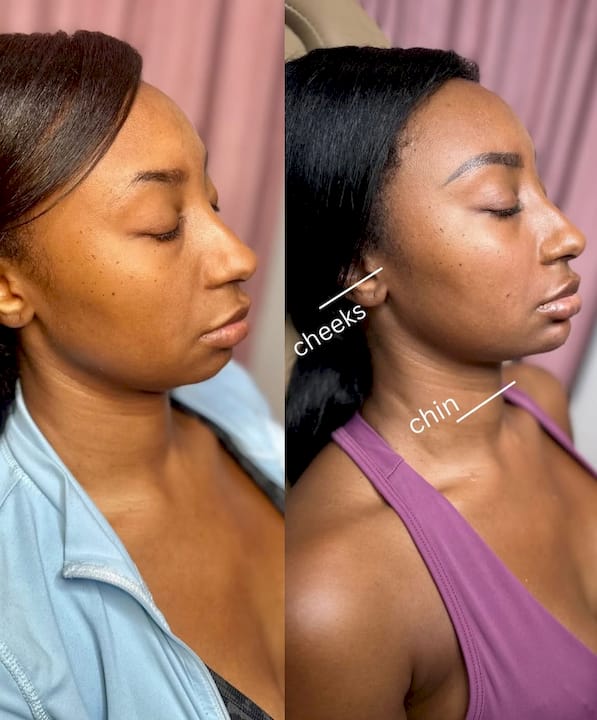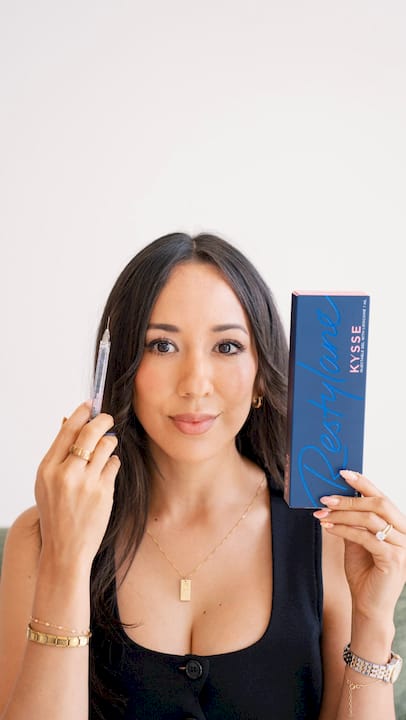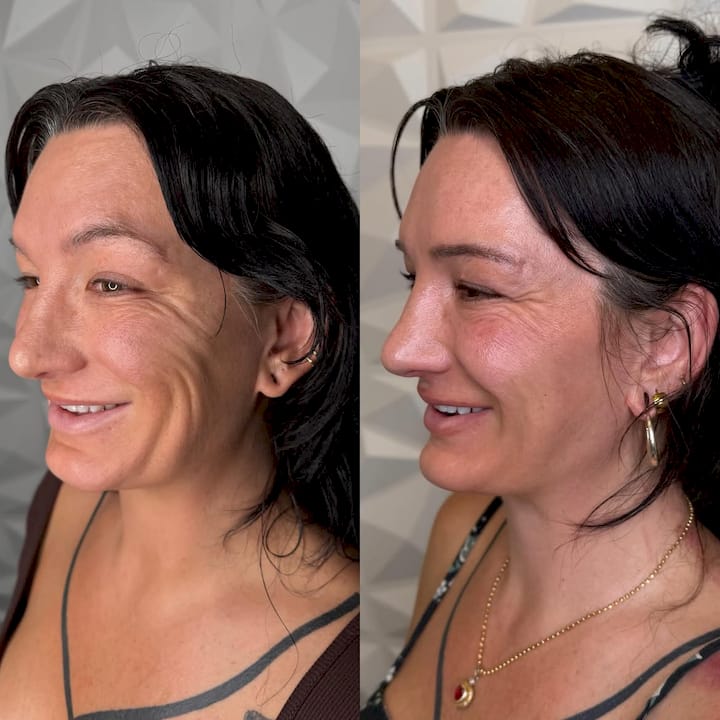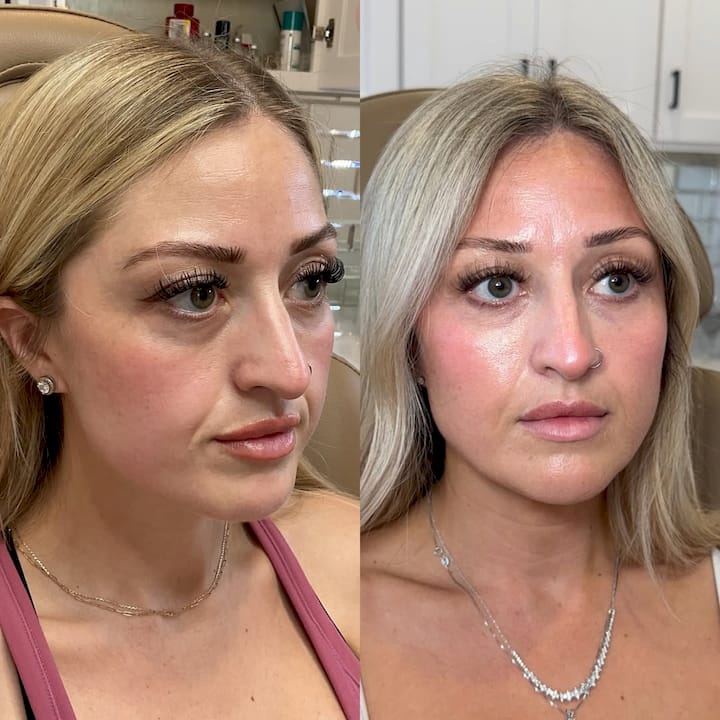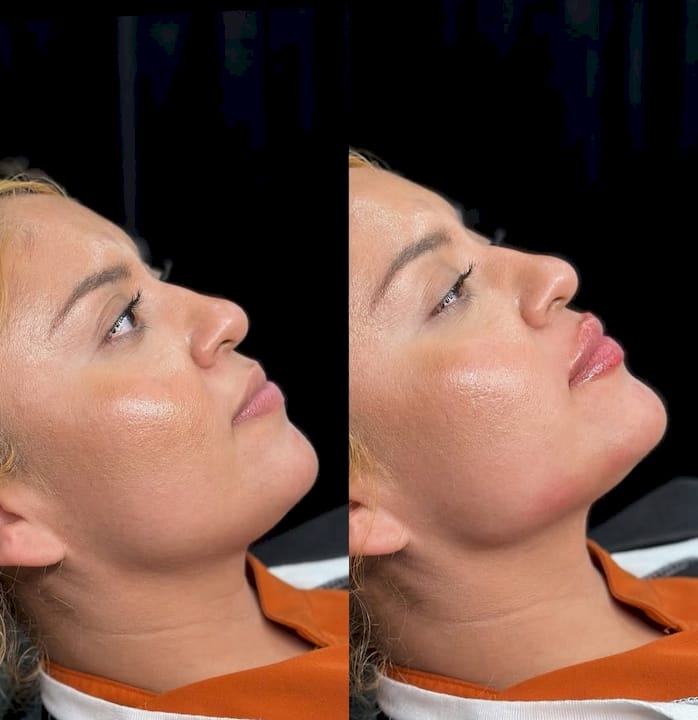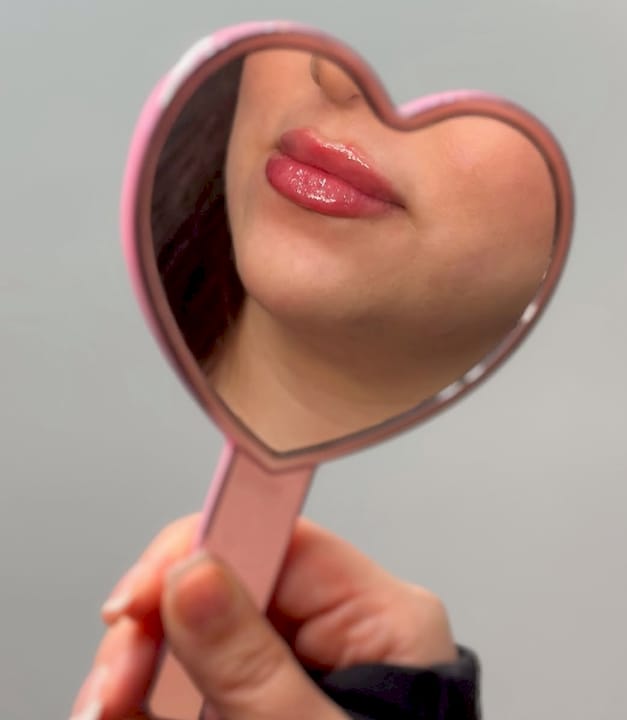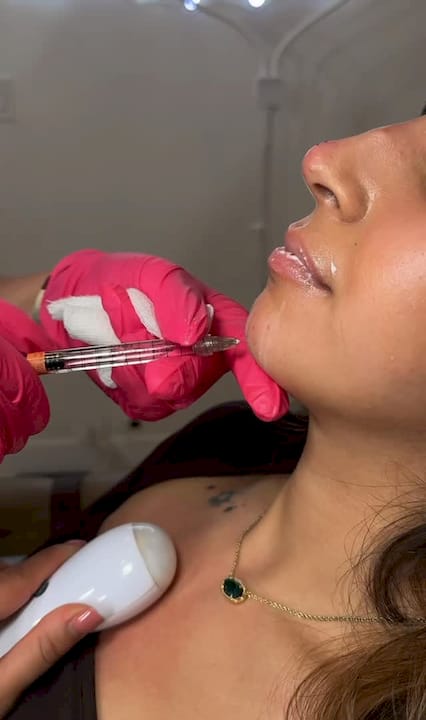
KYBELLA (deoxycholic acid) is the only FDA-approved injectable that permanently destroys fat cells beneath the chin to reduce submental fullness, commonly called a double chin. The active ingredient, synthetic deoxycholic acid, disrupts fat-cell membranes on contact, causing the cells to break down and get cleared by your body over time. One thing worth clarifying right away: this is a targeted contouring treatment, not a weight-loss solution.
Below, we cover how the mechanism works at a cellular level, who makes a good candidate, what the procedure actually feels like, what recovery looks like, and how long results last.
-
What it does: destroys submental fat cells permanently
-
Active ingredient: synthetic deoxycholic acid, 10 mg/mL
-
Approved for: moderate to severe submental fat in adults
-
Not approved for: fat outside the chin area or patients under 18
Pro Tip: If you’re researching Kybella, bring a list of your current medications and any prior chin or neck procedures to your consultation. That information shapes the entire treatment plan.
Table of Contents
What is Kybella and what is it officially approved for?
KYBELLA is a prescription injectable indicated specifically for improving the appearance of moderate to severe submental fat in adults. That’s the full scope of its FDA-approved use. It is not studied or approved for fat reduction in other body areas, and it has not been established as safe or effective in patients under 18.
The active ingredient, deoxycholic acid, is a bile acid that occurs naturally in the body and plays a role in breaking down dietary fat. In KYBELLA’s formulation, it is synthesized and delivered at a precise concentration to act directly on fat-cell membranes in the submental tissue.
Key clinical facts:
-
Indication: moderate to severe submental convexity or fullness in adults
-
Formulation: 10 mg/mL sterile solution for subcutaneous injection
-
Limitations of use: not recommended for subcutaneous fat outside the submental region
-
Approval basis: two clinical trials enrolling 1,022 adults across 70 sites in the United States and Canada
The FDA’s approval was based on both clinician-rated and patient-rated improvement scales, which means the outcome criteria included how patients themselves perceived the change, not just a clinical measurement.
How does Kybella work to destroy fat cells?
Kybella works through a process called adipocytolysis: the injected deoxycholic acid physically disrupts fat-cell membranes, causing the cells to lyse (break open) and die. Once a fat cell is destroyed this way, it cannot regenerate in that location.
The 10 mg/mL formulation acts as a cytolytic agent. When it contacts a fat-cell membrane, it destabilizes the lipid bilayer, triggering cell lysis. Importantly, protein binding in the surrounding tissue reduces damage to skin and muscle, so the destruction is relatively targeted to adipocytes. After lysis, the body’s macrophages move in to clear the cellular debris, a process that unfolds over several weeks.
The inflammatory reaction that follows injection is not a complication — it’s the mechanism. Swelling, warmth, and firmness in the treated area reflect your immune system clearing destroyed fat cells. This cleanup phase is what produces the gradual contouring effect you see over weeks and months.
The stepwise process looks like this:
-
Injection: deoxycholic acid enters subcutaneous fat tissue
-
Membrane disruption: fat-cell membranes destabilize and lyse
-
Inflammatory response: localized swelling and warmth as the immune system responds
-
Macrophage clearance: dead adipocytes are cleared over several weeks
-
Remodeling: some collagen recruitment may occur, contributing to modest skin tightening
Pro Tip: The swelling you feel in the first week or two is your body doing exactly what it’s supposed to. Trust the process — the visible contouring improvement comes after the inflammation settles.
Who is a good candidate, and who should avoid Kybella?
The ideal candidate is an adult with a localized pocket of submental fat who wants a non-surgical option and has realistic expectations about gradual improvement over multiple sessions. Body weight should be relatively stable, because Kybella contours a specific area rather than reducing overall fat.
Good candidate profile:
-
Adult with moderate to severe submental fullness
-
Bothered by a double chin that persists despite healthy weight
-
Prefers a non-surgical approach
-
Willing to complete multiple treatment sessions
-
Has realistic expectations about gradual, not immediate, results
Contraindications and cautions:
-
Active infection at or near the injection site (absolute contraindication per prescribing information)
-
Pregnancy or breastfeeding
-
Prior chin or neck surgery that altered the anatomy
-
Neuromuscular disorders affecting the jaw or neck
-
Blood-thinning medications or anticoagulant therapy (disclose these before treatment)
Relative considerations that affect candidacy:
| Factor | Consideration |
|---|---|
| Significant skin laxity | Kybella reduces fat volume but does not tighten loose skin; a provider may recommend a combination approach |
| Large-volume submental fat | Surgical liposuction may be more efficient for very large deposits |
| Unrealistic expectations | Results appear gradually over weeks to months, not immediately |
For a broader look at non-surgical fat reduction options and how they compare, it’s worth reviewing the full range of available approaches before committing to any single treatment.
Quick self-screening checklist before booking:
-
No active skin infection in the chin/neck area
-
Not pregnant or breastfeeding
-
No recent chin surgery
-
Stable body weight
-
Prepared to discuss all medications with your provider
What happens during a Kybella treatment session?
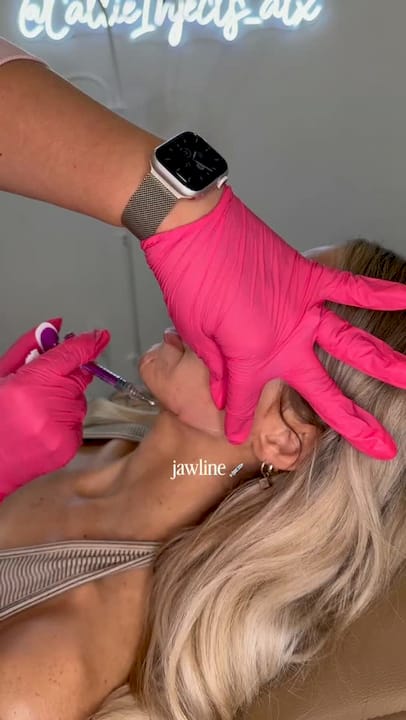
A typical session runs about 15–20 minutes in the office. Your provider marks a grid on the treatment area using ink, spacing injection points approximately 1 cm apart for even coverage. A topical numbing cream or local anesthetic is applied first to keep you comfortable.
The prescribing information specifies precise administration parameters:
-
Each injection delivers 0.2 mL of KYBELLA
-
Injection sites are spaced ~1 cm apart
-
Up to 50 injections (10 mL total) may be administered per session
-
Up to 6 treatment sessions are permitted, spaced at least 1 month apart
During the injections, most patients feel a stinging or burning sensation that fades quickly. Immediately after, the area typically becomes swollen, tender, and red. That’s expected.
Treatment timeline:
-
Sessions 1–2: Initial swelling is most prominent; some patients notice early softening of the area
-
Sessions 3–4: Visible reduction in submental fullness often becomes apparent
-
After final session: Full results typically continue to develop for several weeks as inflammation resolves
-
Maintenance: No additional sessions are needed once the desired result is achieved, provided weight remains stable
Many patients need between 2 and 4 sessions, though the full protocol allows up to 6. Your provider will assess progress at each visit before scheduling the next.
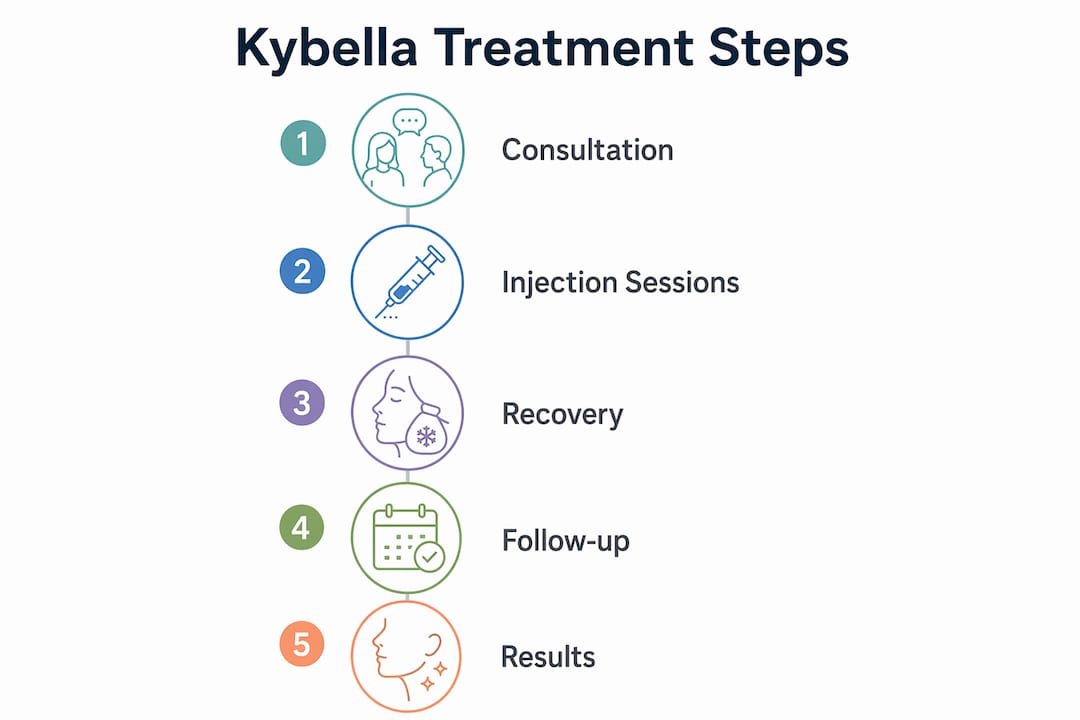
Recovery, side effects, and what to watch for
Swelling is the most prominent part of Kybella recovery, and it often surprises patients who expect a quick bounce-back. The procedure takes 20 minutes, but visible swelling can persist for several days to a few weeks. Plan accordingly.
Common side effects (expected and temporary):
-
Swelling and edema: most prominent in the first 1–2 weeks
-
Bruising: common, typically resolves within 1–2 weeks
-
Numbness: can persist for several weeks in some patients
-
Redness and tenderness: usually resolves within a few days
-
Firmness or induration: normal as tissue remodels
Swelling after Kybella is not a sign something went wrong — it’s the expected inflammatory response. Most patients look noticeably swollen for the first week. If swelling is severe, worsening after day 3, or accompanied by difficulty swallowing or facial weakness, contact your provider promptly.
Rare but serious risks to know:
-
Marginal mandibular nerve injury: temporary weakness of the lower lip or smile; rare when proper injection technique is used
-
Dysphagia (difficulty swallowing): can occur; pre-existing swallowing issues may be worsened
-
Infection or skin ulceration: uncommon but requires prompt treatment
-
Submental hematoma: bruising and blood pooling; more likely with anticoagulant use
Practical aftercare:
-
Apply ice packs for the first 12–24 hours to limit swelling
-
Avoid heavy exercise for 24–48 hours post-treatment
-
Disclose anticoagulant medications before your appointment to reduce bruising risk
-
Sleep with your head slightly elevated the first night
Pro Tip: Schedule your Kybella sessions at least 2–3 weeks before any major social event. Swelling can be prominent enough that you’ll want that buffer.
How long do Kybella results last?
Results from Kybella are considered long-lasting because the destroyed fat cells do not regenerate in the treated area. Once adipocytes are lysed and cleared, they’re gone. That’s the “permanent” part of the equation.
The important caveat: remaining fat cells elsewhere in the body can still enlarge with weight gain. If you gain significant weight after treatment, new fullness can develop in the submental area from those untreated cells. Maintaining a stable weight gives you the best long-term outcome.
What “permanent” means in practice:
-
Treated fat cells are permanently destroyed
-
The contouring improvement in the treated area is durable with stable weight
-
Weight gain can create new submental fullness from remaining, untreated fat cells
-
No maintenance injections are needed once your goal is reached
Clinicians routinely emphasize weight stability during counseling because it directly affects how long patients enjoy their results. The treatment does the work; your lifestyle protects it.
How is Kybella priced, and what affects the cost?
Kybella pricing is almost always structured per treatment session, and the total cost depends on several variables. There is no single flat price because the amount of product used, the number of sessions needed, and the provider’s market all factor in.
Primary cost drivers:
-
Number of sessions: most patients need 2–4; up to 6 are permitted
-
Product volume per session: up to 10 mL per session; more product means higher cost
-
Provider level: an MD or board-certified specialist typically charges more than a nurse practitioner or PA, though both can be qualified
-
Geographic market: pricing in major metro areas tends to run higher
-
Facility fees: med spa vs. plastic surgery office pricing models differ
Questions to ask your clinic before committing:
-
Is pricing per session or per vial?
-
How many sessions do you estimate I’ll need based on my anatomy?
-
Are package pricing options available?
-
What is included in the session fee (numbing, aftercare products)?
-
What is your policy if I need more than the estimated number of sessions?
Getting a clear per-session and per-vial breakdown upfront prevents surprises. Some clinics offer package pricing for multiple sessions, which can reduce the per-session cost.
Questions to ask at your Kybella consultation
Walking into a consultation prepared makes a real difference. Here’s what to cover:
Provider and clinical questions:
-
What is your training and experience specifically with Kybella?
-
How many Kybella treatments have you performed?
-
Can I see before-and-after photos of patients with a similar anatomy to mine?
-
What injection technique do you use, and do you use a grid template?
Treatment planning questions:
-
How many sessions do you estimate I’ll need?
-
What is your dosing plan for my anatomy?
-
What results are realistic for my specific case?
Safety and aftercare questions:
-
What are the most common side effects I should expect?
-
What are the signs of a complication, and how do I reach you after hours?
-
What is your protocol if I experience nerve-related symptoms?
-
What aftercare instructions will you provide?
| Consultation topic | Why it matters |
|---|---|
| Provider’s Kybella experience | Injection technique directly affects safety and results |
| Dosing and session estimate | Sets realistic expectations and budget |
| Before-and-after photos | Helps you evaluate the provider’s outcomes |
| Complication management | Confirms the clinic has a clear protocol |
| Medication disclosure | Blood thinners and supplements affect bruising risk |
Disclose all medications, supplements, and prior procedures before your first session. This includes blood thinners, NSAIDs, fish oil, and any prior chin or neck surgeries. Your provider needs the full picture to plan safely.
Kybella at Theinjectionroom in Austin and San Antonio
If you’re ready to move from research to results, Theinjectionroom offers Kybella consultations and treatments at our Austin and San Antonio locations. Our injectors use a mapped grid technique and take a thorough medical history before any treatment begins, so your plan is built around your anatomy, not a one-size approach.
What to expect when you come in:
-
A detailed consultation reviewing your submental anatomy, skin laxity, and goals
-
A clear session estimate and cost breakdown before you commit
-
Treatment administered by trained clinicians following current prescribing guidelines
-
Aftercare instructions and follow-up support between sessions
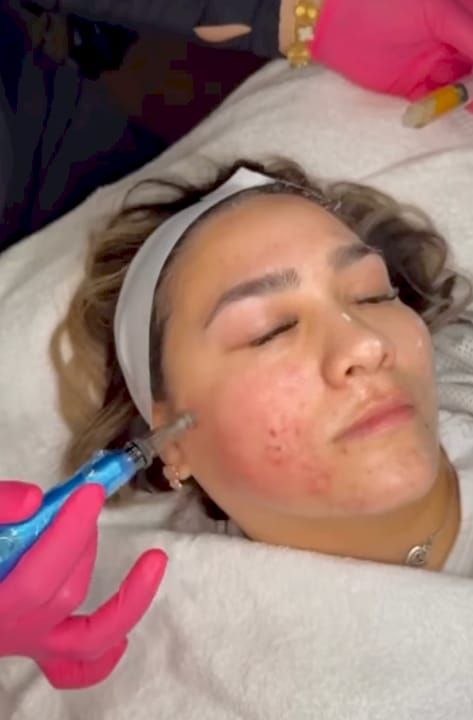
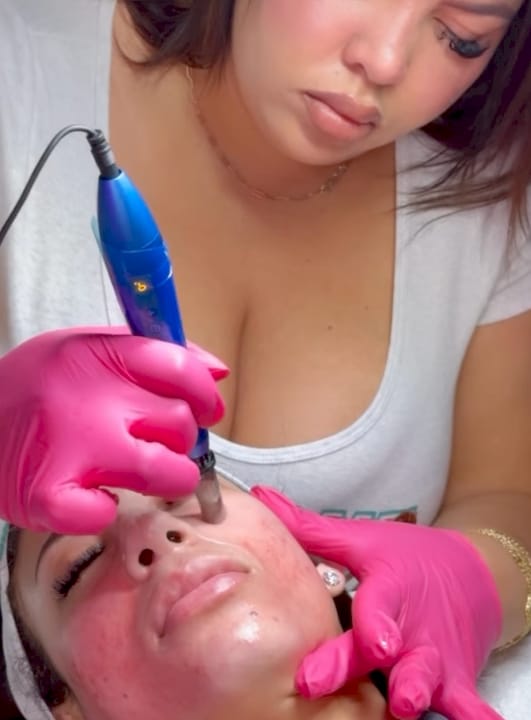
We also offer microneedling in San Antonio and Austin for patients who want to address skin texture or laxity alongside their contouring treatment. For a full picture of our injectable services, our neurotoxin treatments page gives you a sense of how we approach aesthetic care across the board.
Ready to find out if Kybella is right for you? Book a consultation at Theinjectionroom and bring your medication list. No obligation, just a clear conversation about what’s possible.
Key Takeaways
Kybella permanently destroys submental fat cells through adipocytolysis, delivering durable chin contouring results that hold as long as body weight remains stable.
| Point | Details |
|---|---|
| What Kybella does | Destroys submental fat cells permanently using deoxycholic acid, reducing double chin fullness |
| Permanence caveat | Treated fat cells don’t return, but weight gain can create new fullness from remaining cells |
| Expected downtime | Swelling and bruising are common and can last several days to a few weeks after each session |
| Number of sessions | Up to 6 sessions spaced at least 1 month apart; most patients need 2–4 |
| Theinjectionroom | Offers Kybella consultations and treatment in Austin and San Antonio with mapped injection technique |
When Kybella is the right call, and when it isn’t
Kybella is genuinely well-suited for a specific type of patient: someone with a localized submental fat pocket, relatively good skin elasticity, and the patience to go through multiple sessions. What it isn’t suited for is someone expecting dramatic, immediate results or someone with significant skin laxity who would benefit more from a procedure that also addresses the skin.
The thing most people underestimate is the recovery. The injection itself is quick, but the inflammatory phase is real and visible. Patients who go in knowing that tend to have a much better experience than those who expect to look great the following week.
Provider selection matters more with Kybella than with many other injectables. The proximity to the marginal mandibular nerve means that technique and anatomical knowledge are not optional. An in-person consultation with a trained clinician, not just a price quote, is the right first step.
Authoritative sources for further reading
-
DailyMed: KYBELLA prescribing information — Full U.S. prescribing information including indications, dosing, contraindications, and adverse reactions
-
FDA Drug Trials Snapshots: KYBELLA — Summary of the clinical trials that supported FDA approval, including trial design and patient demographics
-
KYBELLA official patient site — Manufacturer-provided patient education on indication, treatment process, and results
-
KYBELLA HCP mechanism of action — Healthcare provider resource explaining adipocytolysis and the 10 mg/mL formulation
-
Cleveland Clinic: Kybella cosmetic injection — Clinical overview covering candidacy, procedure, and permanence of results
-
WebMD: What to know about Kybella injections — Patient-friendly overview of procedure, side effects, and recovery timeline
-
DermNet NZ: Deoxycholic acid in submental fat treatment — Dermatology-focused explanation of the mechanism, protein binding, and inflammatory response
-
PMC: Injection adipolysis mechanisms and agents — Peer-reviewed overview of injection-based fat reduction, including the research history behind deoxycholic acid
%20Pictures%20are%204%20weeks%20apart..jpg)