If you’ve been holding back on lip fillers because you’re afraid they’ll look obvious, feel painful, or put your health at risk, you’re not alone. But most of those fears come from viral photos and horror stories, not from real data. Severe complications from hyaluronic acid (HA) fillers occur at a rate of just 0.0041% across studies of over 290,000 cases, which means the actual risk profile is far lower than the internet would have you believe. This guide walks through the most persistent myths and replaces them with evidence-backed facts so you can make a confident, informed decision.
Table of Contents
-
Why most women overestimate lip filler risks and how to move forward with confidence
-
Explore safe, natural enhancements with expert care in Texas
Key Takeaways
| Point | Details |
|---|---|
| Safety first | Serious lip filler complications are rare, and most side effects are mild and temporary. |
| Choose your provider | The right practitioner makes all the difference in achieving natural, age-appropriate results. |
| Debunk the myths | Myths about fillers are widely exaggerated; evidence shows they’re safe and effective when done properly. |
| Maintain your look | Fillers last 6–12 months and maintenance is optional, not mandatory. |
The top myths about lip fillers and the facts
With these myths so widespread, let’s look closer at some specific fears and see what the research actually says.
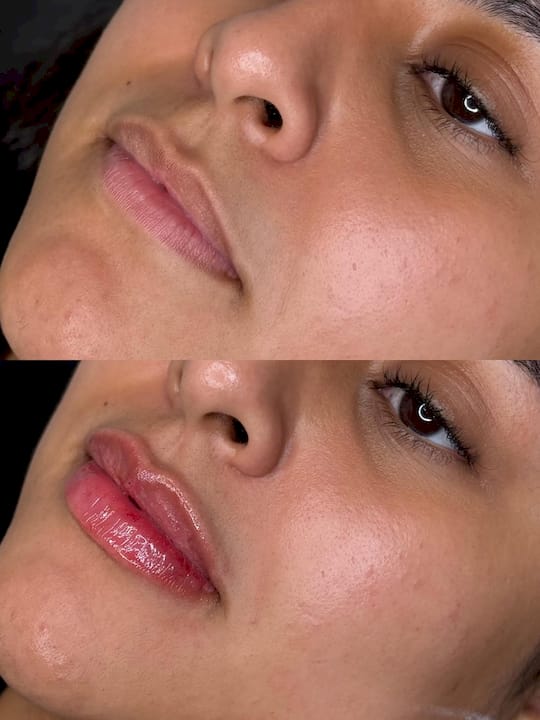
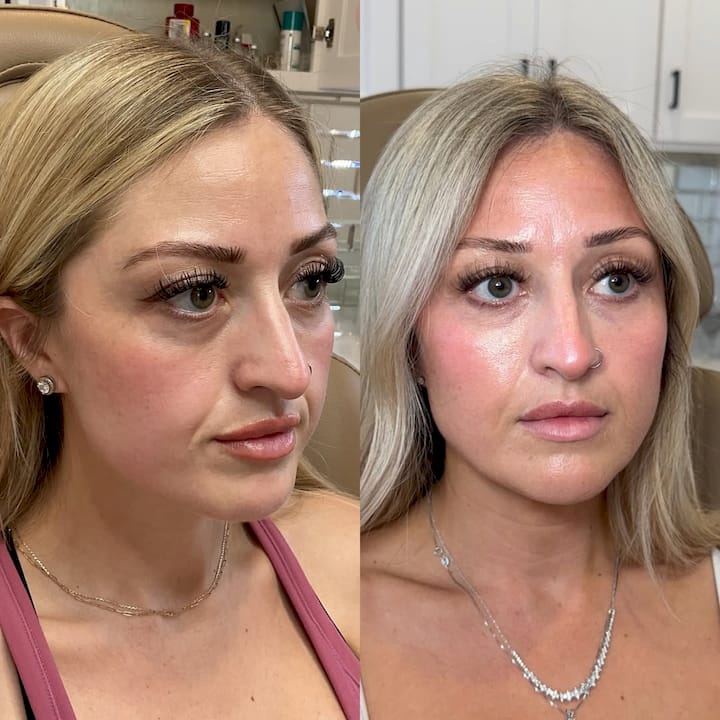
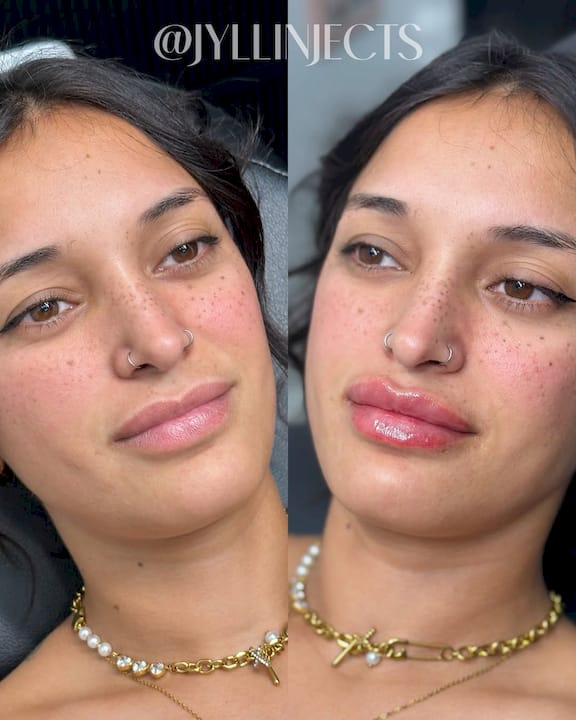
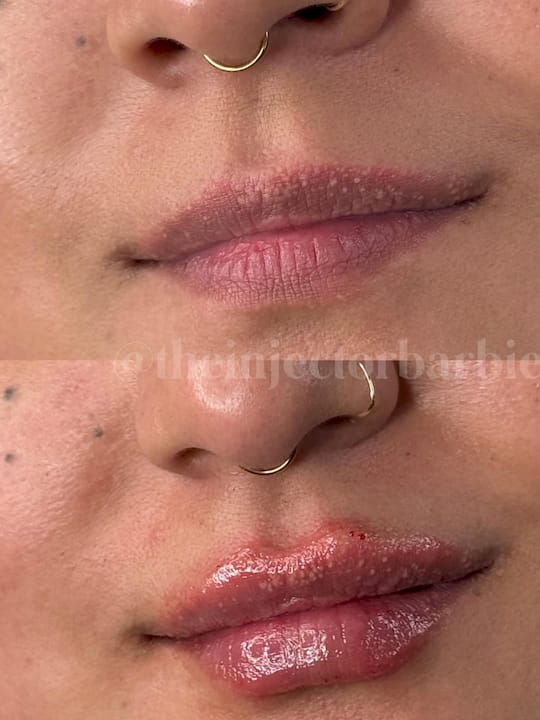
Social media has a way of amplifying extremes. The natural, beautiful results that most women walk away with don’t go viral. The rare, overfilled outcomes that look nothing like what real clients experience? Those get shared thousands of times. That skewed sample creates a distorted picture of what lip fillers actually look like in practice.
Here are the most common myths, followed by what the evidence actually shows:
| Myth | Fact |
|---|---|
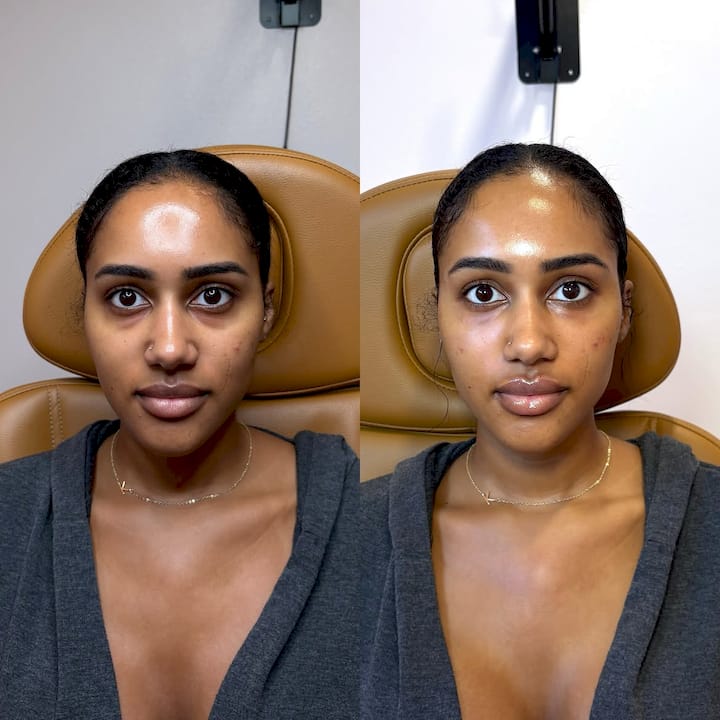
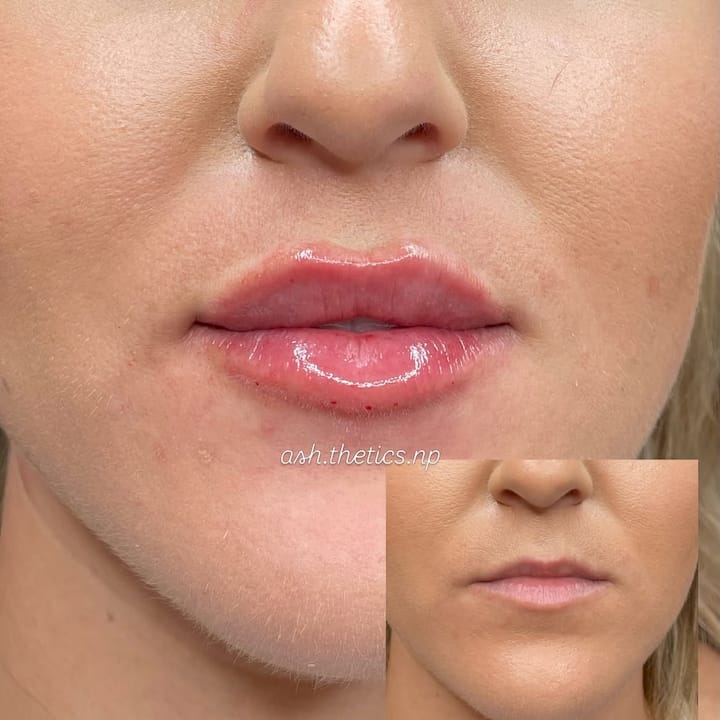
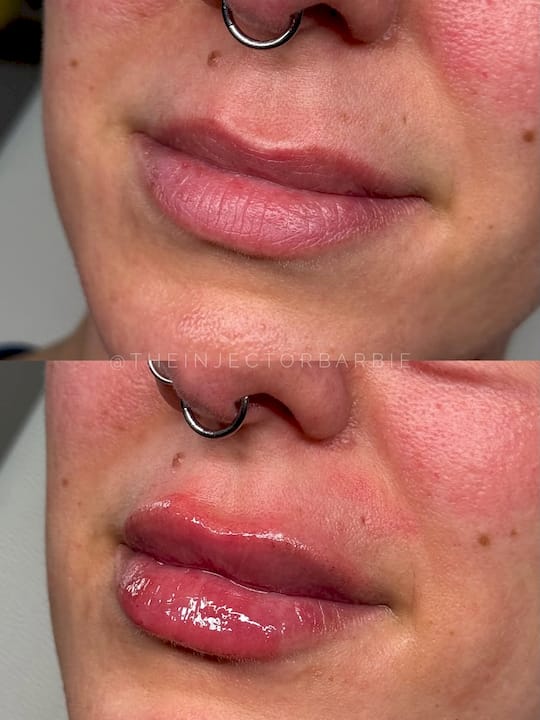
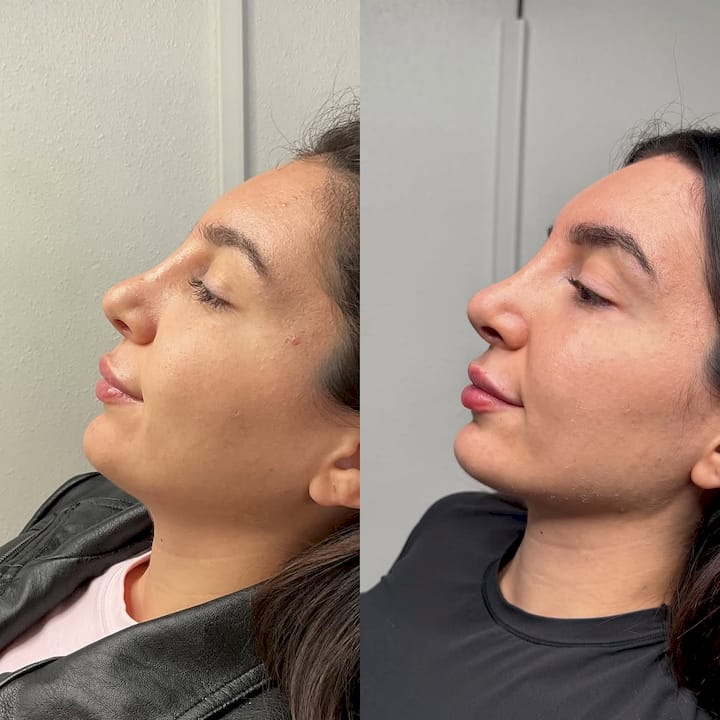
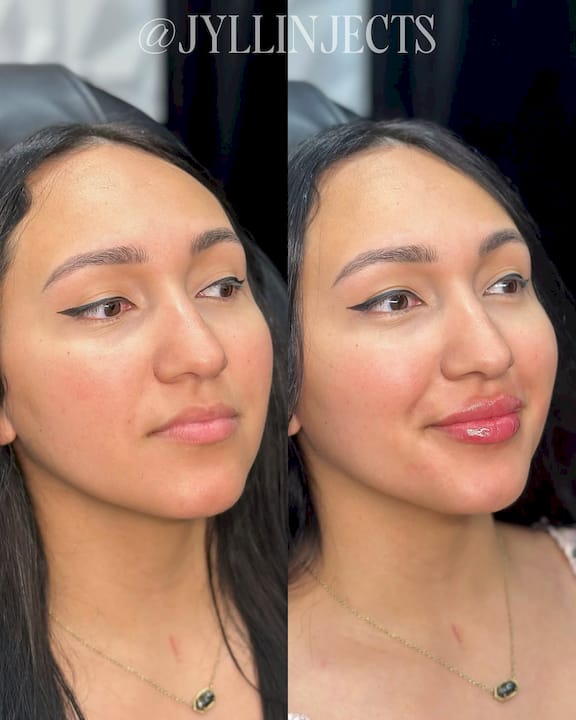
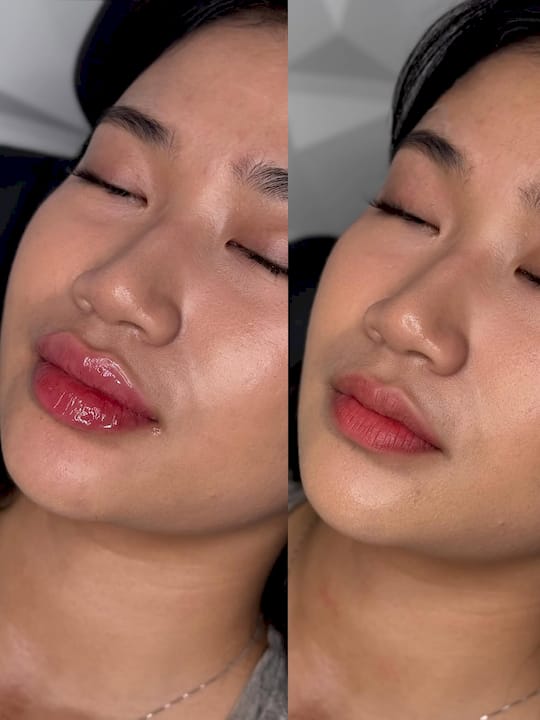
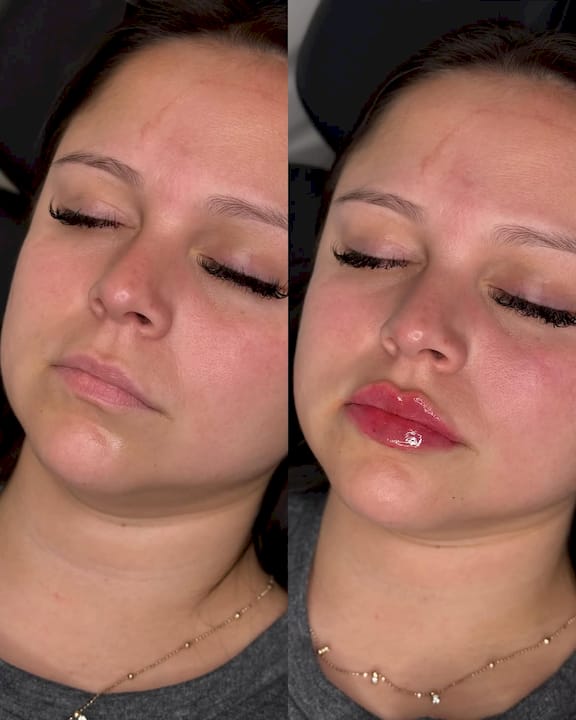
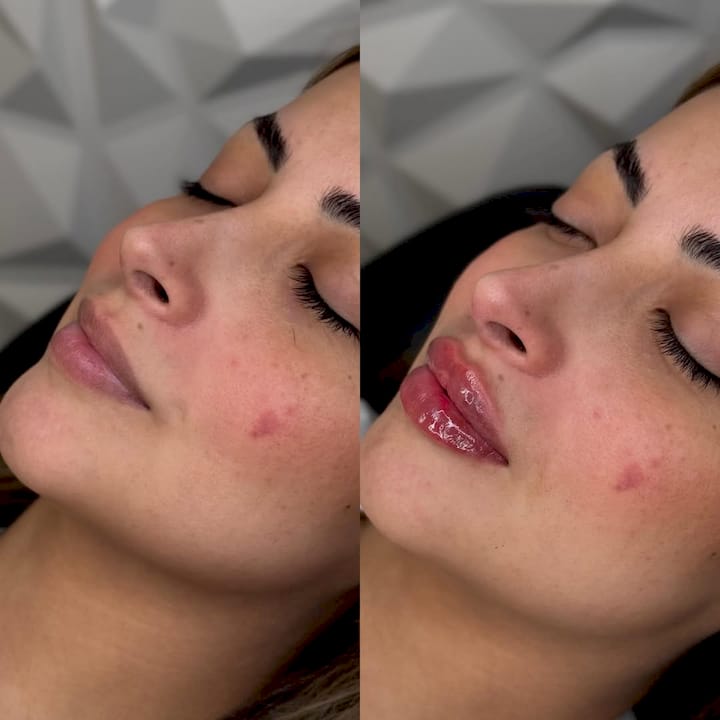
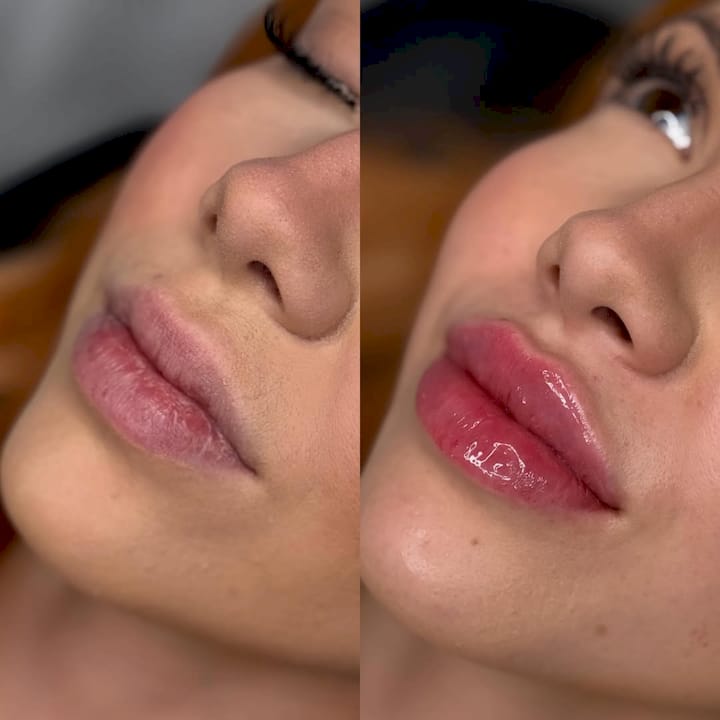
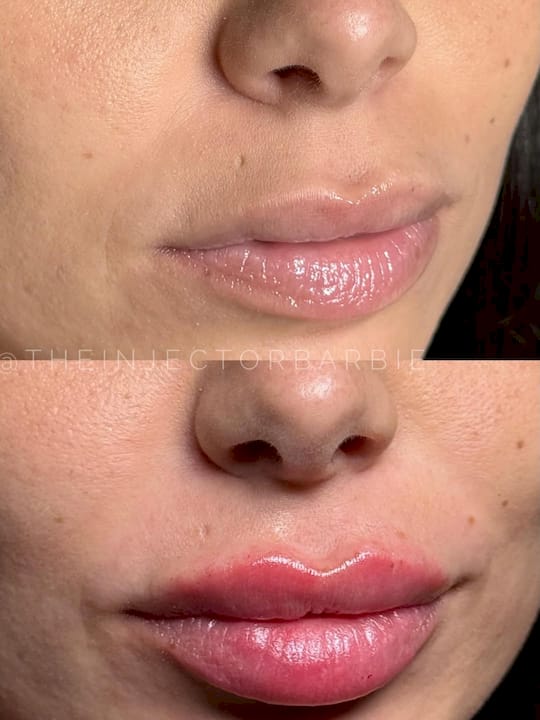
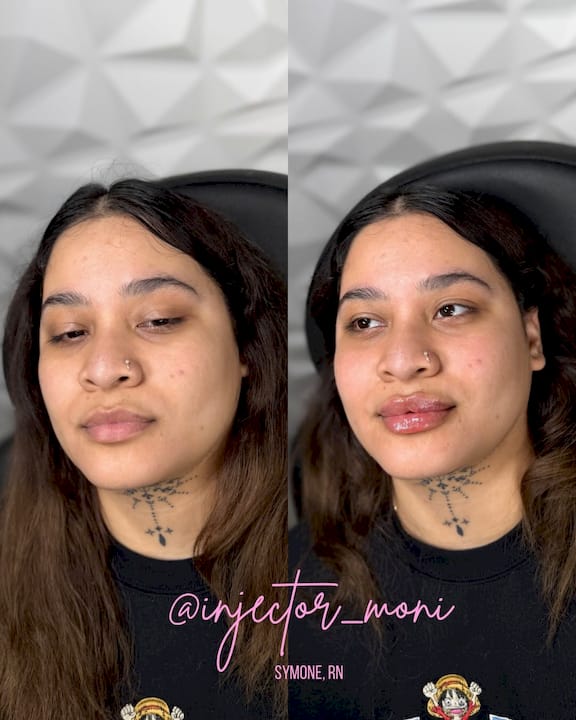
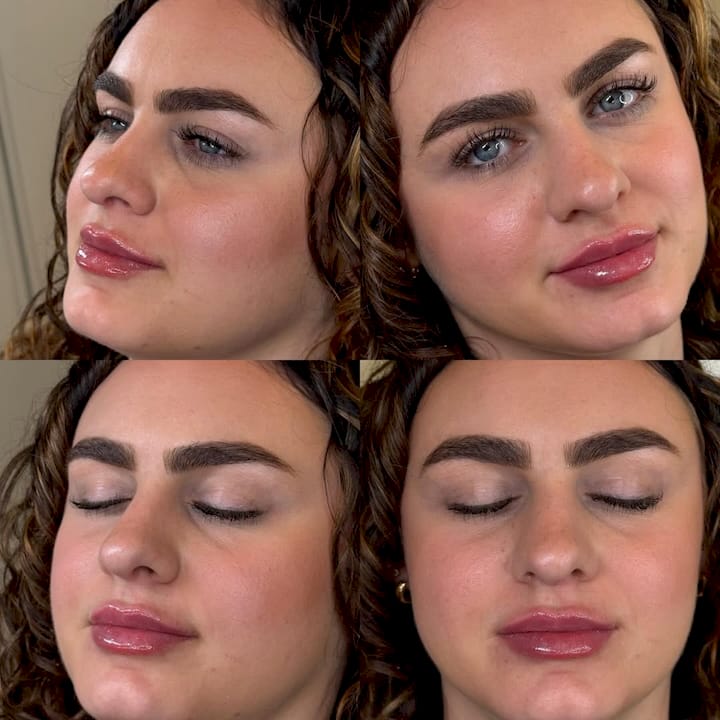
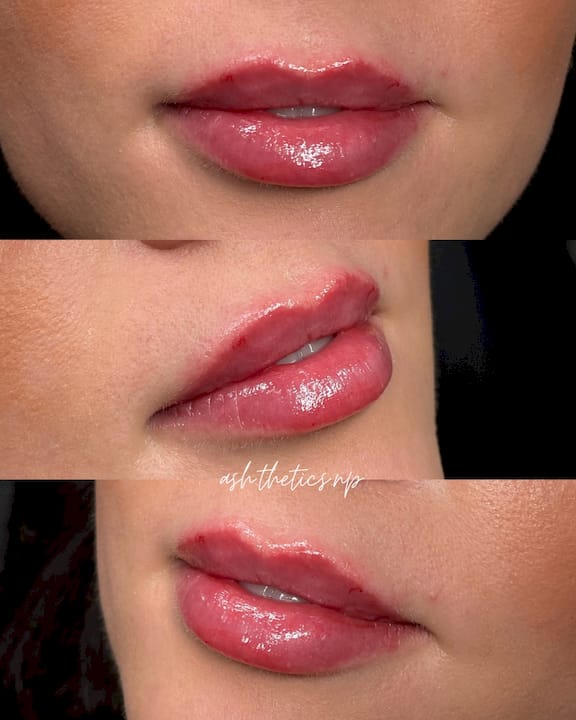
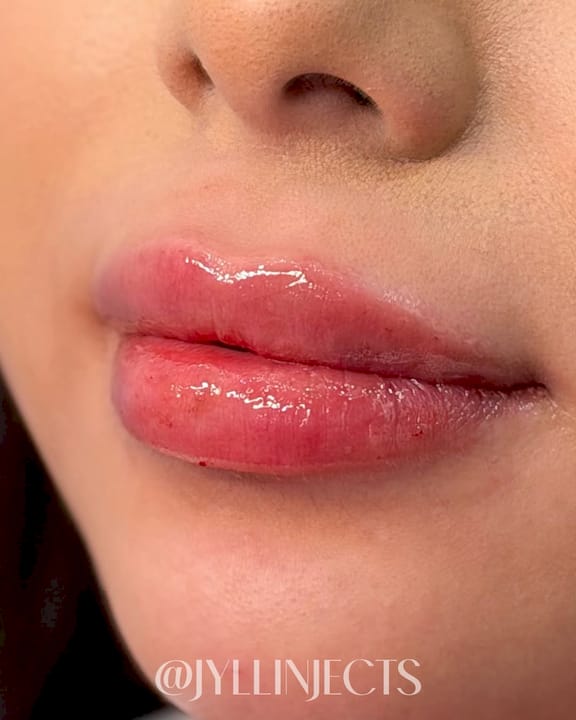
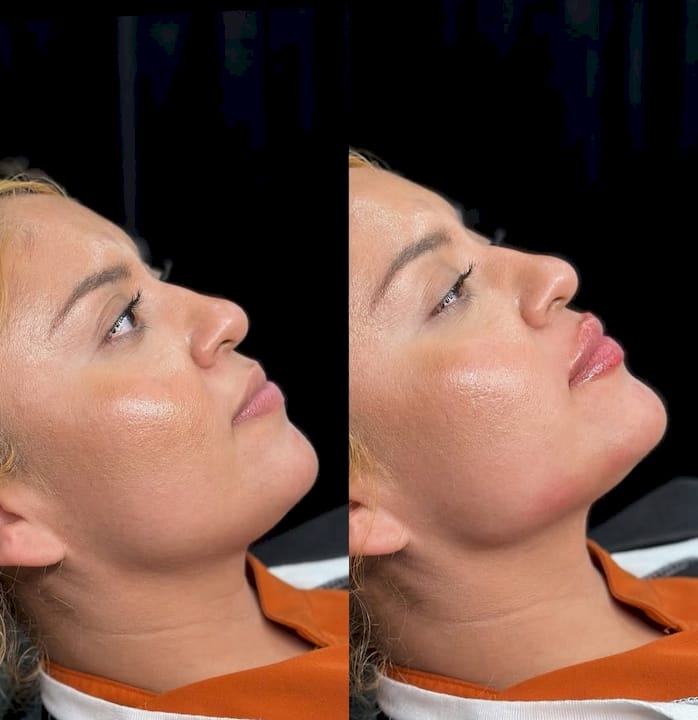
| Lip fillers always look fake or overdone | Conservative treatment creates subtle, natural volume |
| Fillers are permanent and irreversible | HA fillers dissolve safely with hyaluronidase |
| The risks are extremely high | Severe complications occur in fewer than 1 in 24,000 cases |
| Recovery takes weeks | Most swelling resolves within a few days |
| Fillers stretch the lips permanently | No long-term tissue damage when used correctly |
| Results look the same on everyone | Good providers tailor results to your facial structure and age |

The idea that fillers are dangerous or always look unnatural is largely a product of anecdote. Filler myths are so widespread that many women who would genuinely benefit from subtle rejuvenation never take the next step. The reality is that HA fillers are both safe and reversible when administered by a skilled practitioner.
Side effects do happen, but they are overwhelmingly mild. Common side effects include bruising, swelling, tenderness, and redness, with up to 41% of clients reporting short-term pain at the injection site. These symptoms resolve on their own within a few days and are not indicators of a serious problem.
For women between 35 and 65, this matters a lot. As lips naturally lose volume and definition with age, subtle restoration can create a fresher, more balanced look without any dramatic changes. Read more about how fillers enhance lips to understand what the treatment actually involves at a biological level.
Key myths, summarized:
-
Fillers always look obvious or unnatural
-
The procedure is unsafe or poorly regulated
-
You’ll be locked into the look forever
-
Recovery is long and disruptive
-
Older women can’t achieve natural results
Pro Tip: The biggest factor in your outcome isn’t the product itself. It’s the person injecting it. An experienced, licensed provider who understands facial anatomy will consistently deliver more natural, better-proportioned results than someone with minimal training. Before you commit, review lip filler basics so you know exactly what to expect.
Understanding lip filler safety: What the data really shows
Now that myths are debunked, here’s what the numbers really tell us about safety for women like you.
Let’s be honest: no cosmetic procedure carries zero risk. But context matters. When you look at peer-reviewed data rather than social media, the risk profile of HA lip fillers looks very different from what most people assume.
| Complication type | Approximate rate | Notes |
|---|---|---|
| Mild (bruising, swelling) | Common, up to 41% | Resolves within days |
| Moderate (lumps, asymmetry) | Infrequent | Often correctable |
| Severe (vascular occlusion) | 0.0041% | Lips lower risk than nose/glabella |
| Necrosis (tissue damage) | Extremely rare | Technique-dependent |
The severe complication rate for HA fillers in large clinical reviews is 0.0041%, and importantly, the lip area carries a significantly lower risk than higher-danger zones like the nose or forehead. When you put that number in perspective, you’re looking at a procedure that is statistically safer than many everyday medical interventions.
“Proper methodology, including the use of a cannula versus a needle and a thorough understanding of facial anatomy, significantly reduces even the mild complications that clients experience.” This reflects the consensus in current aesthetic medicine: technique matters as much as the product itself.
Here is a step-by-step guide for minimizing your own risk:
-
Verify credentials. Your injector should be a licensed medical professional with specific training in facial aesthetics, not just a general esthetics certificate.
-
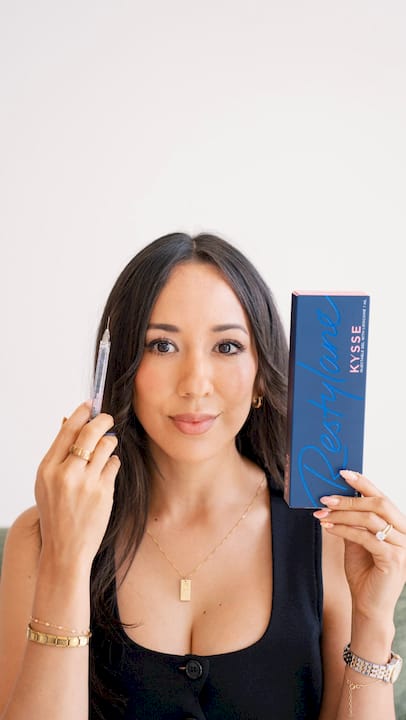
Choose FDA-approved products. Products like Juvederm and Restylane are FDA-cleared for lip augmentation and have extensive safety records.
-
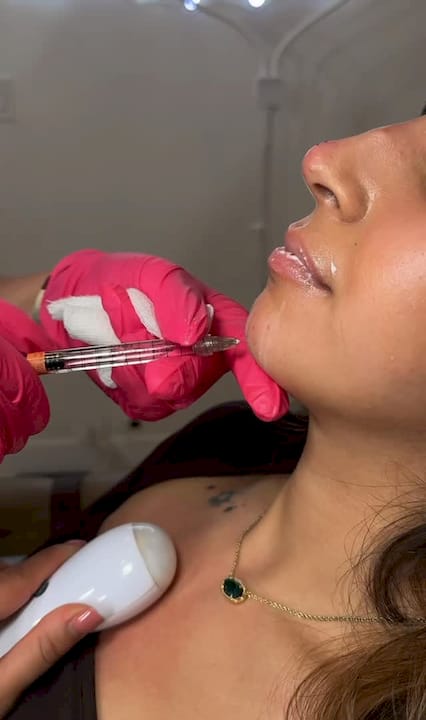
Ask about technique. Inquire whether your provider uses a cannula or needle, and why they prefer one over the other based on your anatomy.
-
Disclose your medical history. Certain medications like blood thinners, and conditions like bleeding disorders, can increase bruising risk.
-
Follow aftercare instructions carefully. Proper aftercare dramatically reduces the likelihood of complications or migration.
-
Choose a reputable med spa or clinic. The setting matters. A sterile, professional environment with qualified staff reduces infection risk substantially.
Want to protect your long-term results? Learn how to avoid lip filler migration and review guidance on managing swelling after fillers to set yourself up for the best possible outcome. Detailed guidance on lip filler aftercare is also available to walk you through the recovery period.
How to get natural-looking, age-appropriate results
Beyond safety, many women’s biggest worry is achieving a look that feels authentic at their age.
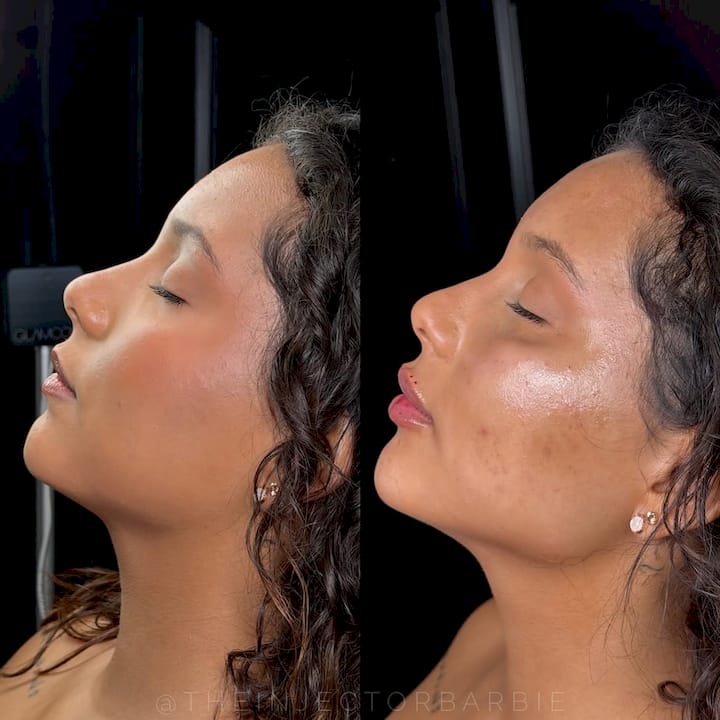
This is entirely valid. Lip trends on social media often feature dramatic volume that looks great on a 22-year-old influencer but can overwhelm the features of someone in their 40s or 50s. Natural, age-appropriate enhancement is a different goal, and it requires a different approach.
Women between 35 and 65 tend to have specific concerns: thinning lip borders, vertical lines around the mouth, a flattening of the Cupid’s bow, and loss of symmetry over time. The right treatment doesn’t just add volume. It restores proportion and definition, which is a much more nuanced goal.
Tips for achieving natural, age-appropriate results:
-
Start conservative. It’s always easier to add more at a follow-up than to dissolve filler you don’t love. Starting with a smaller amount lets you evaluate the results before committing to more.
-
Define your goals clearly. Are you looking to restore lost volume, sharpen the lip border, or improve symmetry? Being specific helps your provider tailor the treatment.
-
Avoid overfilling. More is not always better. Natural lip enhancement focuses on proportion, not maximum volume.
-
Ask for before-and-after photos of similar clients. A provider who works with women in your age group regularly will have relevant examples to show you.
-
Request a thorough consultation. A good provider assesses your facial structure, skin quality, and overall balance before recommending an approach.
-
Understand your reversal options. HA fillers are reversible with hyaluronidase, so if you’re unhappy with the result, you are not stuck with it.
Filler experts agree that prioritizing experienced providers is the single most reliable path to results that look natural, not “done.” An injector who understands aging facial anatomy will know how to work with your specific features rather than applying a one-size-fits-all technique.
Pro Tip: Ask your provider to show you a digital or physical visualization of what conservative enhancement might look like before they begin. Many experienced injectors can walk you through what they plan to do and why, which removes a lot of the anxiety about the unknown.
Maintenance, reversibility, and what to expect
Knowing you can maintain or change your look puts you firmly in control.
One of the most reassuring truths about HA lip fillers is how much flexibility they offer. This is not a permanent commitment. It is a treatment with a known timeline, predictable maintenance needs, and a clear exit strategy if you ever want one.
Here’s what you can realistically expect:
-
Initial results appear immediately. You will see the change right away, though some swelling in the first 48 to 72 hours may exaggerate the look temporarily.
-
Final results settle within two weeks. Once swelling subsides and the filler integrates with your tissue, you will see the true outcome.
-
Results typically last 6 to 12 months. The maintenance timeline varies based on individual metabolism, lifestyle factors, and the specific product used.
-
Touch-ups are optional. Some women come back every six months. Others stretch their appointments to 12 or even 15 months. There is no obligation to maintain a rigid schedule.
-
Dissolving is simple if needed. Hyaluronidase (an enzyme) breaks down HA filler quickly and safely, typically restoring the lip area to its pre-treatment baseline within a few days.
-
Results do not accumulate dangerously over time. Consistent, conservative maintenance keeps your look fresh without building up to an unnatural volume.
Maintaining benefits every 6 to 12 months gives you long-term value without creating dependency or permanent changes. You are always in the driver’s seat.
Pro Tip: Spacing your appointments consistently and coming in before your filler fully dissolves means smaller top-up amounts are needed each time. This approach keeps your look natural, your costs manageable, and your results more predictable over the long term.
Why most women overestimate lip filler risks and how to move forward with confidence
Here is something worth sitting with. The women who have had genuinely beautiful, natural lip filler results are not posting about it. You pass them at the grocery store, see them at school pickup, or notice them at work, and you simply think they look well-rested and put together. You would never know. That invisibility is the entire point.
The women whose results went wrong, or who wanted an extreme look and got one? Those stories travel fast. A single viral photo reaches millions of people and quietly becomes the mental image they associate with the entire procedure. That is not data. That is selection bias, and it has kept a lot of women from something that could genuinely improve how they feel about themselves.
Medical advances have made the procedure far more precise and controlled than it was even a decade ago. Skilled injectors in Texas today work with sophisticated understanding of facial anatomy, blood vessel mapping, and proportional aesthetics. The kind of dramatic, unnatural outcomes that circulate online are increasingly a product of untrained providers and extreme treatment goals, not of the procedure itself.
The evidence consistently shows that when you choose a qualified, experienced injector, use FDA-approved products, follow aftercare protocols, and maintain realistic expectations, you are in a very different category of risk than the horror stories suggest. And if at any point you are unhappy with your results, dissolving the filler brings you right back to where you started.
The path forward is simple: let evidence guide your decision, not anecdote. When you protect your results from the start by choosing the right provider and following proper aftercare, you dramatically improve your odds of loving what you see.
Empowerment in aesthetics comes from knowledge. Once you understand what is myth and what is medically verified, you can make a decision that is genuinely yours, based on facts rather than fear.
Explore safe, natural enhancements with expert care in Texas
If you’ve made it this far, you already know more about lip filler safety and natural results than most people do when they walk through our door. At The Injection Room, we specialize in precisely the kind of thoughtful, personalized enhancements that look natural and feel like you. Whether you’re curious about lip fillers for the first time or considering pairing your treatment with San Antonio Botox options to address fine lines around the mouth, we offer a full range of evidence-based aesthetic services. We also offer non-surgical nose jobs and a wide variety of other treatments to help you feel confident and balanced. Explore our full list of services and book a personalized consultation with our Austin or San Antonio team today.
Frequently asked questions
Are lip fillers painful?
Most clients report only mild discomfort during the procedure, with temporary swelling and tenderness that typically resolves within a few days. Topical numbing cream is routinely used to keep the experience comfortable.
Can lip fillers be reversed if I don’t like the result?
Yes. HA fillers are reversible and can be dissolved safely using hyaluronidase, an enzyme that breaks down the filler quickly without damaging surrounding tissue.
Will my lips look fake or overdone?
Not with a skilled provider. A conservative approach and a provider who understands age-appropriate aesthetics consistently delivers results that look natural and proportional to your facial features.
How long do the effects of lip fillers last?
Most HA fillers last between 6 and 12 months, though individual results vary based on metabolism and product. Regular maintenance every 6 to 12 months keeps results consistent without over-accumulating product.
Is there a high risk of serious complications?
Serious complications are statistically very rare. Severe adverse events occur at a rate of 0.0041% in large clinical studies, and the lip area carries a lower risk than higher-danger zones like the nose or glabella. Trained providers reduce that risk even further.
%20Pictures%20are%204%20weeks%20apart..jpg)