One clinical study found a 400% increase in collagen deposition over six months with microneedling alone. That number surprises most people, because microneedling still gets lumped in with trendy, unproven treatments. The truth is that the science behind it is solid, the results are real, and for women in their late 30s through 50s looking for non-surgical anti-aging options, it may be one of the most clinically supported tools available. This article covers how microneedling actually works at the cellular level, what results you can realistically expect, how RF microneedling compares, and what protocols and safety considerations matter most.
Table of Contents
-
Clinical results: What realistic improvements can you expect?
-
RF microneedling vs. traditional: Deeper collagen, more risks
-
Protocols, provider tips, and who should avoid microneedling
-
The nuances most clinics won’t tell you about collagen and microneedling
-
Discover professional microneedling and collagen solutions in San Antonio and Austin
Key Takeaways
| Point | Details |
|---|---|
| Clinically proven collagen boost | Microneedling leads to a dramatic increase in collagen over 3-6 months backed by scientific studies. |
| Gradual, natural improvement | Most women notice smoother texture and fewer wrinkles gradually after sessions, with peak results after several months. |
| RF offers deeper results | Radiofrequency microneedling can tighten skin and remodel collagen more deeply but comes with greater risks. |
| Professional care is essential | Expert providers in San Antonio and Austin ensure optimal results and safety, especially for darker skin or older patients. |
| Protocols matter for outcomes | Following session schedules and using the right technique makes a meaningful difference in collagen gains. |
How microneedling stimulates collagen production
Building on that impressive collagen boost, let’s break down exactly how microneedling works at the cellular level.
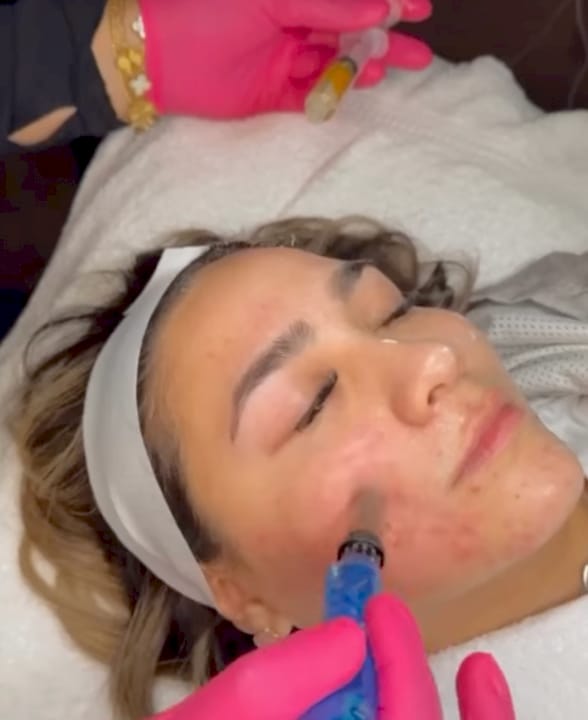
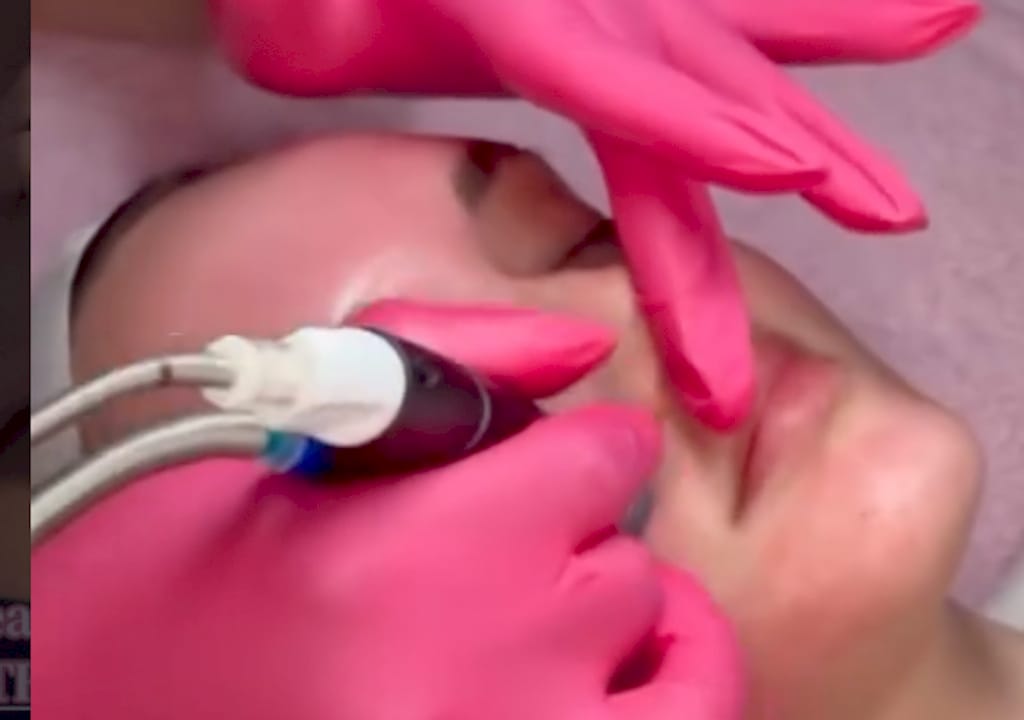
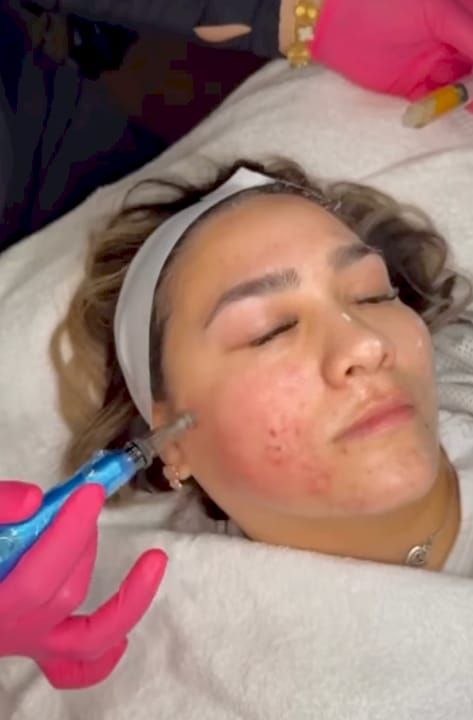
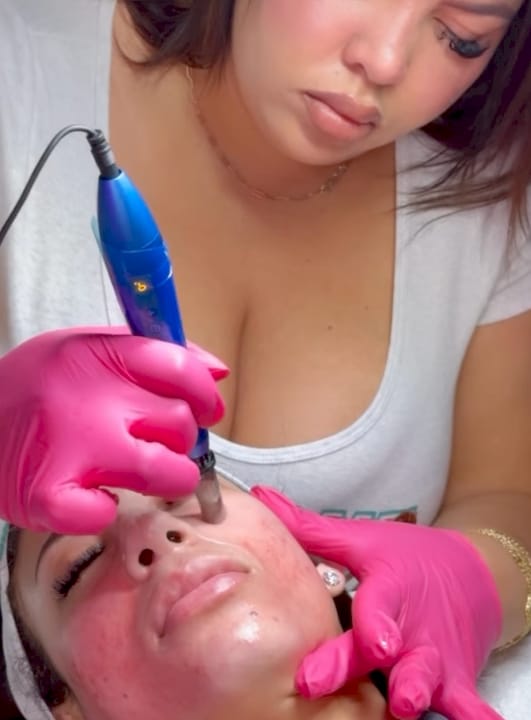
Microneedling works by creating hundreds of tiny, controlled punctures in the skin using fine needles. These micro-injuries are not random damage. They are precise enough to trigger your skin’s natural repair system without causing lasting harm. The process is called the wound healing cascade, and it unfolds in three overlapping phases: inflammation, proliferation, and remodeling.
During the inflammation phase, your body sends growth factors to the treated area. These include TGF-beta, PDGF, and VEGF, which are signaling proteins that tell your skin cells to get to work. Fibroblasts, the cells responsible for producing collagen and elastin, become activated. This is where the real anti-aging magic happens. Fibroblasts begin laying down new structural proteins, a process called neocollagenesis.
Here is what makes microneedling particularly valuable for women over 35: collagen production naturally slows with age, and elastin fibers become less organized. Microneedling directly counteracts this by forcing the skin to rebuild from within. The microneedling mechanism does not just resurface the top layer. It reaches the dermis, where structural collagen lives.
Key growth factors activated during microneedling:
-
TGF-beta: Drives collagen synthesis and remodeling
-
PDGF: Promotes cell proliferation and tissue repair
-
VEGF: Supports new blood vessel formation for better nutrient delivery
-
EGF: Encourages skin cell turnover and regeneration
Results from collagen remodeling build gradually. Most of the visible improvement happens between weeks four and twelve, with peak collagen deposition occurring around the six-month mark. This is not a one-and-done treatment.
| Phase | Timing | What happens |
|---|---|---|
| Inflammation | Days 1-3 | Growth factors released, fibroblasts activated |
| Proliferation | Days 4-21 | New collagen and elastin laid down |
| Remodeling | Weeks 3-6+ | Collagen matures, skin firms and smooths |
“Microneedling stimulates collagen production by creating controlled micro-injuries that trigger the skin’s wound healing cascade, leading to measurable increases in dermal collagen over time.”
Pro Tip: Applying a vitamin C serum or hyaluronic acid immediately after your session (as directed by your provider) can amplify collagen synthesis because the microchannels allow deeper ingredient absorption than normal skin allows.
Clinical results: What realistic improvements can you expect?
Understanding the mechanism sets the stage for understanding what results you might actually see.
The clinical data on microneedling is genuinely encouraging. Clinical improvements in skin texture, wrinkles, and acne scars are seen in 80 to 90% of patients after three to six sessions. That is a high response rate for any non-surgical treatment, and it holds across different skin types and concerns.
The 400% collagen increase reported over six months reflects what happens when sessions are spaced correctly and aftercare is followed. Skin texture improvements tend to show up first, usually after sessions two or three. Wrinkle reduction and scar improvement take longer because they require deeper structural remodeling.

Here is a realistic look at what different skin concerns can expect:
| Concern | Improvement rate | Sessions needed | Timeline |
|---|---|---|---|
| Skin texture | High (80-90%) | 3-4 | 4-8 weeks |
| Fine lines | Moderate to high | 4-6 | 3-6 months |
| Acne scars | Moderate (varies by depth) | 4-6 | 3-6 months |
| Skin laxity | Moderate | 4-6 | 3-6 months |
Steps for getting the best possible results:
-
Consult with a licensed provider to assess your skin type, concerns, and whether microneedling is appropriate
-
Complete the recommended session series, typically three to six treatments spaced four to six weeks apart
-
Follow the aftercare protocol strictly, including sun avoidance and gentle skincare for at least 72 hours
-
Use recommended topicals between sessions to support collagen production
-
Schedule maintenance sessions every six to twelve months to preserve results
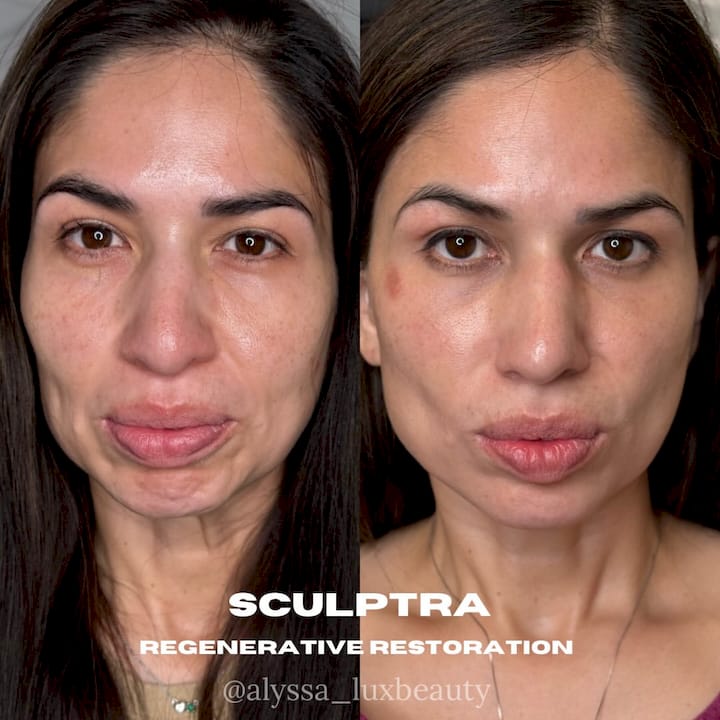
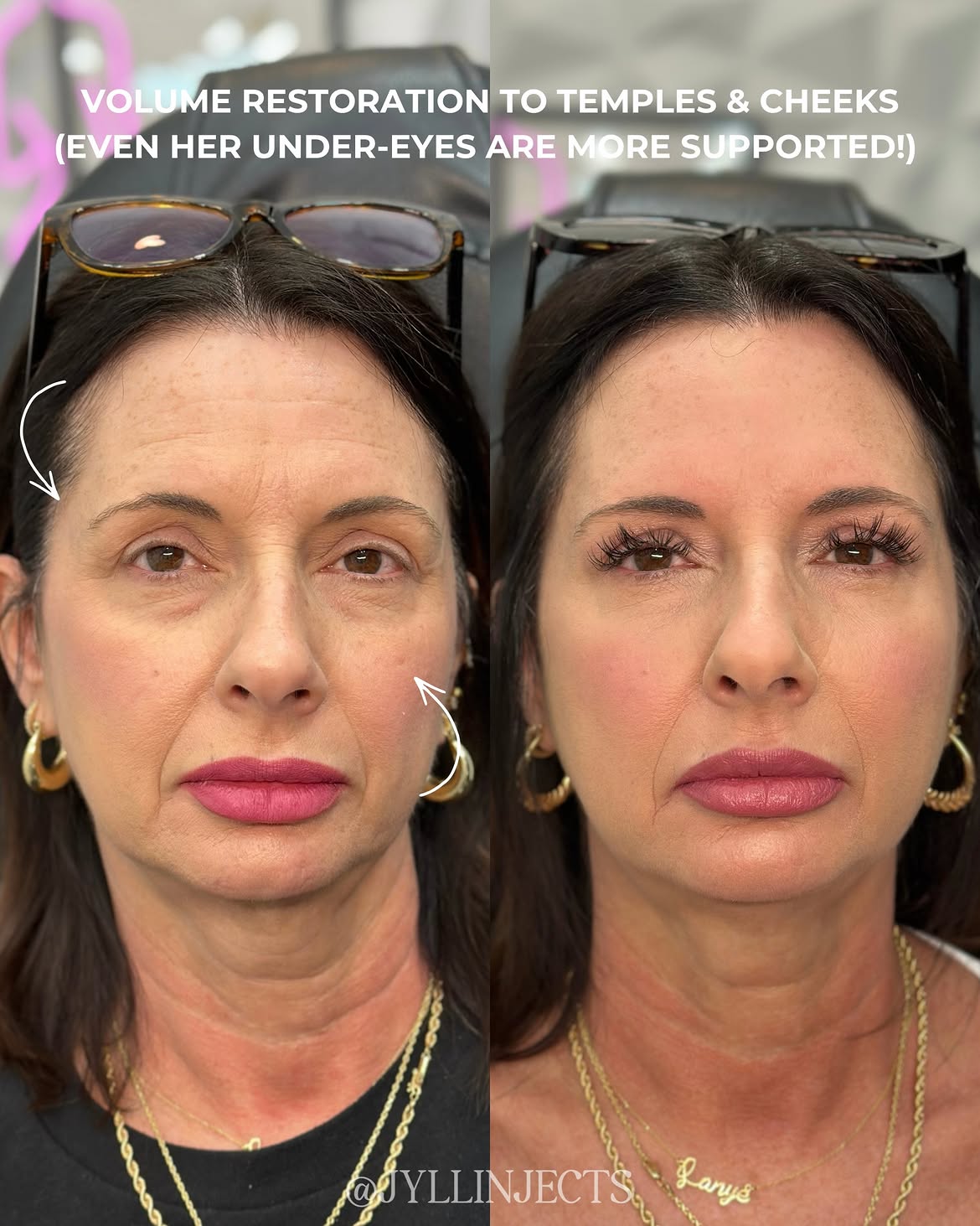
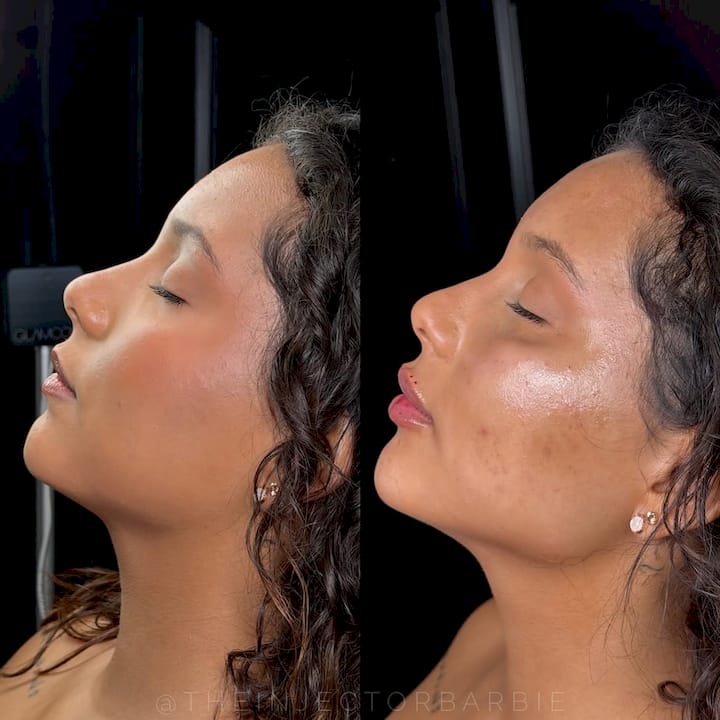
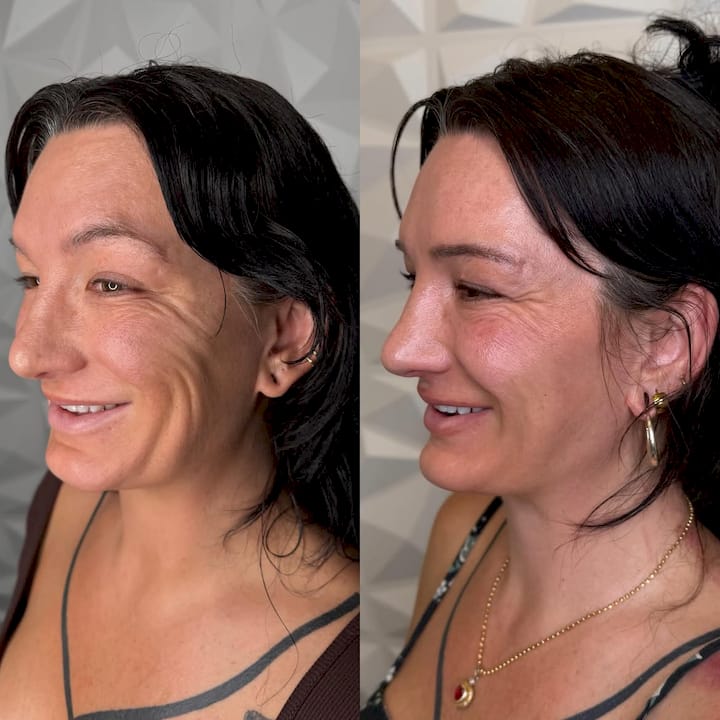
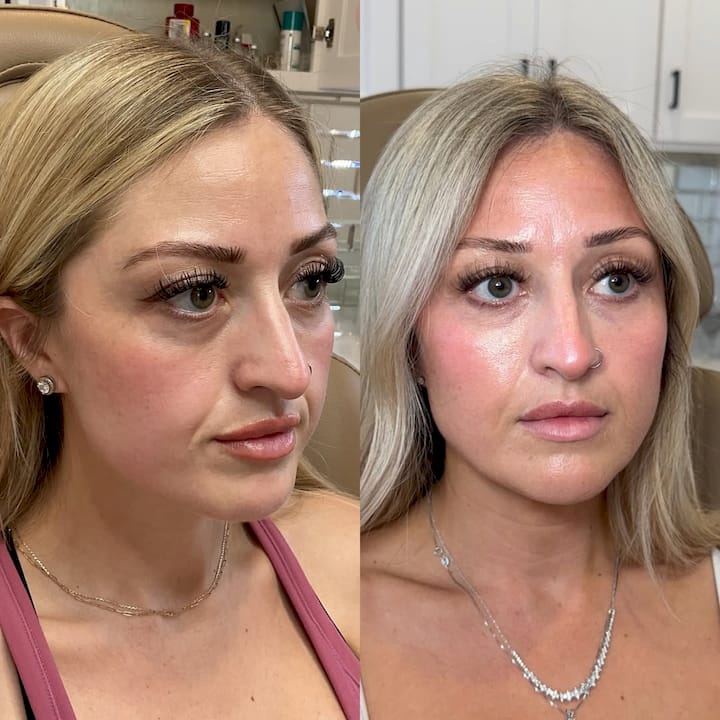
For a closer look at real patient outcomes, the benefits before and after microneedling can be striking, especially for women dealing with sun damage and uneven tone from years of Texas sun exposure. You can also review microneedling results timelines to set accurate expectations before your first session.
Pro Tip: Do not judge your results at week two. Skin looks rough and uneven during the proliferation phase. The real transformation happens quietly over the following months as collagen matures.
RF microneedling vs. traditional: Deeper collagen, more risks
Given the impressive results, many wonder how advanced techniques like RF compare to traditional microneedling.
Radiofrequency microneedling adds a layer of thermal energy to the standard process. The needles deliver heat directly into the dermis as they penetrate, which triggers an additional round of collagen remodeling at a deeper level. RF microneedling results show that improvements continue up to six months post-treatment, with particularly strong outcomes for skin tightening and deeper acne scars.
But the added power comes with added risk. The FDA has issued warnings about RF devices, specifically around the potential for burns and unintended fat loss if the thermal energy is not delivered at the correct depth and intensity.
| Feature | Traditional microneedling | RF microneedling |
|---|---|---|
| Collagen depth | Superficial to mid-dermis | Deep dermis |
| Best for | Texture, fine lines, mild scars | Tightening, deep scars, laxity |
| Downtime | 1-3 days | 3-5 days |
| Risk level | Low | Moderate |
| Cost | Lower | Higher |
| Fat loss risk | None | Possible if improperly done |
Key risks specific to RF microneedling:
-
Burns from excessive heat delivery
-
Unintended fat loss in the cheeks or temples
-
Post-inflammatory hyperpigmentation (PIH), especially in darker skin tones
-
Prolonged redness or swelling if settings are too aggressive
“RF risks include burns and fat loss if improperly done, which is why the FDA has flagged the importance of proper device use and provider training.”
For women in their 40s and 50s dealing with early jowling or significant laxity, RF microneedling can deliver results that traditional microneedling cannot match. But the gap narrows when you factor in the higher risk profile. Comparing your options at RF vs. traditional is a smart first step before committing to either approach.
Protocols, provider tips, and who should avoid microneedling
Understanding risks and protocols is crucial for choosing safe, effective treatment.
The optimal microneedling protocol for collagen stimulation involves three to six sessions spaced four to six weeks apart. Needle depth matters enormously: 0.5 to 1.5mm for general facial rejuvenation, and 1.5 to 2.5mm for deeper scar treatment. Professional devices reach depths and speeds that at-home rollers simply cannot replicate safely or effectively.
At-home microneedling rollers are widely sold, but they carry real risks when used without training. Inconsistent pressure, improper sterilization, and incorrect needle depth can cause infection, scarring, or worsened pigmentation. The at-home vs professional comparison is not even close when collagen results and safety are the priority.
Who should avoid microneedling or proceed with caution:
-
Women with active skin infections or open wounds in the treatment area
-
Those with a history of keloid scarring, as microneedling may worsen it
-
Women with bleeding disorders or on blood thinners
-
Anyone currently using isotretinoin (Accutane) or who has used it within the past six months
-
Women with darker skin tones who are not working with a provider experienced in managing PIH risk
-
Those with active rosacea flares or inflammatory skin conditions
“Contraindicated in active infections, keloids, and bleeding disorders; higher PIH risk in darker skin tones if not properly managed by an experienced provider.”
Pro Tip: Ask your provider specifically about their needle depth settings and device brand before your session. A skilled provider should be able to explain their rationale for the depth they choose based on your skin concerns. If they cannot, that is a red flag. The microneedling process explained gives you a solid framework for knowing what questions to ask. You can also review a microneedling checklist to prepare for your appointment.
The nuances most clinics won’t tell you about collagen and microneedling
With protocols and risks clear, let’s look beneath the hype for what expert experience and the data really point to.
Microneedling is genuinely effective. But it is not a universal fix, and the collagen story gets more complicated as women age. Here is what we think deserves more honesty in the conversation.
For women over 45, adding PRP (platelet-rich plasma) to microneedling is often marketed as a major upgrade. The data does not fully support that claim. A randomized controlled trial in women over 45 found no significant improvement in skin laxity or wrinkles with microneedling plus PRP compared to microneedling with saline. The reasons are still being studied, but age-related changes in growth factor response may reduce PRP’s effectiveness in older skin.
Microneedling also works best for texture and superficial scarring. For deep static wrinkles or significant volume loss, it is not a replacement for neurotoxins, fillers, or other structural treatments. Knowing what microneedling expectations are realistic helps you avoid spending money chasing results the treatment was never designed to deliver.
The collagen gains are real. They are just gradual, modest in some cases, and dependent on professional execution. That is still worth a lot.
Discover professional microneedling and collagen solutions in San Antonio and Austin
If the science has you ready to take action, the next step is finding a provider who actually understands the protocols, not just the marketing. At The Injection Room, we offer microneedling services designed specifically for women looking to restore collagen and improve skin quality without surgery. Whether you are in San Antonio microneedling or prefer our Austin microneedling location, our team tailors every treatment to your skin type, concerns, and goals. We believe in honest results, proper protocols, and making sure you know exactly what to expect before you ever sit in the chair.
Frequently asked questions
How many microneedling sessions are needed for visible collagen improvement?
Most women see visible collagen improvement after 3-6 sessions spaced four to six weeks apart, with peak results appearing around the six-month mark.
Is microneedling safe for women with darker skin?
Microneedling is generally safe for darker skin tones, but PIH risk is higher if the provider is not experienced in managing pigmentation carefully during and after treatment.
Does combining microneedling with PRP improve collagen for aging skin?
Recent research shows no significant improvement with PRP versus saline in women over 45, suggesting PRP’s added benefit may diminish with age-related changes in skin biology.
Who should avoid microneedling?
Women with active infections, keloids, or bleeding disorders should avoid microneedling until those conditions are resolved or cleared by a medical provider.
How long do microneedling results last?
Collagen-boosting effects peak at 3-6 months and can be maintained with periodic sessions every six to twelve months depending on your skin’s response.

%20Pictures%20are%204%20weeks%20apart..jpg)