TL;DR:
Sculptra stimulates collagen production for gradual, long-lasting under-eye improvement.
Proper deep-plane injection reduces risks; superficial placement can cause visible lumps.
Results last 4 to 5 years, but it is not suitable for very thin skin or deep tear troughs.
Most women assume that under-eye rejuvenation means one thing: hyaluronic acid (HA) filler placed directly into the tear trough. That assumption leaves a genuinely powerful option off the table. Sculptra, a poly-L-lactic acid (PLLA) biostimulator, takes a completely different approach to softening the under-eye area, and volume improvement lasting several years makes it worth understanding before you book anything. This guide covers how Sculptra works near the eyes, what results look like, the real risks involved, and who is actually a good candidate. If you’re in Austin or San Antonio and exploring non-surgical anti-aging options, read this before making a decision.
Table of Contents
-
How to prepare for and maximize your Sculptra under-eye treatment
-
Our perspective: When Sculptra under the eyes makes sense and when it doesn’t
Key Takeaways
| Point | Details |
|---|---|
| Indirect injection technique | Sculptra is used near the under eyes by skilled injectors who avoid direct tear trough placement for safety. |
| Long-lasting results | Results from Sculptra can appear in weeks and last up to 4–5 years with proper care. |
| Risks require expert care | Risks of lumps and unevenness are higher under the eyes, so choose an experienced provider and know your candidacy. |
| Tailored for select patients | Sculptra works best for those with mild to moderate aging; thin skin and heavy puffiness are better served by other treatments. |
How Sculptra works for under-eye rejuvenation
Sculptra is not a filler in the traditional sense. It does not add immediate volume the way HA fillers do. Instead, it contains poly-L-lactic acid, a biocompatible synthetic material that stimulates your body to produce its own collagen over time. The result is gradual, natural-looking improvement rather than an instant change you see walking out of the office.
For the under-eye area specifically, the technique matters enormously. Sculptra is injected into the deep plane of the midface and orbital rim, not directly into the tear trough itself. This indirect placement is intentional. The midface and orbital rim sit just below and around the under-eye zone, so stimulating collagen there softens the transition between the lower eyelid and cheek without placing product in a dangerously thin area.

The dilution protocol is also very specific. Sculptra is typically mixed with 8 to 9 mL of sterile water containing lidocaine, and roughly 2 to 2.5 mL is injected per treatment area. This careful dilution reduces the risk of lumps and ensures even distribution. You can learn more about the full Sculptra procedure details to understand what a session involves from start to finish.
Most patients need three sessions, spaced about six weeks apart. After each session, massage is required to help distribute the product evenly and reduce the chance of nodule formation. This is not optional. Skipping massage is one of the most common reasons complications develop.
| Feature | Sculptra under-eye approach | Traditional HA filler |
|---|---|---|
| Placement | Deep plane, midface/orbital rim | Tear trough directly |
| Mechanism | Collagen stimulation | Immediate volume |
| Sessions needed | 3 (spaced 6 weeks) | 1 to 2 |
| Results visible | Gradually over weeks | Immediately |
| Reversible | No | Yes (hyaluronidase) |
Pro Tip: Ask your provider specifically where they plan to inject Sculptra. If they say directly into the tear trough, that is a red flag. Proper placement is always indirect, targeting the deeper layers of the midface. Understanding restoring facial volume with Sculptra helps clarify why placement depth changes everything.
Expected results and how long Sculptra lasts under the eyes
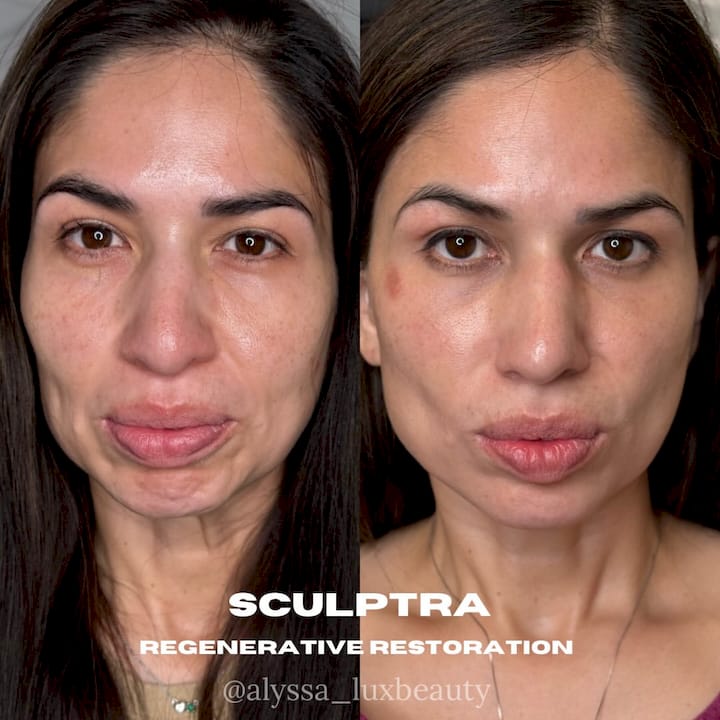
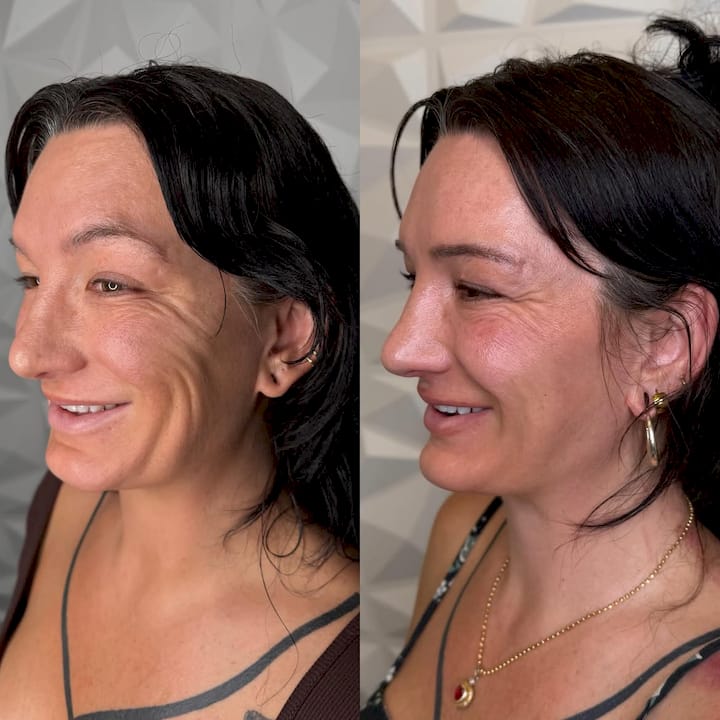
Patience is the price of admission with Sculptra. Unlike HA fillers where you see a change the same day, Sculptra works on your body’s own timeline. Collagen production ramps up gradually, meaning most patients notice meaningful improvement around the six-week mark after their first session, with the full picture emerging after all three sessions are complete.

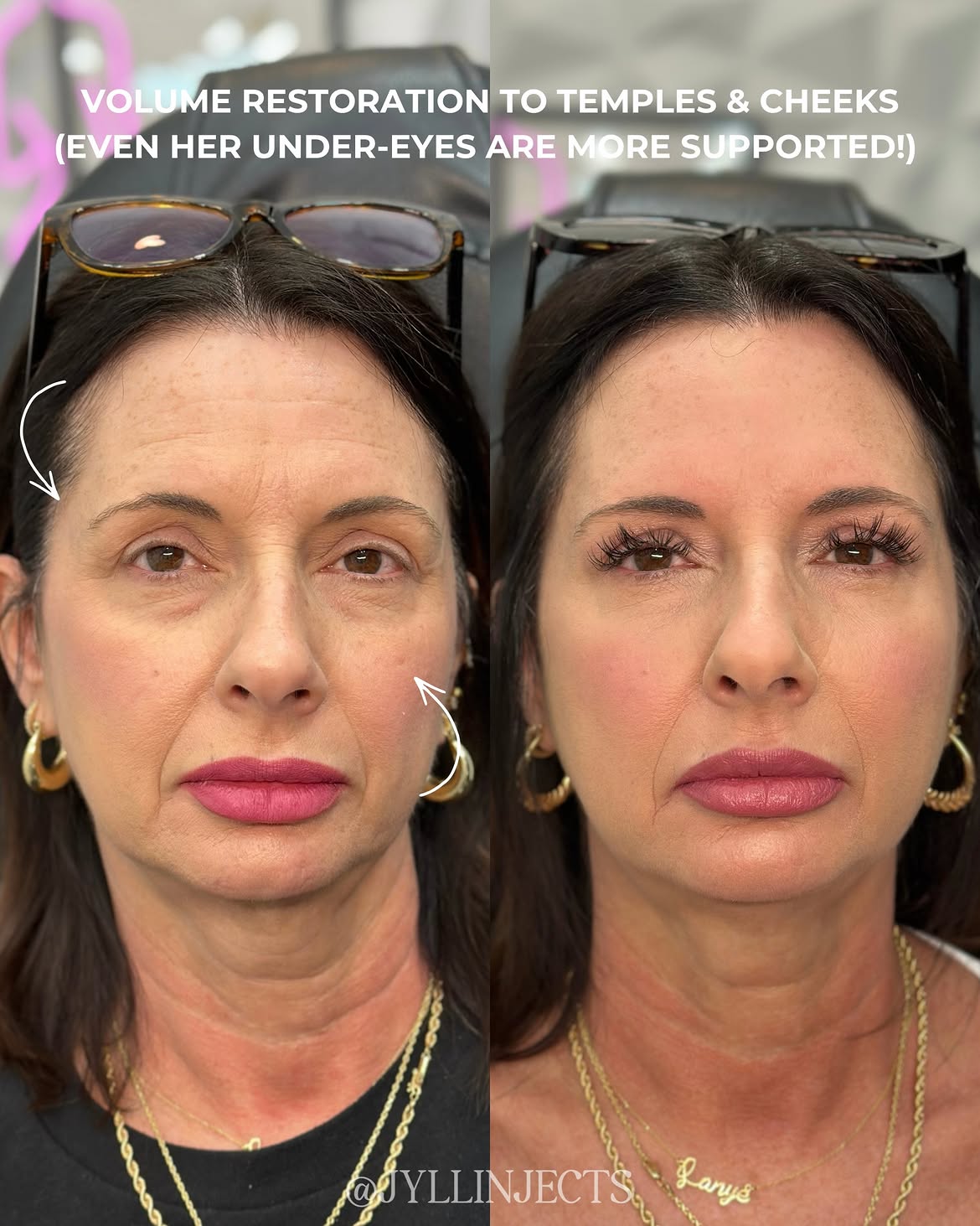
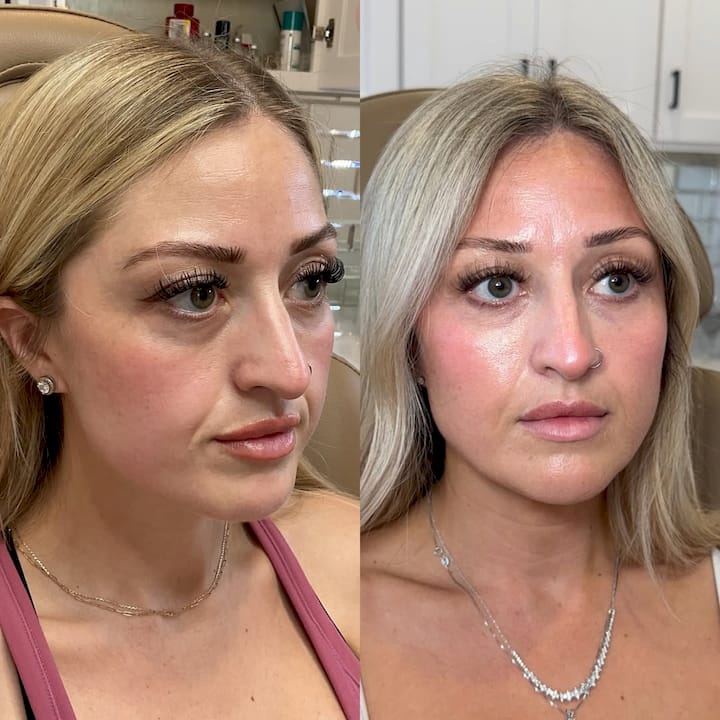
What does improvement actually look like? Patients typically see gains in three areas: volume (the hollow or sunken look softens), texture (skin quality improves as collagen increases), and pigmentation (the shadowing that creates dark circles often lightens as the under-eye area gains structural support). These are not dramatic overnight changes. They are the kind of results that make people say you look refreshed without being able to pinpoint exactly why.
The durability is where Sculptra genuinely stands out. Improvements in volume, texture, and pigmentation seen after three sessions can last 4 to 5 years with minimal touch-ups. Most HA fillers in the under-eye area last 9 to 18 months before needing replacement. That longevity difference is significant if you are calculating long-term cost and convenience.
Here is how the main under-eye options compare:
| Treatment | Longevity | Reversible | Downtime | Best for |
|---|---|---|---|---|
| Sculptra | 4 to 5 years | No | Minimal | Gradual volume, collagen loss |
| HA filler | 9 to 18 months | Yes | Minimal | Immediate hollowness correction |
| Fat grafting | Variable (years) | No | Significant | Severe volume loss |
Key benefits of Sculptra for under-eye rejuvenation include:
-
Long-lasting collagen stimulation that improves skin quality over time
-
Natural-looking results that develop gradually rather than appearing sudden
-
Fewer repeat treatments compared to HA fillers over a 5-year period
-
Improvement in skin texture and tone, not just volume
For a deeper look at why patients choose this approach, the Sculptra benefits page covers the full picture. You can also explore the broader Sculptra advantages when comparing it to other biostimulators.
Risks and limitations of using Sculptra under the eyes
Here is the part most providers gloss over, and it deserves full attention. Sculptra near the eyes carries real risks, and they are not trivial.
The most serious concern is nodule and papule formation. When Sculptra is placed too superficially, or when massage is not performed correctly, small lumps can form under the skin. Near the eyes, where skin is extremely thin and translucent, these lumps are both visible and very difficult to treat. Risks in the periorbital area are higher than in other facial zones, including increased rates of nodules, papules, swelling, bruising, and lumps from superficial placement.
The irreversibility factor is critical. HA fillers can be dissolved with an enzyme called hyaluronidase if something goes wrong. Sculptra cannot be dissolved. If you develop a complication, you are managing it, not reversing it. That reality changes the risk calculation significantly compared to other injectables.
“Sculptra is not reversible. Complications from improper placement near the eyes may require surgical correction or may simply have to resolve on their own over time.” — Drugs.com
Who should not get Sculptra under the eyes:
-
People with very thin or translucent under-eye skin, where any irregularity will show
-
Patients with significant under-eye puffiness or bags caused by fat herniation
-
Anyone with deep, pronounced tear troughs that need immediate structural correction
-
Patients who are not committed to the post-injection massage protocol
-
Anyone expecting instant results or who cannot commit to multiple sessions
Understanding under-eye filler basics helps clarify when HA fillers are a safer first step. If you want a full picture of what can go wrong, reviewing the complications of Sculptra is worth your time before booking.
How to prepare for and maximize your Sculptra under-eye treatment
If you have gone through the risks and still feel Sculptra is right for you, preparation makes a real difference in outcomes. This is not a treatment where you show up cold and hope for the best.
Start with provider selection. Under-eye Sculptra requires specific expertise. Ask directly whether your injector has experience with periorbital Sculptra placement, how many cases they have done, and what their complication rate looks like. A provider who hesitates or cannot answer those questions clearly is not the right fit for this treatment.
During your consultation, expect a thorough assessment of your under-eye anatomy. A good provider will evaluate skin thickness, the depth of your hollowing, whether puffiness is present, and whether your overall facial volume loss makes you a realistic candidate. Candidacy screening is not a formality here. It is the most important part of the process.
Three Sculptra sessions are typical, spaced six weeks apart, with massage recommended after each treatment. On treatment day, expect mild discomfort managed by the lidocaine in the solution. Swelling and bruising are common for a few days.
Practical tips for best results:
-
Avoid blood thinners like aspirin, ibuprofen, fish oil, and alcohol for at least one week before treatment
-
Perform the recommended massage (typically 5 minutes, 5 times daily for 5 days) without exception
-
Stay out of intense heat, including saunas and hot yoga, for 48 hours after each session
-
Schedule follow-up appointments at the six-week mark to assess progress before the next session
-
Report any firm lumps or unusual swelling to your provider promptly
Pro Tip: Take photos in consistent lighting before each session. Sculptra’s gradual results are easy to underestimate without a side-by-side comparison. Most patients are surprised by how much has changed when they look back at their starting point.
For guidance on choosing safe injectable therapy in general, and to learn about Sculptra in Austin and San Antonio specifically, we have resources to help you move forward with confidence.
Our perspective: When Sculptra under the eyes makes sense and when it doesn’t
We will be direct with you. Sculptra under the eyes is not the right answer for everyone, and providers who recommend it universally are not doing you a favor.
Sculptra genuinely shines in patients who have moderate volume loss, reasonably healthy skin thickness, and the patience for gradual results. If you are in your 40s or 50s, noticing that your under-eye area looks hollow or tired rather than puffy, and you want something that lasts years rather than months, Sculptra is a compelling option worth serious consideration.
But if your skin is very thin, if you have visible bags from fat herniation, or if your tear troughs are deep and pronounced, HA fillers or even surgical consultation will serve you better. The risk of visible lumps in thin under-eye skin is real, and the fact that Sculptra cannot be reversed means a complication becomes a long-term problem.
The most exciting development we are watching is the blending of methods. Combining Sculptra for deep collagen stimulation with targeted HA filler for precise hollowness correction, or pairing it with contouring with injectables approaches, often produces the most natural, balanced results. No single tool does everything perfectly.
Considering Sculptra or other under-eye solutions?
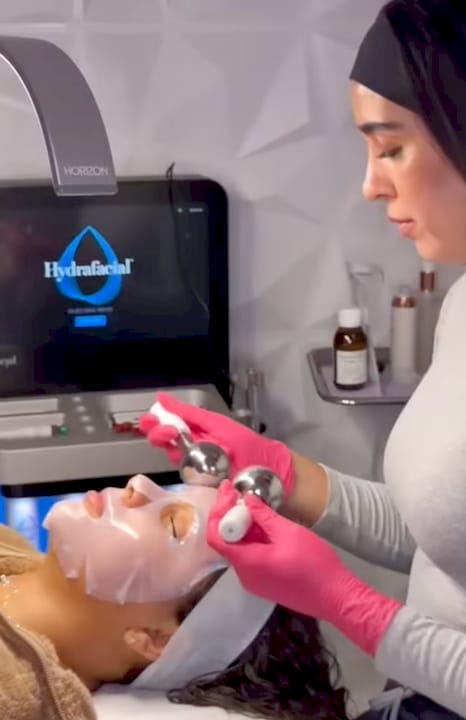
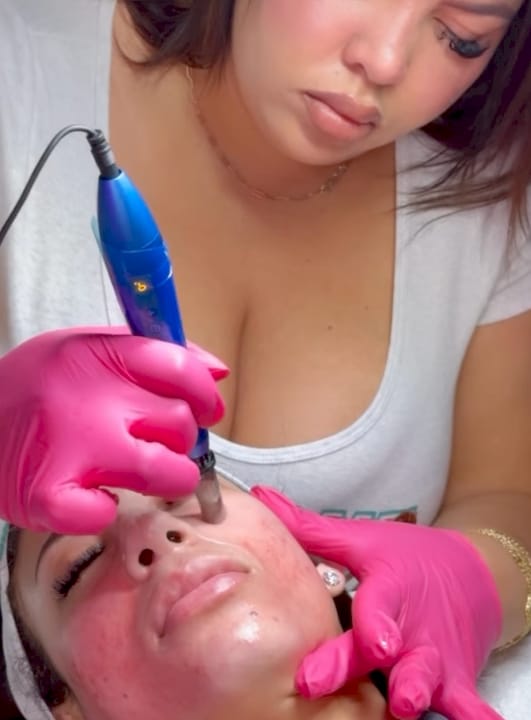
If this article has you thinking seriously about your under-eye area, the next step is a real conversation with an experienced injector who can assess your specific anatomy. At The Injection Room, we offer Sculptra consultations at both our Austin and San Antonio locations, along with a full range of complementary treatments. Microneedling for collagen support and HydraFacial treatments can enhance and maintain your results between injectable sessions. We take a holistic, honest approach, meaning we will tell you if Sculptra is not the right fit and recommend what actually is. Book a personalized consultation and let us build a plan that works for your face, your goals, and your timeline.
Frequently asked questions
Is Sculptra safe to use under the eyes?
Sculptra can be used near the under-eye area when injected properly into the deep midface plane, but it is not FDA-approved for this region and carries higher risks like lumps and nodules if not expertly administered.
How long do Sculptra results last under the eyes?
Results from under-eye Sculptra can last 4 to 5 years after completing the recommended sessions, making it one of the longest-lasting non-surgical options available.
Who is not a good candidate for Sculptra under the eyes?
People with very thin or translucent skin, significant puffiness or bags, or deep tear troughs are better served by HA fillers or a surgical consultation rather than Sculptra.
What is the recovery like after Sculptra under-eye injections?
Mild swelling and bruising are common for a few days, and massage is required after each session to prevent lumps, though most patients return to normal activities quickly.

%20Pictures%20are%204%20weeks%20apart..jpg)