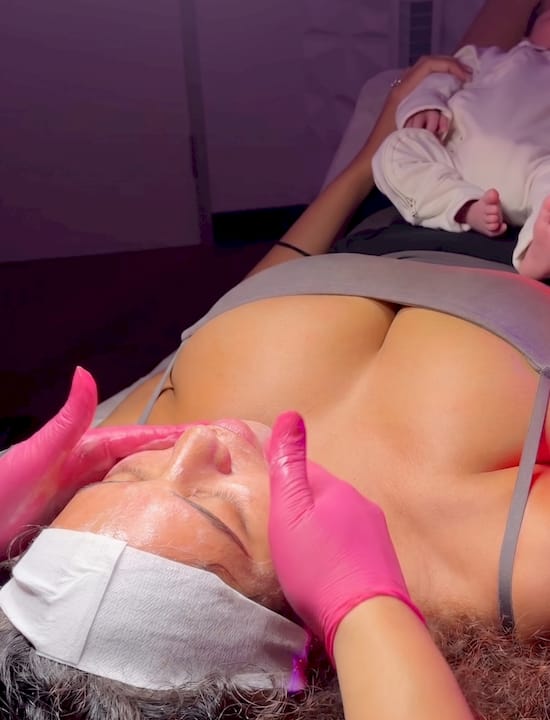
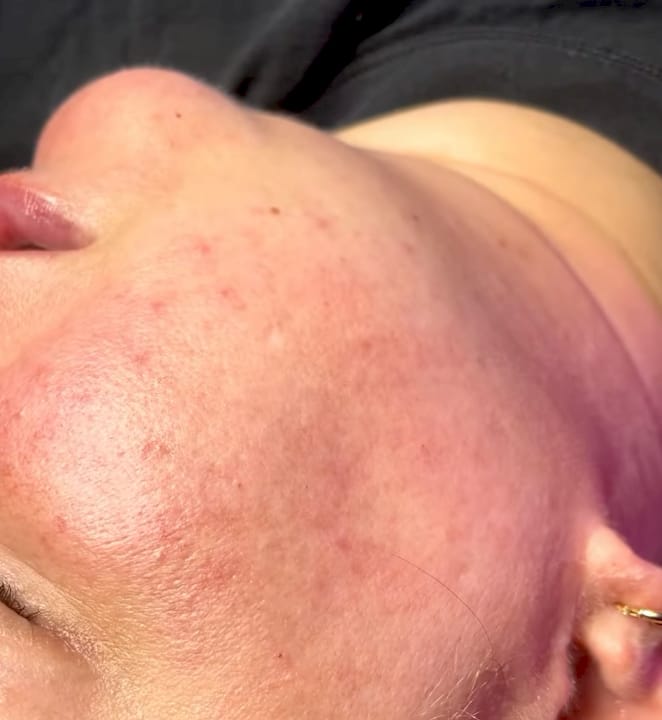
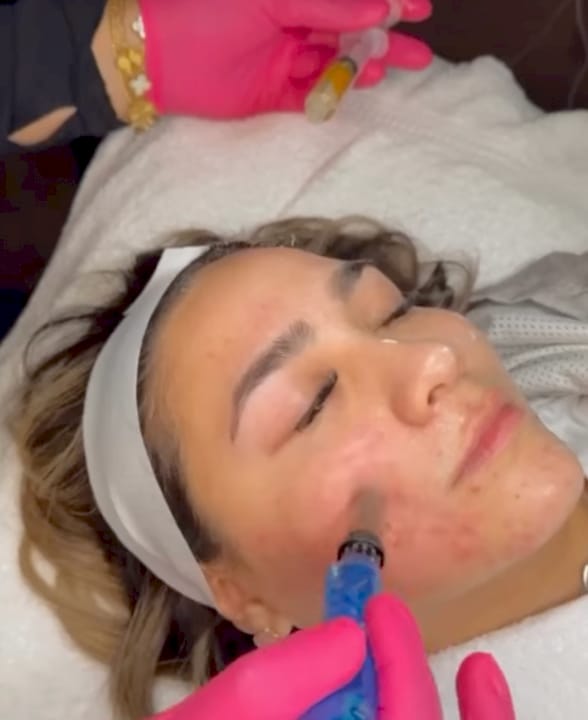
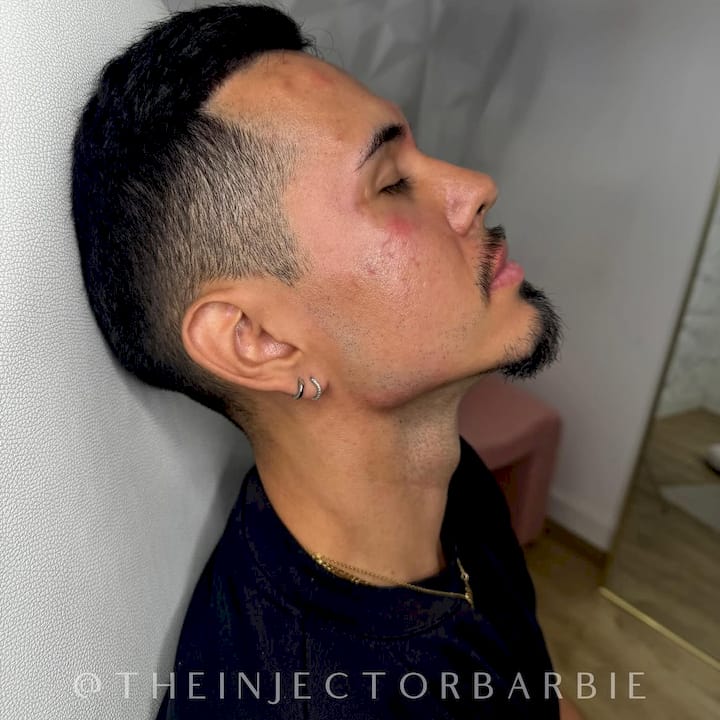
Not all wrinkle relaxers work the same way, and assuming they do is one of the most common mistakes women make when exploring anti-aging treatments. Dysport has carved out a distinct reputation in the world of neurotoxins, and for good reason. It behaves differently from other options, works on a slightly different timeline, and suits certain faces and goals better than alternatives. This guide covers what Dysport is, how it works, where it’s used, how it compares to Botox, who makes a good candidate, and what real results look like. If you’re weighing your options in San Antonio or Austin, this is the clearest breakdown you’ll find.
Table of Contents
-
Who is a good candidate for Dysport? Safety, side effects, and key considerations
-
What to expect: Results, recovery, and real patient experiences
-
The real secret behind choosing a neurotoxin: What most guides won’t tell you
Key Takeaways
| Point | Details |
|---|---|
| Dysport for frown lines | Dysport is FDA-approved and most commonly used to smooth moderate to severe frown lines. |
| Fast results and high satisfaction | Most see results in 2-3 days, and patient satisfaction is extremely high. |
| Dysport vs. Botox differences | Dysport may act faster and spread more than Botox, but personal goals and anatomy determine the best choice. |
| Safety and candidacy matters | Not everyone is a candidate for Dysport, so discussing your health history with your provider is crucial. |
| Provider skill is key | The expertise of your injector impacts your results more than the product brand. |
What is Dysport and how does it work?
Dysport is a brand name for abobotulinumtoxinA, a purified form of botulinum toxin type A. It works by temporarily blocking the nerve signals that tell specific facial muscles to contract. When those muscles can’t tighten, the skin above them smooths out, and expression lines soften or disappear.
Here’s what Dysport is FDA-approved to treat:
-
Glabellar lines: moderate to severe frown lines between the eyebrows in adults under 65
-
Cervical dystonia: a neurological condition causing involuntary neck muscle contractions in adults
-
Upper and lower limb spasticity: in both adults and children aged 2 and older
In aesthetics, the glabellar line indication is the most relevant. Those “11 lines” between your brows form because the corrugator and procerus muscles contract repeatedly over years. Dysport relaxes those muscles so the lines stop deepening and, over time, begin to fade.
Understanding what Botox does helps here too, since both work through the same basic mechanism. The difference lies in the protein structure, dosing, and how each product spreads through tissue. Knowing this helps you set realistic expectations: Dysport won’t freeze your face or erase deep static lines overnight. It relaxes movement-driven lines, and results build over days.

Exploring the different anti-wrinkle injection types available is a smart first step before any consultation.
Pro Tip: When you understand that neurotoxins work on muscles, not skin, you stop expecting them to fix sun damage or volume loss. That clarity helps you have a much more productive conversation with your injector.
Primary uses of Dysport in aesthetics and medicine
With clarity on what Dysport is, let’s look at exactly where it’s used, both for cosmetic benefits and in medical care.
Dysport’s FDA-approved uses cover glabellar lines, cervical dystonia, and limb spasticity. But in a med spa setting, the conversation is almost always about the face.
| Use | FDA-approved? | Notes |
|---|---|---|
| Glabellar lines (frown lines) | Yes | Most common cosmetic use |
| Forehead lines | Off-label | Very commonly treated |
| Crow’s feet | Off-label | Popular for eye area |
| Brow lifting | Off-label | Subtle lift effect |
| Neck bands (tech neck) | Off-label | Growing in popularity |
| Cervical dystonia | Yes | Medical, not cosmetic |
| Limb spasticity | Yes | Medical, not cosmetic |
Off-label means a provider uses an FDA-approved product for a purpose beyond its official indication. This is standard and legal practice in medicine, and experienced injectors do it routinely.
Here’s what makes Dysport a preferred choice for some areas over others:
-
Larger surface areas: Dysport spreads more than Botox, which makes it efficient for the forehead
-
Faster onset: Many patients notice softening within 2 to 3 days
-
High response rate: Studies show 89% efficacy at Day 30 for at least one grade of improvement in frown lines
For women who want a refreshed look without surgery, Dysport covers a wide range of cosmetic concerns. Reviewing the full list of anti-wrinkle injection types can help you figure out which areas you want to address before your appointment.
How Dysport compares to other neurotoxins: Botox and beyond
Once you know Dysport’s main uses, it’s natural to wonder how it stacks up against similar treatments like Botox. Here’s the honest breakdown.
| Feature | Dysport | Botox |
|---|---|---|
| Onset | 2 to 3 days | 3 to 5 days |
| Spread | Wider | More localized |
| Best for | Larger areas (forehead) | Precise areas (crow’s feet) |
| Duration | 3 to 5 months | 3 to 5 months |
| Unit conversion | 2.5 Dysport = 1 Botox unit | 1:1 reference |
According to comparative research, Dysport may onset faster at 2 to 3 days versus 3 to 5 days for Botox, and it spreads more through tissue, which is an advantage for larger treatment zones like the forehead. Units are not interchangeable, with a roughly 2.5:1 ratio of Dysport to Botox, so pricing comparisons need to account for that difference.
Here’s what the research also shows: individual factors like metabolism and muscle strength influence how long results last, which is why two people getting the same treatment can have noticeably different experiences.
How to think about the choice between them:
-
If you have a big event in 4 days, Dysport’s faster onset may work in your favor
-
If you’re treating a small, precise area, Botox’s tighter spread may be better
-
If you’ve tried one and weren’t happy, switching to the other is worth discussing
-
If cost per unit is your focus, factor in the unit conversion before comparing prices
You can also look into combining fillers and Botox for more complete facial rejuvenation, or explore all your neurotoxin options side by side. For a deeper look at what neurotoxins actually do to wrinkles, the breakdown on wrinkle reduction with Botox is worth reading.
Pro Tip: Never choose a neurotoxin based on a friend’s recommendation alone. Your muscle anatomy, skin thickness, and treatment goals are unique. A skilled injector will match the product to your face, not the other way around.
Who is a good candidate for Dysport? Safety, side effects, and key considerations
Understanding how Dysport compares is just one piece. Let’s go deeper into who will benefit most and what to consider before booking a treatment.
The ideal Dysport candidate is a healthy adult under 65 with moderate to severe dynamic wrinkles (lines caused by muscle movement) and realistic expectations about what a neurotoxin can and can’t do.
Dysport is not recommended for:
-
Anyone with an allergy to botulinum toxin or cow’s milk protein
-
People with neuromuscular disorders like ALS or myasthenia gravis
-
Those with an active infection at the planned injection site
-
Pregnant or breastfeeding women
-
Anyone under 18
These contraindications are important, and a thorough consultation should cover all of them. Dysport also carries a boxed warning about the rare risk of toxin spreading beyond the injection site, though this is extremely uncommon at cosmetic doses.
Common side effects are mild and temporary: redness, swelling, bruising, or a mild headache. Ptosis (a drooping eyelid) is rare but possible, and it’s another reason why injector experience matters so much.
Before your appointment, reviewing anti-wrinkle injections and preparing for injections can help you walk in confident and informed. After treatment, following proper filler after-care tips applies to neurotoxins too, especially avoiding heat and exercise in the first 24 hours.
Pro Tip: Ask your provider directly: “How many Dysport treatments have you done, and do you prefer it over Botox for my specific concern?” Their answer tells you a lot about their experience and whether they’re thinking about your face or just following a script.
What to expect: Results, recovery, and real patient experiences
Once you know if you’re a good candidate, here’s what happens before, during, and after a Dysport session.
A typical appointment is quick. Here’s how it usually goes:
-
Consultation: Your injector reviews your goals, medical history, and the areas you want treated
-
Mapping: They mark the injection points based on your muscle anatomy
-
Cleansing: The area is cleaned and sometimes a topical numbing cream is applied
-
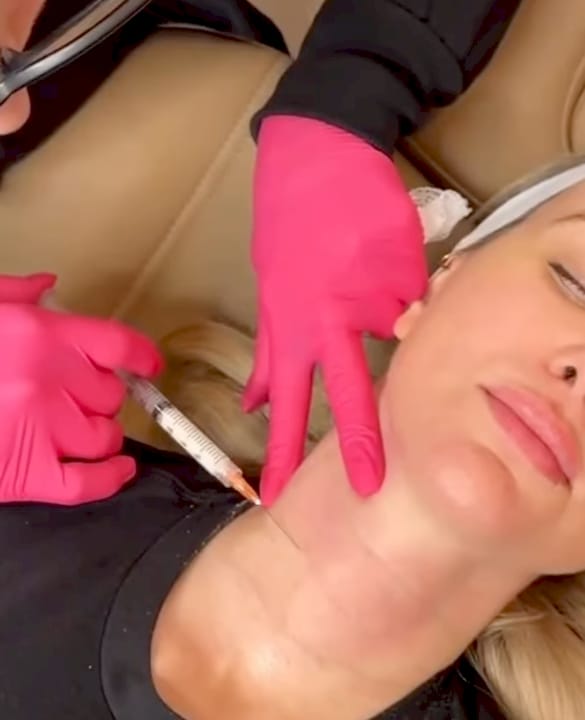
Injections: A series of small injections are placed with a fine needle (most people describe it as a quick pinch)
-
Post-care instructions: You’re given specific aftercare guidance and a follow-up timeline
The whole process usually takes under 30 minutes. There’s no real downtime, though you may have minor redness or small bumps that resolve within an hour.
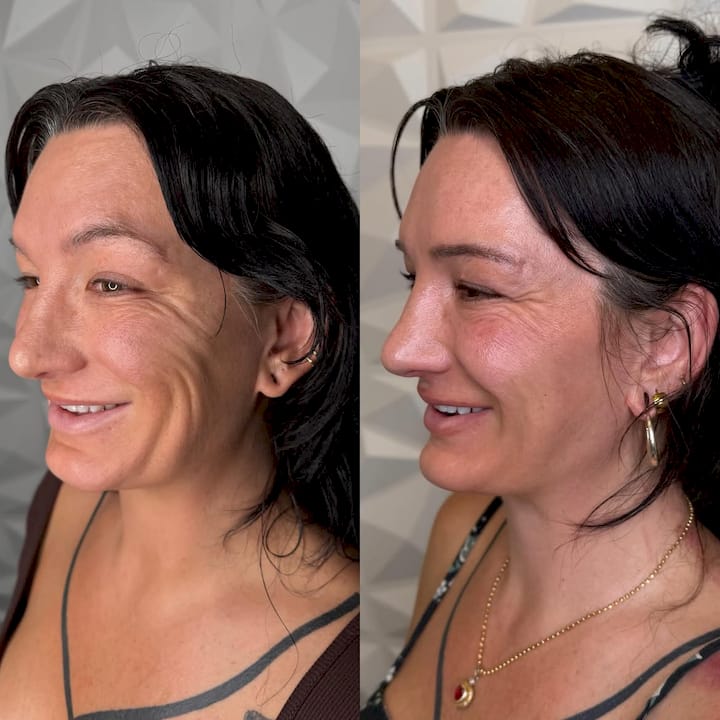
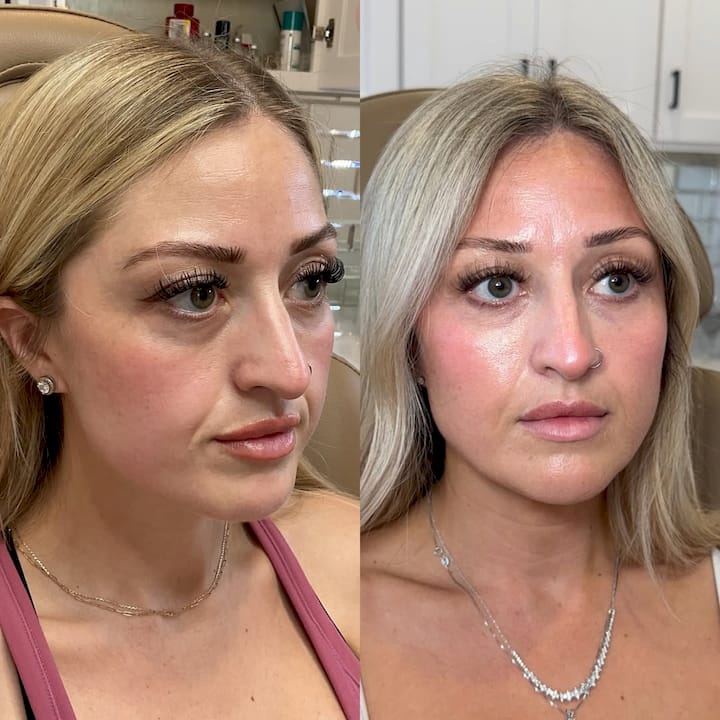
Results follow a predictable pattern. Clinical trial data shows that 52 to 55% of patients see onset within 2 to 3 days, with 89% showing meaningful improvement by Day 30. Efficacy holds through 5 months in many patients, with 60% still showing improvement at Day 120. And the satisfaction numbers are striking: 98% of patients wanted to repeat the treatment.
Aftercare is simple:
-
Avoid lying down for 4 hours after treatment
-
Skip intense exercise and heat exposure for 24 hours
-
Don’t rub or massage the treated area
-
Follow up with your provider if results feel uneven at the 2-week mark
For more on getting the most from your results, the guide on enhancing facial features is a helpful read alongside your filler aftercare instructions.
The real secret behind choosing a neurotoxin: What most guides won’t tell you
Here’s something most product comparison articles skip entirely: the neurotoxin brand matters far less than the person holding the needle.
We see this constantly in practice. Two patients with similar frown lines get the same product and walk out with very different results. Why? Because individual factors like muscle mass, metabolism, and skin quality shape every outcome. An experienced injector reads those variables and adjusts dosing, placement, and product choice accordingly.
Most guides spend pages comparing Dysport to Botox as if the product is the main event. It isn’t. The consultation is. How well your provider listens, how honestly they set expectations, and how precisely they place each injection determines whether you love your results or feel “off” for three months.
Honest goal-setting also matters more than most people realize. Dysport softens dynamic lines. It won’t lift sagging skin or replace lost volume. When you walk in knowing that, you leave satisfied. When you walk in expecting a different face, no product will deliver. Explore your full neurotoxin guide to understand how each option fits into a broader anti-aging plan.
The best injectable is always the one matched to your face, your goals, and your provider’s hands.
Ready to try Dysport or learn more? Take your next step
If this guide has you thinking seriously about Dysport, the next step is a real conversation with an experienced injector who can look at your face, not just a product menu. At The Injection Room, we offer personalized neurotoxin consultations in both San Antonio and Austin, where we match the right treatment to your specific anatomy and goals. Whether you’re exploring San Antonio neurotoxin options, looking into Austin neurotoxin options, or want to learn more about Dysport treatments before committing, we’re here to help you move forward with confidence and clarity.
Frequently asked questions
How soon will I see results from Dysport?
Most people notice visible softening within 2 to 3 days after treatment, with the full effect appearing around the one-week mark.
How is Dysport different from Botox for treating wrinkles?
Dysport tends to work faster and spreads more through tissue, making it a strong choice for larger areas like the forehead, while both deliver similar anti-wrinkle results lasting 3 to 5 months.
Is Dysport safe for everyone?
No. Dysport is contraindicated for people with allergies to cow’s milk protein or botulinum toxin, certain neuromuscular conditions, active infections at the injection site, and those who are pregnant or breastfeeding.
How long do results from Dysport last?
Results typically last 3 to 5 months, with 60% of patients still showing meaningful improvement at the four-month mark before a touch-up is needed.

%20Pictures%20are%204%20weeks%20apart..jpg)