Feeling like your reflection is starting to reveal more lines than you remember can be frustrating, especially when you want your appearance to match your vibrant energy. For many women in San Antonio and Austin, finding clear answers about Botox and neurotoxin treatments is the first step toward smoother, more youthful skin. By understanding how these injectables relax facial muscles and soften wrinkles, you can make informed choices about the best anti-aging options for your unique goals.
Table of Contents
Key Takeaways
| Point | Details |
| Understanding Botox | Botox is a neuromodulator that temporarily relaxes facial muscles to smooth dynamic wrinkles, with results lasting three to four months. |
| Treatment Timeline | Most users see noticeable effects within three to seven days, with full results developing after two weeks. |
| Eligibility Criteria | Ideal candidates are those with moderate to severe dynamic wrinkles, generally in their thirties or forties, although younger individuals may seek preventive treatment. |
| Provider Importance | Always choose a licensed and qualified provider to minimize risks and ensure optimal results from Botox treatment. |
What Is Botox? Definition and Key Concepts
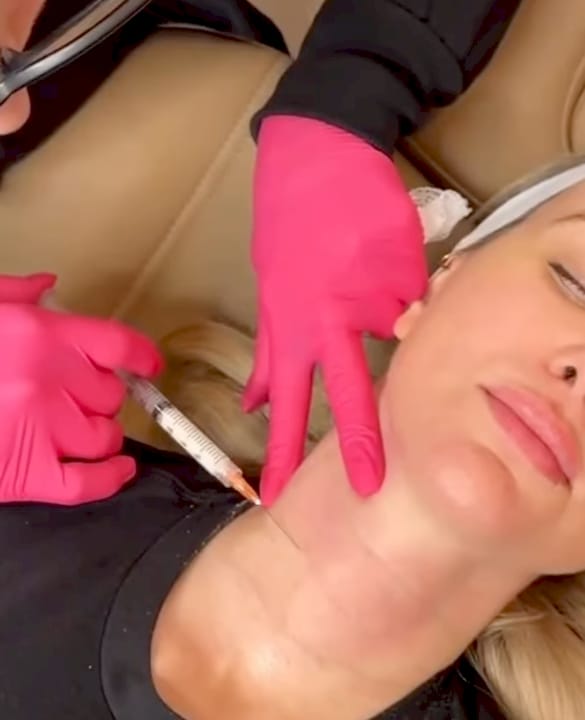
Botox is a brand name for injectable neuromodulators containing botulinum toxin type A. At its core, it’s a medical treatment that works by temporarily blocking nerve signals to facial muscles, causing them to relax and soften the appearance of wrinkles. This isn’t magic or permanent paralysis, though many people worry about that. It’s a temporary solution that lasts three to four months on average.
The science behind Botox centers on a single mechanism: preventing the release of acetylcholine at neuromuscular junctions. Acetylcholine is the chemical messenger that tells your muscles to contract. When Botox blocks this messenger, the targeted muscles can’t receive the signal to tighten. Result? Wrinkles caused by repeated muscle movement gradually smooth out. Botulinum toxin is produced by a bacterium called Clostridium botulinum, and while it sounds dangerous, the doses used for cosmetic purposes are incredibly small and safe when administered by a qualified provider.
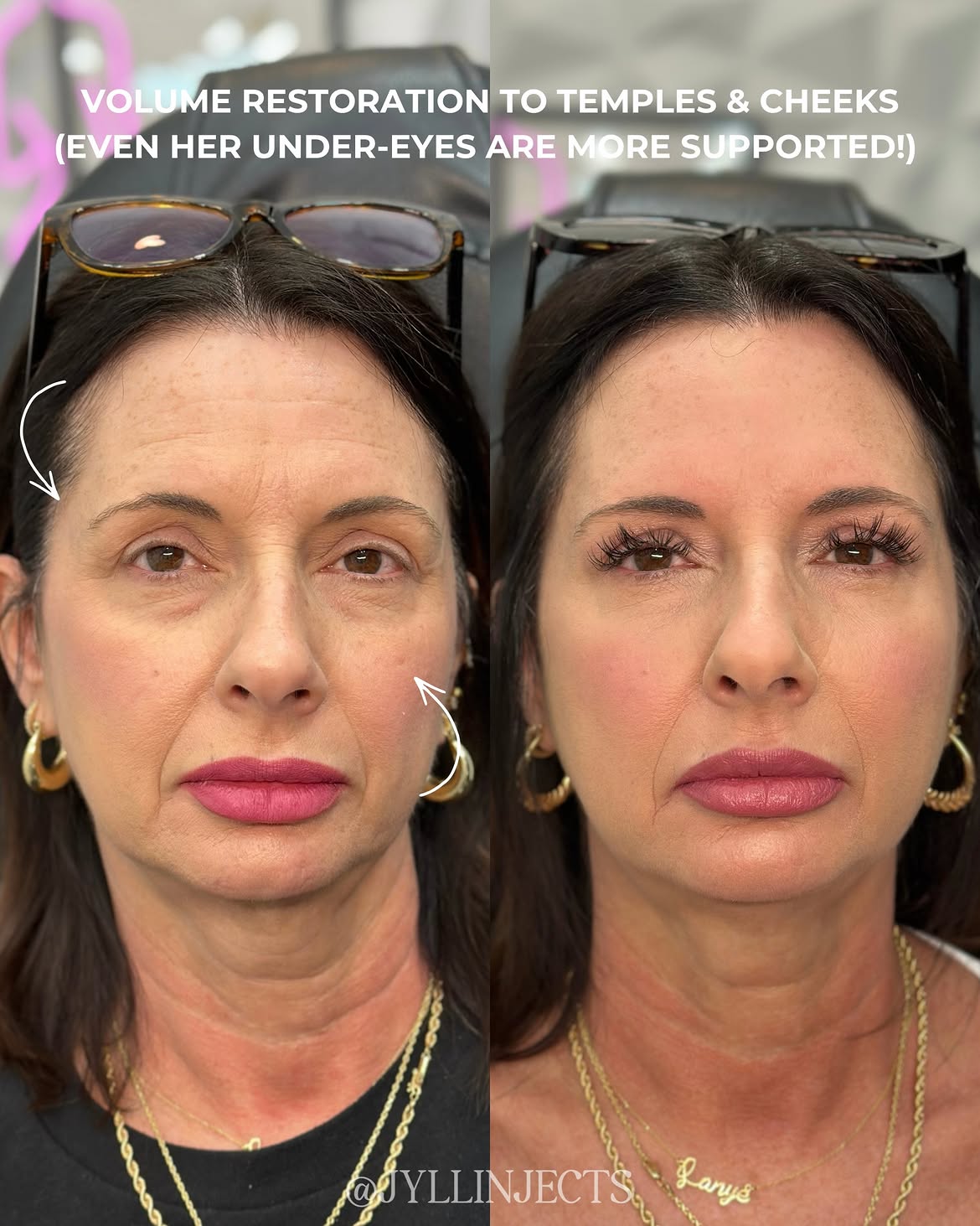
What makes Botox different from dermal fillers is a crucial distinction many people miss. Botox prevents wrinkles from forming deeper by relaxing the muscles that cause them. Fillers, on the other hand, add volume to areas that have already lost fullness. Many people benefit from combining fillers and Botox for facial rejuvenation to address both dynamic wrinkles (caused by muscle movement) and static wrinkles (visible even when your face is at rest).
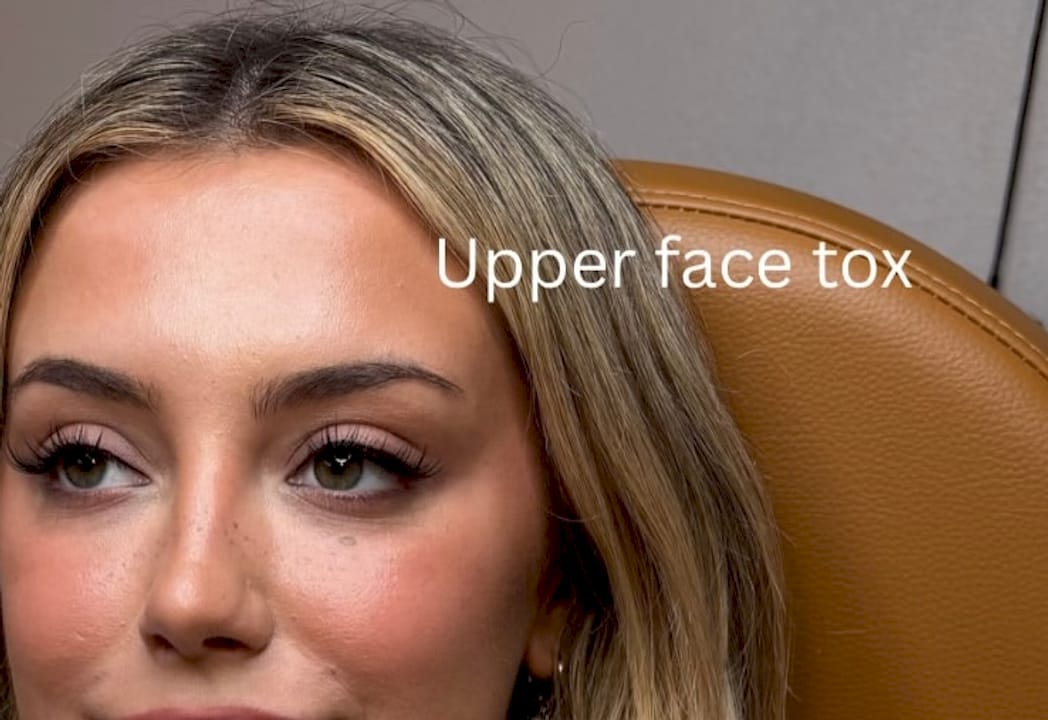
Common treatment areas include the forehead, between the eyebrows (the “elevens”), and around the eyes (crow’s feet). Beyond cosmetic use, Botox also treats medical conditions like chronic migraines, excessive sweating, teeth grinding, and jaw tension. If you’re in the Austin area exploring your options, understanding what Botox can realistically achieve helps you make an informed decision about whether it’s right for you.
The timeline matters. You won’t see results immediately. Most people notice improvements within three to seven days, with full results appearing around two weeks. This gradual approach actually feels more natural than dramatic overnight changes. Your face still moves and expresses emotion, just without the deep creases that form from decades of frowning or squinting.
Pro tip: Schedule your Botox appointment at least two weeks before any important events to allow time for full results and avoid bruising that might show up in photos.
Science Behind Botox’s Wrinkle-Relaxing Effect
Your face moves thousands of times a day. Every frown, squint, and smile involves tiny muscle contractions that, over decades, create permanent creases in your skin. These dynamic wrinkles form because the same muscles fire repeatedly in the same patterns. Botox interrupts this cycle by targeting the communication between nerves and muscles at the source.
Here’s the mechanism: Botulinum toxin blocks nerve signals to muscles, preventing them from contracting. When a nerve wants to tell a muscle to tighten, it releases a chemical messenger called acetylcholine. Botox clips that message before it reaches the muscle receptor. The muscle never gets the order to contract, so it relaxes. No contraction means no deepening of existing wrinkles, and no new wrinkles form from that repeated movement.
This is why Botox works best on dynamic wrinkles, the ones caused by facial expressions. Frown lines between your eyebrows, forehead creases, and crow’s feet at the corners of your eyes respond beautifully because they’re all created by muscle movement. When you stop squinting and frowning as deeply, those areas gradually smooth out over two weeks as the full effects settle in.
The results aren’t permanent. Your body naturally breaks down Botox over time, typically lasting three to six months depending on your metabolism and how your body processes the treatment. After that window closes, nerve signals resume their normal flow, muscles regain their usual function, and wrinkles gradually return. This temporary nature actually appeals to many people because it allows you to try the results without committing forever. If you don’t like how you look, you can simply wait and let your natural movement return.
Understanding different anti wrinkle injection options helps you choose what works best for your specific wrinkle patterns. Some people need multiple areas treated, while others focus on one concern. The targeted approach means you control exactly which muscles relax and which remain active for natural expression.
Pro tip: Avoid strenuous exercise and rubbing the treated areas for 24 hours after injection, as movement can displace the product away from target muscles and reduce effectiveness.
FDA-Approved Types of Botox and Differences
When you hear “Botox,” you might think there’s only one product. Actually, the FDA has approved several botulinum toxin formulations, and they’re not interchangeable. Each has distinct characteristics that affect how it works, how quickly you see results, and how long those results last. Knowing the differences helps you make informed decisions with your provider.
Botox Cosmetic (onabotulinumtoxinA) is the original and most widely recognized option. It typically shows results within three to seven days, with full effects by two weeks. The effects generally last three to four months, making it predictable and reliable. Dysport (abobotulinumtoxinA) works faster than Botox, with some patients noticing improvements within two to three days. It spreads slightly more than Botox, which can be beneficial if you want broader coverage but requires careful placement to avoid unwanted relaxation in nearby muscles.
Xeomin (incobotulinumtoxinA) offers a unique advantage: it contains no additives or protein complexes, which means some people who develop resistance to other products may respond better to Xeomin. Results typically appear within five to seven days. Myobloc (rimabotulinumtoxinB) differs from the others because it’s a type B product rather than type A. It works differently at the neuromuscular junction and may appeal to patients who haven’t achieved desired results with type A formulations. Results appear faster, sometimes within two to three days.
The key differences involve onset time, spread pattern, duration, and how your body’s immune system responds over time. Several botulinum toxin products vary in dosage requirements and longevity. Some people maintain results for four to six months, while others see effects fade after three months. Your provider considers your specific needs, treatment goals, and any previous experiences with injectables when recommending which product suits you best.
Choosing between options depends on your metabolism, how quickly you want results, and your budget. Dysport and Myobloc cost less per unit but may require higher doses. Botox and Xeomin typically cost more per unit but may offer better longevity. Understanding which neurotoxin is right for you ensures you get optimal results tailored to your unique facial anatomy and aesthetic goals.
Here’s a comparison of popular FDA-approved botulinum toxin products and their key features:
| Product Name | Onset Time | Unique Benefit | Typical Duration |
| Botox Cosmetic | 3-7 days | Most recognized, predictable | 3-4 months |
| Dysport | 2-3 days | Spreads wider for broader effect | 3-4 months |
| Xeomin | 5-7 days | No additives, good for resistance | 3-4 months |
| Myobloc | 2-3 days | Type B option, quick onset | 2-3 months |
Pro tip: Ask your provider which FDA-approved product they recommend based on your skin type, metabolism, and desired onset time rather than assuming all neurotoxins work identically.
Who Should Get Botox and Eligibility Factors
Botox works best for people who see themselves developing wrinkles and want to stop the process before it gets worse. If you’re in your thirties or forties and noticing forehead lines, crow’s feet, or those vertical creases between your eyebrows, you’re likely a good candidate. The ideal patient has moderate to severe wrinkles caused by repetitive facial movements and realistic expectations about what Botox can achieve.
Age matters less than skin condition. Some people in their late twenties start preventive Botox to minimize future wrinkles, while others wait until their fifties. What really determines eligibility is whether your wrinkles are dynamic (caused by muscle movement) rather than static (visible at rest). Candidates for Botox typically want to reduce forehead lines, crow’s feet, or the elevens between their brows. Botox works on these expression lines beautifully because they’re created by muscle contractions you make thousands of times daily.
Men and women both benefit from Botox, though sometimes with different treatment goals. Men often seek Botox for a stronger, more refreshed appearance rather than the completely smooth look some women pursue. Your provider personalizes treatment to match your facial anatomy and desired outcome.
Certain medical conditions make Botox unsuitable. If you have neuromuscular disorders, muscle weakness conditions, or allergies to any Botox ingredients, you’re not eligible. Pregnant and breastfeeding women should avoid Botox until after nursing ends. Anyone taking blood thinners needs to discuss this with their provider since Botox can cause minor bruising. Be upfront about your complete medical history, including all medications and supplements.
Your provider evaluates your muscle strength, treatment goals, and health history before recommending Botox. Someone with very weak facial muscles might not be a candidate, while someone with extremely thick muscles might need higher doses. The consultation determines whether Botox, fillers, or a combination approach suits your specific needs best.
Common medical uses extend beyond cosmetics. Botox treats chronic migraines, excessive sweating, jaw tension from teeth grinding, and muscle spasms. If you’re considering Botox for medical reasons, your eligibility depends on your diagnosis and symptom severity rather than age or appearance.
Pro tip: Schedule a consultation with your provider at least two weeks before any important events so you can discuss your goals, medical history, and whether Botox timing aligns with your schedule.
Risks, Side Effects, and How to Stay Safe
Botox is generally safe when administered by qualified professionals, but like any medical procedure, it carries potential risks. Most side effects are temporary and minor, resolving within days or weeks. Understanding what to expect helps you make informed decisions and recognize when something requires medical attention.
Common temporary side effects include bruising, swelling, and redness at injection sites. These typically fade within three to five days. Some patients experience mild headaches or flu-like symptoms in the hours after treatment. Eyelid drooping can occur if Botox spreads slightly beyond the intended area, but this reverses as your body metabolizes the product. Uneven facial expressions happen occasionally when dosing isn’t perfectly balanced, though your provider can adjust this at a follow-up appointment.
Possible side effects of Botox include pain, swelling, or muscle weakness in treated areas. Serious complications are rare but can include allergic reactions or facial nerve paralysis if administered improperly. This is why choosing a licensed healthcare provider matters enormously. Botox parties and unlicensed injectors dramatically increase your risk of complications because they lack proper training, sterile equipment, and the ability to handle emergencies.
The biggest safety factor is provider qualifications. Licensed dermatologists, plastic surgeons, and nurse practitioners with proper training understand facial anatomy and injection techniques. Botox administered by experienced professionals minimizes serious risks. Unlicensed providers can cause permanent nerve damage, infection, or severe asymmetry. If an injector won’t provide credentials or operates in an unlicensed setting, walk away.
After your appointment, follow post-care instructions carefully. Avoid touching or massaging treated areas for 24 hours because this can displace the product. Skip intense exercise, heat exposure, and alcohol for at least 24 hours. Don’t lie flat for four hours after injection. These precautions prevent complications and optimize results.
If you experience severe headache, vision changes, difficulty swallowing, or facial weakness that doesn’t improve within two weeks, contact your provider immediately. These warrant medical evaluation even though they’re uncommon.
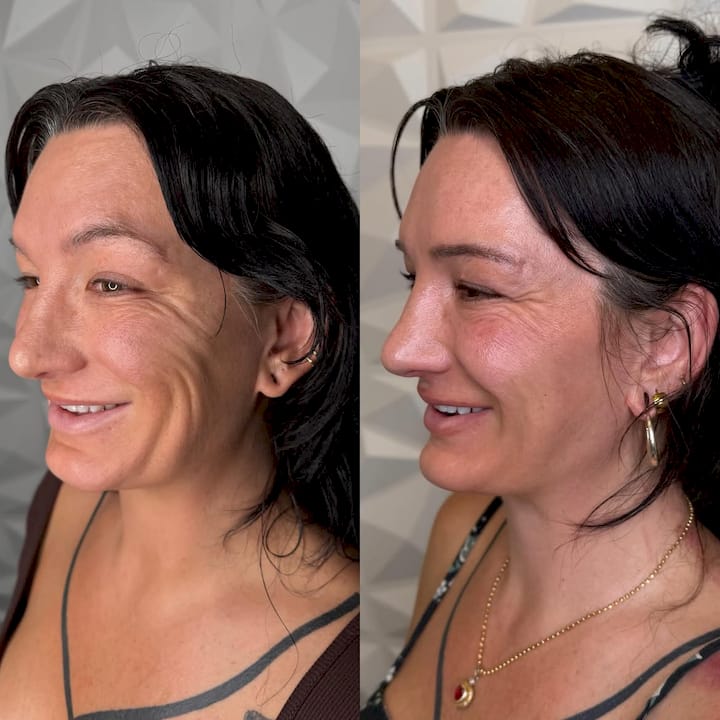
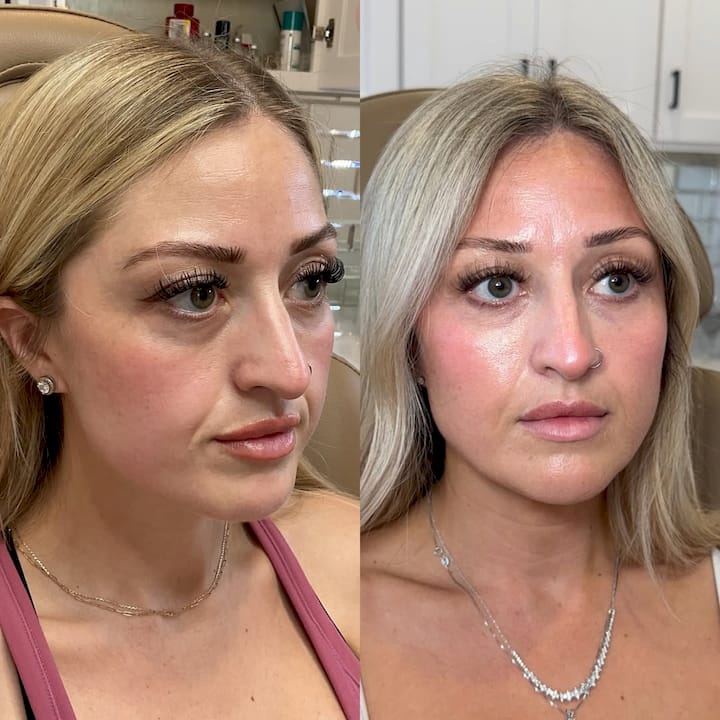
Pro tip: Research your provider’s credentials, view before and after photos of their actual patients, and read verified reviews before booking to ensure you’re in safe, experienced hands.
Botox Versus Alternatives for Anti-Aging
Botox isn’t your only option for fighting wrinkles. Understanding how it compares to alternatives helps you choose what works best for your specific concerns. Different treatments target different problems, and sometimes combining approaches delivers superior results compared to any single treatment alone.
Botox tackles dynamic wrinkles created by muscle movement. Those forehead creases, frown lines, and crow’s feet respond beautifully to Botox because they’re caused by repetitive facial expressions. Botox prevents these wrinkles from deepening and helps smooth existing ones. The downside is that Botox doesn’t address volume loss or deep static wrinkles that are visible even when your face is at rest.

Dermal fillers work differently. Neuromodulators like Botox relax muscles while fillers add volume to smooth static wrinkles and restore lost fullness. Fillers work beautifully for hollow cheeks, thin lips, marionette lines, and deep nasolabial folds. If your primary concern is volume loss rather than muscle movement wrinkles, fillers may serve you better. Many women in the San Antonio and Austin area benefit from combining both treatments for comprehensive facial rejuvenation.
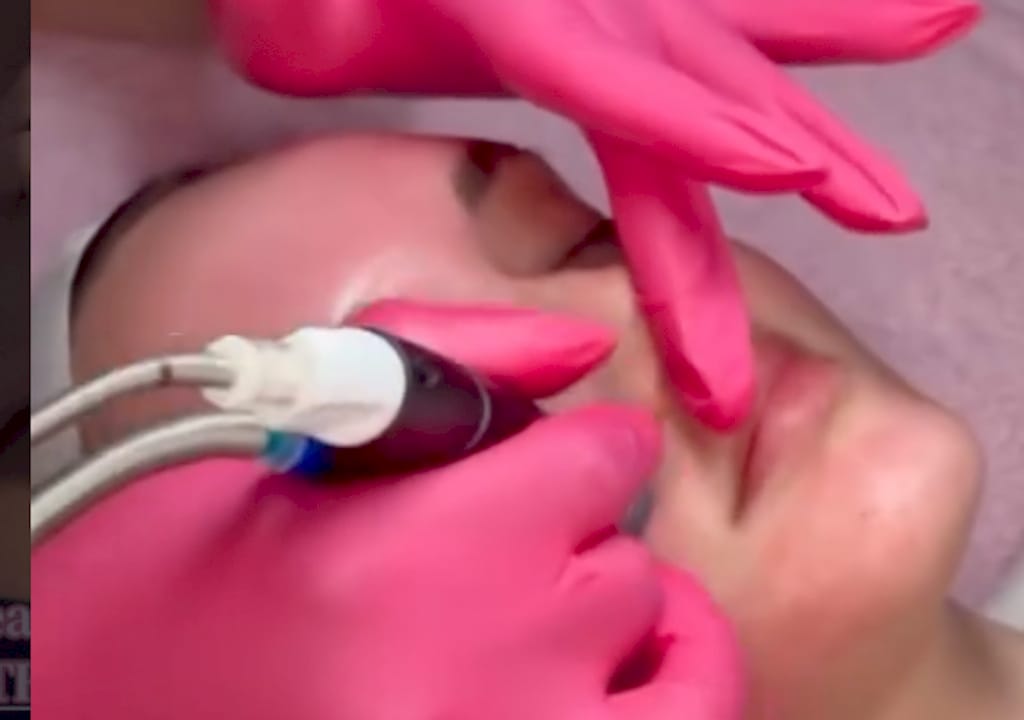
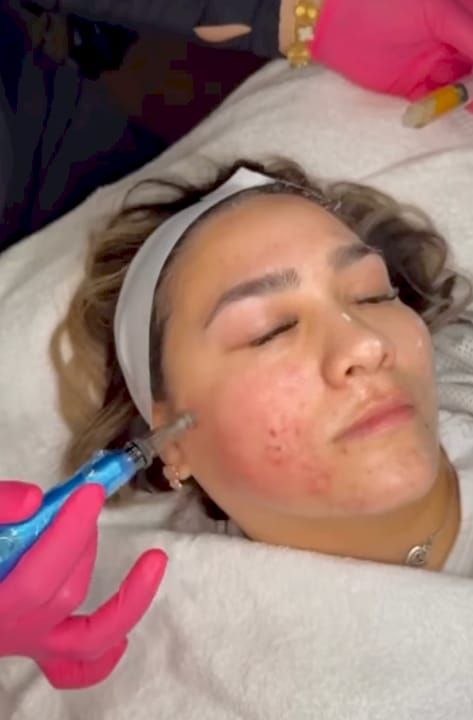
Microneedling and chemical peels stimulate collagen production to improve skin texture and address fine lines. These work on the skin’s surface level rather than muscles, making them ideal for sun damage and rough texture but less effective for deep expression wrinkles. Results develop gradually over weeks and months as collagen rebuilds.
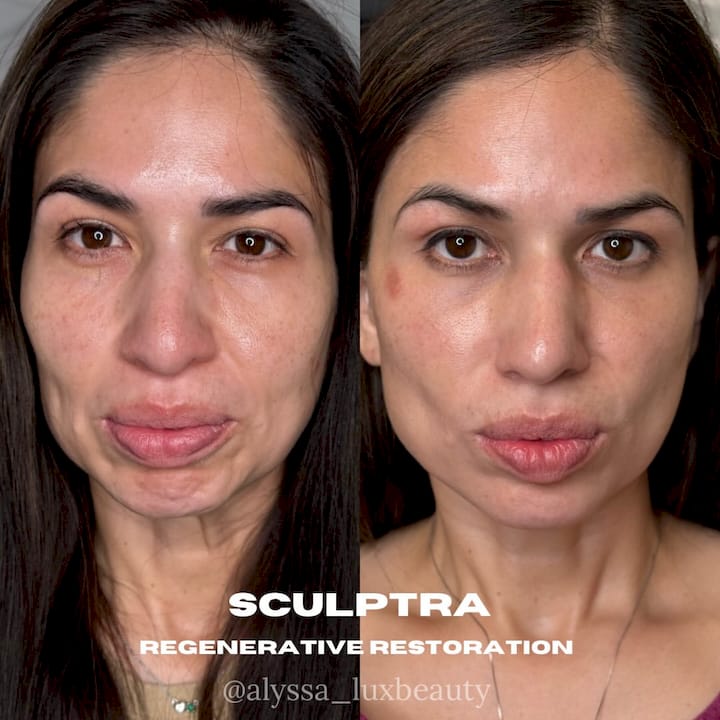
PDO threads and Sculptra offer non-surgical lifting and volume restoration. These appeal to people seeking longer lasting results than fillers or wanting a lift without surgery. Results develop over time as your body’s natural processes respond to the treatment.
The reality is that different anti-wrinkle injection types serve different purposes. Your age, specific concerns, timeline, and budget determine which approach makes sense. Many providers recommend starting with Botox for expression wrinkles, then adding fillers if volume loss is also present. This combination approach addresses both dynamic and static aging simultaneously.
Below is a summary of how different anti-aging treatments compare by target concern:
| Treatment Type | Targets | Best For | Results Timeline |
| Botox | Dynamic wrinkles | Expression lines, frown lines | 3-14 days |
| Dermal Fillers | Volume loss, static | Hollow cheeks, deep folds | Immediate to 1 week |
| Microneedling | Texture, fine lines | Collagen boost, surface issues | Weeks to months |
| PDO Threads | Lift, firmness | Sagging, mild lifting | Gradual, 2-6 months |
Pro tip: Bring before and after photos of results you like to your consultation so your provider understands your aesthetic goals and can recommend the best treatment plan tailored to your face.
Discover How Botox Science Transforms Your Wrinkles Into Confidence
If you are frustrated by dynamic wrinkles like forehead lines or crow’s feet and want a proven way to soften them safely our med spa specializes in expert neurotoxin treatments such as Botox that target those exact concerns mentioned in the article. We understand how repeated muscle movements create deep expression lines and how Botox works by relaxing these muscles to give you naturally smoother results without freezing your face.
Explore our full range of aesthetic options including dermal fillers and advanced skin treatments to complement your Botox experience at The Injection Room. Ready to start your journey to fresher younger looking skin visit our skincare category to learn more. Don’t wait to rejuvenate your look schedule a consultation today and see real results that reflect the science behind Botox.
Frequently Asked Questions
What is Botox and how does it work?
Botox is an injectable neuromodulator that contains botulinum toxin type A. It works by temporarily blocking nerve signals to facial muscles, preventing them from contracting and thereby reducing the appearance of dynamic wrinkles.
How long do Botox results typically last?
The effects of Botox generally last for about three to four months, after which the muscle activity gradually returns, and wrinkles may reappear.
What areas can be treated with Botox?
Common treatment areas for Botox include the forehead, between the eyebrows (the “elevens”), and around the eyes (crow’s feet). It can also be used for medical conditions like chronic migraines and excessive sweating.
Are there different types of Botox products?
Yes, there are several FDA-approved botulinum toxin formulations, including Botox Cosmetic, Dysport, Xeomin, and Myobloc. Each type has different characteristics such as onset time, duration, and specific benefits, so choosing the right one depends on individual needs.


%20Pictures%20are%204%20weeks%20apart..jpg)