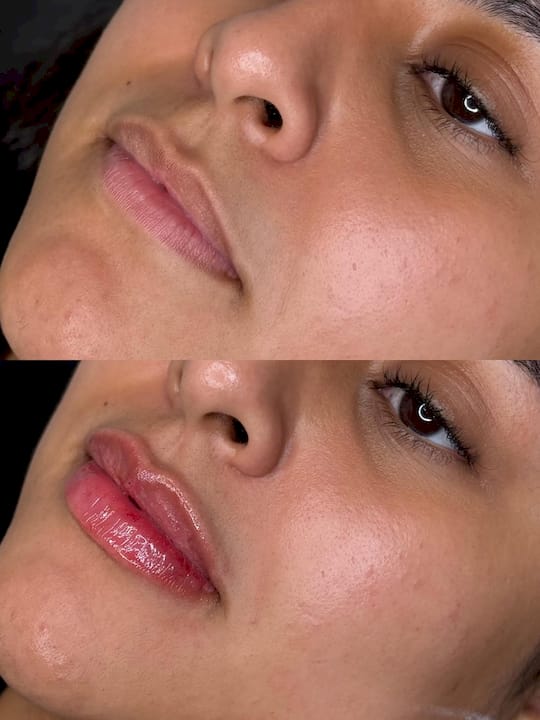
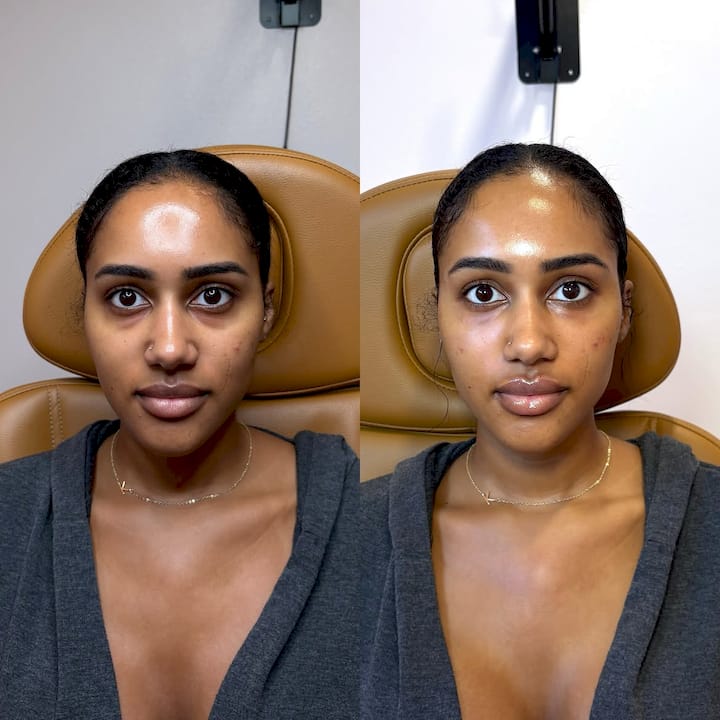
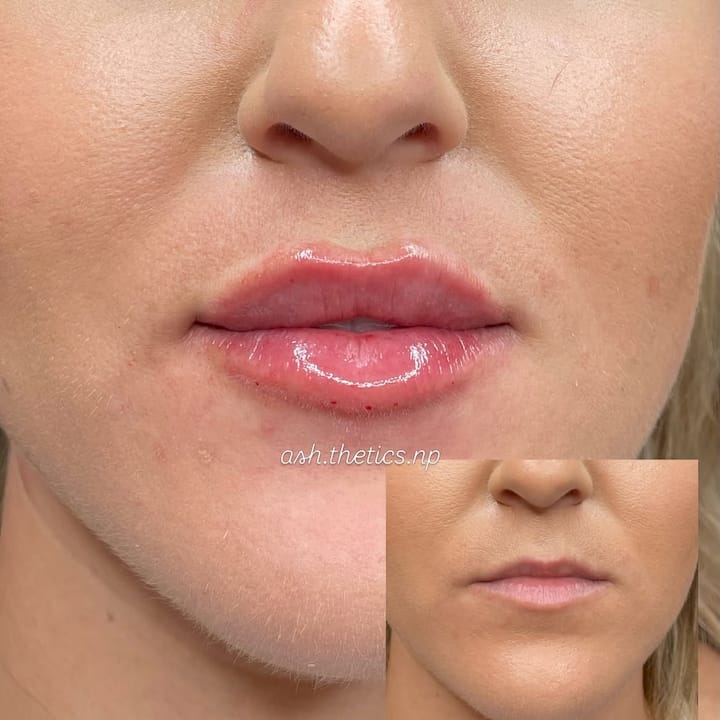
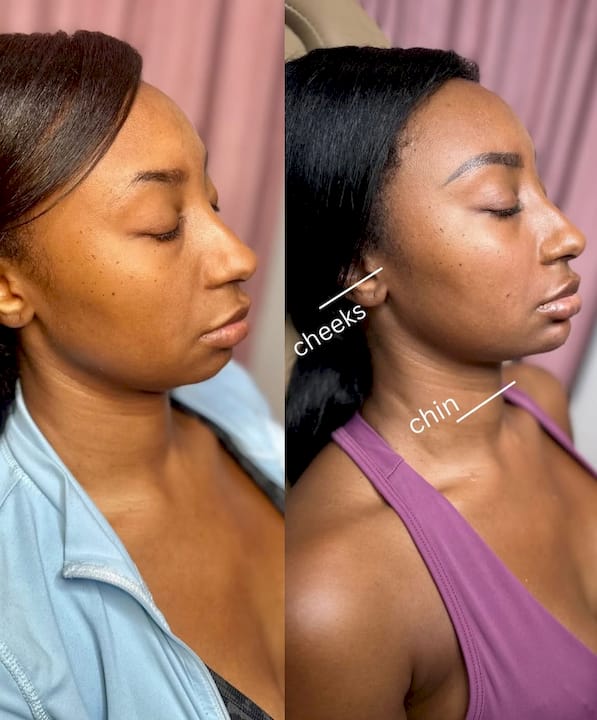
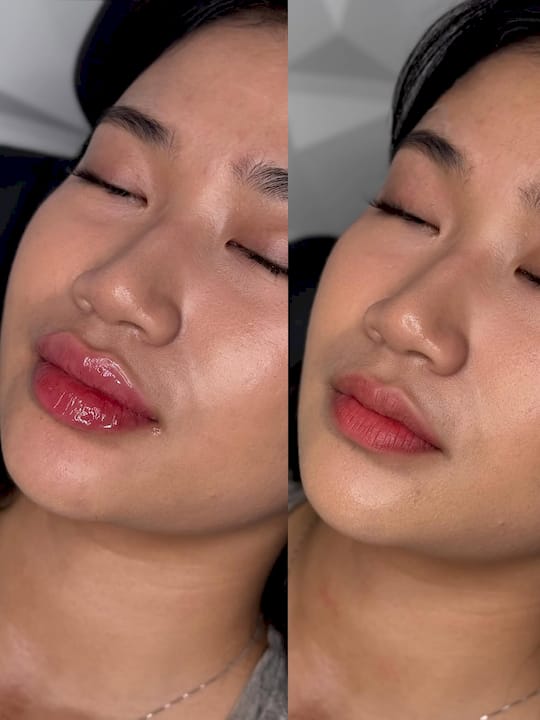
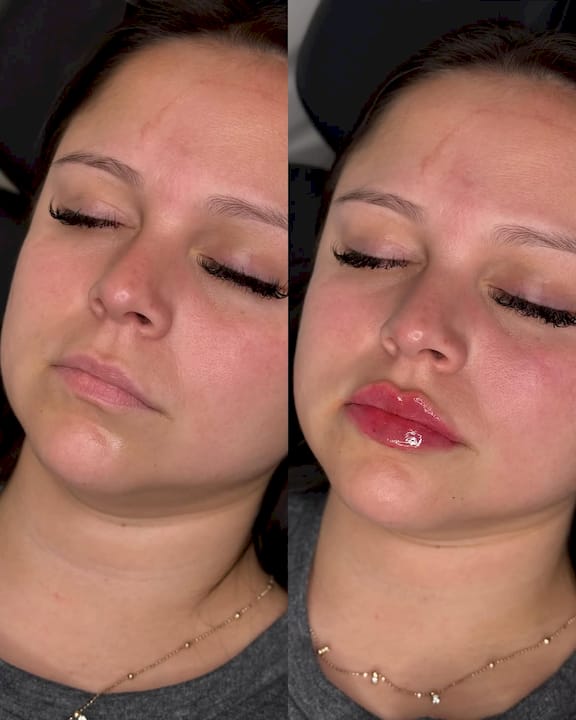
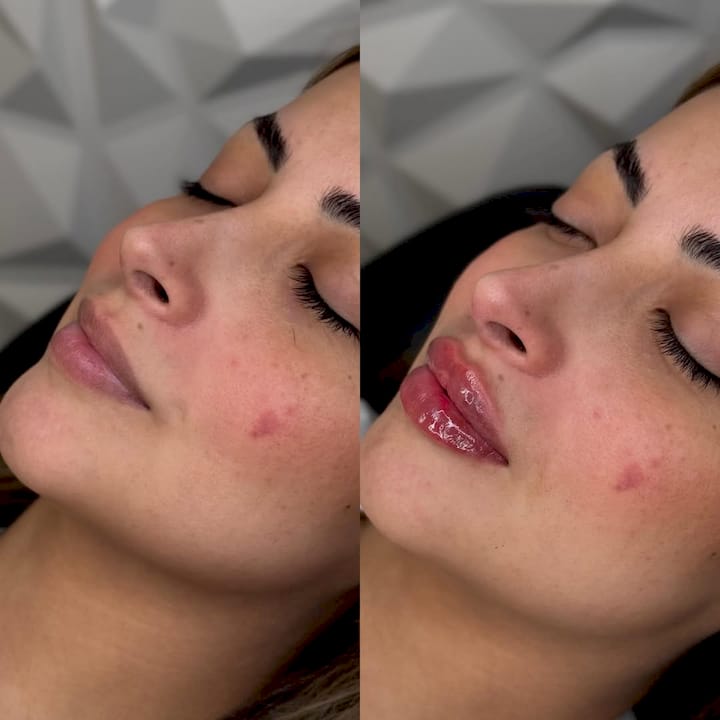
Choosing how to enhance your appearance in San Antonio or Austin can feel confusing when you’re sorting through new options for facial rejuvenation. For many women in their thirties, forties, or fifties, signs of aging such as softening cheeks or deepening crow’s feet start showing up at once. Combination treatments using Botox and dermal fillers offer a gentle way to refresh your look by targeting those problem spots in different but complementary ways, giving you results that look natural and feel true to you.
Table of Contents
Key Takeaways
| Point | Details |
| Understanding Treatment Functions | Botox reduces dynamic wrinkles by relaxing facial muscles, while dermal fillers restore lost volume and address static wrinkles. |
| Combination Benefits | Using Botox and fillers together offers a comprehensive approach to facial rejuvenation, targeting multiple aging concerns effectively. |
| Maintenance Considerations | Regular maintenance is necessary for both treatments, with Botox requiring touch-ups every 3-4 months and fillers needing reinjections every 6-12 months. |
| Provider Expertise | Choosing a qualified provider is crucial to minimize risks and achieve desired outcomes, as improper techniques can lead to complications or unnatural results. |
Defining Botox and Dermal Fillers
When you start exploring facial rejuvenation options in San Antonio and Austin, you’ll quickly hear about two treatments that almost always come up together: Botox and dermal fillers. While they work toward similar goals—smoothing your skin and restoring a more youthful appearance—they accomplish this in distinctly different ways. Understanding exactly what each treatment does, how it works, and where it fits into your aesthetic goals is the foundation for making informed decisions about your face.
Botox is derived from botulinum toxin type A, a neurotoxin that works by blocking the signals between nerves and muscles. When injected into specific facial muscles, Botox prevents these muscles from contracting with their usual force. This muscle relaxation is what smooths out wrinkles, particularly the dynamic wrinkles that form from repetitive facial expressions. Think of it this way: if your forehead lines appear when you raise your eyebrows or frown, those are dynamic wrinkles caused by muscle movement. Botox addresses them by gently weakening that muscle activity. The results typically appear within 3 to 7 days, with full effects visible around 2 weeks. Botox is temporary, lasting about 3 to 4 months, which means you’ll need maintenance treatments to sustain the results. At The Injection Room, we customize neurotoxin treatments to your unique facial anatomy and aesthetic goals.
Dermal fillers take a completely different approach. These are soft, gel-like substances injected beneath the skin to restore volume and fill in lines. The most common filler ingredient is hyaluronic acid, a naturally occurring component in your skin that holds water and maintains hydration. Fillers address static wrinkles—the lines that are visible even when your face is completely relaxed. If you have deep creases running from your nose to your mouth, hollow under-eye areas, or thinning lips, fillers can plump these areas and restore the volume you’ve lost over time. Fillers work on a different timeline than Botox. Results appear immediately after injection, though some settling occurs over the first two weeks. Most fillers last between 6 to 12 months, depending on the specific product and your metabolism.
Here’s where the combination strategy becomes powerful. Botox prevents new wrinkles from forming by relaxing the muscles that create dynamic lines. Fillers restore volume that’s already been lost and soften existing static wrinkles. When used together, they address both types of aging simultaneously. You might use Botox on your forehead to prevent expression lines while using fillers to plump your cheeks and add definition to your jawline. This dual approach creates a more comprehensive rejuvenation that looks natural rather than overdone. The timing works well too—both treatments are in-office procedures that take only 15 to 20 minutes, so you can get both on the same day if your provider recommends it.
The key difference in terms of your experience comes down to what each treatment targets. Botox is about prevention and smoothing active expressions. Fillers are about restoration and adding back what time has taken. Together, they create a balanced approach that addresses the full spectrum of aging concerns affecting women in your age group. When you come in for a consultation, discussing both options ensures you’re not leaving results on the table by choosing only one.
Here is a high-level comparison of Botox and dermal fillers for facial rejuvenation:
| Aspect | Botox | Dermal Fillers |
| Main Purpose | Reduces dynamic wrinkles | Restores lost volume |
| Active Ingredient | Botulinum toxin type A | Hyaluronic acid or other fillers |
| Typical Treatment Areas | Forehead, between brows, crow’s feet | Cheeks, lips, jawline, nasolabial folds |
| Result Onset | 3 to 7 days for noticeable change | Immediate improvement |
| Average Duration | 3 to 4 months | 6 to 12 months or longer |
| Maintenance Frequency | 3-4 times per year | 1-2 times per year |
Pro tip: During your consultation, have a clear photo of yourself from 5 to 10 years ago to show your provider—it helps identify exactly which areas have changed most, allowing your provider to create a treatment plan that restores your natural proportions rather than chasing a completely different look.
Key Differences Between Botox and Fillers
Now that you understand what each treatment is, let’s look at how they actually differ in practice. This is where things get interesting, because the differences go far beyond just how they’re made. They affect which areas of your face they work best on, how long results last, what you’ll experience during treatment, and ultimately which one makes sense for your specific aging concerns. For women in your age range dealing with multiple signs of aging, these differences explain exactly why combining both treatments creates results that neither one can achieve alone.
Where they work on your face is one of the most important distinctions. Botox excels at treating dynamic wrinkles, which are the lines created by muscle movement. These are your forehead lines, crow’s feet around your eyes, and the “11” lines between your eyebrows. These wrinkles appear when you make facial expressions because the underlying muscles contract. Fillers, by contrast, address static wrinkles and volume loss. If you have deep lines that are visible even when your face is completely relaxed, or if your cheeks have lost fullness, or if your lips have thinned with age, fillers restore that volume. Botox is a neuromodulator that blocks nerve signals to muscles, making it ideal for your upper face. Fillers work in the mid to lower face, targeting your cheeks, lips, jawline, and the creases running from your nose to your mouth. This anatomical difference means they’re solving different aging problems, which is why they complement each other so well.
How they produce results tells you a lot about what to expect. Botox works by preventing your muscles from contracting with their usual force. This takes time. You’ll notice some softening of wrinkles within 3 to 7 days, but the full effect takes about 2 weeks. The results are also temporary, lasting 3 to 4 months on average before you need another treatment. Fillers work differently. Results appear immediately after injection because you’re literally adding volume under the skin. What you see on day one is close to what you’ll have long term, though there’s some settling over the first 2 weeks. Fillers last longer too, typically 6 to 12 months depending on which type you choose and how your body metabolizes the product. Some newer fillers can last up to 18 months. This timing difference matters for your treatment planning. If you want quick results for an upcoming event, fillers get you there faster. If you’re thinking long term about preventing new wrinkles, Botox’s preventative action becomes valuable even though you need more frequent touch-ups.
The way each treatment addresses aging reveals why women often benefit from both. Botox is fundamentally about prevention and control. By relaxing the muscles that create expression lines, you’re actually stopping new wrinkles from forming in the first place. Over time, this preventative action can reduce the depth of existing dynamic wrinkles. Think of it as hitting pause on a specific type of aging. Fillers are about restoration. They restore volume you’ve lost, restore definition to your face, and restore a more youthful contour. Fillers composed of hyaluronic acid also stimulate collagen production, which means they’re not just temporarily filling lines but actually encouraging your skin to improve itself over time. When you combine them, you’re addressing aging from two angles at once: preventing new damage while restoring what’s already been lost.
Here’s a practical comparison of how they differ in daily application:
-
Treatment speed: Botox takes 2 weeks for full results; fillers show results immediately
-
Duration: Botox lasts 3 to 4 months; fillers last 6 to 12 months or longer
-
Target areas: Botox works on upper face expression lines; fillers work on mid to lower face volume and static lines
-
How they work: Botox relaxes muscles; fillers add volume and support
-
Maintenance: Botox requires more frequent touch-ups; fillers need less frequent treatments
Understanding these differences helps explain why a comprehensive approach often works better than choosing just one. You might use Botox to keep your forehead smooth and prevent crow’s feet while using fillers to restore cheek volume and plump your lips. The combination addresses the full scope of aging happening in your face.
Pro tip: Ask your provider about getting both treatments done in a single appointment—they complement each other beautifully, and timing them together simplifies your schedule while allowing each treatment to work optimally without any interference.
Synergistic Effects for Facial Enhancement
Here’s where the real magic happens. When you combine Botox and fillers, you’re not just getting the benefits of two separate treatments. You’re creating what we call a synergistic effect, where the combination produces results that are significantly better than either treatment alone. This is the key reason why so many women in San Antonio and Austin who are serious about facial rejuvenation choose to use both treatments together. Understanding how they work together transforms your approach from treating individual problem areas to achieving comprehensive facial enhancement.
Think about what’s happening at the physiological level. Botox relaxes the muscles that create dynamic wrinkles, essentially smoothing your upper face and preventing new expression lines from forming. But here’s what many people miss: relaxing those muscles also changes the way your face looks at rest. Your forehead appears smoother, your eyes look more open, and your brow position can actually lift slightly. This creates an ideal canvas for fillers. When your provider then adds fillers to your cheeks, lips, and jawline, those fillers sit on a foundation that’s already been optimized. The fillers can do their job of restoring volume and defining your contours without competing with muscle movement. Botulinum toxin and fillers complement each other by addressing various layers of facial aging, with Botox reducing muscle activity while fillers replenish lost volume and improve facial contour.
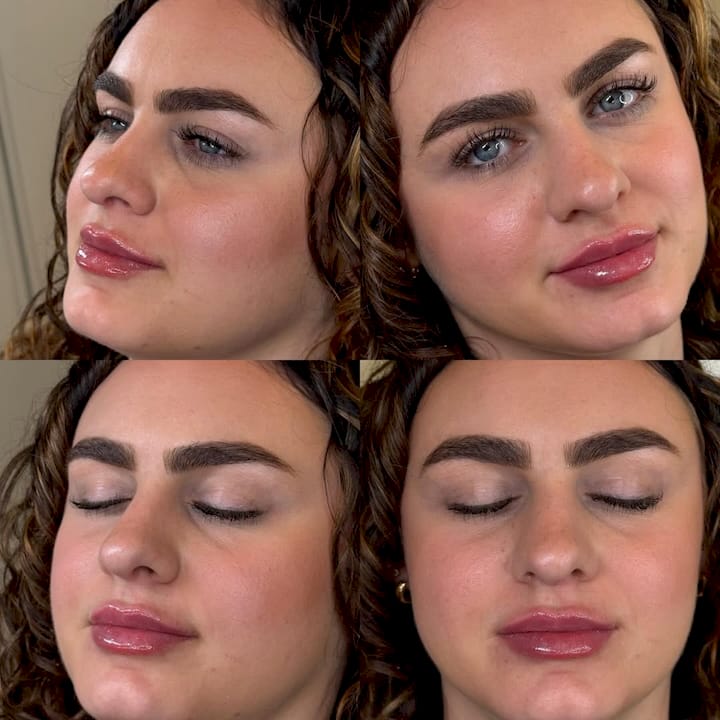
The visual impact is where you really see the difference. With Botox alone, you get a smoother forehead and fewer wrinkles, but your face might look a bit flat because you’ve lost some volume that came with age. With fillers alone, you restore fullness and definition, but dynamic wrinkles might still be visible when you make expressions. Together, they create a balanced restoration that looks naturally rejuvenated rather than either overworked or incomplete. Your forehead is smooth and relaxed. Your cheeks have lifted definition. Your jawline is more sculpted. Your lips are fuller. Your overall face appears more proportionate and youthful, but in a way that’s distinctly yours.
There’s also a timing advantage to the synergistic approach. Because fillers show immediate results while Botox takes two weeks, you might initially wonder if the combination approach is worth it. But once Botox reaches full effect at the two week mark, the complete picture emerges. You’re no longer choosing between quick results or preventative care. You have both. Your face has immediate enhancement from fillers plus ongoing prevention of new wrinkles from Botox. Over time, this combination actually makes your skin look better because you’re not accumulating new wrinkles while you address the old ones. Many women find that after several rounds of combination treatments, they need less filler overall because Botox has been preventing deeper wrinkles from forming.
Here’s how the synergy plays out in specific areas of your face:
Forehead and brows: Botox smooths forehead lines while creating subtle brow lift, creating a more open eye area that fillers can then enhance by adding volume above the cheekbones to support that lift.
Around the eyes: Botox softens crow’s feet while fillers can address hollow areas under the eyes and along the tear trough, creating a more rested and youthful appearance.
Mid-face and cheeks: Botox relaxes muscles that pull the face downward, while fillers restore the volume and height that your cheeks have lost, working together to create more defined cheekbones and a lifted appearance.
Lower face and jawline: Botox relaxes the muscles around your mouth that can pull down the corners, while fillers define your jawline and lip area, creating better facial proportion overall.

The combined approach also has practical advantages for your treatment schedule. Instead of coming in separately for Botox and fillers, your provider can do both treatments in one appointment. Instead of different appointment schedules and different maintenance timelines to track, you can coordinate everything. Some women actually prefer to come in for combination touch-ups every four months, which aligns better with their real-world schedules than juggling two separate treatment timelines.
Another benefit that often gets overlooked is the cost efficiency of the synergistic approach. Yes, doing both treatments costs more than doing one. But the results you achieve might require more filler volume if you weren’t also using Botox to optimize the foundation. By addressing muscle activity with Botox, you often need less filler overall, which means the combination approach sometimes costs less than trying to achieve similar results with fillers alone.
Pro tip: When you come in for your consultation, ask your provider to map out a “combination game plan” showing exactly where Botox will go, how the results will set up for filler placement, and what the timeline will look like—this prevents surprises and ensures you understand how both treatments will work together for your specific face.
Popular Combination Treatment Scenarios
Not every woman needs the same combination approach. Your specific aging concerns, facial structure, and aesthetic goals determine which treatment scenario makes the most sense for you. If you’ve been wondering what combination of Botox and fillers would actually work for your face, these popular scenarios from women in your age group can help you visualize possibilities. Think of these as templates that your provider can customize to match your unique situation.
The Classic Upper Face and Mid-Face Plan
This is probably the most popular scenario we see at The Injection Room, especially for women in their late 30s and 40s who are starting to notice both expression lines and some volume loss. Here’s how it works: Botox focuses on your forehead, the space between your eyebrows, and the outer corners of your eyes where crow’s feet form. This smooths those dynamic wrinkles and prevents new ones from deepening. Then fillers go into your cheeks to restore the plumpness that naturally diminishes with age, and into your nasolabial folds, which are those creases running from your nose to the corners of your mouth. Some women also add a small amount of filler to their lips to restore lost fullness. The result is a face that looks refreshed and naturally fuller without any frozen appearance. Popular scenarios for combining Botox and fillers include upper face treatments paired with mid-face filler injections that restore volume to cheeks and nasolabial folds, creating balanced results that address both dynamic and static aging signs.
The Comprehensive Full-Face Approach
If you’ve been struggling with multiple signs of aging across your entire face, this scenario might resonate with you. It’s more extensive than the classic plan but still avoids surgical procedures. Botox covers your entire upper face including forehead, brows, and crow’s feet. Then fillers address cheeks, under-eye hollows, nasolabial folds, marionette lines (those lines that run from the corners of your mouth downward), lips, and even jawline definition. Some women also use fillers to add subtle structure to their chin. This comprehensive approach creates what we call a full facial rejuvenation. You’re not just treating problem areas in isolation; you’re restoring overall facial proportion and youthfulness. Women who choose this scenario often say it’s a game-changer because it addresses everything that’s been bothering them at once. The investment is larger upfront, but many find it worthwhile because the transformation is so noticeable.

The Prevention and Maintenance Plan
If you’re in your mid to late 30s or early 40s and want to stay ahead of aging rather than catch up to it, this scenario focuses on prevention. You use Botox regularly on your forehead and around your eyes to stop dynamic wrinkles from forming in the first place. You add small amounts of filler to your cheeks and lips to maintain volume before it becomes noticeably lost. The philosophy here is that prevention is easier and often more cost-effective than restoration later. You might use smaller amounts of filler and maintain it consistently rather than needing larger volumes once significant volume loss has occurred. Many women appreciate this approach because it keeps their face looking like their best self rather than trying to dramatically change their appearance.
The Strategic Lower Face Enhancement
Some women feel great about their upper face but want to address aging in their lower face and jawline. This scenario uses Botox around the mouth to relax the muscles that can pull down the corners of your mouth, creating a subtle lift. Fillers then define your jawline, enhance your chin, and plump your lips. This creates better facial proportion and can make your entire face look more lifted even though you’re focusing on the lower portion. It’s particularly popular with women who have always had a delicate chin or those noticing some jawline definition loss with age.
The Preventative Lip and Eye Plan
Some women prioritize specific areas. This scenario uses Botox around the eyes for crow’s feet and Botox around the mouth to prevent those fine lip lines that form from muscle contractions. Fillers restore lip volume and address under-eye hollows. It’s a more targeted approach that costs less than comprehensive treatment but still addresses the areas that tend to show age most obviously.
Each of these scenarios requires different amounts of product, different timing, and different maintenance schedules. Your consultation should explore which scenario aligns with your concerns, your budget, and what you actually want your face to look like in the future. Some women want to look like a younger version of themselves. Others want to look refreshed and rested but distinctly themselves. Your provider should understand the difference and recommend treatments accordingly.
To help you consider which combination treatment scenario might fit your goals, here’s an overview of popular approaches:
| Scenario Name | Primary Focus | Typical Candidates |
| Classic Upper & Mid-Face | Forehead, cheeks, nasolabial folds, lips | Late 30s–40s noticing volume loss |
| Comprehensive Full-Face | Forehead, cheeks, lower face, jaw, under-eyes | Women with multiple aging concerns |
| Prevention & Maintenance | Early wrinkle prevention, subtle volume | 30s–early 40s, proactive about aging |
| Strategic Lower Face | Jawline, chin, lips, lower face | Women satisfied with upper face, need lower balancing |
| Lip & Eye Enhancement | Lips and eye area only | Focused concern on lips and under-eye area |
The timeline for seeing results varies by scenario. With the classic upper and mid-face plan, you’ll see filler results immediately and Botox results over two weeks. With fuller scenarios, the same timeline applies but the scope of change is larger. After about two weeks, you’ll have the complete picture of what the combination achieves. Most women then schedule their maintenance around the 4-month mark when Botox starts to wear off, adjusting filler as needed based on how their body metabolizes it.
Pro tip: Bring photos of celebrities or people you know whose faces you admire to your consultation—not because you want to look exactly like them, but because they help your provider understand your aesthetic preferences and what “natural” means to you personally.
Risks, Costs, and Common Pitfalls
Let’s be direct about something. Combining Botox and fillers can produce stunning results, but like any medical procedure, it comes with real risks and costs you need to understand before committing. The difference between great outcomes and problematic ones often comes down to choosing the right provider and having realistic expectations. This section isn’t meant to scare you away from treatments that could genuinely improve how you look and feel. It’s meant to give you the information you need to make smart decisions and avoid the mistakes that turn a good procedure into a regrettable one.
Understanding the Risks
When administered by experienced, qualified providers, Botox and fillers are quite safe. Most women experience nothing more than minor bruising or swelling that resolves within a few days. But serious complications can happen, and you need to know what they are. Risks include bruising, swelling, and more serious complications like vascular occlusion from inadvertent injection into blood vessels, potentially causing tissue damage or blindness. This sounds dramatic because it is. Vascular occlusion happens when filler accidentally enters a blood vessel, cutting off blood supply to tissue. It’s rare, but it can cause permanent scarring or vision loss. This is why provider credentials matter so much. An experienced provider knows facial anatomy intimately and understands where blood vessels are located.
Improper Botox injections carry their own risks. If your provider injects Botox too close to your eyes, you might experience drooping eyelids. Asymmetry is another common problem when Botox is injected unevenly. These aren’t permanent, but they can last for weeks or even months until the Botox wears off. Infections, though rare, can occur if sterile technique isn’t followed. Allergic reactions to the products themselves are extremely uncommon but possible. Combining both treatments increases the complexity, which increases the importance of having someone who truly knows what they’re doing.
One risk that deserves special attention is overcorrection. This happens when providers use too much product or place it incorrectly in an attempt to achieve dramatic results. You end up with a face that doesn’t move naturally or looks obviously done. This is particularly common at discount clinics or with providers who lack extensive training. You’ve probably seen photos of this online and thought, “I would never want to look like that.” Many women thought the same thing before they had it done.
The Real Costs
Here’s what you need to know about pricing. Botox typically costs between $200 to $400 per treatment area, though this varies significantly by provider and location. San Antonio and Austin pricing generally falls in the middle range compared to major metropolitan areas. For a comprehensive upper face treatment, you’re looking at $400 to $800 per visit. Fillers cost anywhere from $500 to $2,000 per syringe depending on the product, and most comprehensive treatments require 1 to 3 syringes. A classic upper and mid-face combination might cost $1,200 to $2,500 initially.
But here’s the part that catches many women off guard: these aren’t one-time expenses. Both treatments are temporary. Botox requires maintenance every 3 to 4 months. Fillers last 6 to 12 months depending on the product and your metabolism. If you want consistent results, you need to budget for ongoing treatments. Over a year, a combination approach might cost $3,000 to $6,000 or more. Before you start, honestly assess whether this fits your budget long-term. Many women find it worth it, but some underestimate the ongoing commitment and end up frustrated when they can’t maintain results.
Beware of pricing red flags. If someone is offering Botox for $100 per area or fillers for $300 per syringe when other reputable providers charge $300 and $600, something is off. They might be using diluted products, lack proper credentials, or have other issues you can’t see. Medical tourism is also risky. Just because a treatment costs half as much in another country doesn’t mean it’s safe or uses quality products. Many women have returned from discount procedures with complications that cost far more to correct than they saved upfront.
Common Pitfalls to Avoid
Common pitfalls include improper injection techniques that may lead to asymmetry, unnatural appearances, or complications such as infections and vascular events. Beyond the clinical risks, people also make mistakes in their approach to treatment.
Pitfall one: not doing your homework on your provider. Check credentials obsessively. Is your provider a licensed physician, nurse practitioner, or physician assistant? How much training have they had specifically in facial anatomy and injectables? How many combination treatments have they done? Look at actual before and after photos from real patients. Real clinics will have plenty of them.
Pitfall two: expecting unrealistic results. You cannot look 25 again at 45. You can look like your best version of yourself at 45. If your provider promises to make you look dramatically different, that’s a warning sign.
Pitfall three: not following pre and post-treatment instructions. Avoiding blood thinners before treatment reduces bruising. Skipping intense exercise for 24 hours after treatment reduces swelling. Using ice and arnica helps with bruising. These instructions exist for good reasons.
Pitfall four: getting both treatments from different providers. This creates coordination problems and makes it harder to achieve balanced results. Your provider needs to see the full picture of what you’re doing.
Pitfall five: feeling pressured into more treatment than you actually want. A good provider will discuss options and let you decide. They won’t push you into the comprehensive full-face plan if you only want the classic upper and mid-face approach.
Pro tip: Schedule your consultation appointment at least two weeks before you want any actual treatment done; this gives you time to think clearly, research your provider thoroughly, and avoid making decisions in the moment just because you’re already there.
Unlock the Power of Combining Botox and Fillers at The Injection Room
Are you frustrated by wrinkles, volume loss, or the natural signs of aging that seem to change your face every day You are not alone. This article explains why combining Botox and dermal fillers offers a balanced, natural-looking facial rejuvenation by targeting both dynamic wrinkles and volume restoration. At The Injection Room, we understand these key concerns and customize treatments to keep your face smooth, lifted, and youthful without looking overdone or artificial. Our expert team carefully maps out where Botox will relax muscles and where fillers will restore lost volume for the best possible outcome.
Don’t wait until aging progresses further and results become harder to maintain. Visit our Skincare category to explore our full range of aesthetic services, including neurotoxin treatments and fillers. Ready to experience the combined benefits yourself Schedule your consultation today at The Injection Room to get a personalized treatment plan designed just for you. Taking action now means achieving a natural, refreshed look sooner with expert care you can trust.
Frequently Asked Questions
What is the difference between Botox and dermal fillers?
Botox is a neurotoxin that relaxes muscles to reduce dynamic wrinkles caused by facial expressions, while dermal fillers are injectable substances that restore volume and fill in static wrinkles. Each treatment targets different types of aging concerns on the face.
How do Botox and fillers work together for facial rejuvenation?
When combined, Botox prevents new dynamic wrinkles from forming, while fillers restore lost volume and soften static wrinkles. This dual approach enhances overall facial aesthetics, creating a natural and balanced rejuvenation effect.
How long do the results of Botox and fillers last?
Botox results typically last for about 3 to 4 months, while dermal fillers can last anywhere from 6 to 12 months, depending on the specific product used and individual metabolism.
Are there any risks associated with combining Botox and fillers?
Yes, while both treatments are generally safe, risks can include bruising, swelling, and in rare cases, complications like vascular occlusion or asymmetry. It’s crucial to choose an experienced provider for administering both treatments.


%20Pictures%20are%204%20weeks%20apart..jpg)