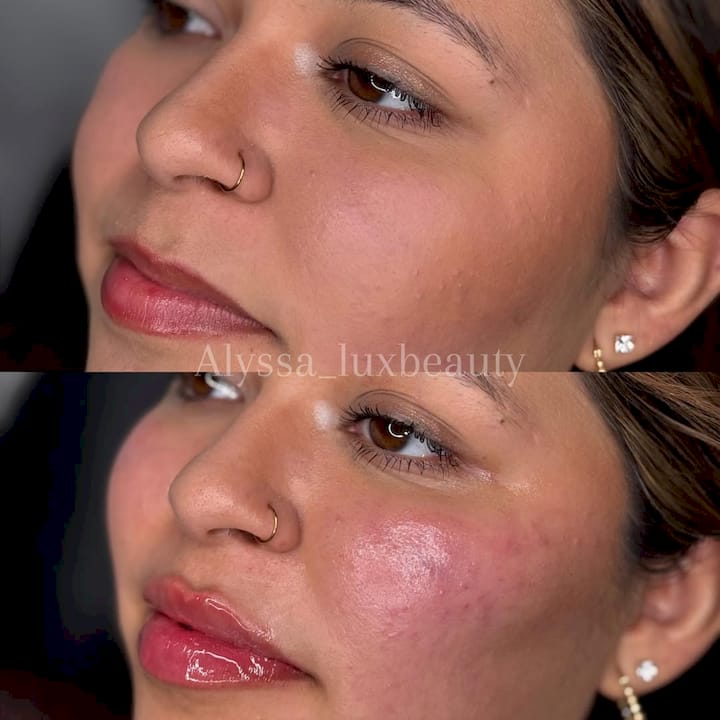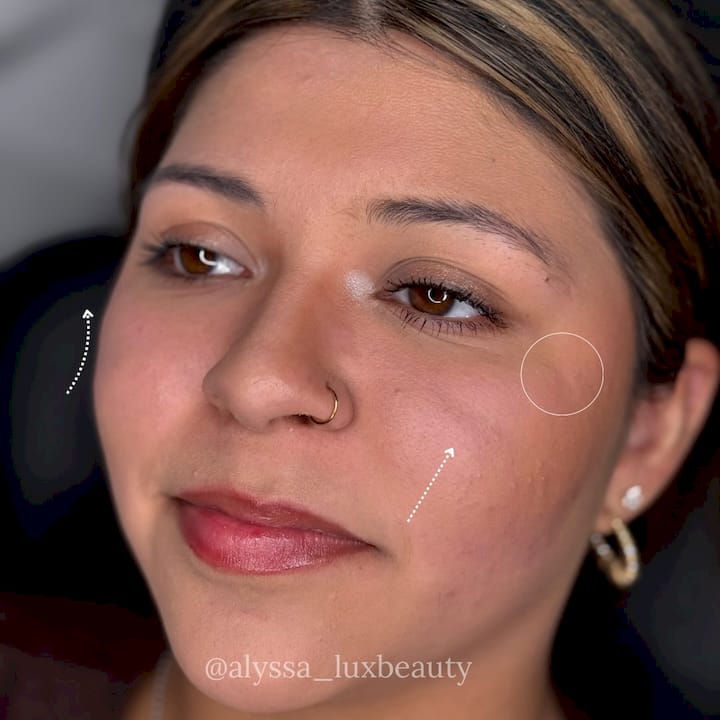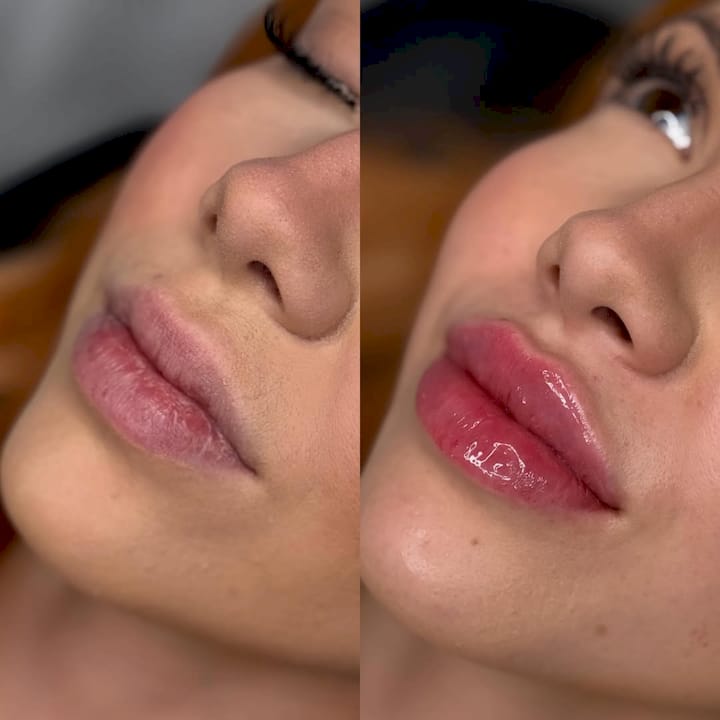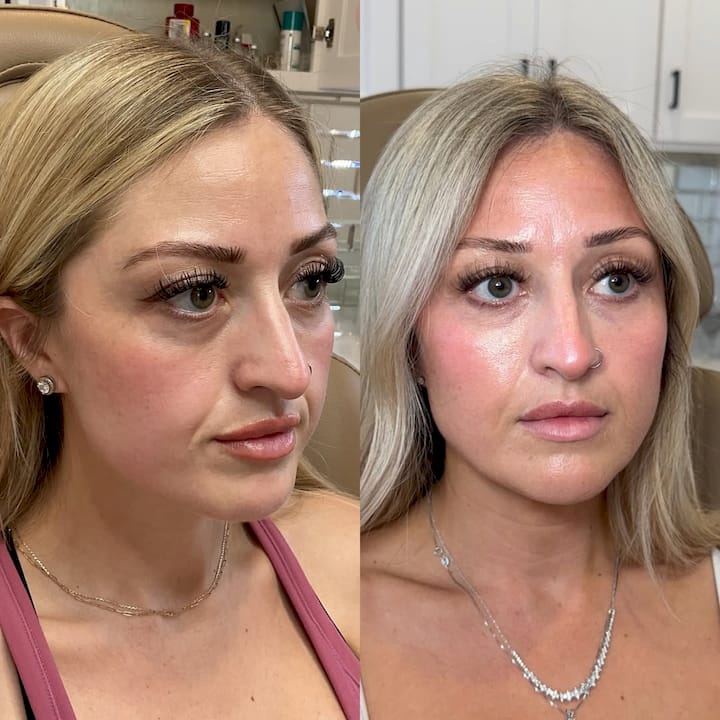
Most american adults have heard of Botox, but few realize that neurotoxins in cosmetic treatments are far more nuanced than sensational headlines suggest. Over 7 million americans undergo neurotoxin procedures each year, yet common misconceptions often cast these substances as risky or unnatural. Understanding how neurotoxins work, their specific types, and the proven safety practices behind them can empower you to make informed choices for natural and refreshed results.
Table of Contents
Key Takeaways
| Point | Details |
| Understanding Neurotoxins | Neurotoxins are safe and effective when administered by trained professionals, offering both cosmetic and therapeutic benefits. |
| Types of Neurotoxins | Various FDA-approved botulinum toxin formulations provide distinct characteristics tailored to specific treatment goals. |
| Wrinkle Reduction Mechanism | Neurotoxins reduce wrinkles by blocking muscle contractions, allowing skin to relax without impairing natural facial expressions. |
| Risks and Precautions | While generally safe, patients should be aware of potential side effects and choose experienced practitioners for treatment. |
Defining Neurotoxins and Common Misconceptions
Neurotoxins are complex biological substances that specifically target and disrupt nerve cell functioning, often causing temporary or permanent neurological changes. While many people associate neurotoxins exclusively with harmful substances, in aesthetic medicine, certain neurotoxins like botulinum toxin have transformed cosmetic treatments by safely interrupting muscle signals.
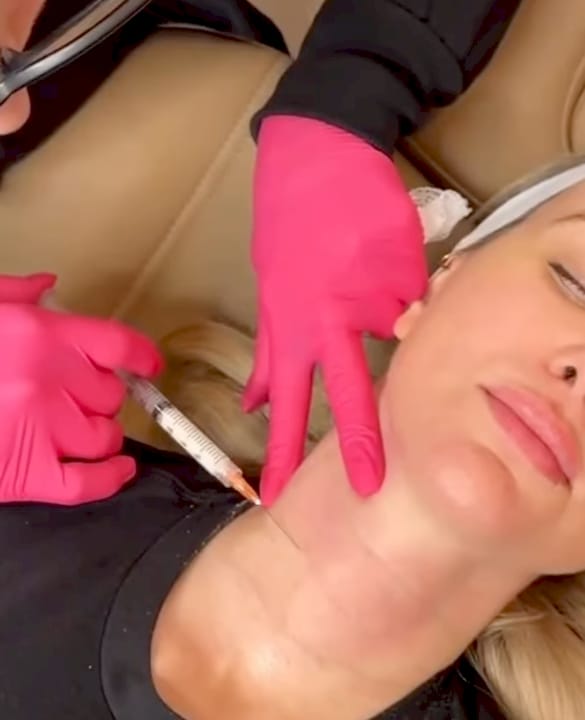
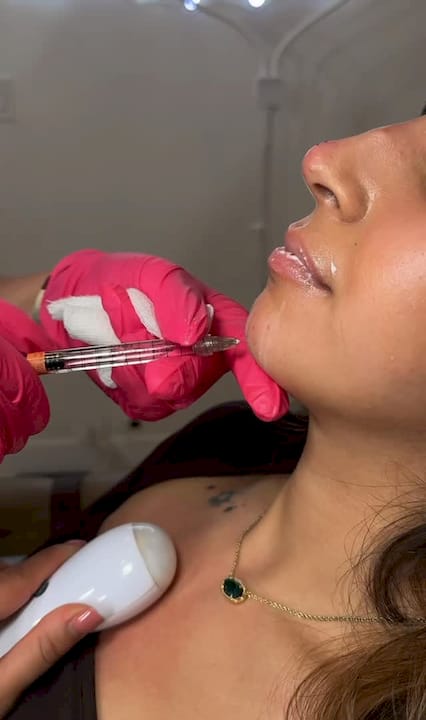
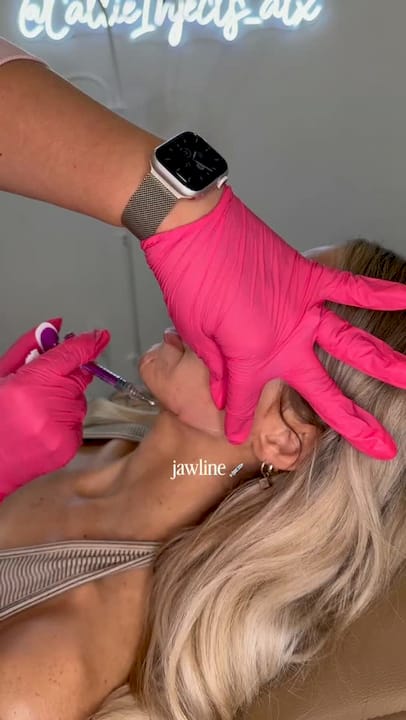
Contrary to popular belief, neurotoxins used in medical aesthetics are not inherently dangerous when administered professionally. These precision-targeted substances work by temporarily blocking nerve signals that cause muscle contractions, which can smooth wrinkles, reduce excessive sweating, and manage certain medical conditions. The key is controlled, strategic application by trained professionals who understand precise dosage and injection techniques.
Common misconceptions about neurotoxin treatments often stem from misinformation and dramatic media portrayals. Many patients worry about looking “frozen” or unnatural, but modern aesthetic applications of botulinum toxin focus on subtle, natural-looking enhancements. Skilled practitioners can strategically inject neurotoxins to create gentle, refreshed appearances that maintain individual facial expressions.
Key points about neurotoxin treatments include:
-
Highly targeted muscle relaxation
-
Temporary cosmetic and therapeutic effects
-
Minimal invasiveness compared to surgical procedures
-
Precision-based approach to aesthetic enhancement
Understanding neurotoxins requires recognizing their complexity beyond sensationalized portrayals. These sophisticated molecules represent a nuanced intersection of medical science and aesthetic artistry, offering patients refined options for personal enhancement and rejuvenation.
Types of Neurotoxins Used in Aesthetics
In the realm of aesthetic treatments, botulinum toxin represents the primary neurotoxin used for cosmetic enhancements. FDA-approved botulinum toxin preparations offer sophisticated options for patients seeking facial rejuvenation, with each variant presenting unique characteristics designed for specific treatment goals.
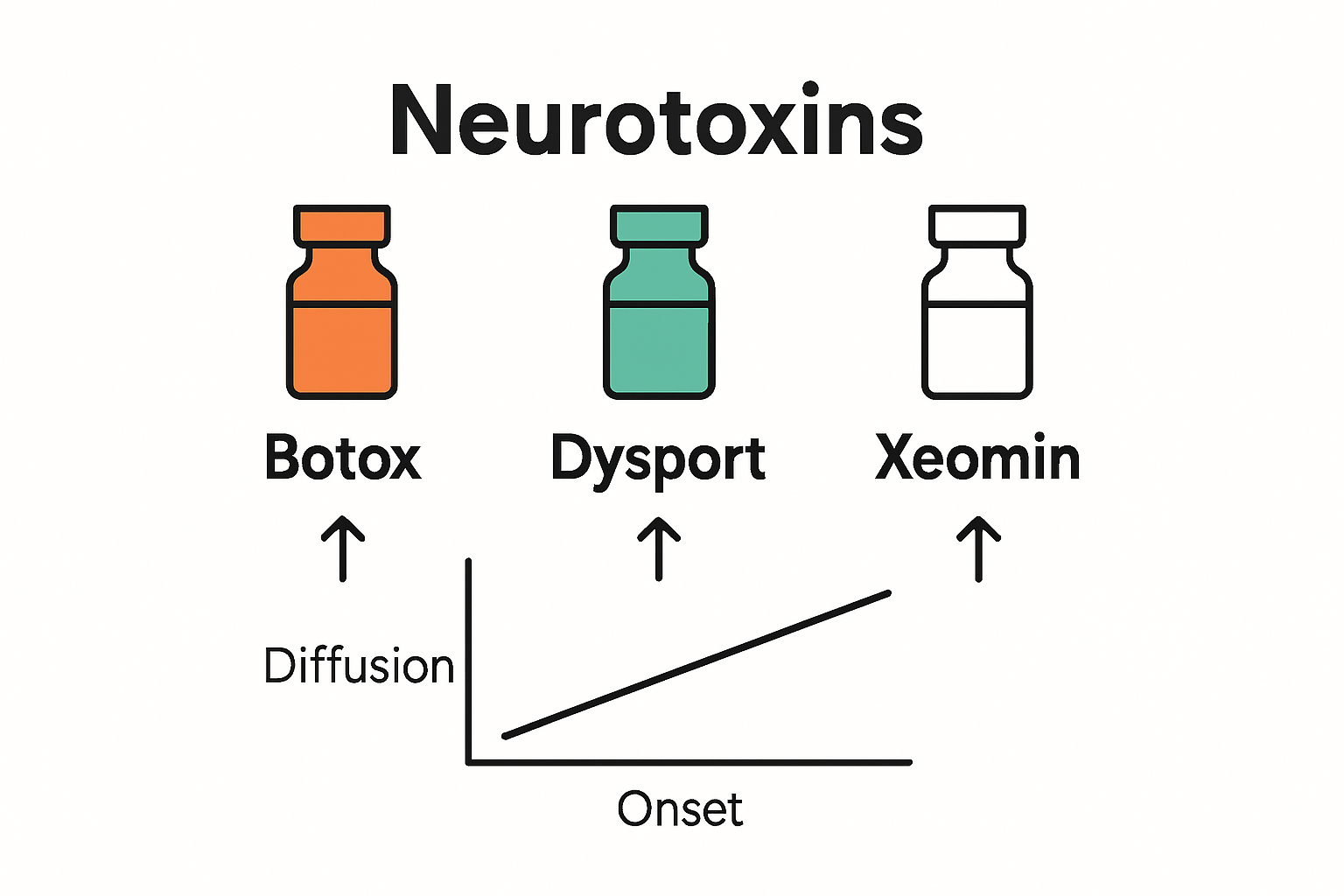
The most commonly used neurotoxins in aesthetic medicine include several type A botulinum toxin formulations. Current botulinum neurotoxin preparations demonstrate remarkable precision in targeting specific muscle groups, allowing practitioners to create nuanced, natural-looking results. These neurotoxins differ in molecular weight, protein complexity, and diffusion patterns, which significantly impact their clinical application and patient outcomes.
Key types of neurotoxins utilized in aesthetic treatments include:
-
Botox: The original and most recognized neurotoxin
-
Dysport: Known for faster onset and broader spread
-
Xeomin: Considered the “purest” formulation with minimal protein additives
-
Jeuveau: A newer option marketed as a more cost-effective alternative
Each neurotoxin type offers unique benefits, requiring practitioners to carefully select the most appropriate option based on individual patient needs, muscle anatomy, and desired aesthetic outcomes. The sophisticated molecular variations between these neurotoxins mean that personalized treatment approaches are crucial for achieving optimal results.
Understanding the subtle differences between neurotoxin types empowers patients to make informed decisions about their aesthetic treatments. While they share fundamental mechanisms of action, each formulation brings distinct characteristics that can be strategically leveraged to achieve precise facial rejuvenation and muscle relaxation.
How Neurotoxins Reduce Wrinkles and Fine Lines
Neurotoxins work through a sophisticated mechanism of action that directly targets the underlying causes of facial wrinkles. Botulinum neurotoxin type A fundamentally interrupts muscle activity by blocking acetylcholine release at neuromuscular junctions, preventing muscle contractions that create dynamic wrinkles and fine lines.
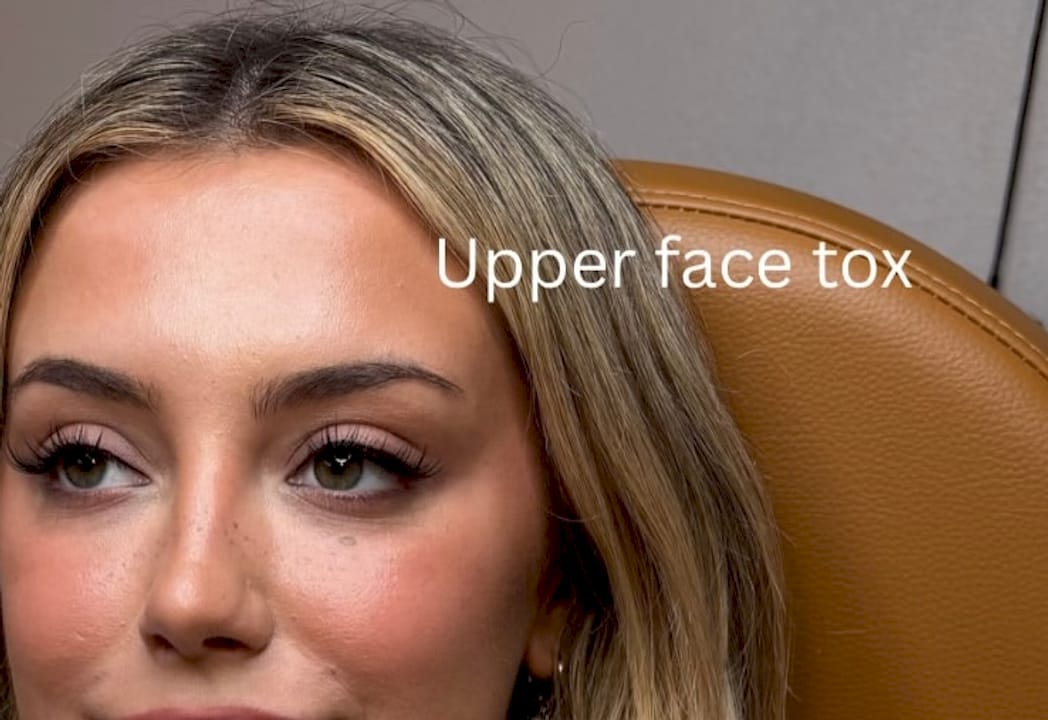
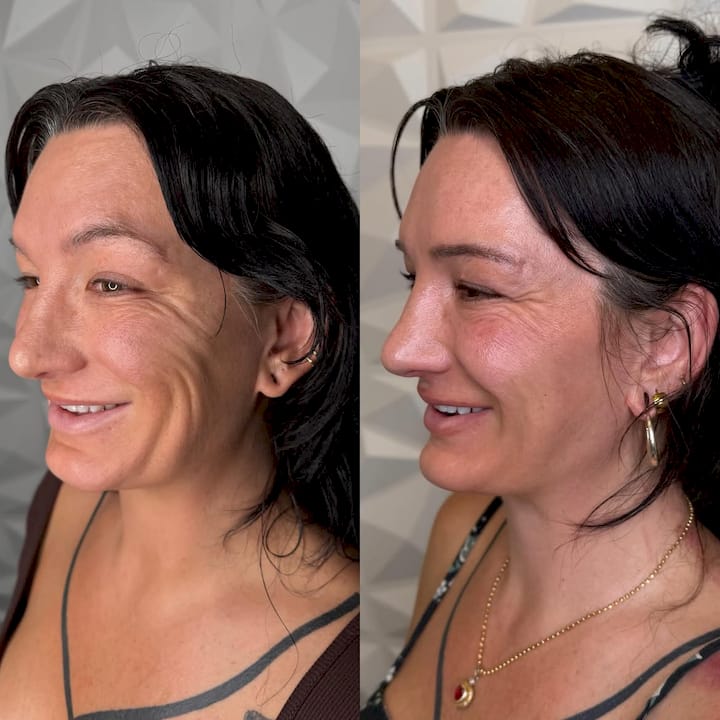
The precise neuromuscular intervention of botulinum toxin allows practitioners to strategically relax specific facial muscles responsible for repetitive expressions. When these muscles are temporarily paralyzed, the skin above smooths out, reducing the appearance of wrinkles caused by repeated muscular movements like squinting, frowning, or smiling. This targeted approach means wrinkle reduction happens without compromising overall facial mobility or natural expressiveness.
Key processes in wrinkle reduction include:
-
Interrupting nerve signals to specific muscle groups
-
Preventing muscle contractions that create expression lines
-
Allowing skin to naturally relax and smooth out
-
Temporarily blocking chemical signals that trigger muscle movement
Unique benefits of neurotoxin treatments for wrinkle reduction include:
-
Minimal invasive intervention
-
Quick treatment times
-
Gradual, natural-looking results
-
Customizable treatment areas
By understanding neurotoxin mechanisms, patients can appreciate how these advanced treatments offer precise, targeted approach to facial rejuvenation. The subtle yet transformative effects help individuals achieve a refreshed appearance while maintaining their natural facial characteristics.
Risks, Side Effects, and Safety Considerations
Neurotoxin treatments, while generally safe, involve potential risks that patients must carefully consider. Comprehensive reviews of cosmetic neuromodulator complications highlight several important safety considerations, including the potential for temporary side effects and rare but serious physiological responses.
Minimally invasive cosmetic procedure complications can manifest in various ways, requiring patients and practitioners to remain vigilant. Common side effects include mild bruising, temporary muscle weakness, and localized discomfort at injection sites. More rare complications might involve asymmetrical results, drooping eyelids, or unintended muscle relaxation in adjacent areas.
Potential risks and side effects include:
-
Temporary facial muscle weakness
-
Minor injection site bruising
-
Potential headaches
-
Slight facial asymmetry
-
Rare allergic reactions
Key safety precautions for patients include:
-
Choose a board-certified, experienced practitioner
-
Disclose complete medical history
-
Avoid treatments during pregnancy
-
Wait recommended intervals between treatments
-
Report any unusual symptoms immediately
By understanding potential neurotoxin treatment risks, patients can make informed decisions and minimize potential complications. Professional consultation and thorough medical screening remain the most effective strategies for ensuring safe and successful aesthetic treatments.
Choosing Neurotoxin Treatments versus Alternatives
Aesthetic treatments offer multiple approaches to addressing facial aging and skin concerns, with neurotoxins representing just one sophisticated option. Injection techniques for neurotoxins and fillers demonstrate that selecting the right treatment depends on individual aesthetic goals, skin condition, and specific areas of concern.
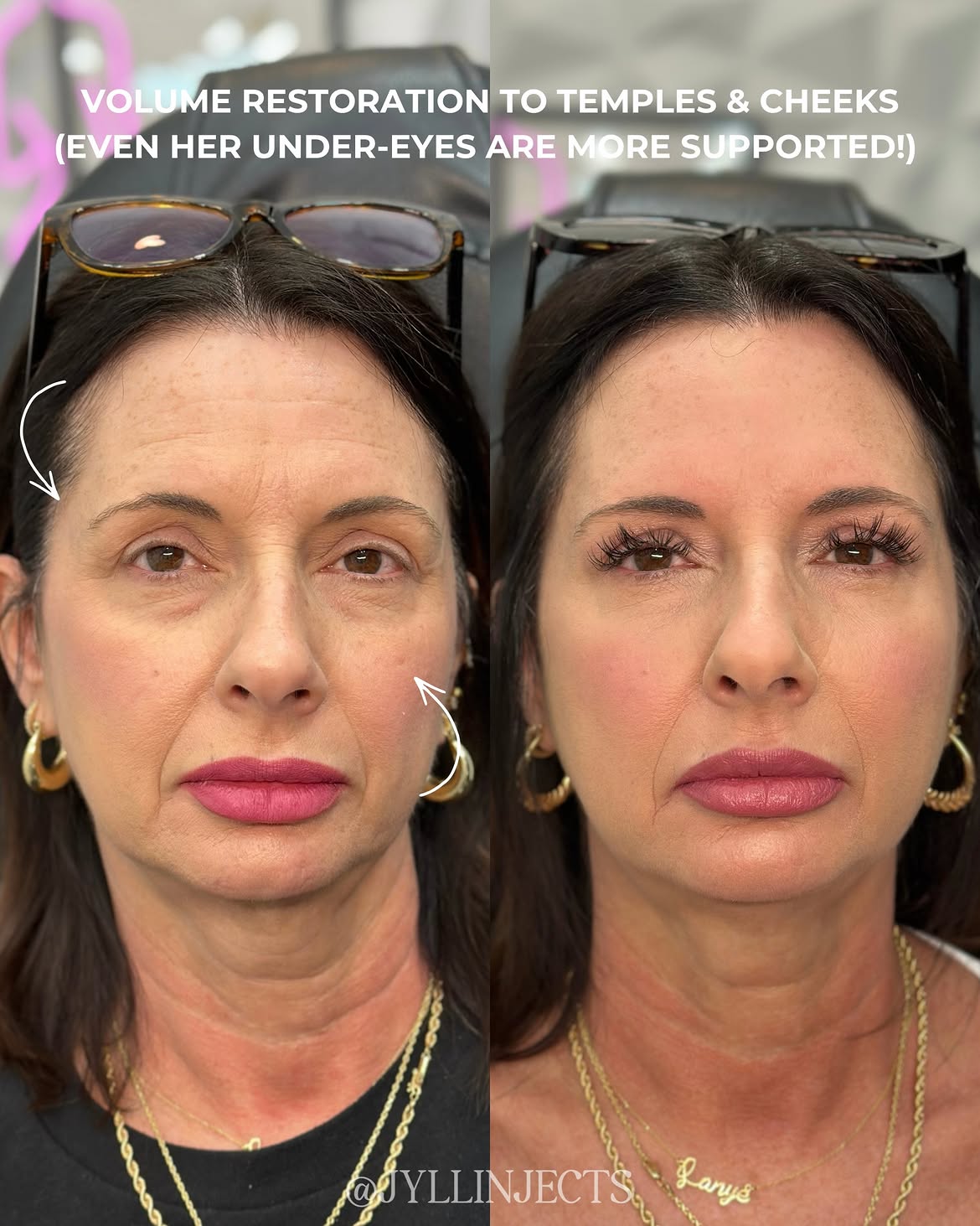
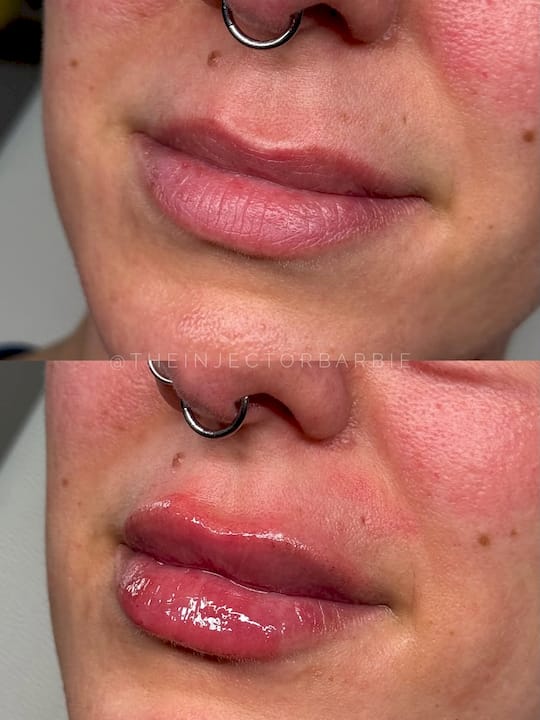
Comprehensive comparisons between facial fillers and neurotoxins reveal distinct advantages and limitations for each treatment. Neurotoxins excel at addressing dynamic wrinkles caused by muscle movement, while dermal fillers are more effective for restoring volume and smoothing static lines. The choice between these treatments often requires a nuanced understanding of their unique mechanisms and potential outcomes.
Key considerations when selecting between neurotoxins and alternative treatments include:
-
Specific aging concerns
-
Desired aesthetic outcome
-
Budget constraints
-
Recovery time
-
Longevity of results
Alternative treatment options to neurotoxins include:
-
Dermal fillers
-
Microneedling
-
Chemical peels
-
Laser resurfacing
-
Collagen stimulation therapies
By understanding the range of aesthetic treatment options, patients can make informed decisions tailored to their individual aesthetic goals. Professional consultation remains crucial in navigating these choices, ensuring personalized recommendations that align with individual skin characteristics and desired outcomes.
Experience the Art and Science of Neurotoxin Treatments at The Injection Room
If you are seeking a safe and highly targeted way to reduce wrinkles and achieve a refreshed, natural appearance neurotoxin treatments might be the solution you need. The challenge of unwanted expression lines and fine wrinkles can feel frustrating and impact your confidence but with advanced formulations like Botox, Dysport, and Xeomin, you can enjoy subtle enhancements that preserve your natural facial expressiveness.
Take the next step toward personalized facial rejuvenation with expert care at The Injection Room. Our experienced providers specialize in precisely tailored neurotoxin treatments that consider your unique muscle anatomy and aesthetic goals. Learn more about how neurotoxins diminish wrinkles and explore other options including dermal fillers and microneedling to create a comprehensive approach to your skin wellness. Do not wait to feel more confident and radiant book your consultation now for safe and effective aesthetic solutions crafted just for you.
Frequently Asked Questions
What are neurotoxins used for in aesthetics?
Neurotoxins are used in aesthetics primarily to reduce the appearance of wrinkles and fine lines by temporarily blocking nerve signals that cause muscle contractions, resulting in smoother skin.
How do different types of neurotoxins differ from each other?
Different types of neurotoxins, like Botox, Dysport, Xeomin, and Jeuveau, vary in their molecular weight, diffusion patterns, and onset times, which can affect the choice of treatment based on individual patient needs.
Are there any risks or side effects associated with neurotoxin treatments?
Yes, while neurotoxin treatments are generally safe, potential risks include temporary facial muscle weakness, bruising, and in rare cases, allergic reactions or asymmetry, which highlight the importance of choosing an experienced practitioner.
How do neurotoxins work to reduce wrinkles?
Neurotoxins work by blocking the release of acetylcholine at neuromuscular junctions, preventing muscle contractions that lead to dynamic wrinkles, allowing the skin to relax and smooth out over time.


%20Pictures%20are%204%20weeks%20apart..jpg)